There’s a quiet irony in taking a knife designed for confrontation…
and teaching it patience.
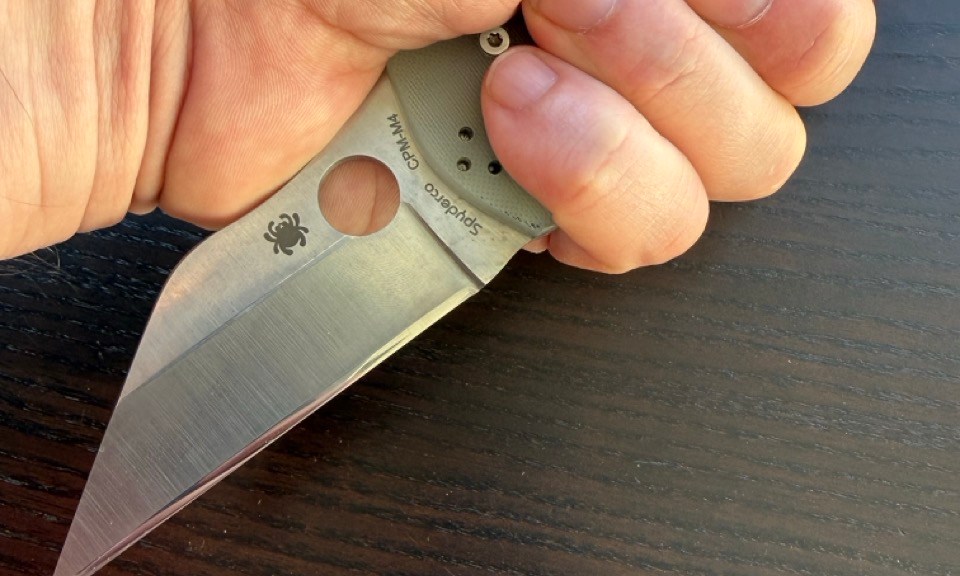
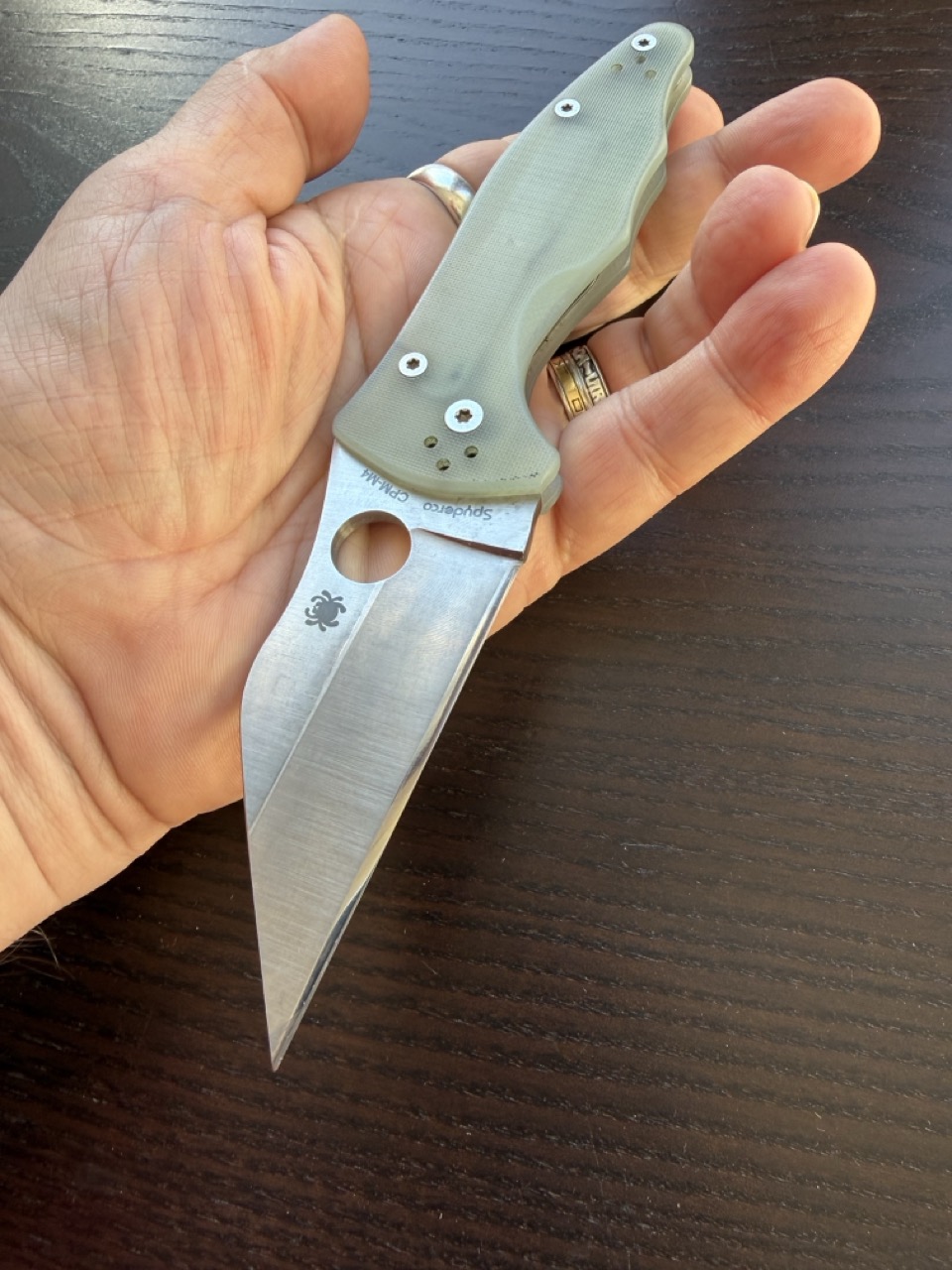
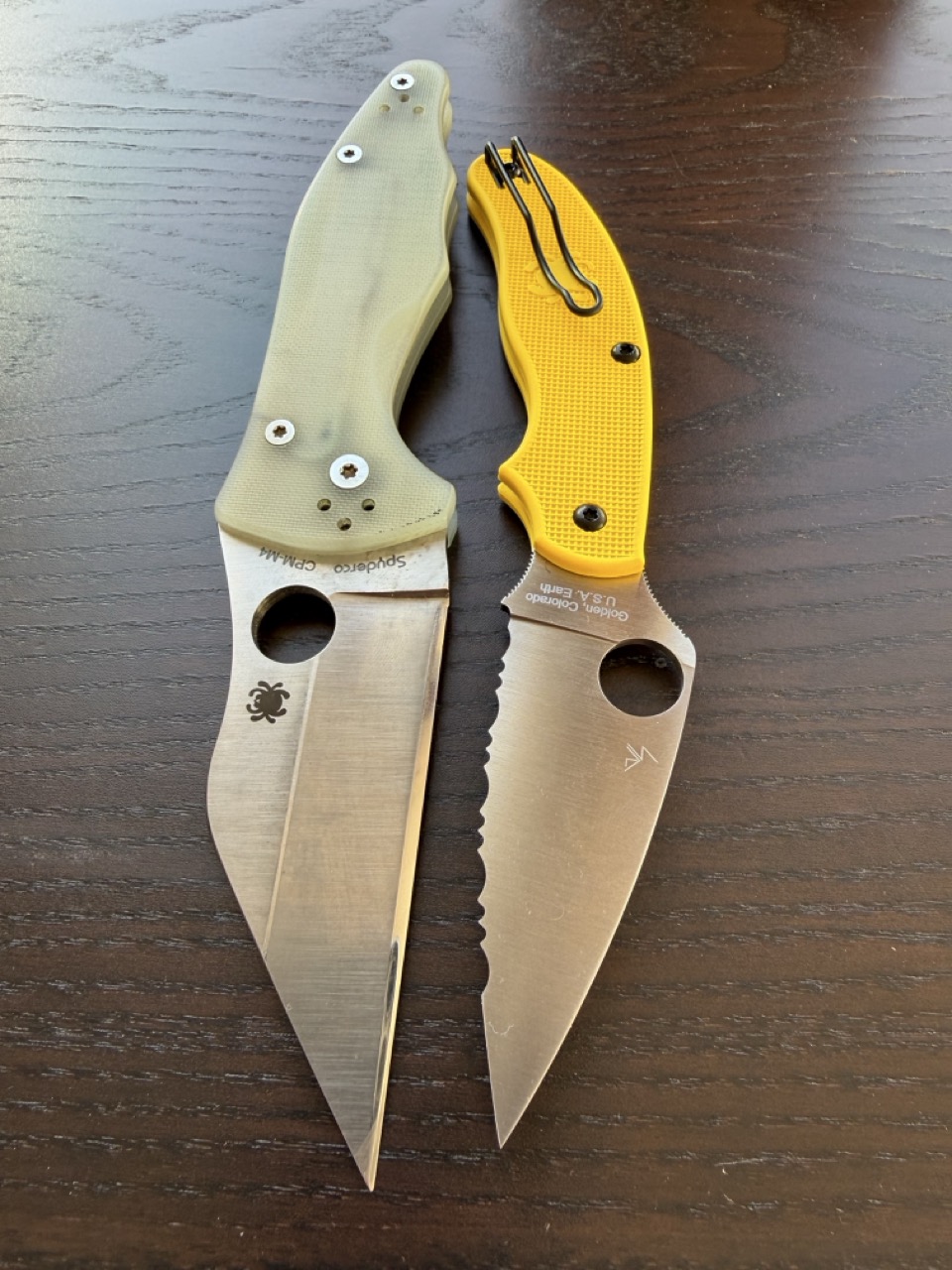
I’ve written more than once about Jade, my 8 years old Spyderco Yojimbo 2 Sprint Run—a blade that was never meant for the forest.
It was conceived for speed, control, and intent in a very different kind of environment.
But strip away the narrative, and what remains is geometry.
And geometry doesn’t lie.
Somewhere along the way, it became clear that I wasn’t alone in that realization.
At the last Minimeet, I had the chance to handle a design by Michael Janich—a fixed-blade prototype unmistakably rooted in the Yojimbo 2’s DNA, yet openly aimed at bushcraft.
That moment changed the perspective.
Because it confirmed something simple: using a Yojimbo 2 in the woods isn’t a vue de l’esprit.
It’s not a conceptual stretch, nor a contrarian experiment.
It’s a natural evolution.
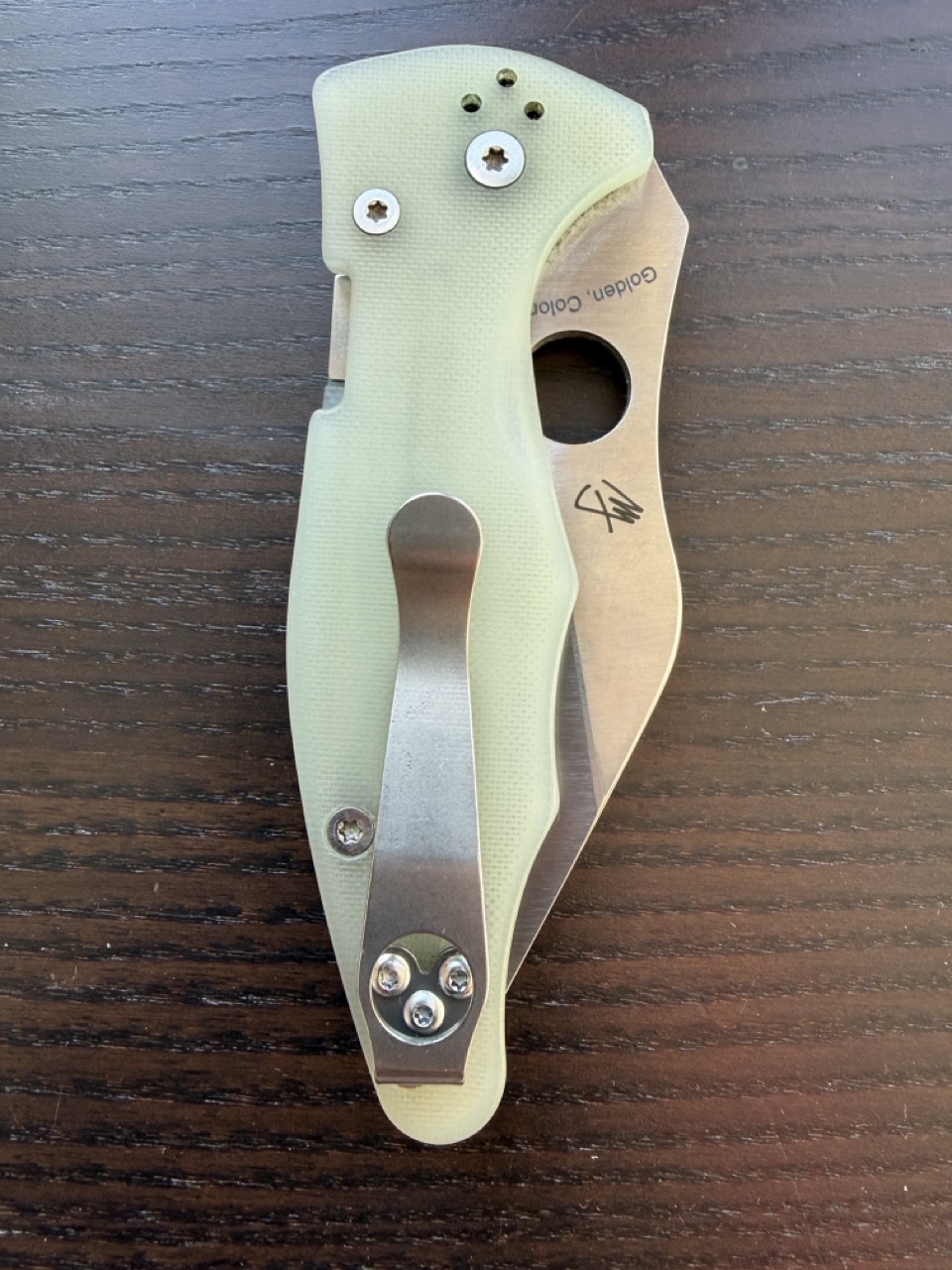
I wasn’t alone in seeing it as a whittler, a wood cutter, a tool for controlled work rather than confrontation.
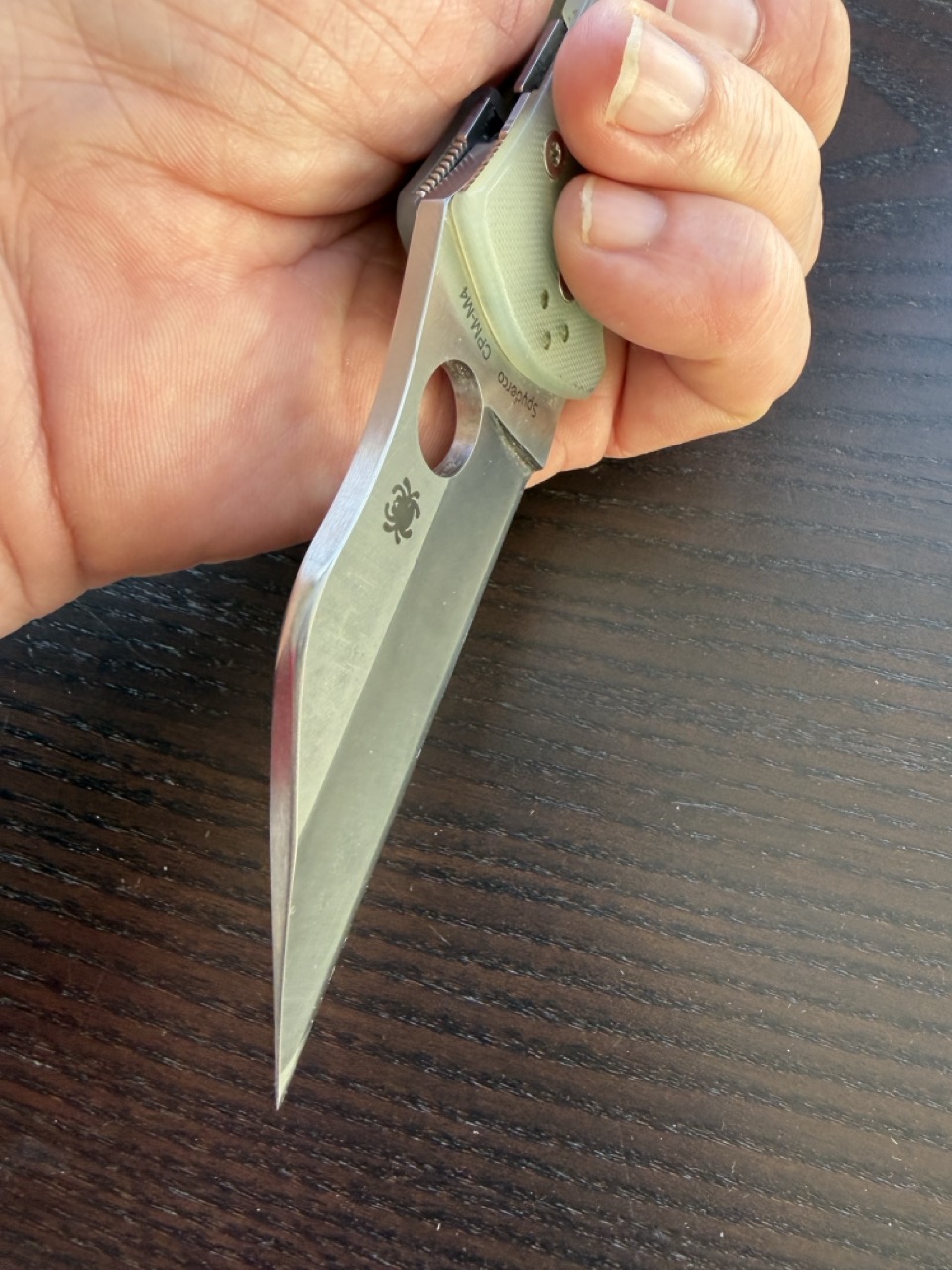
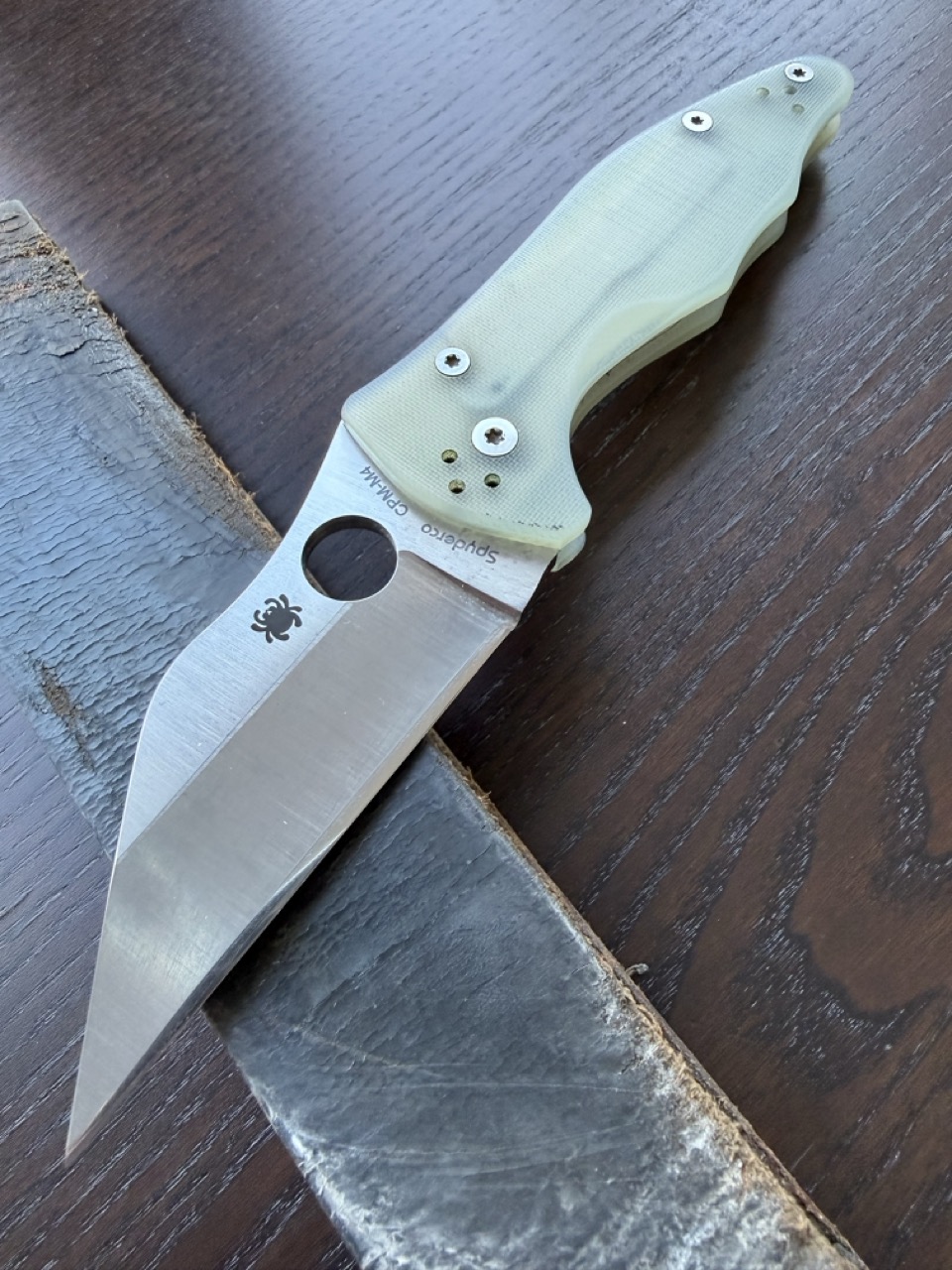
It’s my reinterpretation—since 2018—of what a reliable forest knife could be against the grain: hollow grind and very pointy wharncliffe.
- Steel: CPM M4 — aggressive, unforgiving, alive… and tough.
Tougher than S30V, which matters when your Yojimbo carries a fine, precise tip. - Edge: Convexed — reshaped for efficiency, and just as importantly, easy maintenance on leather.
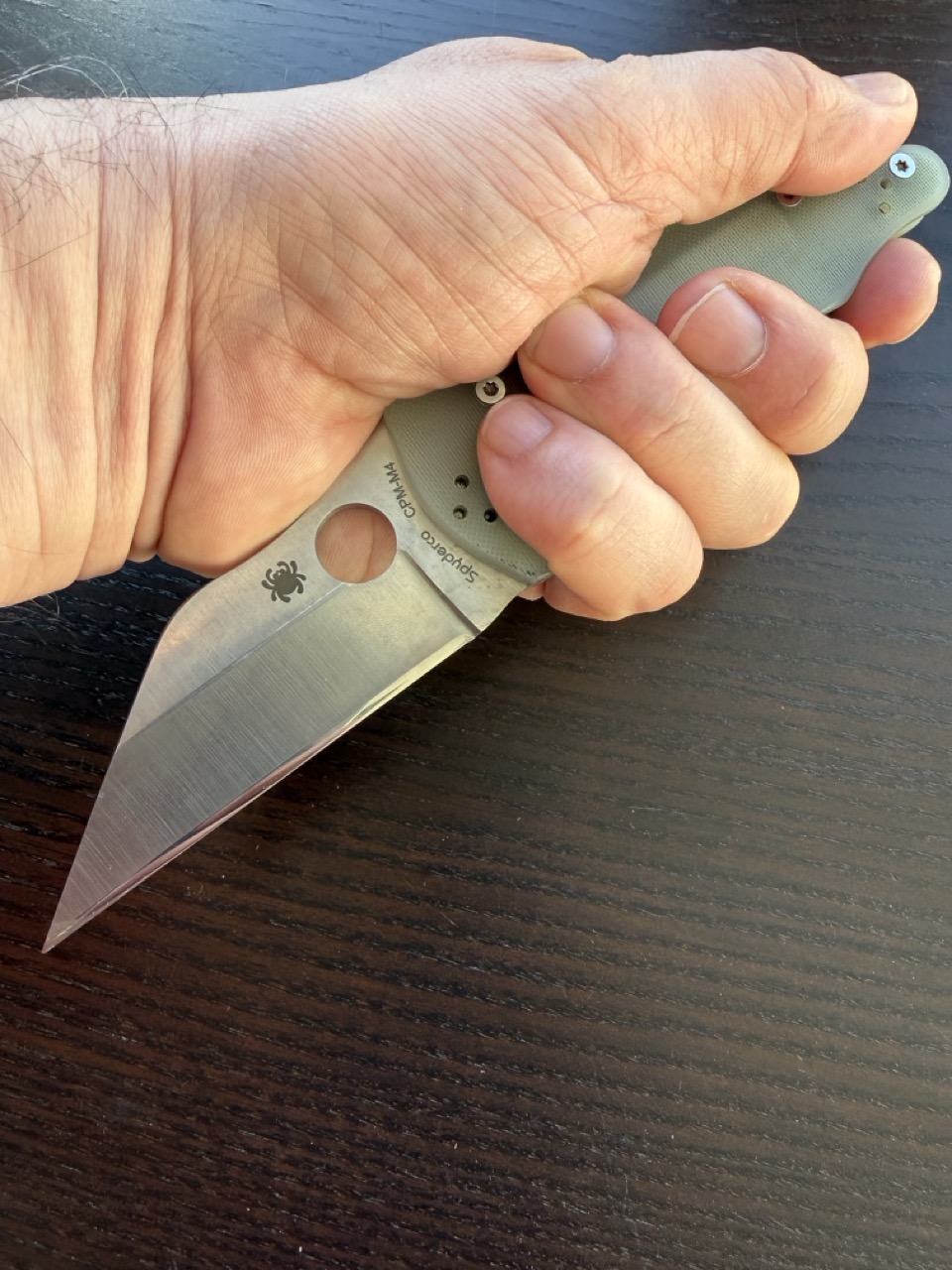
A working edge, not a showroom finish. - Spine: Rounded — softened for control, especially in push cuts driven by the thumb of my left hand.
These aren’t cosmetic tweaks.
They are functional decisions that shift the knife’s center of gravity—from tactical response to wood interaction.
Because using a knife gently on a piece of wood is not just a task.
It’s a sensation. And that sensation—quiet, controlled, almost meditative—is where the real value lies.
Cutting wood is not only about efficiency.
It’s about pleasure.
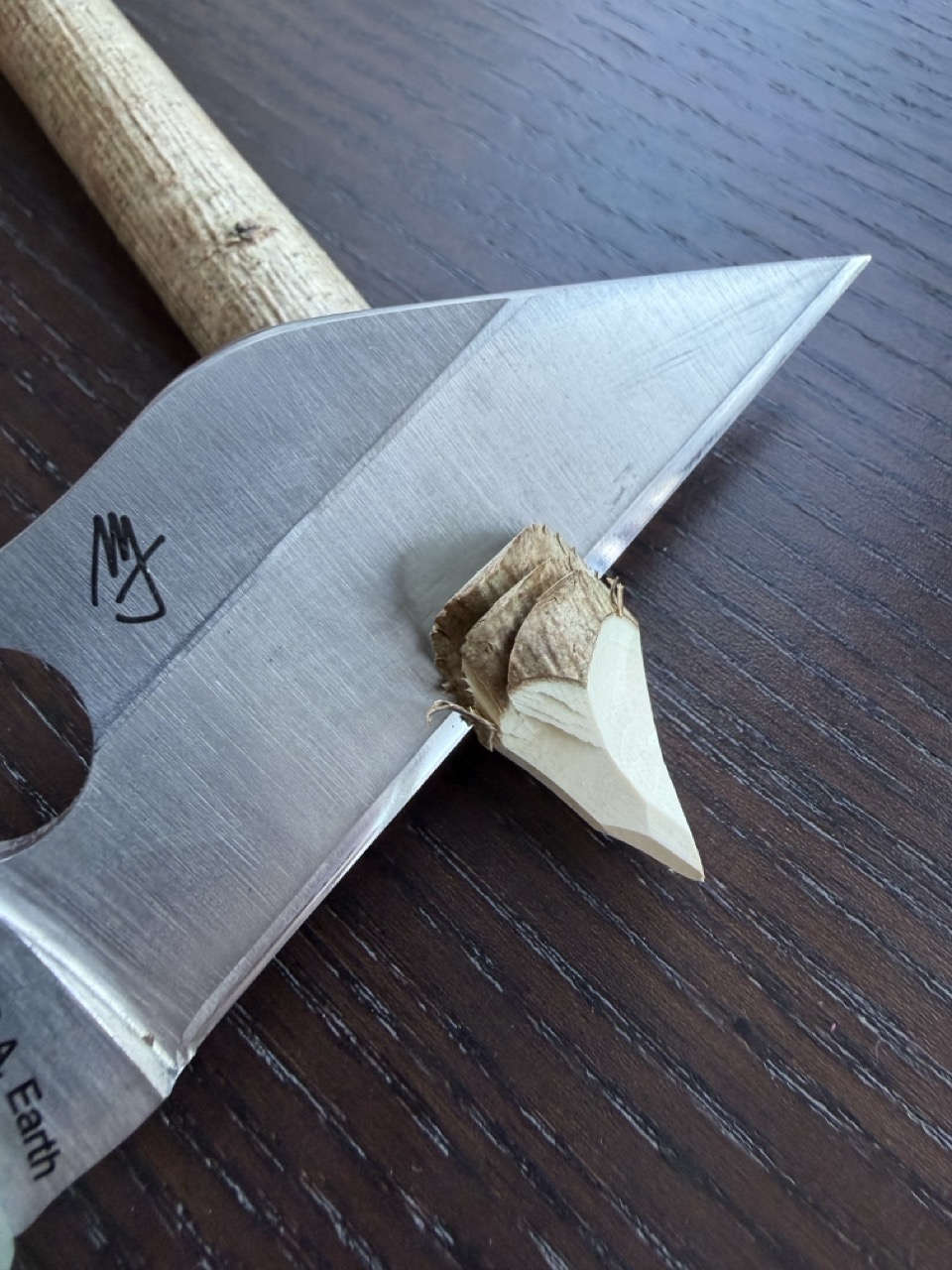
And pleasure is an essential part of the cutting experience with a CPM M4 thin edge. That straight edge doesn’t fight the material—it applies a constant, controlled pressure through the cut.
It enters, separates, and exits with a continuity rarely found in production folders. Michael Janich has been advocate of that design for 25 years. And it seems he has taken his own Yo2 in the wild too.
Because that’s where the Wharncliffe reveals its truth.
Its straight edge isn’t a limitation—it’s an advantage for whittling.
Precision cuts become natural. Predictable. Repeatable.
And then the thin, convexed edge takes over.
Suddenly, even hard, dry wood yields with ease:
- cuts deepen without resistance
- fibers part cleanly—almost polished under the thumb
- the blade tracks perfectly straight, as if guided on rails
What is often misunderstood as a “tactical” profile becomes something else entirely: a controlled cutting line—precise, deliberate, uncompromising.
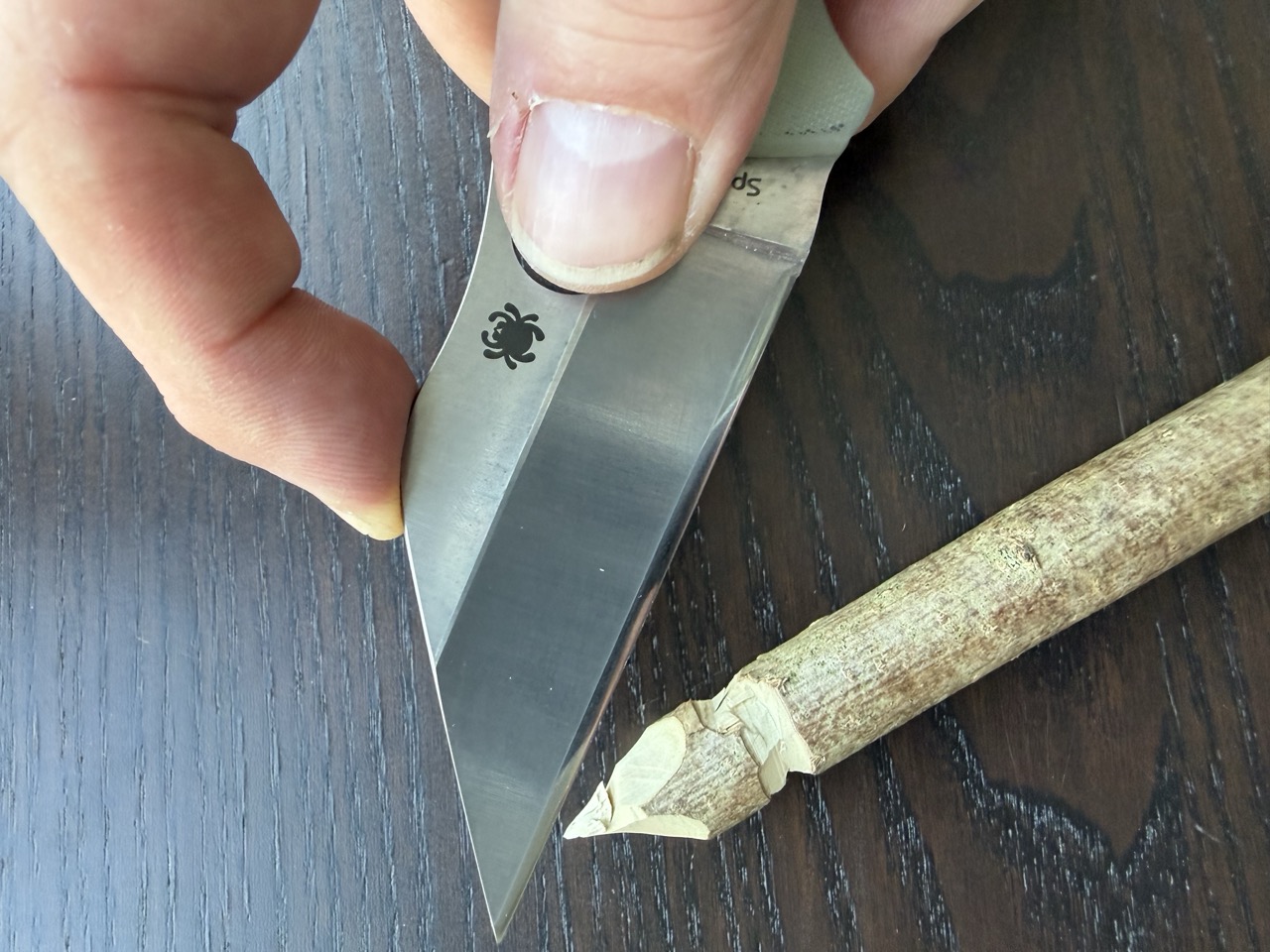
Even feathersticks are no longer a technique.
They become a rhythm. A mantra.
Notches become intention.
Every movement feels deliberate. In total control.
Then comes the detail most people ignore: I have rounded spine on my Yo2. This is where the knife becomes an extension of my hand.
No more sharp edges digging into the thumb.
No hesitation when applying pressure.
Just a direct transfer of force, guided and stable.
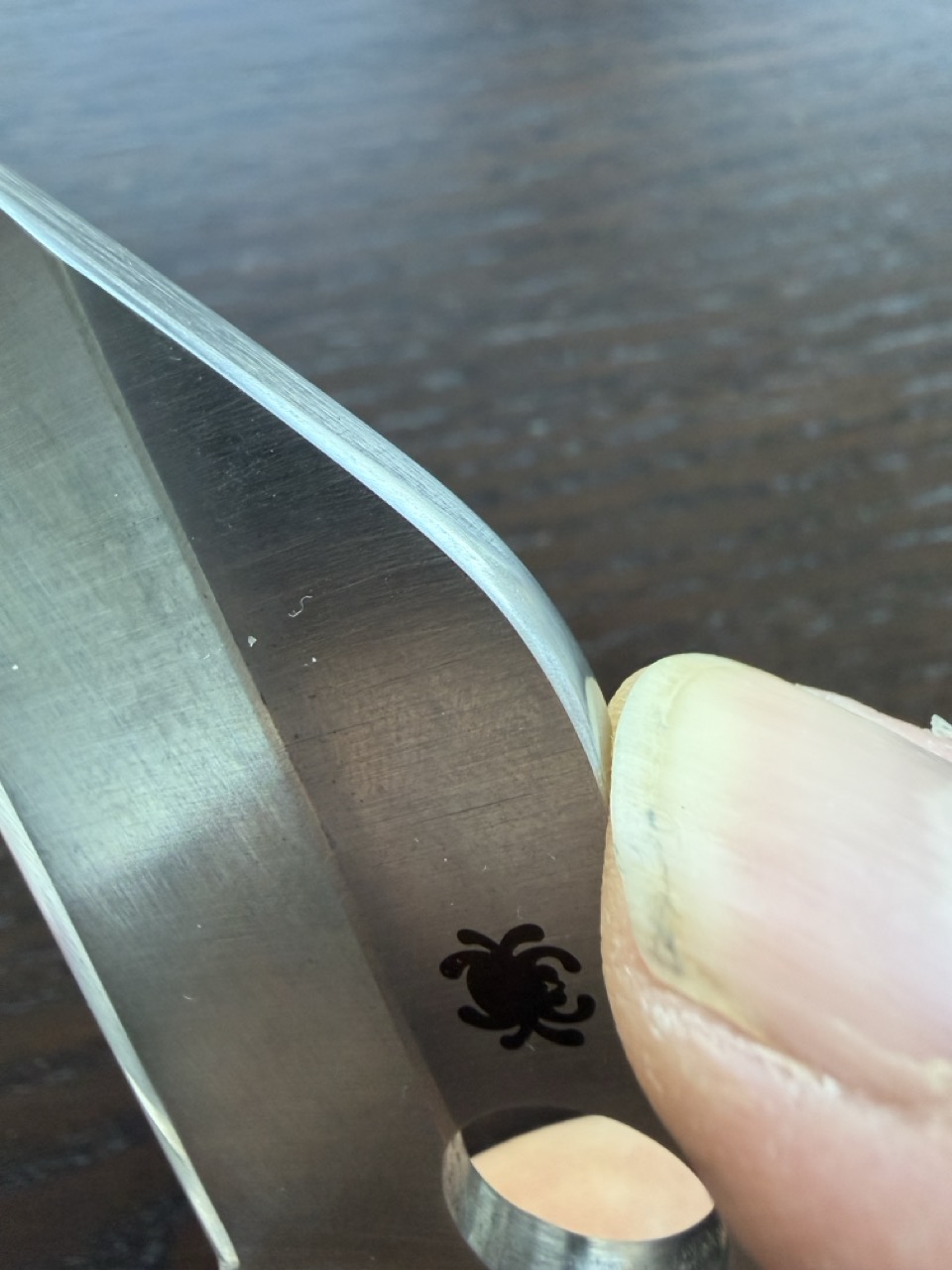
In extended carving, this changes everything.
You don’t adjust your grip to the knife.
The knife adapts to your movement.
But CPM-M4 is not a forgiving companion.
It stains.
It reacts.
It asks for care. This is not Magnacut. 😉
But in return, it offers something rare: a lasting, aggressive bite into the material. In wood, that translates directly to efficiency.
Less effort. More control. Longer sessions without compromise.
It does raise a question, though—one worth exploring.
How would a Magnamax Yojimbo 2 perform in that domain?
Magnamax sits close, in spirit, to a stainless K390—high wear resistance, a keen, persistent edge in a rustproof package.
That could change the balance for a wooden Yojimbo 2.
Either way, it would be an interesting evolution of a SD tool into a wood knife.
But back in 2018, when Jade took shape as a sprint run, CPM M4 was the undisputed king of the hill.
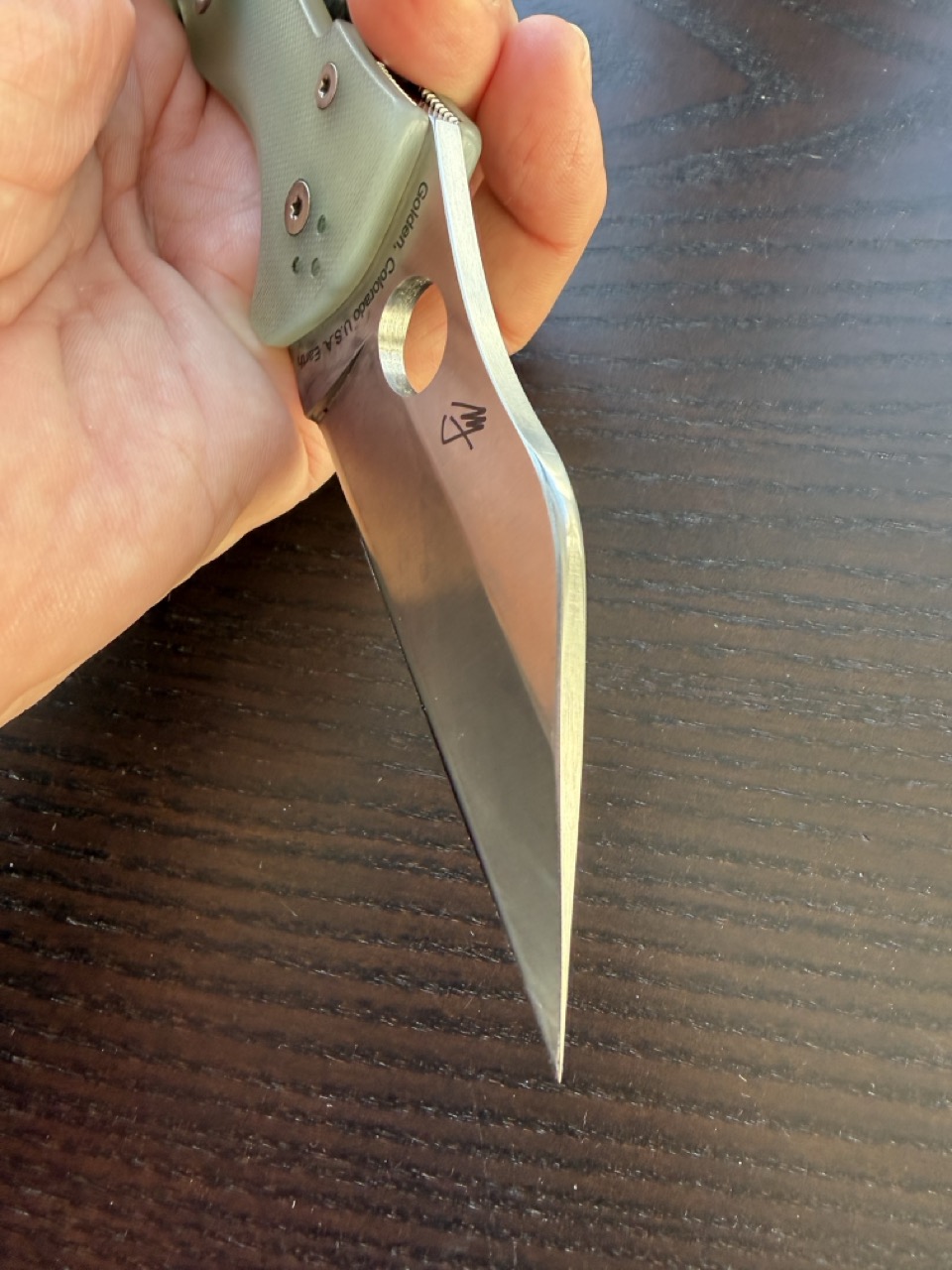
Let’s be clear: Jade is not my traditional bushcraft knife.
- It won’t baton logs
- It won’t split kindling with brute force
- It doesn’t pretend to be indestructible
But that’s precisely the point. This knife exists in its own different space:
Where cutting is not about survival theater,
but about precision, control, and understanding the material.
Calm and enjoyment.
It remains a folding knife and its tip is fine, by design.
But within its intended envelope, Jade performs with a clarity few knives achieve.
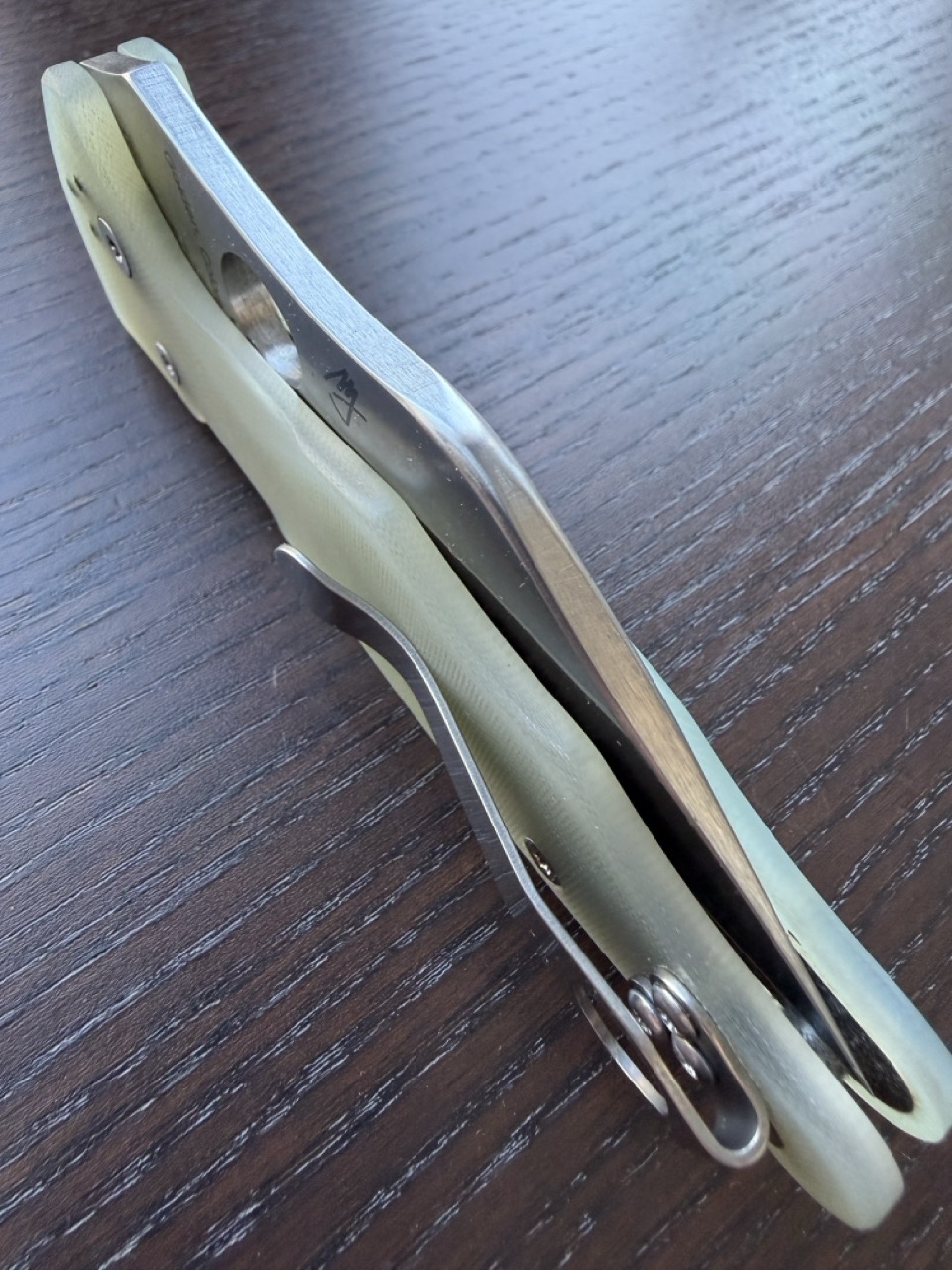
Because some knives are defined by their makers and others are polished by their users.
Jade belongs to the latter.
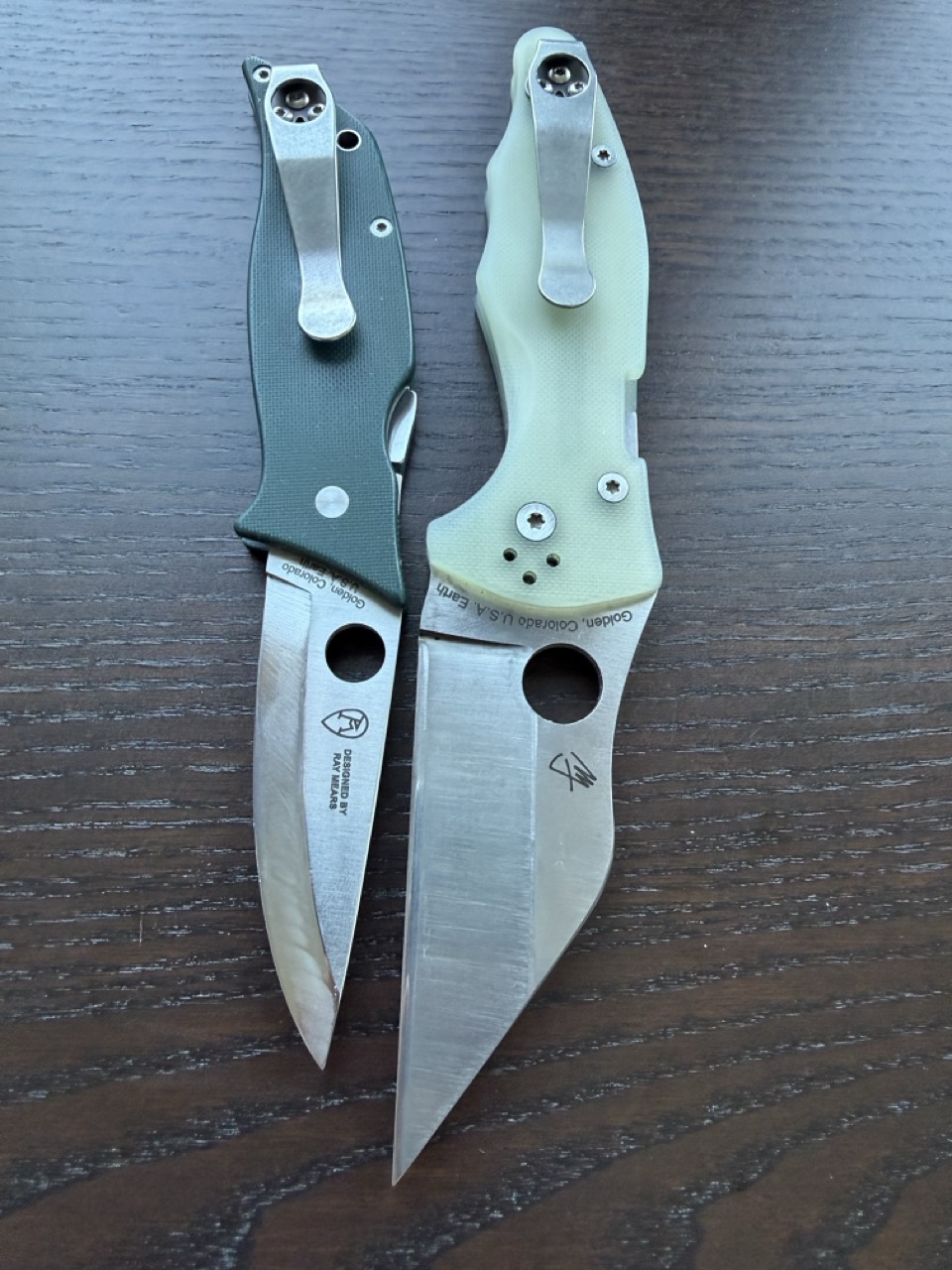
What began as a tactical tool has become something quieter, more refined:
a modern woodcraft instrument, shaped not by doctrine, but by experience. Convex at the edge, softened at the spine—
this is not a knife that was designed for the woods.
It’s a knife that learned them.
Jade the quiet warrior…
 NemoKnivesReview