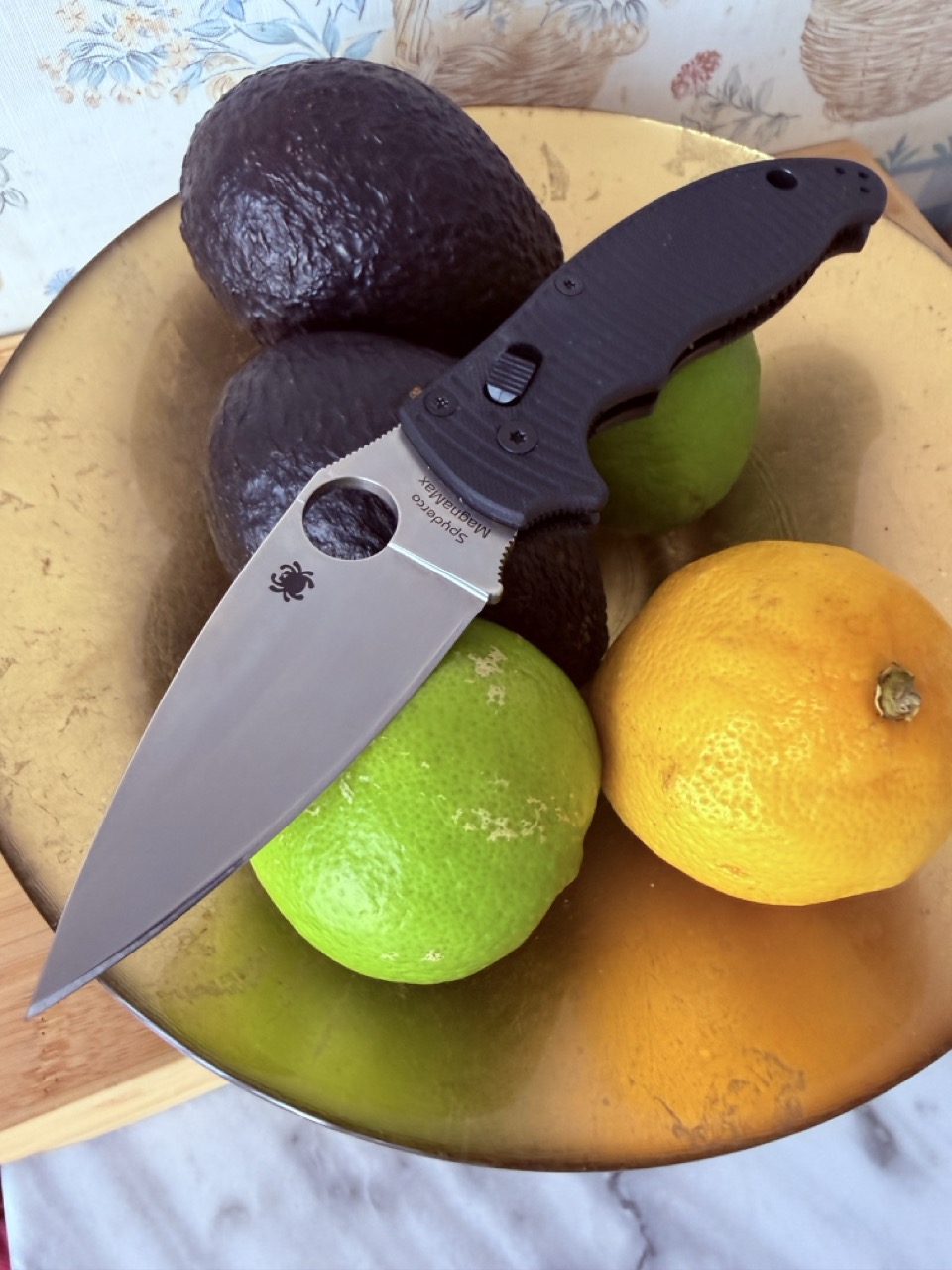
Since my first impressions linked here, and after swapping the original handle for the one from my Manix 2 Salt G-10 MagnaCut, I’ve now spent the last fifteen days putting V8 through its paces in a variety of real-world environments.
Kitchen Duty
Summer is still in full swing, which means salads are a daily ritual at home. Every day, V8 slices cucumbers, pickles, tomatoes of every size, melons, lemons, and all kinds of cheeses—some of them considerably more invasive to a knife’s mechanism than others.
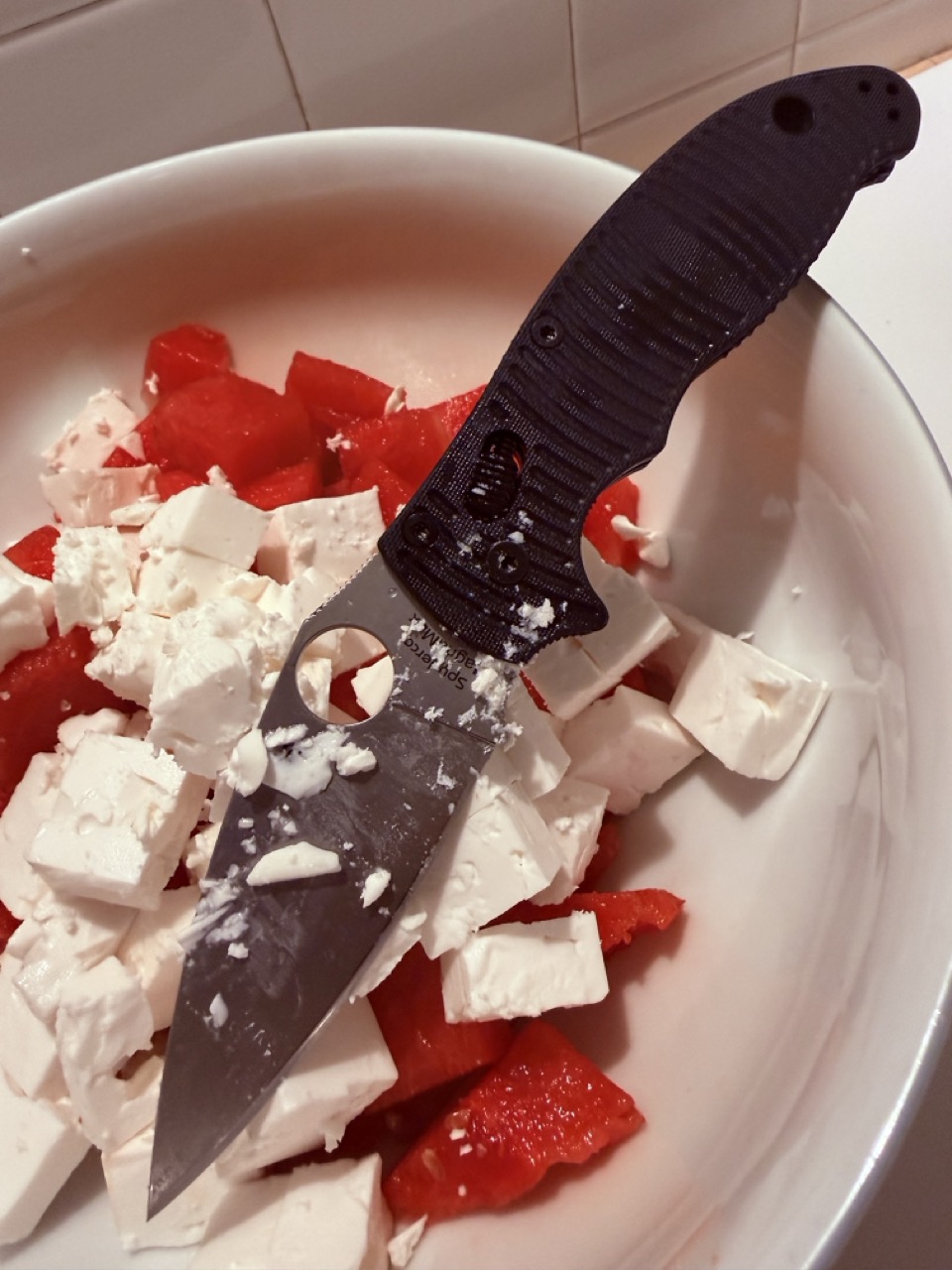
Working with oily or soaking wet hands is simply part of the experience. Once again, it reminded me just how pleasant the G-10 handles on the Salt models are under these conditions, whether it’s V8 or Gurney, my Military 2 Salt.
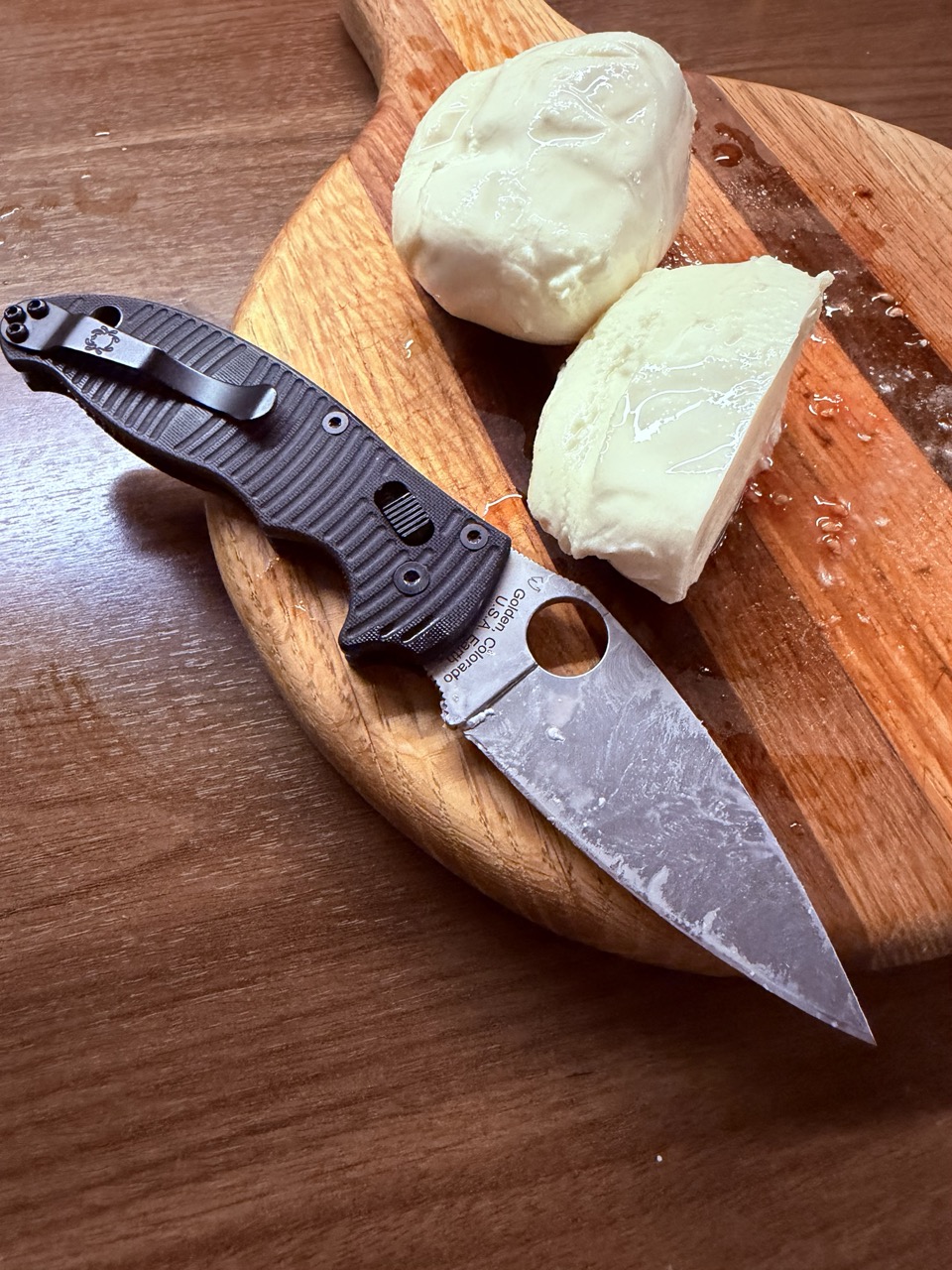
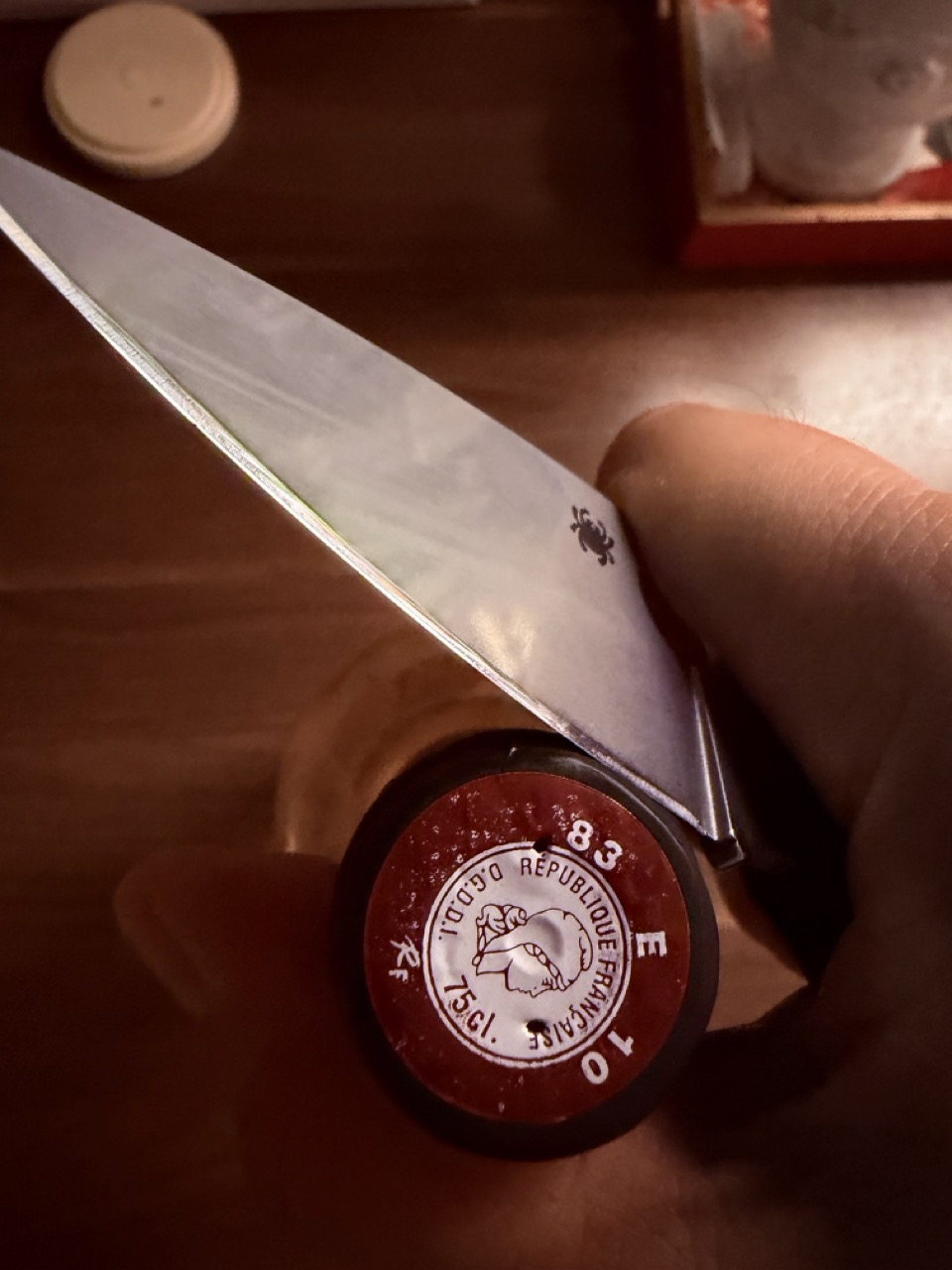
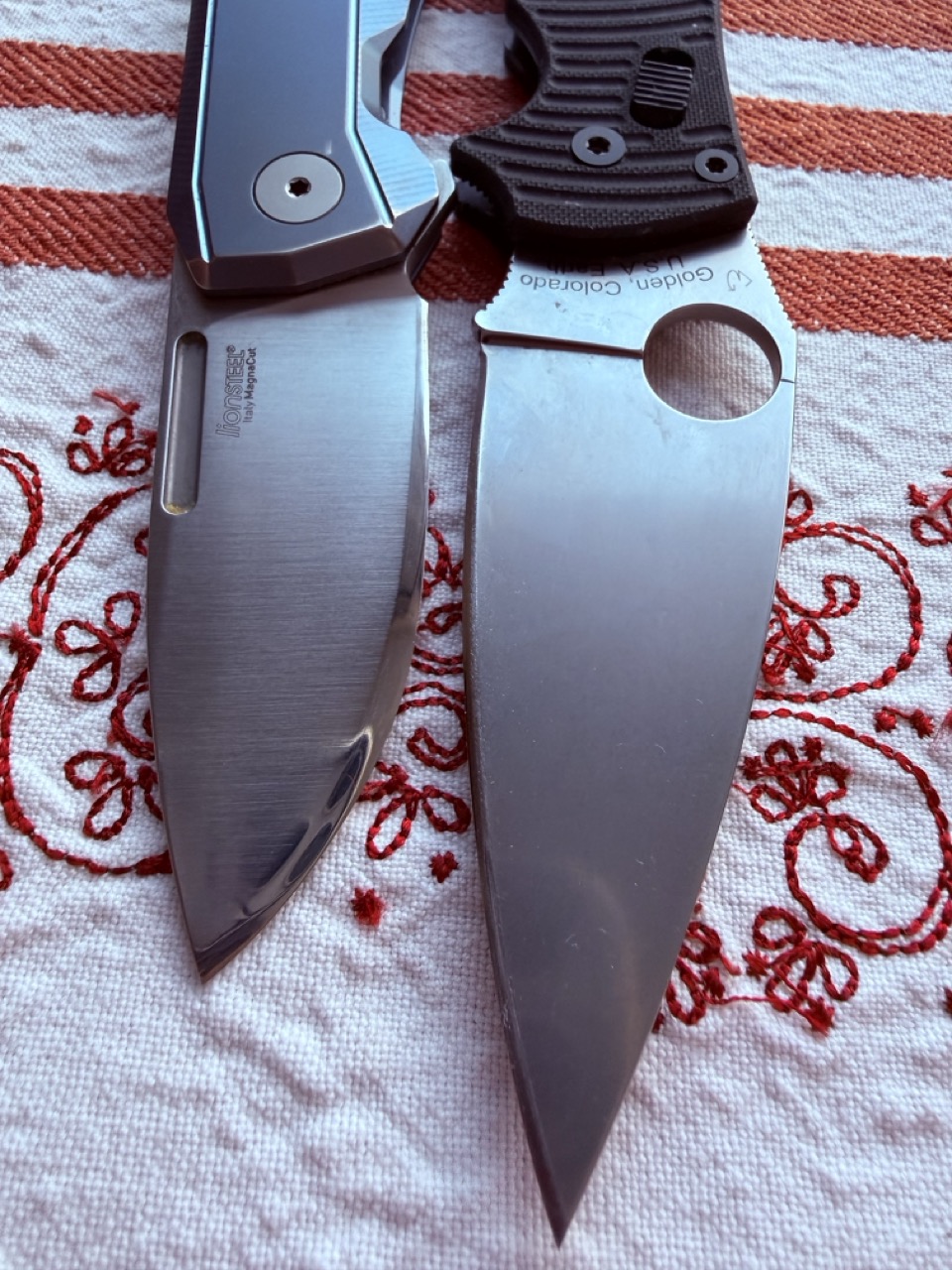
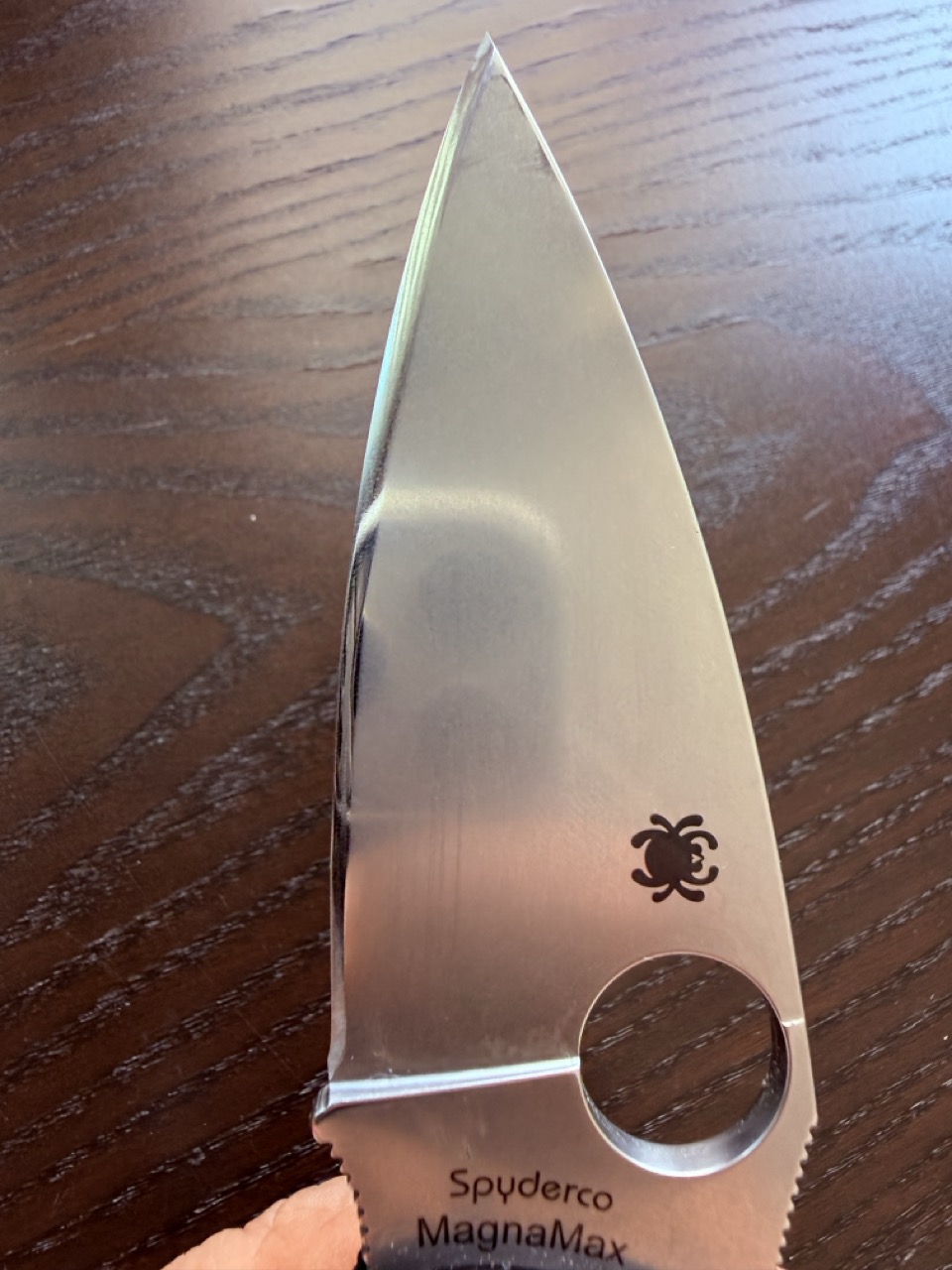
I noticed that MagnaMax wasn’t biting quite as aggressively into my ripe tomatoes with their slightly thick skins, so I decided to start refining the edge. I wanted to see whether this steel would respond better to a slightly rougher, toothier finish rather than a highly polished edge.
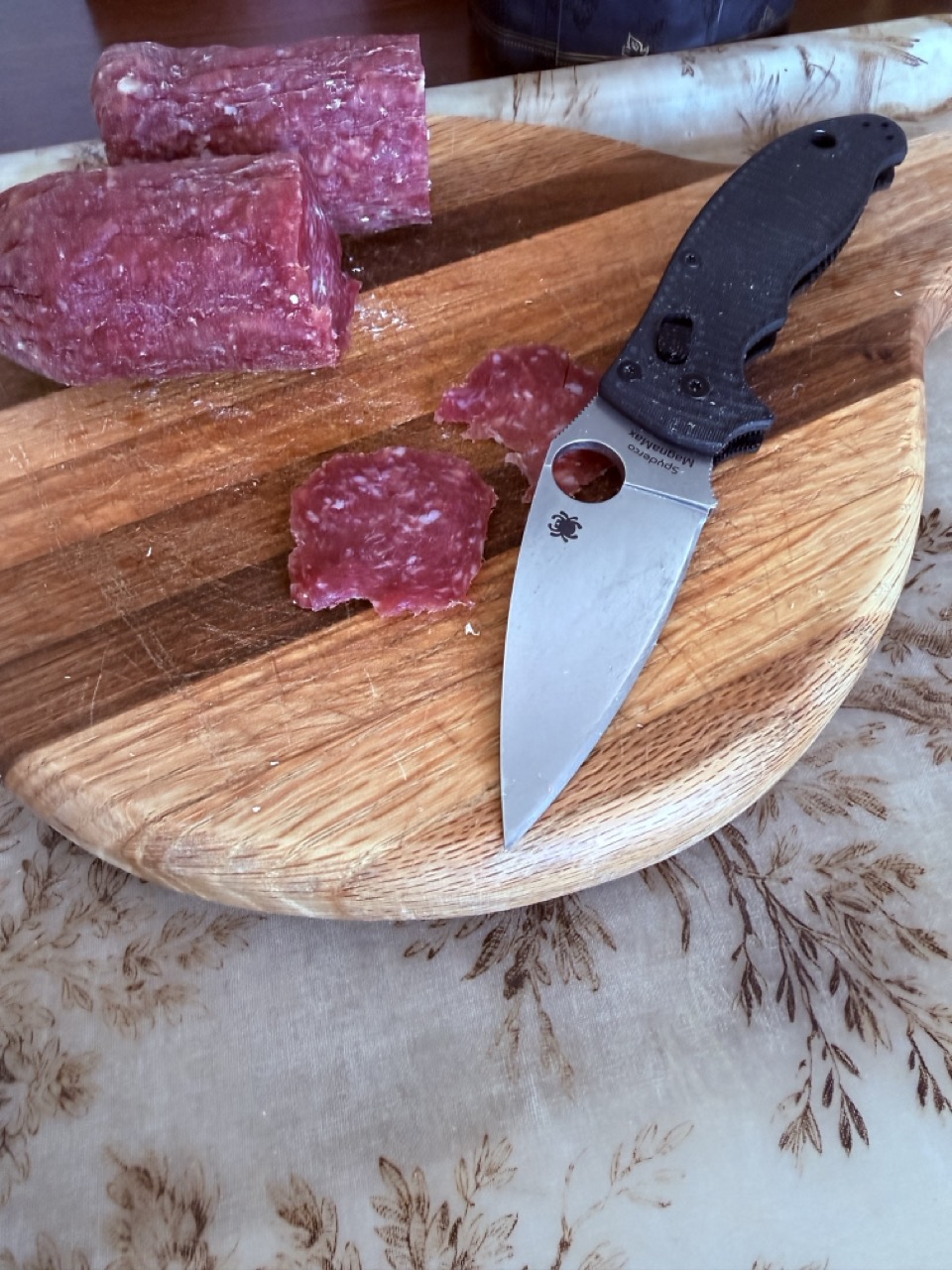
As always, this wasn’t about chasing numbers—it was about chasing feel.
One thing is certain: for my rather amphibious way of using knives in the kitchen—after all, the French are still “frogs”—MagnaMax has proved completely stainless. It is a genuine luxury never having to think about corrosion while preparing food every day.
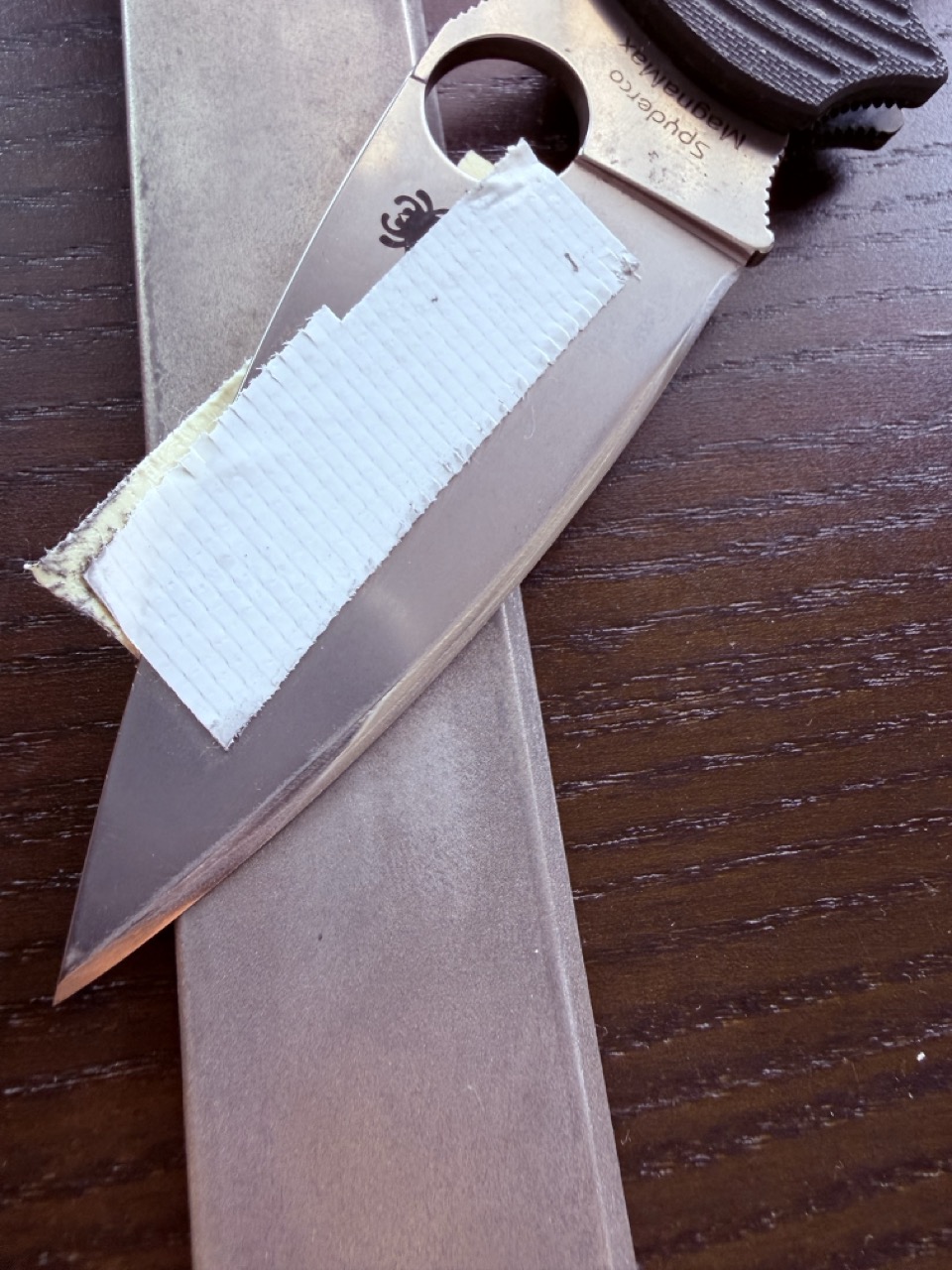
Diamonds Are a Carbide’s Best Friend
As I began convexing the edge, I immediately noticed that MagnaMax proved considerably more resistant to reprofiling than any of my MagnaCut blades. For sure ! 😀
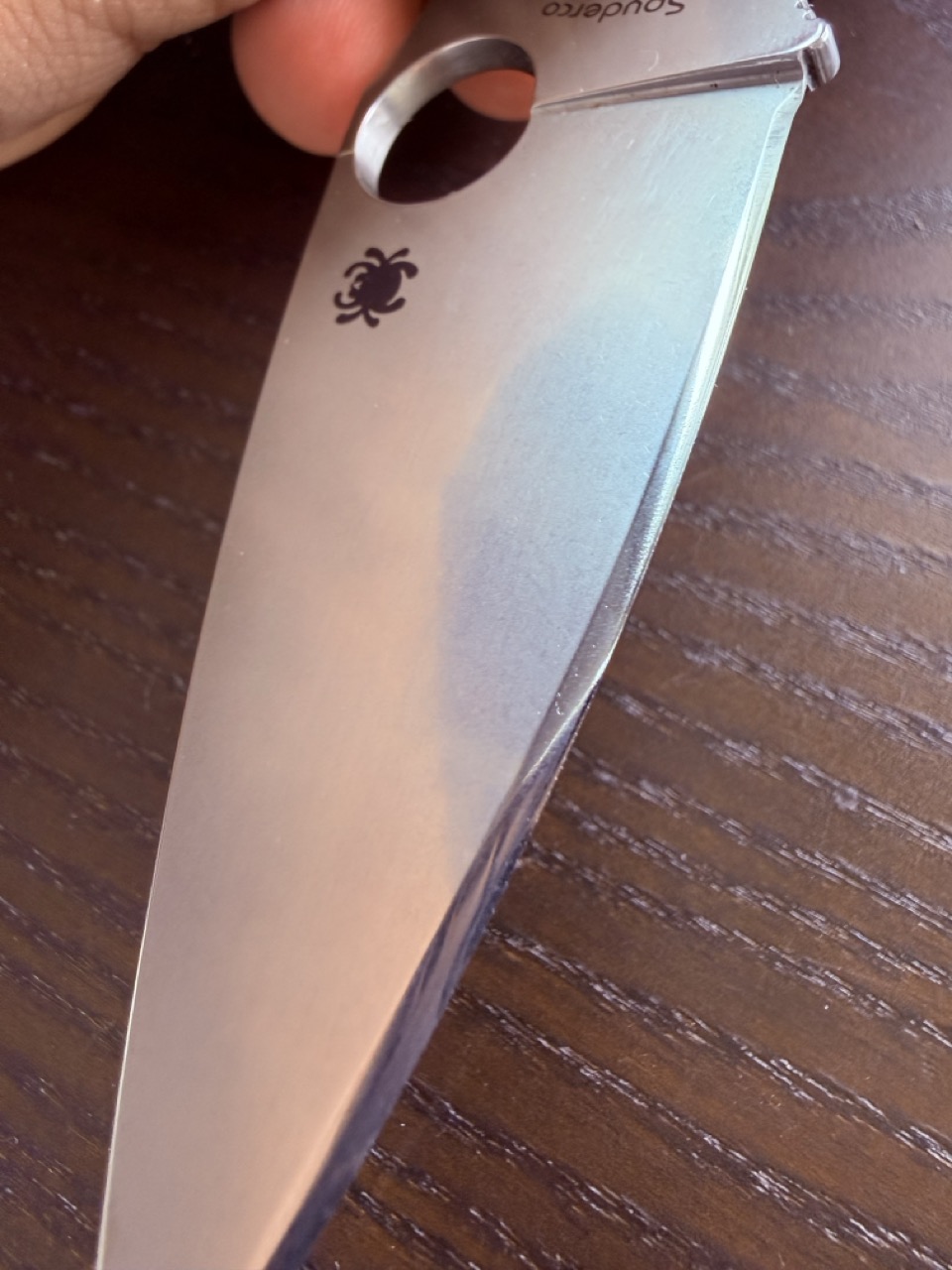
Every MagnaCut knife I’ve owned accepted a convex edge relatively easily. MagnaMax is a different animal altogether. It immediately reminded me of CPM S90V and the stubborn way that steel seems reluctant to let go of its carbides.
It took time.
Rather than trying to reshape everything in a single session, I worked on it a little every day. My goal was simple: create a thinner convex geometry that would allow MagnaMax to express itself fully in wood.
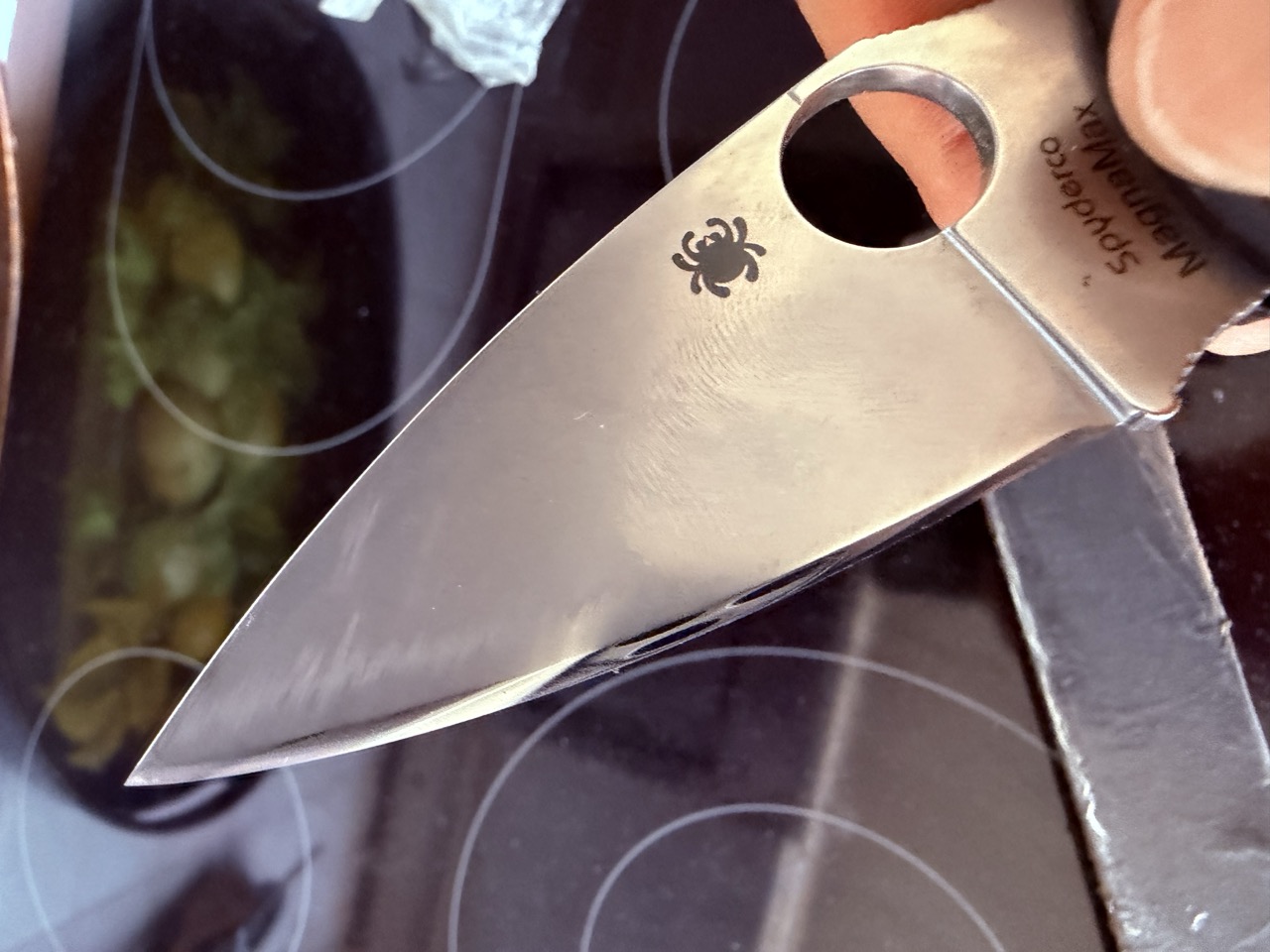
After about two weeks, I think I’ve finally arrived at a thinner geometry that suits me.
At the very least, tomato skins no longer stand a chance. 😉
Now comes the interesting part: comparing it against some of my favourite carving knives.
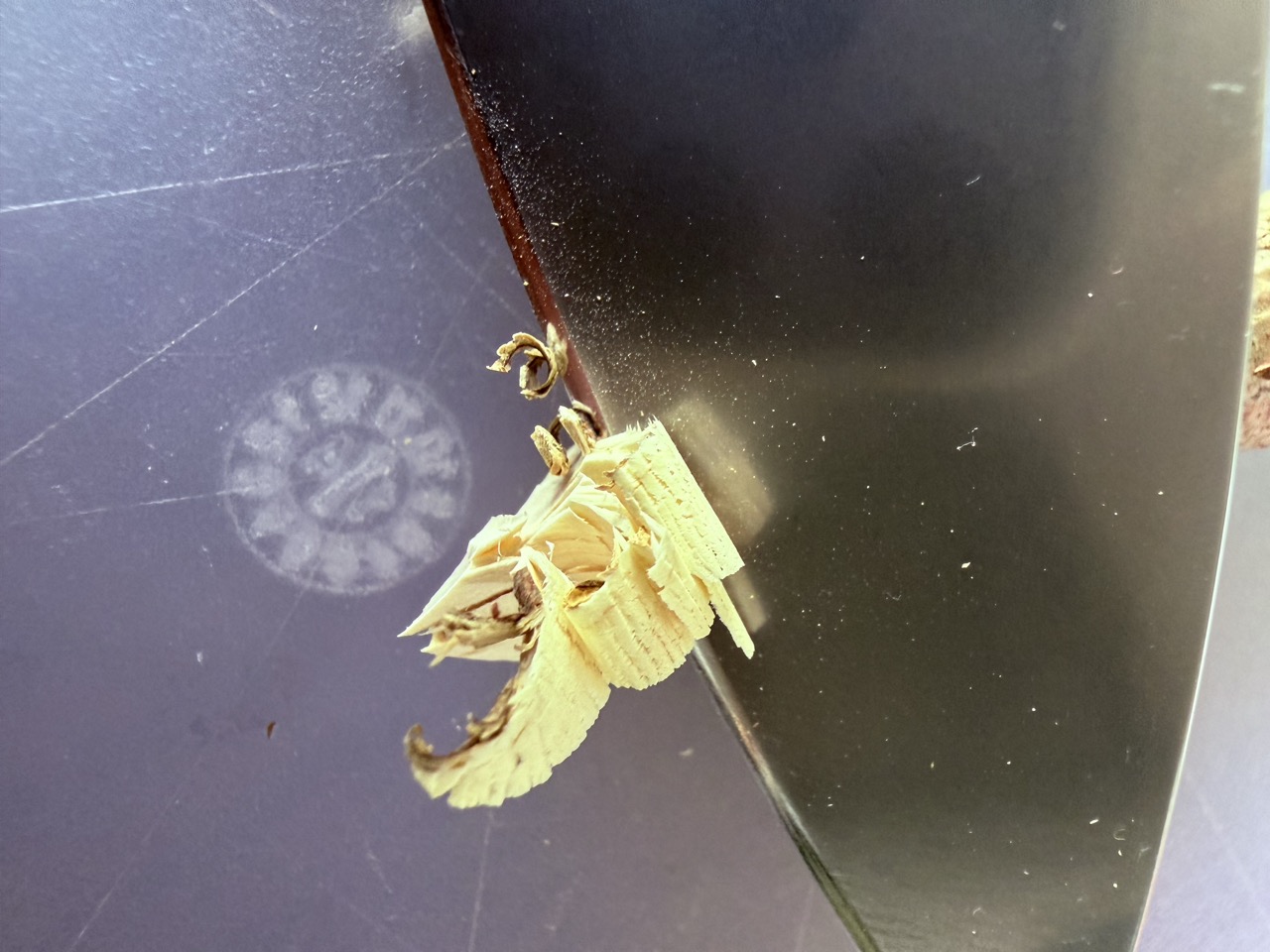
Among the Whittlers
The first knife that comes to mind is my heavily customized Yojimbo 2 in CPM M4.
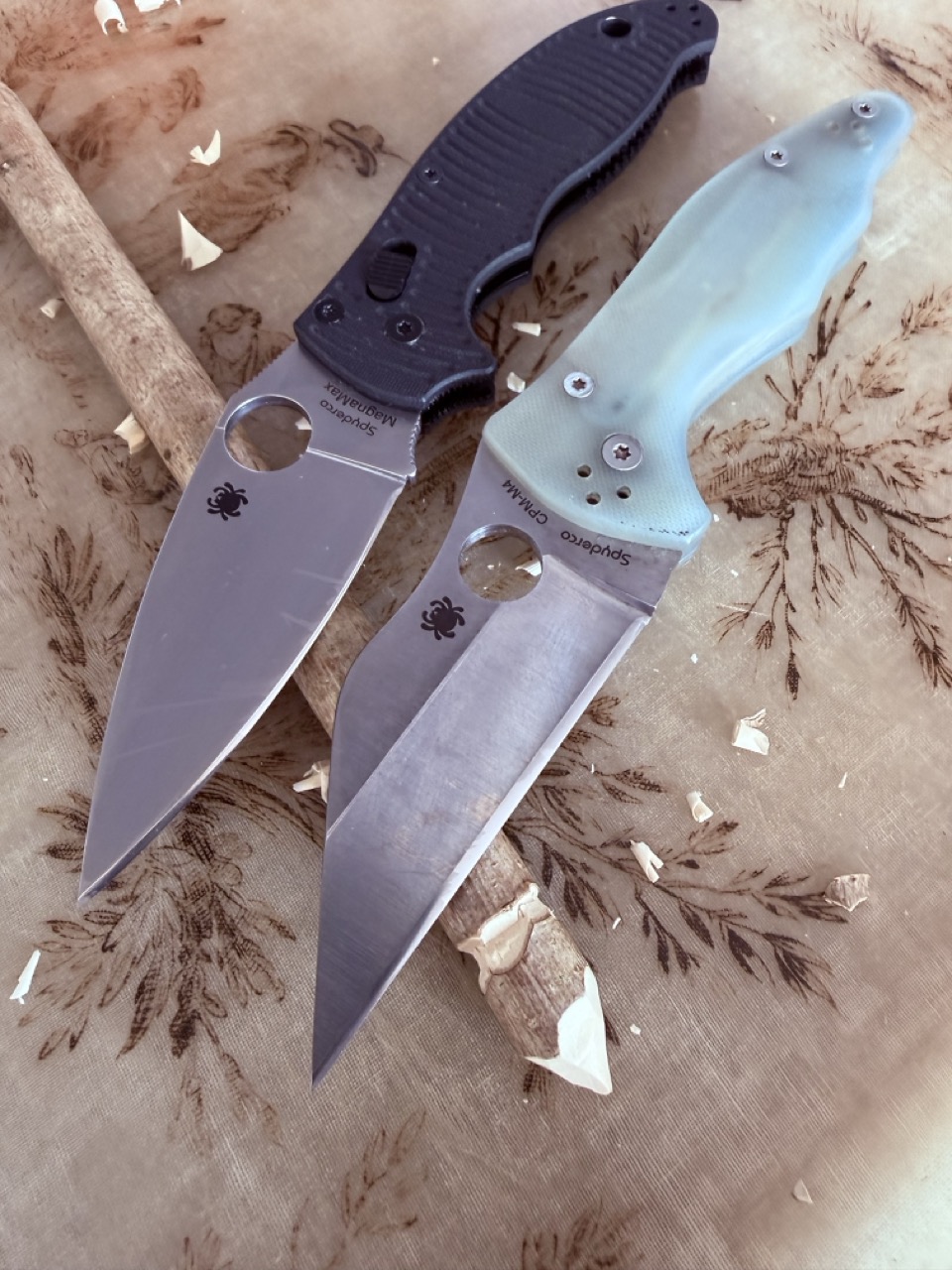
“Jade” remains an absolute joy to use on dry wood. After extensive modifications and years of refinement, it has become one of my favourite woodworking knives. I’ve reviewed it several times over the years because it continues to impress me.
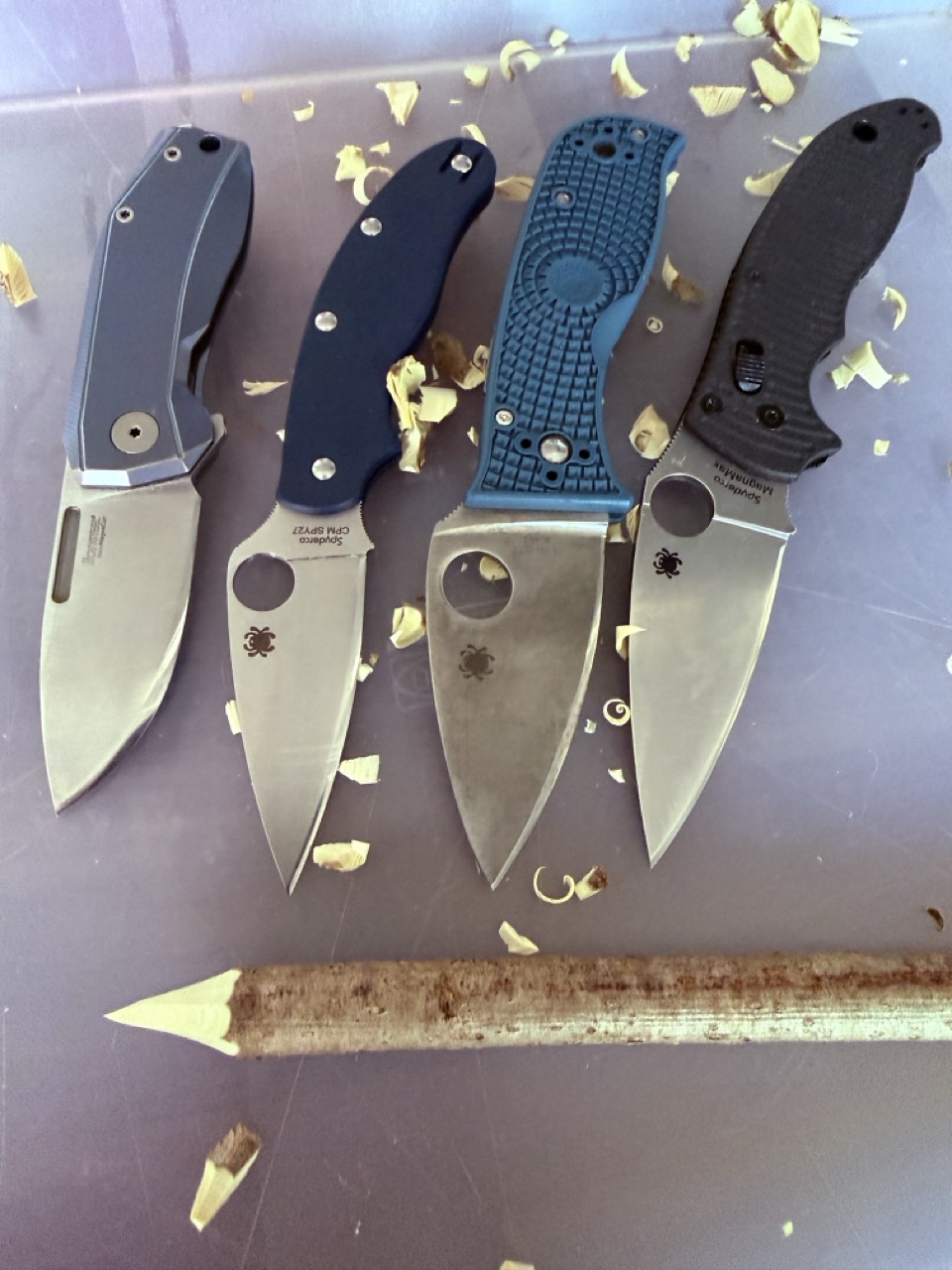
I also compared V8 with my LionSteel Nano, another knife carrying a heavily convexed edge. MagnaCut responds beautifully to this kind of geometry, and “Thorin” is an absolute beast when it comes to shortening branches.
Then there’s LT, my Lil’ Temperance in K390, and above all the legendary Nilakka by Pekka Tuominen, whose blade geometry still makes it the undisputed king of the forest.
V8 deserves to stand among them.
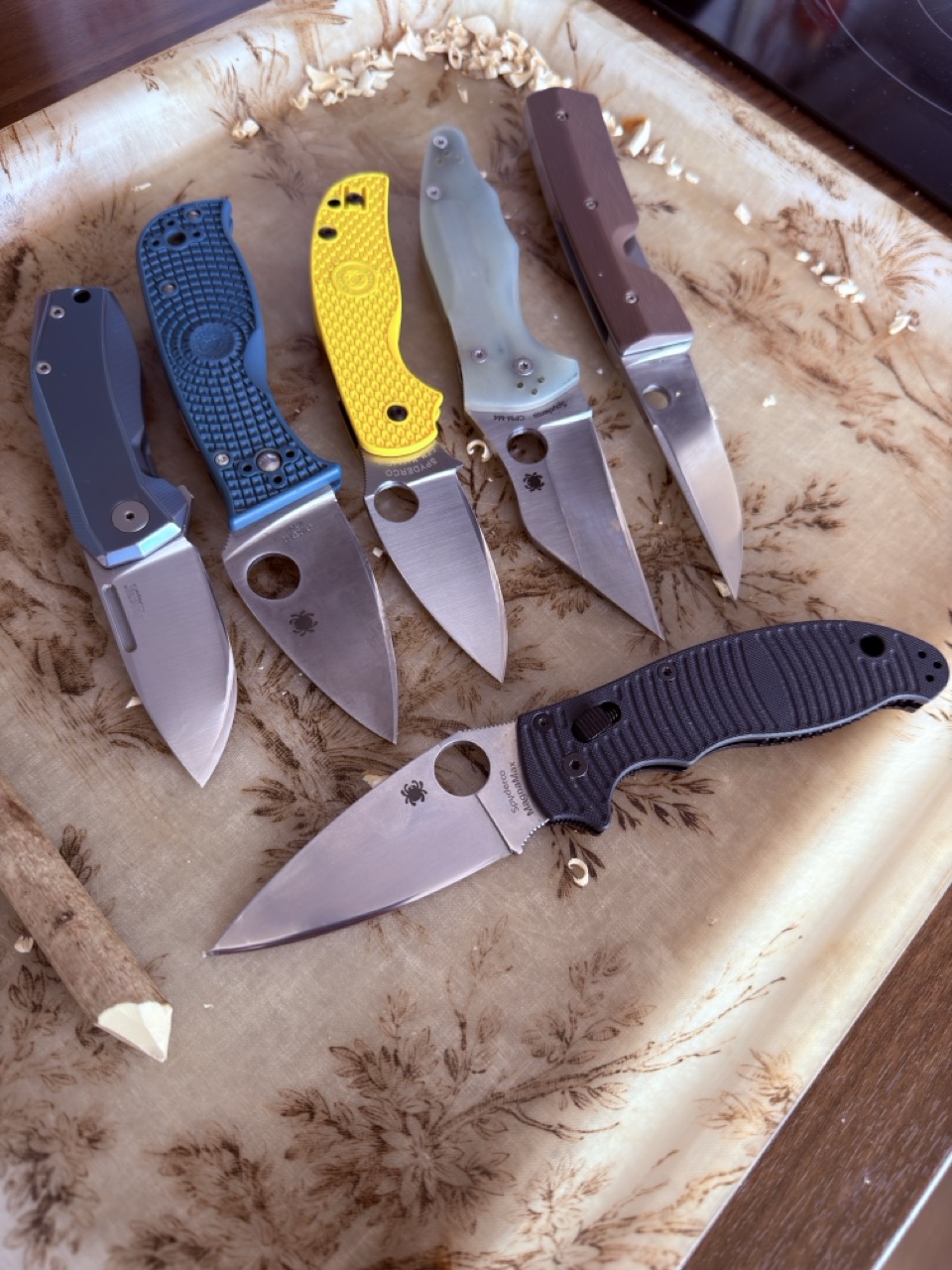
In terms of pure enjoyment while carving dry wood, it absolutely belongs in that company.
It doesn’t have that silky smooth sensation of CPM M4 hollow ground Yojimbo 2. Instead, it feels a little more assertive.
Years ago, on my own entirely subjective mental scale, I often compared ATS-34 with M2 high-speed steel. Cuts made with M2 always seemed to leave a sort of silky finish on the wood, whereas ATS-34 felt rougher, almost more aggressive.
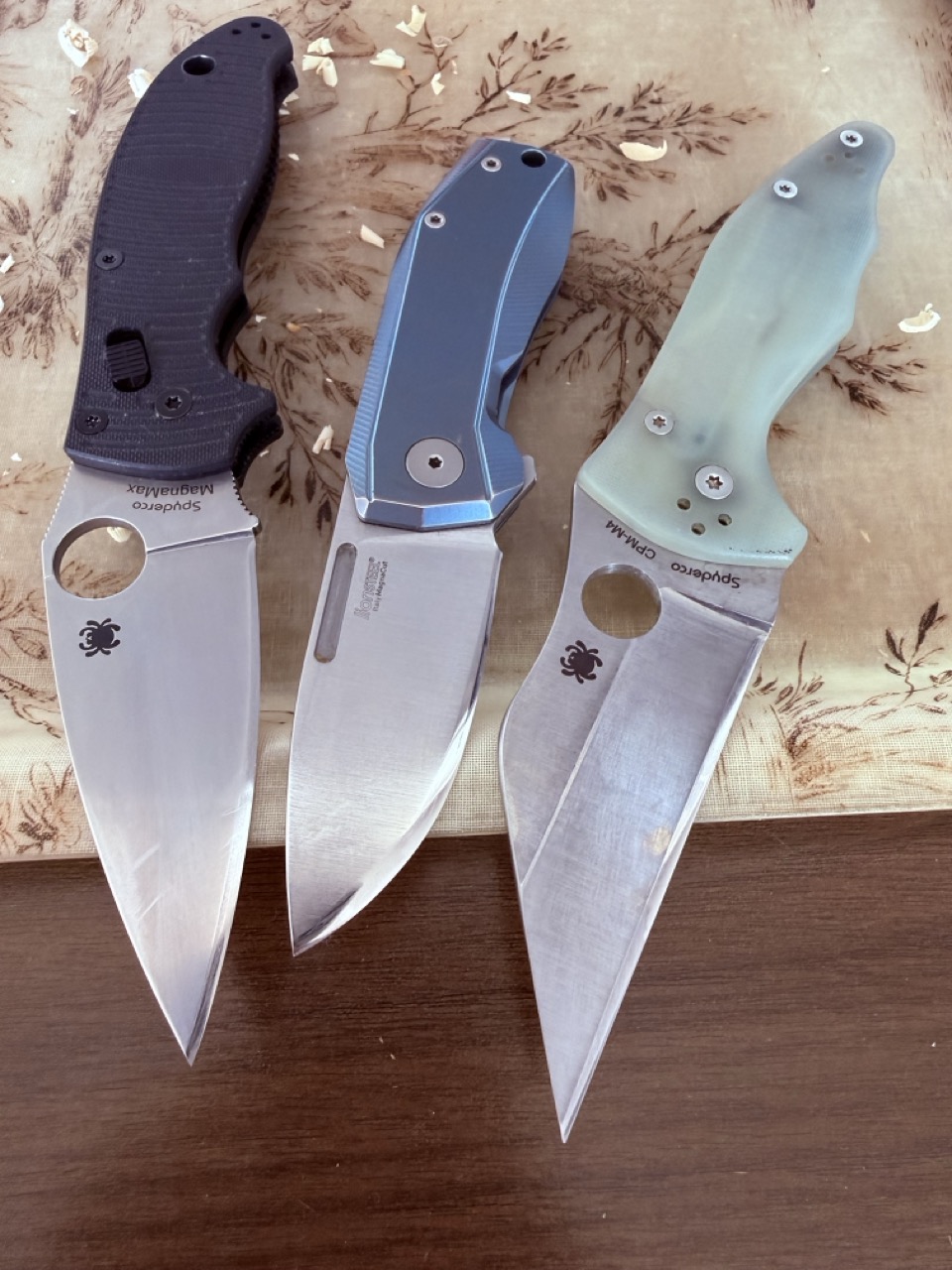
There is nothing scientific about that observation. It is simply the accumulated feeling of using many different steels over the years.
(God, Jade looks really like a folding seax (scramasaxe in French) on this pictures)
Some steels seem to glide through wood, though. YMMV.
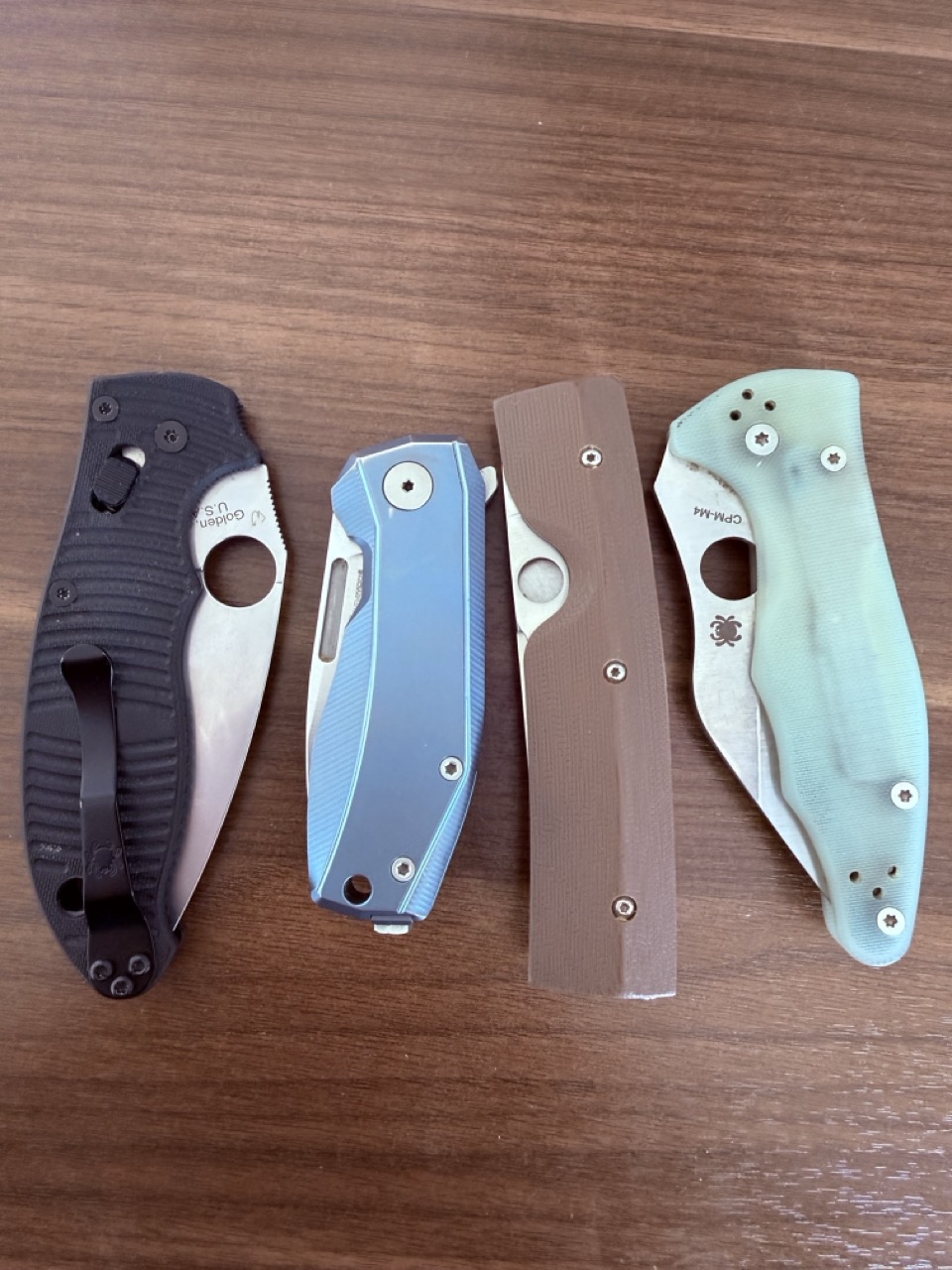
Others seem to bite their way into it. Hungry edges !
To me, MagnaMax clearly belongs to the second category: the “hungers” !
Of course, blade geometry is a huge part of that sensation, which is precisely why I wanted to convex the edge until it reached the same level as the other knives in this comparison.
At the moment, with its current convex geometry, V8 seems to bite into dry wood even more aggressively than my M4 Yojimbo.
Whether that’s entirely due to the steel, the edge geometry, or a combination of both, I can’t say with certainty.
What I can say is that it feels exceptionally satisfying to use.
Fifteen Days Later
That’s where I stand today, but I’m nowhere near finished.
V8 has replaced the wonderful Gurney as my everyday companion around the house. When I leave home, though, I still prefer something a little more socially acceptable—a UKPK, a Meerkat, an Urban, or another discreet Spyderco.
The testing continues.
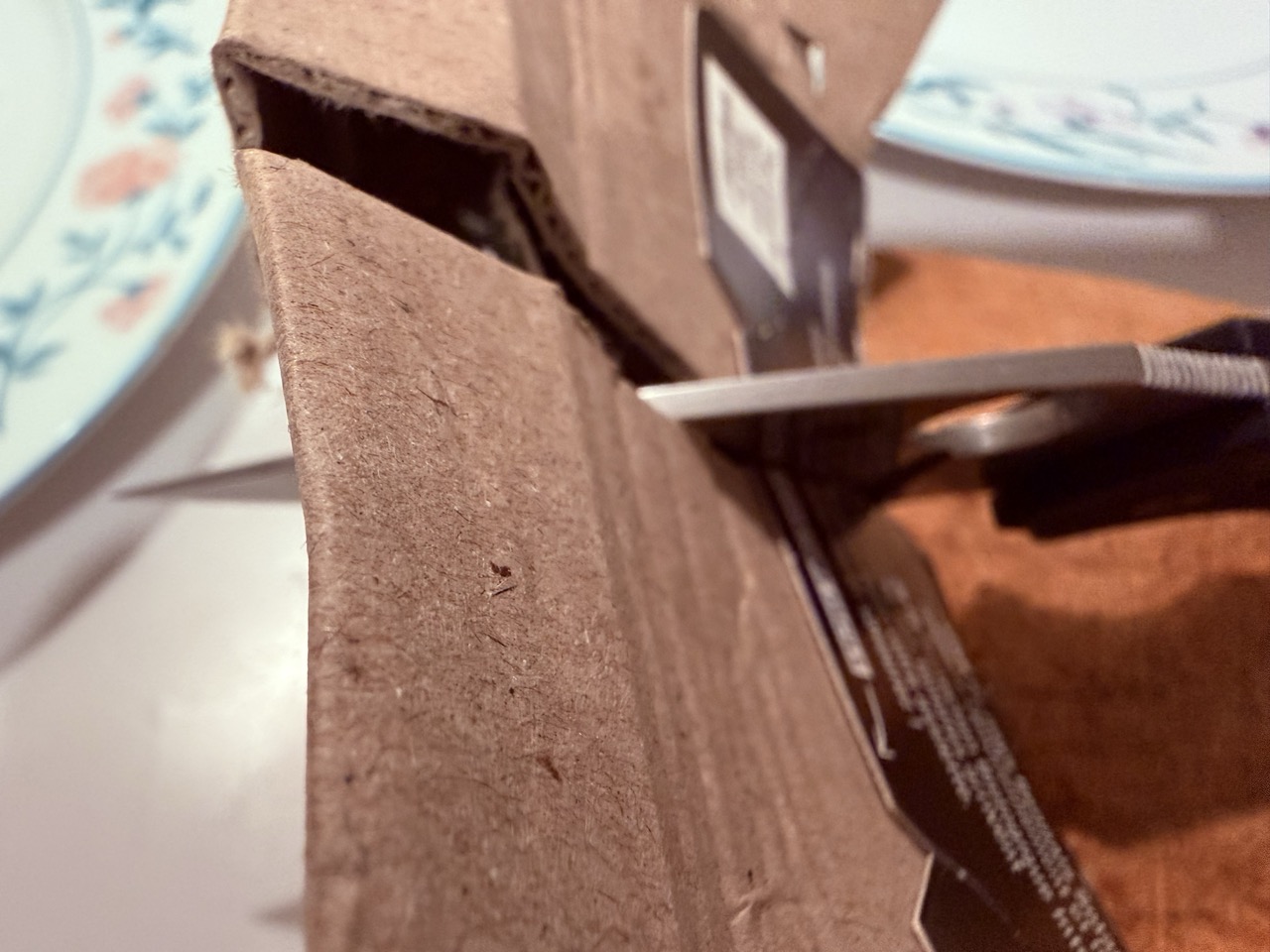
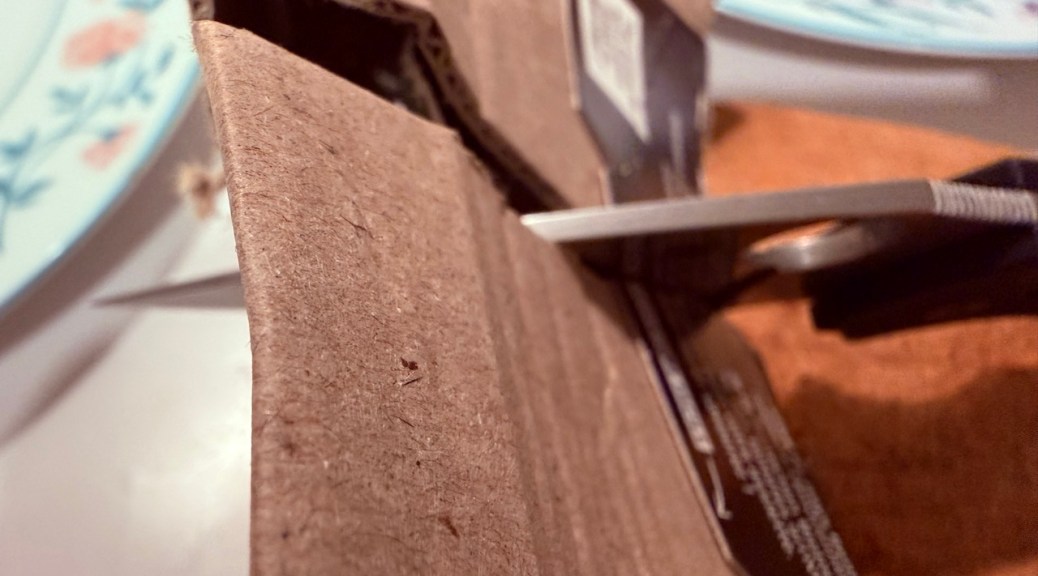
Oh, I also put it through a few mandatory cardboard-cutting sessions, although I have no reliable way to quantify edge retention from that alone. It just happened.
But I still remember certain pseudo 440C Chinese-made knives that seemed to lose their bite after only a handful of cuts through borwn cardboard. This is not the case here.
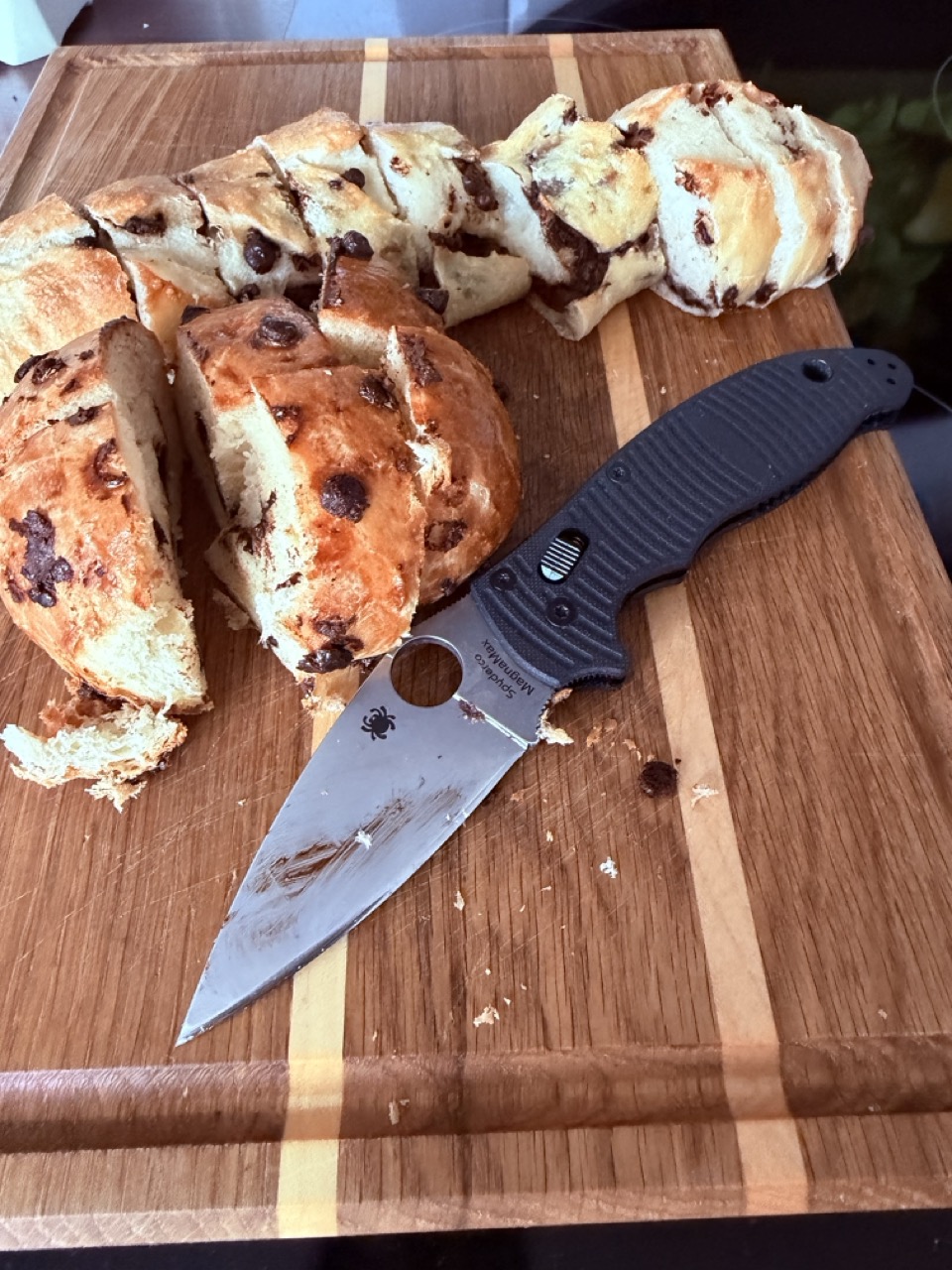
Also, in the kitchen, my bamboo cutting boards certainly aren’t punishing that MagnaMax edge either.
So far, what has impressed me most is how much effort MagnaMax demanded during reprofiling. It was tedious. 😉
Despite everything I’ve thrown at it, I still haven’t managed to take it from razor sharp to genuinely dull, yet.
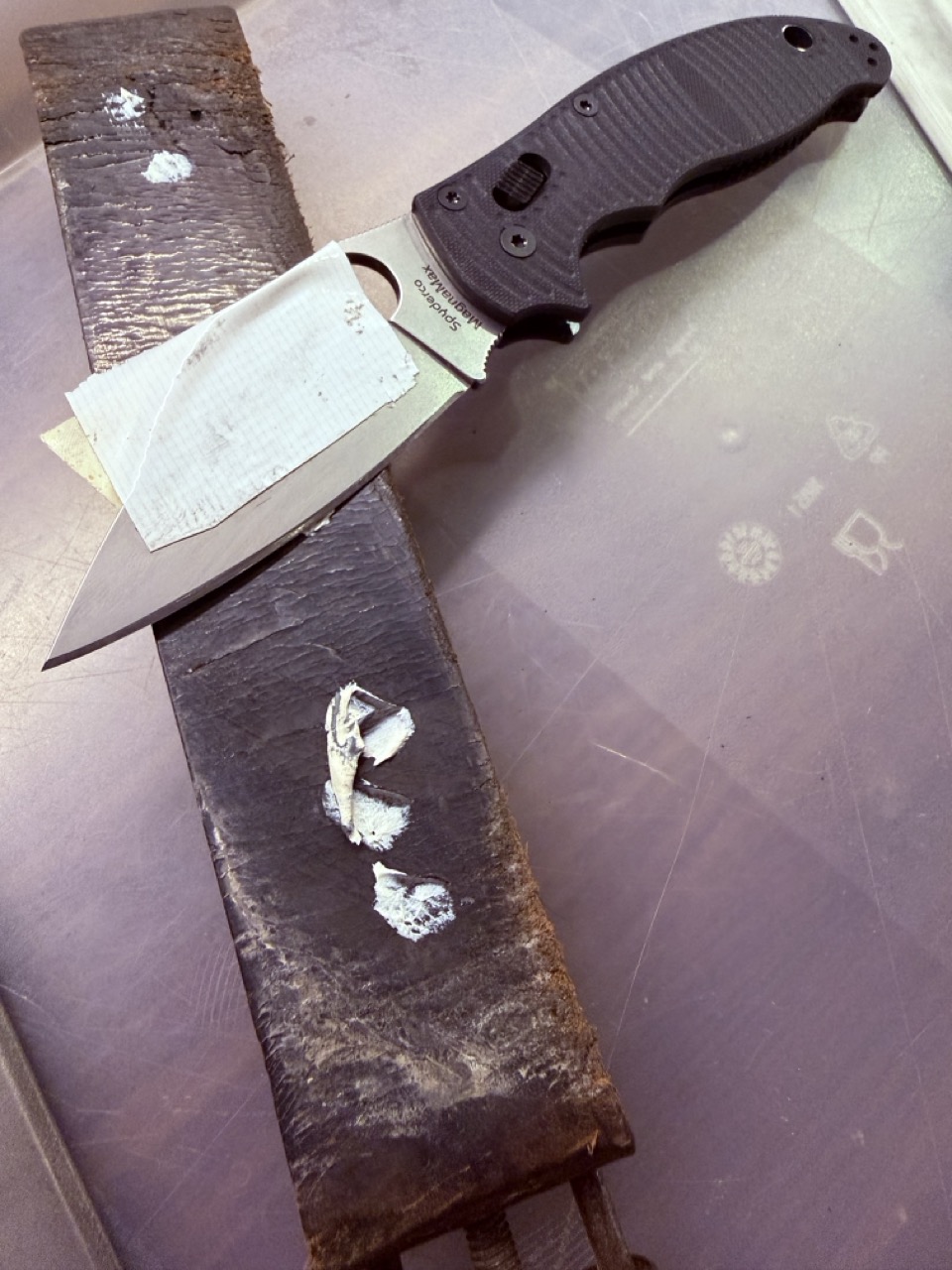
It also seems to respond exceptionally well to stropping, making it easy to achieve that beautifully polished edge.
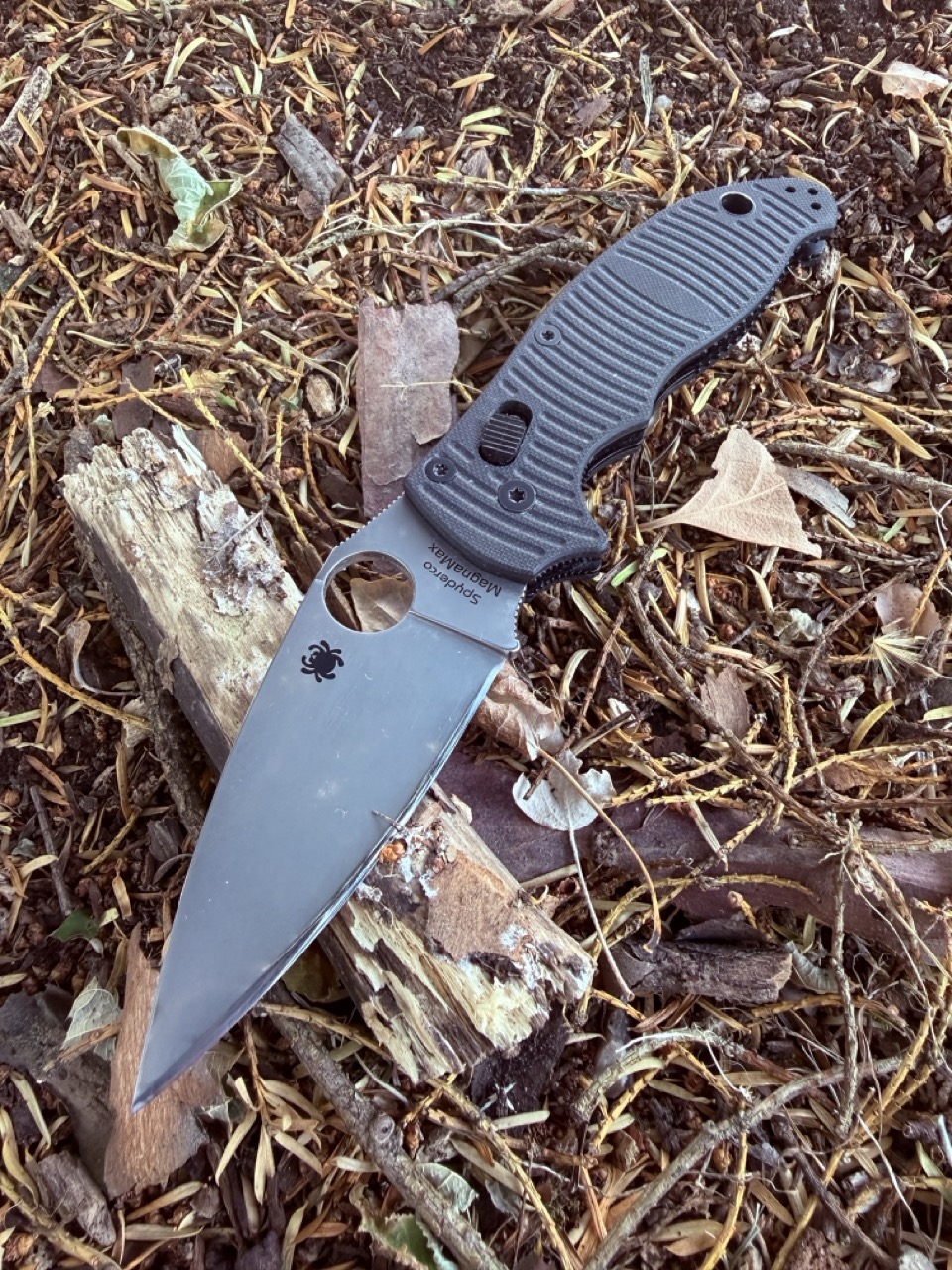
The more I use MagnaMax, the less I think about its specifications and the more I simply enjoy using it.
Perhaps that’s the best compliment I can give to this steel.
After only fifteen days, it’s already beginning to earn a place among my favourite Spyderco steels. Whether it eventually becomes a true classic remains to be seen, but the journey has been remarkably promising so far.
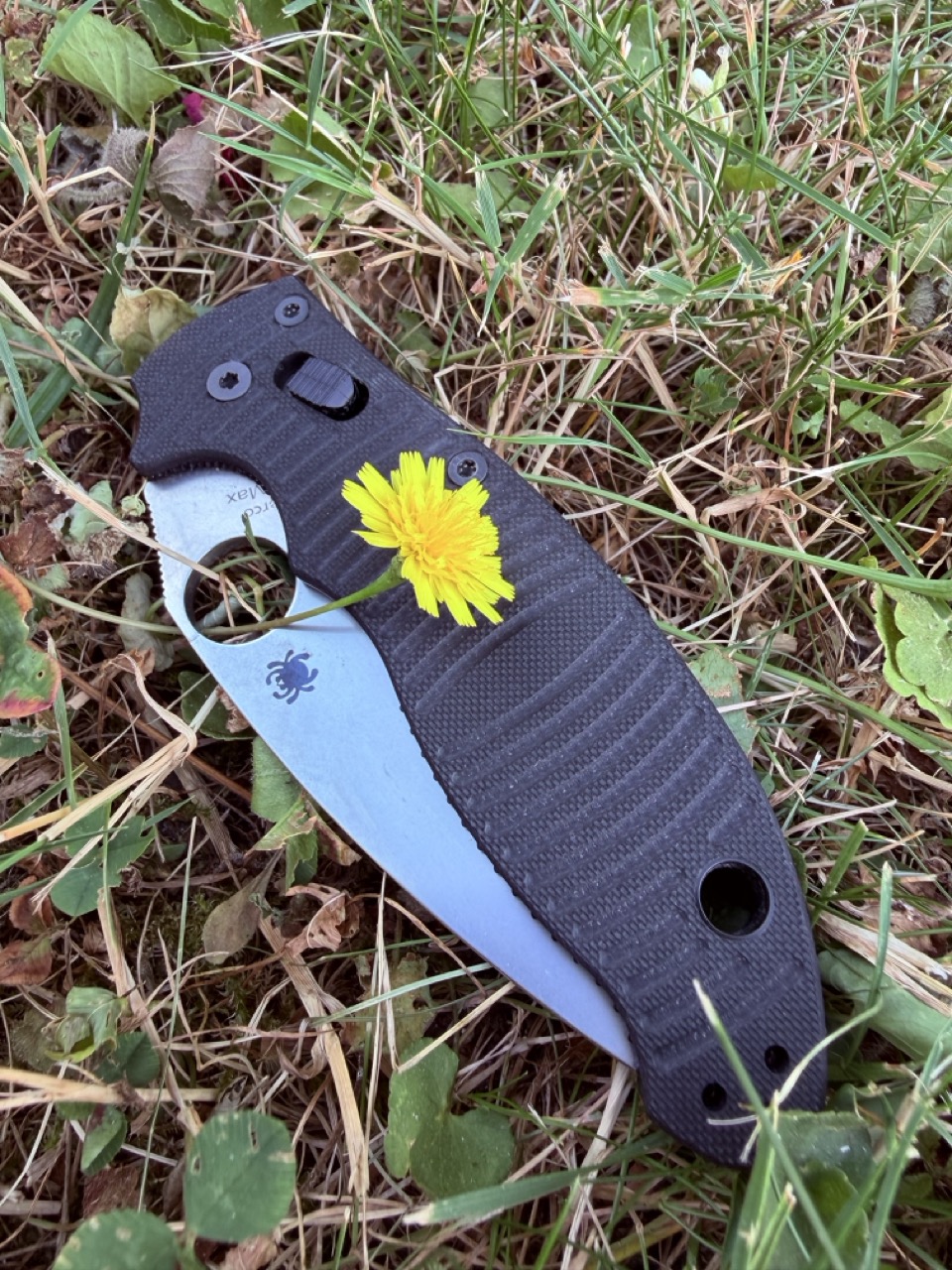


2 thoughts on “MagnaMax Manix Salt – V8 the road test.”