Tag Archives: Manix2Salt

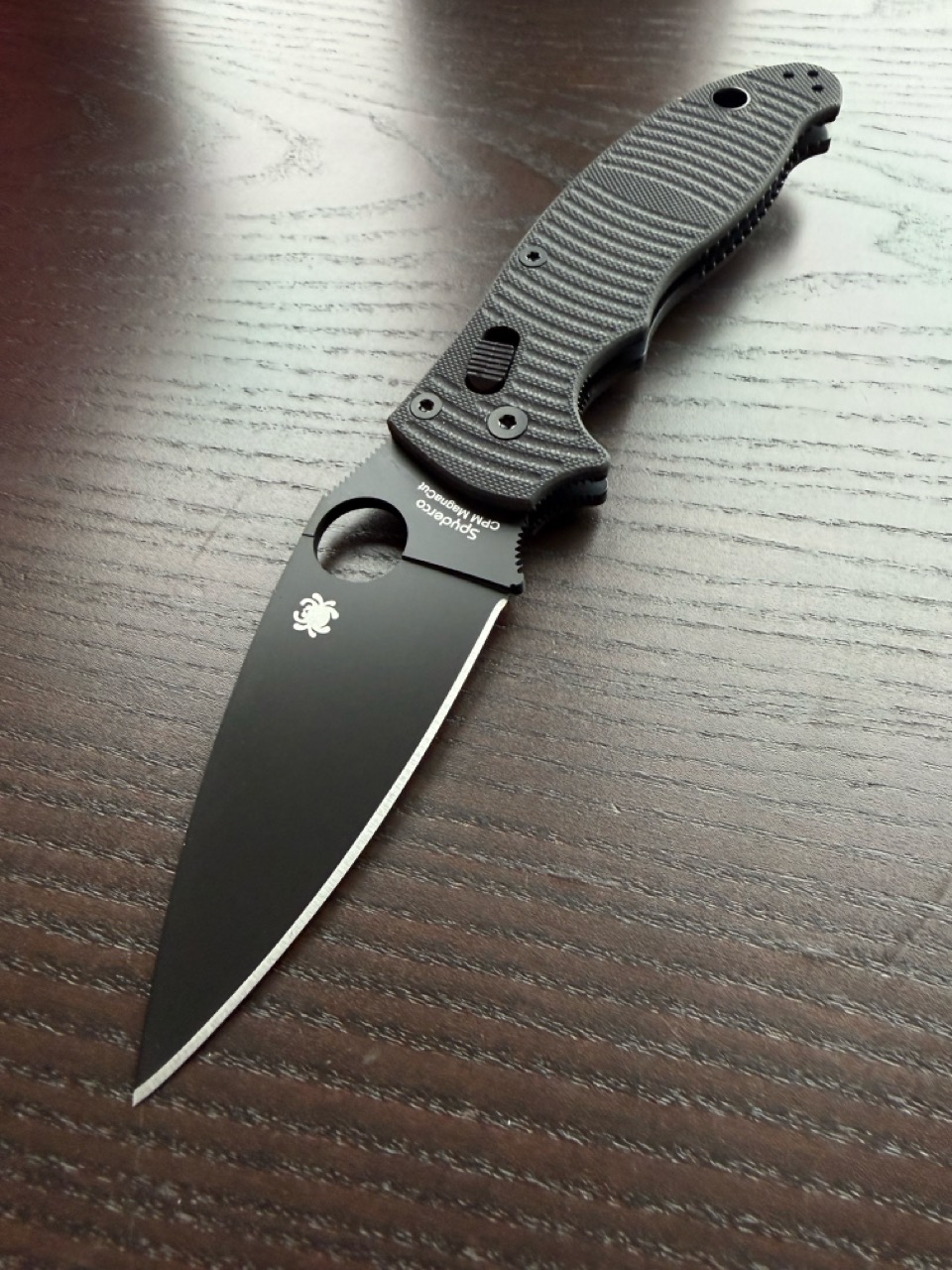
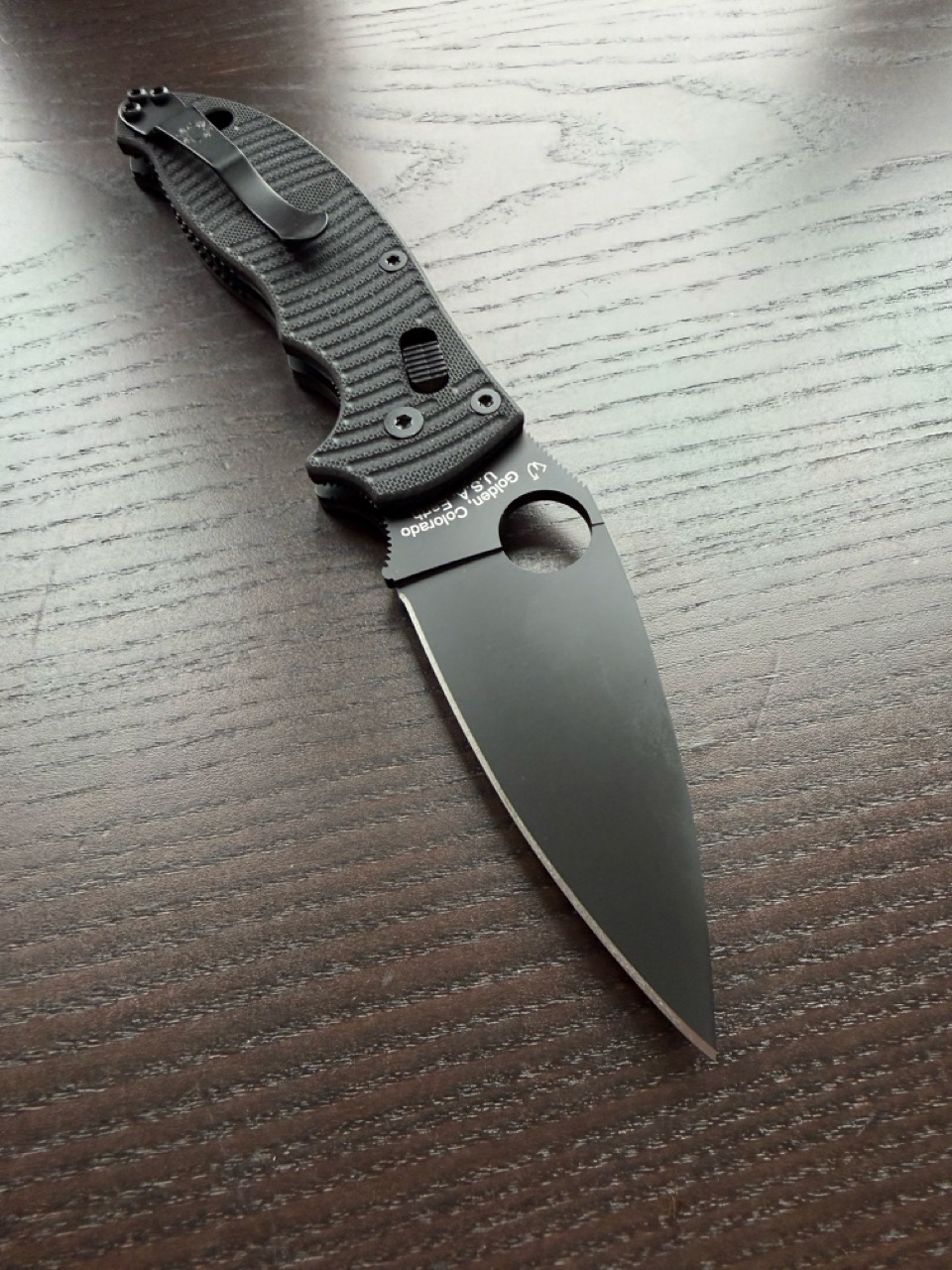
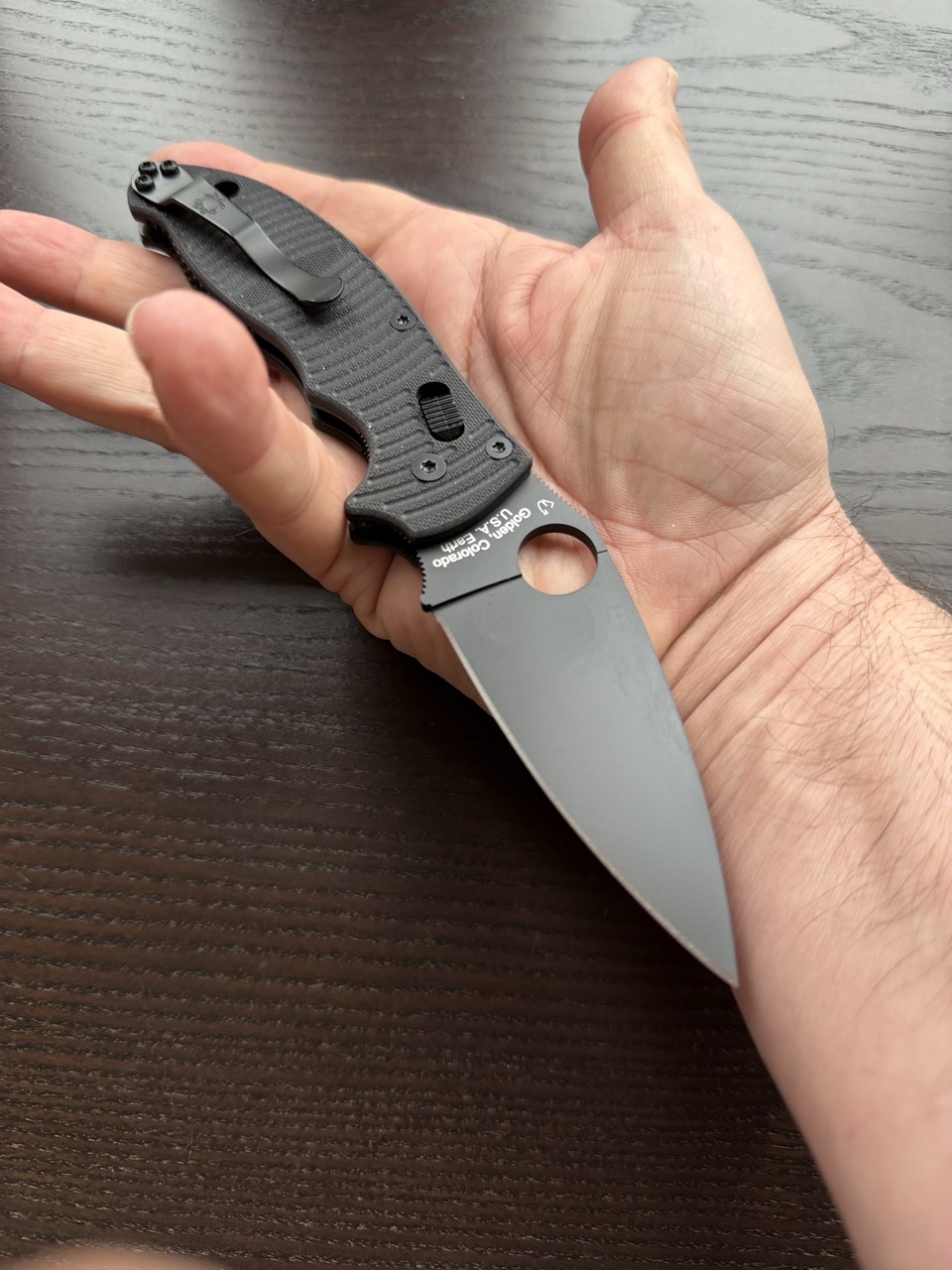
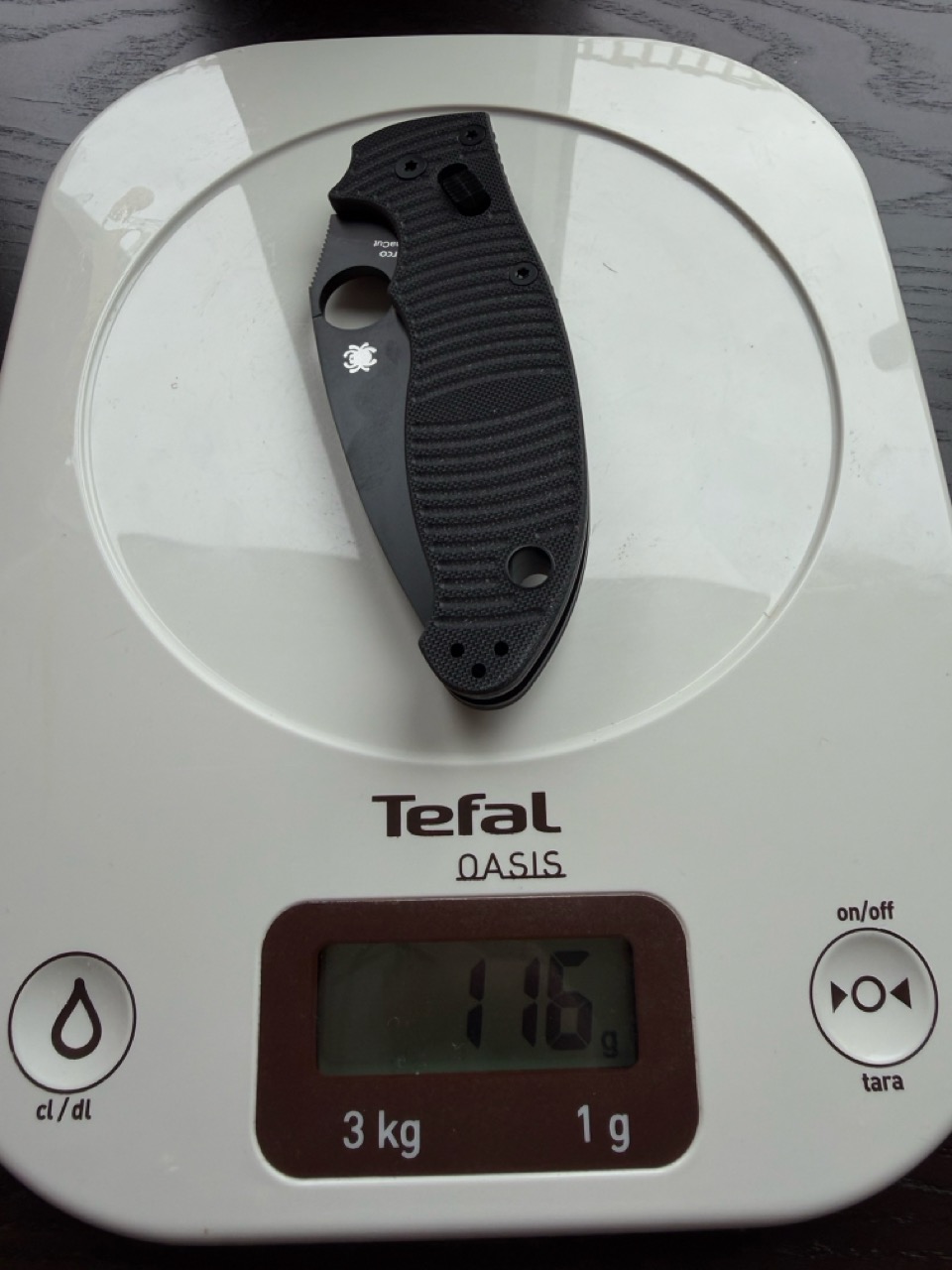
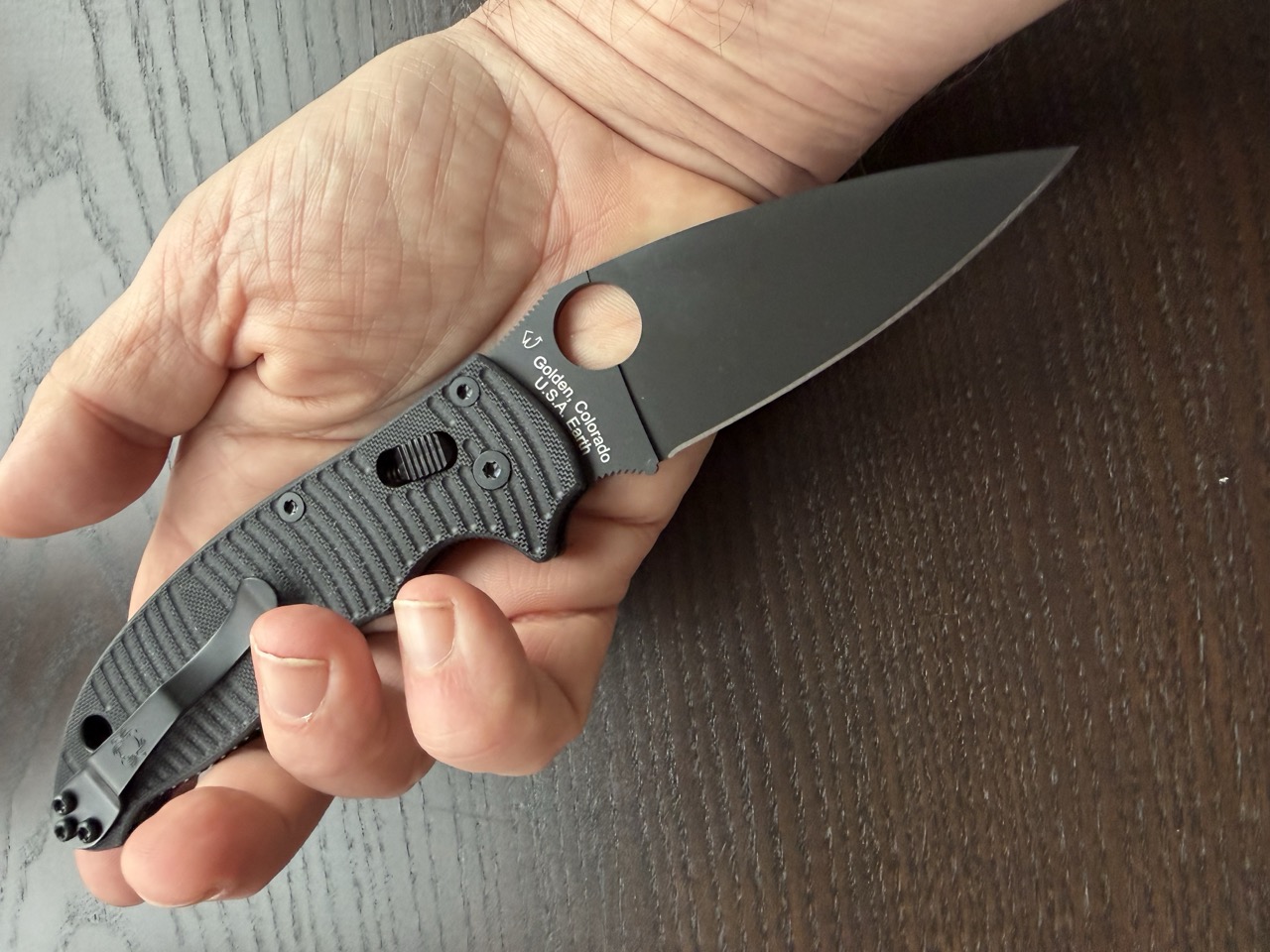
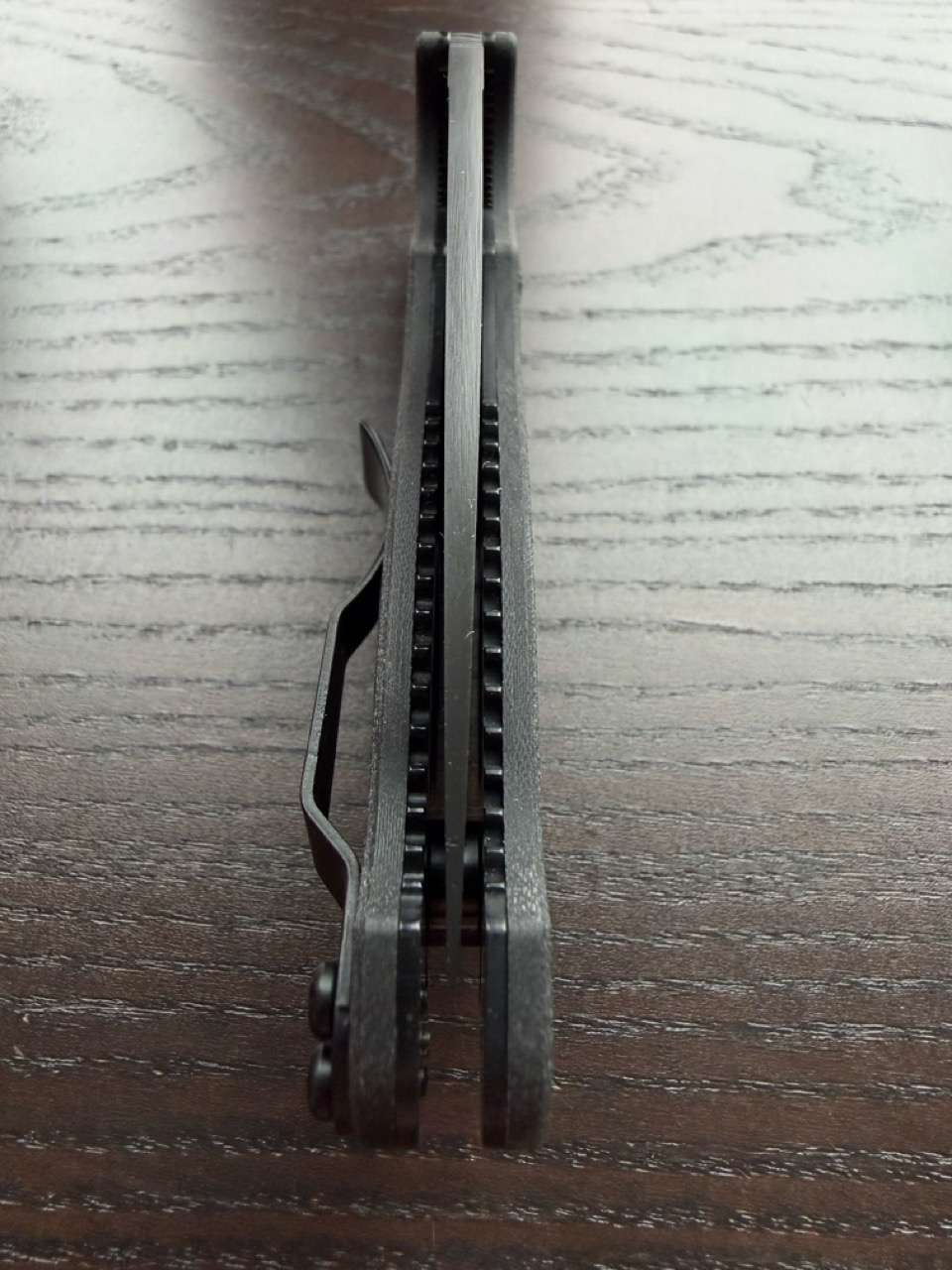
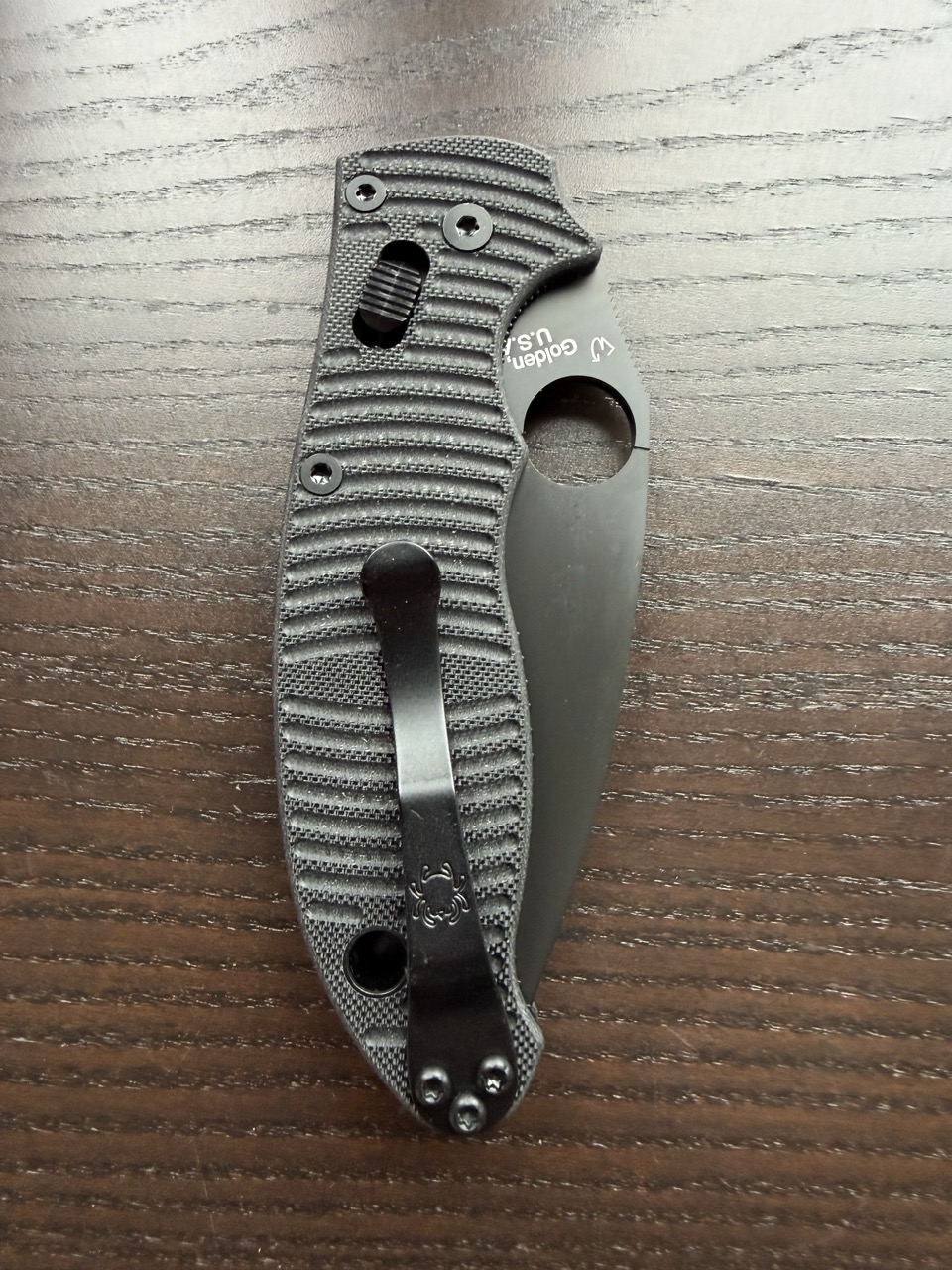
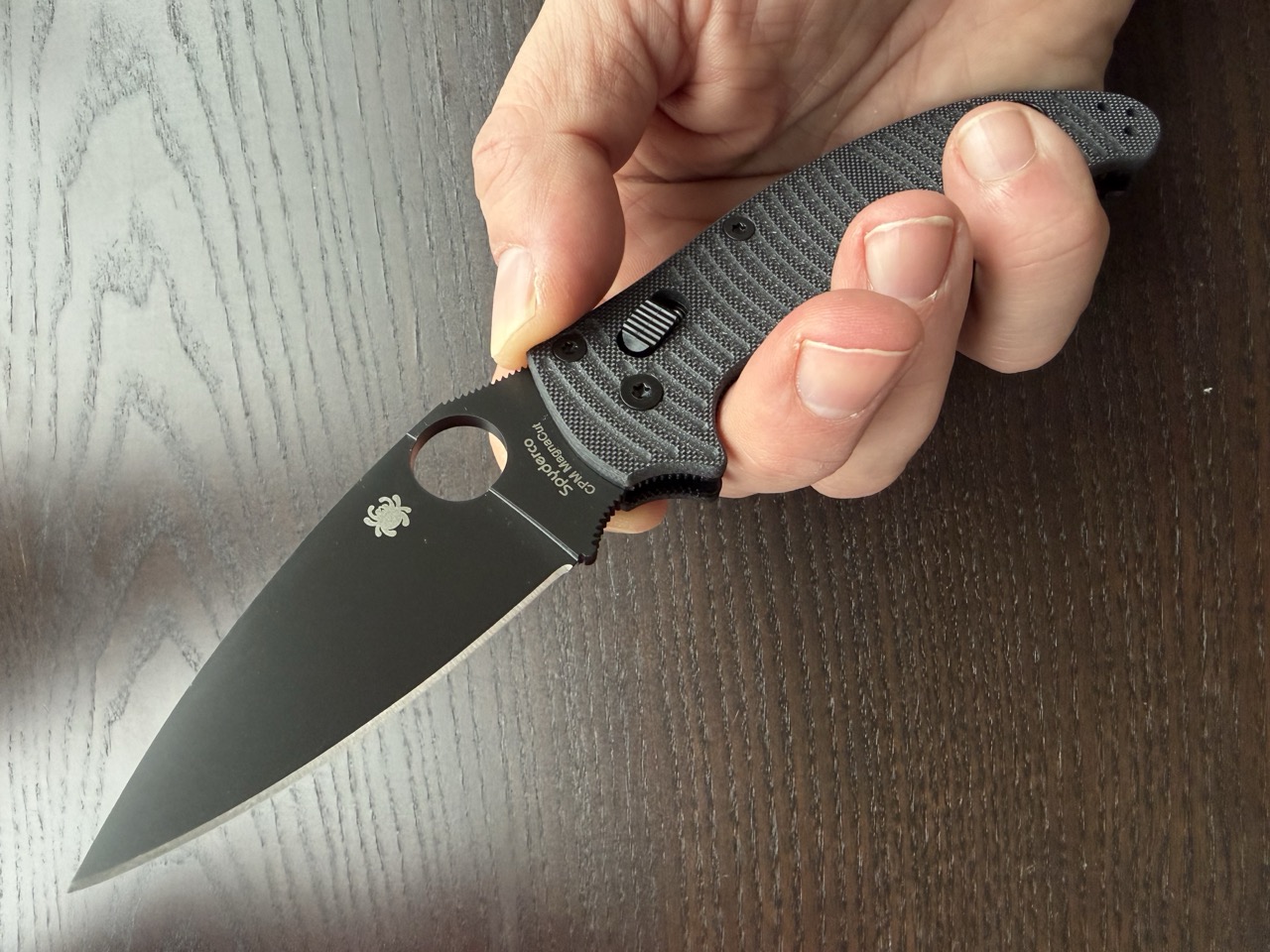
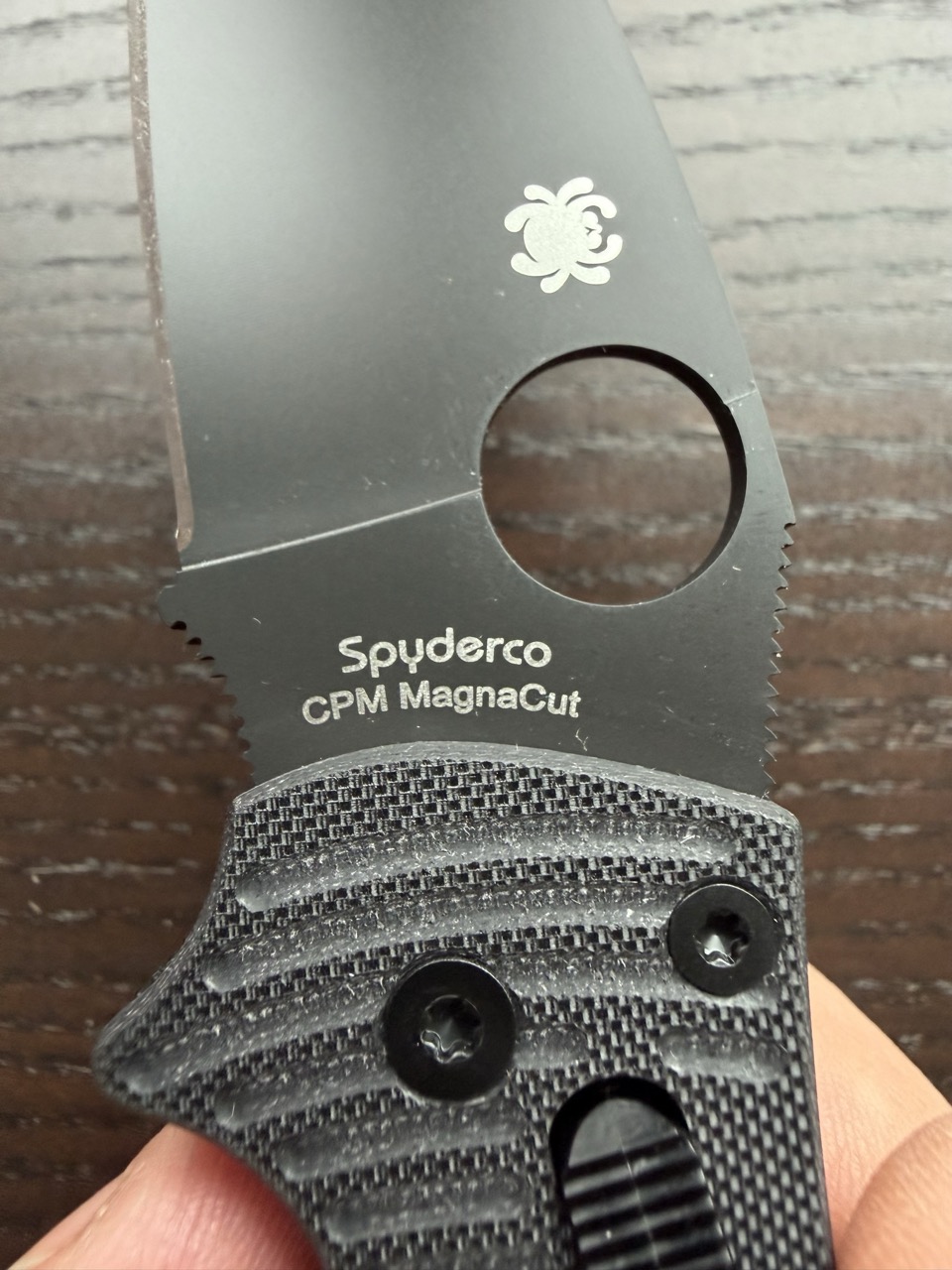
MagnaMax Manix Salt – V8 the road test.

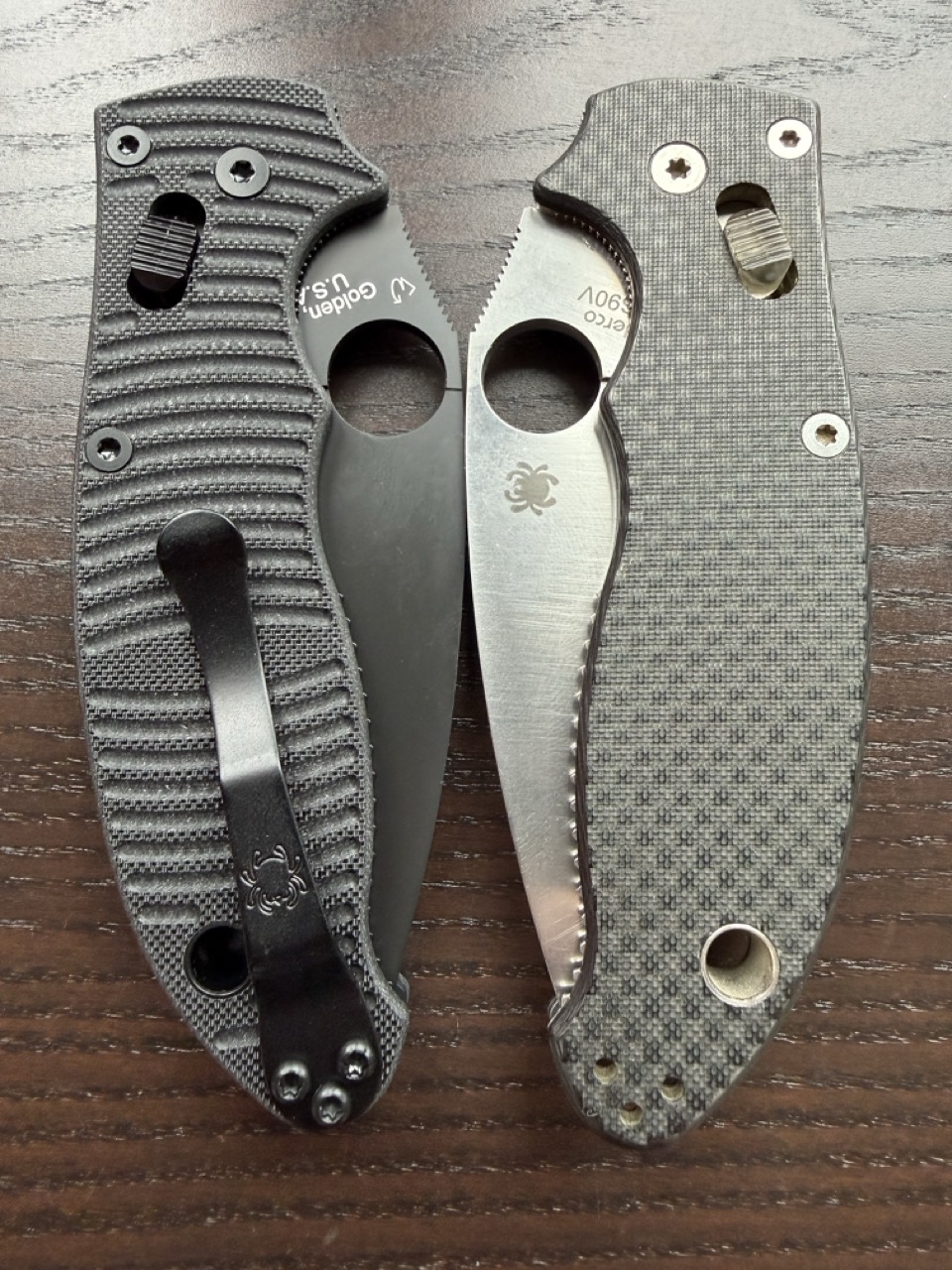
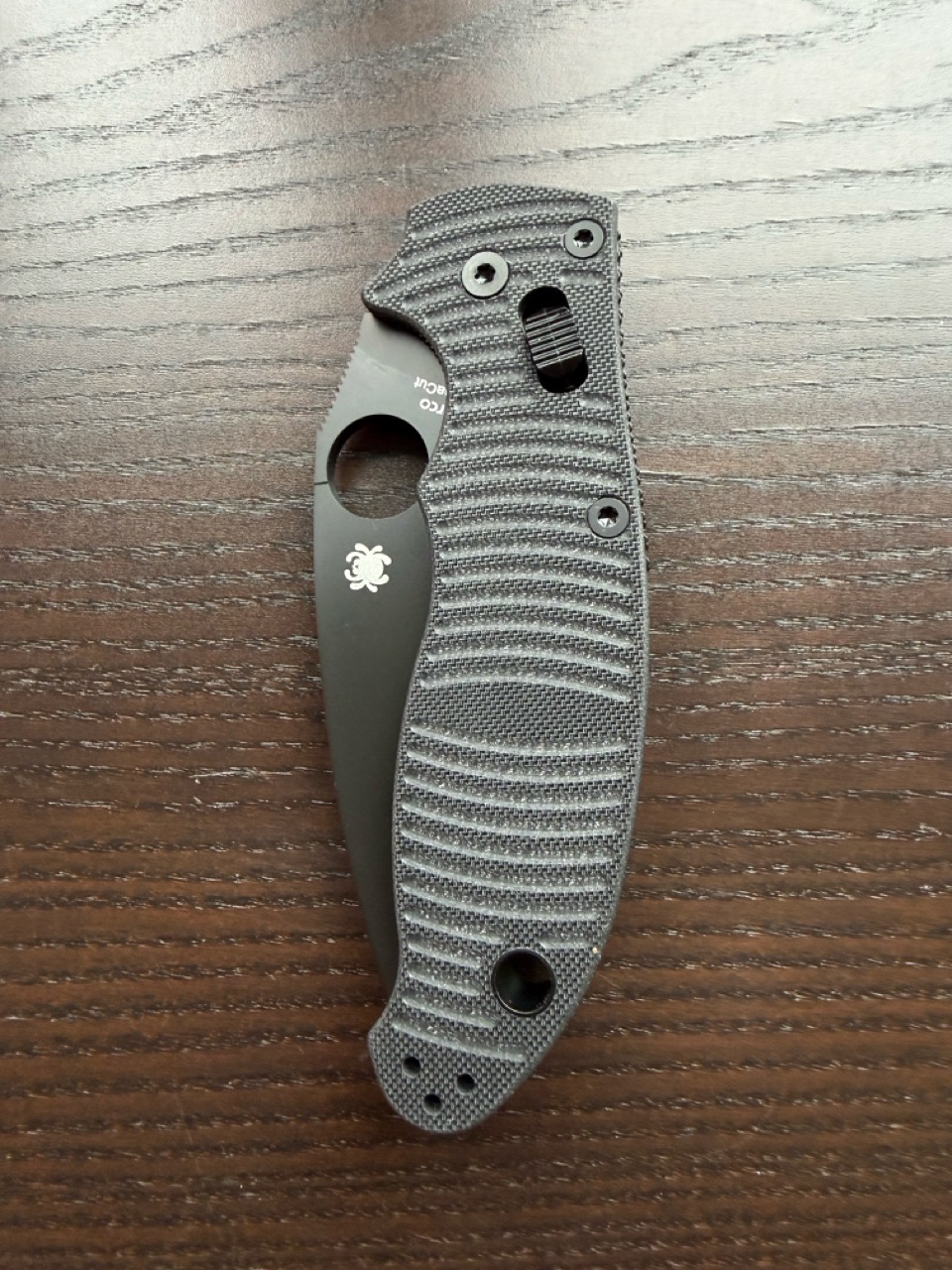
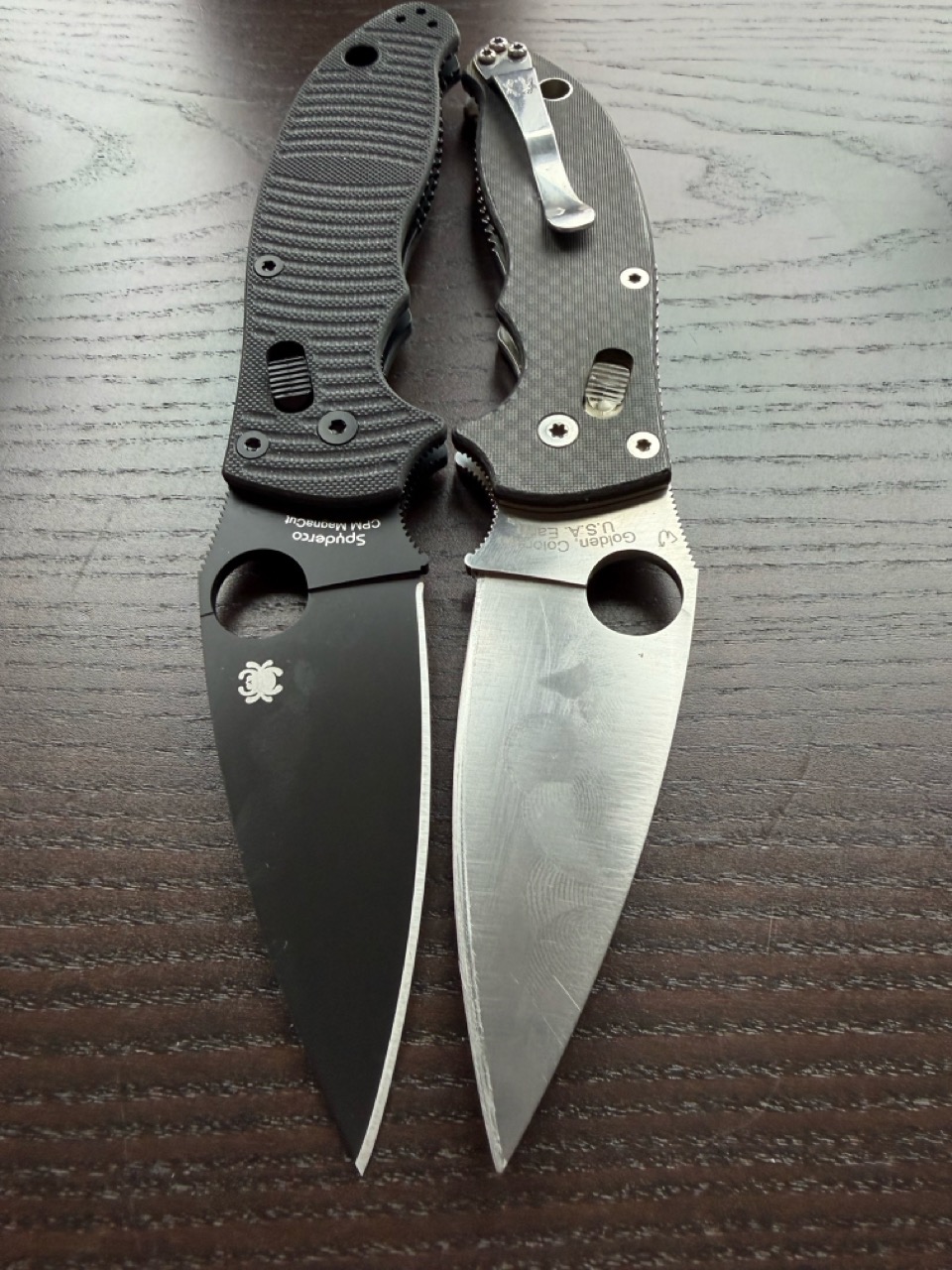
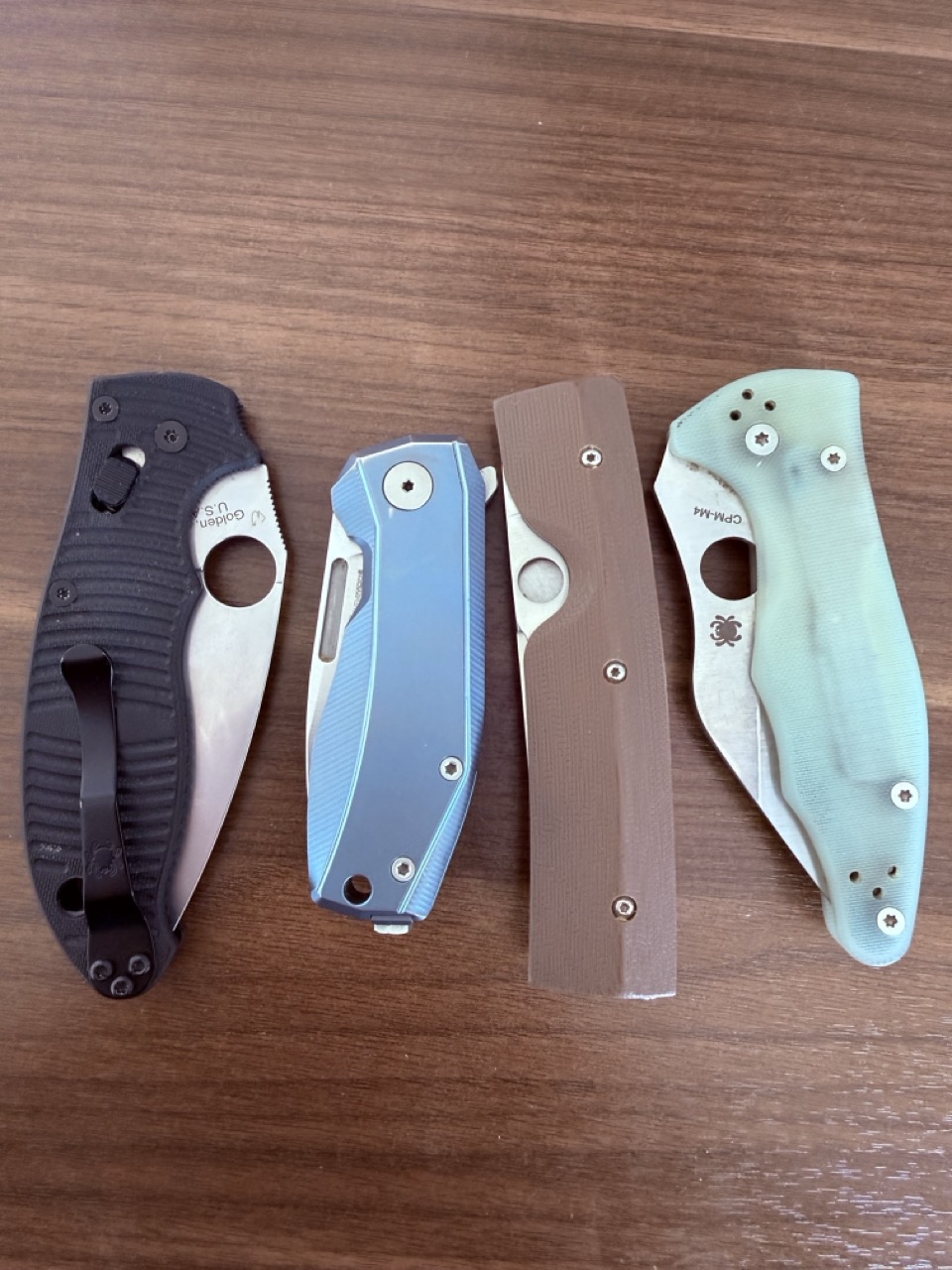
Since my first impressions linked here, and after swapping the original handle for the one from my Manix 2 Salt G-10 MagnaCut, I’ve now spent the last fifteen days putting V8 through its paces in a variety of real-world environments.
Kitchen Duty

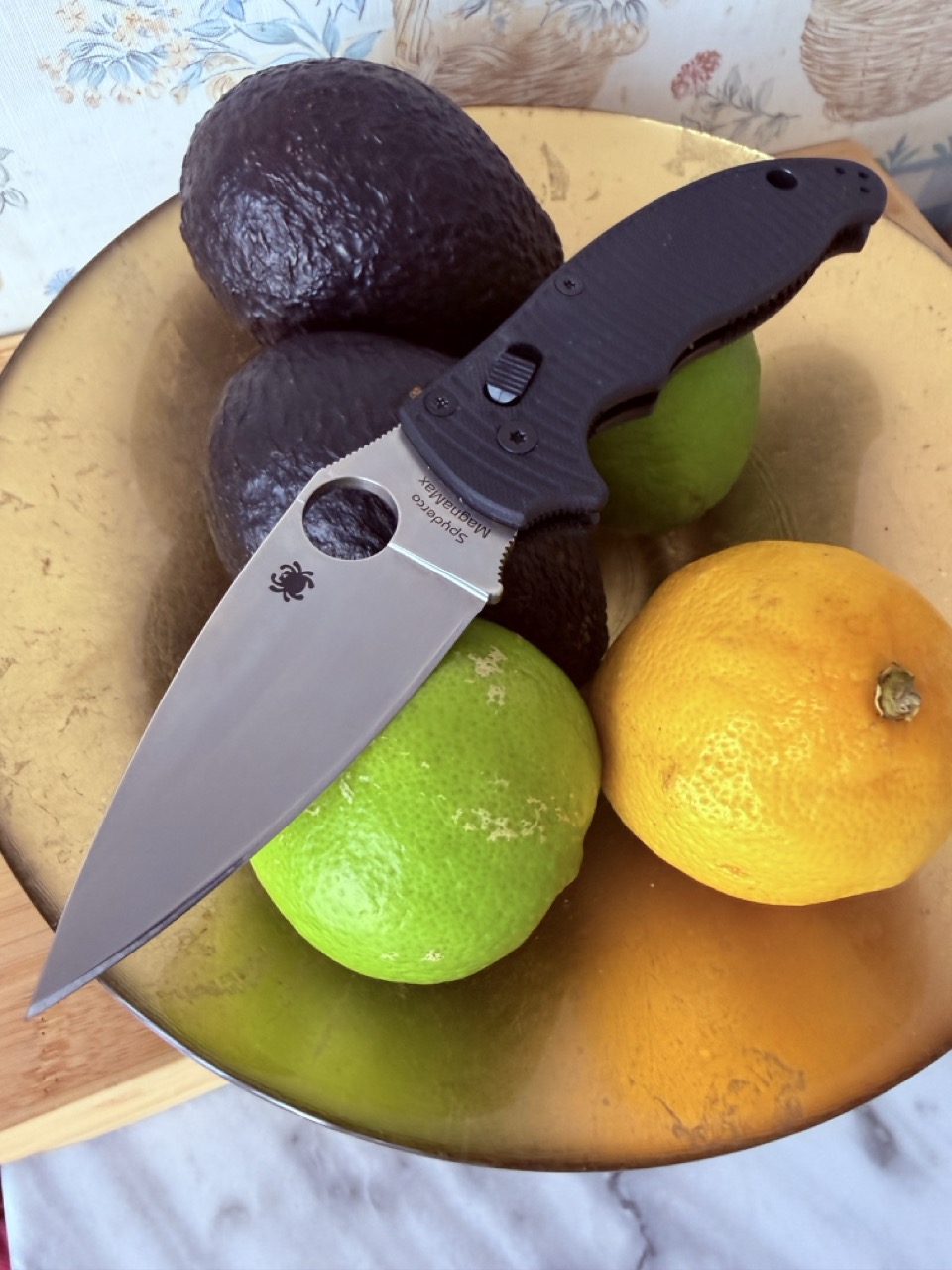
Summer is still in full swing, which means salads are a daily ritual at home. Every day, V8 slices cucumbers, pickles, tomatoes of every size, melons, lemons, and all kinds of cheeses—some of them considerably more invasive to a knife’s mechanism than others.
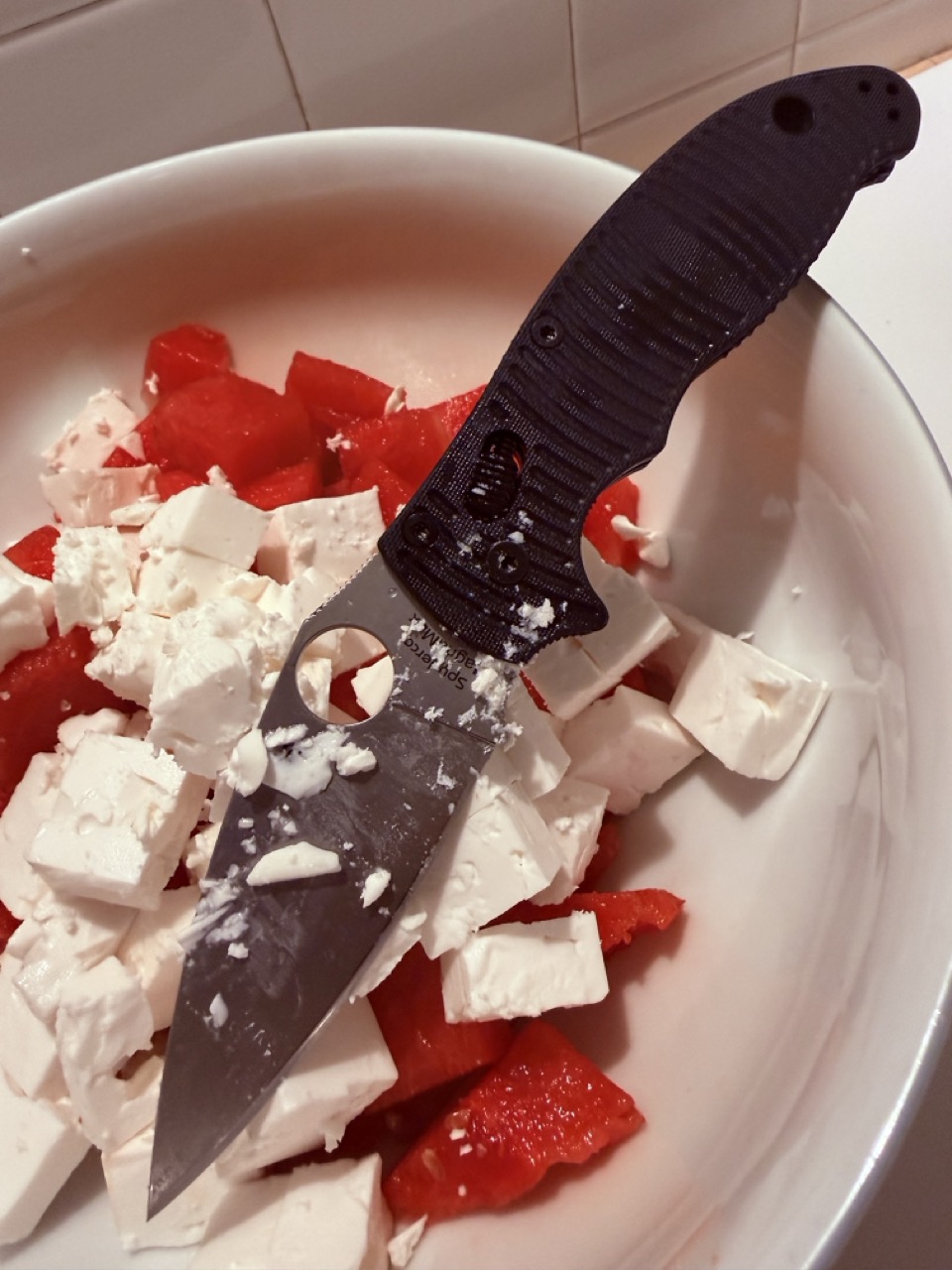
Working with oily or soaking wet hands is simply part of the experience. Once again, it reminded me just how pleasant the G-10 handles on the Salt models are under these conditions, whether it’s V8 or Gurney, my Military 2 Salt.
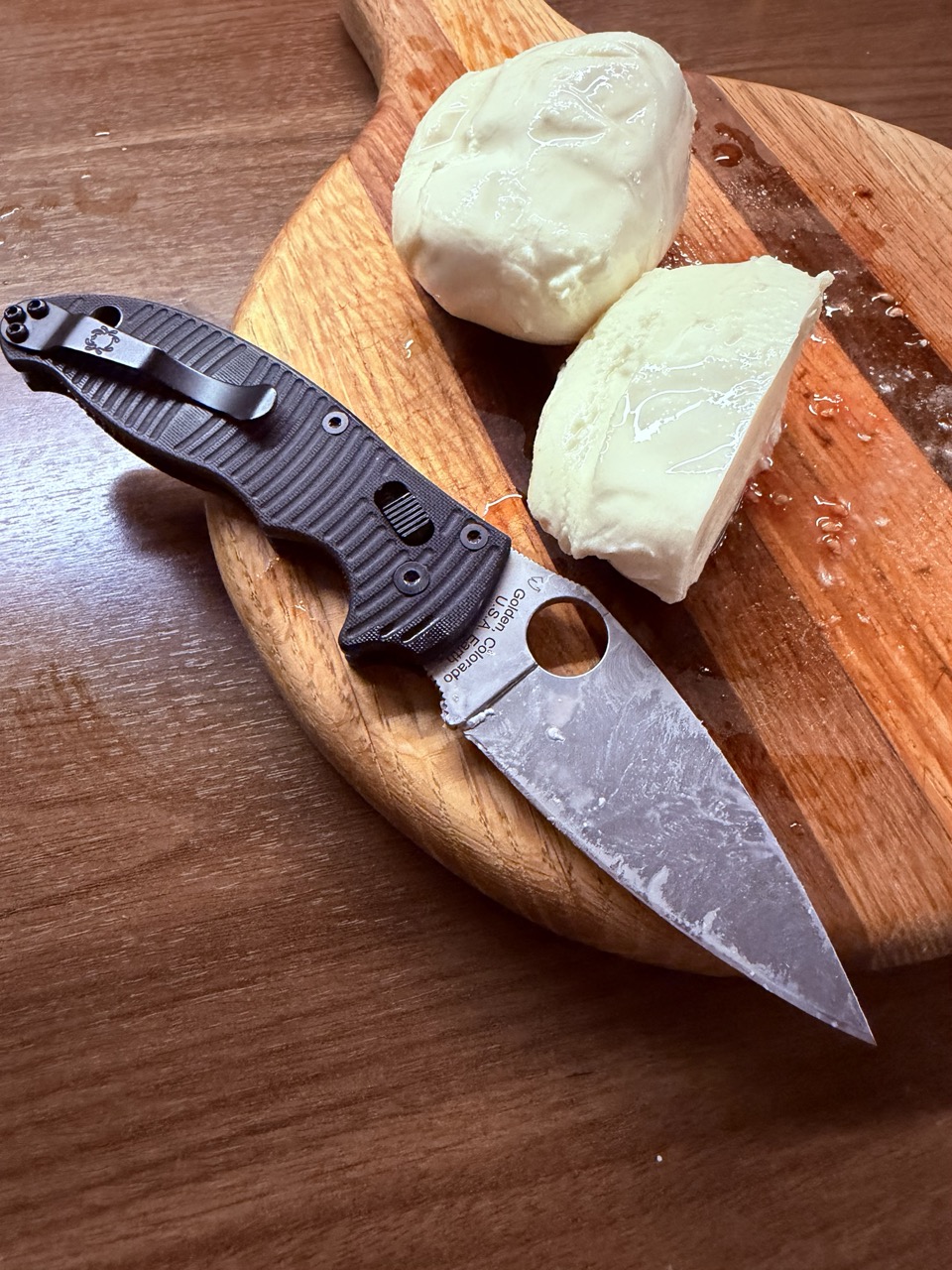
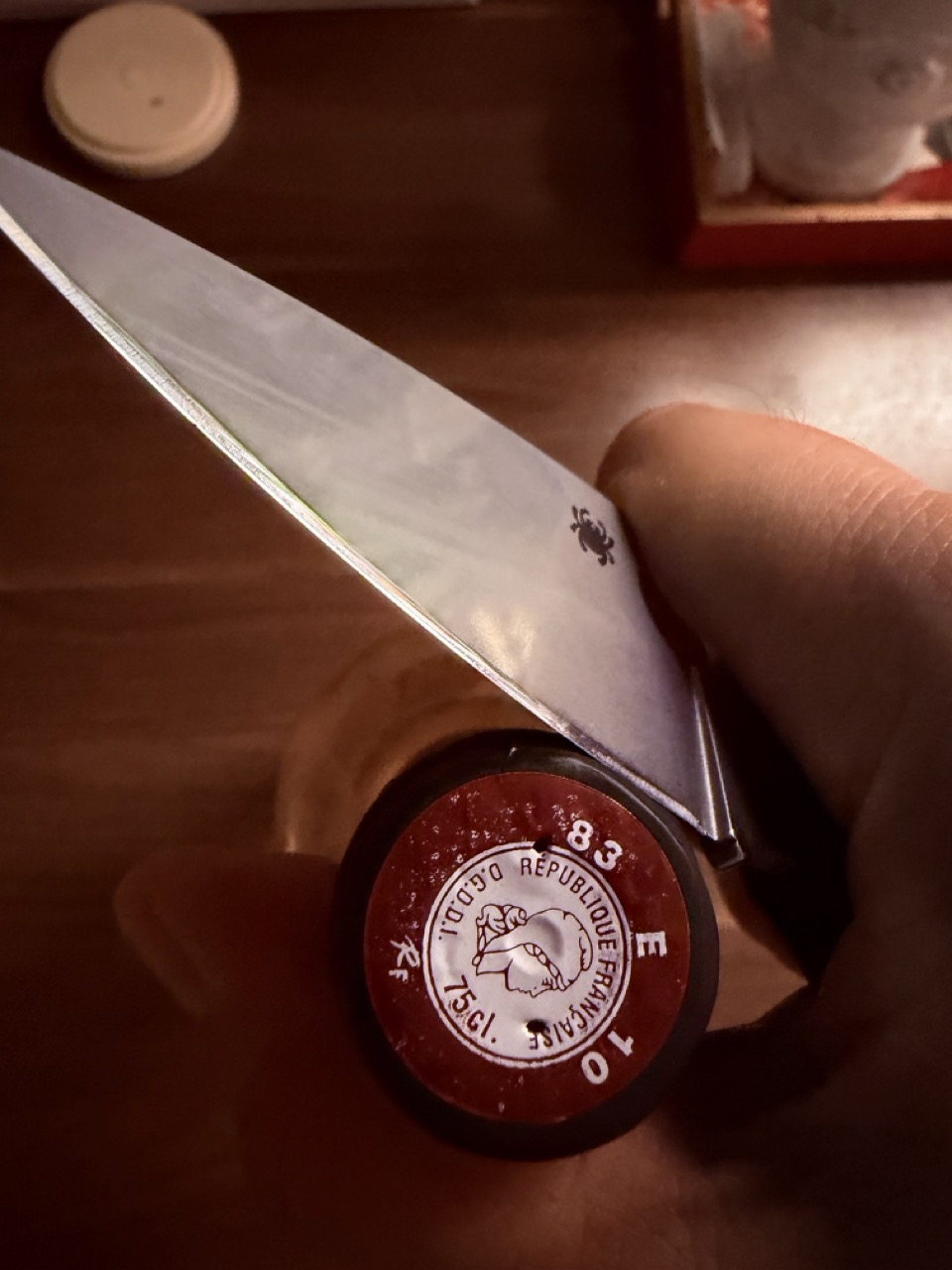
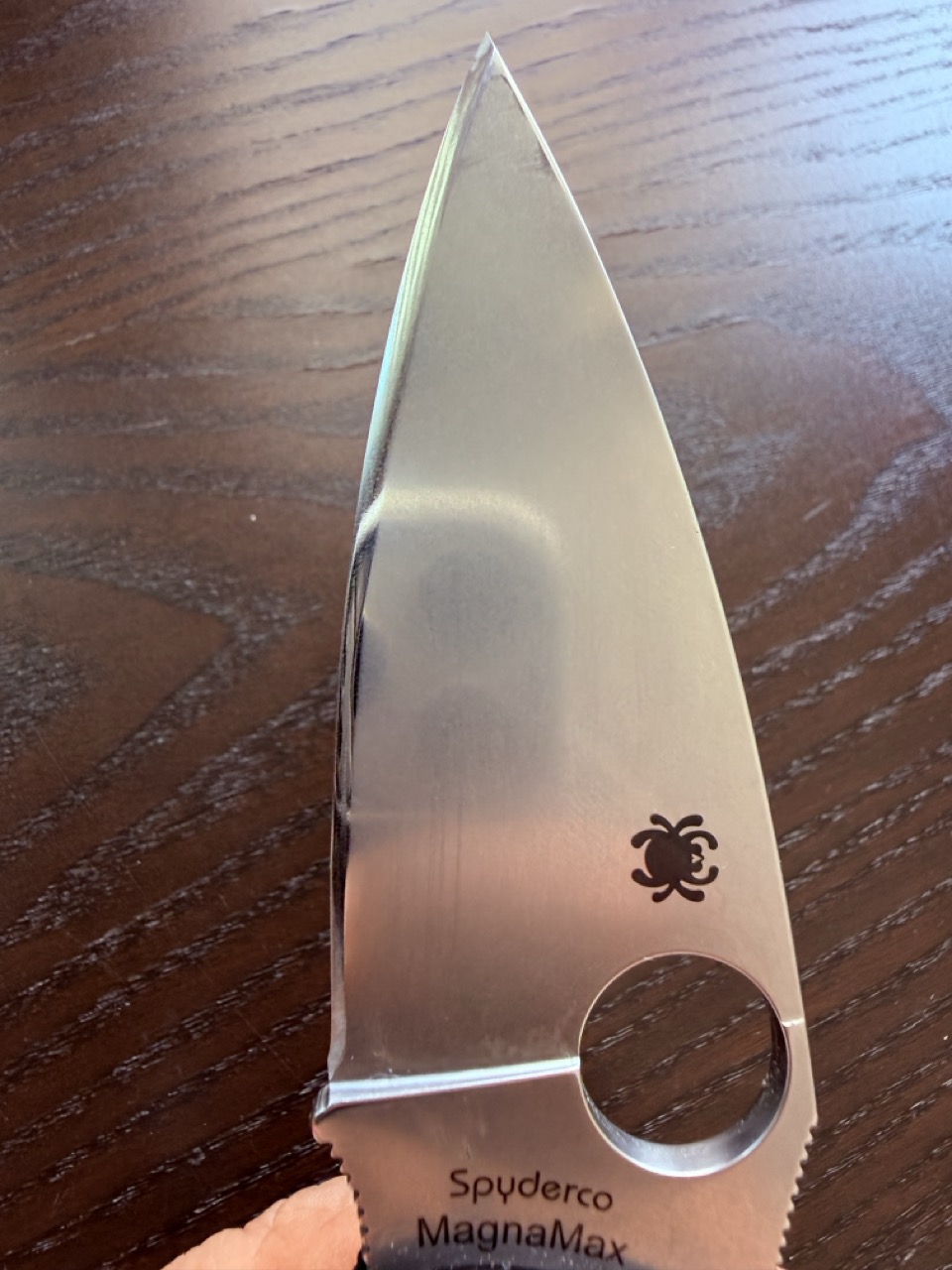
I noticed that MagnaMax wasn’t biting quite as aggressively into my ripe tomatoes with their slightly thick skins, so I decided to start refining the edge. I wanted to see whether this steel would respond better to a slightly rougher, toothier finish rather than a highly polished edge.
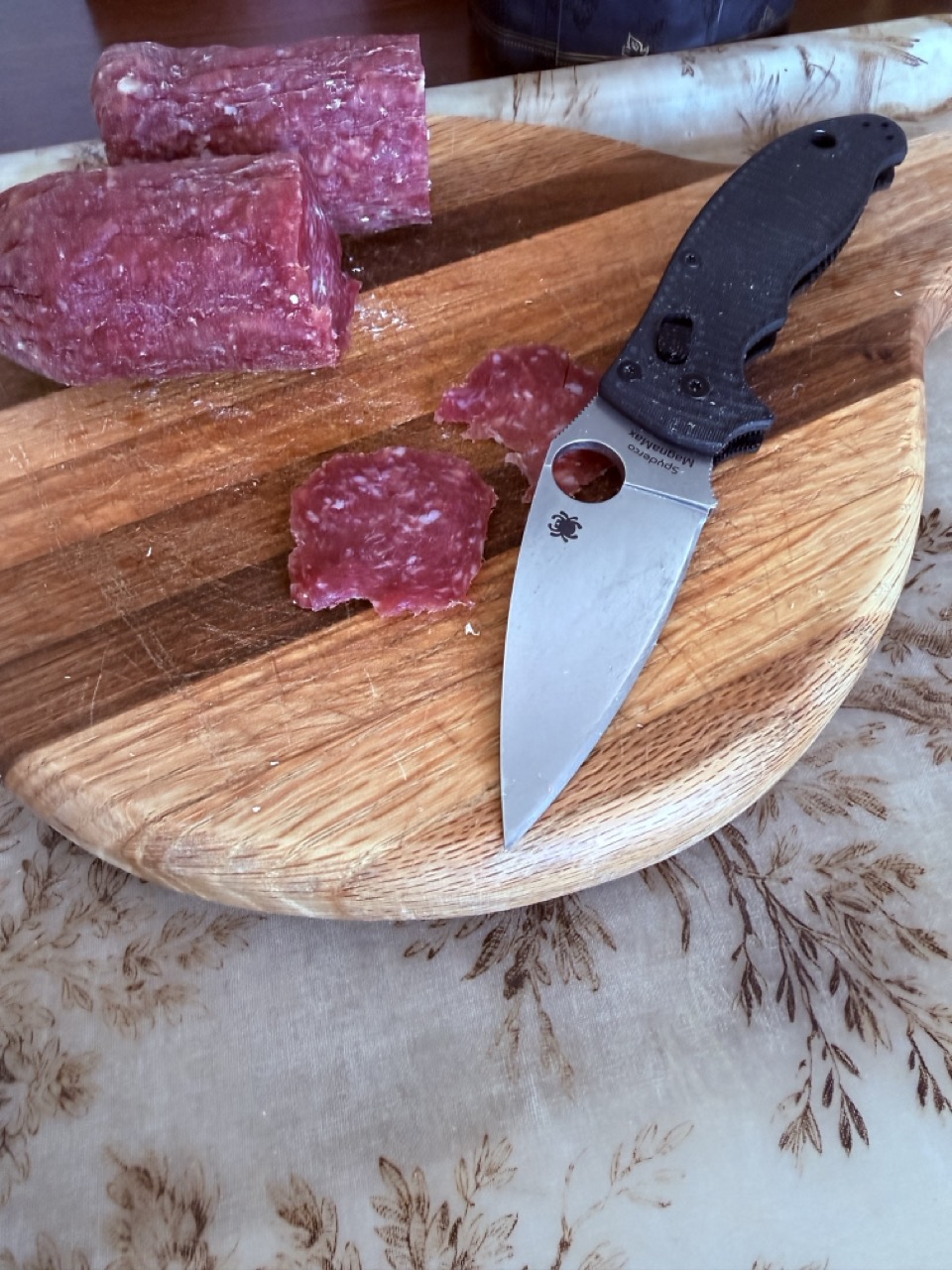
As always, this wasn’t about chasing numbers—it was about chasing feel.

One thing is certain: for my rather amphibious way of using knives in the kitchen—after all, the French are still “frogs”—MagnaMax has proved completely stainless. It is a genuine luxury never having to think about corrosion while preparing food every day.
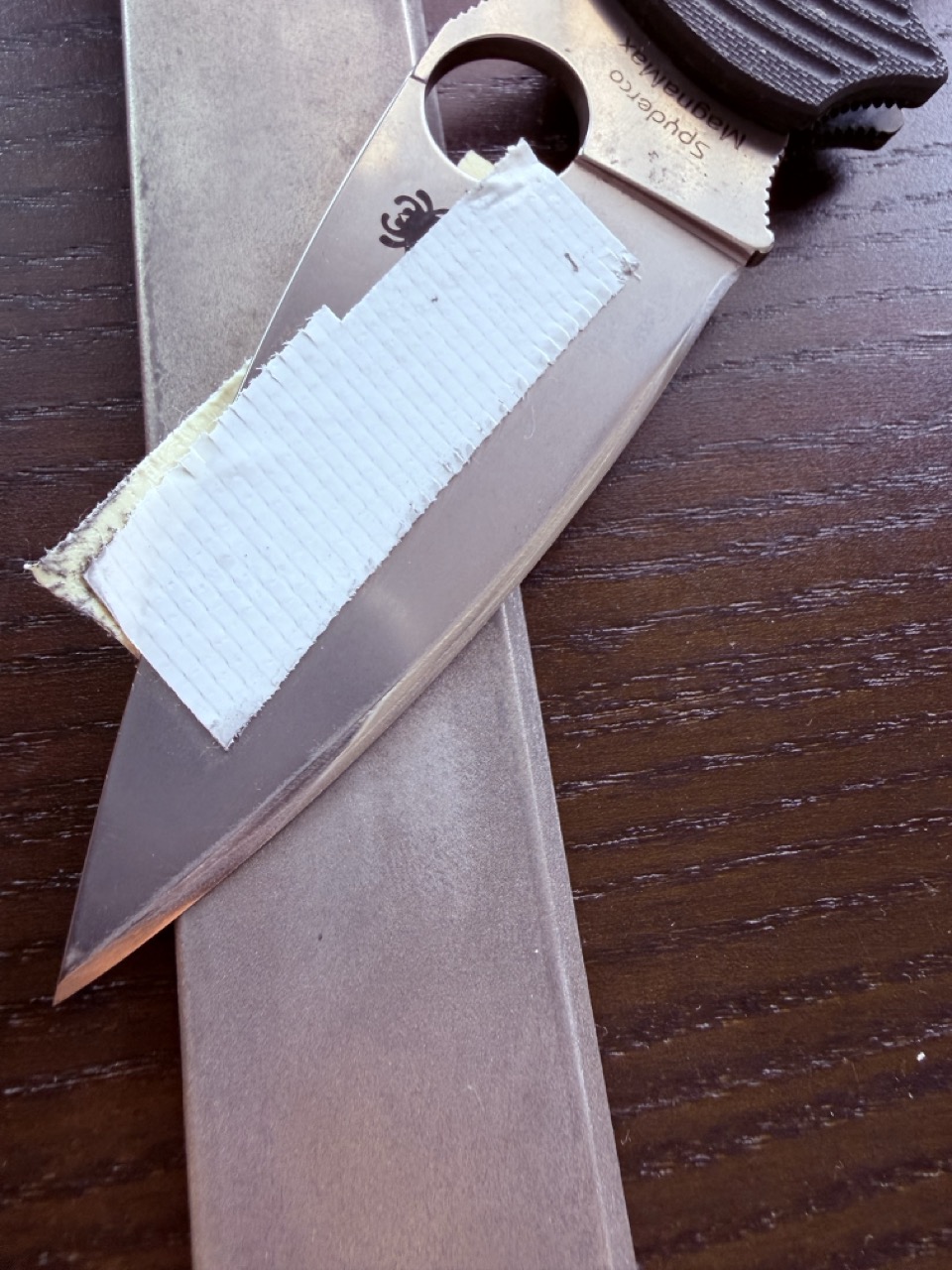
Diamonds Are a Carbide’s Best Friend

As I began convexing the edge, I immediately noticed that MagnaMax proved considerably more resistant to reprofiling than any of my MagnaCut blades. For sure ! 😀
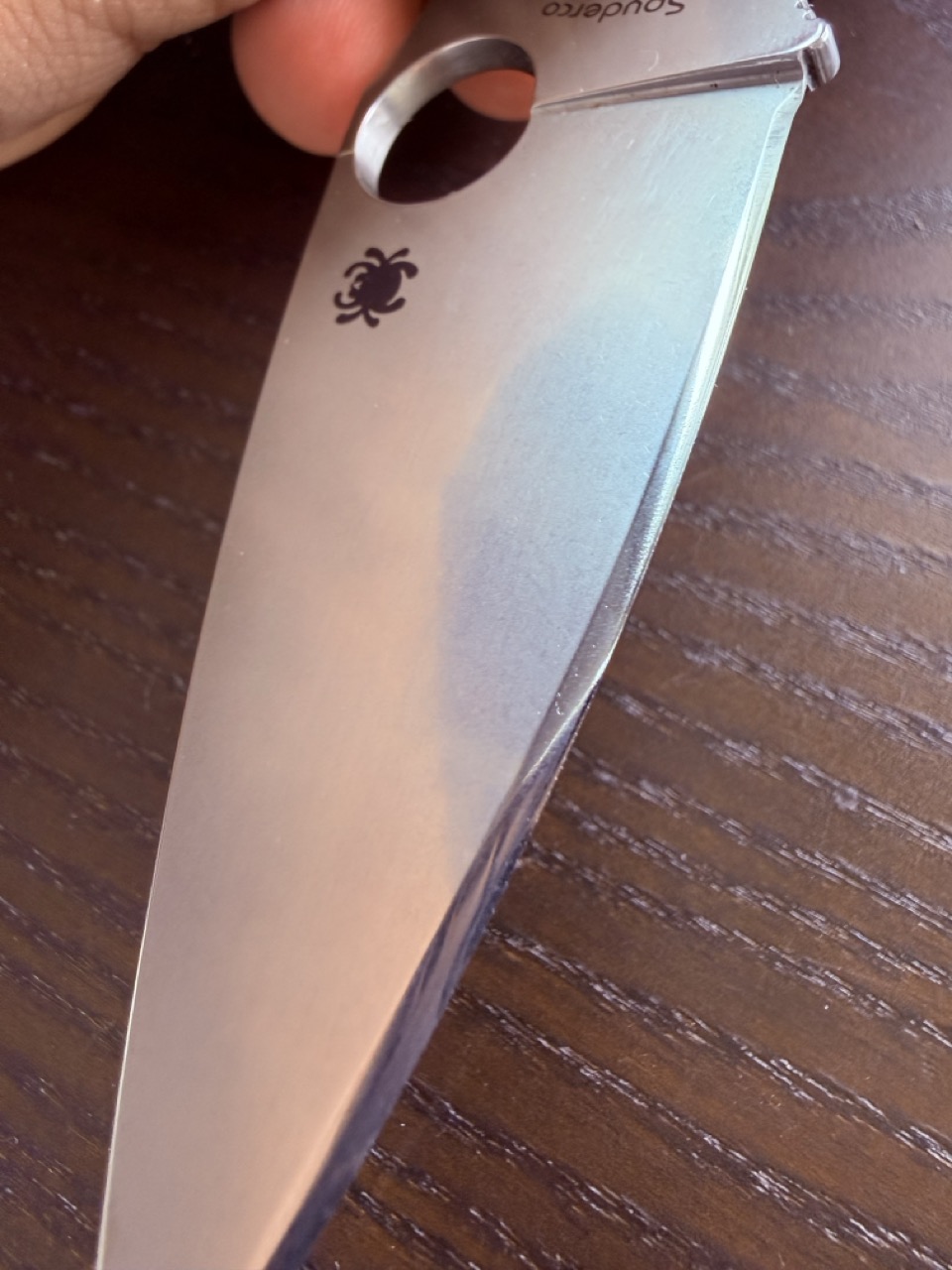
Every MagnaCut knife I’ve owned accepted a convex edge relatively easily. MagnaMax is a different animal altogether. It immediately reminded me of CPM S90V and the stubborn way that steel seems reluctant to let go of its carbides.

It took time.

Rather than trying to reshape everything in a single session, I worked on it a little every day. My goal was simple: create a thinner convex geometry that would allow MagnaMax to express itself fully in wood.
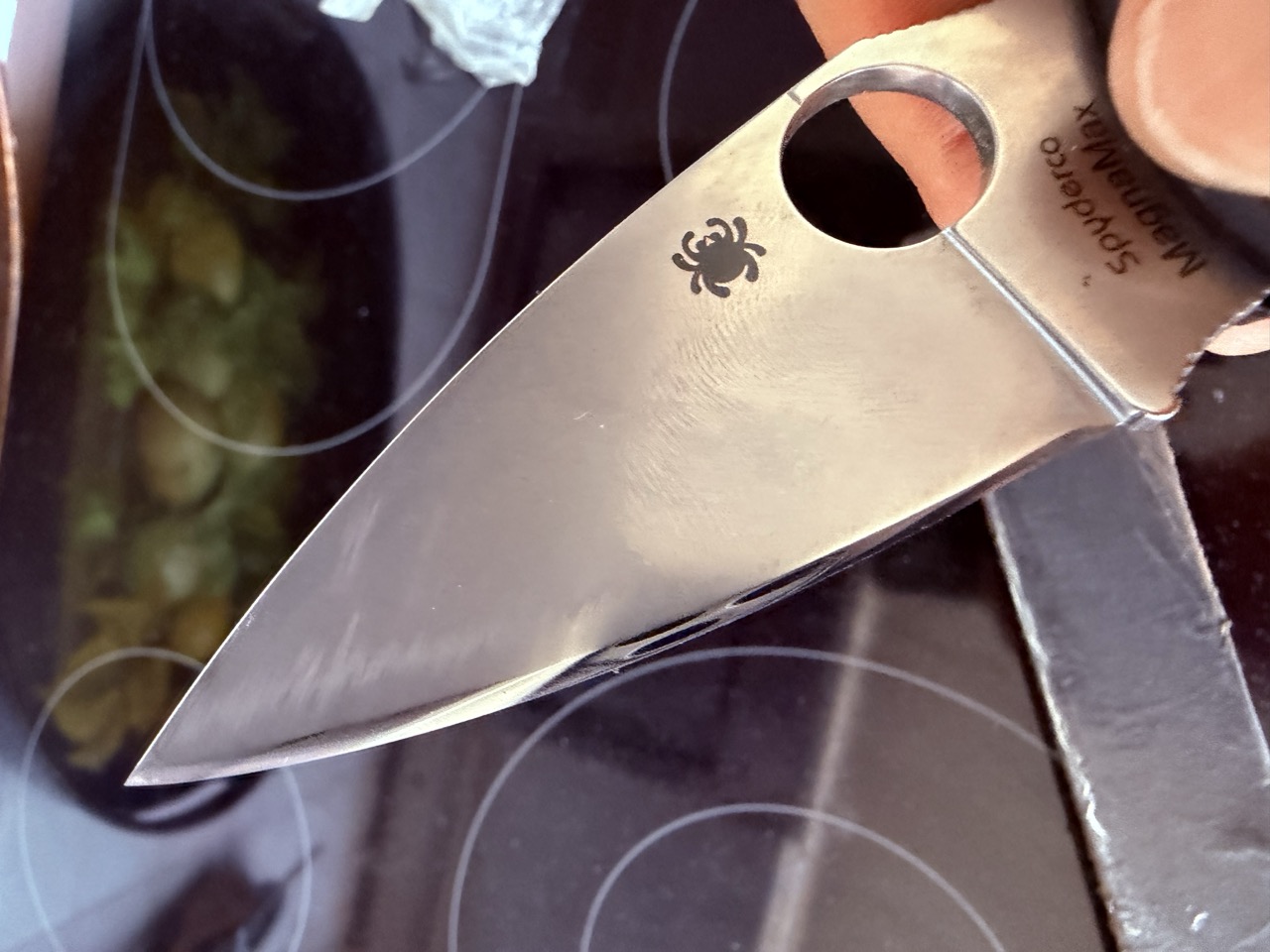
After about two weeks, I think I’ve finally arrived at a thinner geometry that suits me.

At the very least, tomato skins no longer stand a chance. 😉

Now comes the interesting part: comparing it against some of my favourite carving knives.
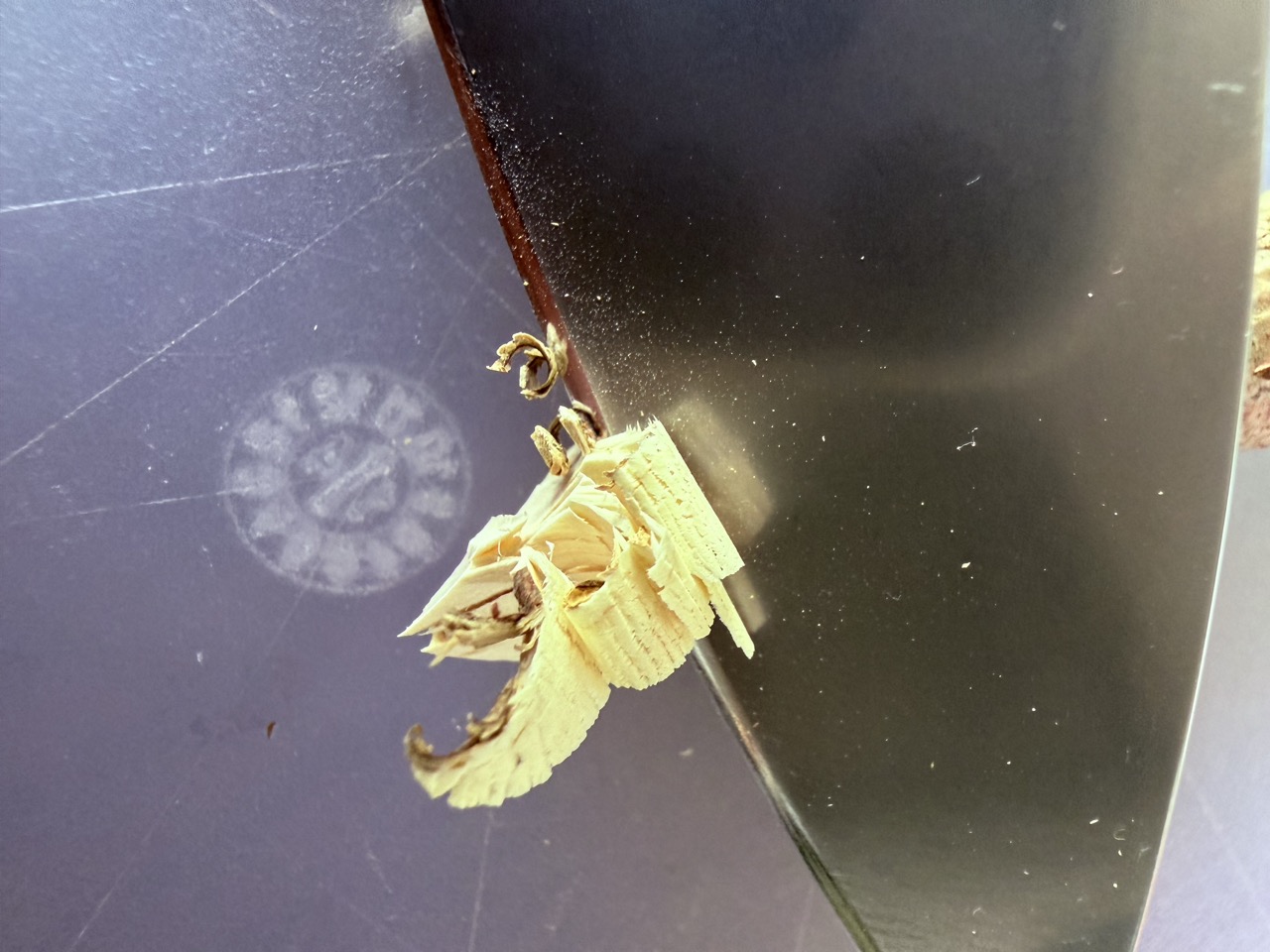
Among the Whittlers

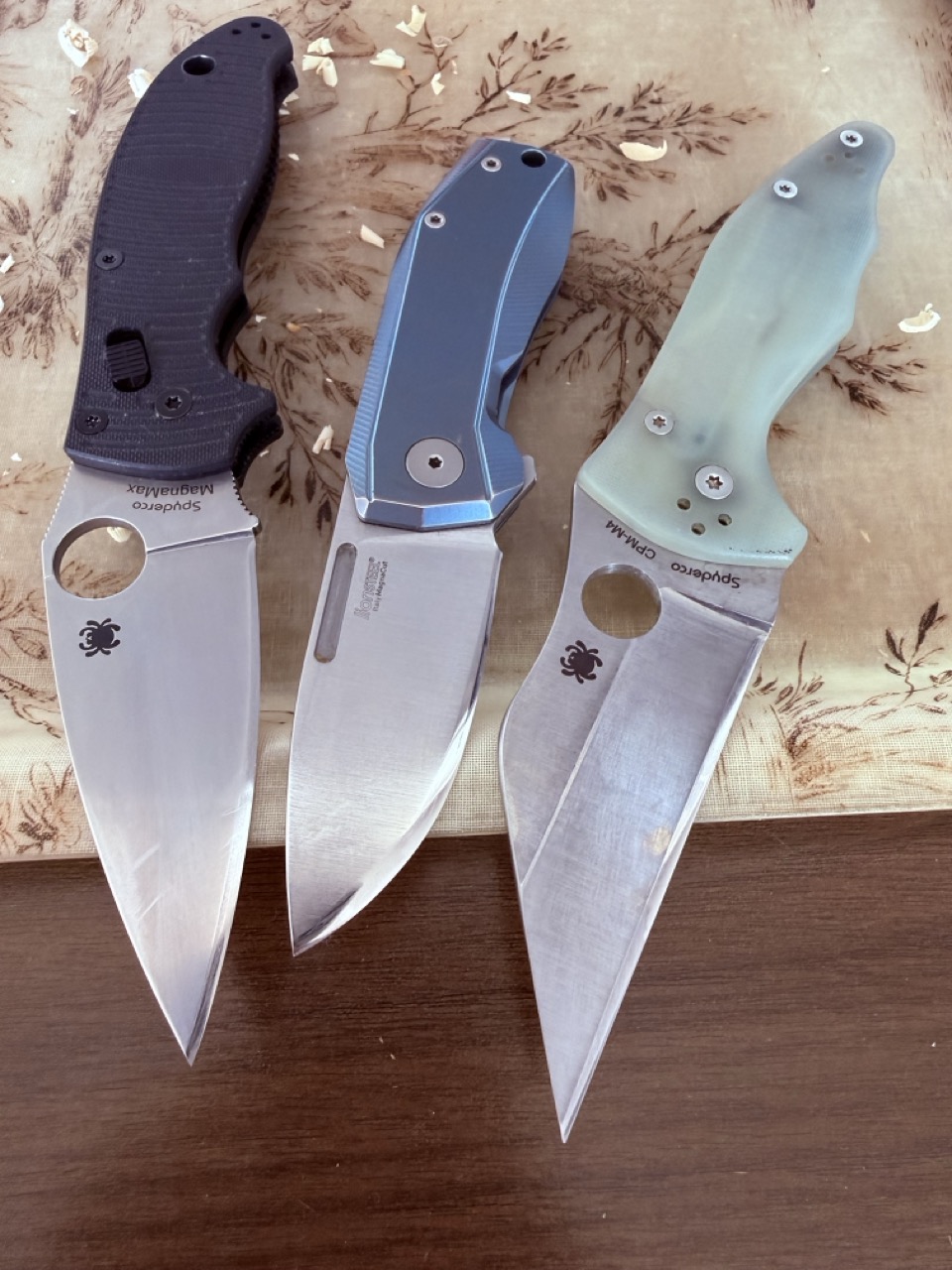
The first knife that comes to mind is my heavily customized Yojimbo 2 in CPM M4.
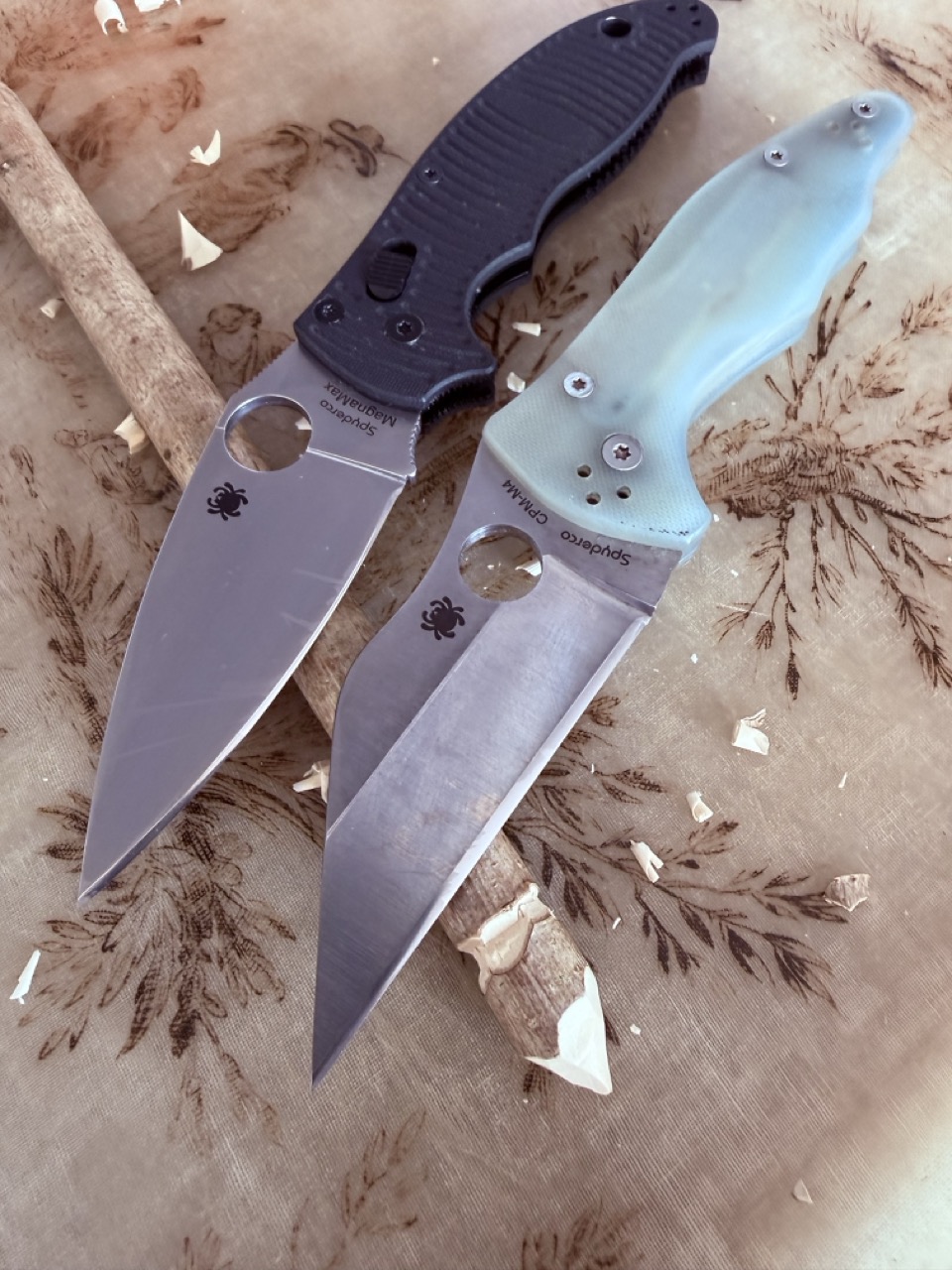
Jade” remains an absolute joy to use on dry wood. After extensive modifications and years of refinement, it has become one of my favourite woodworking knives. I’ve reviewed it several times over the years because it continues to impress me.
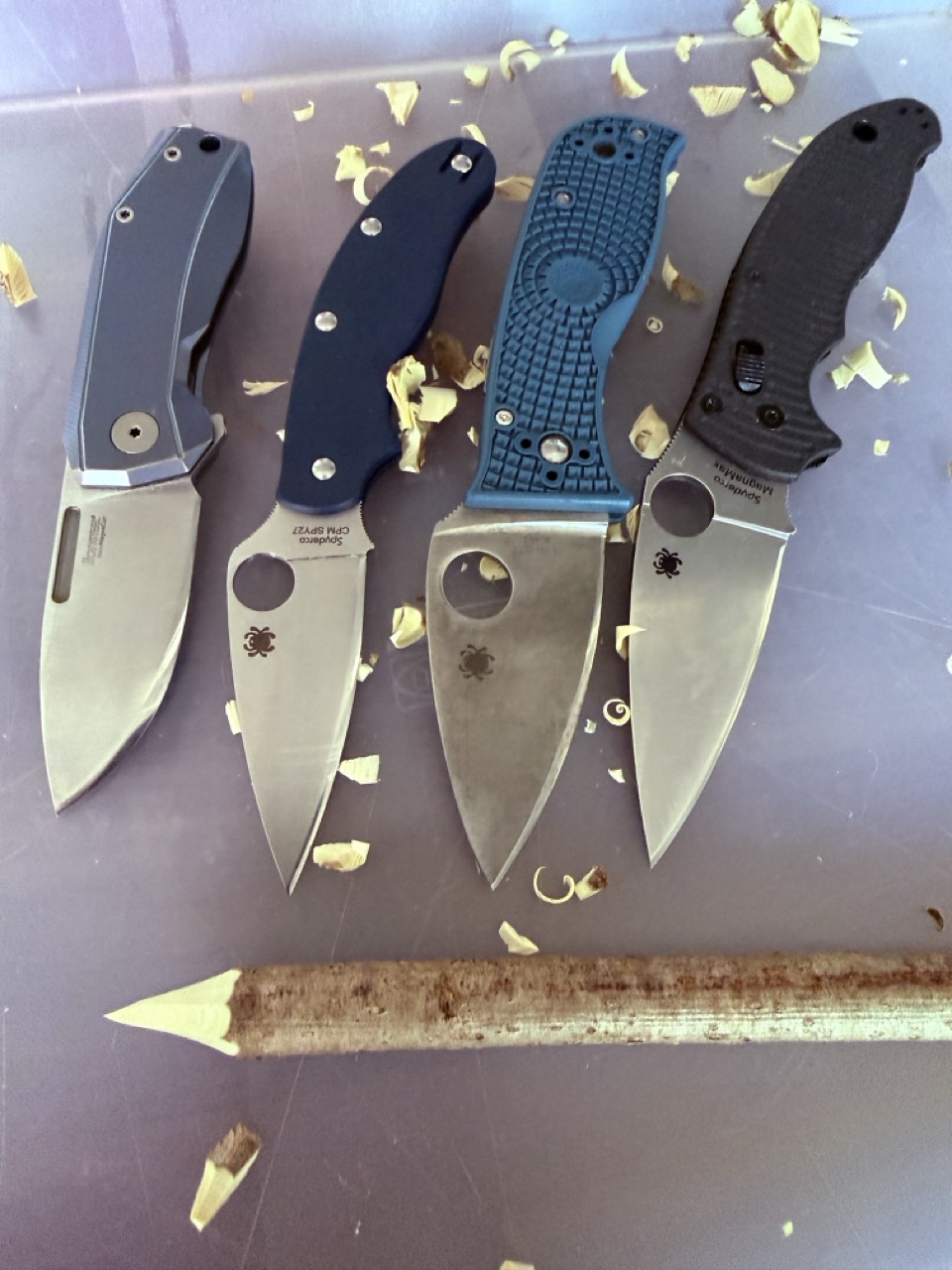
I also compared V8 with my LionSteel Nano, another knife carrying a heavily convexed edge. MagnaCut responds beautifully to this kind of geometry, and “Thorin” is an absolute beast when it comes to shortening branches.
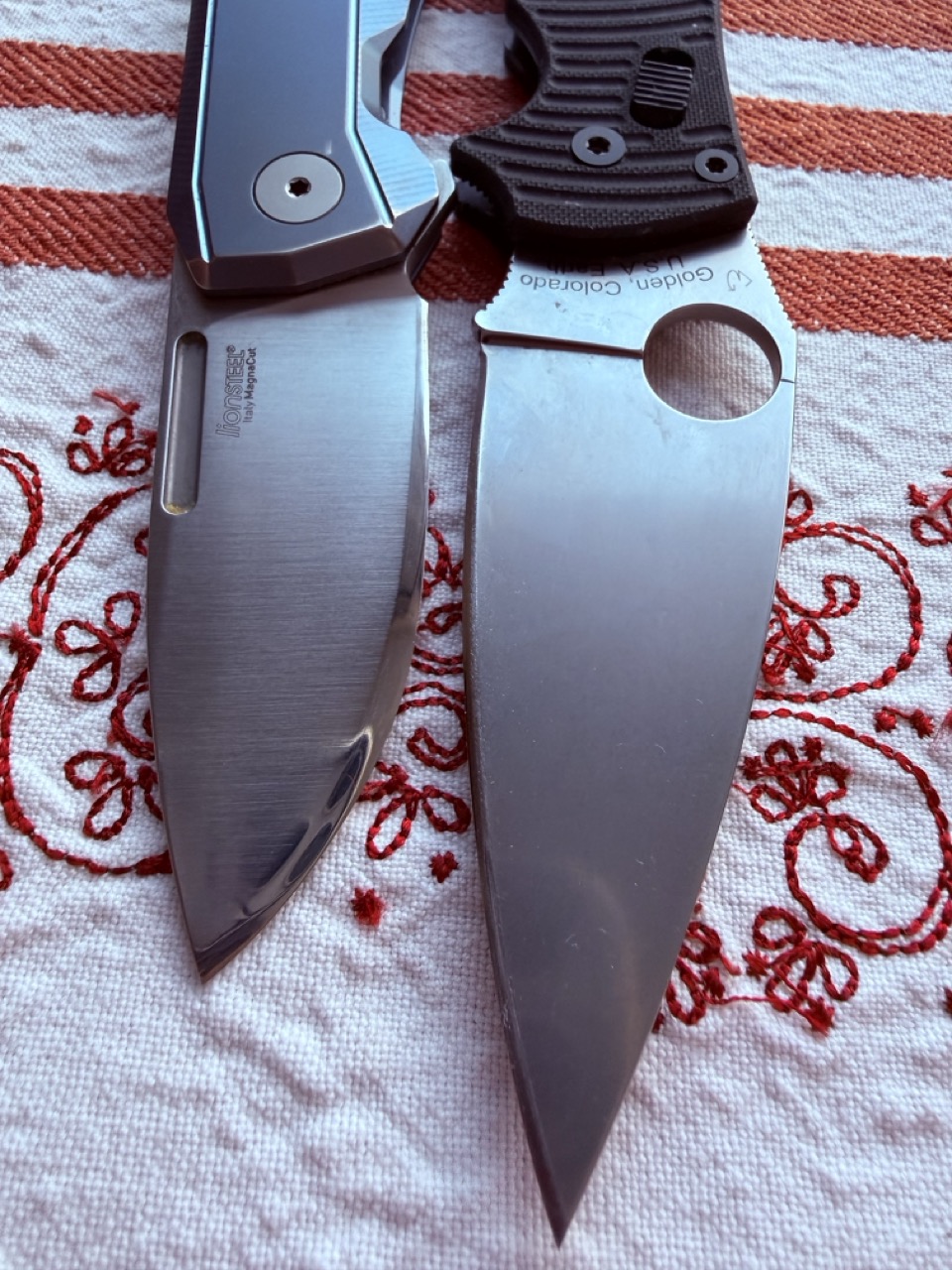
Then there’s LT, my Lil’ Temperance in K390, and above all the legendary Nilakka by Pekka Tuominen, whose blade geometry still makes it the undisputed king of the forest.

V8 deserves to stand among them.
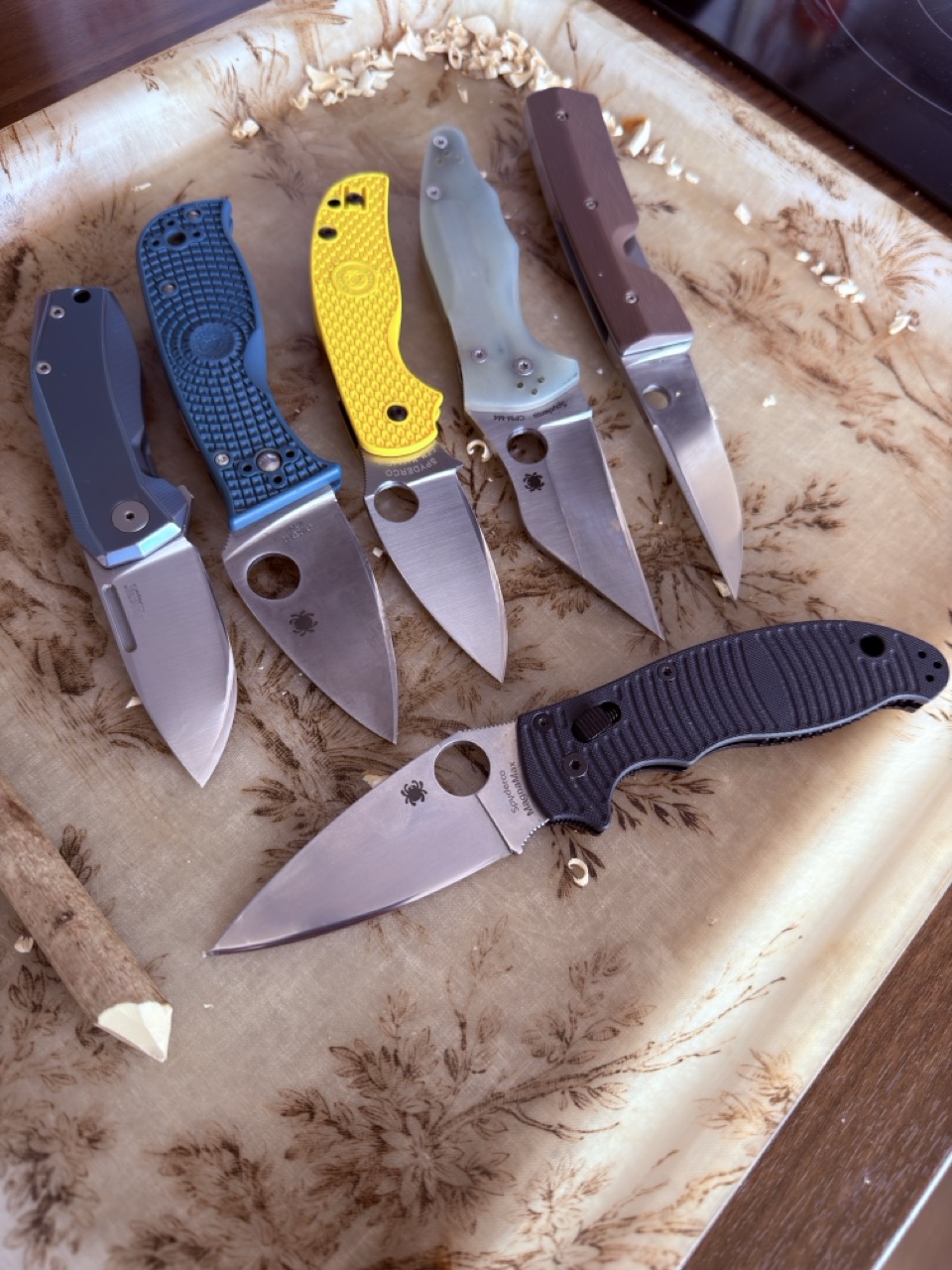
In terms of pure enjoyment while carving dry wood, it absolutely belongs in that company.

It doesn’t have that silky smooth sensation of CPM M4 hollow ground Yojimbo 2. Instead, it feels a little more assertive.

Years ago, on my own entirely subjective mental scale, I often compared ATS-34 with M2 high-speed steel. Cuts made with M2 always seemed to leave a sort of silky finish on the wood, whereas ATS-34 felt rougher, almost more aggressive.
There is nothing scientific about that observation. It is simply the accumulated feeling of using many different steels over the years.
(God, Jade looks really like a folding seax (scramasaxe in French) on this pictures)

Some steels seem to glide through wood, though. YMMV.
Others seem to bite their way into it. Hungry edges !

To me, MagnaMax clearly belongs to the second category: the “hungers” !

Of course, blade geometry is a huge part of that sensation, which is precisely why I wanted to convex the edge until it reached the same level as the other knives in this comparison.

At the moment, with its current convex geometry, V8 seems to bite into dry wood even more aggressively than my M4 Yojimbo.

Whether that’s entirely due to the steel, the edge geometry, or a combination of both, I can’t say with certainty.

What I can say is that it feels exceptionally satisfying to use.
Fifteen Days Later

That’s where I stand today, but I’m nowhere near finished.

V8 has replaced the wonderful Gurney as my everyday companion around the house. When I leave home, though, I still prefer something a little more socially acceptable—a UKPK, a Meerkat, an Urban, or another discreet Spyderco.

The testing continues.
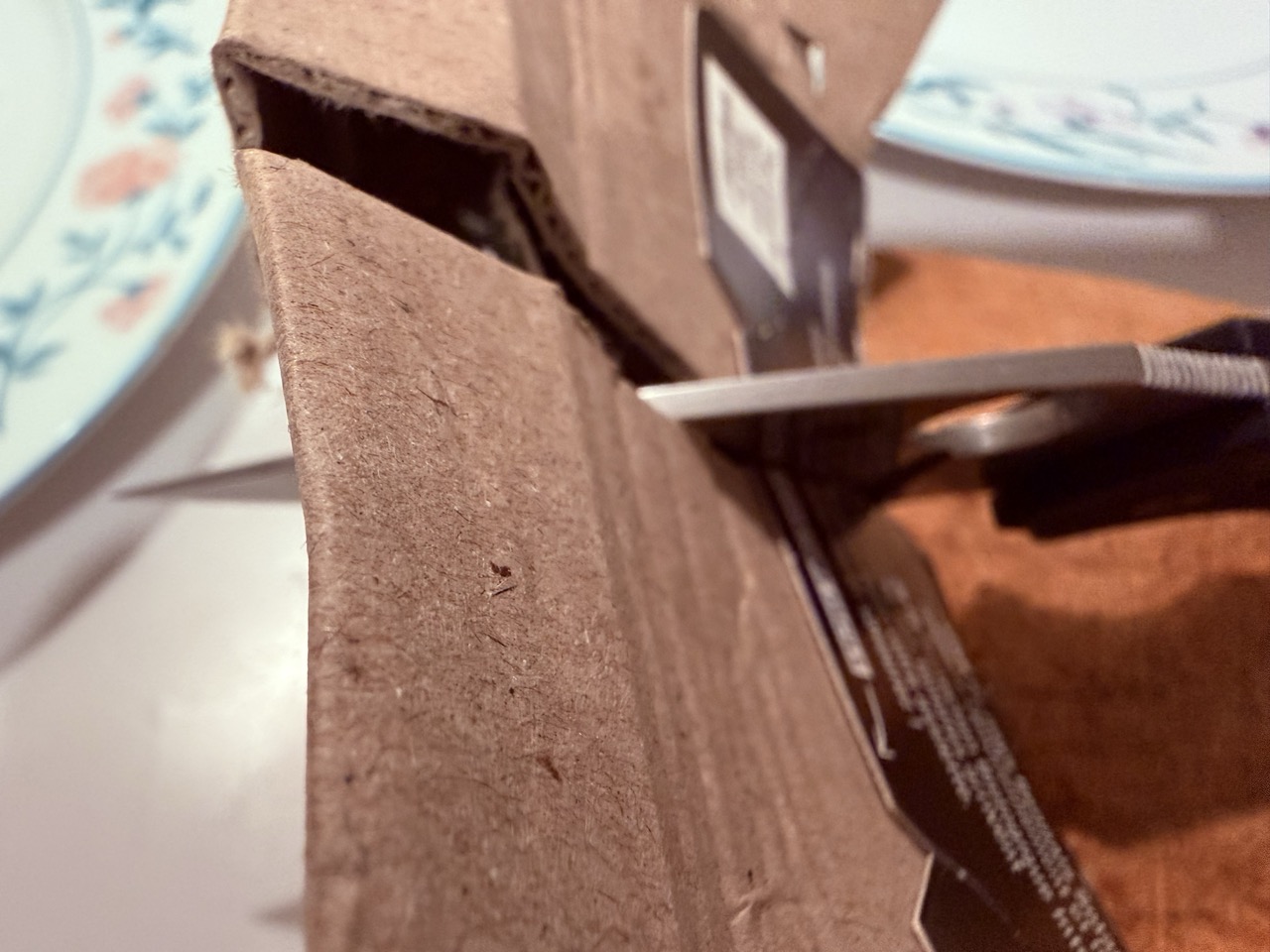
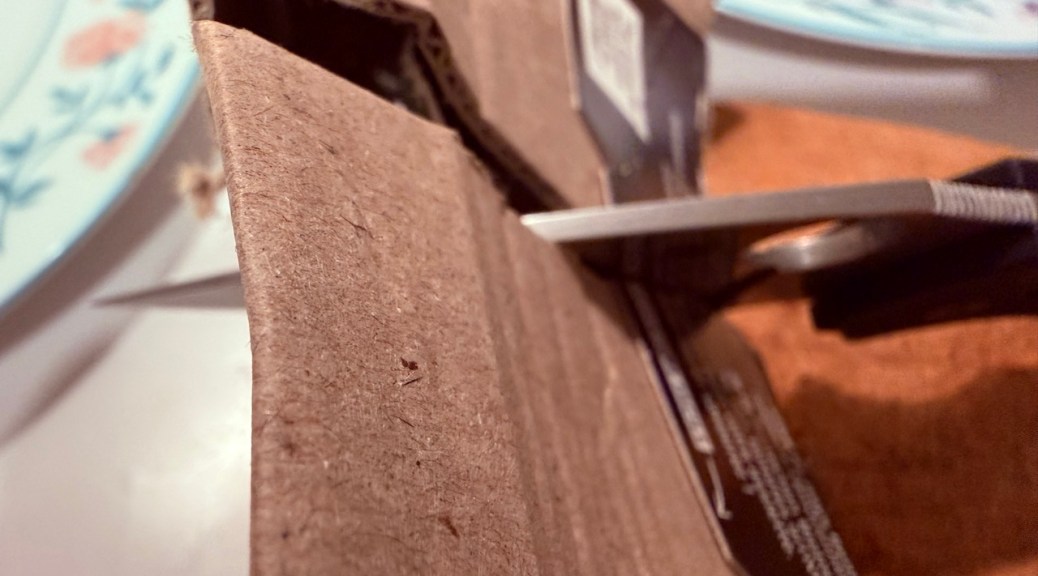
Oh, I also put it through a few mandatory cardboard-cutting sessions, although I have no reliable way to quantify edge retention from that alone. It just happened.
But I still remember certain pseudo 440C Chinese-made knives that seemed to lose their bite after only a handful of cuts through borwn cardboard. This is not the case here.
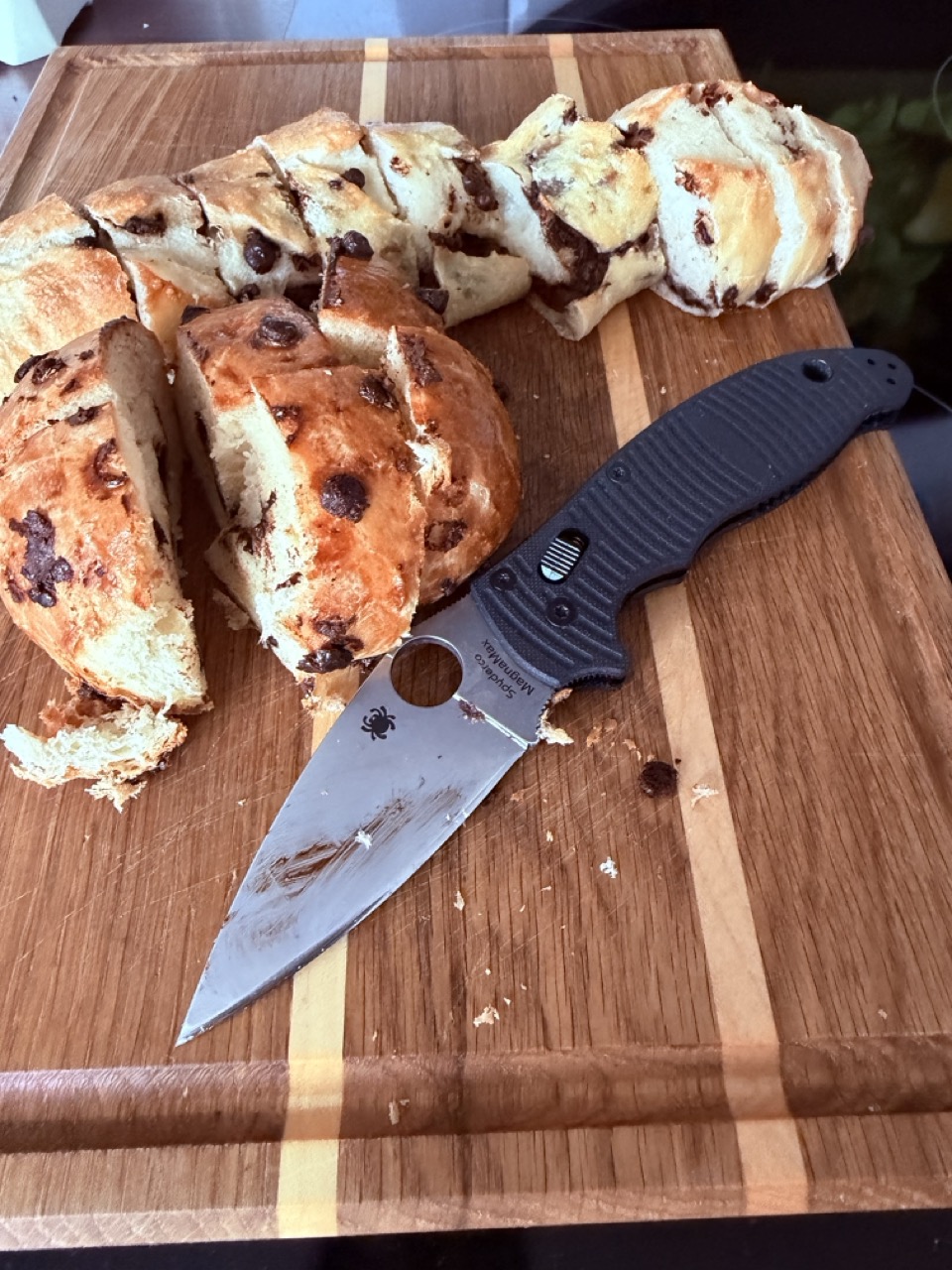
Also, in the kitchen, my bamboo cutting boards certainly aren’t punishing that MagnaMax edge either.
So far, what has impressed me most is how much effort MagnaMax demanded during reprofiling. It was tedious. 😉

Despite everything I’ve thrown at it, I still haven’t managed to take it from razor sharp to genuinely dull, yet.
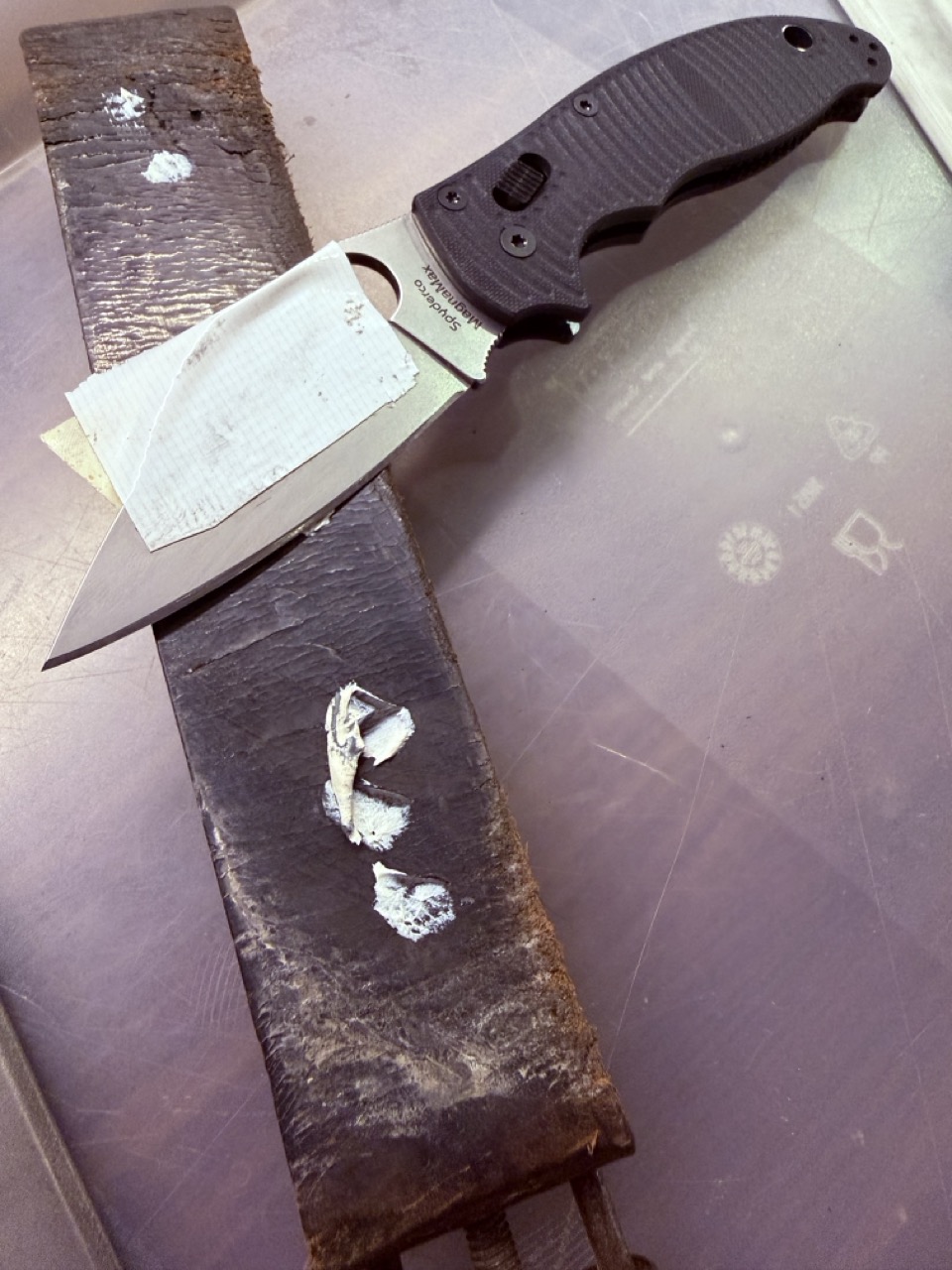
It also seems to respond exceptionally well to stropping, making it easy to achieve that beautifully polished edge.
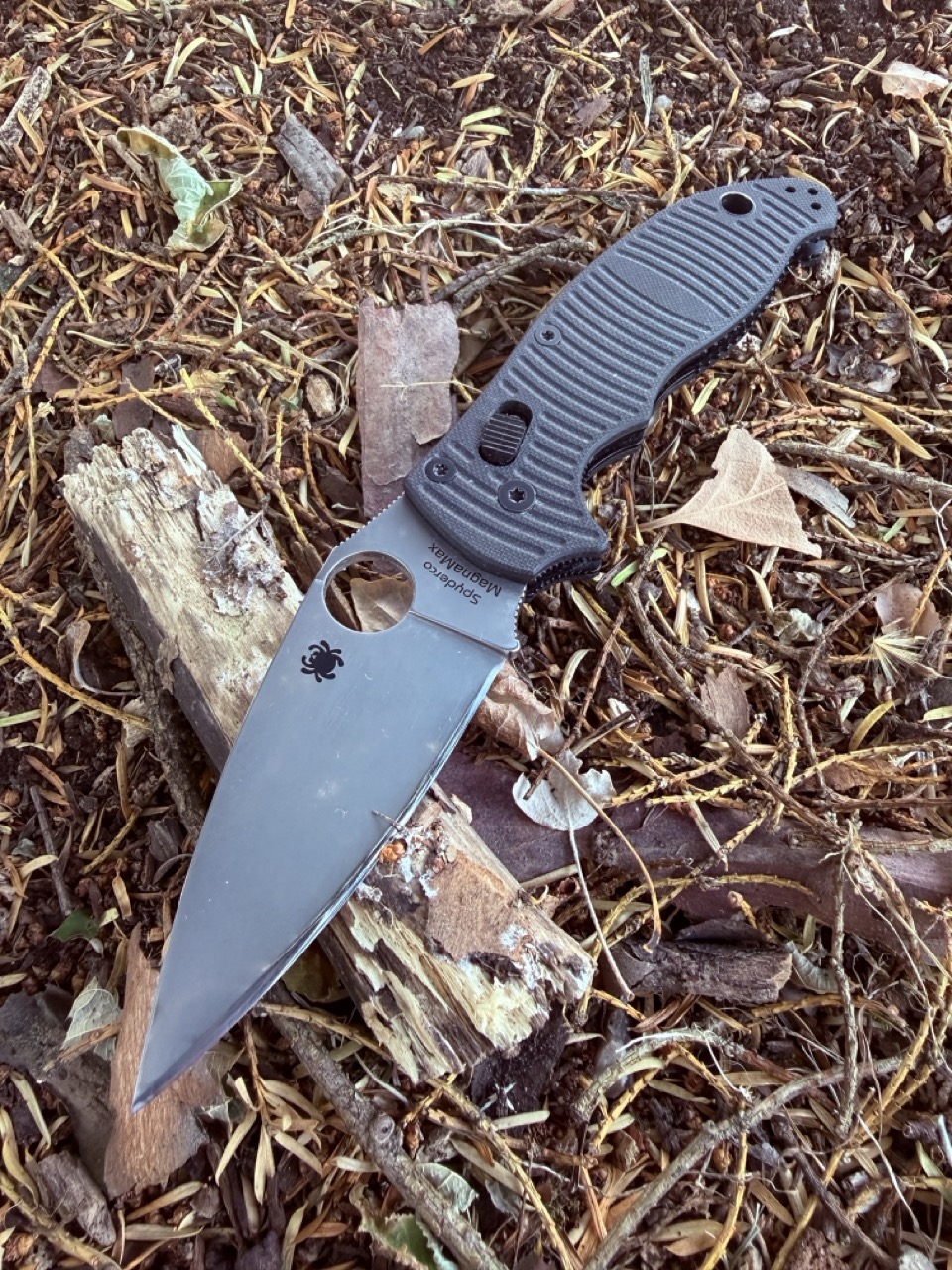
The more I use MagnaMax, the less I think about its specifications and the more I simply enjoy using it.

Perhaps that’s the best compliment I can give to this steel.

After only fifteen days, it’s already beginning to earn a place among my favourite Spyderco steels. Whether it eventually becomes a true classic remains to be seen, but the journey has been remarkably promising so far.
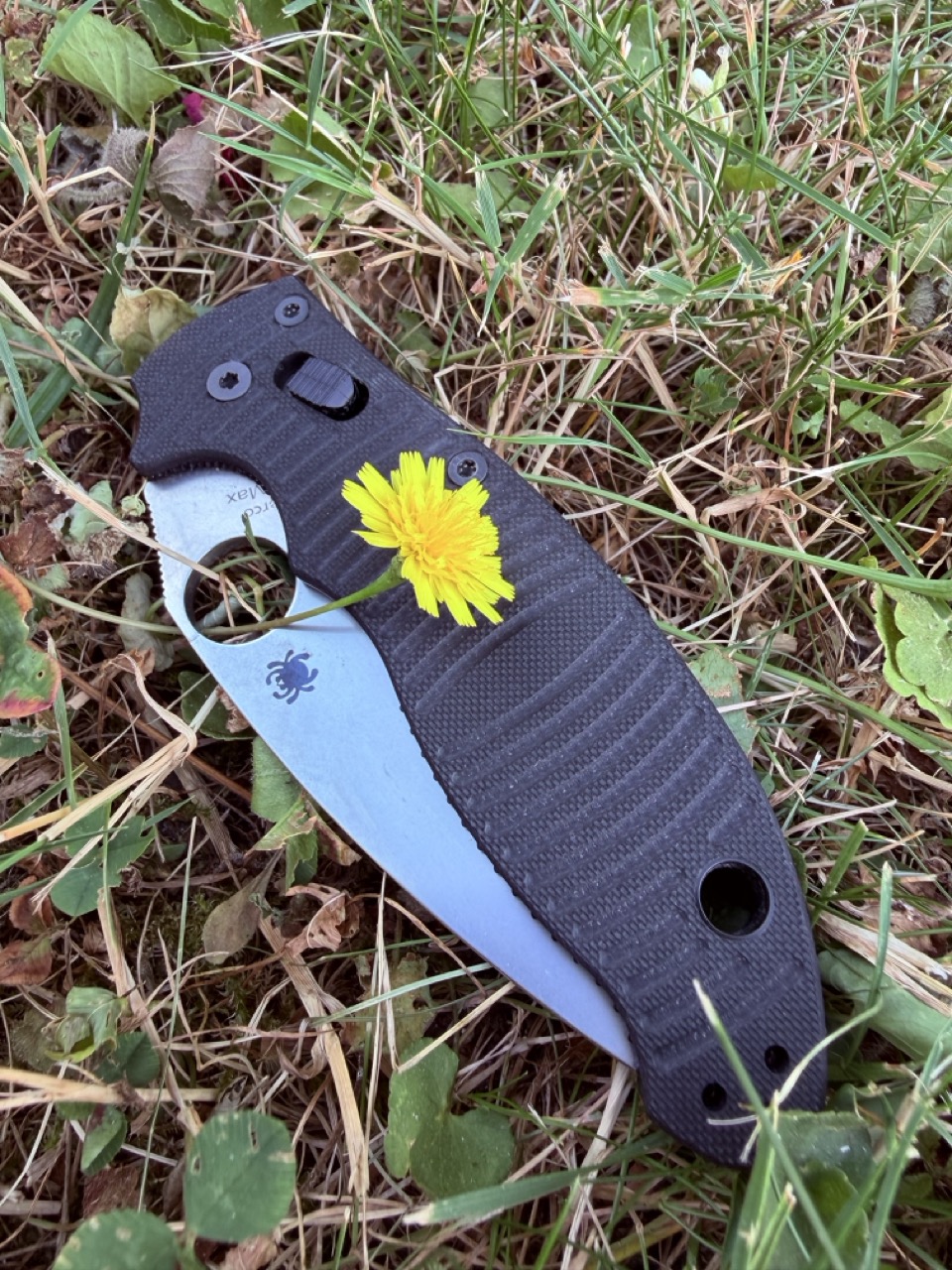
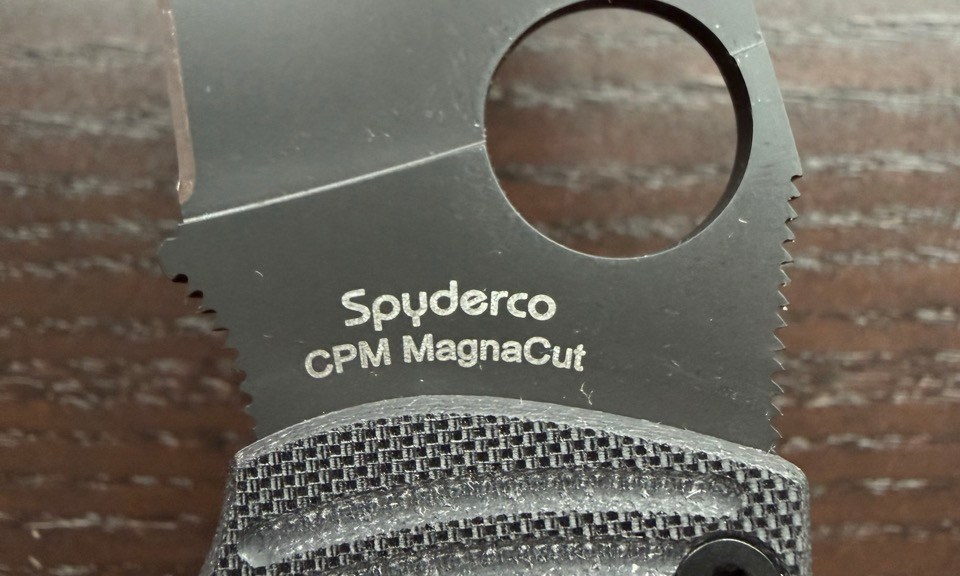
Spyderco MANIX® 2 SALT® – C101GMCBKP2 – The Black Pearl.

Disclaimer: This knife has been provided through Spyderco’s Ambassador Program, upon my own request. Thank you to the Spyderpeople for letting me review it.

When a Workhorse Learns to Swim.

The Spyderco Manix & Manix 2 — The Evolution of a Working Icon

In the early 2000s, Spyderco found itself at an interesting crossroads. The brand had already earned a formidable reputation among law enforcement, military users, and serious enthusiasts for redefining what a modern folding knife could be: ergonomic, purpose-driven, and unapologetically functional. Yet many of its most popular designs leaned toward lightness and slicing efficiency rather than outright mechanical strength. The Manix was born from a different ambition—one that prioritized structural robustness without abandoning cutting performance. It was a back-lock with the same strength as the Chinook’s.

That original Spyderco Manix debuted in 2004 as a bold statement. Designed by Sal Glesser, it was conceived as a folding knife that could offer near–fixed-blade confidence.

The first Manix models were built like backlock tanks. They featured full stainless steel liners, thick G-10 scales, steel spacer and broad, leaf-shaped blades typically made from CPM S30V, which was then at the forefront of powder metallurgy steels. The knife felt substantial in hand, deliberately so and part of the Martial Blade Craft line. Its ergonomics emphasized control and safety: a pronounced finger choil, generous jimping, and a handle shape that locked the hand in place. In an era where many folding knives still mimicked traditional silhouettes, the Manix looked aggressively modern—and some might say unapologetically industrial.

Despite its strengths, the original Manix was not without criticism. Its weight and bulk limited its appeal for everyday carry. Spyderco listened. Rather than abandoning the concept, the company chose to refine it.

That refinement arrived in 2010 with the release of the Manix 2 designed by Eric Glesser. This was not a cosmetic update, but a structural evolution. The Manix 2 retained the fundamental identity of its predecessor while reengineering nearly every aspect for improved ergonomics, weight reduction, and usability. The handle profile was subtly reshaped for better comfort, the liners were skeletonized, and the overall balance was improved. The blade geometry was refined for smoother slicing without sacrificing tip strength.

Crucially, the Ball Bearing Lock was first experimented on Eric’s Dodo and was redesigned with a removable cage, simplifying maintenance and paving the way for future customization. (FYI there was a Manix 2 with lockback.) The Manix 2 also benefited from Spyderco’s unique expanding steel portfolio, appearing over the years in everything from S30V and S110V to Maxamet, CPM CruWear, and later, CPM MagnaCut in the new Salt variants. Few knives have served as such a comprehensive showcase for the evolution of modern blade steels.

Over time, the Manix 2 became a canvas for experimentation. Sprint runs, exclusive dealer editions, and collaborations introduced bold colors, exotic steels, and alternative finishes. The knife earned a reputation not just for durability, but for honesty. It made no attempt to be sleek or fashionable. Instead, it embodied Spyderco’s core design ethos: form follows function, and ergonomy is a requirement.

The arrival of the Manix 2 Salt marked another milestone in the lineage. By pairing the platform with truly corrosion-resistant steels and hardware, Spyderco reaffirmed the Manix’s original mission: reliability under adverse conditions. From urban daily carry to offshore use, the Manix 2 proved adaptable without losing its identity.

The Spyderco Manix 2 has long been regarded as one of the brand’s most capable folding knives: robust, ergonomic, and unapologetically utilitarian. With the Manix 2 Salt, Spyderco takes that proven platform and adapts it for environments where steel usually fails—saltwater, humidity, sweat, and neglect—without diluting what made the Manix great in the first place.

The blade shape remains the familiar Spydie leaf profile, offering excellent belly for slicing, a strong tip, and controlled precision in everyday cutting tasks. What changes everything is the steel. Spyderco’s decision to move the Salt series to CPM MagnaCut is pivotal. MagnaCut delivers an unusually convincing balance: genuine corrosion resistance on par with traditional Salt steels, but with markedly better edge retention and toughness. In practice, this means a blade that shrugs off rust in marine or tropical conditions while cutting like a modern premium steel rather than a compromise.

The Ball Bearing Lock remains one of the Manix 2 Salt’s standout features. Mechanically robust, fully ambidextrous, and secure under load, it inspires confidence in every cut. Out of the box, my lock spring can feel stiff, making disengagement less smooth than some might expect. Fortunately, this is rarely a permanent issue—regular use, or simply a bit of time, tends to ease the action. For those accustomed to the glassy feel of Benchmade’s Axis locks, the initial stiffness may seem pronounced; however, the Manix 2’s single, powerful spring is far stronger and more reliable than the dual Omega springs found in all Axis models, ensuring consistent performance even under demanding conditions.

Ergonomically, the Manix 2 Salt truly excels—this is a grip to remember. The G‑10 scales provide a confident, locked-in hold, even in wet conditions, thanks to Spyderco’s signature Caribbean Bi-Directional Texture™. The pronounced finger choil, palm swell, and textured surfaces work in concert to inspire trust, whether your hands are cold, wet, or gloved. This is a knife built to be used, not admired from a distance. Personally, I plan to sand mine slightly to better suit my hand, but even stock, the design is thoughtful: the clip lands on a flat section of the handle, making pocket attachment effortless.

Like in the PM2 Salt, Spyderco’s attention to corrosion resistance extends beyond the blade. Hardware, liners, and clip are all selected with hostile environments in mind. This makes the Manix 2 Salt particularly appealing for sailors, divers, anglers, or anyone living near the sea—users who have learned, often the hard way, that “stainless” rarely means what it promises.

In everyday carry, this Black Pearl of a knife exudes a reassuring sense of overbuilt strength. It is neither the slimmest nor the lightest in its class, yet it makes up for that with unmatched durability, confident grip, and reliable cutting performance. It excels in conditions that quickly reveal the shortcomings of lesser knives, all while maintaining modern efficiency. Folded, it presents as a broad, substantial tool, and clipped in the pocket it occupies noticeable space—its all-black, tactical aesthetic might even intimidate the uninitiated. But once clipped it also disappears on a dark denim. So there is a low profile factor to consider too.

The Manix 2 Salt is ultimately a knife for people who value reliability. It may demand a brief break-in period, and it may never feel delicate—but that is precisely the point. This is a knife you can trust when conditions turn against you, and few compliments matter more than that.