Tag Archives: edgerati

Spyderco Edgerati part 2 – The KWEMRP That Commands Attention !

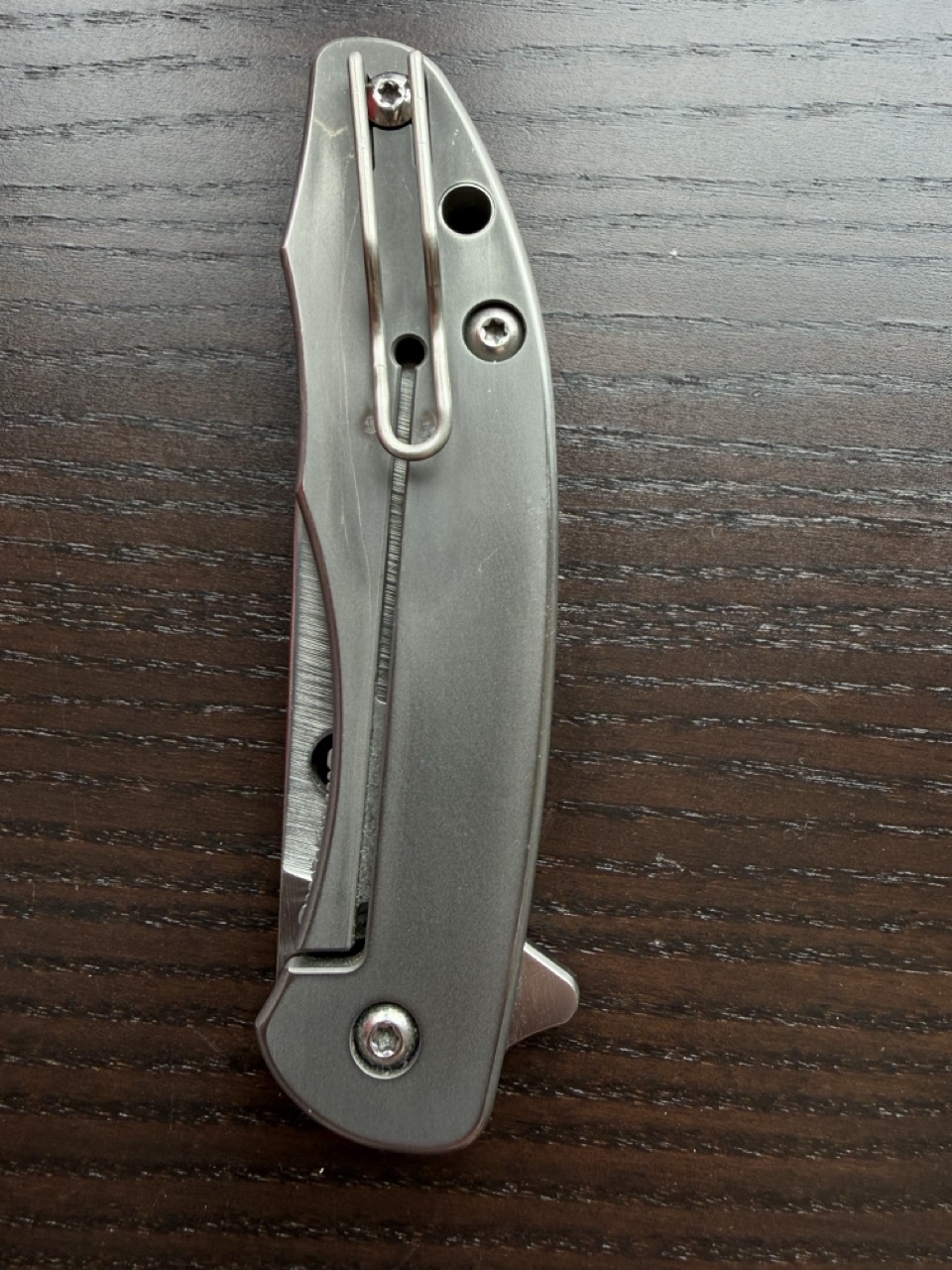
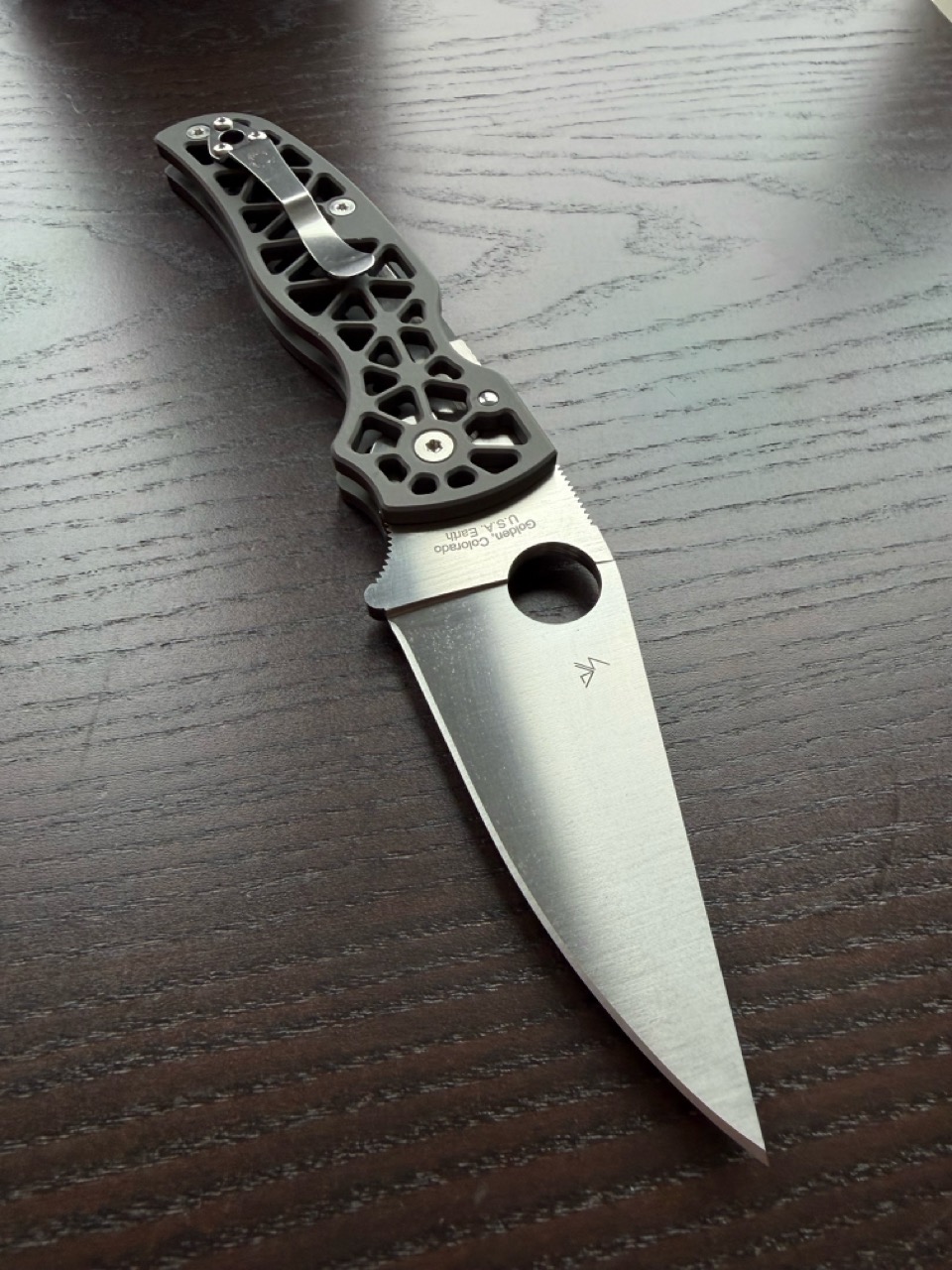
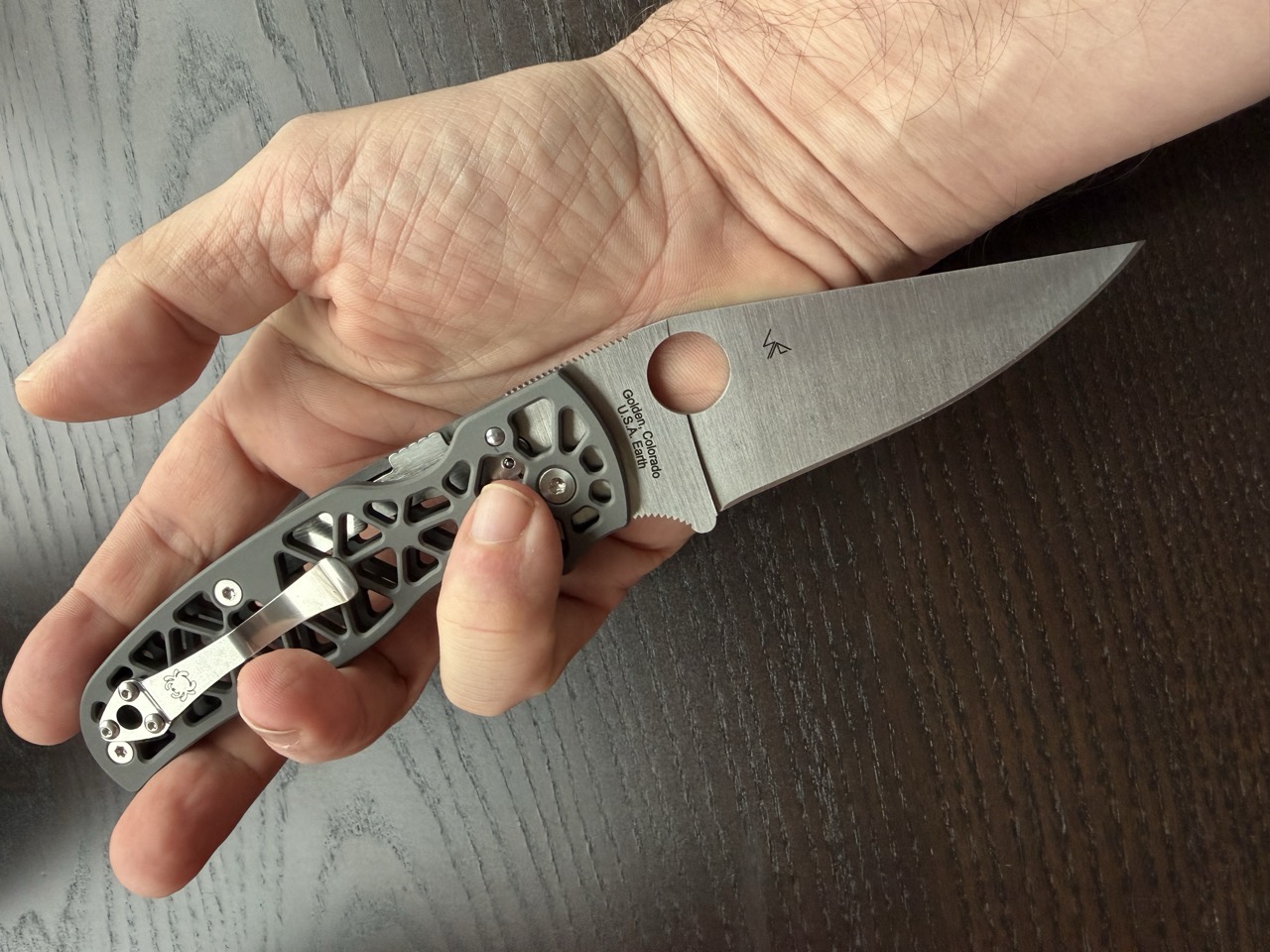
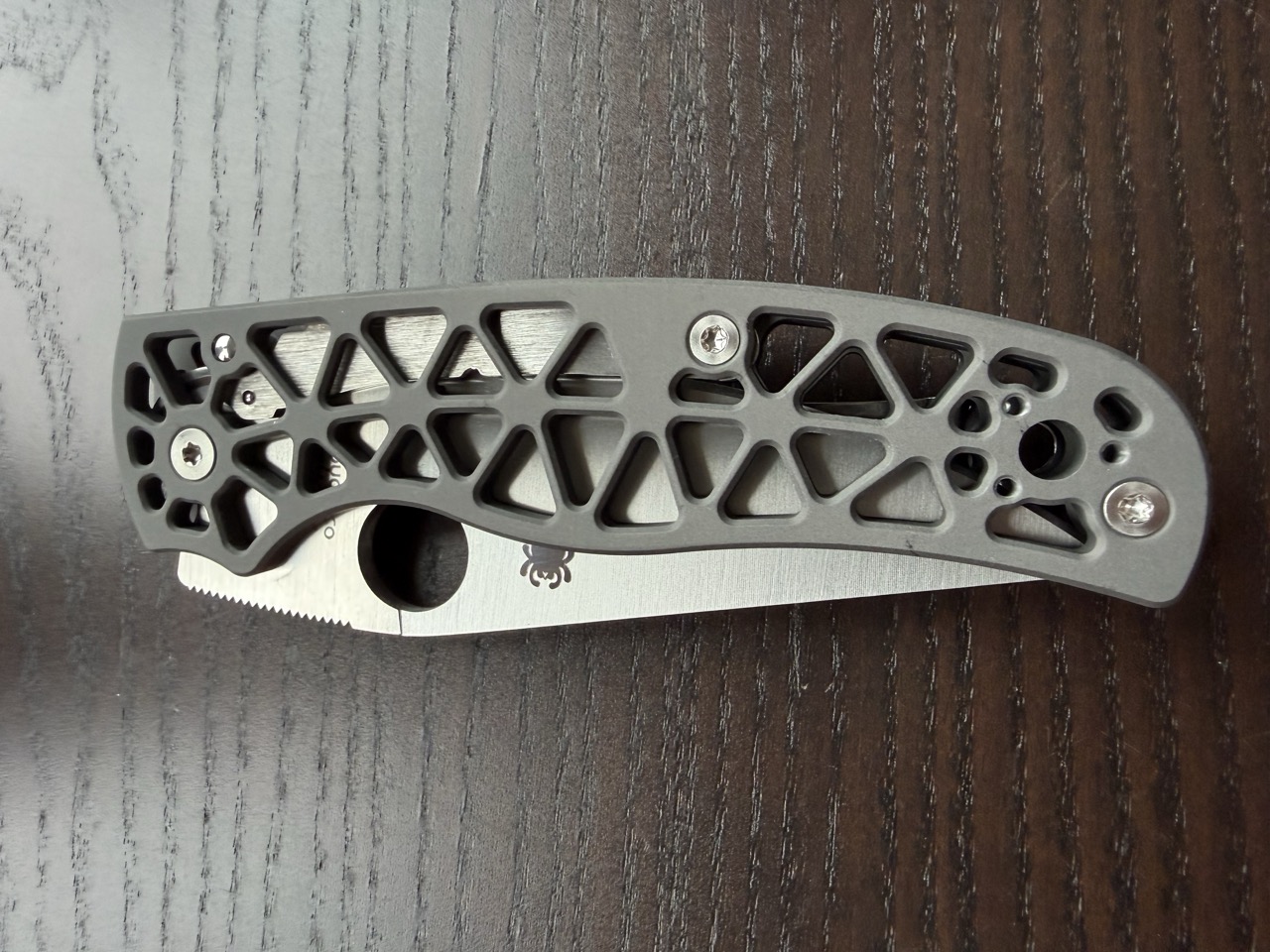
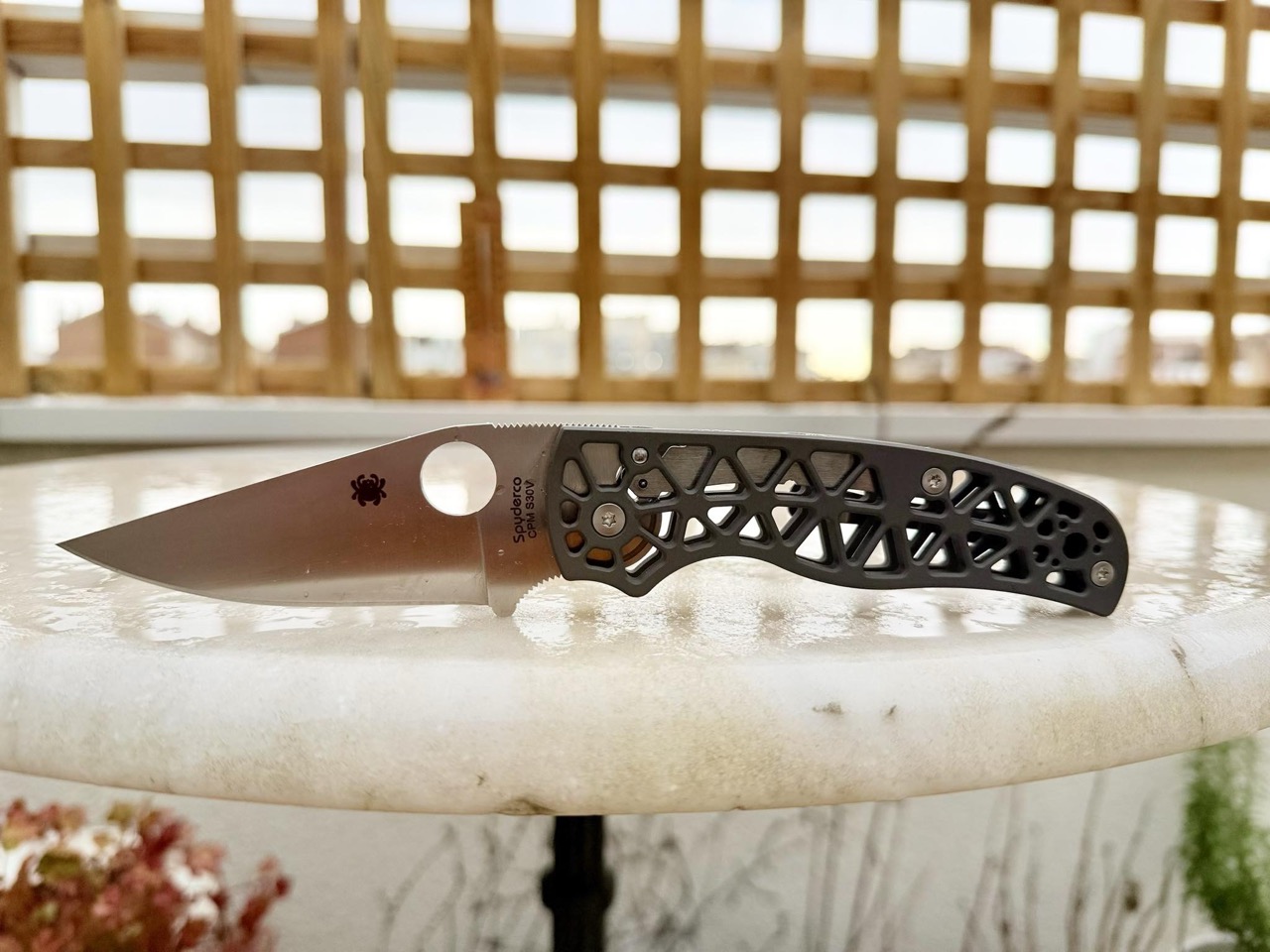
The Edgerati is a knife meant to be seen. Concealed use is not its calling; it is designed to be displayed. This intent is immediately evident in the intricacy of its handle, crafted from aerospace-grade aluminum—a material currently coveted in both automotive and mobile technology. Its aesthetic is at once modern and authoritative, a subtle nod to industrial sophistication.

This folding cutting tool feels as though it stepped straight out of a James Cameron film—somewhere between The TerminatorAliens, and Avatar. With its feather-light, aerospace-grade construction and unapologetically high-tech design, it belongs as naturally on Pandora—clipped to the gear of a frontier colonist—as it does in the pocket of a discerning collector. Sleek, precise, and unmistakably futuristic, it carries the kind of visual authority that would make it an effortless on-screen presence: a prop that doesn’t just look the part, but performs with the same credibility in the real world as it would under cinematic scrutiny.
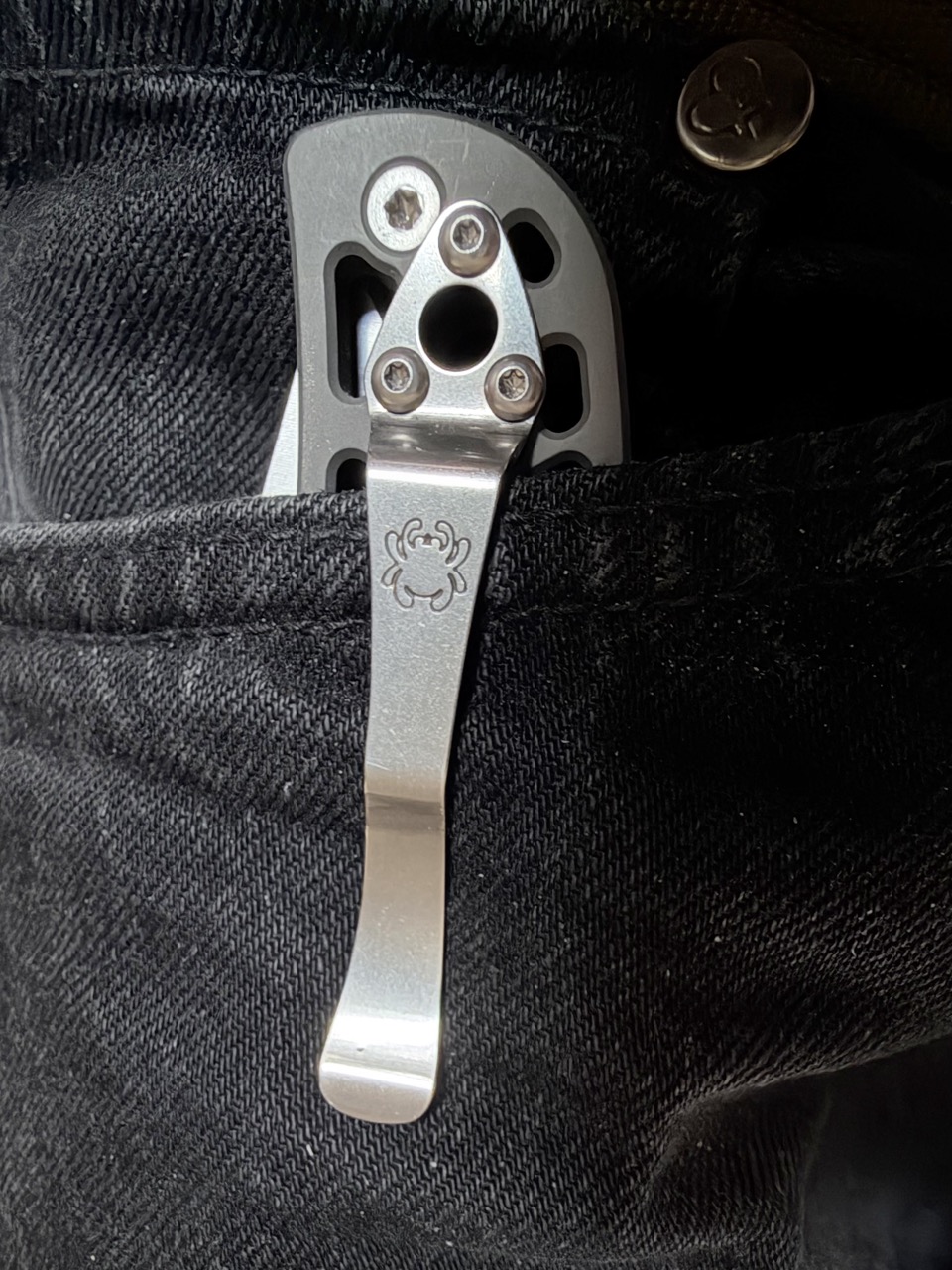
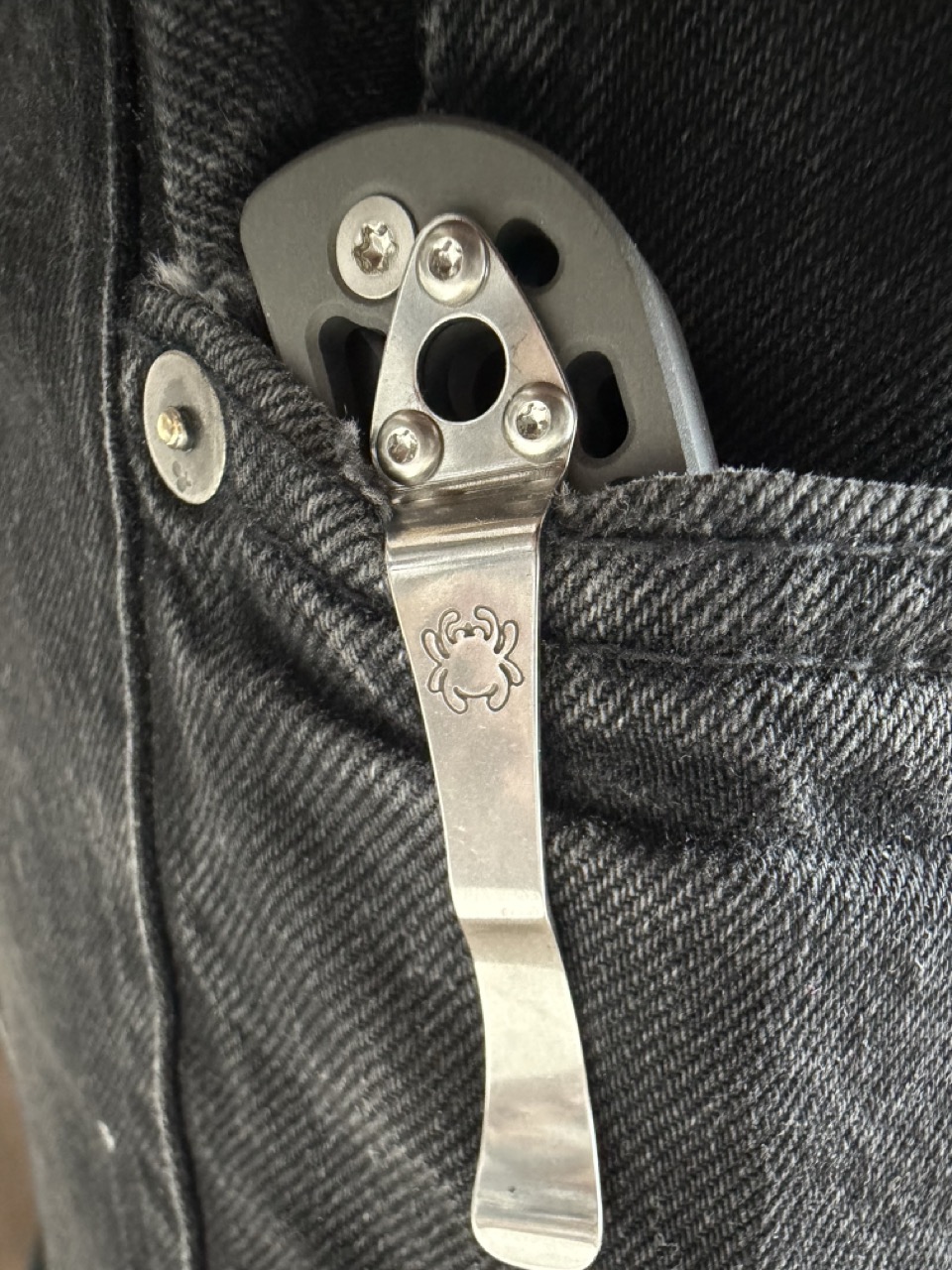
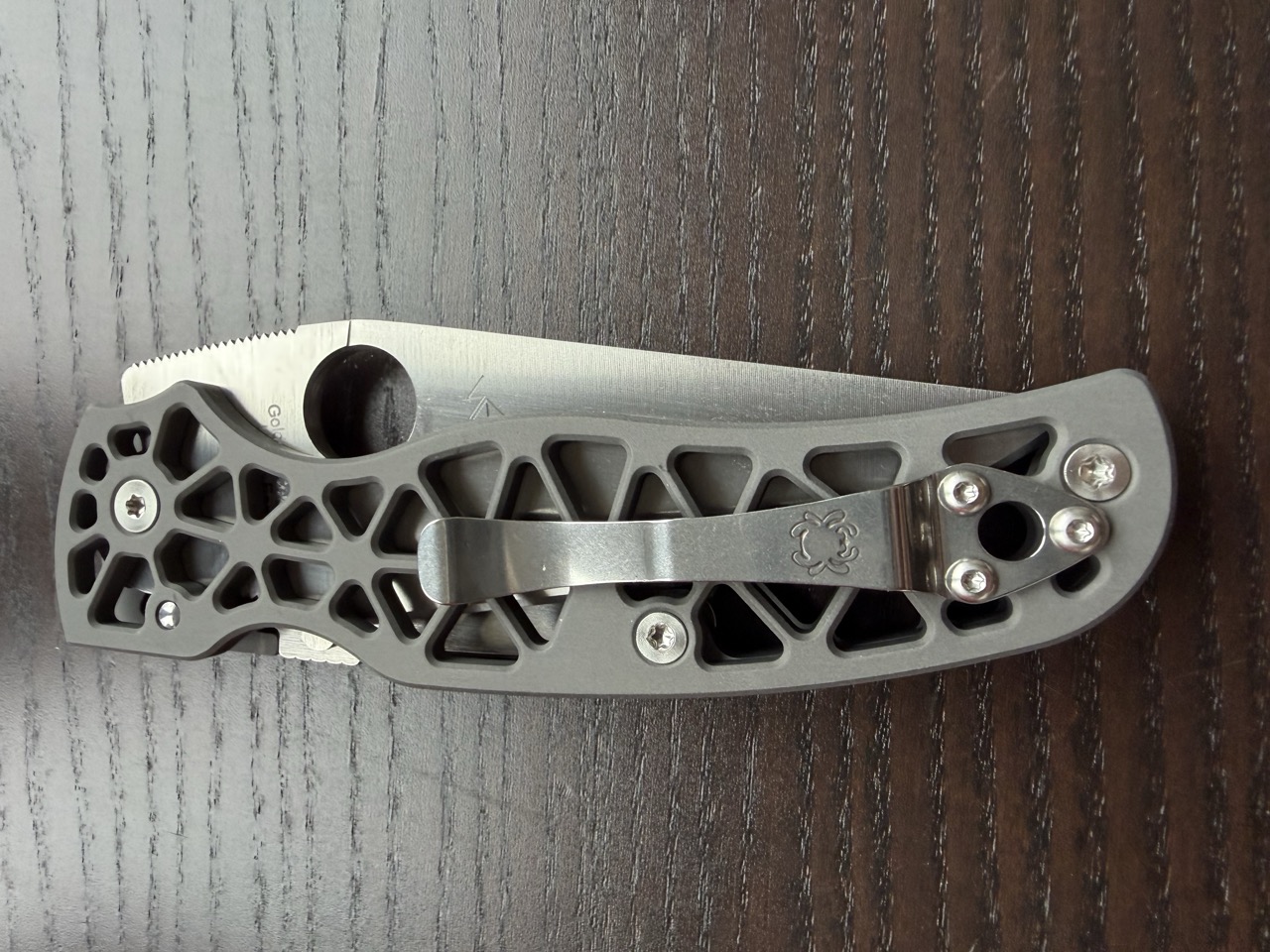
The clip positions the knife prominently in the pocket, foregoing deep-carry discretion for confident visibility. For those who prioritize subtlety, this may give pause—but the Edgerati embraces its presence unapologetically. Lightweight yet commanding, it wears its virtues with pride.
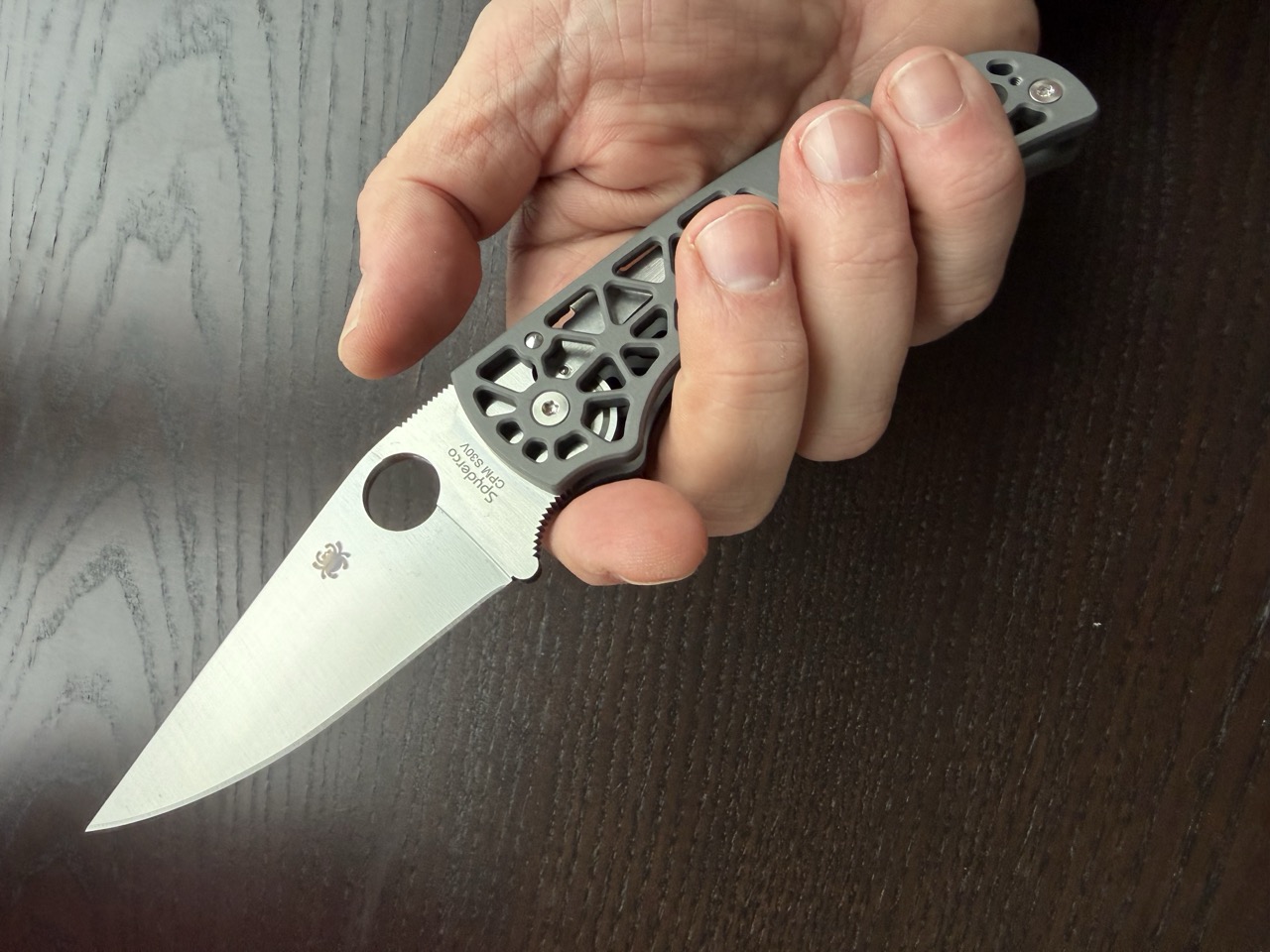
What truly surprised me was the Edgerati’s rare equilibrium between strength and comfort—its balance giving the knife an almost living presence in the hand. I had anticipated something more cumbersome, even imagined that maintenance might prove tedious, yet the opposite is true. The Edgerati feels intuitive, effortless. Whether in the kitchen or deep in the wilderness, it performs like a seasoned workhorse. The blade deploys with immediacy and closes with a swift, reassuring snap, reinforcing the impression of a tool engineered with equal measures of precision and confidence. It’s the kind of knife my friend Sancho would appreciate—always eager to move fast and light, even when chasing joggers. (This is indeed a private joke… Sancho doesn’t actually run—he ambushes them.)
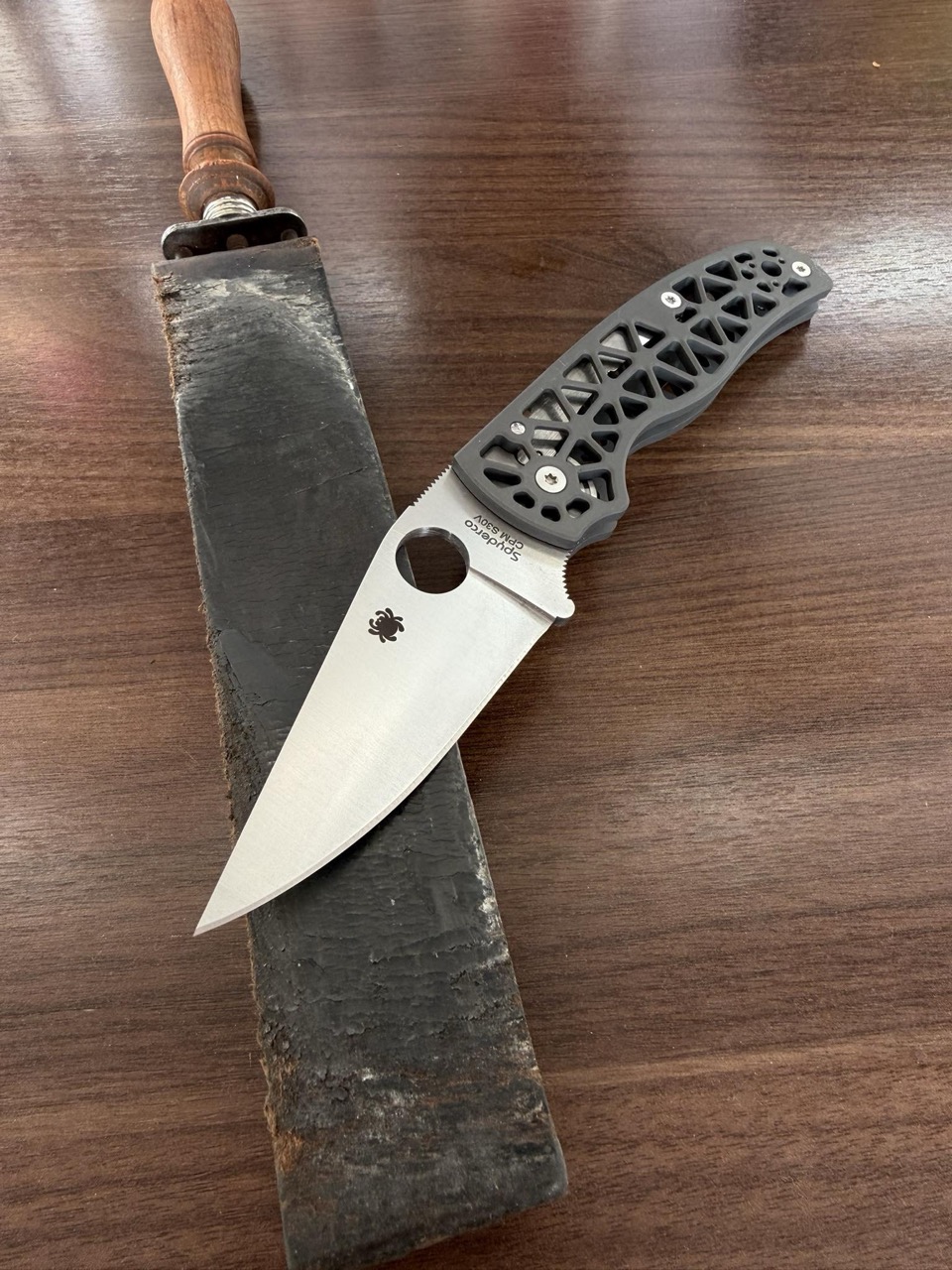
The geometry of the blade underscores its reliability: it cuts deep, precise, and confidently. Out of the box, the factory edge is nothing short of perfect—a testament to the meticulous craftsmanship that defines the Edgerati.
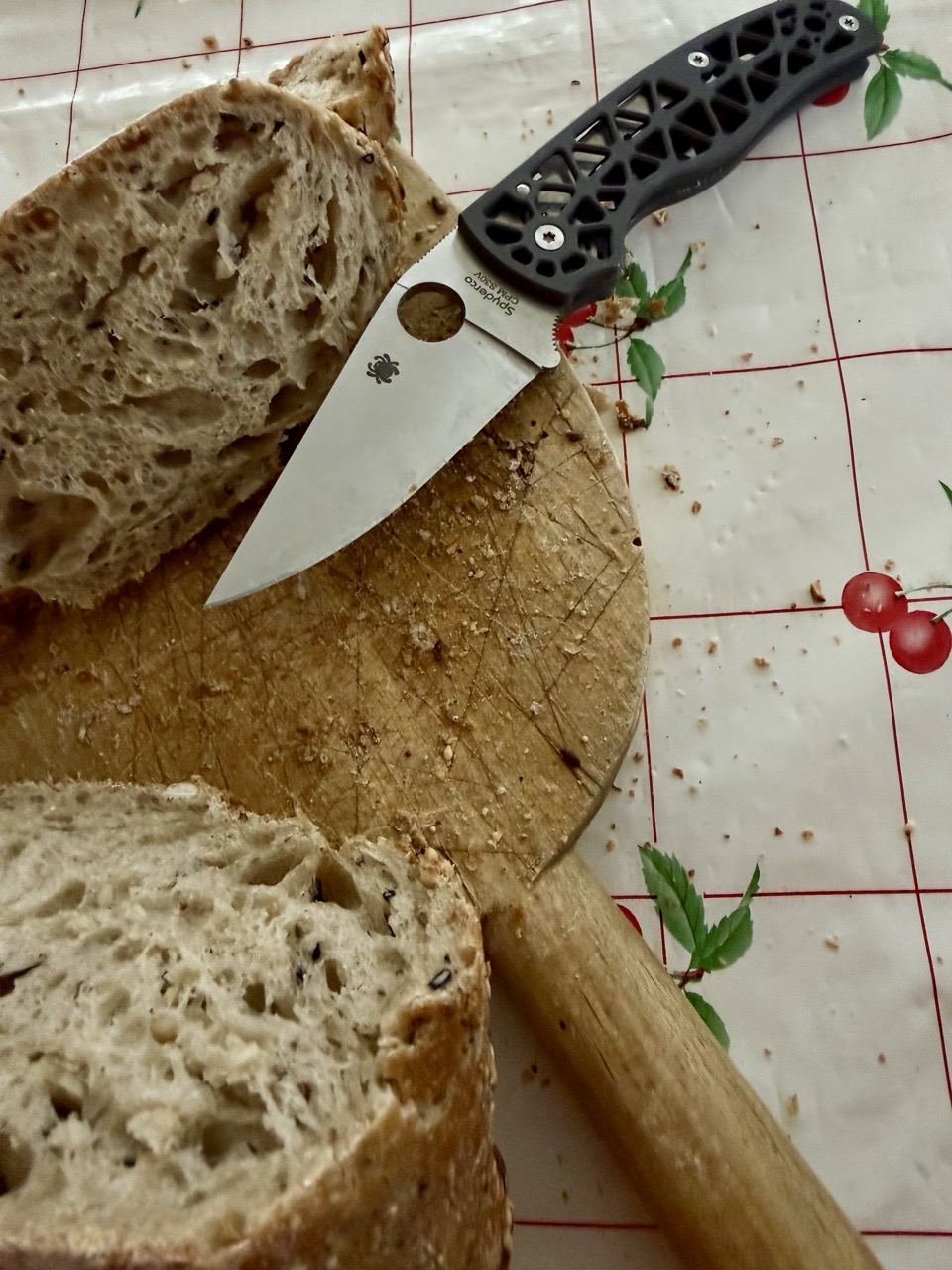

There is, admittedly, one small point of contention. While the S30V blade—expertly heat-treated by Spyderco—represents one of the finest expressions of this steel, I couldn’t help wishing for something a touch more adventurous. To be clear, CPM S30V remains a benchmark alloy, purpose-built for cutlery and still remarkably relevant. Yet today, we live in an era blessed with extraordinary newcomers—Magnacut, or even CPM MagnaMax. One can’t help but imagine, just for a moment, what the Edgerati would feel like straight out of the box with a MagnaMax blade: a true thunderclap, a statement heard across the knife world. For now, that dream must wait—but it certainly makes the prospect of future Sprint runs all the more tantalizing.
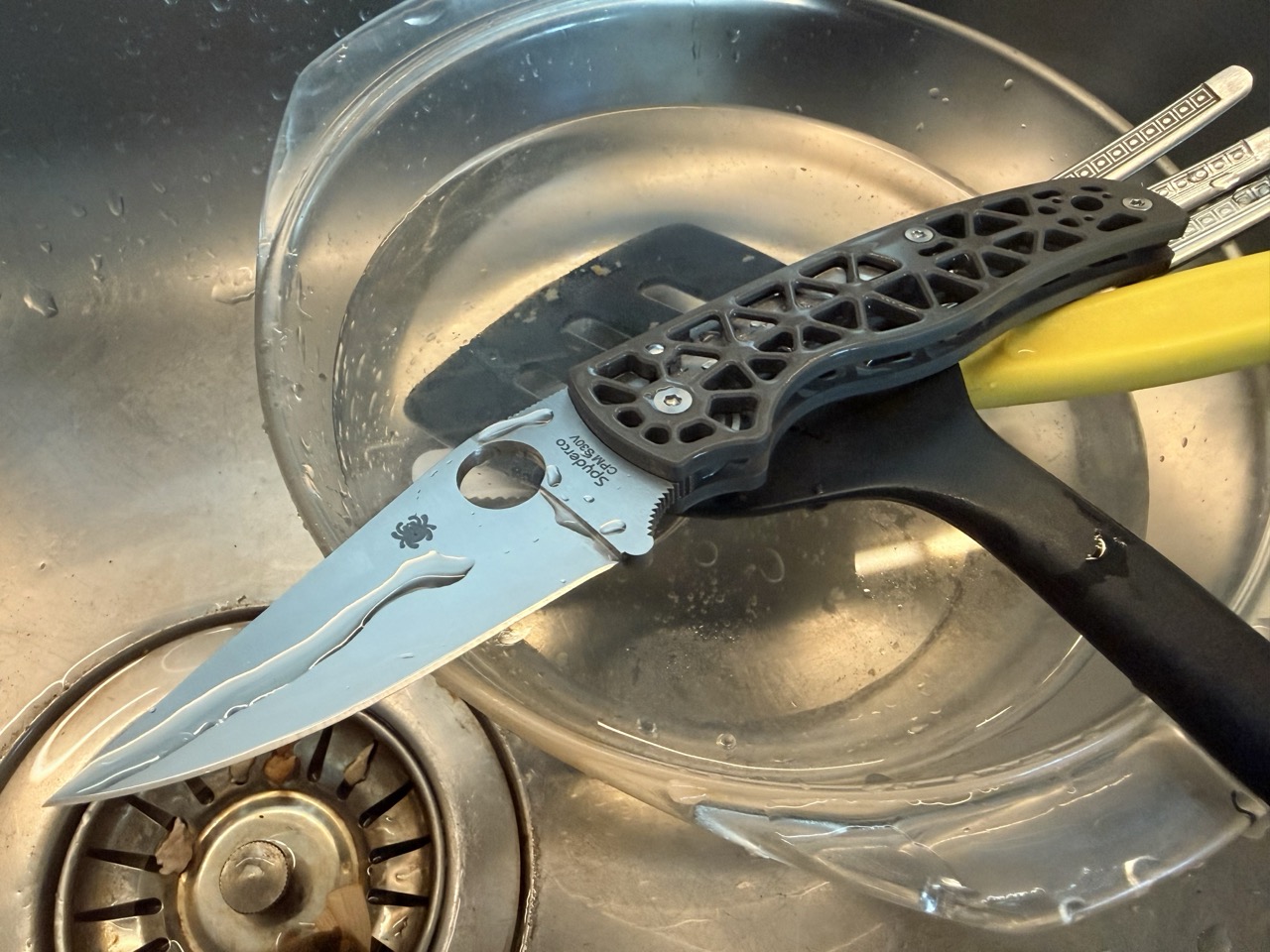
In the kitchen, hands are often wet—or worse, slick with oil. This is the ultimate test of a knife’s ergonomics: can it be drawn from the pocket and handled with confidence, without any risk of slipping? The Edgerati answers that challenge effortlessly. Its handle offers a subtle, almost rubber-like tactility under the fingers, and once in hand, it seems to lock naturally into the palm, inspiring immediate control even in the most slippery conditions. Just as importantly, its open construction makes the knife remarkably easy to clean under running water, while full access to the mechanical components simplifies maintenance and lubrication—practical virtues that reinforce its status as a true everyday tool.
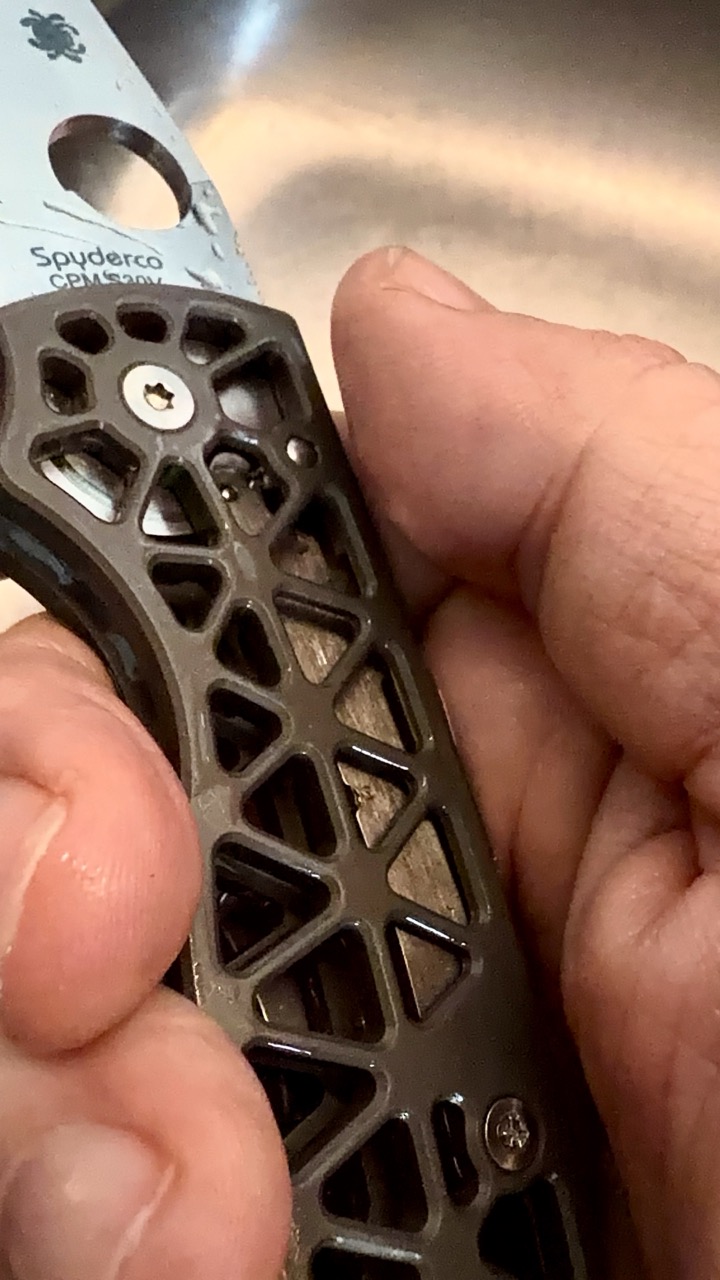
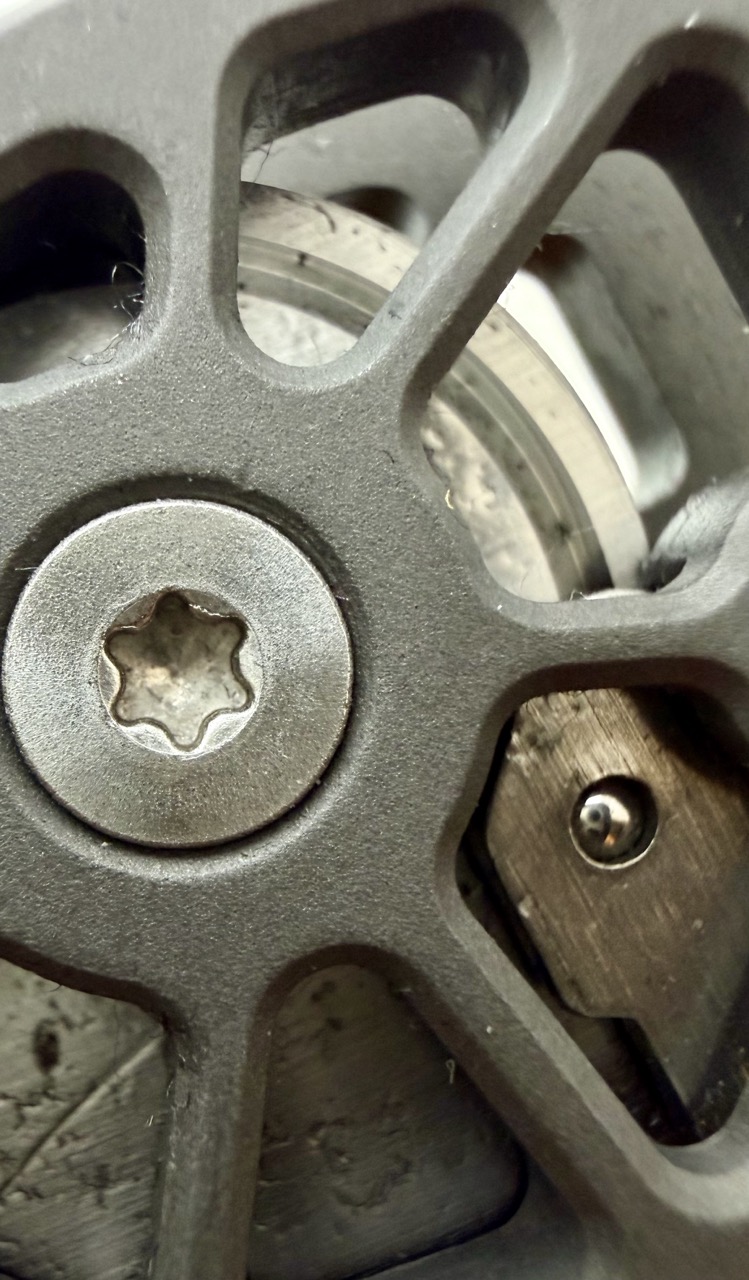
And so, maintenance remains refreshingly straightforward: a single drop of oil can be applied directly to the detent ball path, ensuring consistently smooth action without the need to disassemble the knife. This is a clear advantage afforded by the knife’s unique design, offering genuine, everyday value to the end hard user.
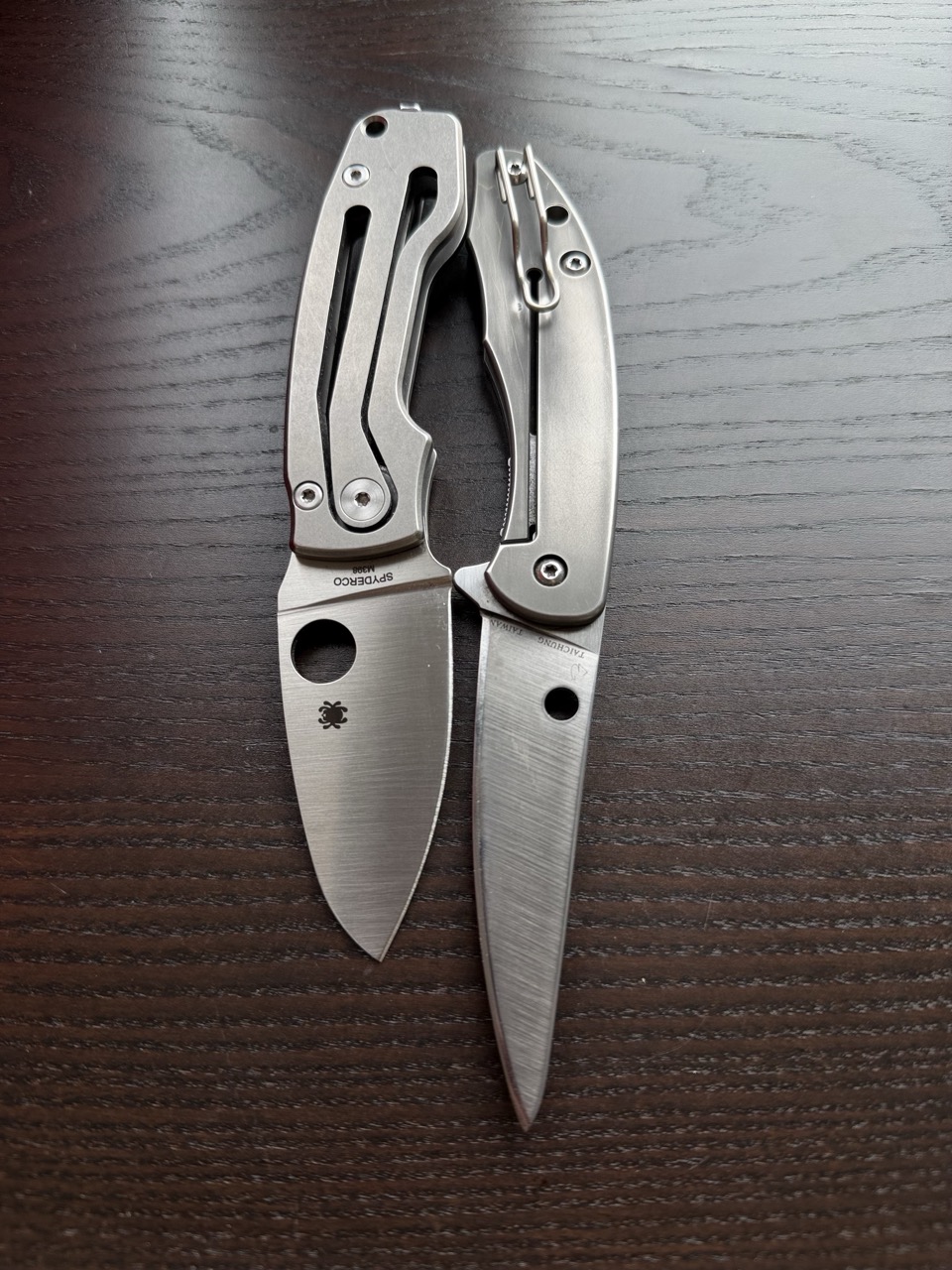
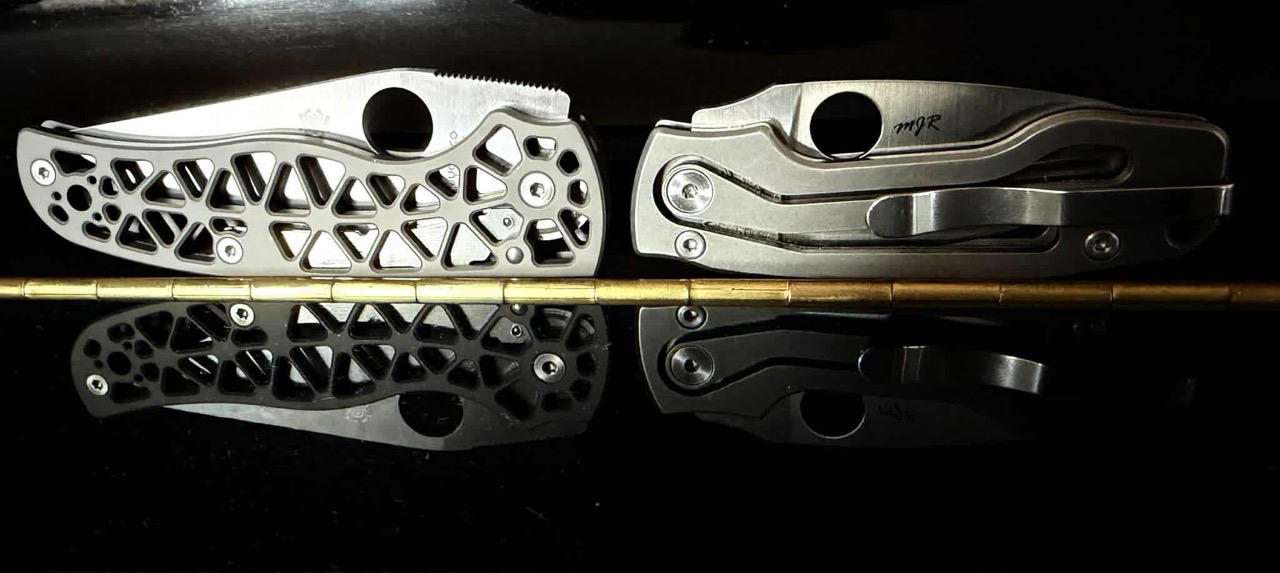
I brought along my 1990s ATS-34 Sebenza and my Falcon to compare the weight and feel of these classic titanium-frame folders against the lightweight, aluminum-framed Edgerati.
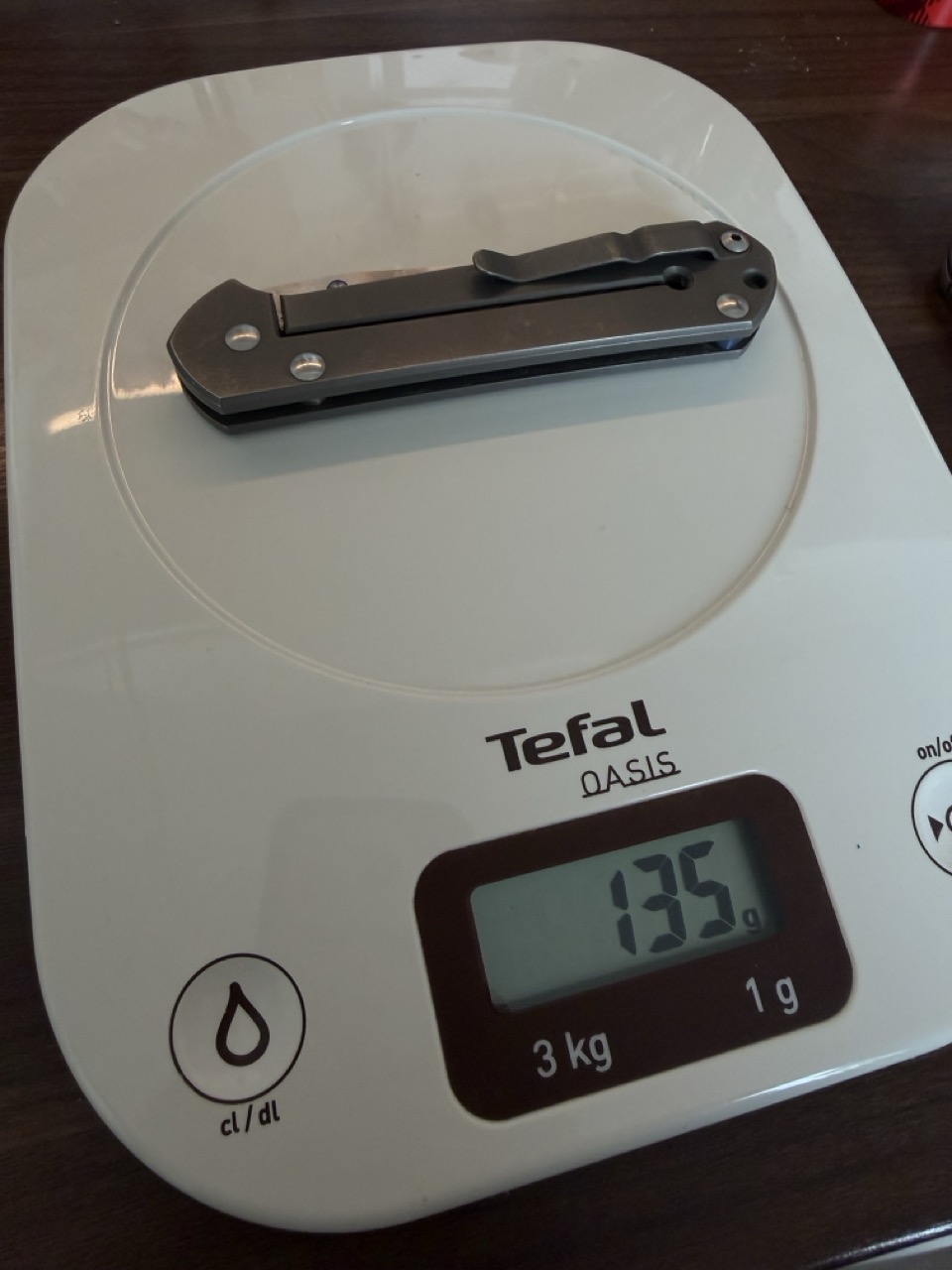
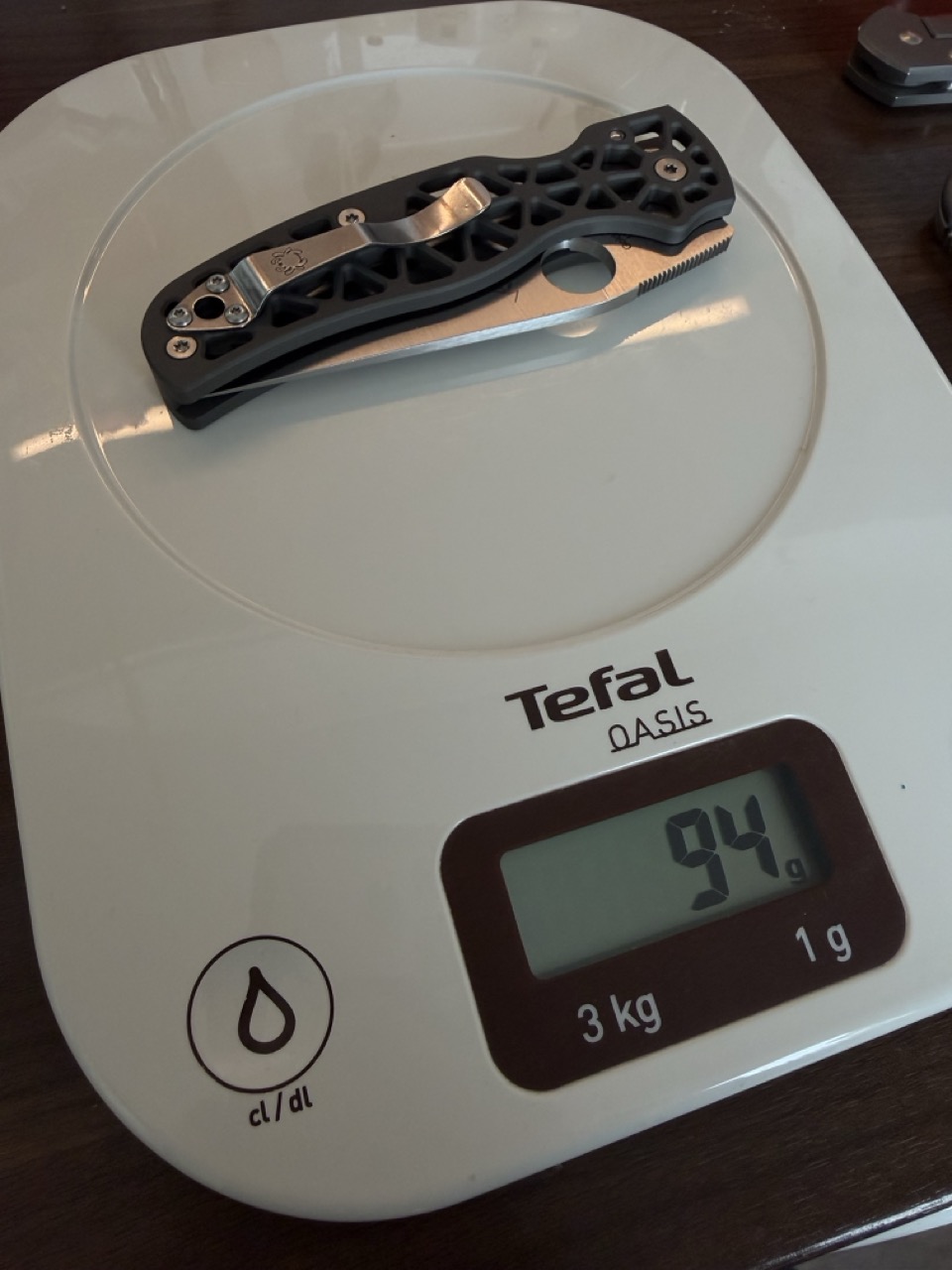
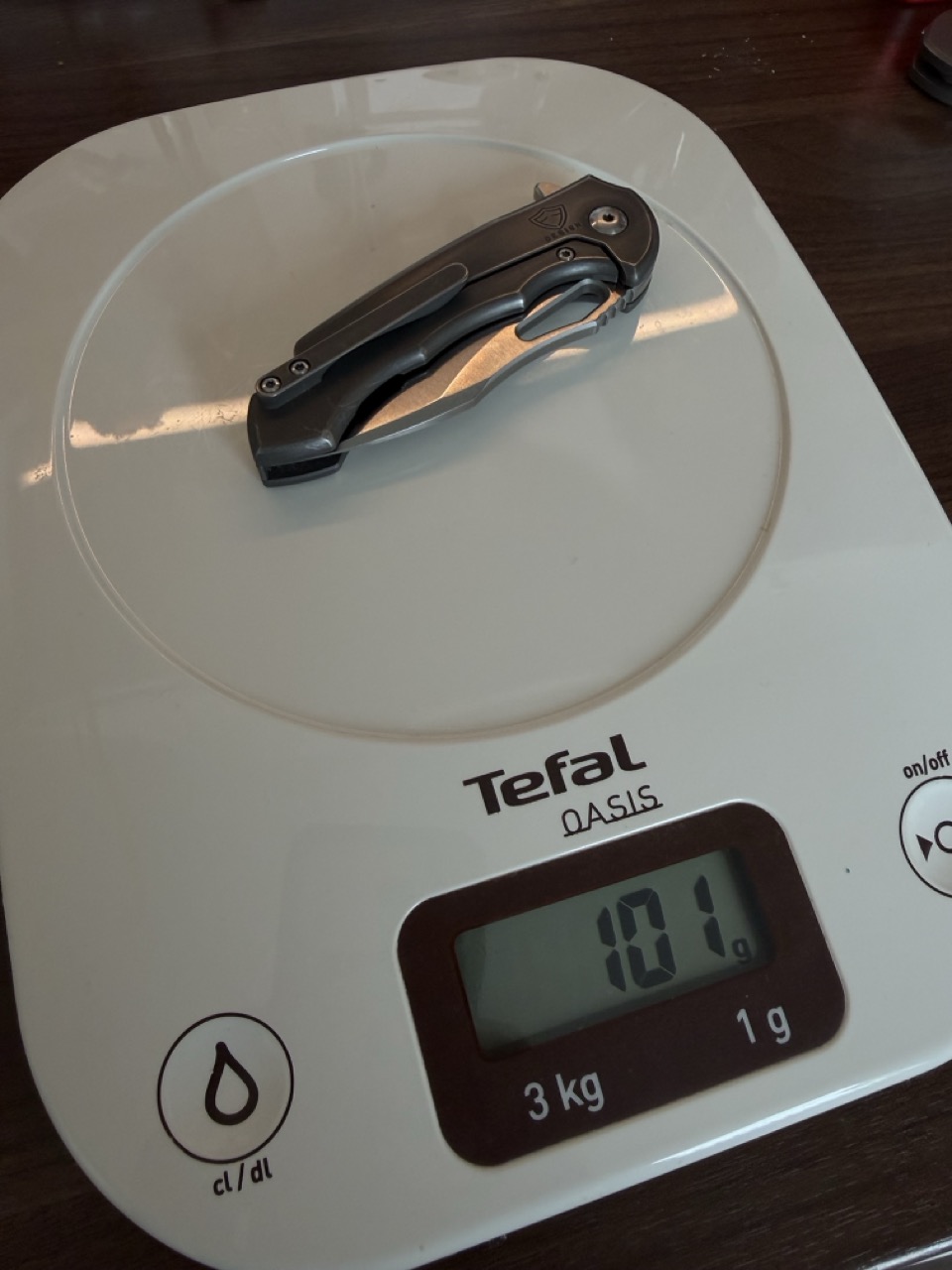
The contrast is immediate: the Edgerati feels astonishingly light and well balanced in the hand, yet without ever compromising solidity or control.
Rest assured, I also appreciate the reassuring heft in the hand when handling Honor, and it’s precisely what made the Sebenza so successful: a sharp, reliable tool that is simple to disassemble, clean, and sterilize. (Click the links to explore its full history.)
And for the record, the Massdrop Falcon is the knife that ultimately prompted me to retire both the Techno 1 and Techno 2 from my “compact, robust folder” rotation. And truly—it’s that good.
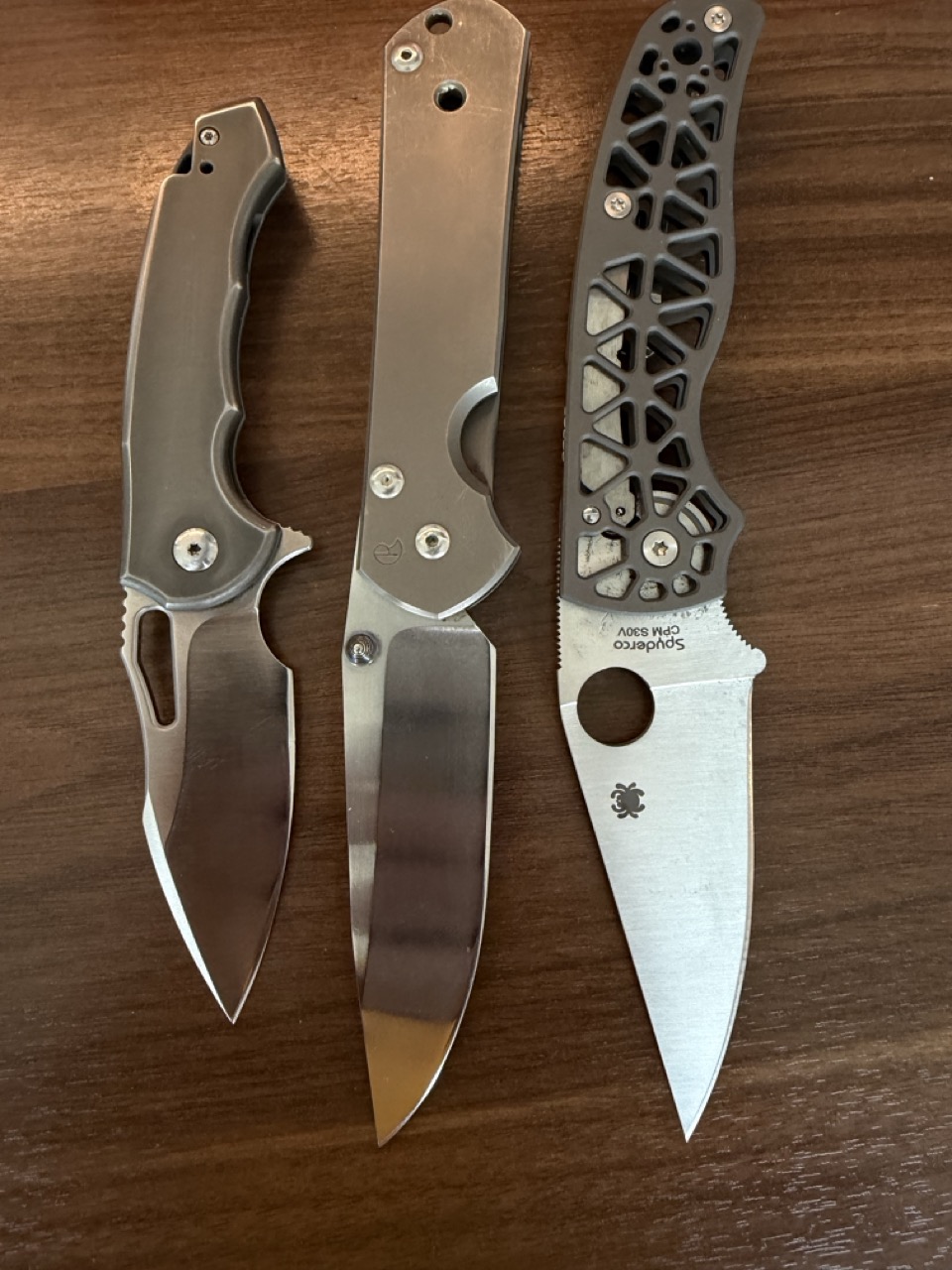
I had initial concerns about that aluminum coating, but so far it has proven remarkably resilient. It shows no fragility, and the minor signs of wear blend seamlessly into the overall aesthetic. This is a knife that seems destined to age gracefully, acquiring character without compromising its refined appeal.
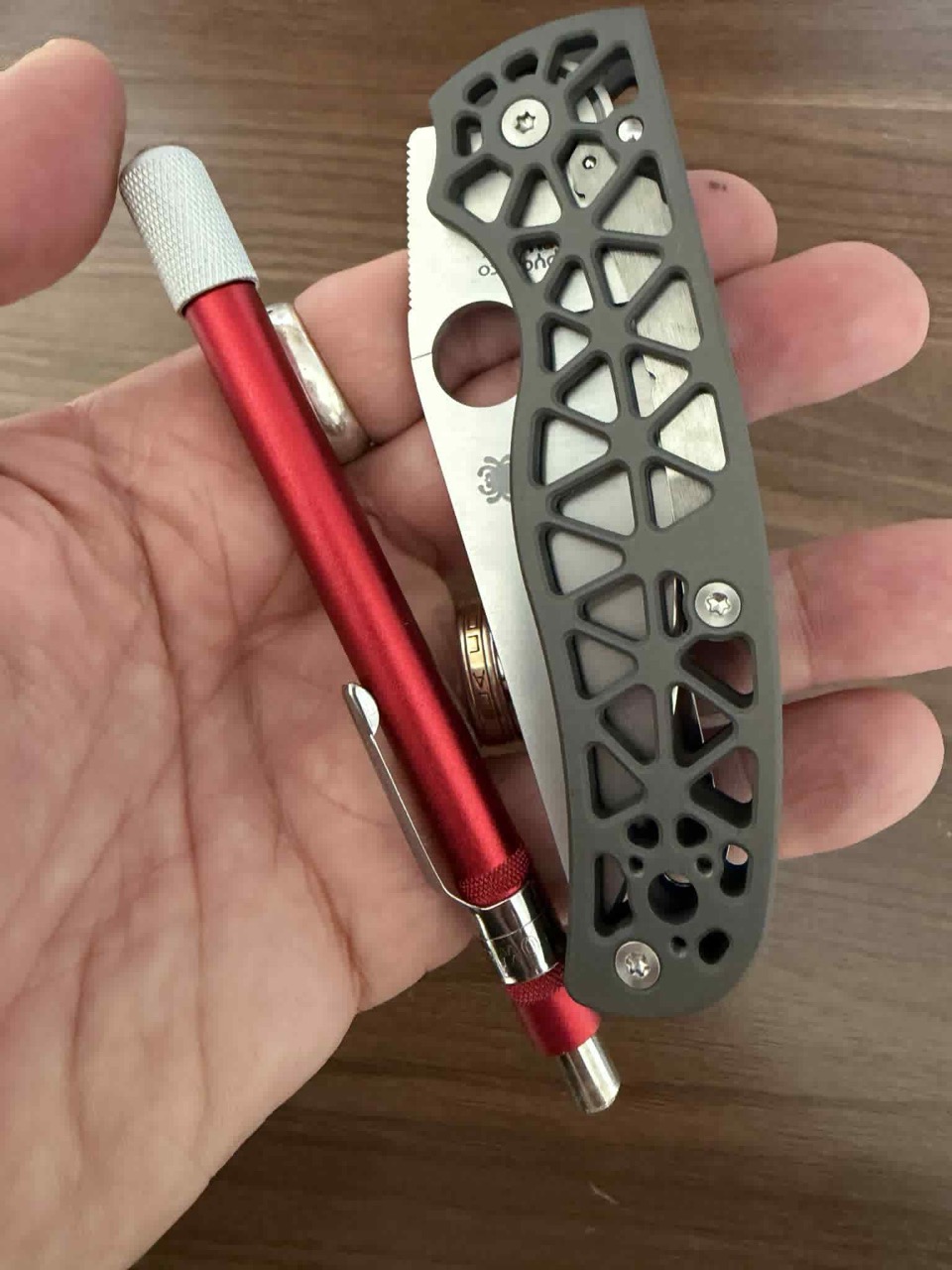
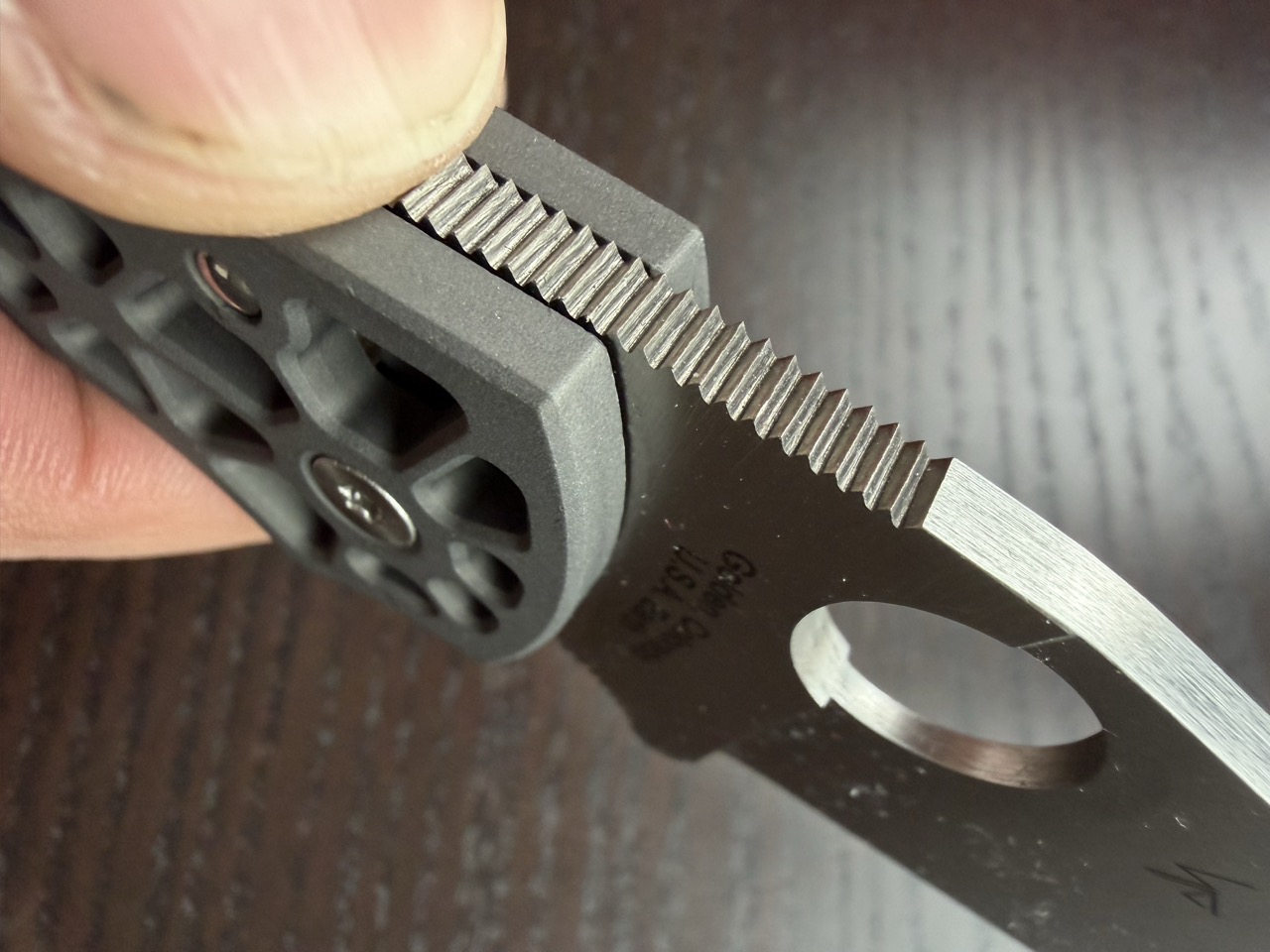
For those who appreciate a personal touch, customization is not merely possible—it becomes transformative. I chose to slightly round the spine of the blade, softening its edges and taming the aggressive upper jimping, using nothing more than a simple, coarse €5 diamond file. The result is subtle yet meaningful, enhancing comfort without compromising the knife’s character, and reinforcing the idea that the Edgerati welcomes thoughtful, owner-driven refinement.
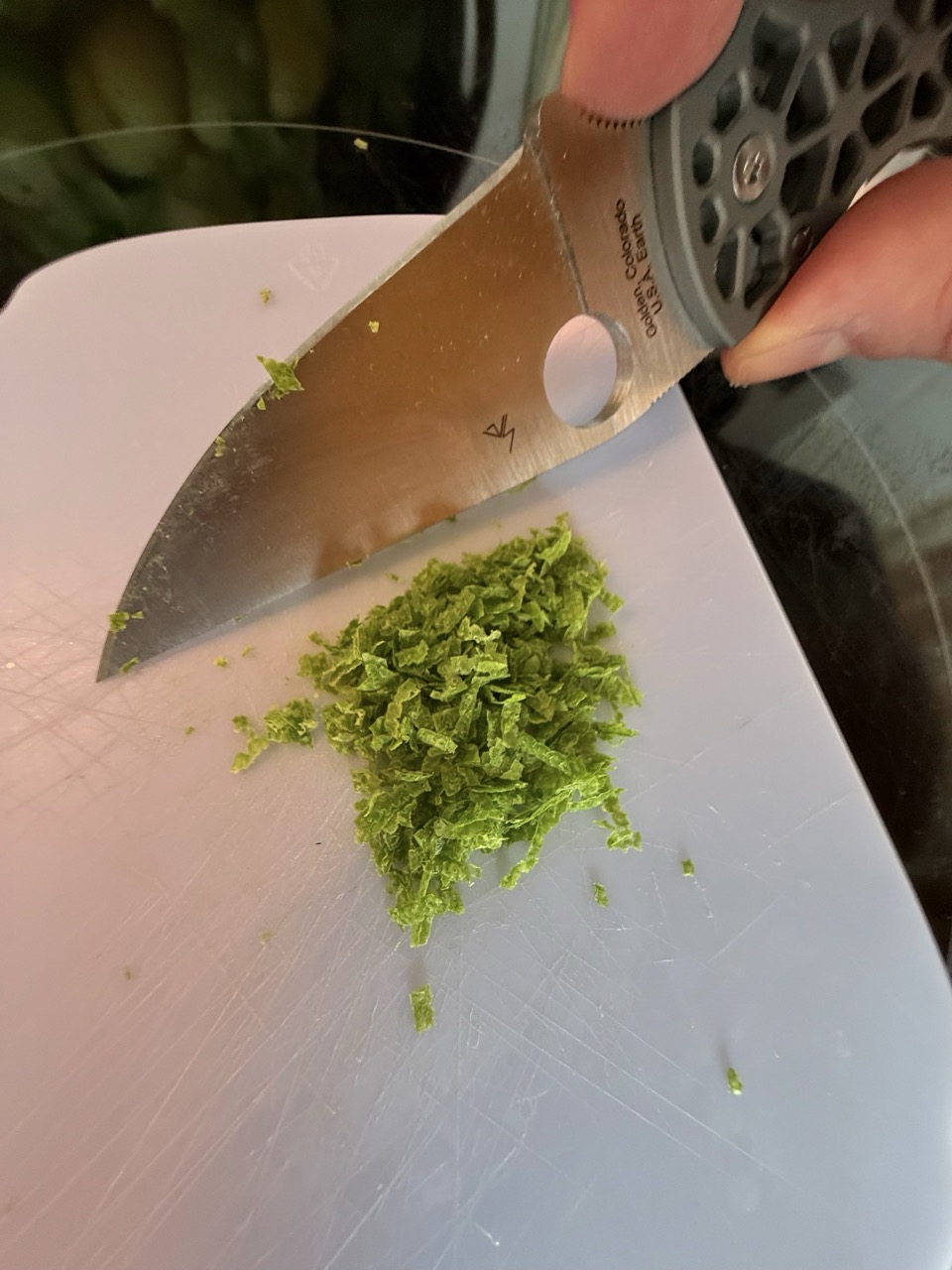
Using the straight spine of the blade to push or gather ingredients on the cutting board is another advantage the Edgerati offers—something you simply can’t do with the Bodacious or the Shaman.
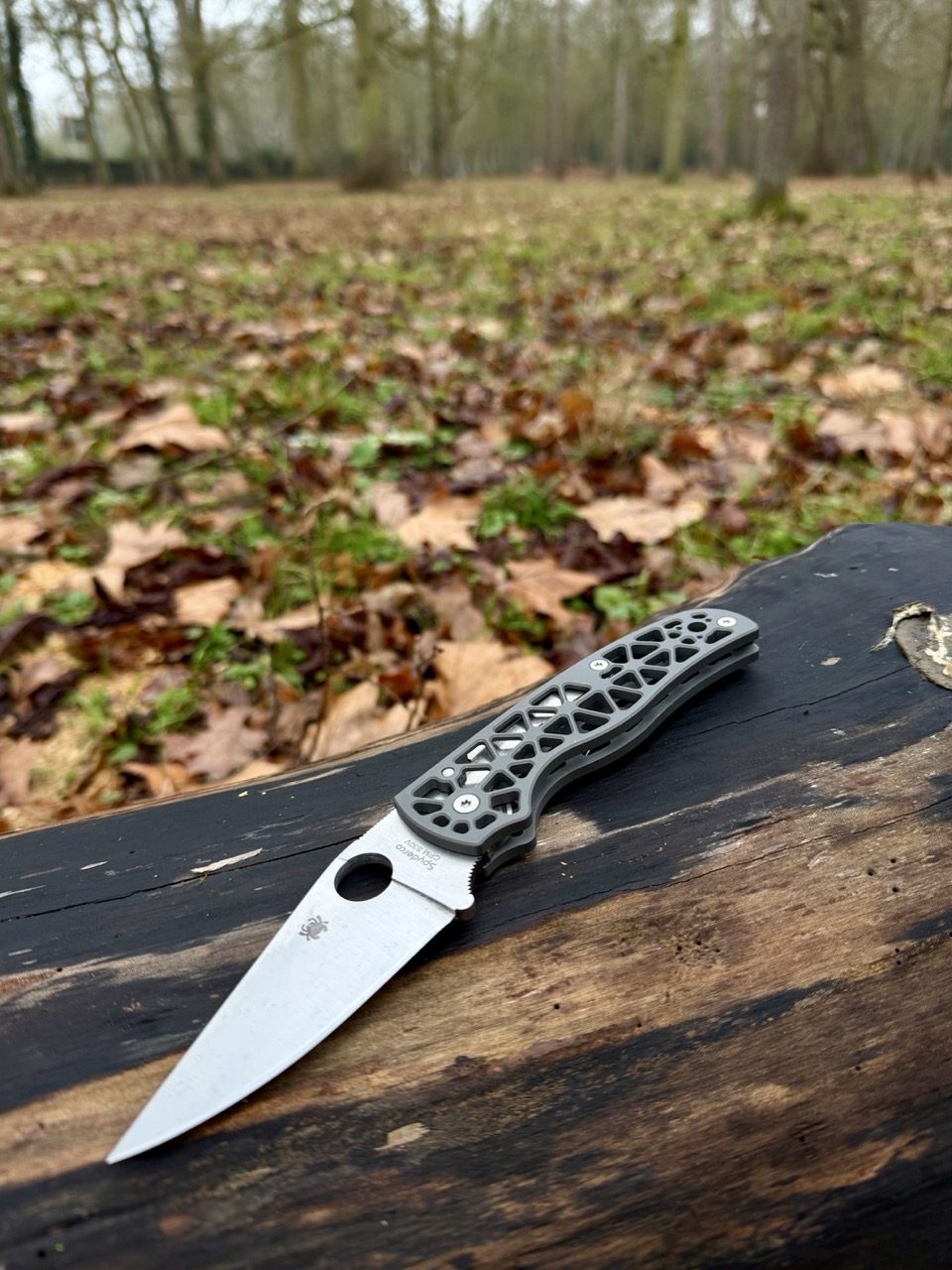


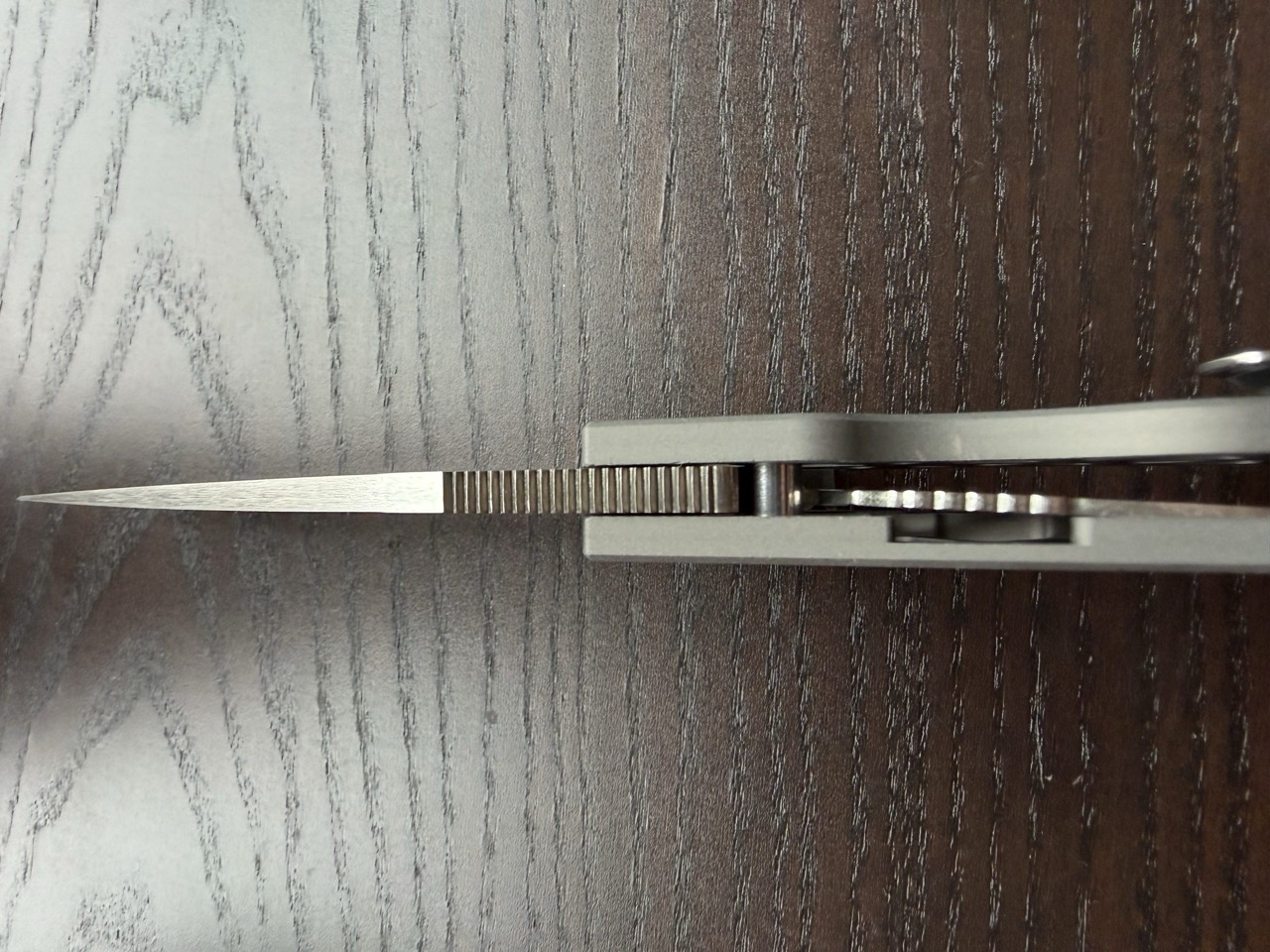
At 3.7 mm, the blade thickness may sound substantial on paper, yet the reality is far more nuanced. The Edgerati features a tall blade with a full flat grind, resulting in a geometry that is uncompromising straight out of the box. Thanks to its pronounced distal taper, the blade thins rapidly, delivering excellent cutting performance without any sense of excess material behind the edge. In that respect, it recalls me my Lil’ Temperance—4 mm thick, yet tall and very efficient. On a blade of this height, 3.7 mm translates to razor sharpness, with no penalty in use.
By contrast, the Shaman’s high saber grind required significant reprofiling to suit my preferences. Not so with the Edgerati—much to my own surprise. And considering that I routinely pair it with a Chaparral, one can easily gauge just how deeply I appreciate thin, efficient blade geometry.
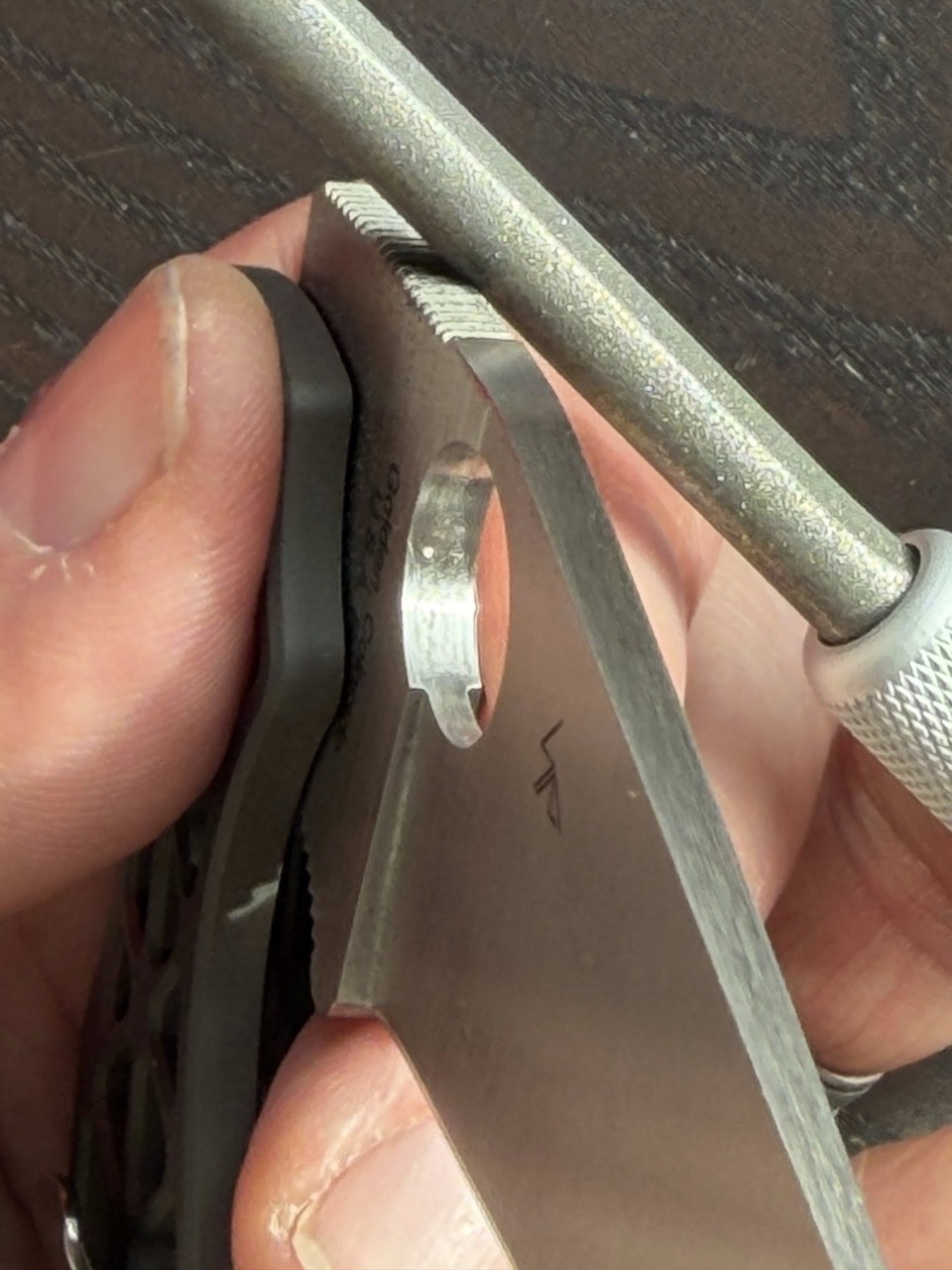
The result is subtle yet immediately perceptible under the fingers, elevating both comfort and control and transforming the knife into something truly bespoke. The ability to tailor the Edgerati to one’s own preferences is not a mere convenience—it is an integral part of the ownership experience.
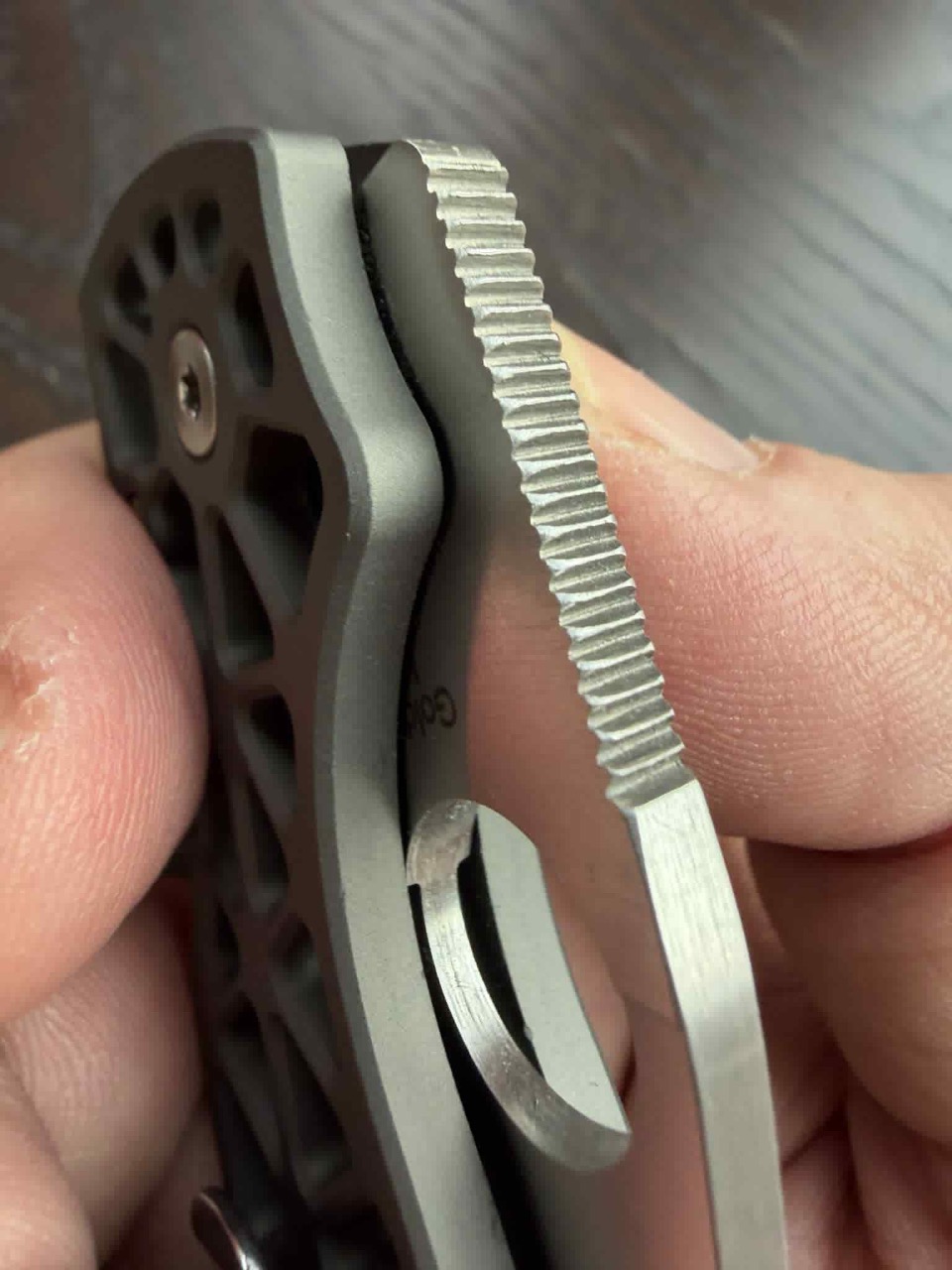
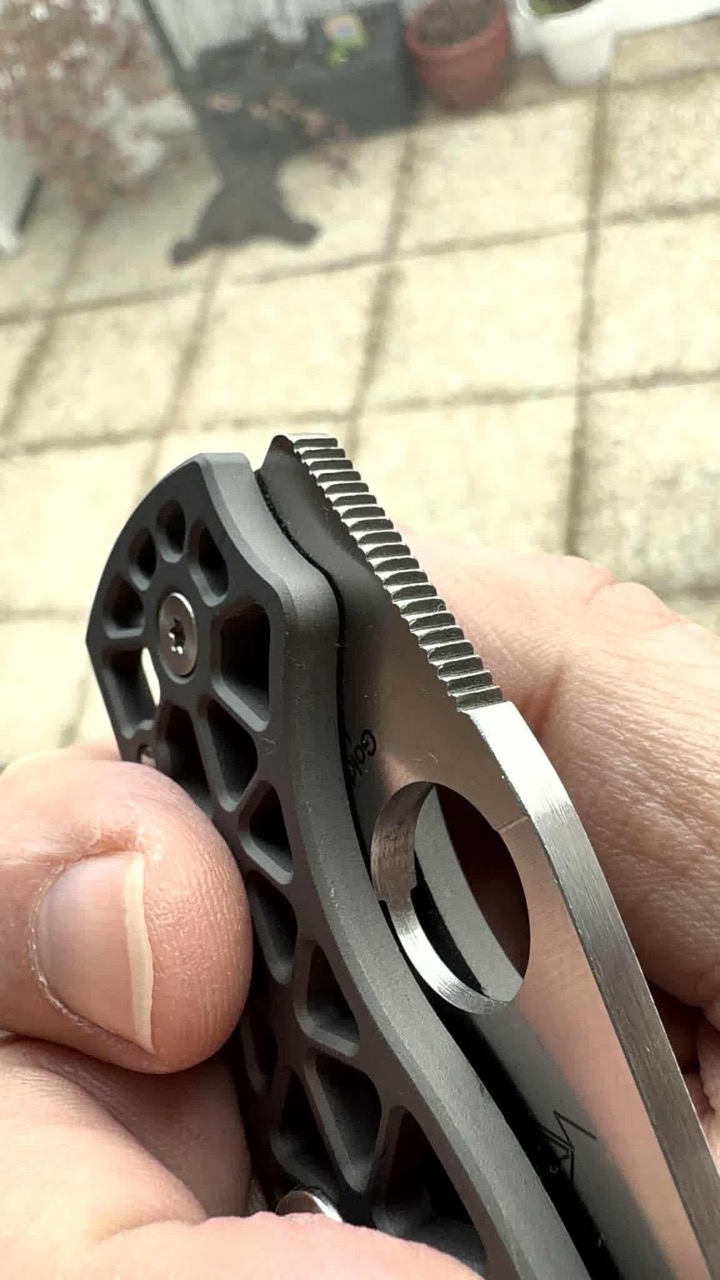
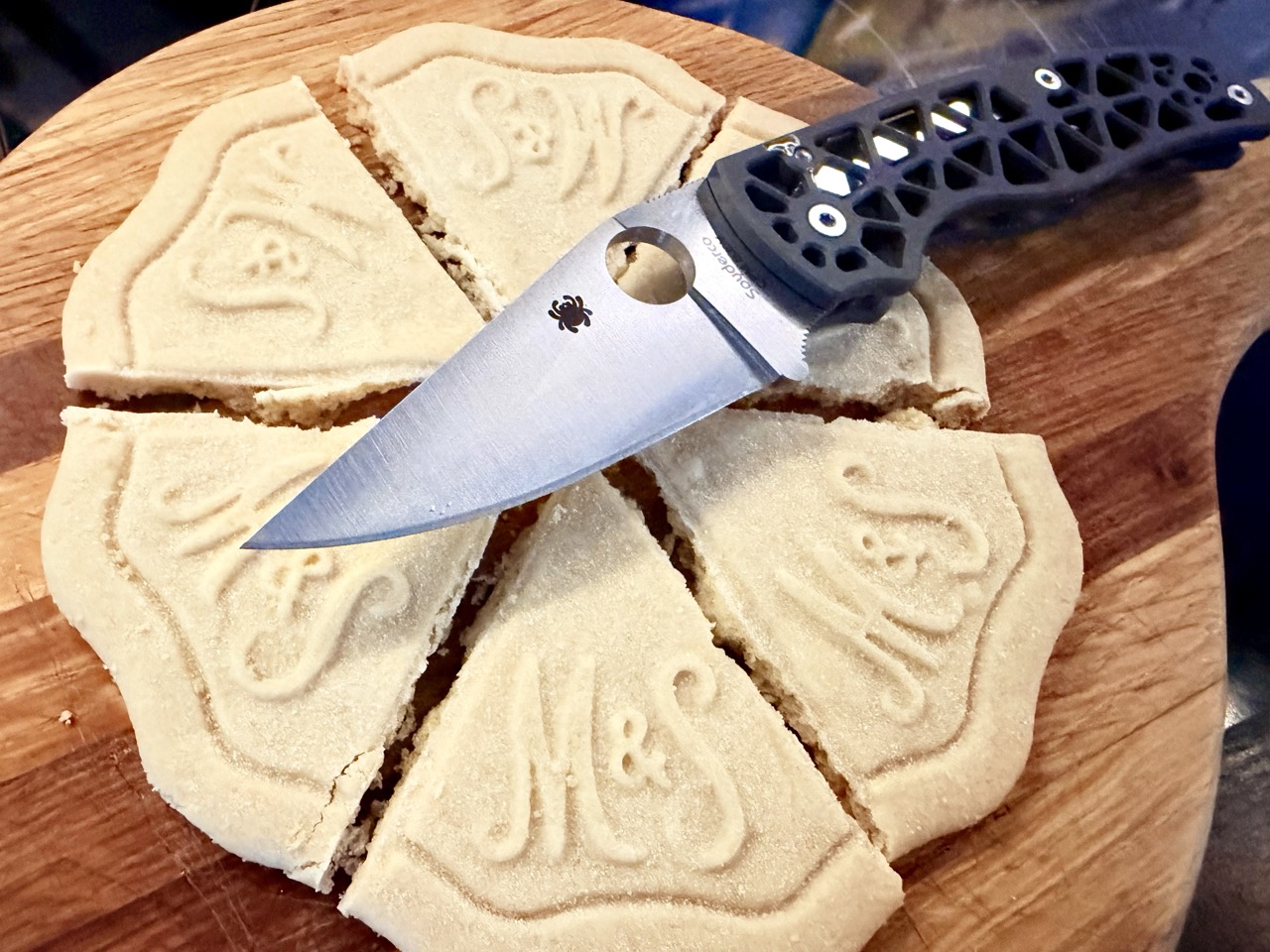
The Edgerati has proven itself a consummate workhorse, commanding respect far beyond the display case. It moves effortlessly from the precision of the kitchen—slicing sun-ripened tomatoes or conquering a stubborn squash—with the same grace and efficiency it demonstrates in the field, whether filleting fish, shaping kindling, or executing impromptu repairs.
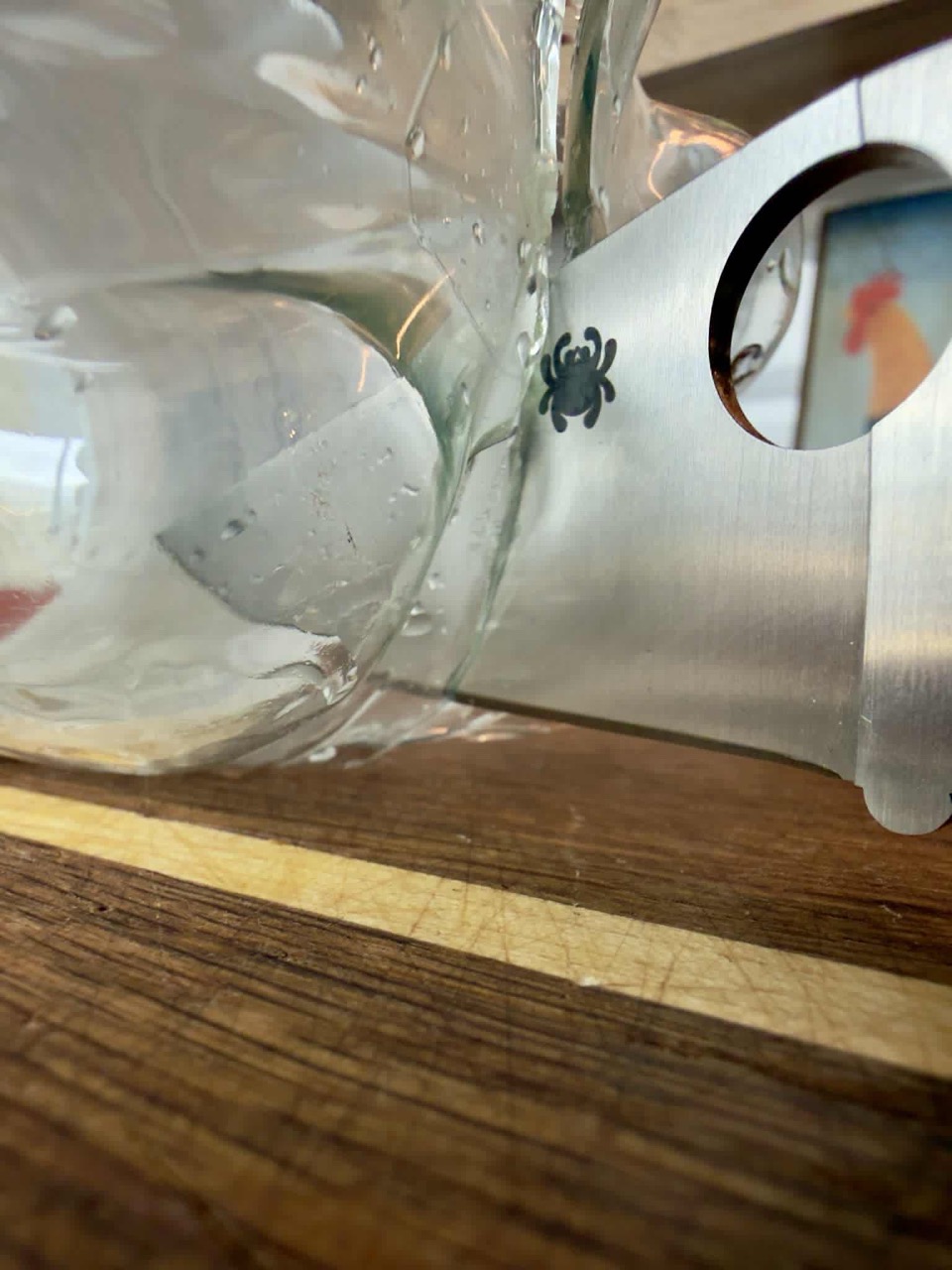
Through every challenge—pictured here during my now-infamous “butt bottle” test—the blade retains its razor-sharp edge and the handle shows no sign of strain, a quiet testament to the knife’s meticulous engineering. It is a piece that draws admiration, and occasionally amazement, at first glance, yet continues to thrive under the most demanding real-world conditions—a rare and compelling union of refined elegance and enduring, work-ready reliability. This blade feels unmistakably powerful the moment it meets material.
Thanks to its more pronounced point and more efficient overall geometry, the Edgerati delivers deeper, more decisive cuts with noticeably less effort than the Shaman. Again, in my experience, every Shaman I’ve owned required edge refinement to meet my expectations; with the Edgerati, no such intervention has been necessary, to my own surprise.
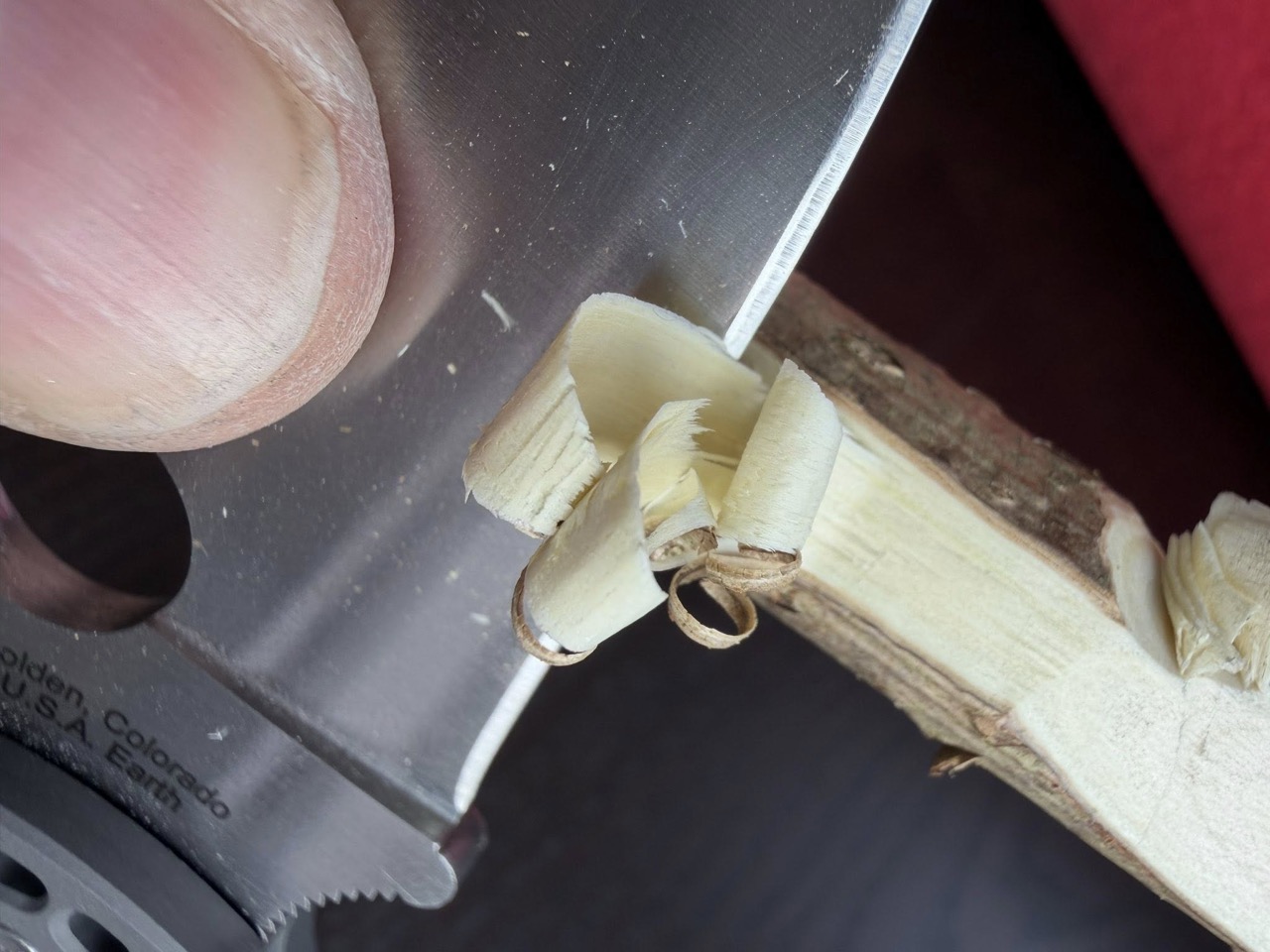
In short, the Edgerati is not merely another elaborately designed folder, nor simply a lighter reinterpretation of the Spyderco Shaman; it is a statement of modern design—a precise balance of form and function that commands attention while delivering uncompromising performance.
One might even call it a KWEMRP: a Knife Where Elegance Meets Rugged Performance. 😉.
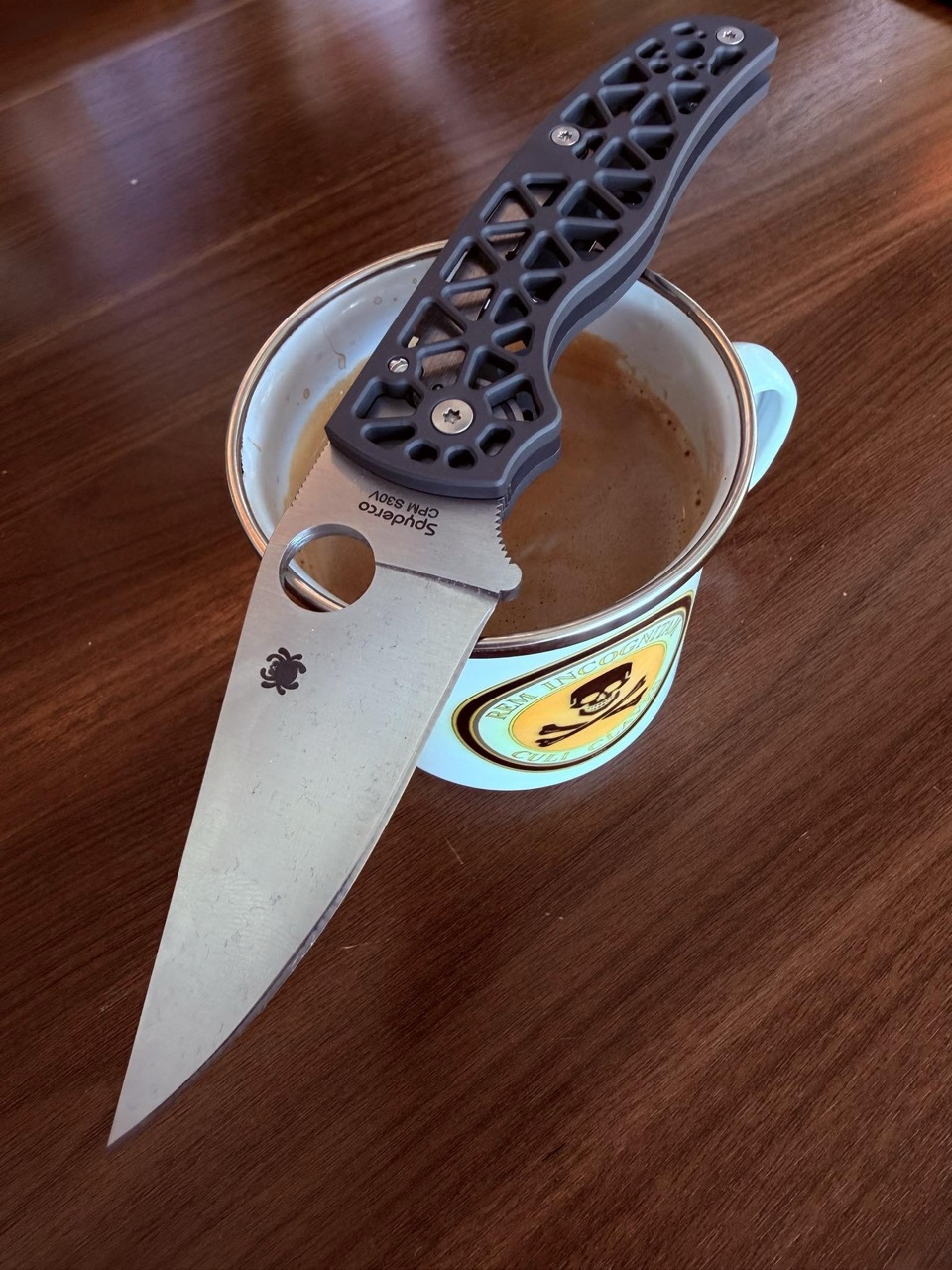
And here’s a video clip featuring Sonoya Mizuno that could have inspired the Edgerati’s design:

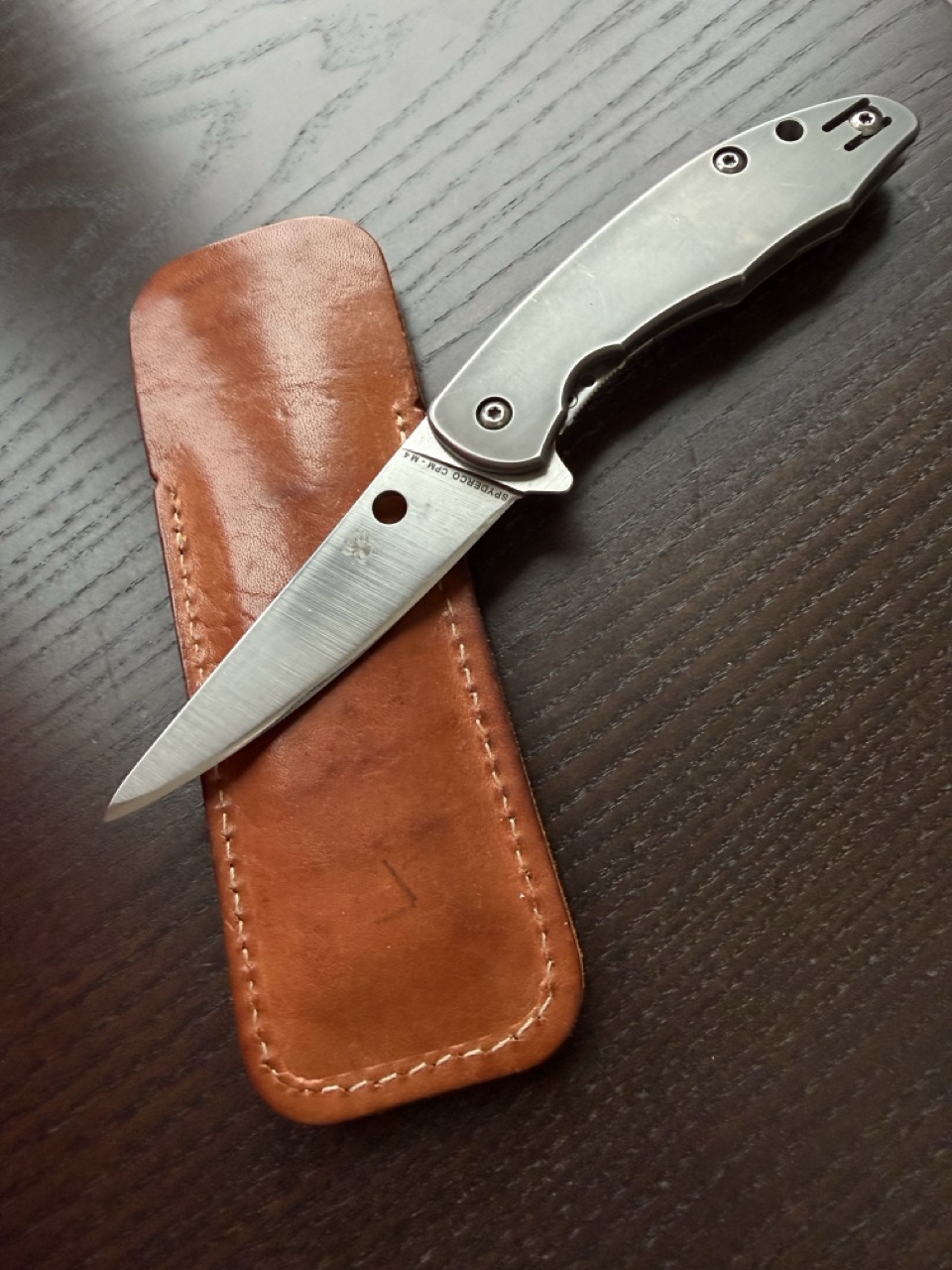
MANTRA™ 2 Titanium – C203TI – Still alive and kicking ?

In 2026, does the decade-old Mantra 2 still have what it takes to stay relevant?

(For the record, the Spyderco Mantra 2 is a flipper-style folding knife. It features ergonomic twin titanium handle scales, a robust Reeve Integral Lock, and a lightweight open-backed construction. Its narrow drop-point profile suits a wide range of cutting tasks, and it opens quickly via an integral flipper and ball-bearing pivot.)

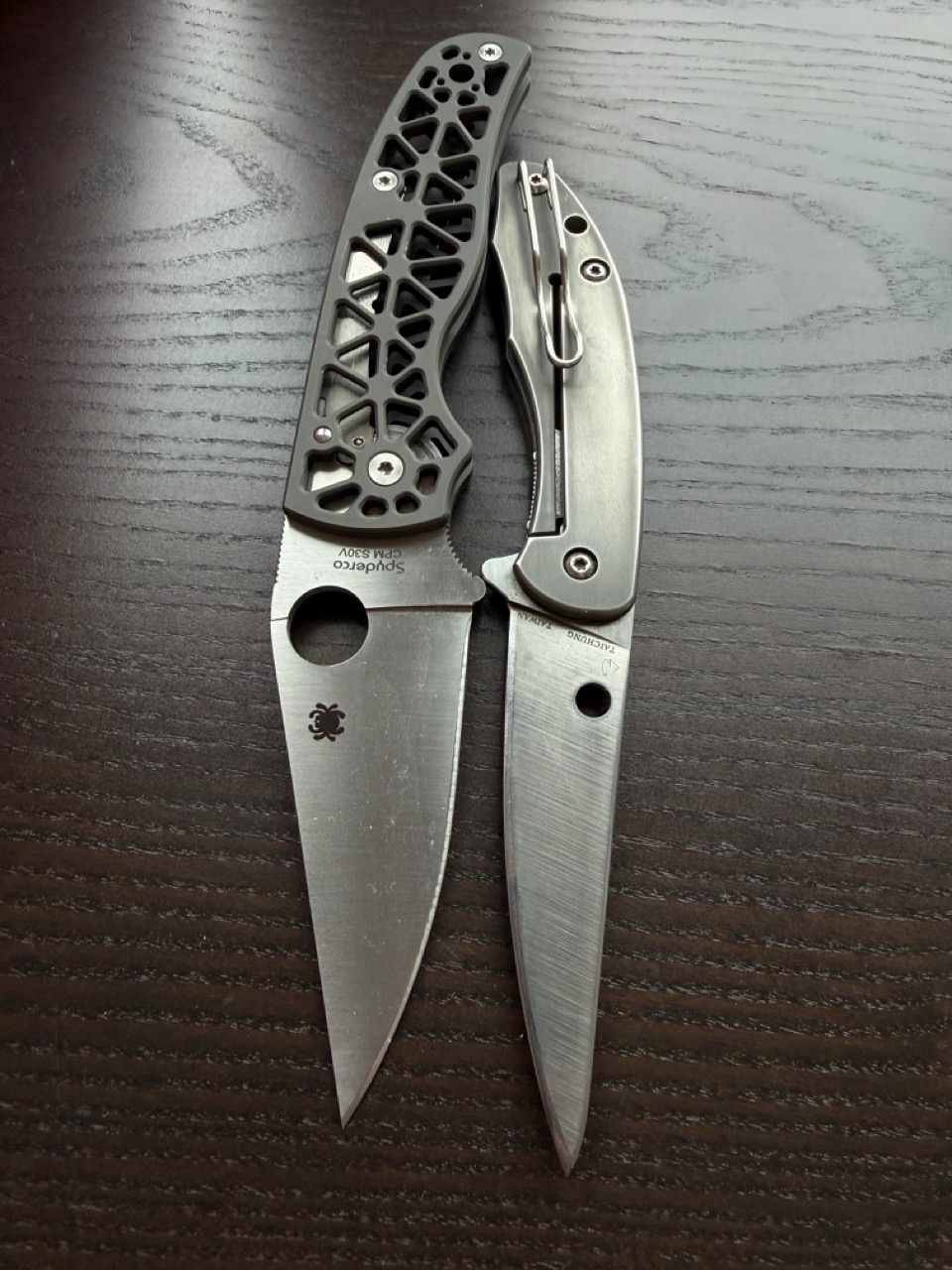
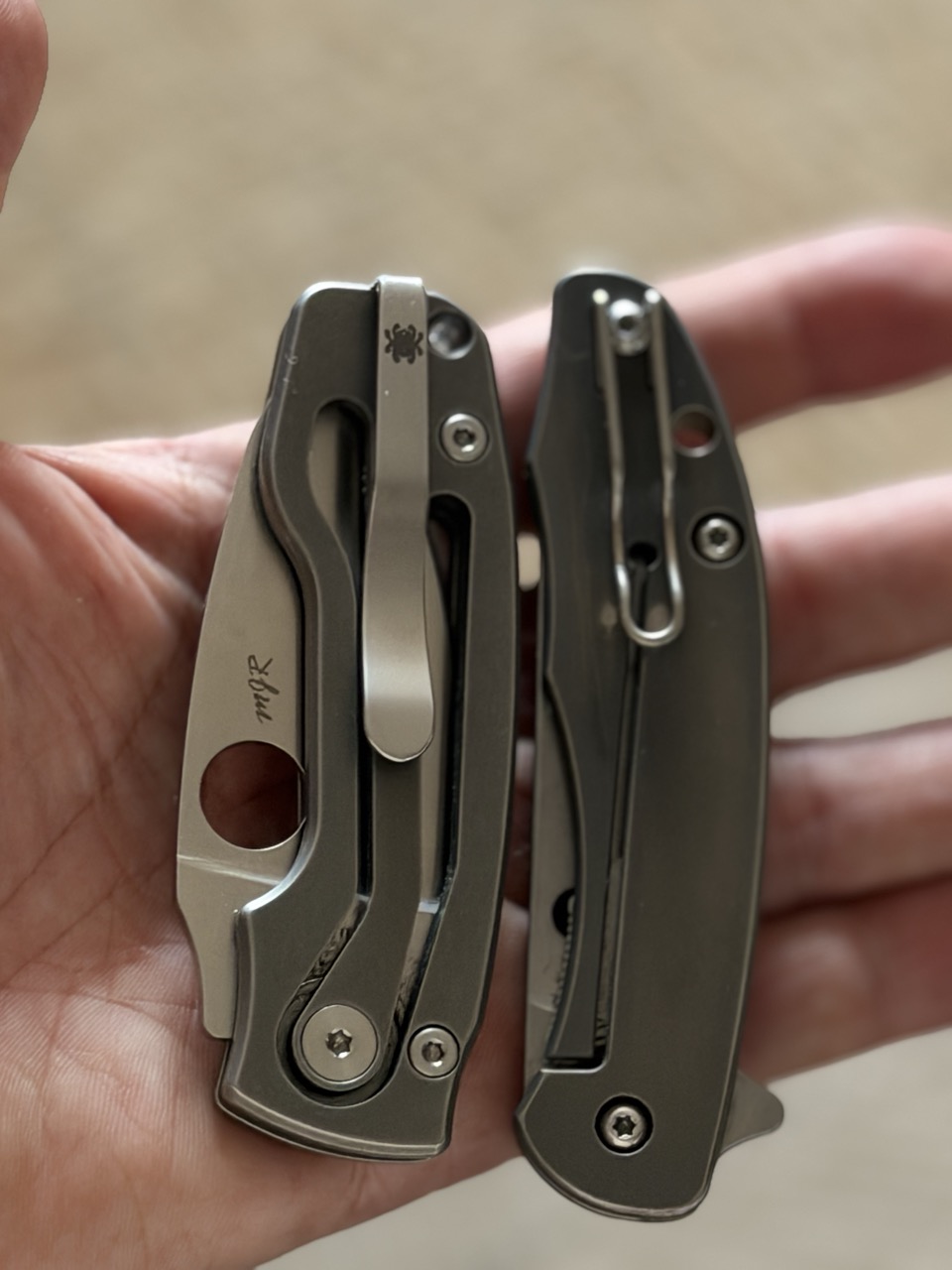
This question inevitably comes to mind when placing it next to the Edgerati, you know ? It’s that beautifully executed modern lightweight workhorse that embodies contemporary folding-knife design. On the surface, the comparison might seem unfair. The Mantra 2 belongs to an earlier design generation, one that predates today’s obsession with extreme lightness and visual minimalism. Yet, in actual use, the gap is far narrower than expected.

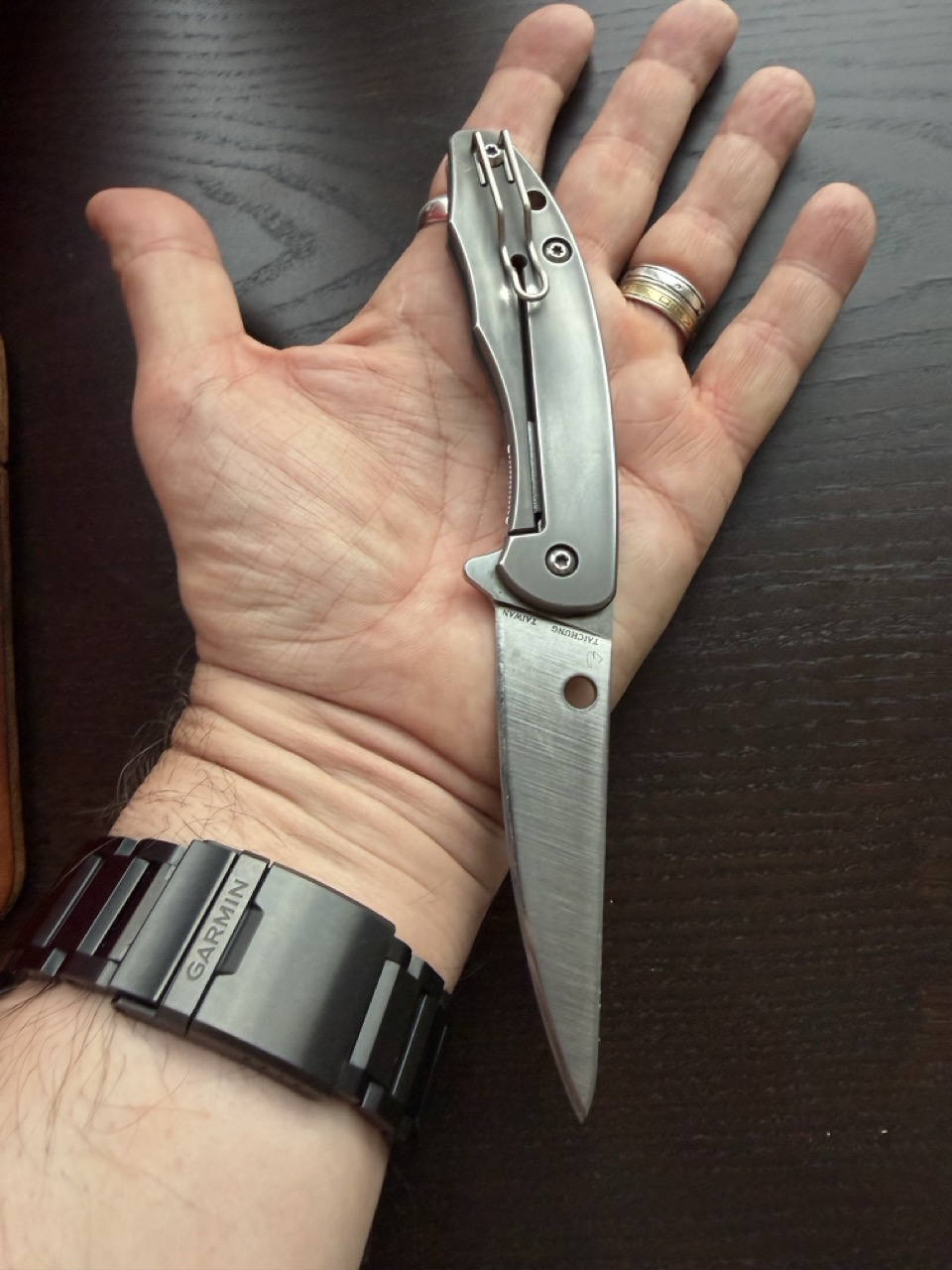
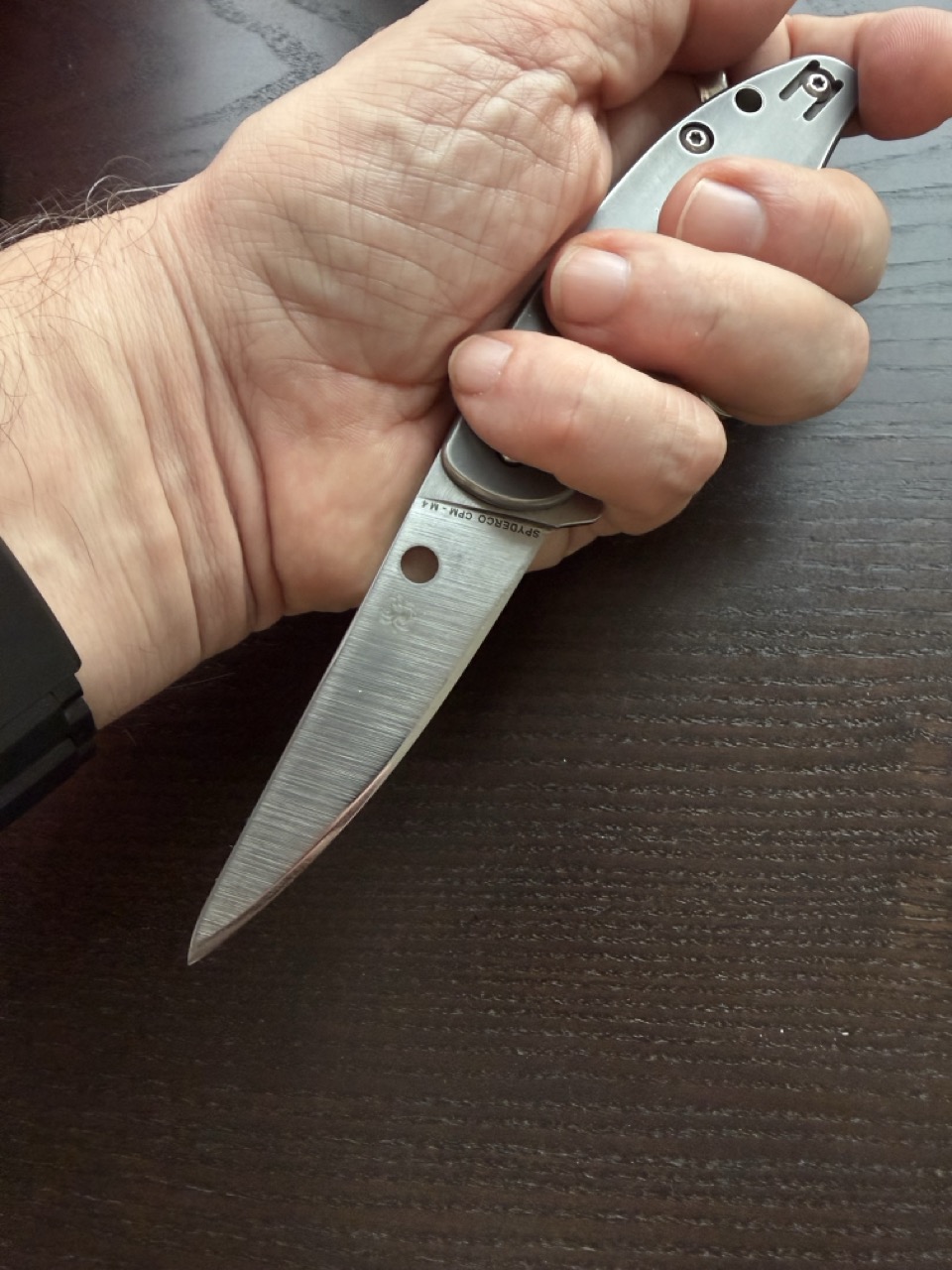
One aspect where Eric Glesser’s design continues to impress me is that blade-to-handle ratio. It remains among the most efficient in its class, extracting maximum cutting edge from a remarkably compact footprint. This efficiency translates directly into real-world ergonomics, with no sense of compromise in grip or control.

Pocket carry is another domain in which the Mantra 2 quietly exceeds expectations. Its footprint is remarkably discreet—once clipped in place, the slim, folded knife nearly vanishes. In daily carry, it becomes an almost invisible companion, a subtlety that even many newer designs struggle to achieve despite advances in materials and manufacturing.

A decade on, the Mantra 2 shows no signs of obsolescence. Rather, it stands as a testament to the enduring value of thoughtful fundamentals and intelligent proportions, which age far more gracefully than fleeting trends. It has been wielded in the kitchen, carried deep into the woods, relied upon as a traveling companion, and pressed hard into demanding materials—yet it continues to perform flawlessly, a quiet tribute to its lasting design.

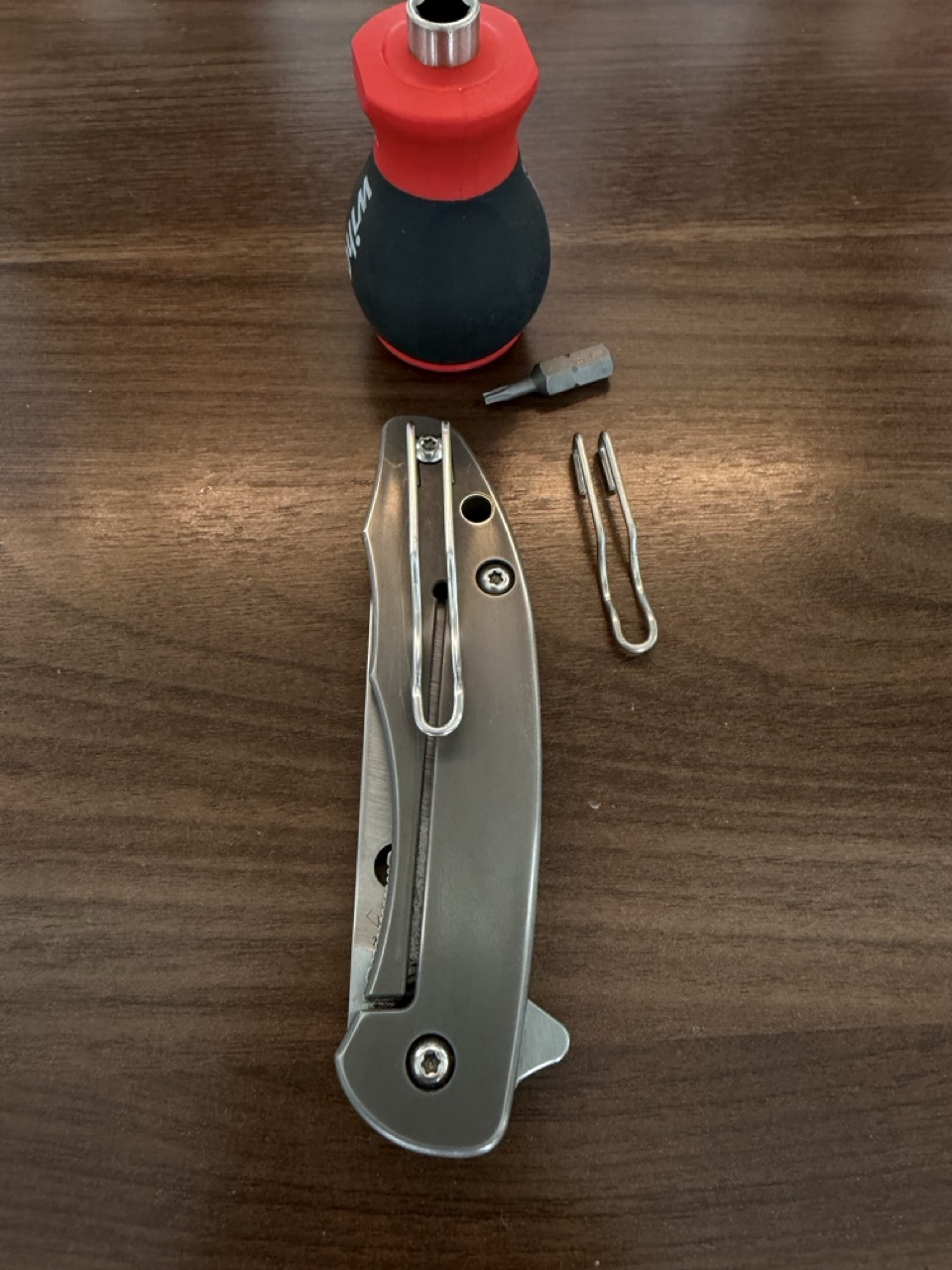
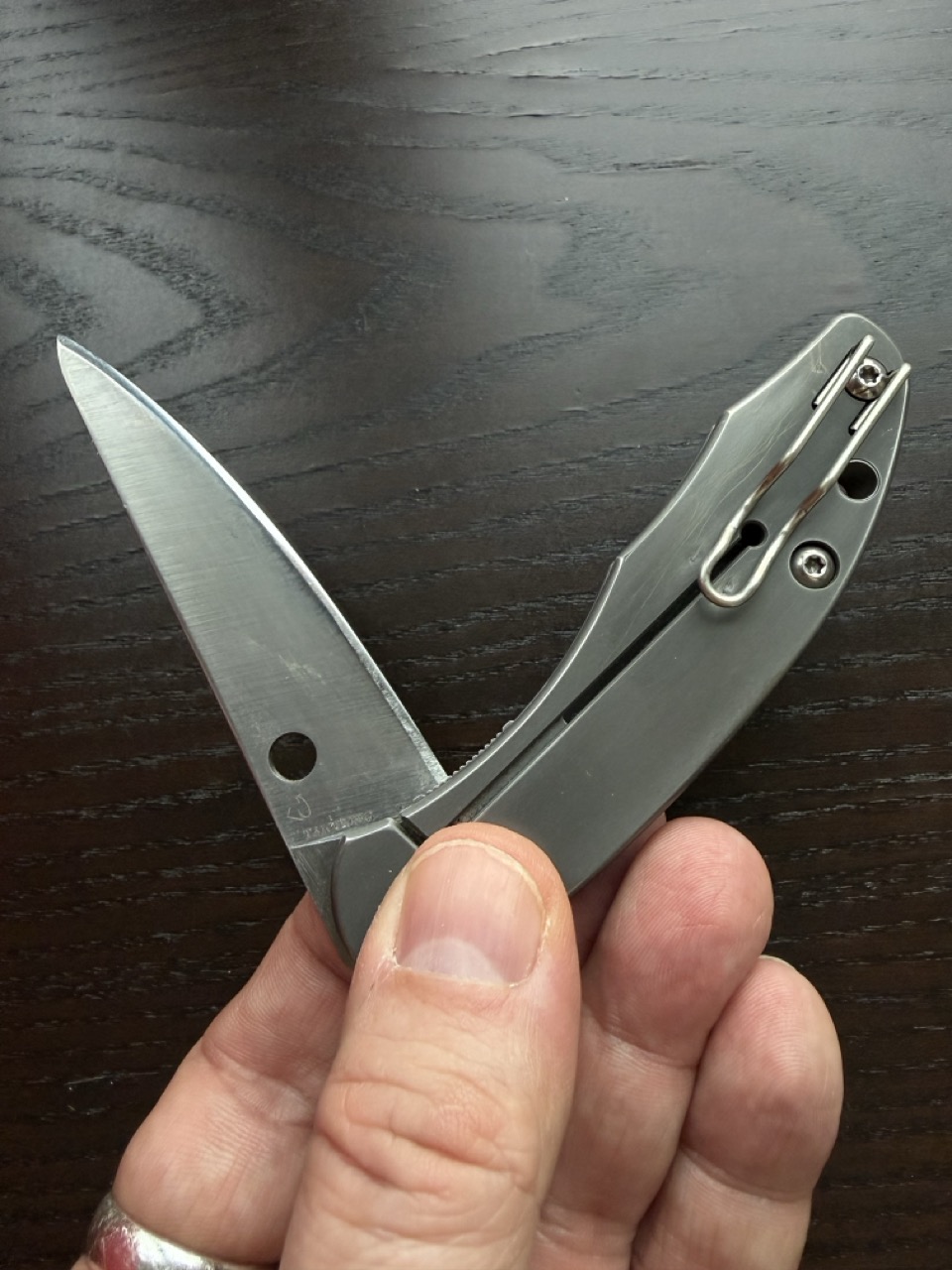
Along the way, I decided to upgrade the Mantra 2 with a shorter mini pocket clip—the kind found on the Lil’ Native Compression Lock, the Microjimbo, or the Dragonfly. A seemingly minor adjustment, it nevertheless has a surprisingly tangible impact on daily carry, subtly refining accessibility and pocket presence without altering the knife’s elegant proportions.

The shorter clip further reduces the knife’s visual footprint in the pocket, enhancing an already discreet carry profile. More importantly, it improves comfort in motion, removing any unnecessary contact points while preserving secure retention, making the Mantra 2 feel almost weightless and effortless throughout the day.

This small modification feels entirely in line with the original design philosophy of the Mantra 2: efficiency over excess, function over spectacle. Rather than altering the knife’s character, the shorter clip refines it, subtly updating the platform without betraying its intent.

In a way, this simple upgrade underscores the enduring strength of the Mantra 2’s design. A decade on, the knife requires no reinvention—its fundamentals remain exemplary. One minor critique persists: I’ve never been particularly fond of the small Trademark Round Hole™, which tends to trap debris and demands occasional cleaning. Personally, I would have preferred a simple laser-engraved circle as Spyderco’s signature—subtle, elegant, and maintenance-free.

Even so, the knife’s core mechanics continue to impress. After ten years of regular use, the liner lock has not shifted a single bit. Its stability and reliability remain flawless, a quiet testament to Spyderco’s engineering and the robustness of the Reeve Integral Lock.

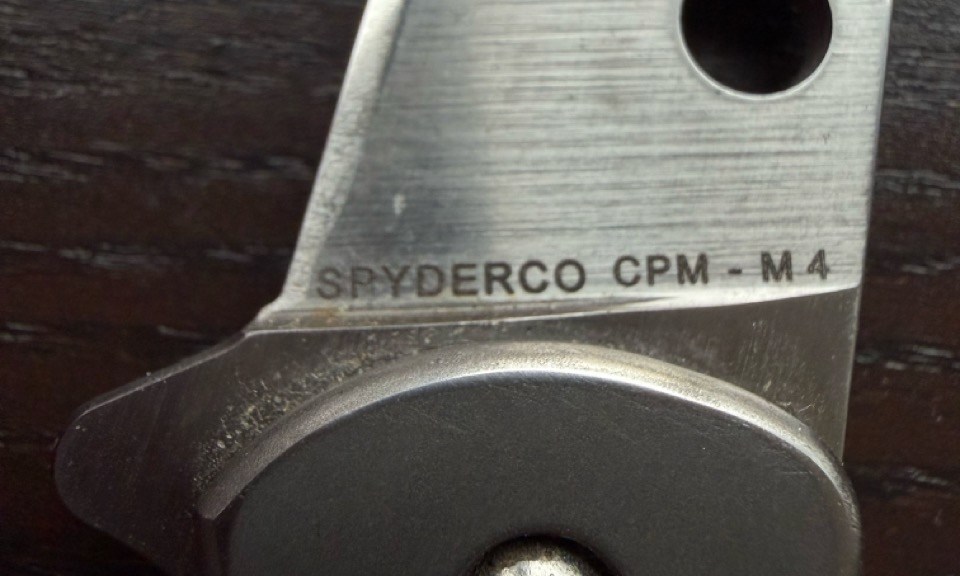
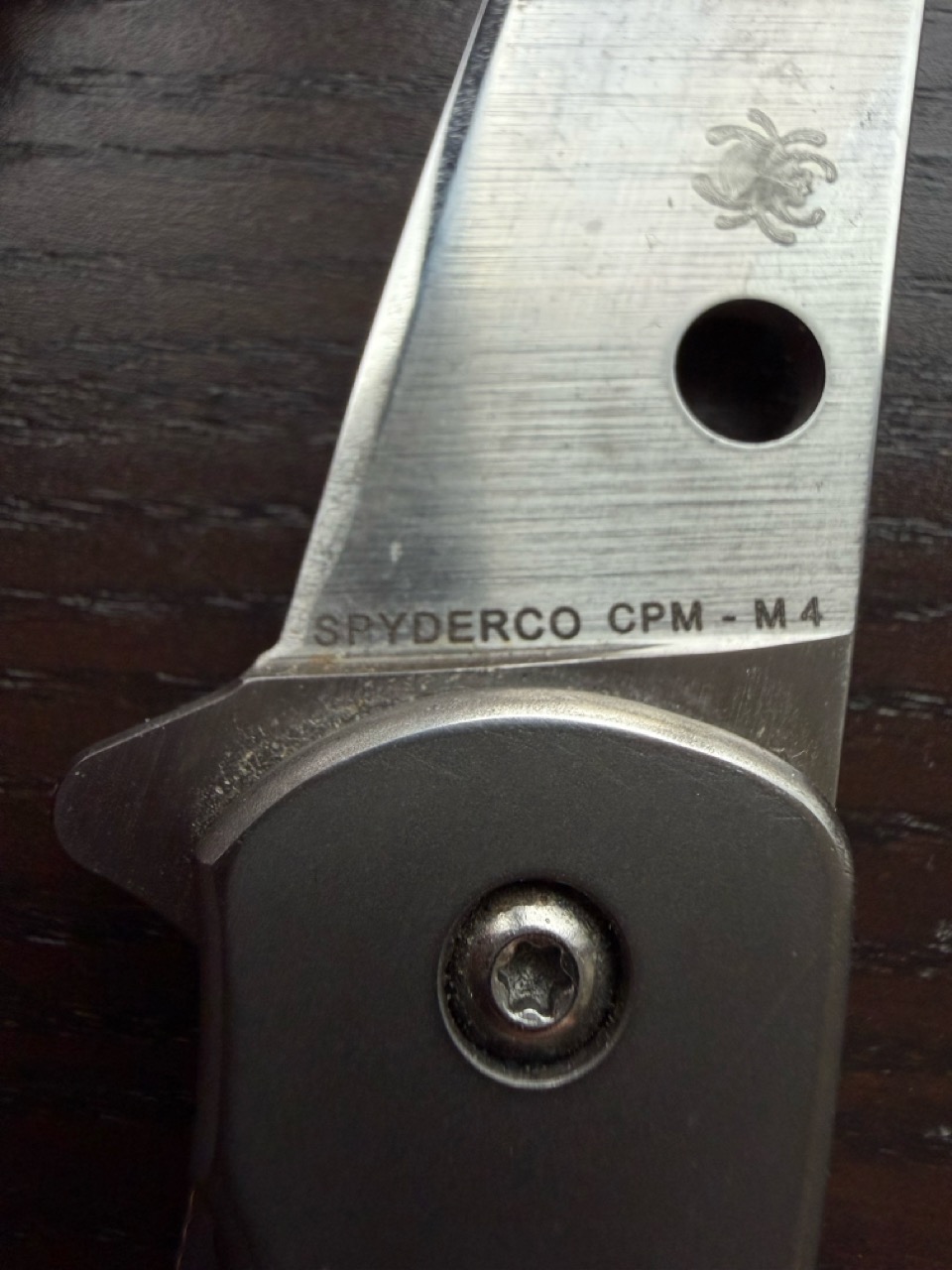
It is also worth remembering that the Mantra 2’s blade is crafted from CPM M4, a choice that says a great deal about the era—and the intent—behind the design. At the time, M4 was far from a marketing buzzword. It was selected for performance, not for trend alignment.

In use, CPM M4 still delivers what made it so respected: outstanding edge retention, a fine, aggressive cutting feel, and a toughness that inspires confidence during harder, more demanding tasks. Even when compared to newer powder metallurgy steels, it remains deeply relevant, particularly for users who prioritize cutting performance over corrosion resistance.

On this particular example, the steel is allowed to fully express its potential thanks to the work of my friend JD, who polished and sharpened the blade with remarkable efficiency. His edge work brings out everything M4 has to offer, resulting in a cutting performance that feels both refined and uncompromising. His skill is undeniable, and it shows immediately in use.

Of course, M4 comes with its own expectations. It asks for a certain level of care, a willingness to maintain the blade and accept patina as part of its character. Yet this trade-off feels entirely coherent with the Mantra 2’s tool-first philosophy. Rather than chasing stainless convenience, it embraces performance and durability.

A decade on, the CPM M4 blade reinforces the sense that the Mantra 2 was designed as a serious cutting instrument first—and as an object of design second. In 2026, that approach feels less dated than it does refreshingly honest.

Set against the PITS 2 in Böhler M398, the Mantra 2 reveals just how differently two knives can approach the same everyday cutting mission. Where the PITS 2 leans heavily into modern metallurgy, with M398 offering extreme edge retention and near-total corrosion resistance, the Mantra 2 counters with a more tactile, tool-driven philosophy embodied by CPM M4.

The PITS 2 feels engineered for low-maintenance efficiency: a steel designed to hold an edge seemingly forever, largely indifferent to environment or neglect. In contrast, the Mantra 2 demands engagement. Its M4 blade rewards attention, maintenance, and sharpening skill with a cutting feel that remains distinctly more aggressive and communicative.

In practical terms, the difference is less about absolute performance and more about attitude. The PITS 2 represents the pinnacle of contemporary refinement—clean, controlled, and technically flawless. The Mantra 2, meanwhile, feels more alive. It is a knife that invites use, interaction, and care, developing character over time rather than resisting it.

In 2026, choosing between the two is not a question of old versus new, but of values. The PITS 2 in M398 showcases where modern EDC design has arrived. The Mantra 2 in CPM M4 reminds us why performance-driven fundamentals still matter—and why some designs age not by fading, but by deepening.

Ultimately, the Mantra 2 (linked to JD review)remains an outstanding choice in 2026. Its exceptional blade-to-handle ratio and discreet, effortless portability continue to set a benchmark that many newer designs still struggle to match.

Notably, my own example—part of the very first generation—has never exhibited the slightest issue with its ball-bearing pivot. A decade on, it operates with the same smoothness and reliability as it did out of the box.

Proof, if any were needed, that strong proportions, intelligent engineering, and a focus on real-world use can stand the test of time.
The Mantra 2 is a pure flipper workhorse.

Spyderco Edgerati – The Power and The Passion.

Disclaimer: this a first glimpse at the Edgerati provided through the Ambassador’s Program.


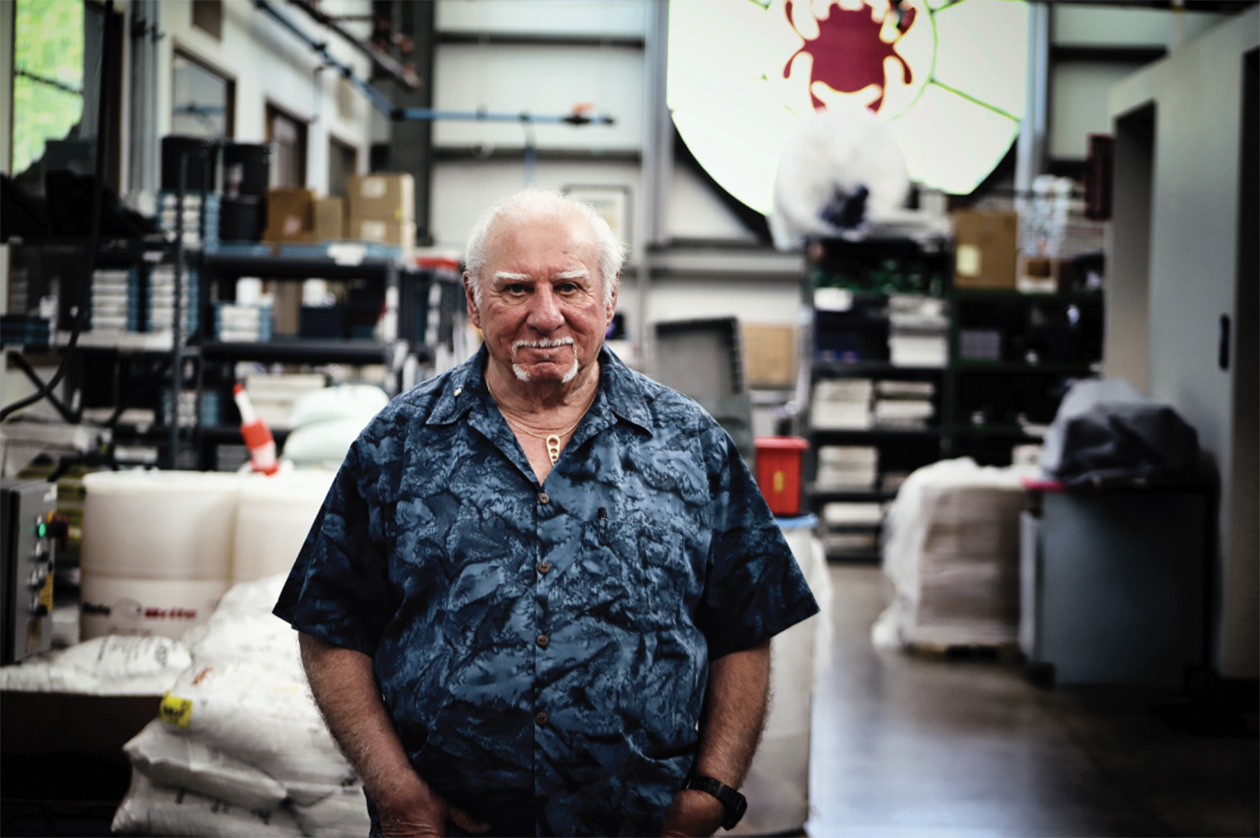
Sal Glesser is an inventor driven by passion. His love for performance in general, high-performance sports cars, and sailing races is reflected in every one of his creations.

His knives are known for their radical aesthetics and their uncompromising performance, always respecting the fundamental purpose of an edged tool. He is also recognized for taking his time, developing and testing numerous prototypes before releasing a new design.

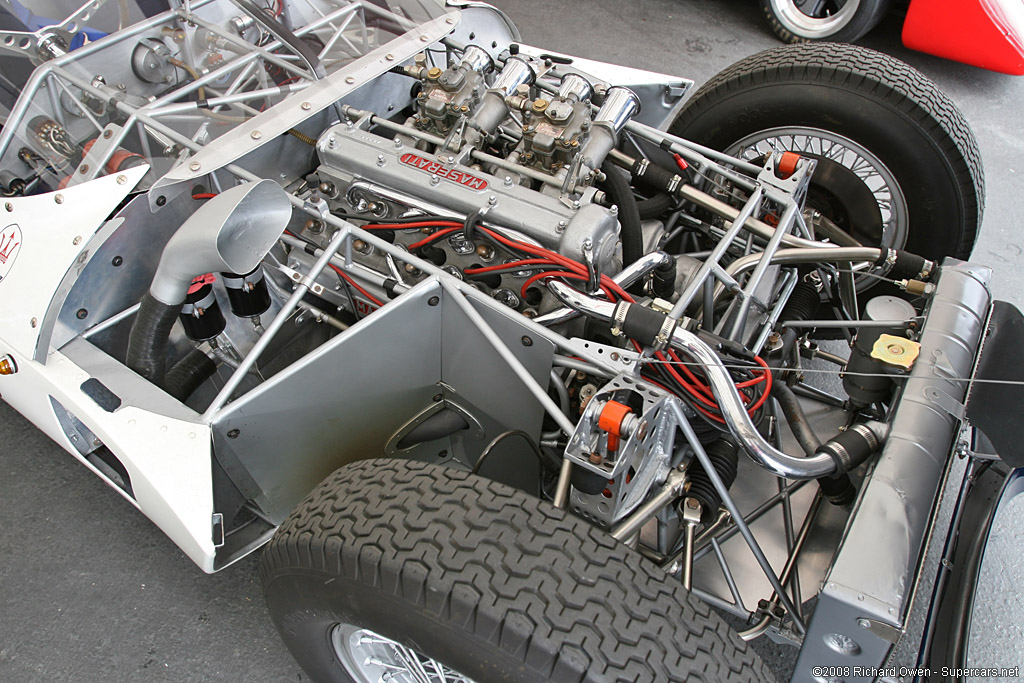
For this knife, his inspiration comes from the world of sports cars—more precisely from the legendary Maserati Birdcage.

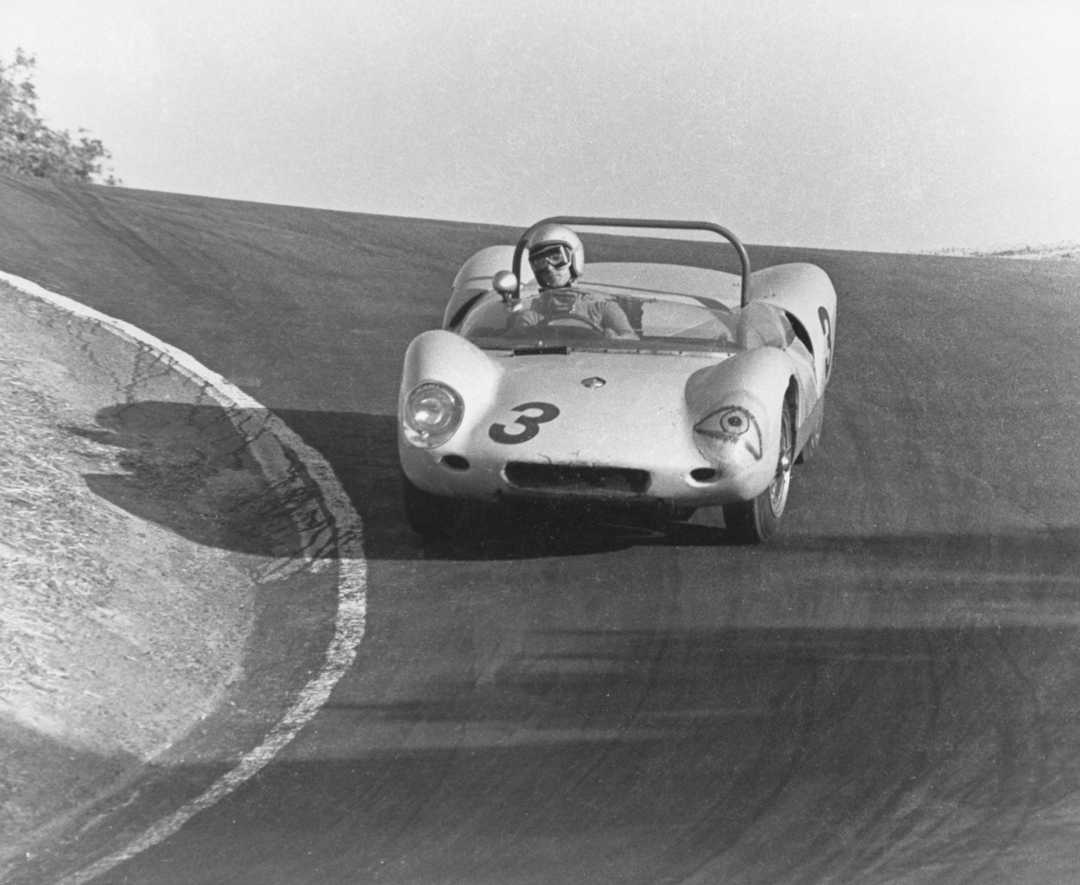
Masten Gregory deftly guides his British Racing Partnership 19 (#953) through The Corkscrew at Laguna Seca during the 1962 Pacific Grand Prix. Dan Gurney and Lloyd Ruby each won one of the weekendÕs two heats in other 19s, but overall honors fell to Roger PenskeÕs Zerex Cooper. Photo: Willem Oosthoek Collection

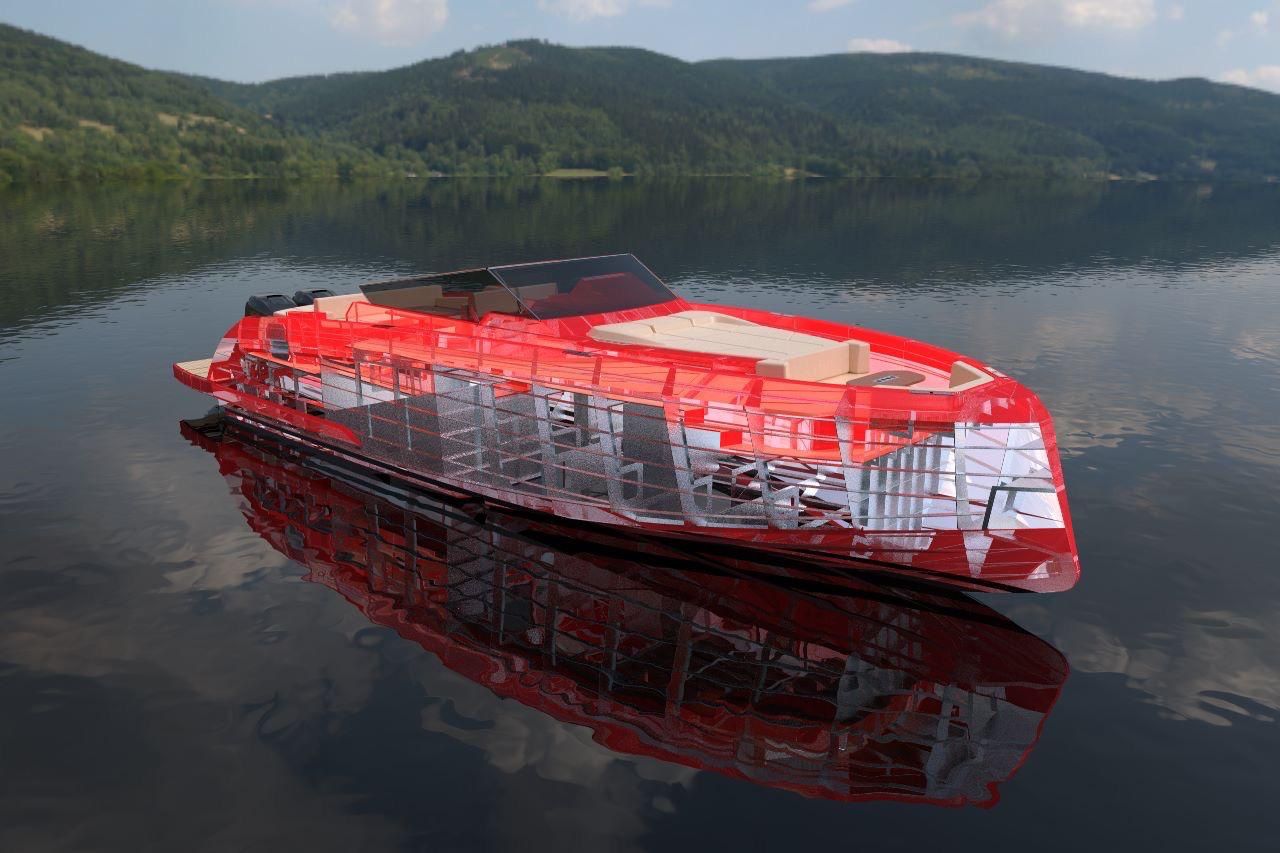
Produced between 1959 and 1961 for privateers competing in endurance racing, including the 24 Hours of Le Mans, the Birdcage was available in 2-litre and 3-litre configurations. Its name came from its revolutionary tubular space-frame chassis, made of roughly 200 chrome-moly steel tubes welded together in triangular formations at high-stress points. This construction method resulted in a chassis that was both lighter and significantly more rigid than anything else on the grid at the time.

Why not apply this design philosophy—and this obsession with performance—to a knife?

This is not Sal’s first attempt at creating an ultra-light, all-metal folding knife. I remember his “R” model, for instance.

I was never a real fan of the approach that consists of punching a spider-web of holes through both the handle and the blade. I understood the intention, the démarche, but as a user, it never convinced me. All those holes meant a knife that was constantly dirty, always in need of rinsing and cleaning… and, well, not my cup of tea.

So you can imagine my skepticism when the Edgerati was first revealed. The steel itself was not some exotic new alloy, and the handle seemed to scream: wash me under the tap and rinse me after every use.

I was wrong.

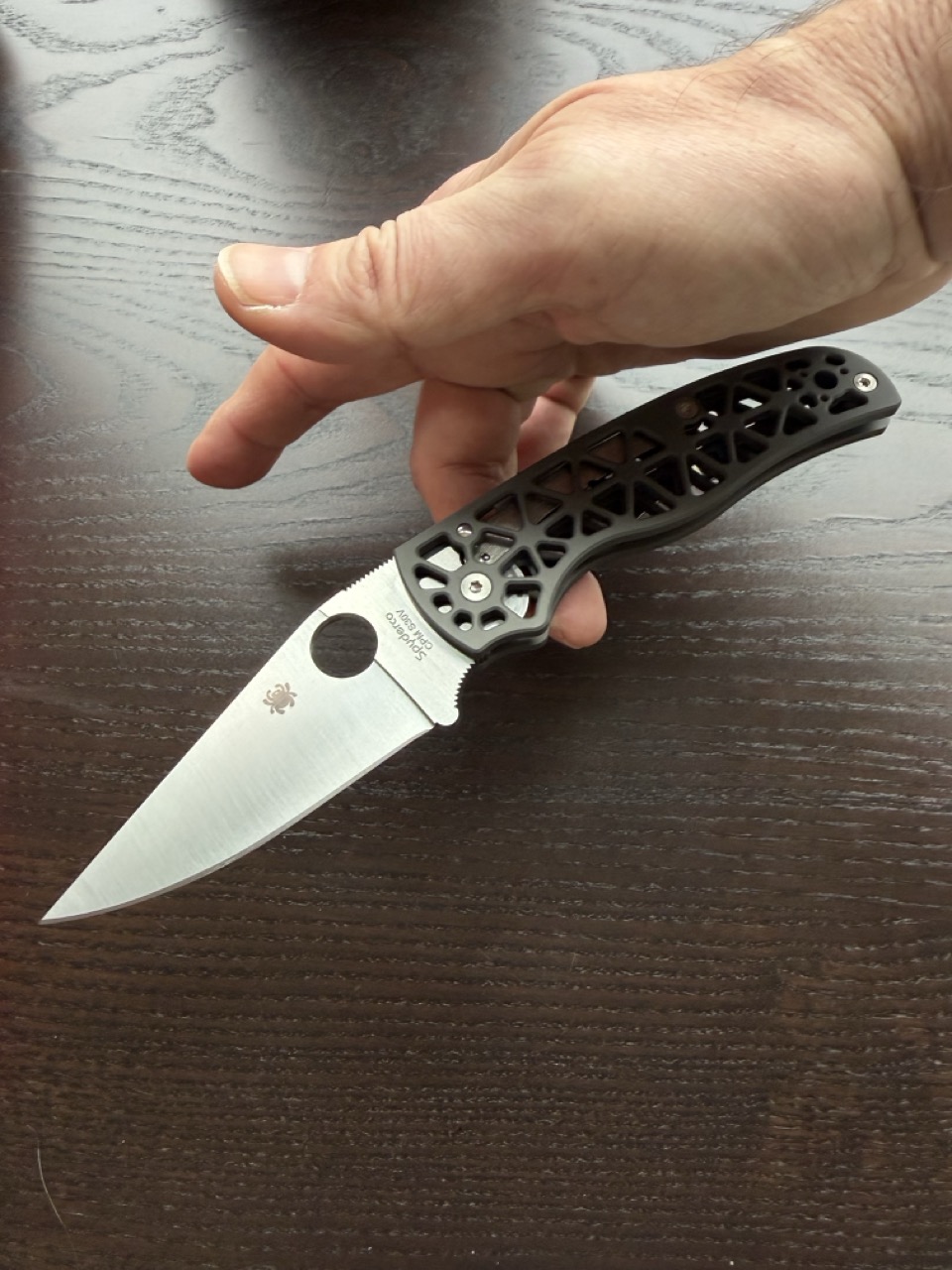
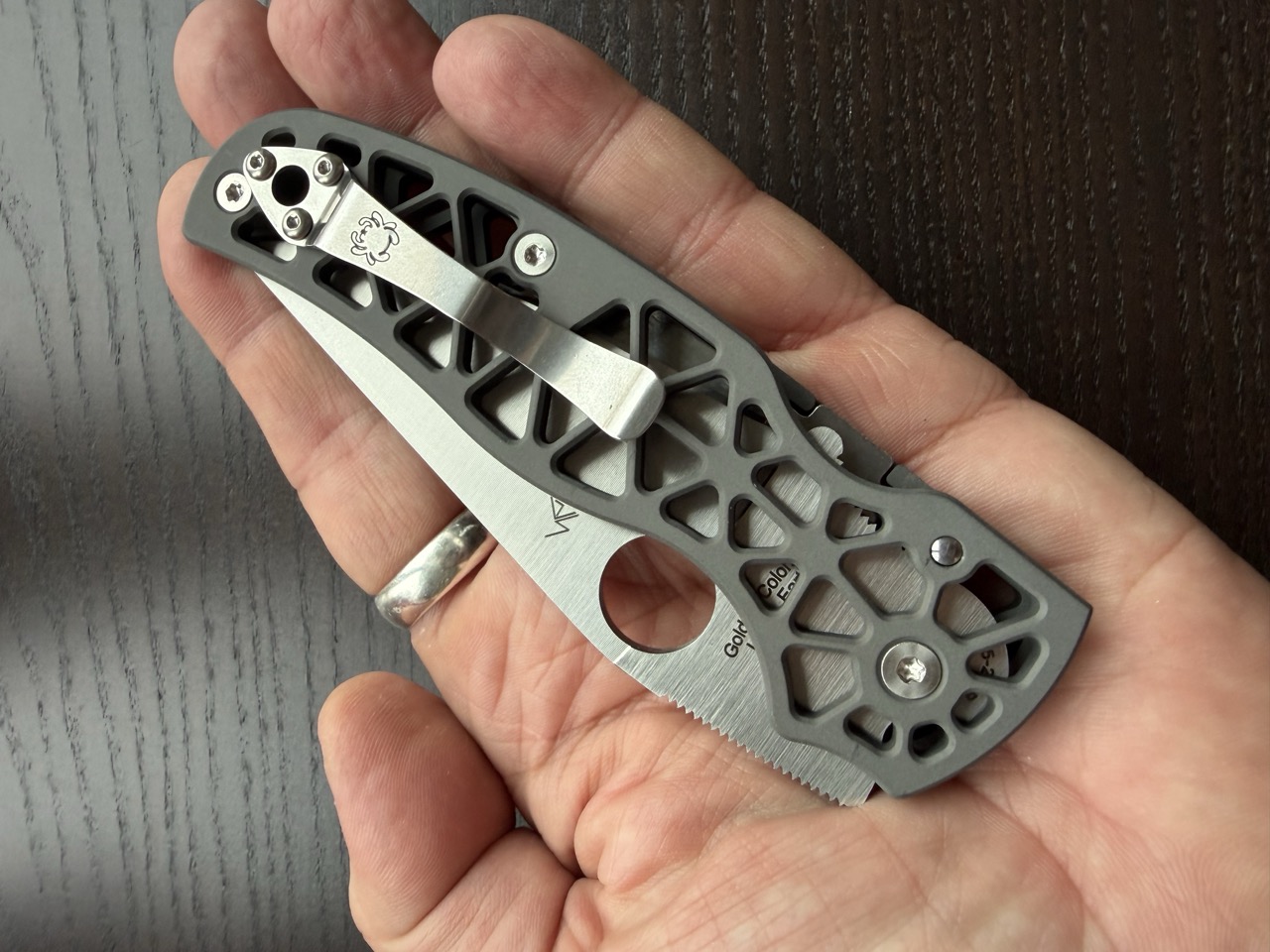
The moment I first held the Edgerati changed everything. At least two people—Mason and Robin—insisted that it was something you had to experience in hand. They were absolutely right. The knife is incredibly light, yet somehow feels substantial at the same time. My first impression was purely tactile. That beautiful clip point blade and those great ergos, the Edgerati is a bold move.

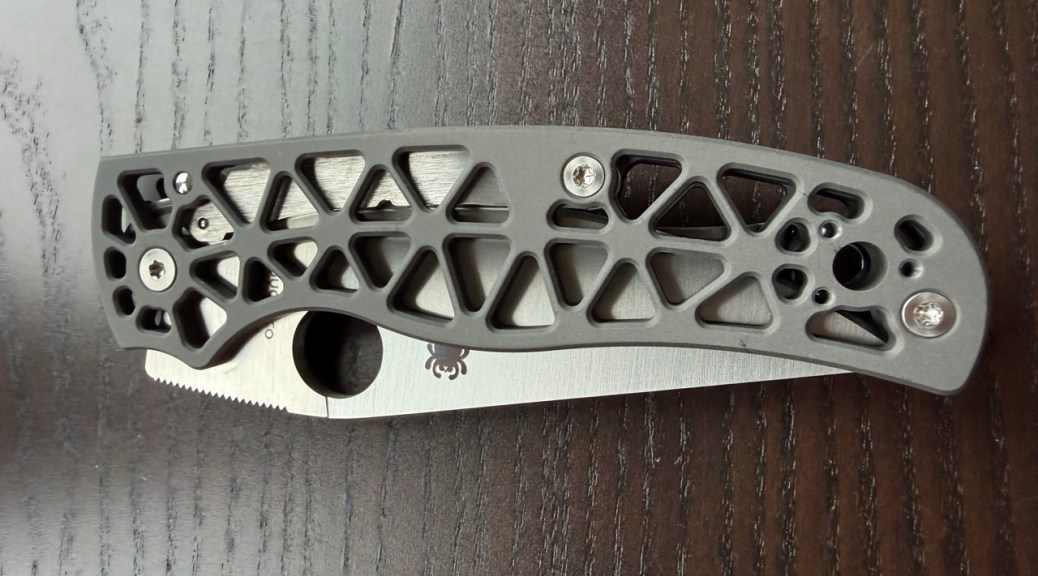
Because its handle is not thin, but thick enough to feel genuinely comfortable and secure for hard chores. That was the first excellent surprise: how this Birdcage homage actually translates into ergonomics. The aluminium feels warm under the fingers, and the triangular cut-outs provide excellent grip and retention.

The thick handle, combined with the complete absence of hot spots, makes it perfectly suited for hard use. Kudos to Sal—this is the work of someone who knows how to design a true tool, not just eye candy.

The action is smooth, with zero blade play. It feels extremely solid—reassuringly so.
On closer inspection, the Edgerati could almost be described as a Shaman stripped down and laid bare. The two knives share the same overall profile, down to the last screw.

(screenshot taken from CRBx video “Spyderco EDGERATI: Shaman in SEXY lace?”)

Spotted on Reddit: birds of a feather flock together—and it turns out there’s even the possibility of swapping blades with a Shaman (thanks to Armand for the heads-up).

I have asked to Golden.
— Imagine a Shaman Magnacut blade on that handle ?
— I have to admit. I’ve done the swap. The thicker blade stock on the Shaman throws off the balance, and the detents are not a perfect 1:1
It’s possible to flip the blade out, just with holding the handles and flicking your wrist. The Edgerati blade in Shaman scales is a nice treat though. Unfortunately, the Shaman in the Edgerati frame doesn’t work nearly as well.


So, you are warned.


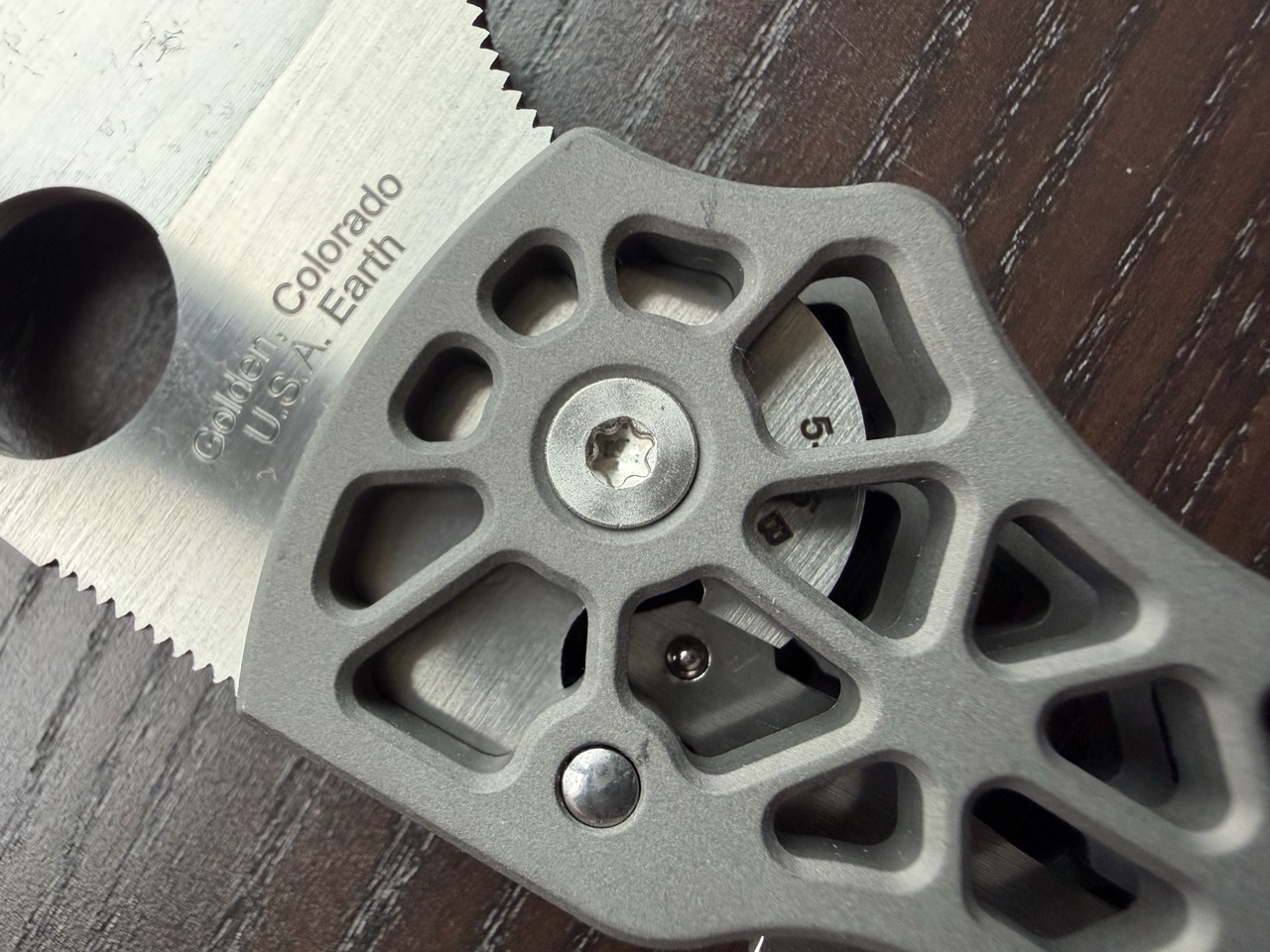
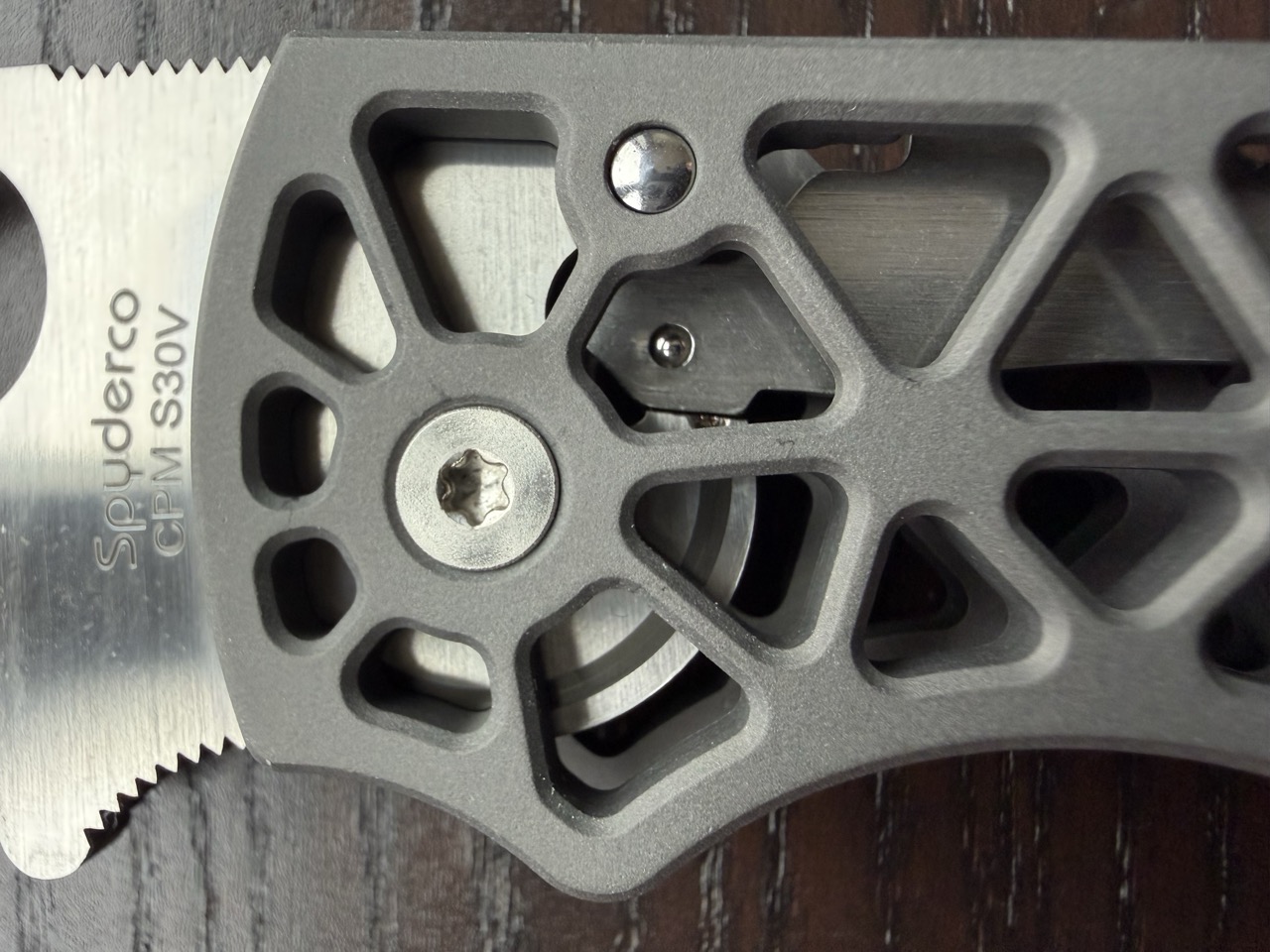
And yes, we also get the rare opportunity to see now inside the “engine” of the knife. One major advantage is the ability to fully clean it after dirty or demanding tasks. The Compression Lock remains a small masterpiece of engineering and operates with real authority. The spine of the handle, if I may put it that way, truly feels like an aircraft carrier for the hand—broad, stable, and extremely reassuring.

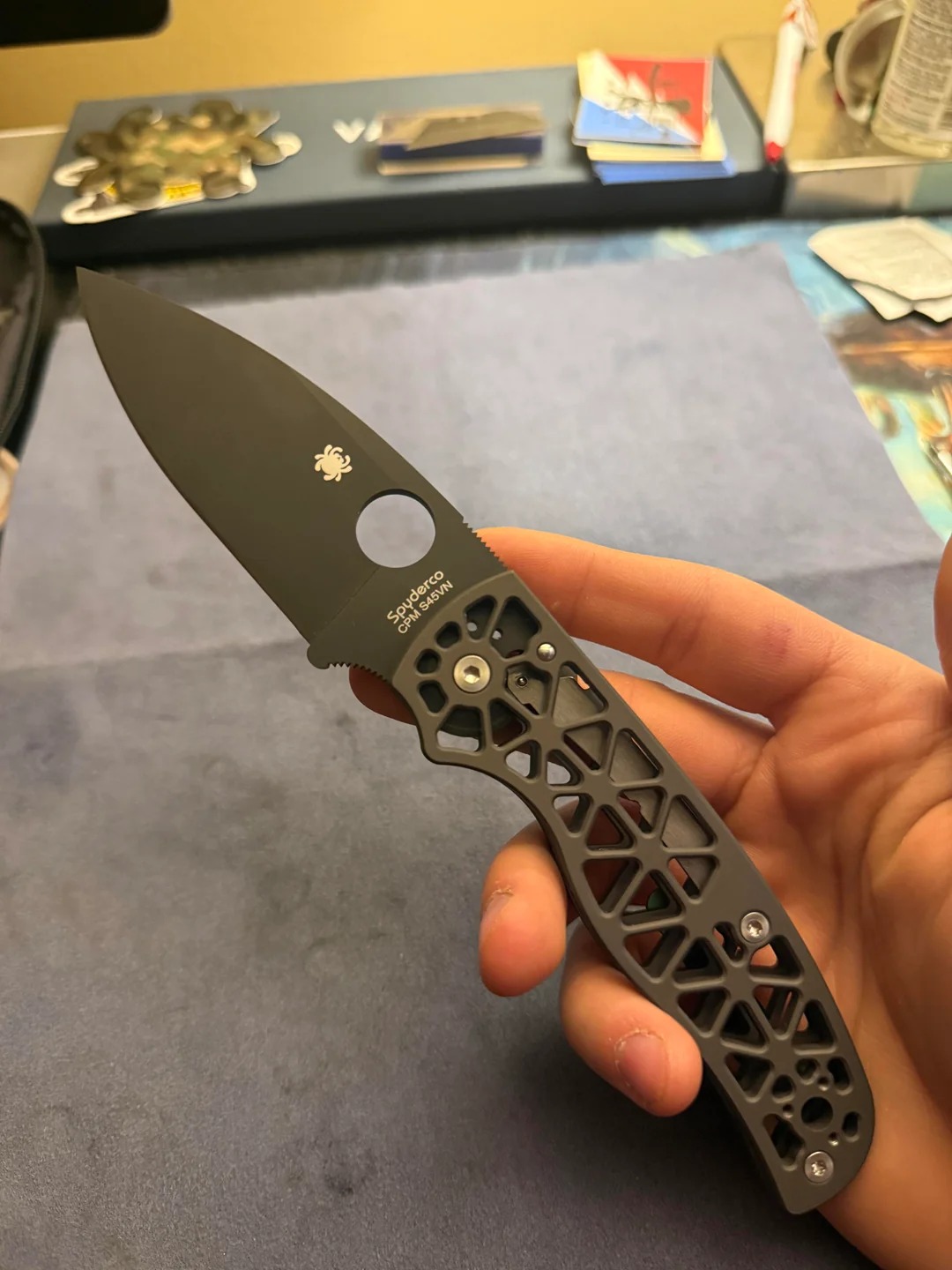
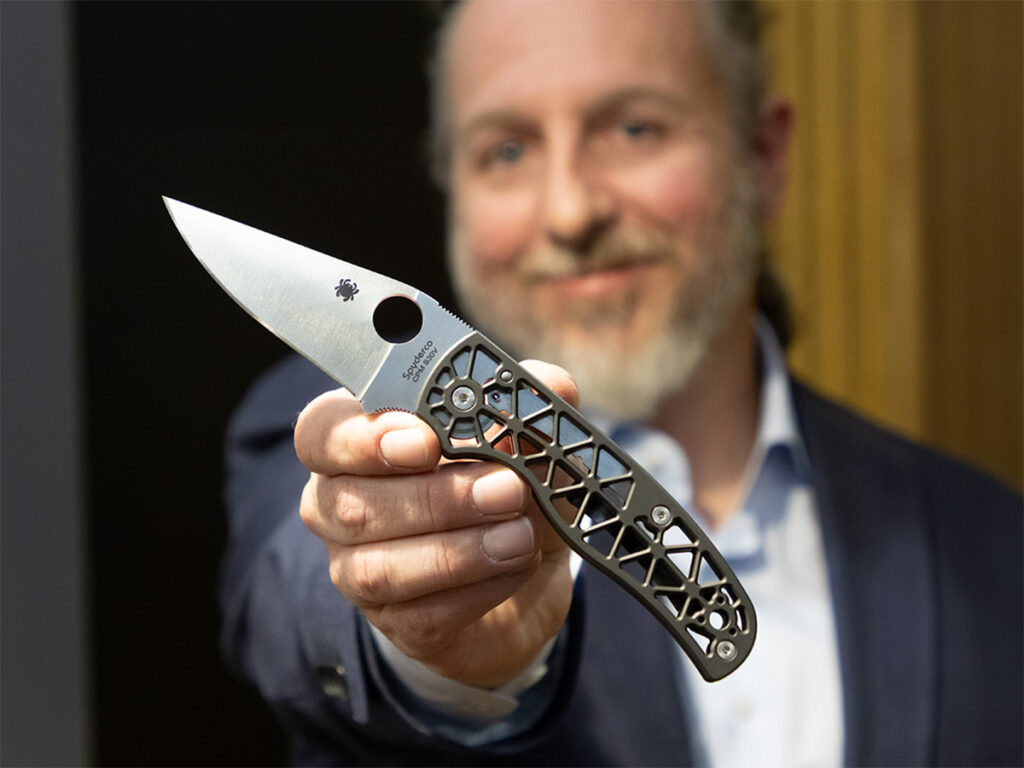
Beauty is, of course, in the eye of the beholder, but this is undeniably a beautiful knife once you get used to that “Eiffel Tower’s effect”. The pictures speak for themselves. It does not project “tactical” vibes; instead, it feels like a refined, high-tech engineer’s cutting tool. I can easily see it appealing to hikers who carefully count every gram they carry. Its versatility could also attract cyberpolice officers, climate change firefighters, alien hunters—and even starship troopers, for whom weight savings are critical, like astronauts. That may explain why it is also available in a full-black, partially serrated configuration. It is a toolish delicacy. A very capable solid reliable lightweight tool. Very very light and powerful !!

Aluminium (and its lightness and its structural resistance) is very much in fashion in 2025. Apple, for instance, uses aluminium chassis on their iPhones 17 Pro because aluminium is light, solid, rust free and an excellent thermal conductor. Coated aluminium, however, is also known for scratching easily. It willmark over time, and the pristine, “brand-new” look of the Edgerati’s handle is clearly not meant to last. Instead, the knife will develop what I would call a “war patina”—the visible proof of use. The Edgerati will become personalized quickly, for better or worse. Sanding the handle might eventually help even things out, but scratches are inevitable if that kind of wear bothers you.

If there is one aspect I am not entirely happy with so far, it is the pocket clip. It’s the same heavy-duty style clip found on models like the Shaman, the Tenacious or the Lil’ Temperance. This means the knife sits proud in the pocket, and replacing the clip with a third-party option is not straightforward. On my sample it is also not particularly easy to slide in and out of the pocket. I’ll see later how—or if—I can improve this by slightly bending it.

All in all, I genuinely thought the Edgerati would be a collector’s piece—a “safe queen,” and therefore not really my thing. I couldn’t have been more wrong. The Edgerati is a user, through and through: an ultra-light, ultra-solid tool with a genuinely utilitarian blade in CPM S30V, heat-treated by Golden.
It is very hard not to fall in love with such a unique knife, once you hold it in your hands, especially if you already love its heavyweight brother: the Shaman.
But this Edgerati is a KWEMRP (click on it for the Part 2 of the review and discover what a KWEMRP is in reality…) !

The Shaman design began a long time ago. It took several years to complete and refine the design before I was satisfied. Then the “Bodacious” and “Edgerati” variants were designed to serve what I thought might be requested.
Sal Glesser

“Oh-oh, the power and the passion
Oh-oh, the temper of the time
Oh-oh, the power and the passion
Sometimes you’ve got to take the hardest line”
Midnight Oil.

Edge’s up !