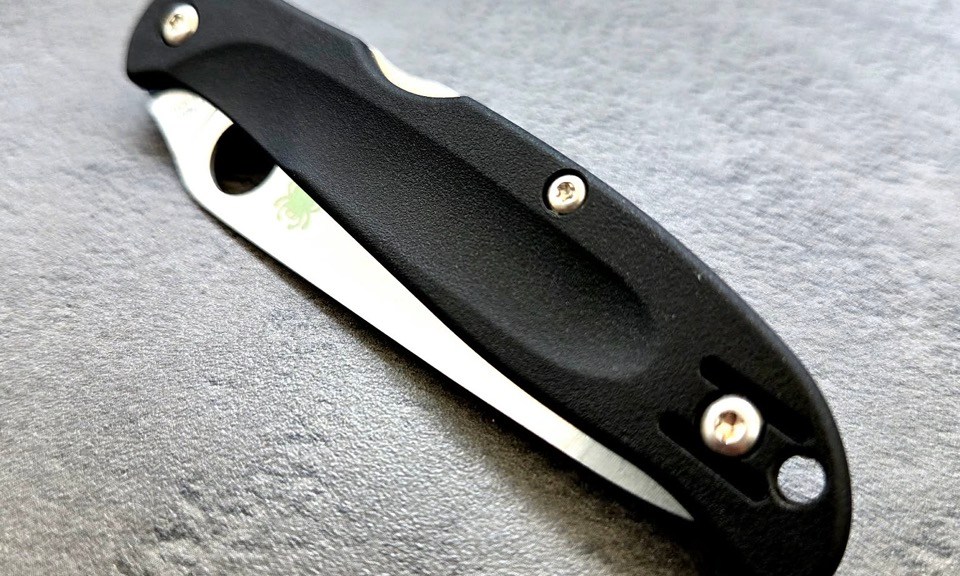

Today’s review is a little different.
From time to time, I like to invite fellow reviewers and passionate knife enthusiasts to share their own perspective. This is the second article written for Nemo Knives Review by Guillaume Gx, moderator of the Spyderco Fan Club on Facebook and someone who truly knows his way around a knife.
As always, Guillaume offers an honest, hands-on glimpse at Spyderco’s latest release, focusing on the details that matter in real-world use.
(All photos featured in this article are also the work of Guillaume Gx.)
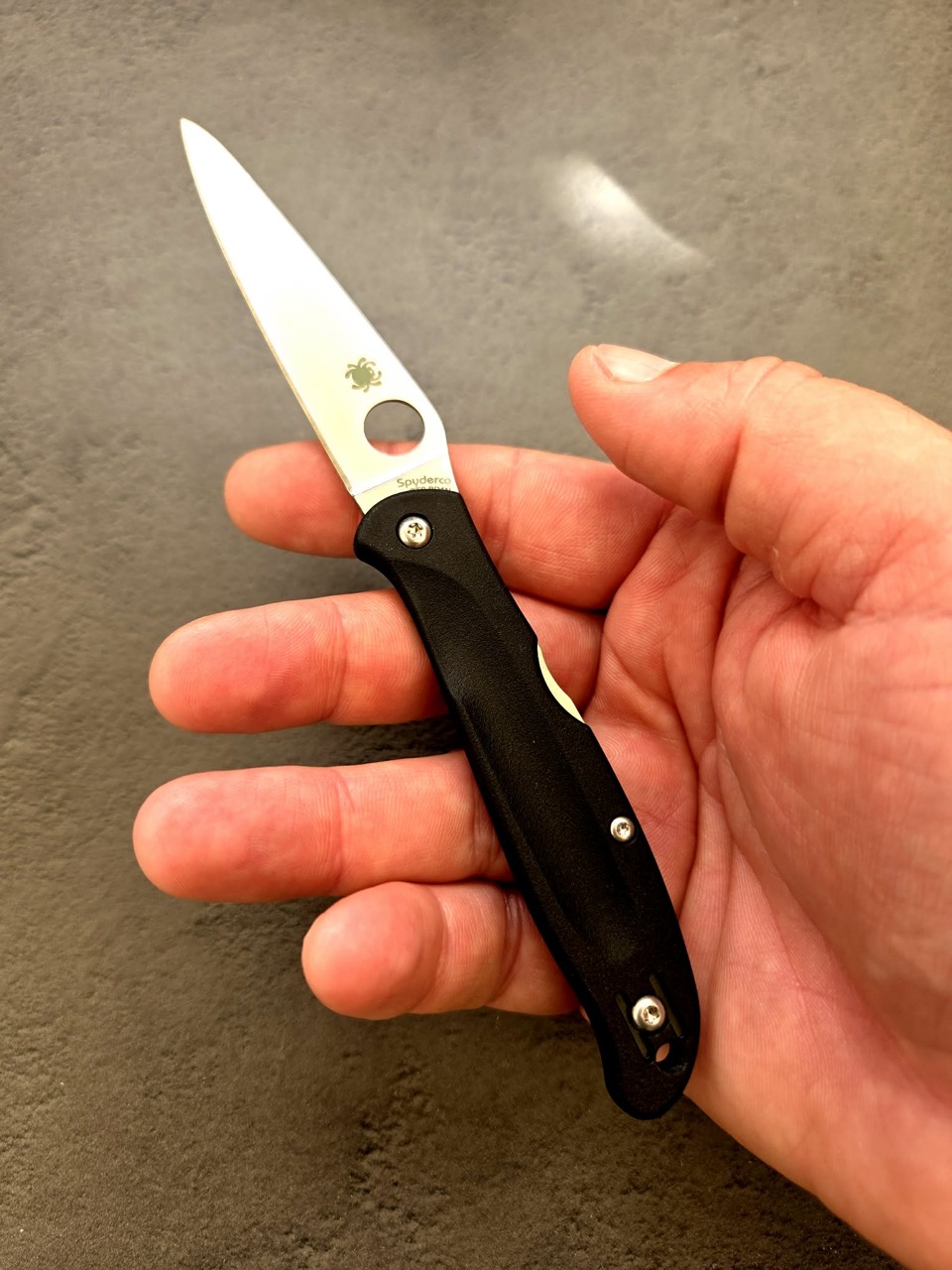
The Spyderco Charisma was one of the releases I was most looking forward to in 2026. Ironically, though, “big” is probably the wrong word. For the first time ever, I opened a brand-new Spyderco box and honestly thought it was empty.
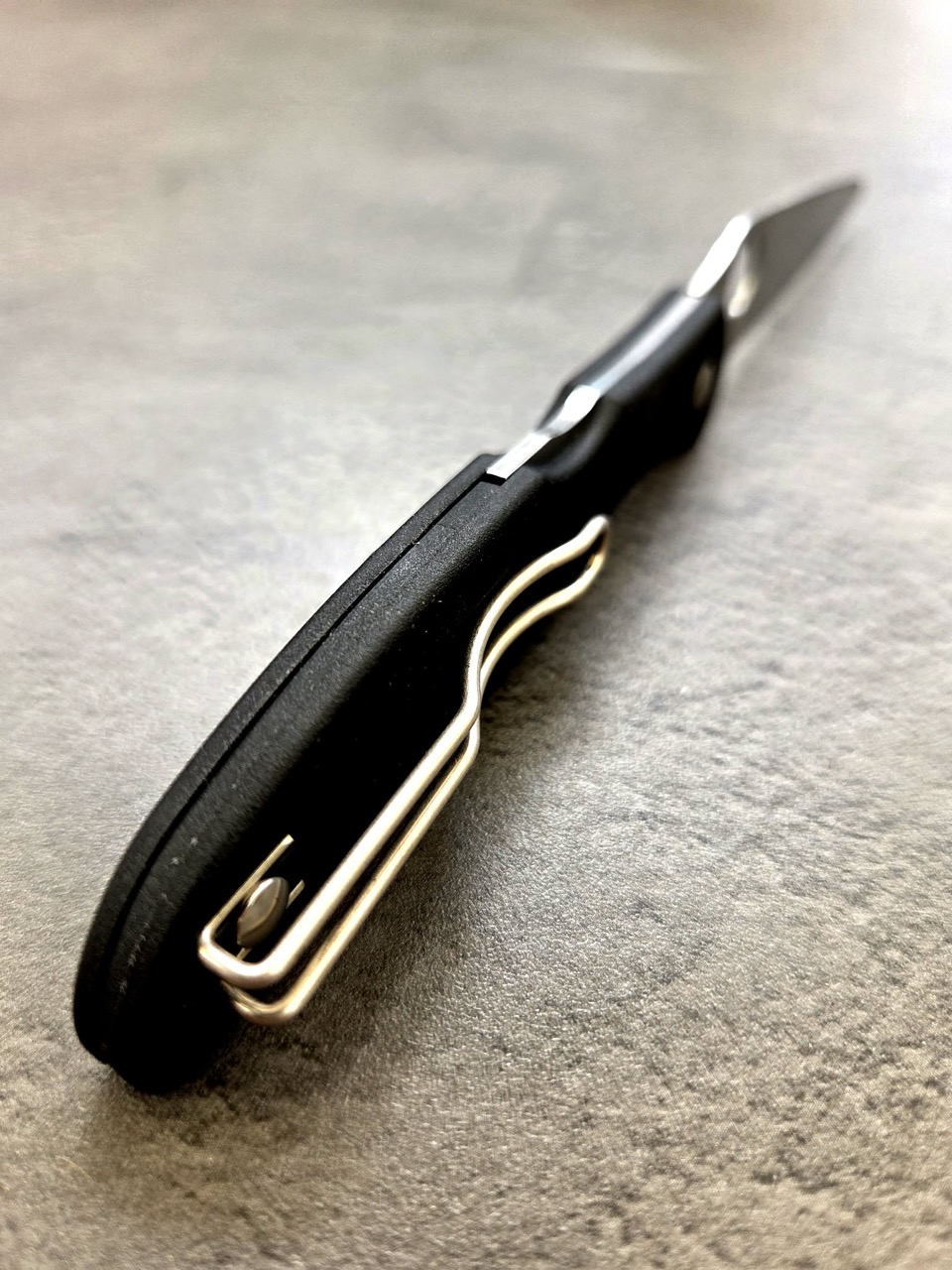
The search for the knife almost turns into a game of hide-and-seek. Yet the moment you pick it up, one thing becomes obvious: the Charisma embraces simplicity like few modern folders do. Discreet, lightweight, and utterly unpretentious, that’s exactly where its appeal lies.
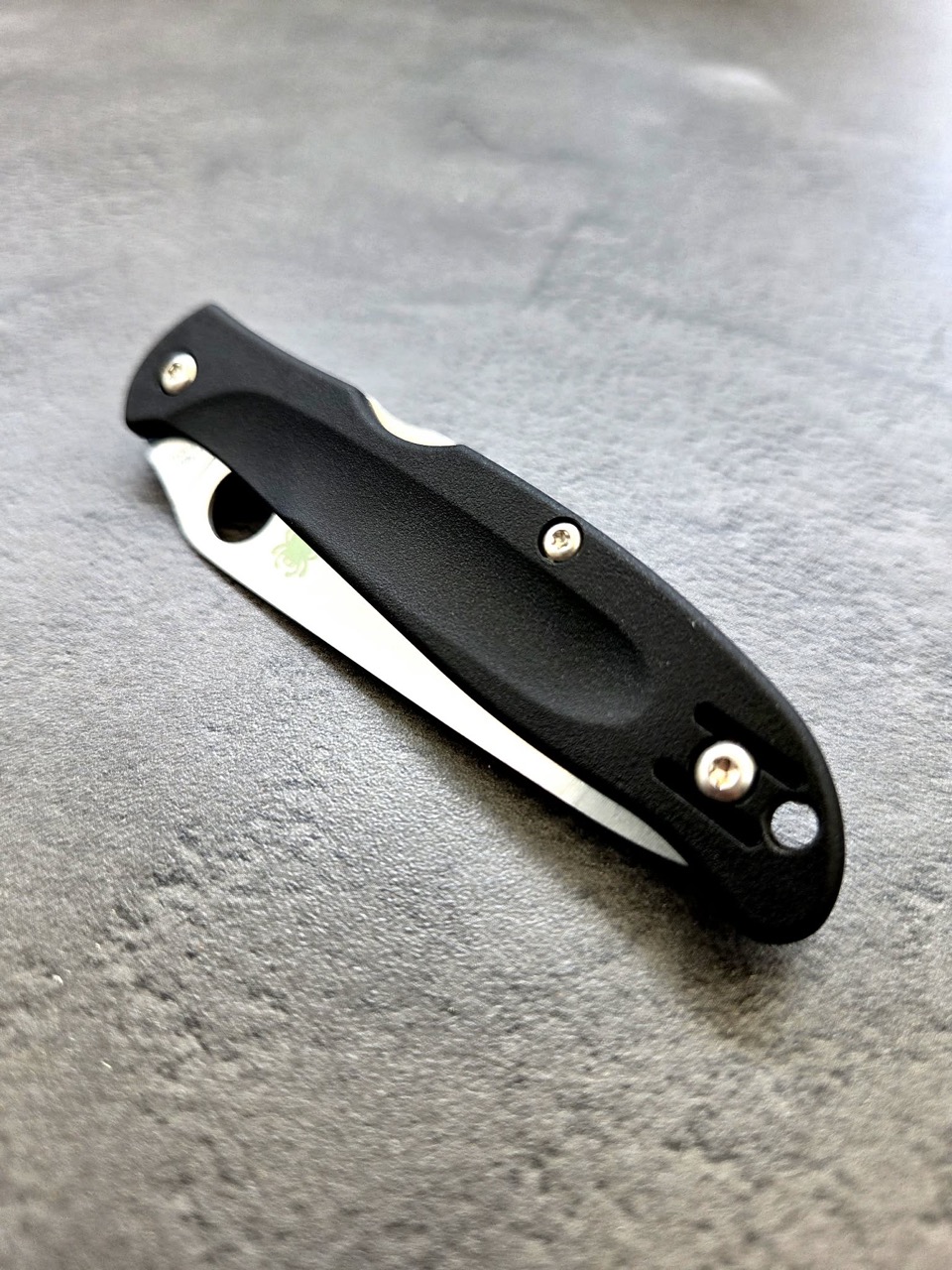
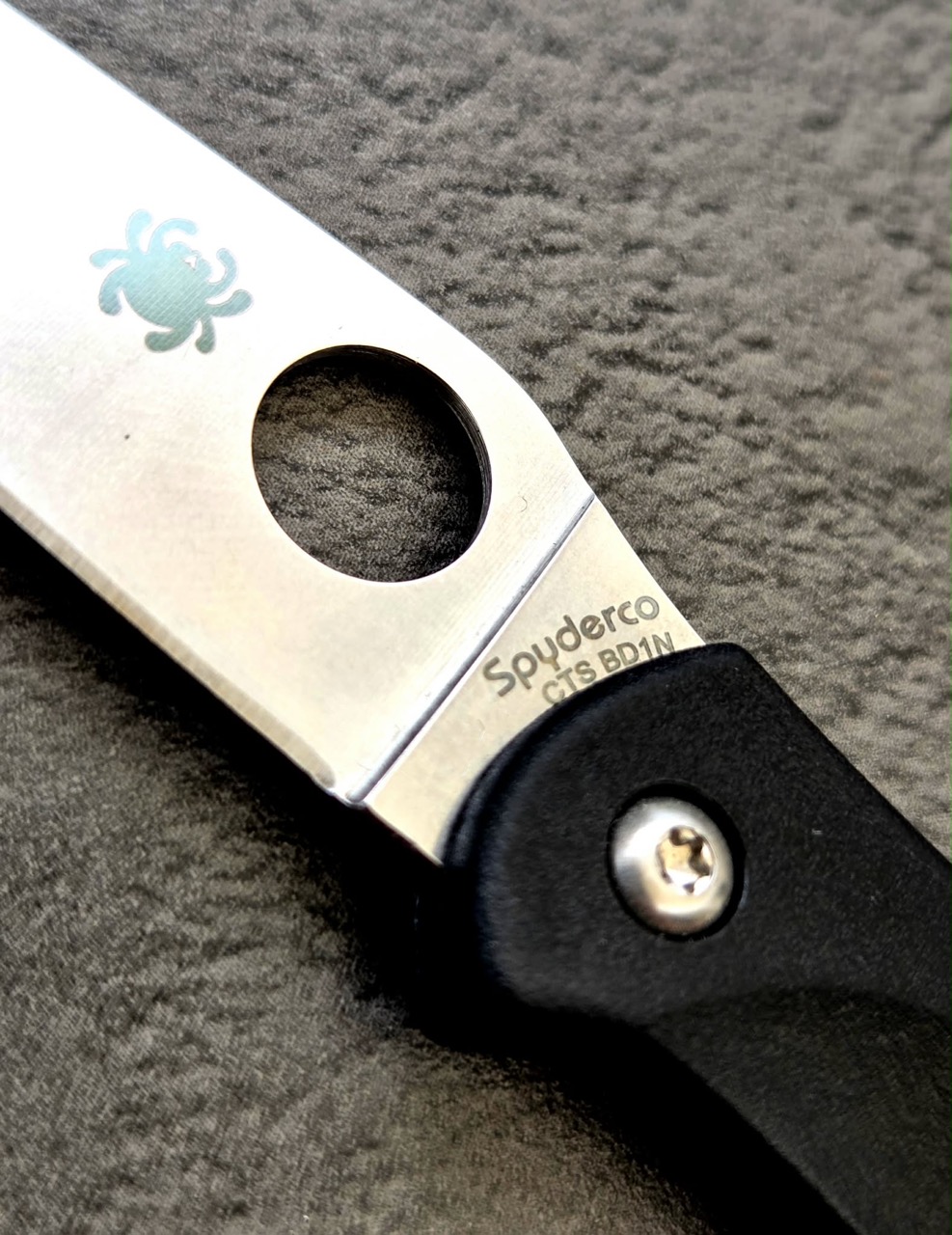
Forget exotic steels, elaborate handle designs, or ultra-premium materials. The Charisma embraces simplicity with a refreshingly straightforward specification sheet:
- CTS BD1N stainless steel
- Textured FRN handle
- Weight: 23 g (0.81 oz)
- Overall length: 173 mm (6.81”)
- Closed length: 97 mm (3.82”)
- Cutting edge: 71 mm (2.80”)
There are no flashy specifications or exotic materials here. Instead, Spyderco has focused on what truly matters: creating an exceptionally practical everyday carry knife. That’s exactly where the Charisma excels.

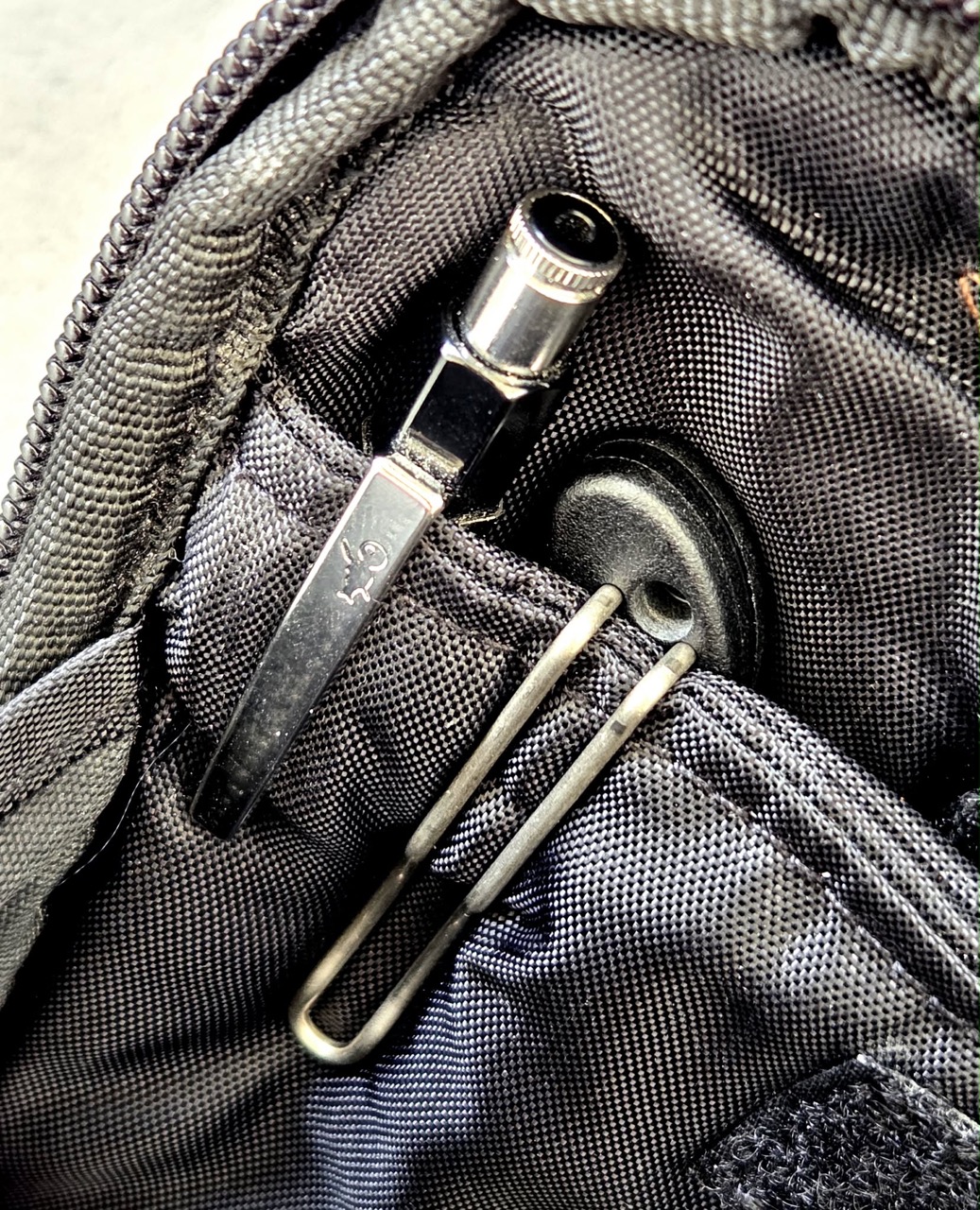
As a Frenchman, the Charisma brings back memories of the simple little pocket knives that were always tucked away in my pocket as a kid. Like those knives, it virtually disappears in your pocket or organizer pouch. At just 23 grams, it’s so light and unobtrusive that you’ll soon forget you’re even carrying it.
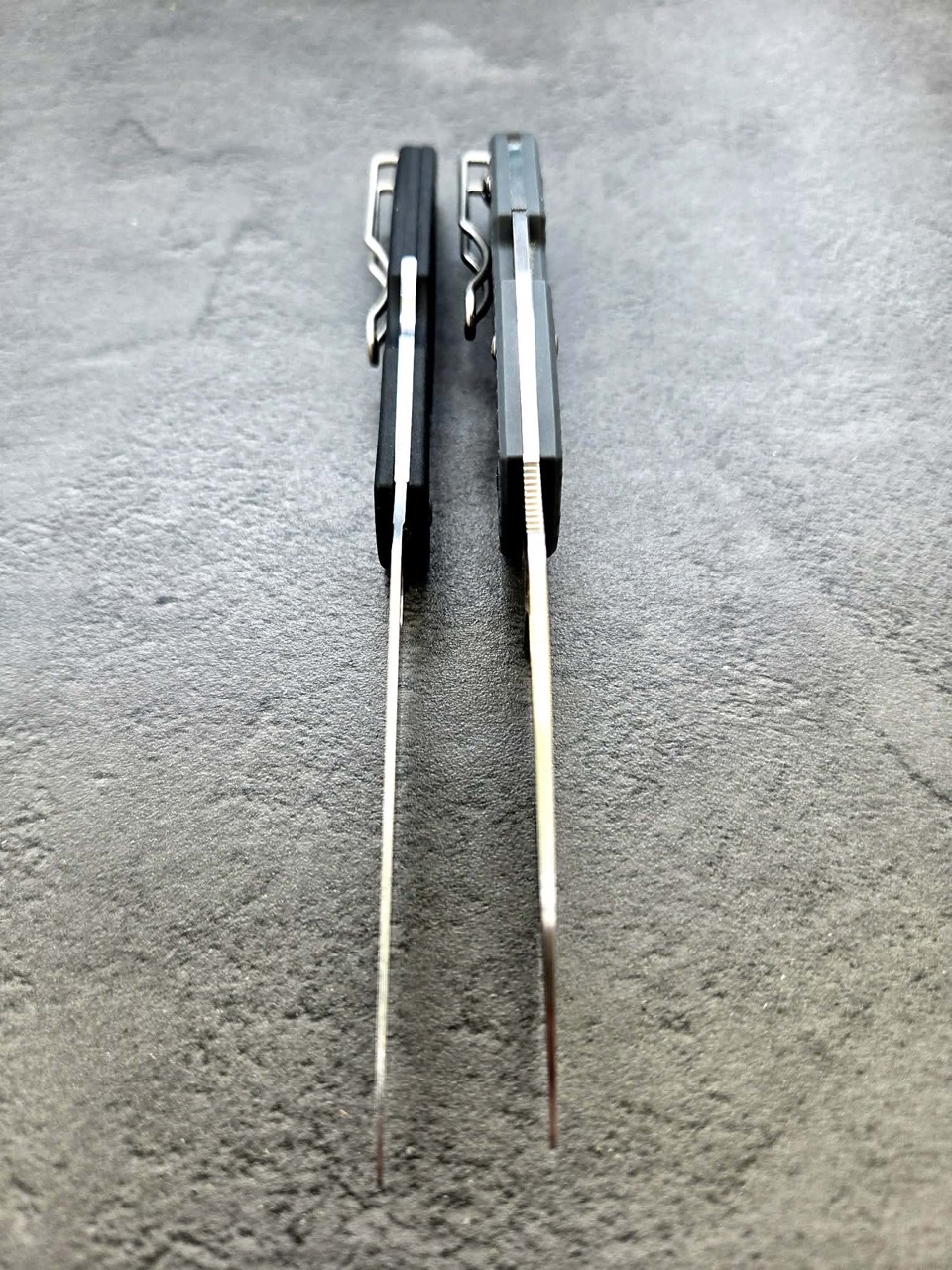

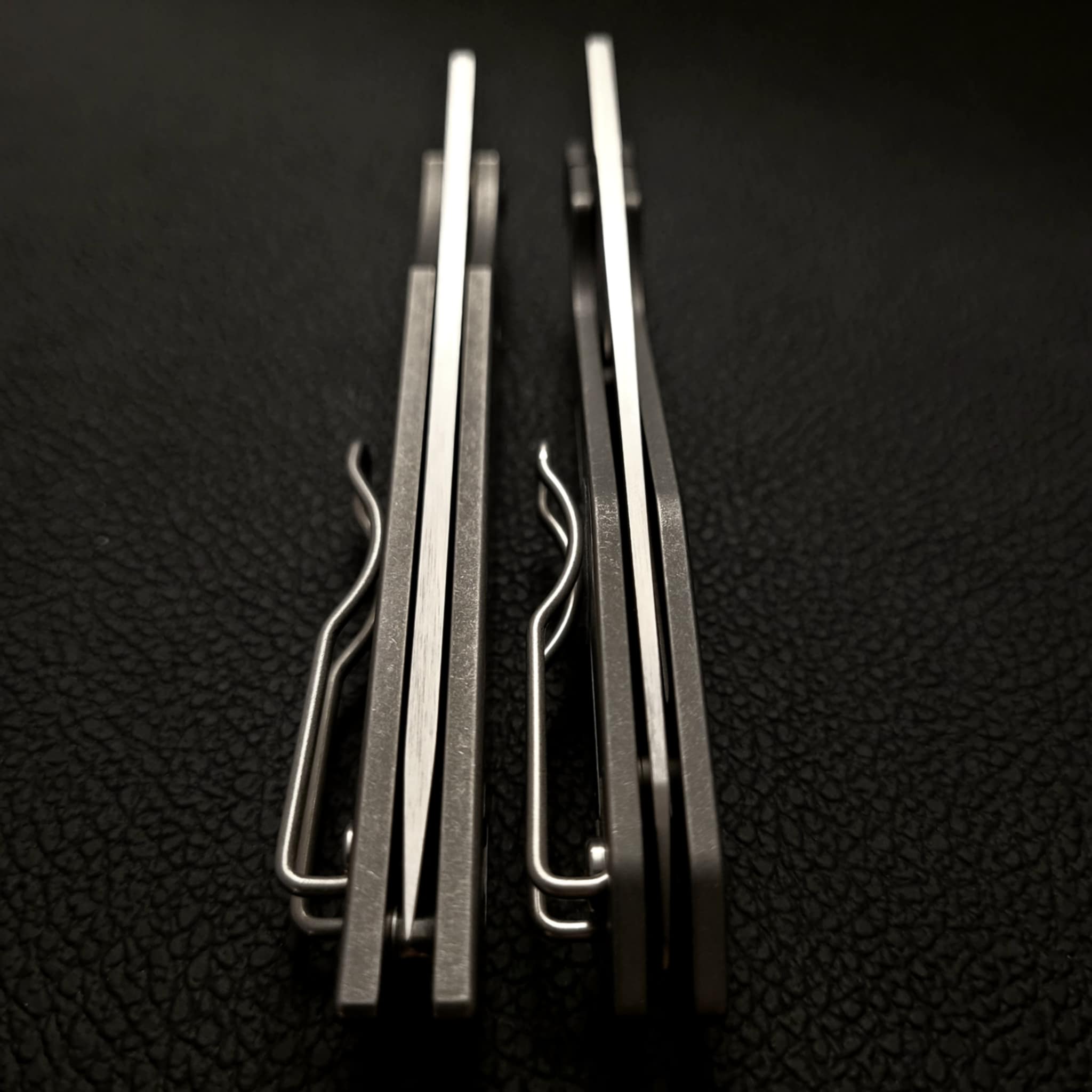
With a blade measuring just over 1 mm thick, the Charisma is an exceptional slicer. In fact, it may even edge out the already legendary Chaparral when it comes to cutting performance.

That incredibly thin blade also gives it a surprising amount of flexibility, allowing it to bend slightly under load while remaining remarkably resistant to twisting during normal cutting tasks.
Whether you’re slicing a steak at a restaurant, peeling an apple, preparing lunch for a picnic, opening packages, or tackling everyday cutting tasks, the Charisma handles them all with remarkable ease.

Versatility is the Charisma’s defining trait. Everyday cutting tasks are effortless, but make no mistake—this is an urban EDC, not a hard-use outdoor knife. Leave batoning and abusive camp chores to larger, more robust folders. The Charisma excels where most knives spend their lives: opening mail, cutting cordage, breaking down packaging, preparing food, and quietly taking care of the countless small tasks that make up everyday life.
Sometimes, the best knife isn’t the one that draws attention—it’s the one you forget you’re carrying until the moment you need it. The Spyderco Charisma captures that idea perfectly.



 NemoKnivesReview