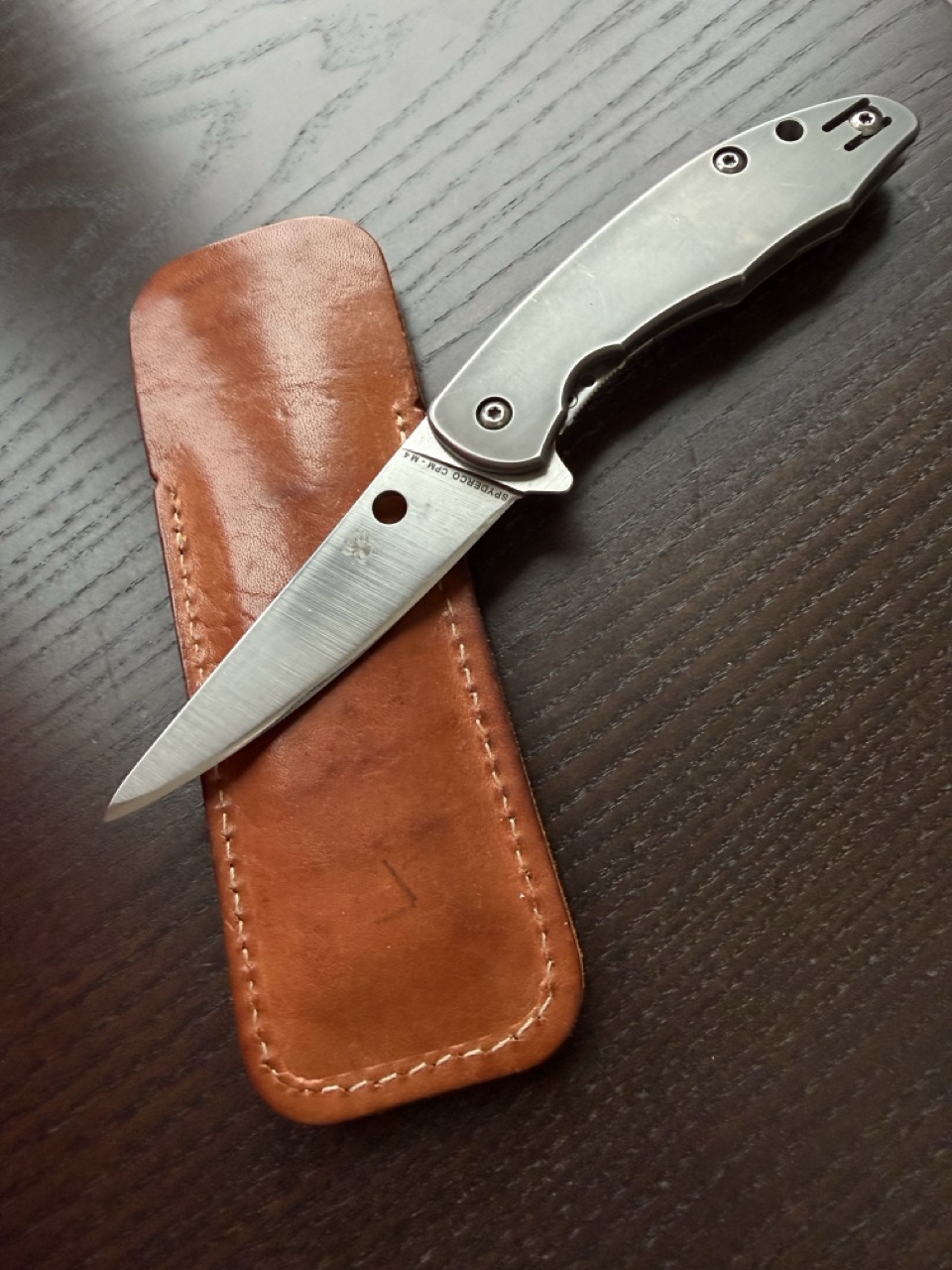
In 2026, does the decade-old Mantra 2 still have what it takes to stay relevant?
(For the record, the Spyderco Mantra 2 is a flipper-style folding knife. It features ergonomic twin titanium handle scales, a robust Reeve Integral Lock, and a lightweight open-backed construction. Its narrow drop-point profile suits a wide range of cutting tasks, and it opens quickly via an integral flipper and ball-bearing pivot.)
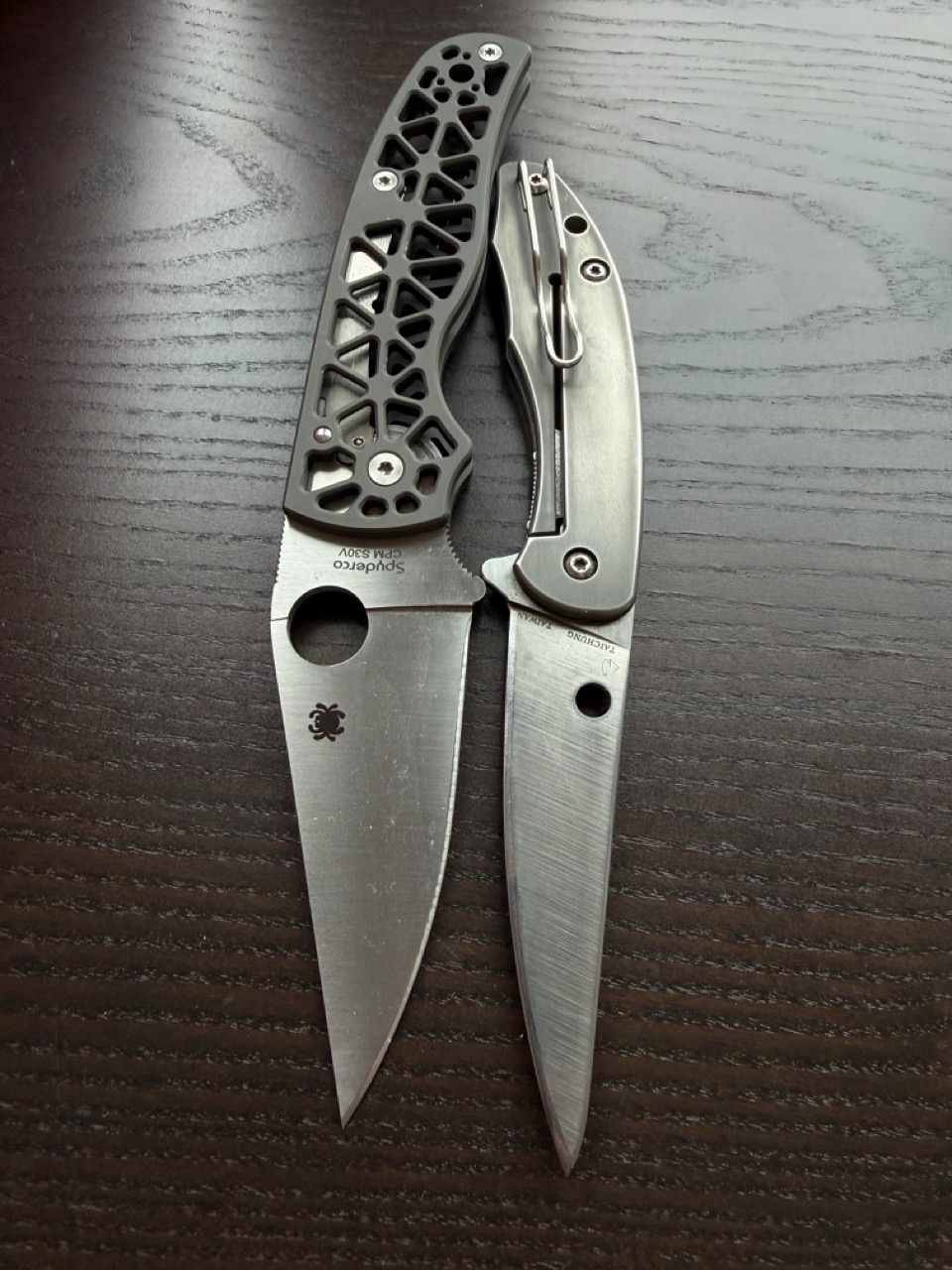
This question inevitably comes to mind when placing it next to the Edgerati, you know ? It’s that beautifully executed modern lightweight workhorse that embodies contemporary folding-knife design. On the surface, the comparison might seem unfair. The Mantra 2 belongs to an earlier design generation, one that predates today’s obsession with extreme lightness and visual minimalism. Yet, in actual use, the gap is far narrower than expected.
One aspect where Eric Glesser’s design continues to impress me is that blade-to-handle ratio. It remains among the most efficient in its class, extracting maximum cutting edge from a remarkably compact footprint. This efficiency translates directly into real-world ergonomics, with no sense of compromise in grip or control.
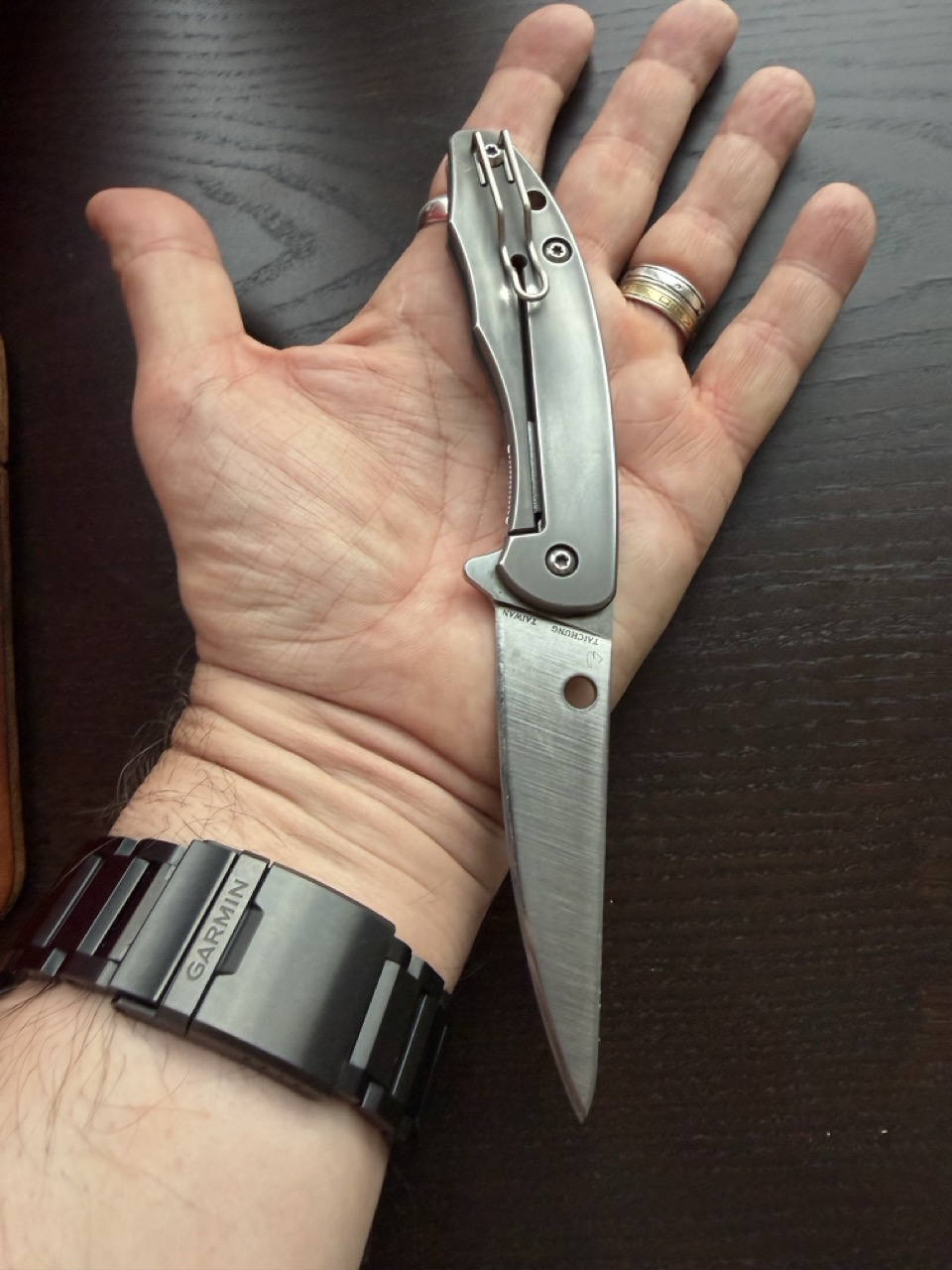
Pocket carry is another domain in which the Mantra 2 quietly exceeds expectations. Its footprint is remarkably discreet—once clipped in place, the slim, folded knife nearly vanishes. In daily carry, it becomes an almost invisible companion, a subtlety that even many newer designs struggle to achieve despite advances in materials and manufacturing.
A decade on, the Mantra 2 shows no signs of obsolescence. Rather, it stands as a testament to the enduring value of thoughtful fundamentals and intelligent proportions, which age far more gracefully than fleeting trends. It has been wielded in the kitchen, carried deep into the woods, relied upon as a traveling companion, and pressed hard into demanding materials—yet it continues to perform flawlessly, a quiet tribute to its lasting design.
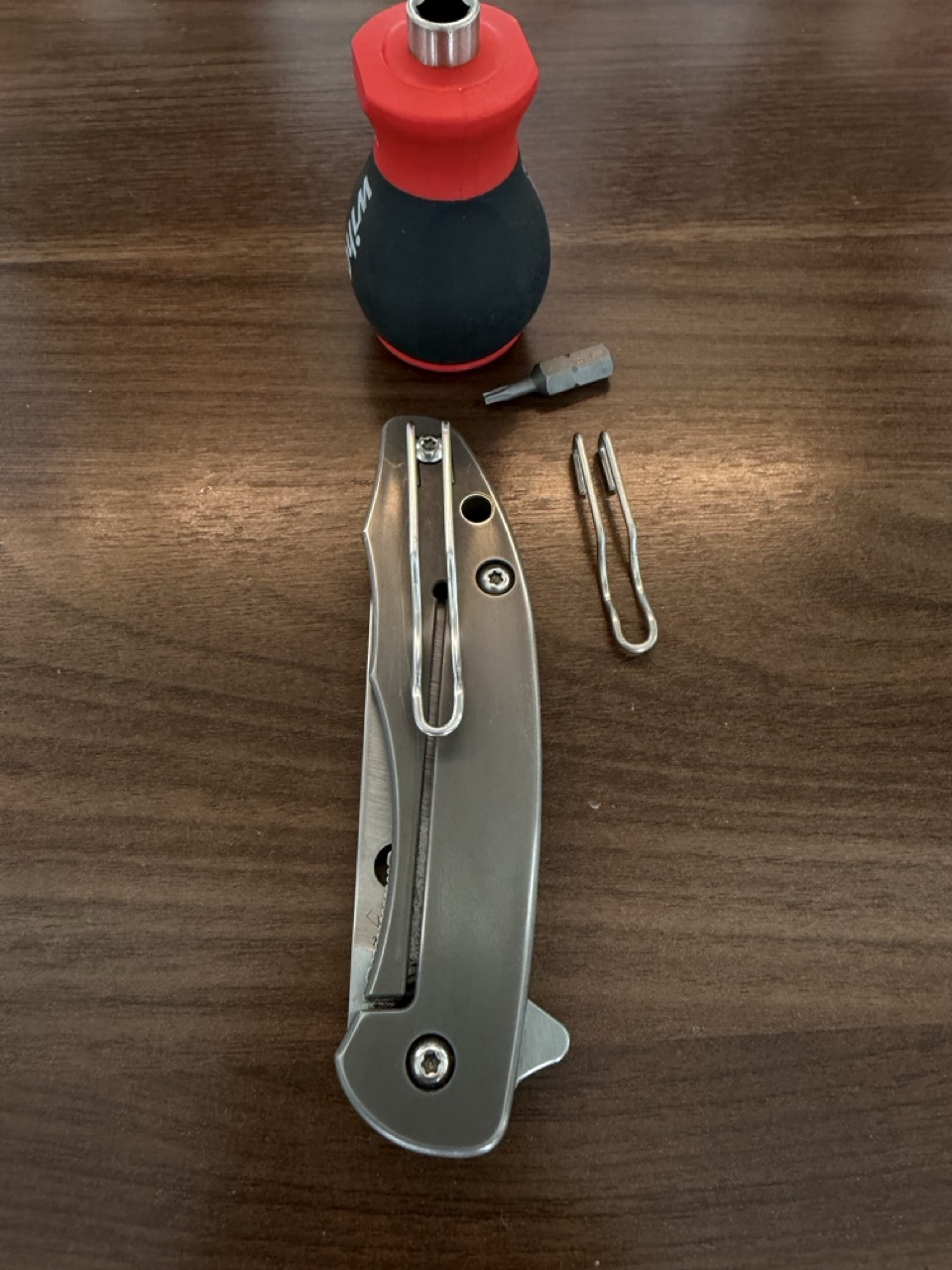
Along the way, I decided to upgrade the Mantra 2 with a shorter mini pocket clip—the kind found on the Lil’ Native Compression Lock, the Microjimbo, or the Dragonfly. A seemingly minor adjustment, it nevertheless has a surprisingly tangible impact on daily carry, subtly refining accessibility and pocket presence without altering the knife’s elegant proportions.
The shorter clip further reduces the knife’s visual footprint in the pocket, enhancing an already discreet carry profile. More importantly, it improves comfort in motion, removing any unnecessary contact points while preserving secure retention, making the Mantra 2 feel almost weightless and effortless throughout the day.
This small modification feels entirely in line with the original design philosophy of the Mantra 2: efficiency over excess, function over spectacle. Rather than altering the knife’s character, the shorter clip refines it, subtly updating the platform without betraying its intent.
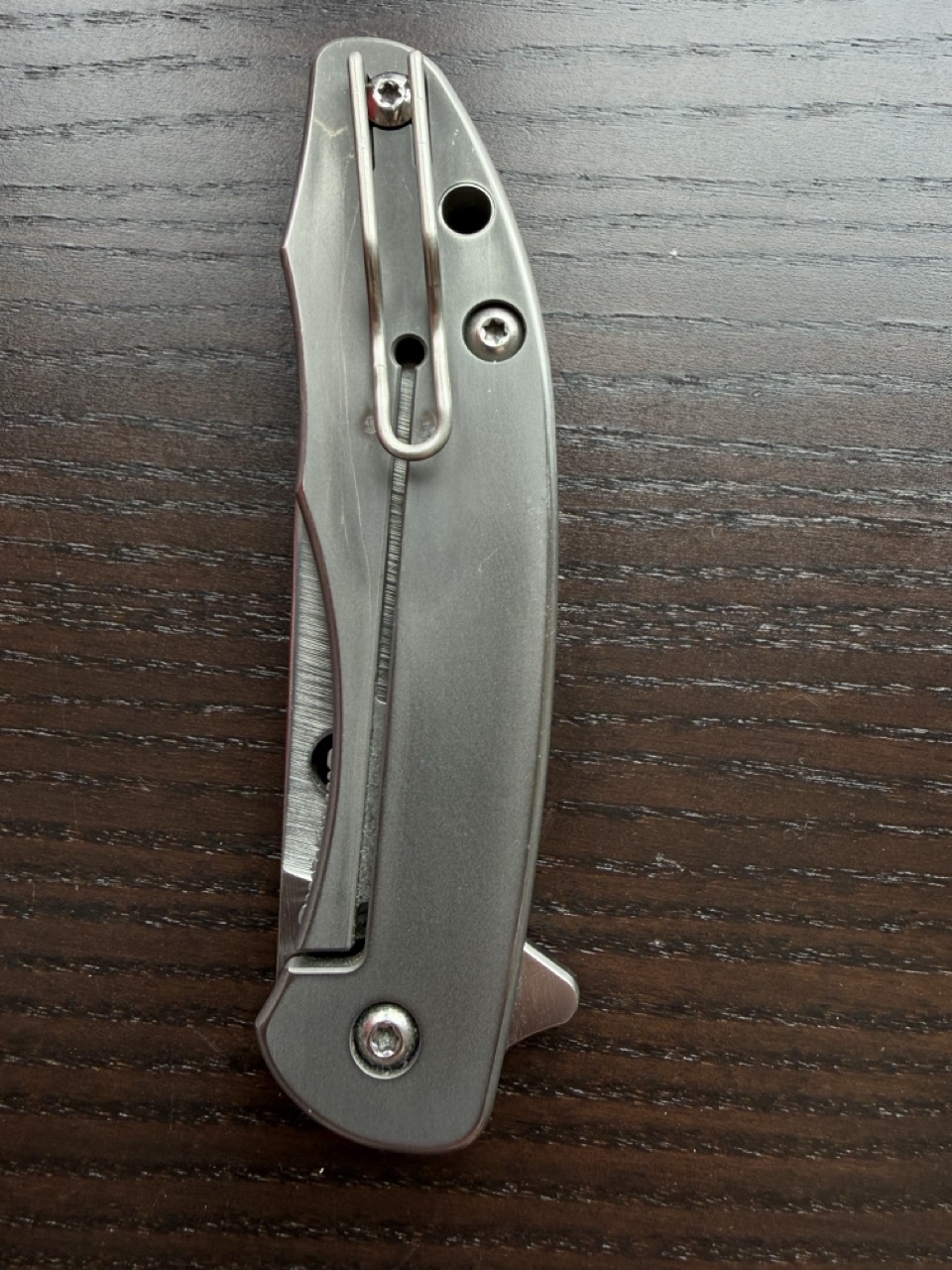
In a way, this simple upgrade underscores the enduring strength of the Mantra 2’s design. A decade on, the knife requires no reinvention—its fundamentals remain exemplary. One minor critique persists: I’ve never been particularly fond of the small Trademark Round Hole™, which tends to trap debris and demands occasional cleaning. Personally, I would have preferred a simple laser-engraved circle as Spyderco’s signature—subtle, elegant, and maintenance-free.
Even so, the knife’s core mechanics continue to impress. After ten years of regular use, the liner lock has not shifted a single bit. Its stability and reliability remain flawless, a quiet testament to Spyderco’s engineering and the robustness of the Reeve Integral Lock.
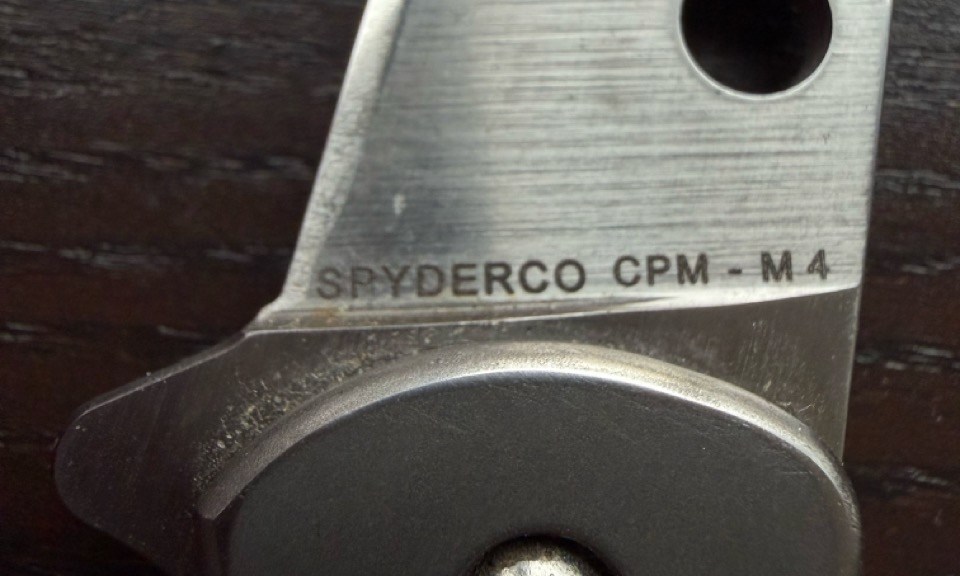
It is also worth remembering that the Mantra 2’s blade is crafted from CPM M4, a choice that says a great deal about the era—and the intent—behind the design. At the time, M4 was far from a marketing buzzword. It was selected for performance, not for trend alignment.
In use, CPM M4 still delivers what made it so respected: outstanding edge retention, a fine, aggressive cutting feel, and a toughness that inspires confidence during harder, more demanding tasks. Even when compared to newer powder metallurgy steels, it remains deeply relevant, particularly for users who prioritize cutting performance over corrosion resistance.
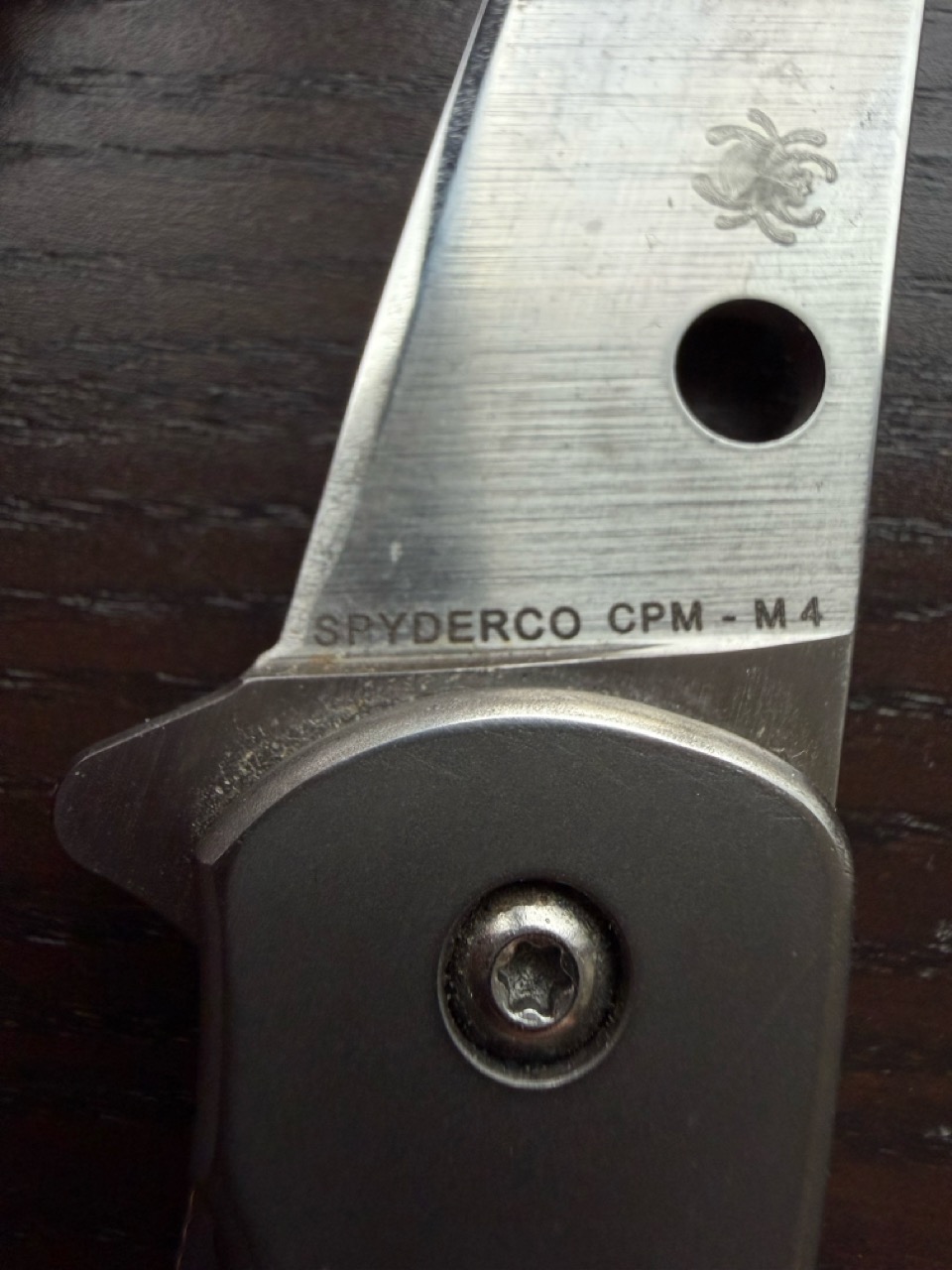
On this particular example, the steel is allowed to fully express its potential thanks to the work of my friend JD, who polished and sharpened the blade with remarkable efficiency. His edge work brings out everything M4 has to offer, resulting in a cutting performance that feels both refined and uncompromising. His skill is undeniable, and it shows immediately in use.
Of course, M4 comes with its own expectations. It asks for a certain level of care, a willingness to maintain the blade and accept patina as part of its character. Yet this trade-off feels entirely coherent with the Mantra 2’s tool-first philosophy. Rather than chasing stainless convenience, it embraces performance and durability.
A decade on, the CPM M4 blade reinforces the sense that the Mantra 2 was designed as a serious cutting instrument first—and as an object of design second. In 2026, that approach feels less dated than it does refreshingly honest.
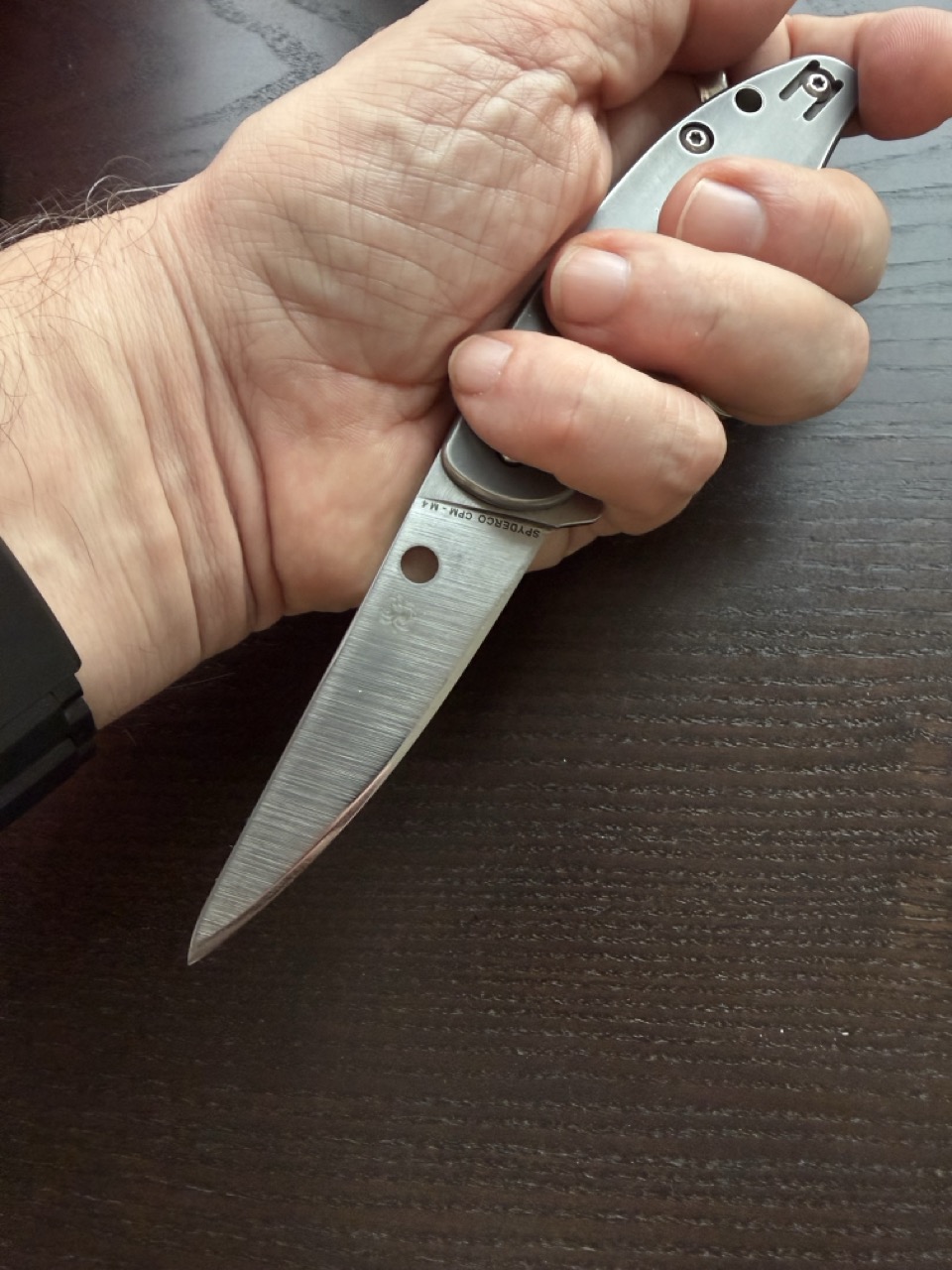
Set against the PITS 2 in Böhler M398, the Mantra 2 reveals just how differently two knives can approach the same everyday cutting mission. Where the PITS 2 leans heavily into modern metallurgy, with M398 offering extreme edge retention and near-total corrosion resistance, the Mantra 2 counters with a more tactile, tool-driven philosophy embodied by CPM M4.
The PITS 2 feels engineered for low-maintenance efficiency: a steel designed to hold an edge seemingly forever, largely indifferent to environment or neglect. In contrast, the Mantra 2 demands engagement. Its M4 blade rewards attention, maintenance, and sharpening skill with a cutting feel that remains distinctly more aggressive and communicative.
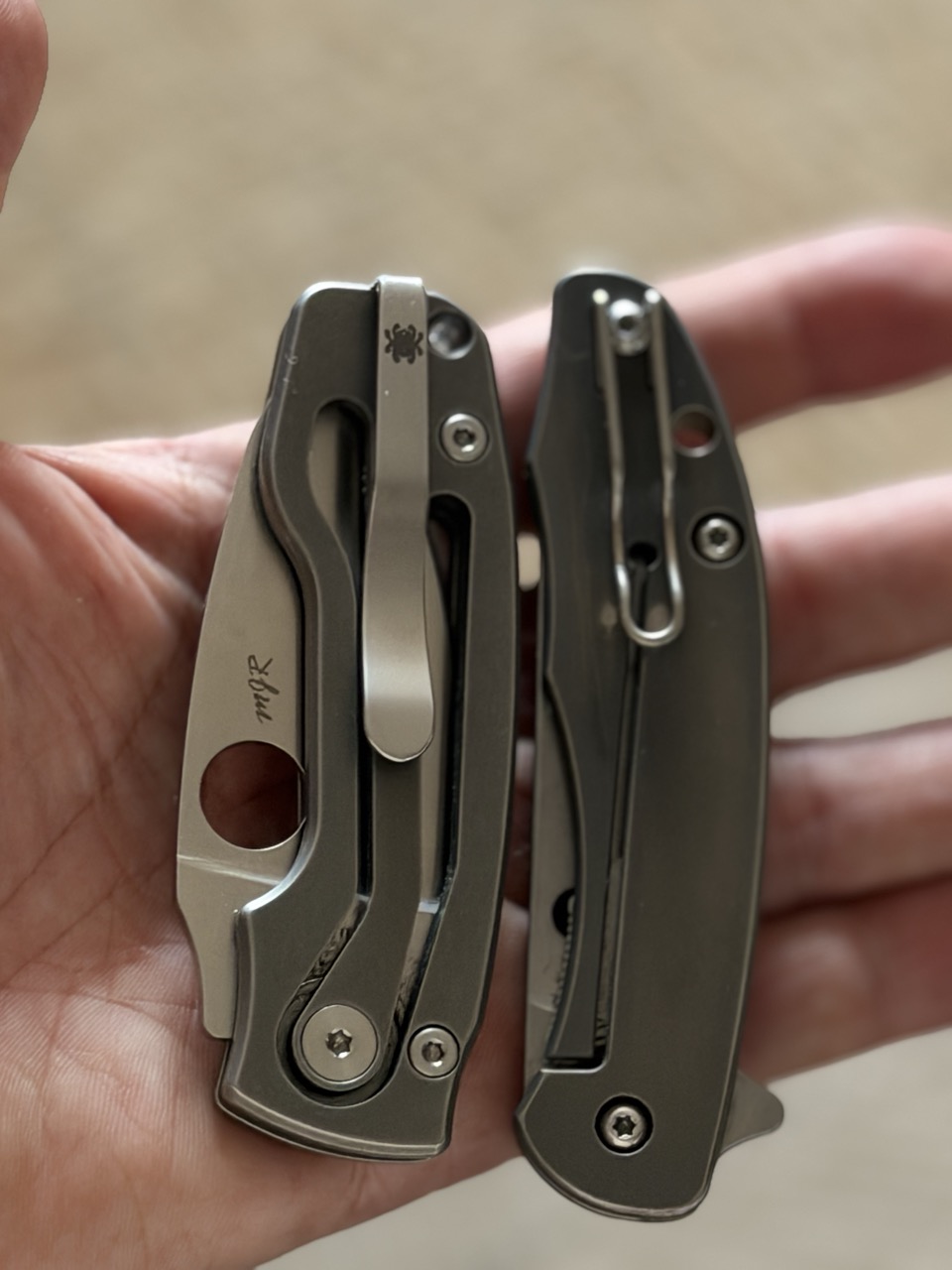
In practical terms, the difference is less about absolute performance and more about attitude. The PITS 2 represents the pinnacle of contemporary refinement—clean, controlled, and technically flawless. The Mantra 2, meanwhile, feels more alive. It is a knife that invites use, interaction, and care, developing character over time rather than resisting it.
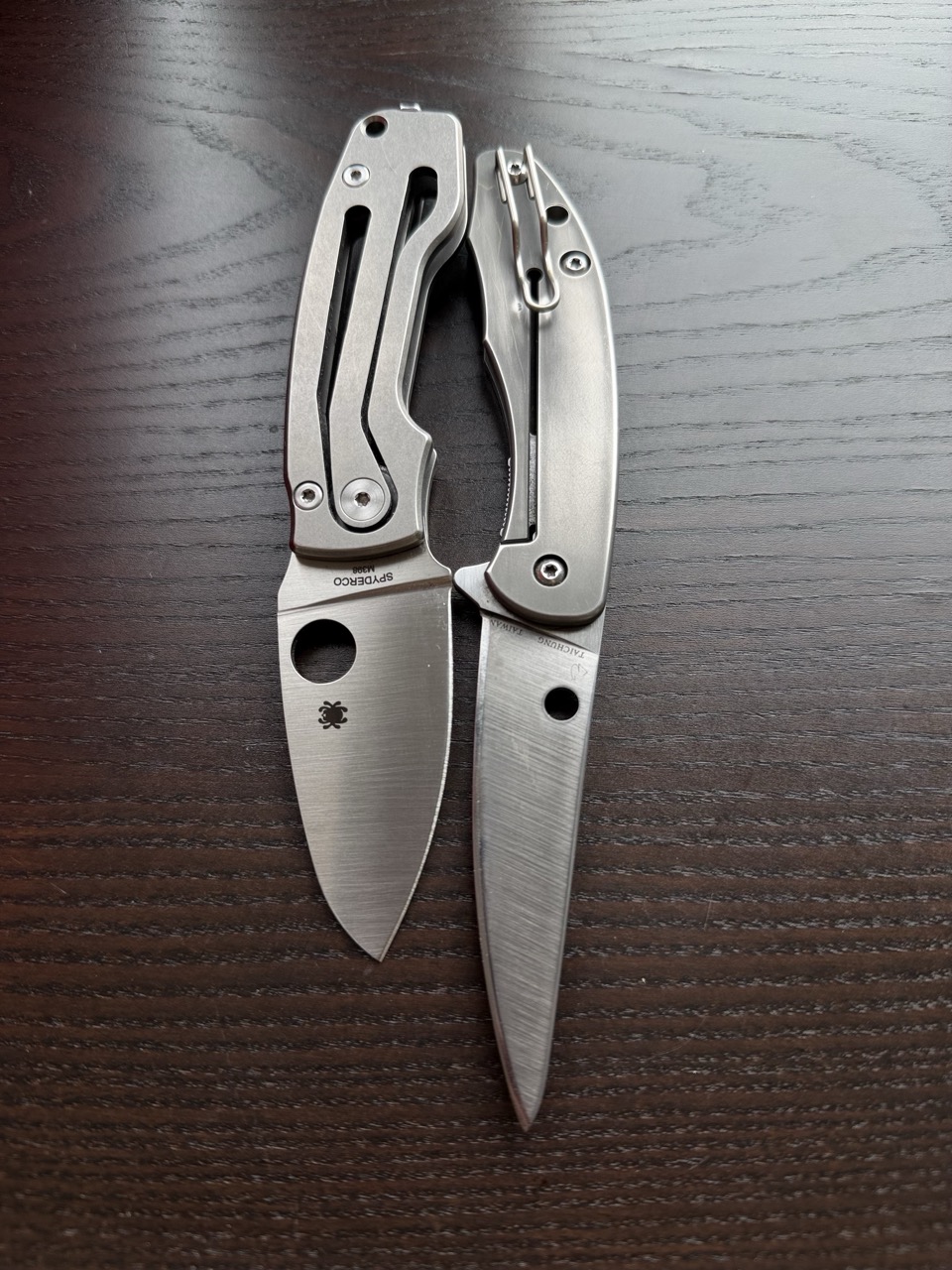
In 2026, choosing between the two is not a question of old versus new, but of values. The PITS 2 in M398 showcases where modern EDC design has arrived. The Mantra 2 in CPM M4 reminds us why performance-driven fundamentals still matter—and why some designs age not by fading, but by deepening.
Ultimately, the Mantra 2 (linked to JD review)remains an outstanding choice in 2026. Its exceptional blade-to-handle ratio and discreet, effortless portability continue to set a benchmark that many newer designs still struggle to match.
Notably, my own example—part of the very first generation—has never exhibited the slightest issue with its ball-bearing pivot. A decade on, it operates with the same smoothness and reliability as it did out of the box.
Proof, if any were needed, that strong proportions, intelligent engineering, and a focus on real-world use can stand the test of time.
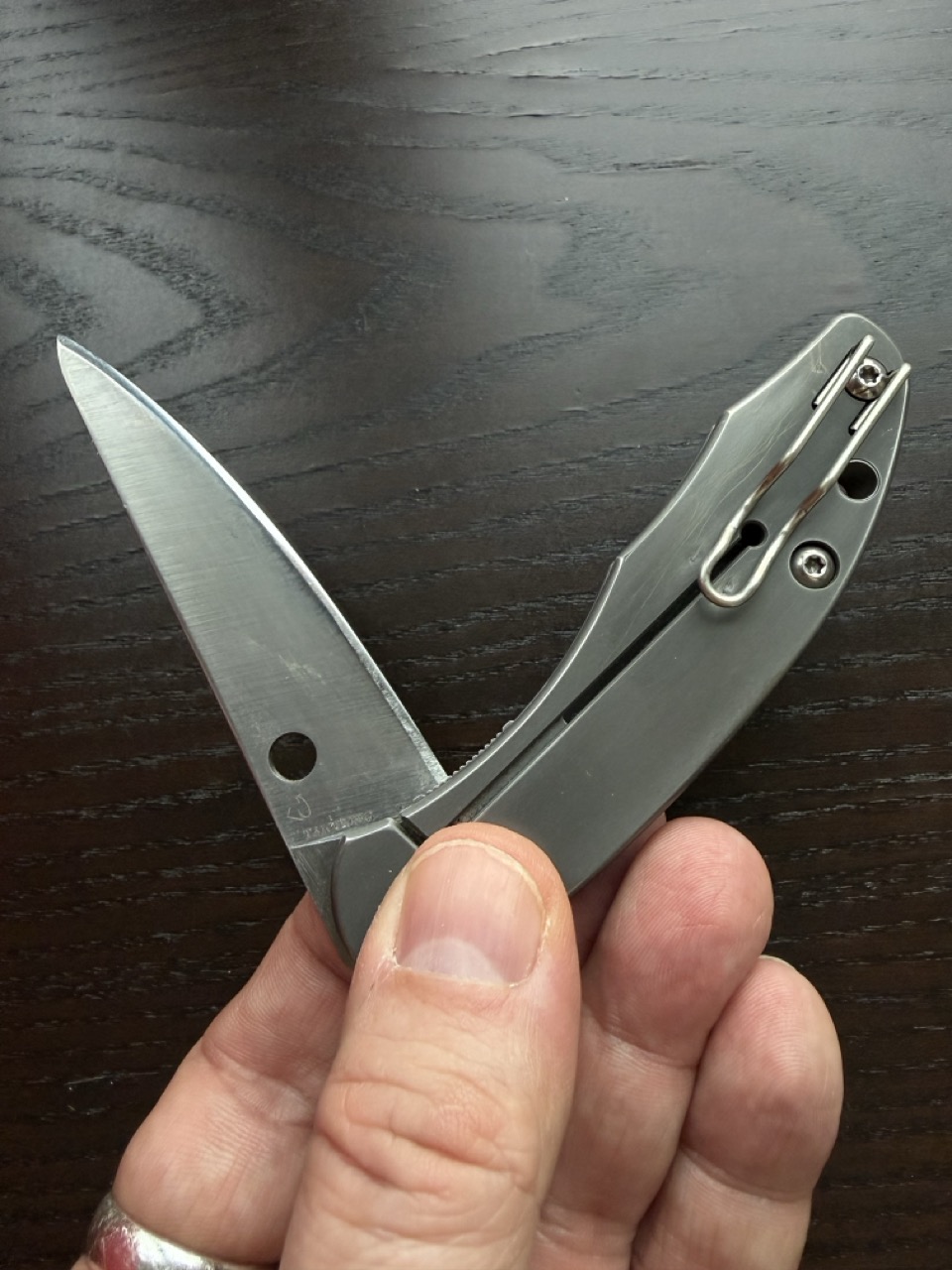
The Mantra 2 is a pure flipper workhorse.
 NemoKnivesReview