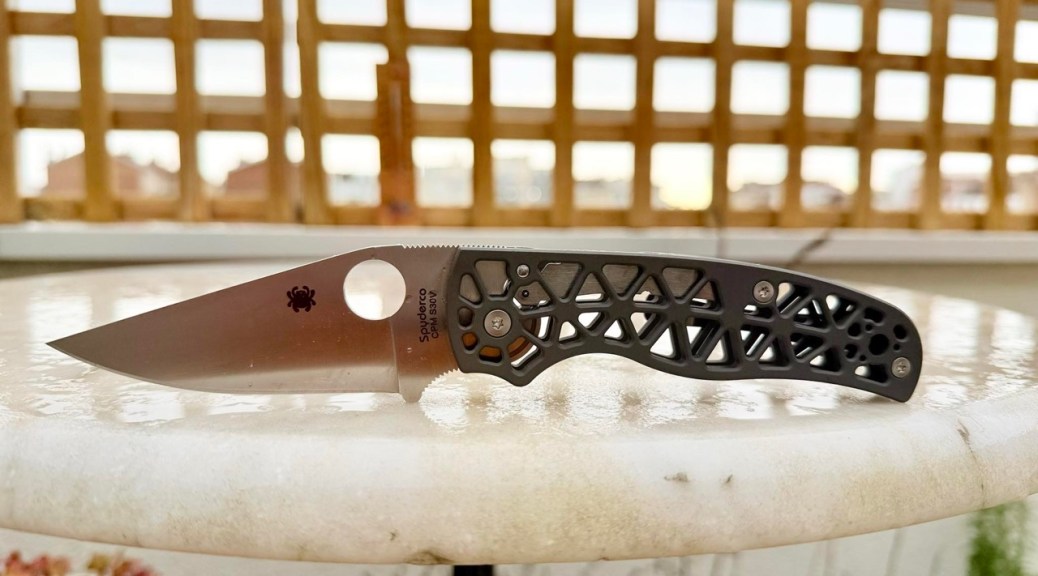
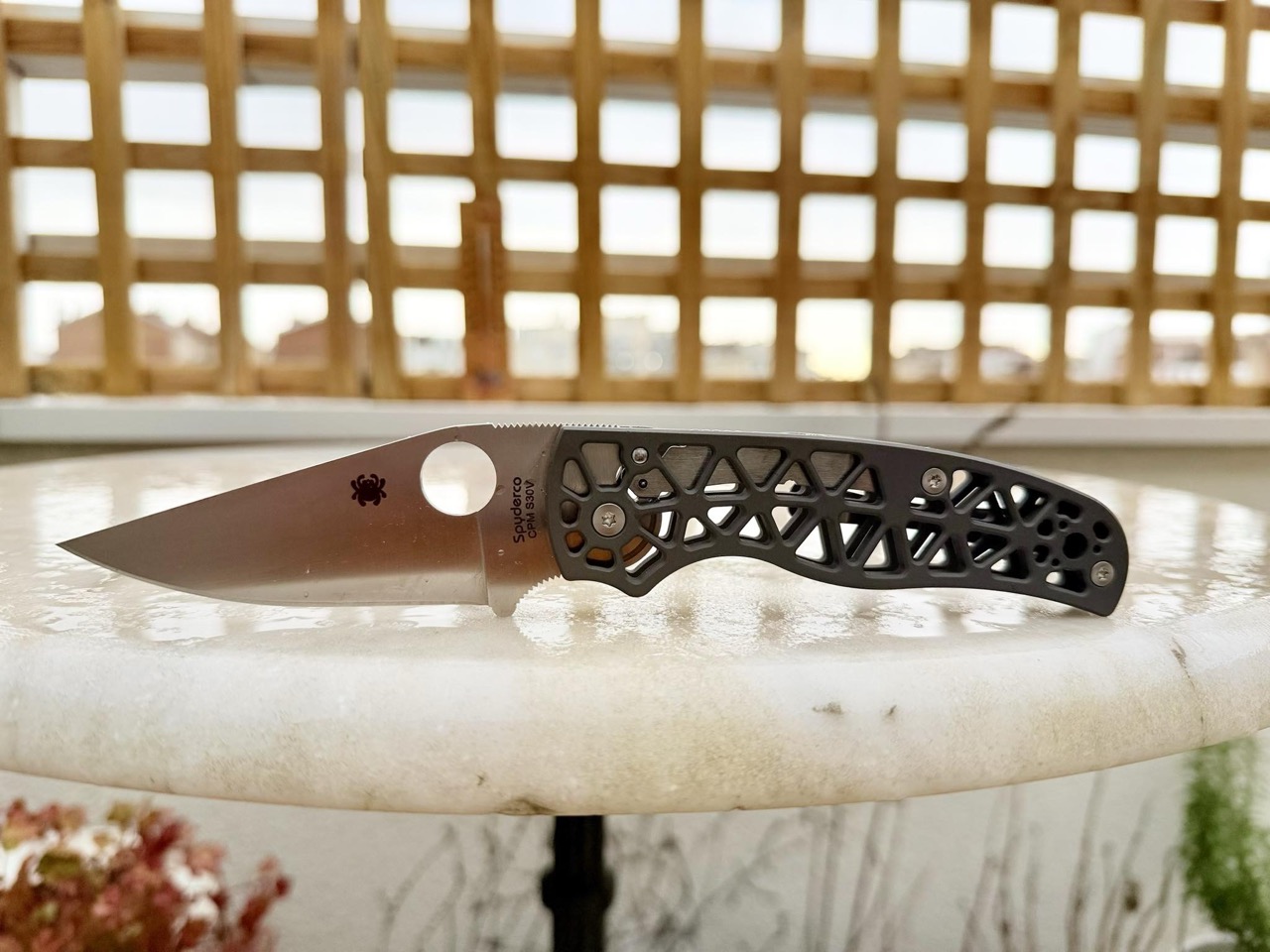
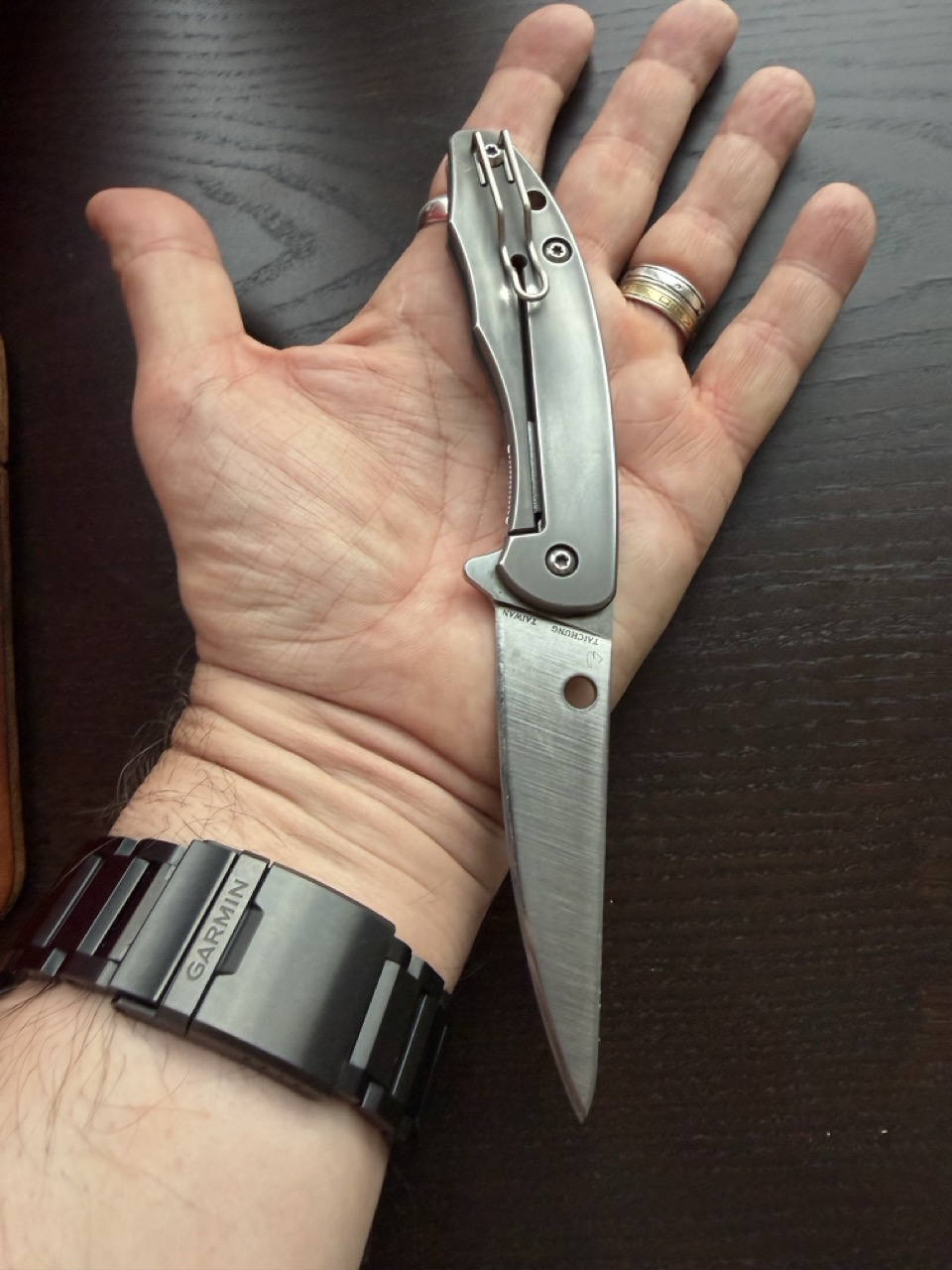
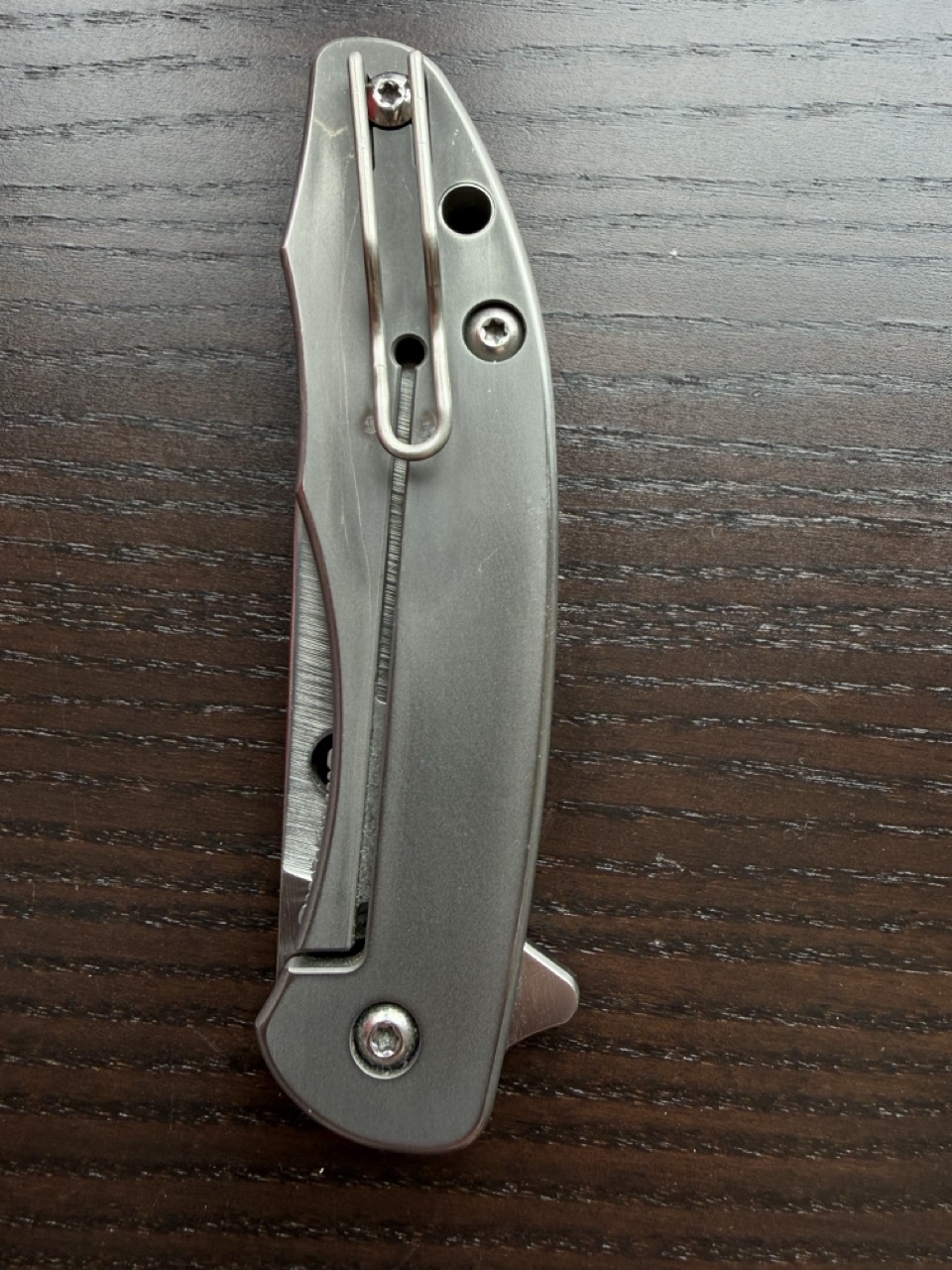
The Edgerati is a knife meant to be seen. Concealed use is not its calling; it is designed to be displayed. This intent is immediately evident in the intricacy of its handle, crafted from aerospace-grade aluminum—a material currently coveted in both automotive and mobile technology. Its aesthetic is at once modern and authoritative, a subtle nod to industrial sophistication.
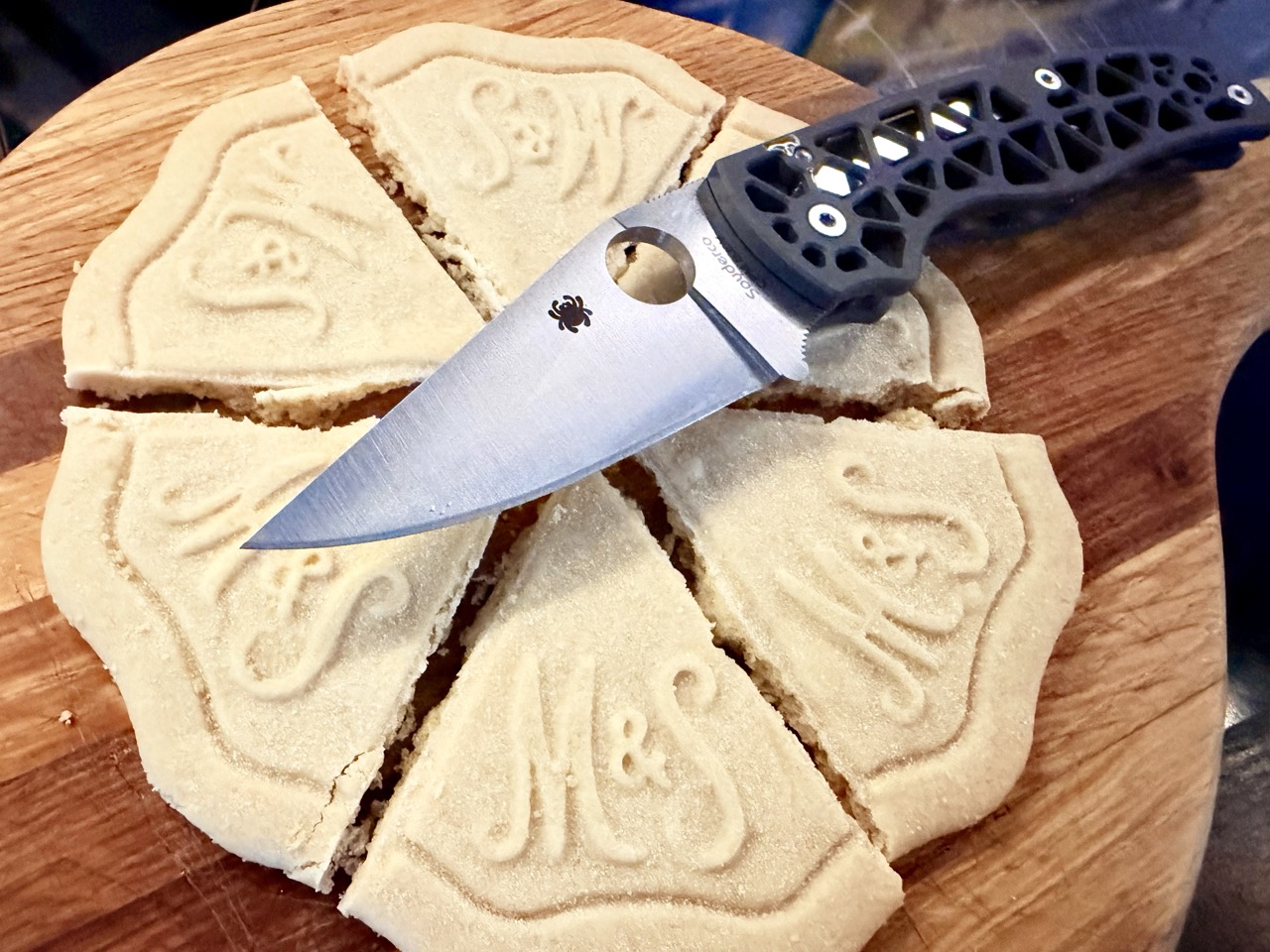
This folding cutting tool feels as though it stepped straight out of a James Cameron film—somewhere between The Terminator, Aliens, and Avatar. With its feather-light, aerospace-grade construction and unapologetically high-tech design, it belongs as naturally on Pandora—clipped to the gear of a frontier colonist—as it does in the pocket of a discerning collector. Sleek, precise, and unmistakably futuristic, it carries the kind of visual authority that would make it an effortless on-screen presence: a prop that doesn’t just look the part, but performs with the same credibility in the real world as it would under cinematic scrutiny.
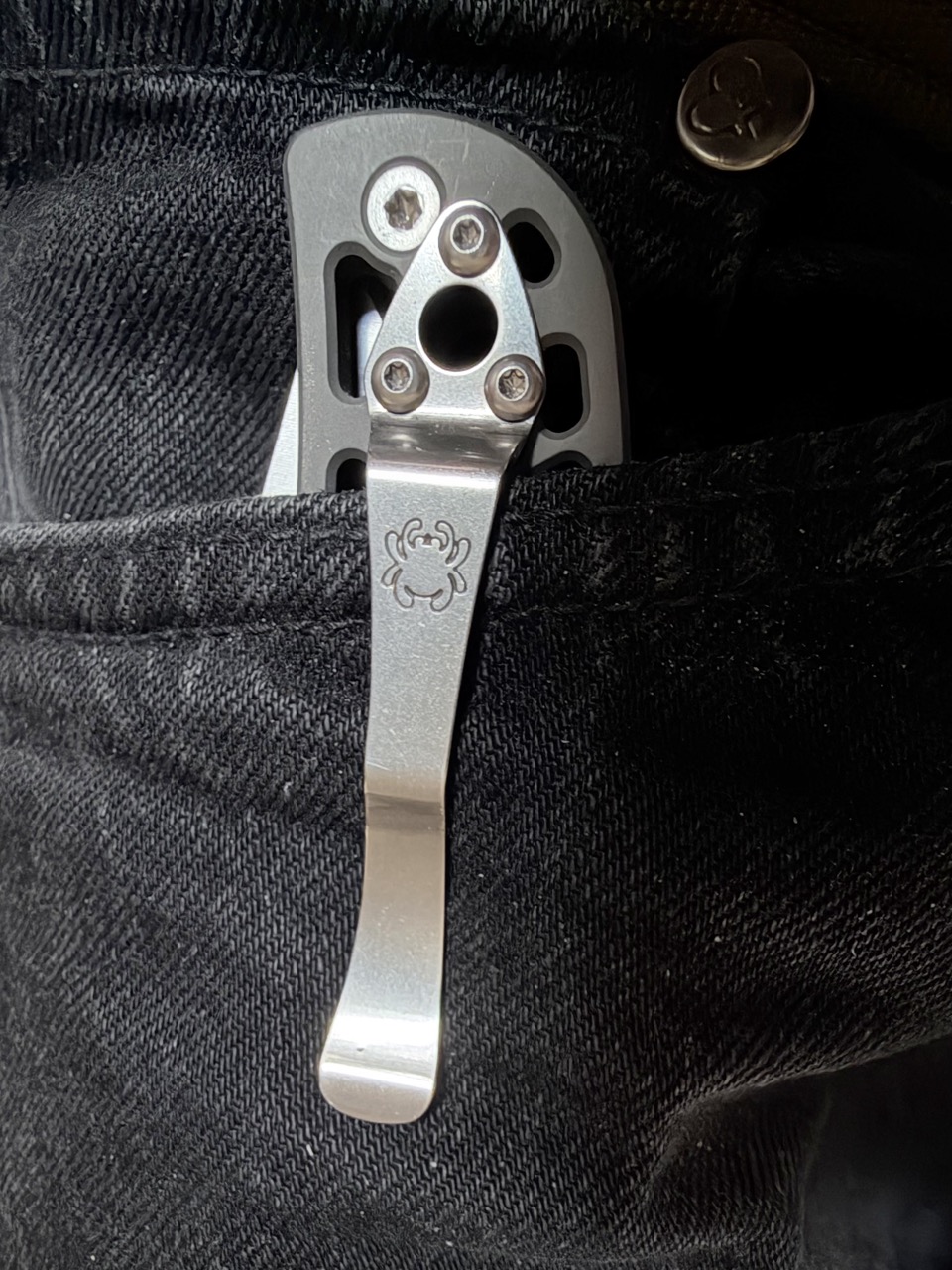
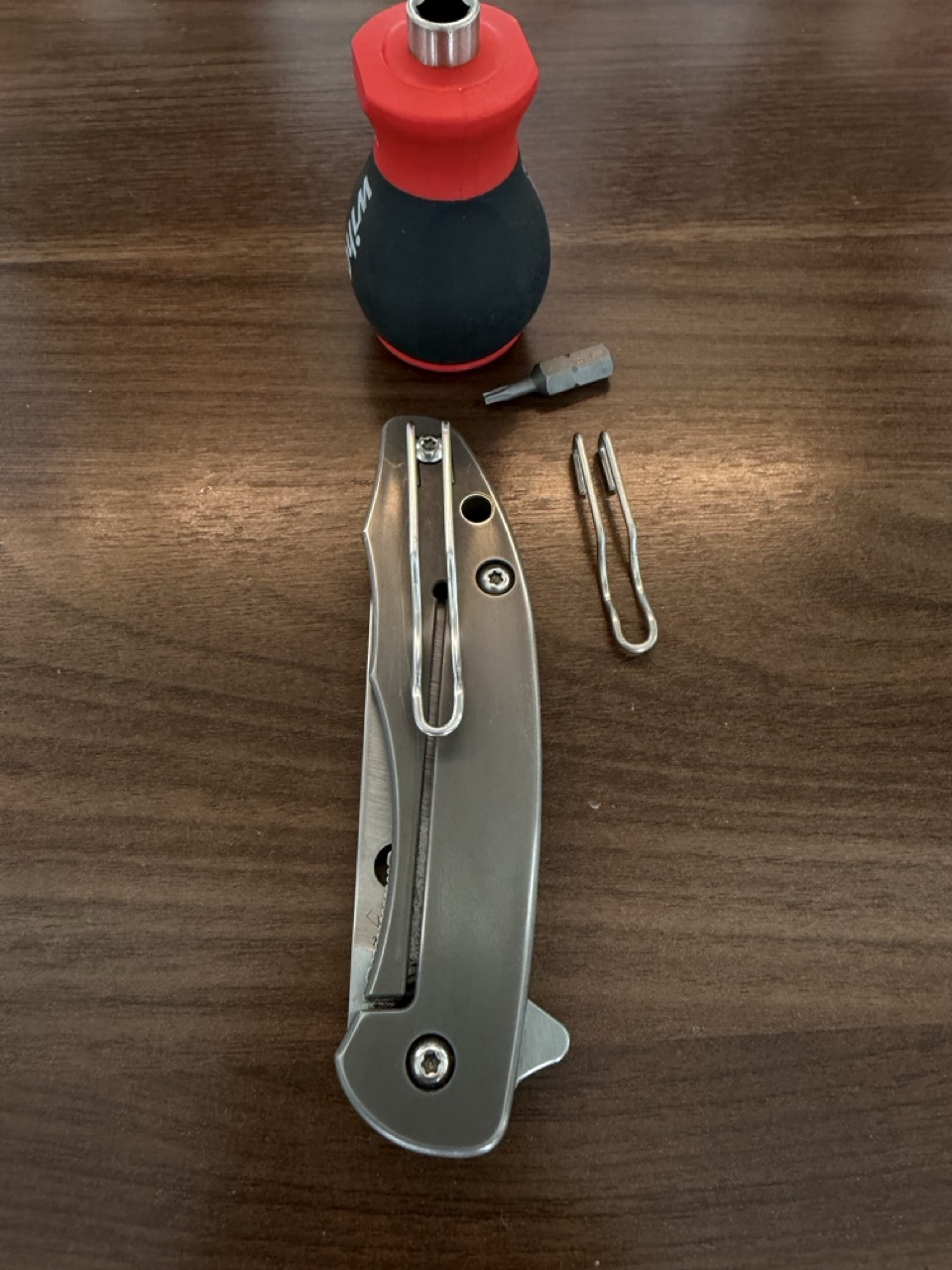
The clip positions the knife prominently in the pocket, foregoing deep-carry discretion for confident visibility. For those who prioritize subtlety, this may give pause—but the Edgerati embraces its presence unapologetically. Lightweight yet commanding, it wears its virtues with pride.
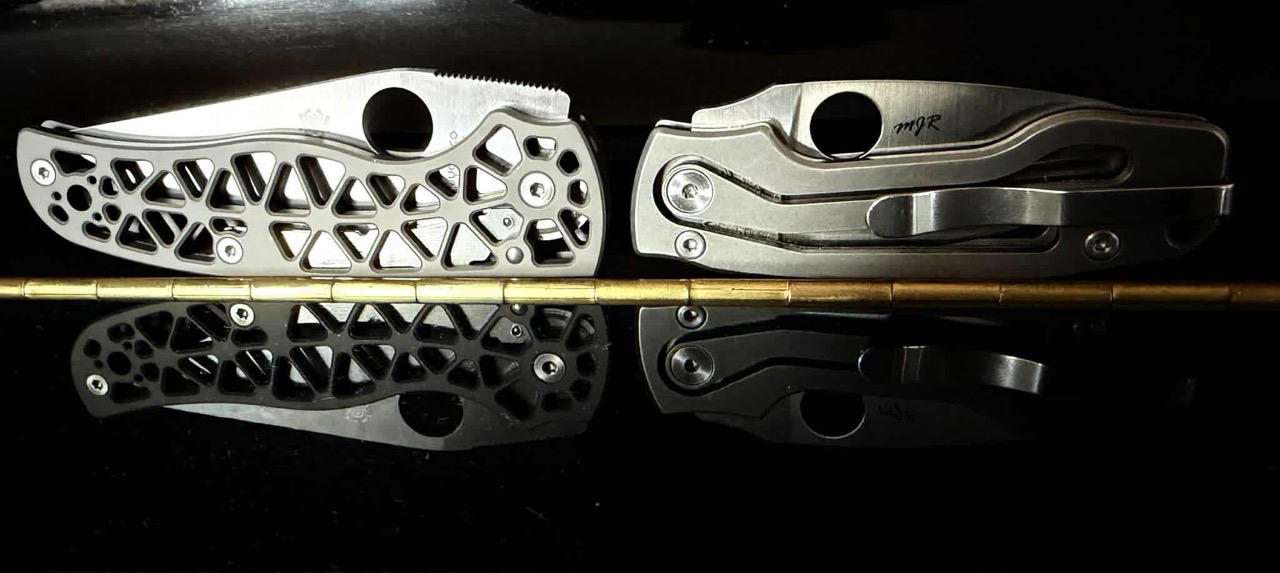
What truly surprised me was the Edgerati’s rare equilibrium between strength and comfort—its balance giving the knife an almost living presence in the hand. I had anticipated something more cumbersome, even imagined that maintenance might prove tedious, yet the opposite is true. The Edgerati feels intuitive, effortless. Whether in the kitchen or deep in the wilderness, it performs like a seasoned workhorse. The blade deploys with immediacy and closes with a swift, reassuring snap, reinforcing the impression of a tool engineered with equal measures of precision and confidence. It’s the kind of knife my friend Sancho would appreciate—always eager to move fast and light, even when chasing joggers. (This is indeed a private joke… Sancho doesn’t actually run—he ambushes them.)
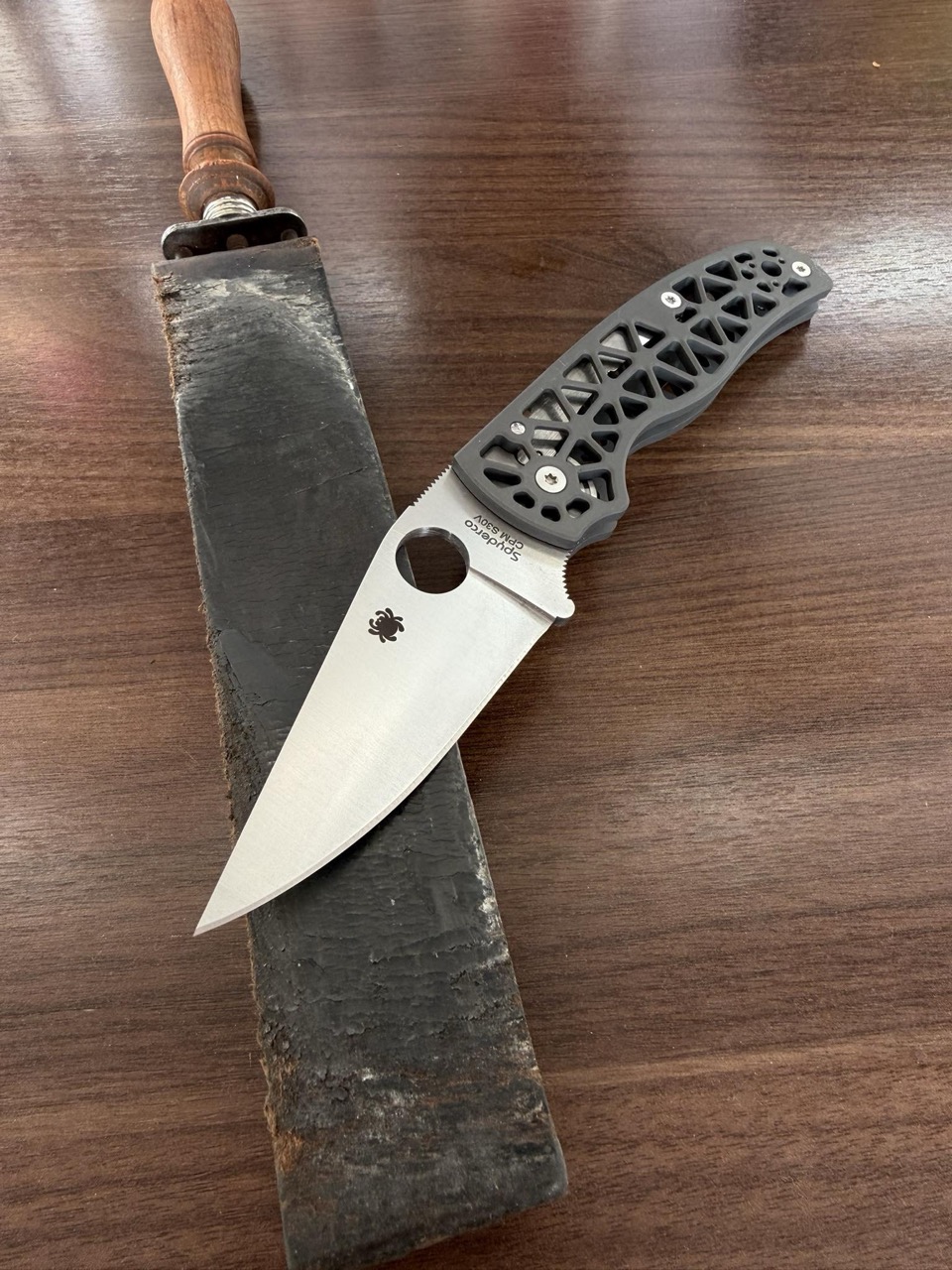
The geometry of the blade underscores its reliability: it cuts deep, precise, and confidently. Out of the box, the factory edge is nothing short of perfect—a testament to the meticulous craftsmanship that defines the Edgerati.
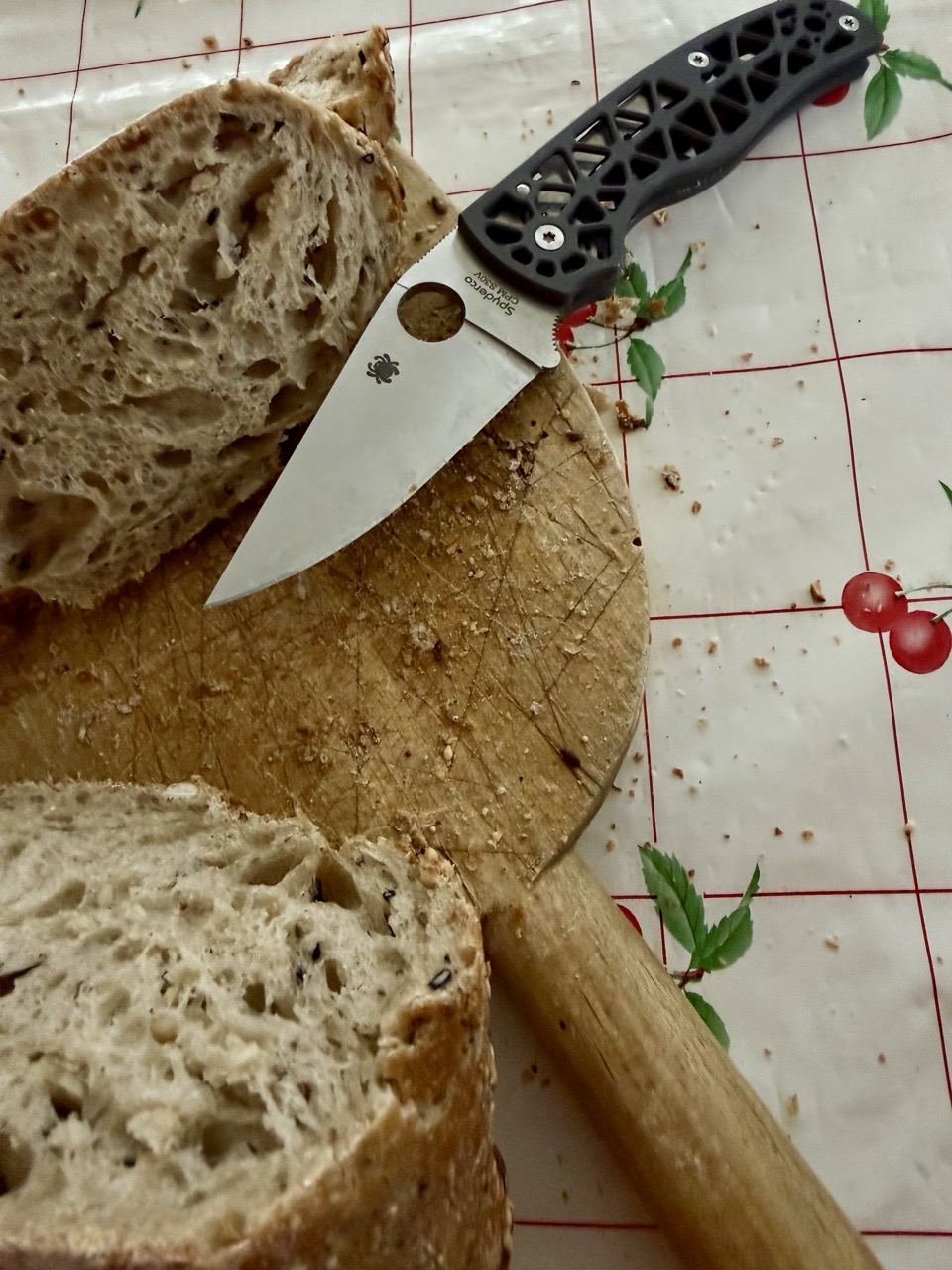
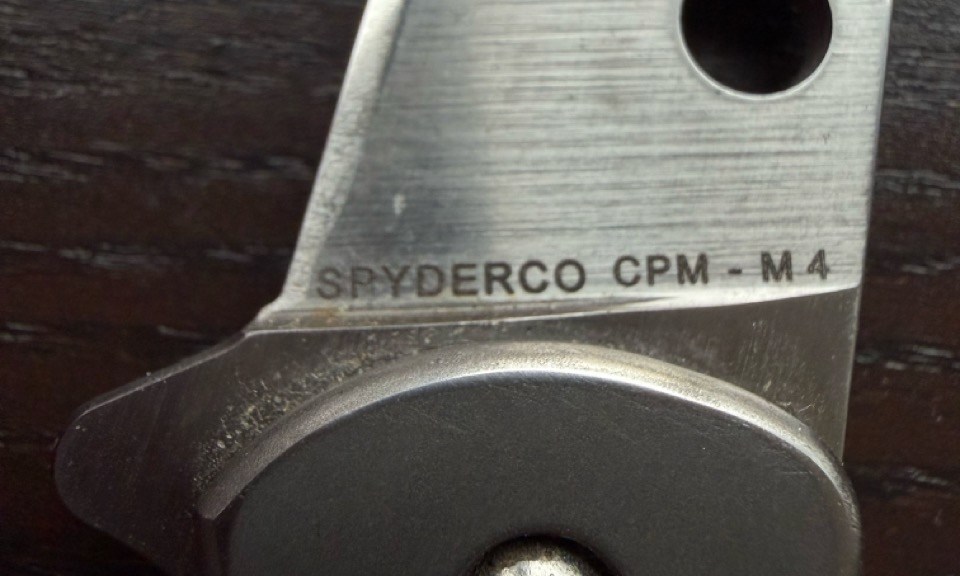
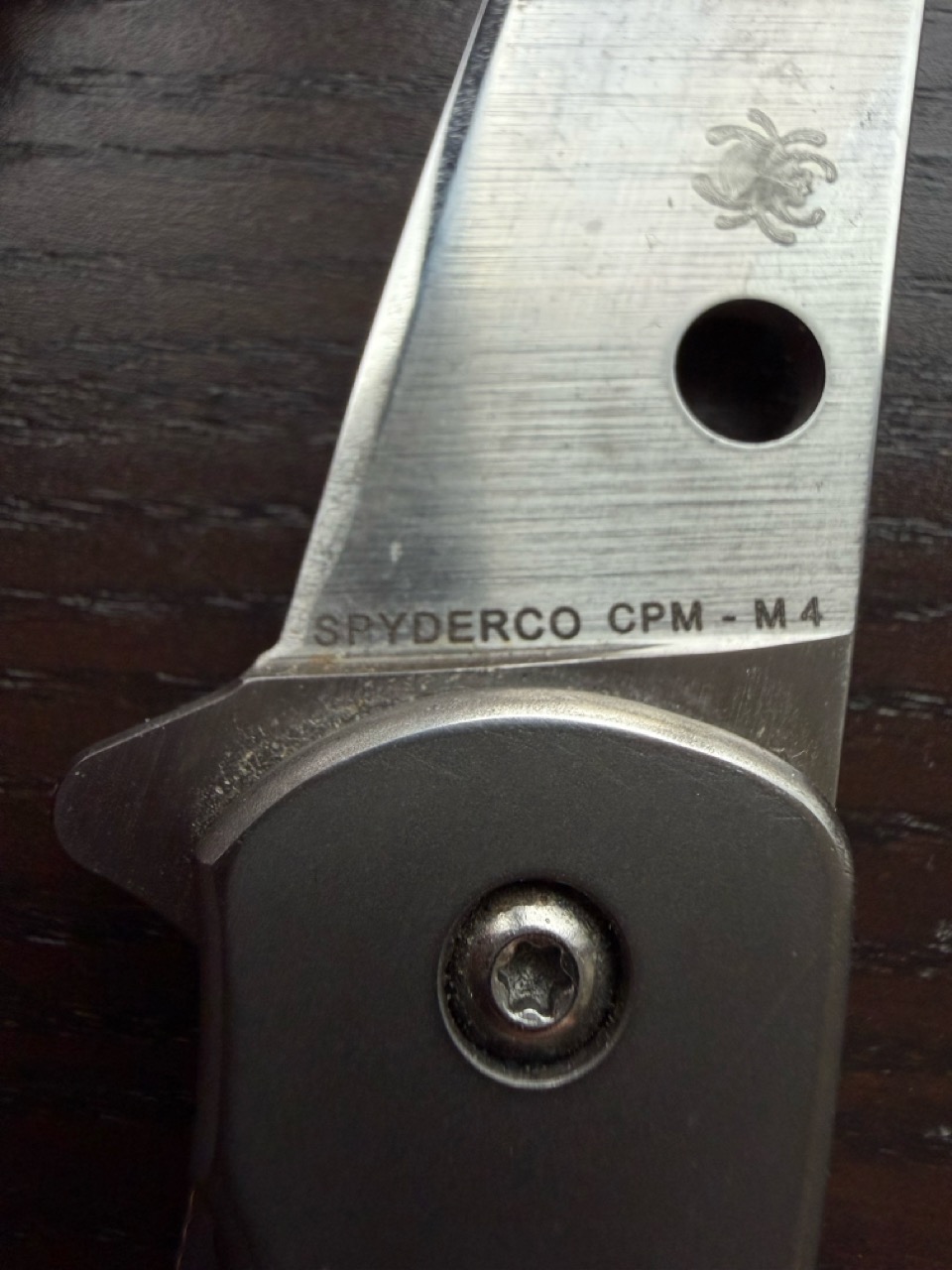
There is, admittedly, one small point of contention. While the S30V blade—expertly heat-treated by Spyderco—represents one of the finest expressions of this steel, I couldn’t help wishing for something a touch more adventurous. To be clear, CPM S30V remains a benchmark alloy, purpose-built for cutlery and still remarkably relevant. Yet today, we live in an era blessed with extraordinary newcomers—Magnacut, or even CPM MagnaMax. One can’t help but imagine, just for a moment, what the Edgerati would feel like straight out of the box with a MagnaMax blade: a true thunderclap, a statement heard across the knife world. For now, that dream must wait—but it certainly makes the prospect of future Sprint runs all the more tantalizing.
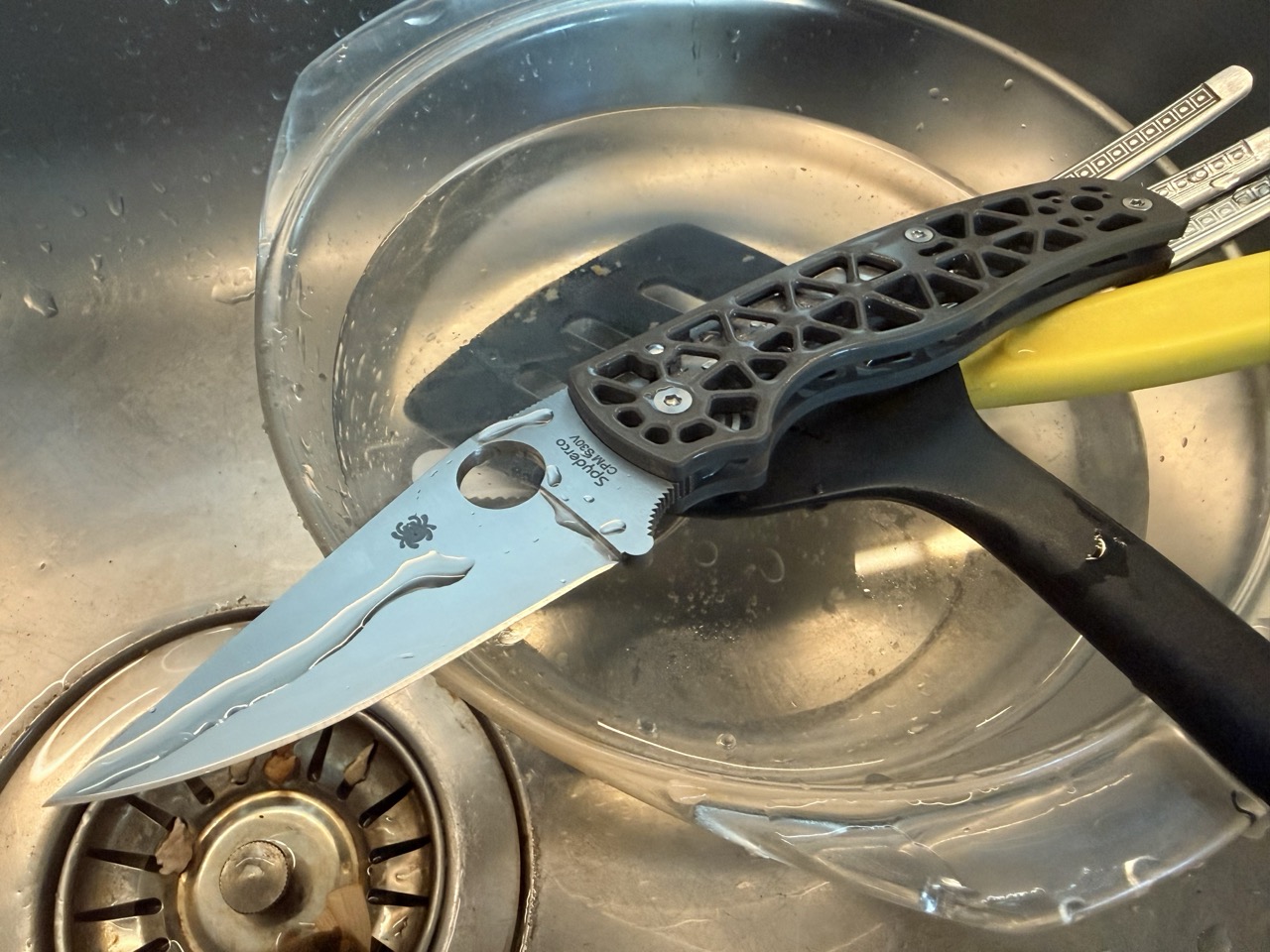
In the kitchen, hands are often wet—or worse, slick with oil. This is the ultimate test of a knife’s ergonomics: can it be drawn from the pocket and handled with confidence, without any risk of slipping? The Edgerati answers that challenge effortlessly. Its handle offers a subtle, almost rubber-like tactility under the fingers, and once in hand, it seems to lock naturally into the palm, inspiring immediate control even in the most slippery conditions. Just as importantly, its open construction makes the knife remarkably easy to clean under running water, while full access to the mechanical components simplifies maintenance and lubrication—practical virtues that reinforce its status as a true everyday tool.
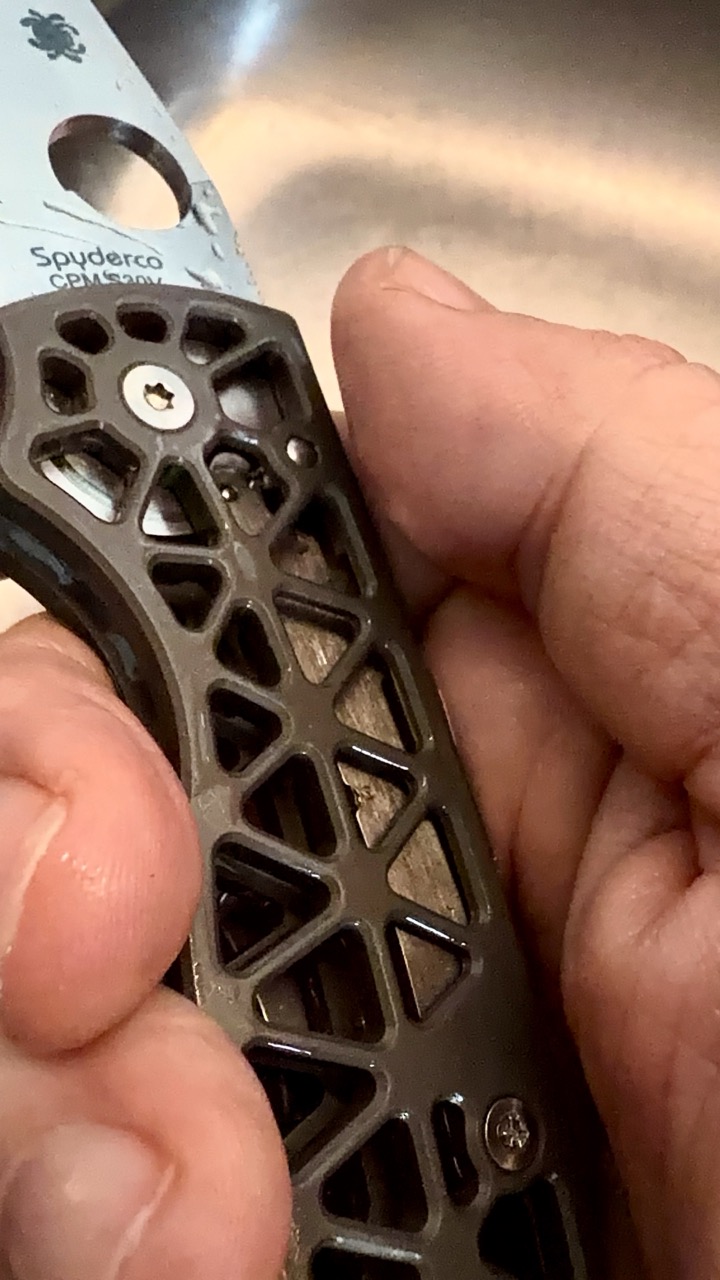
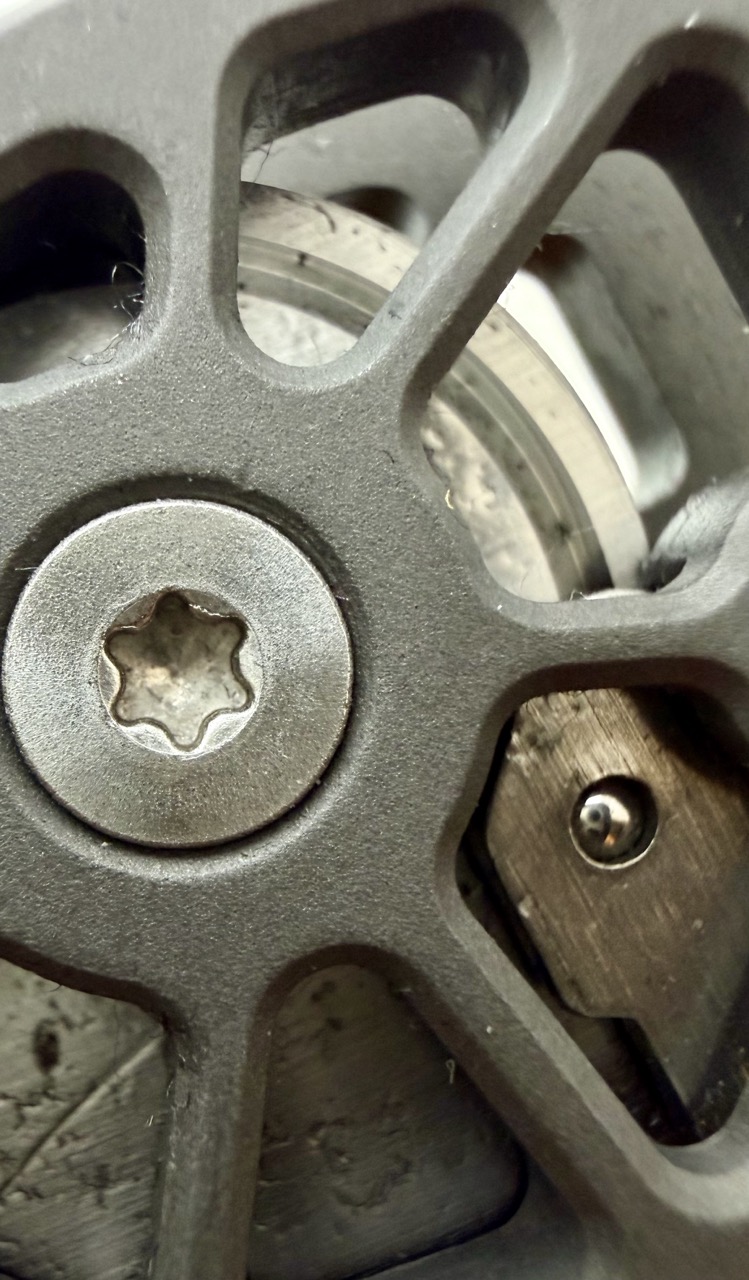
And so, maintenance remains refreshingly straightforward: a single drop of oil can be applied directly to the detent ball path, ensuring consistently smooth action without the need to disassemble the knife. This is a clear advantage afforded by the knife’s unique design, offering genuine, everyday value to the end hard user.
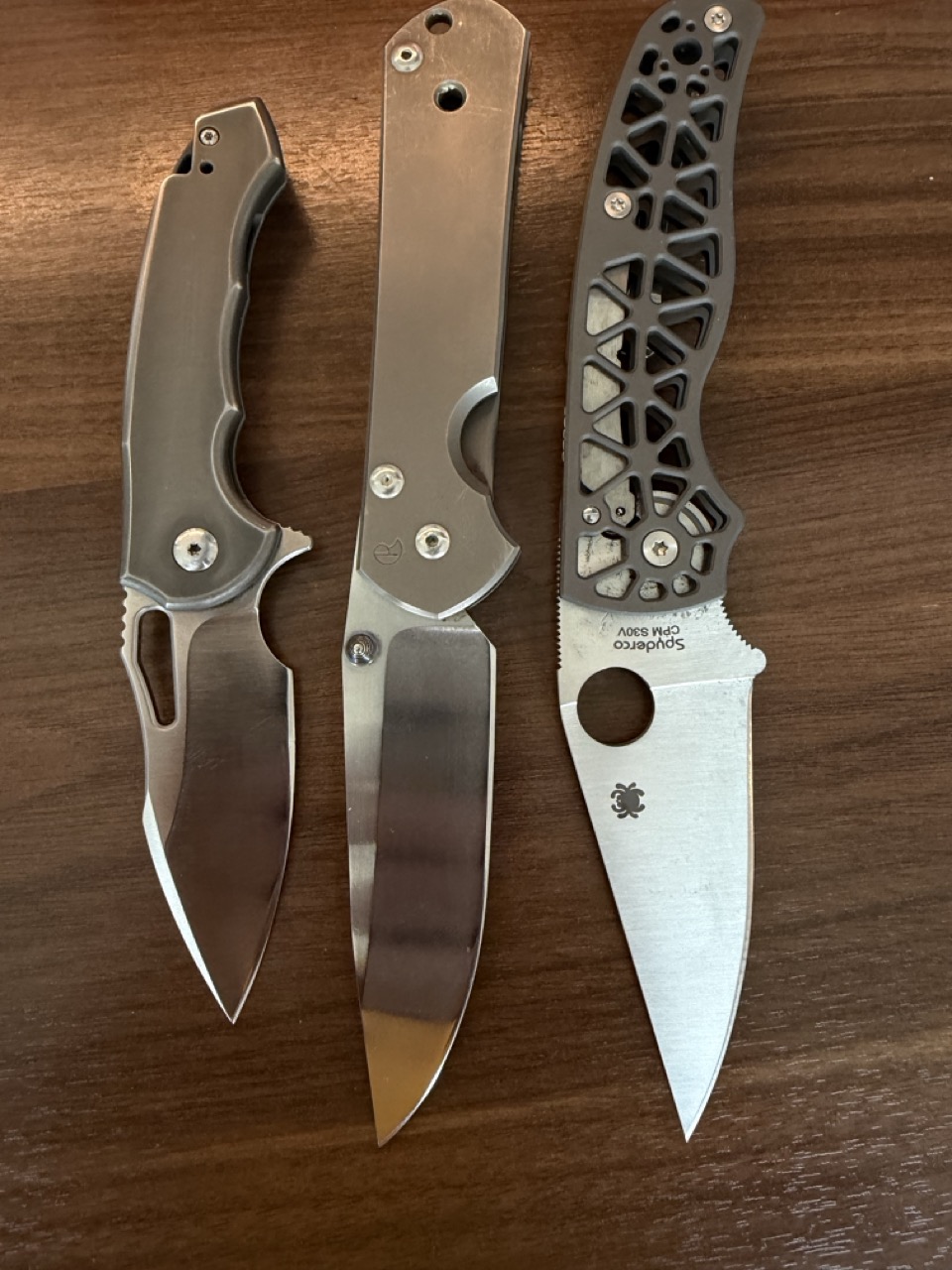
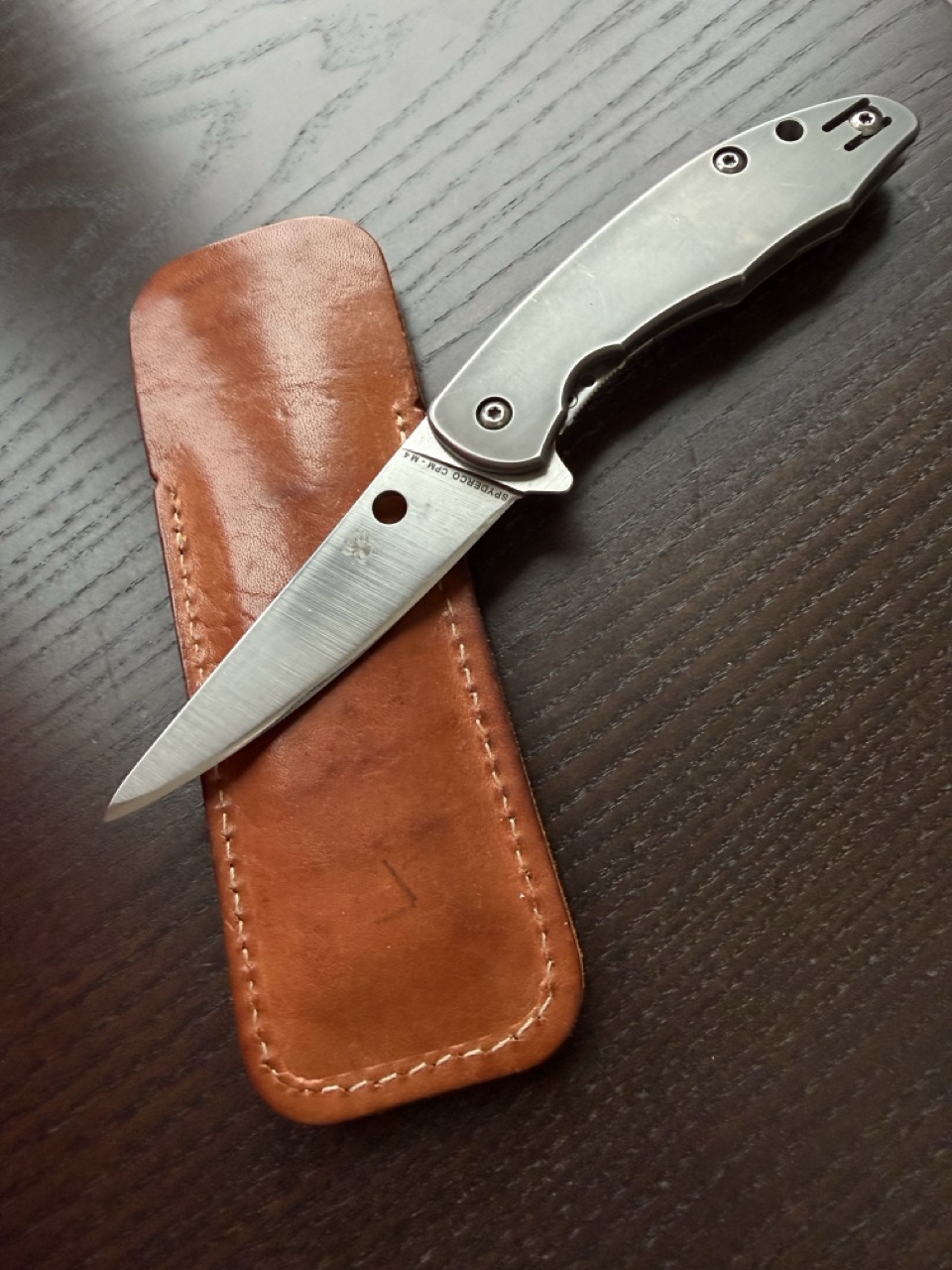
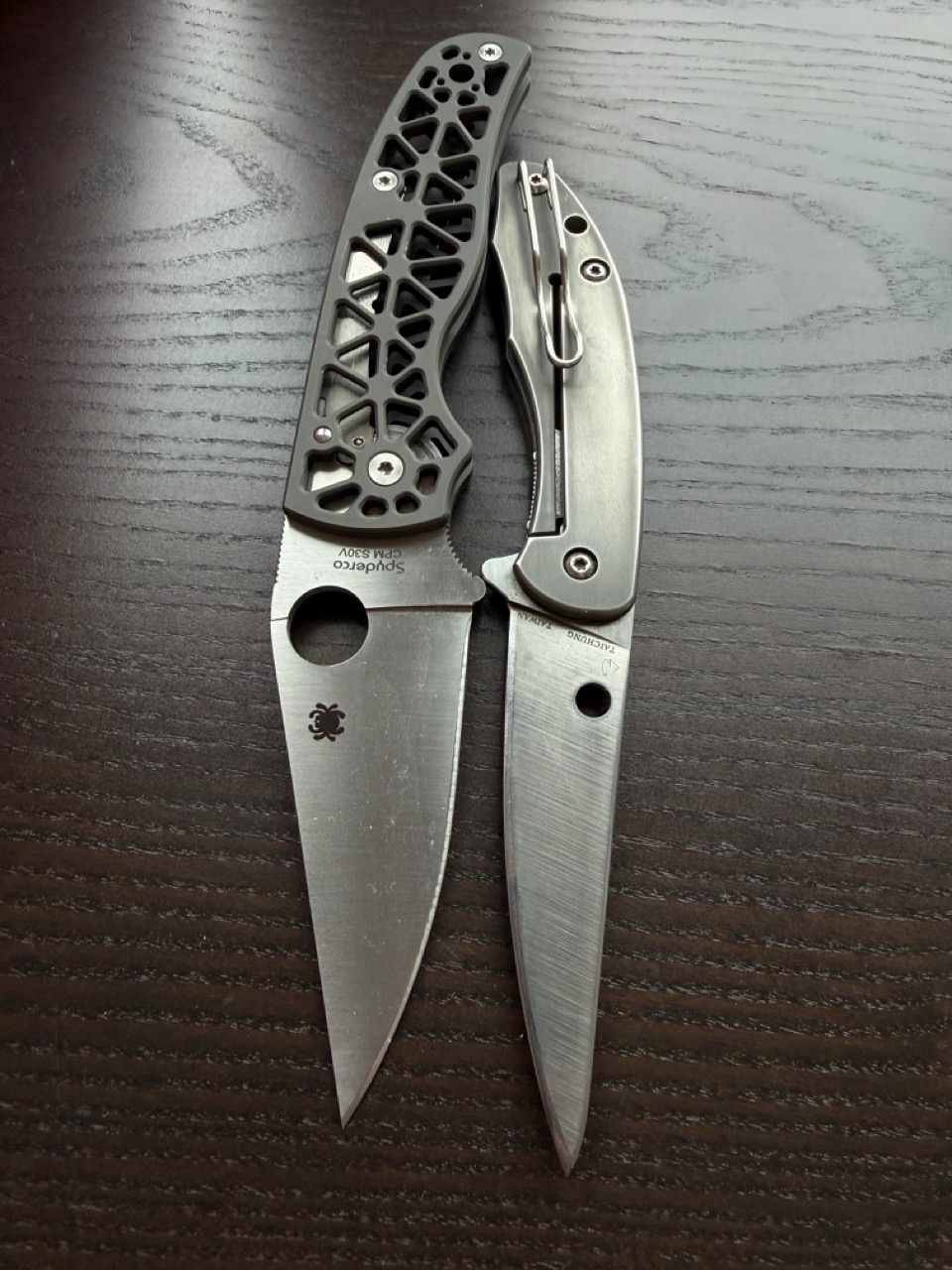
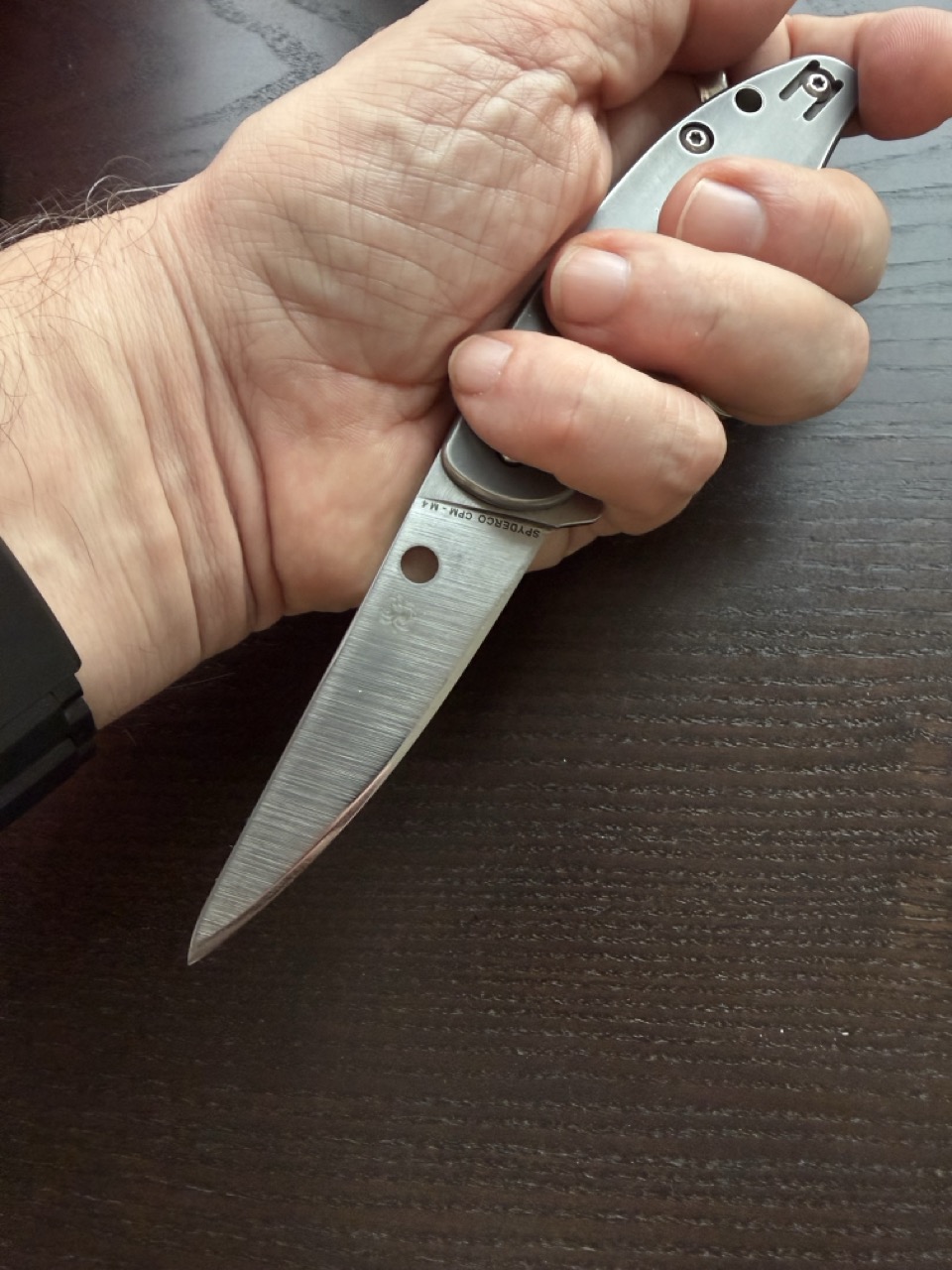
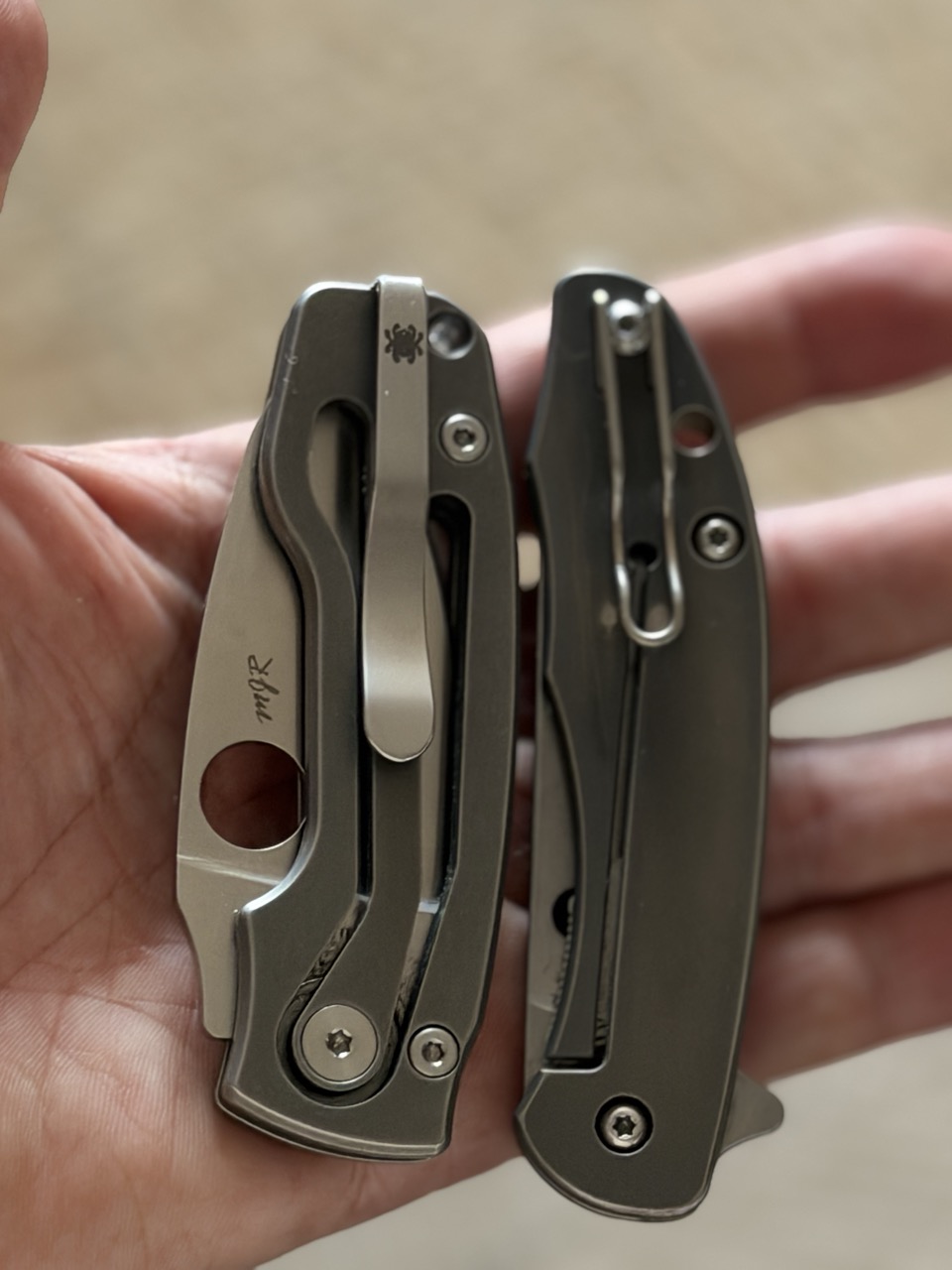
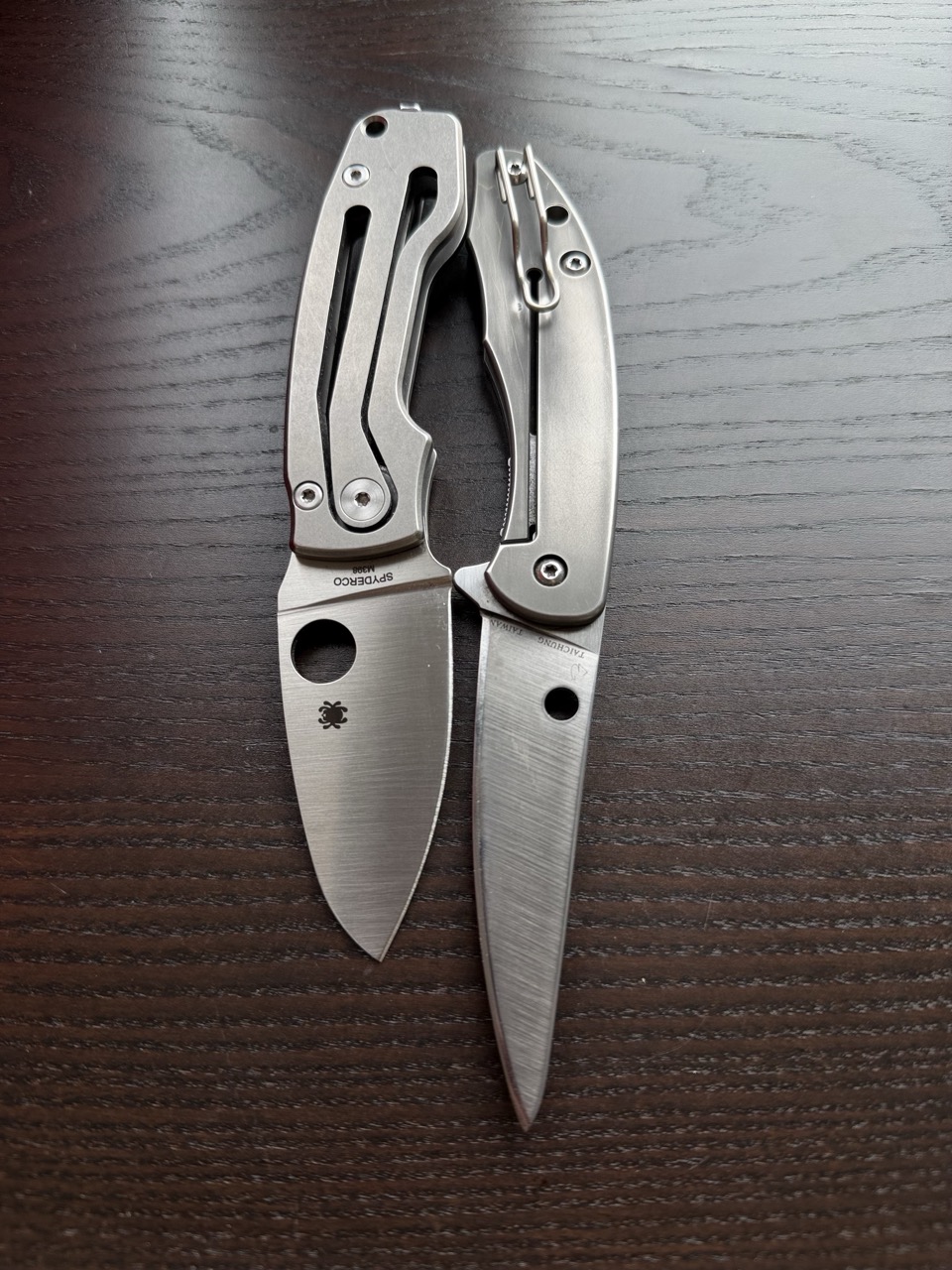
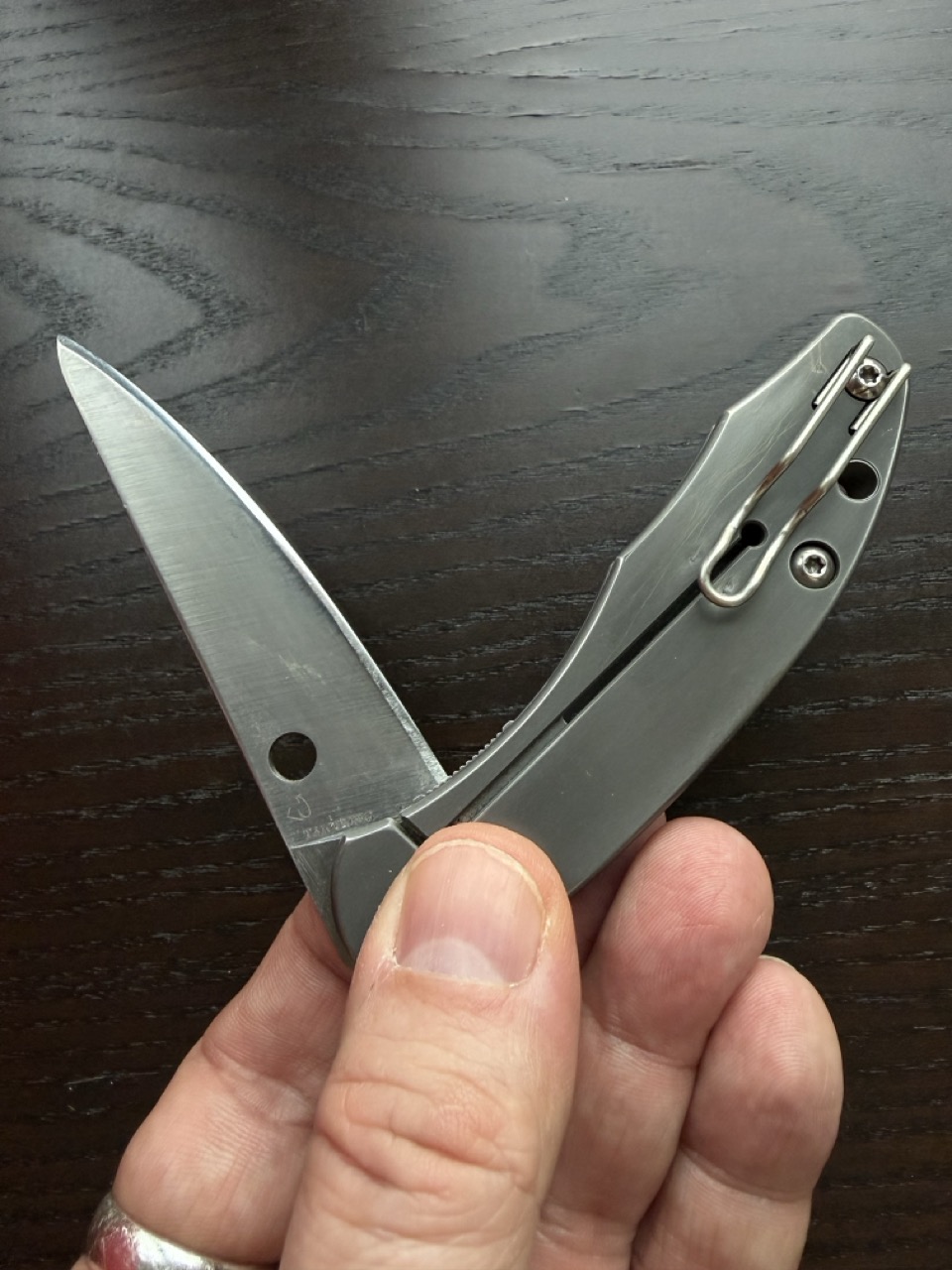
I brought along my 1990s ATS-34 Sebenza and my Falcon to compare the weight and feel of these classic titanium-frame folders against the lightweight, aluminum-framed Edgerati.
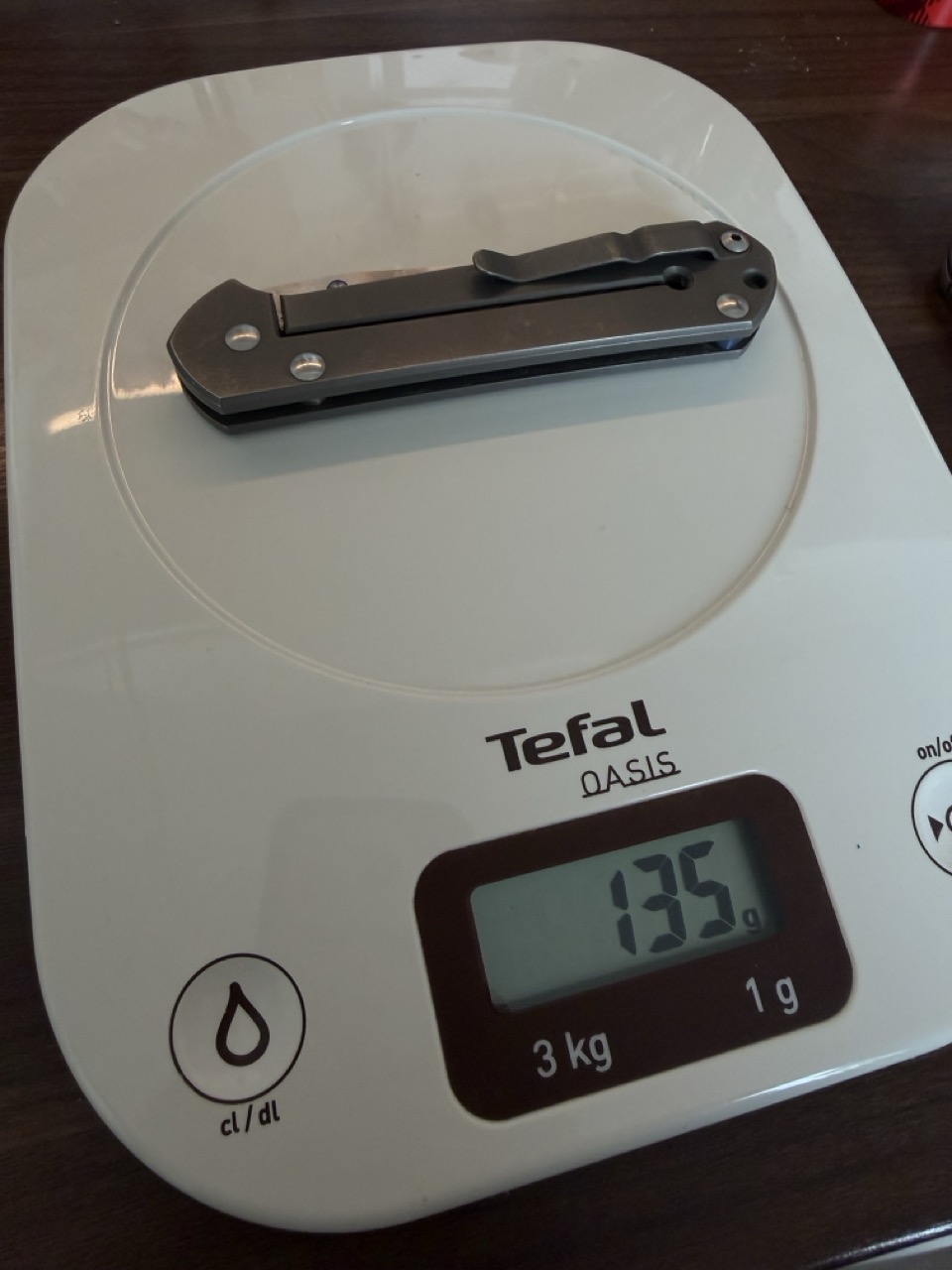
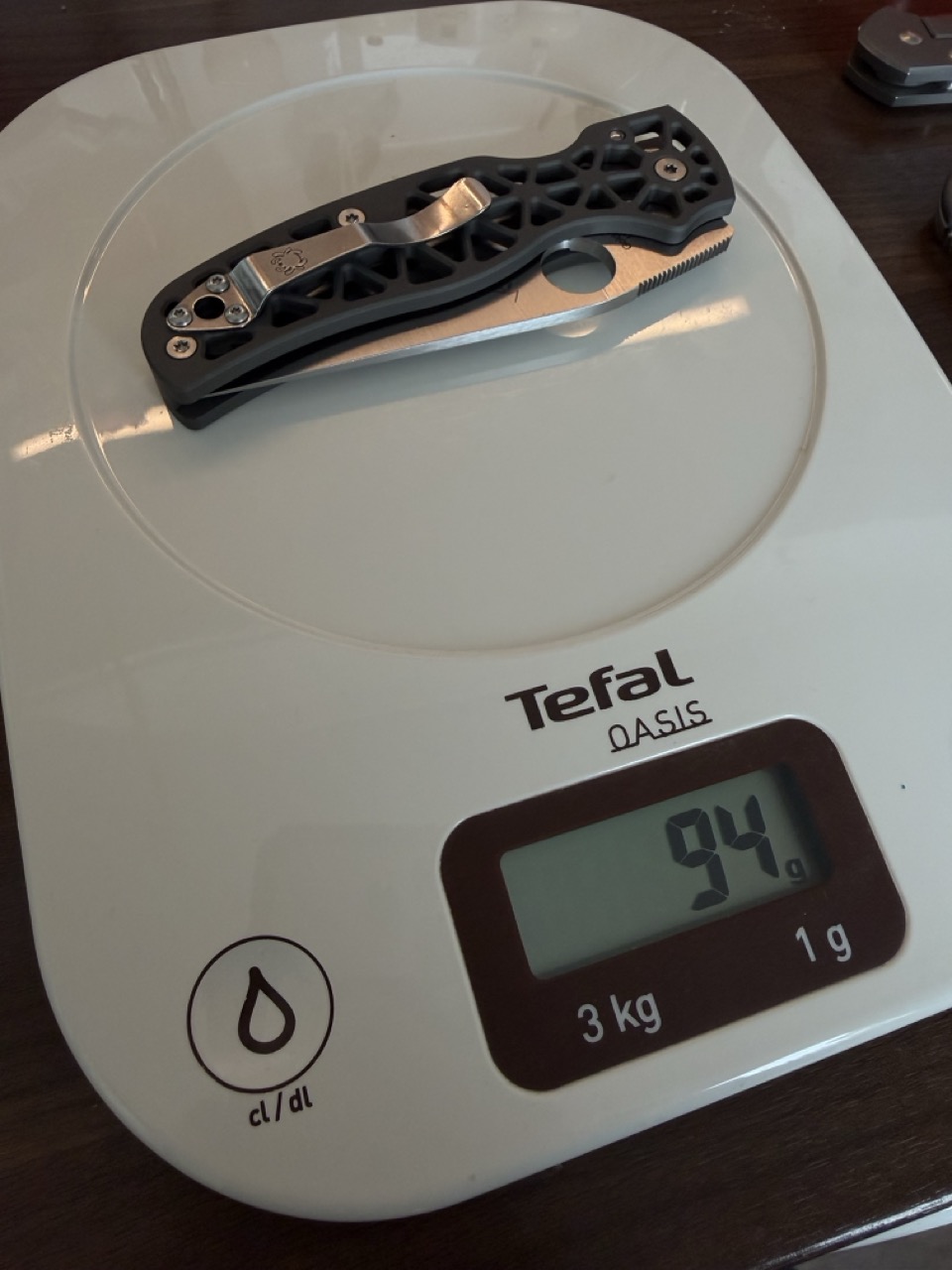
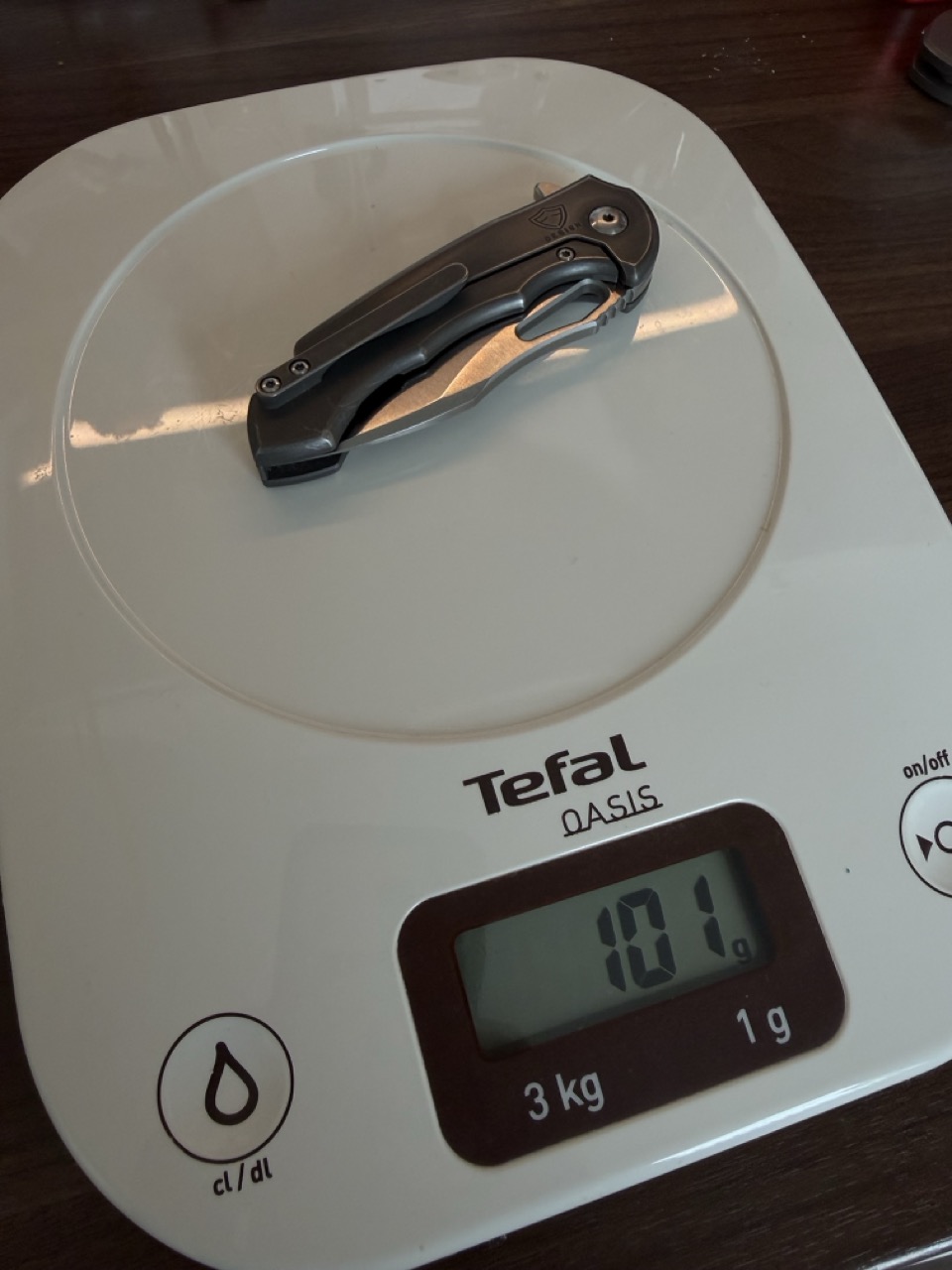
The contrast is immediate: the Edgerati feels astonishingly light and well balanced in the hand, yet without ever compromising solidity or control.
Rest assured, I also appreciate the reassuring heft in the hand when handling “Honor”, and it’s precisely what made the Sebenza so successful: a sharp, reliable tool that is simple to disassemble, clean, and sterilize. (Click the links to explore its full history.)
And for the record, the Massdrop Falcon is the knife that ultimately prompted me to retire both the Techno 1 and Techno 2 from my “compact, robust folder” rotation. And truly—it’s that good.
I had initial concerns about that aluminum coating, but so far it has proven remarkably resilient. It shows no fragility, and the minor signs of wear blend seamlessly into the overall aesthetic. This is a knife that seems destined to age gracefully, acquiring character without compromising its refined appeal.
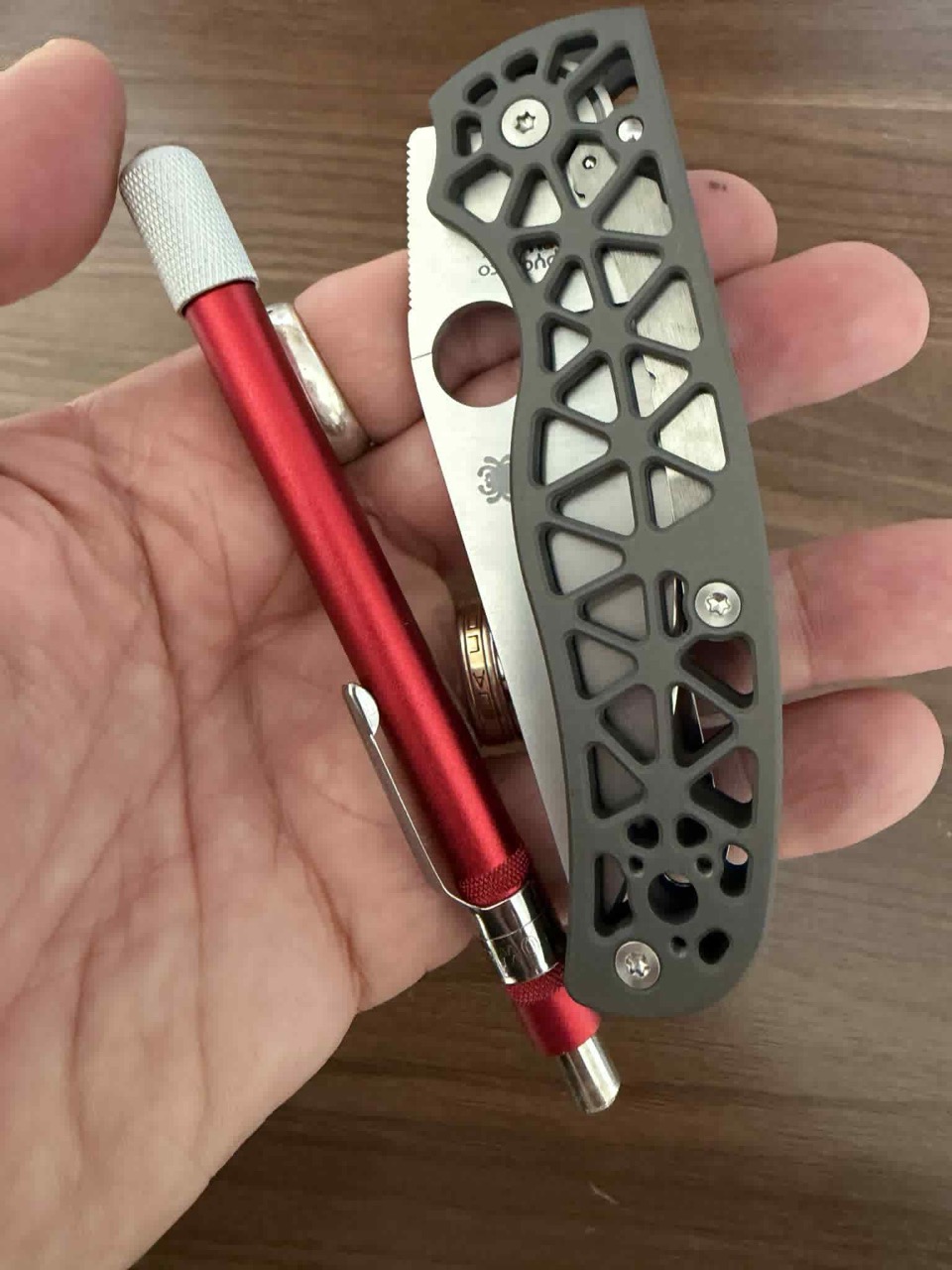
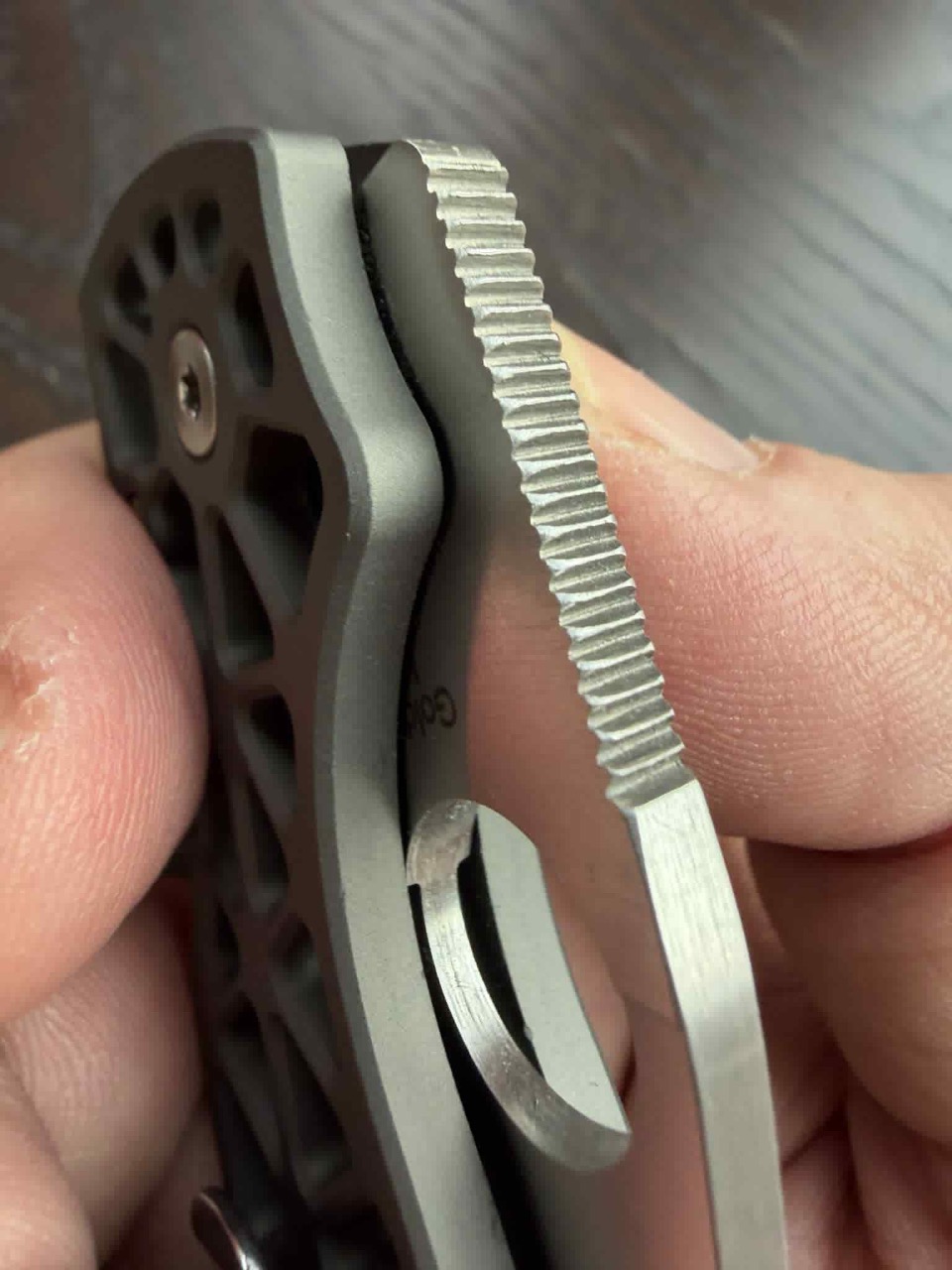
For those who appreciate a personal touch, customization is not merely possible—it becomes transformative. I chose to slightly round the spine of the blade, softening its edges and taming the aggressive upper jimping, using nothing more than a simple, coarse €5 diamond file. The result is subtle yet meaningful, enhancing comfort without compromising the knife’s character, and reinforcing the idea that the Edgerati welcomes thoughtful, owner-driven refinement.
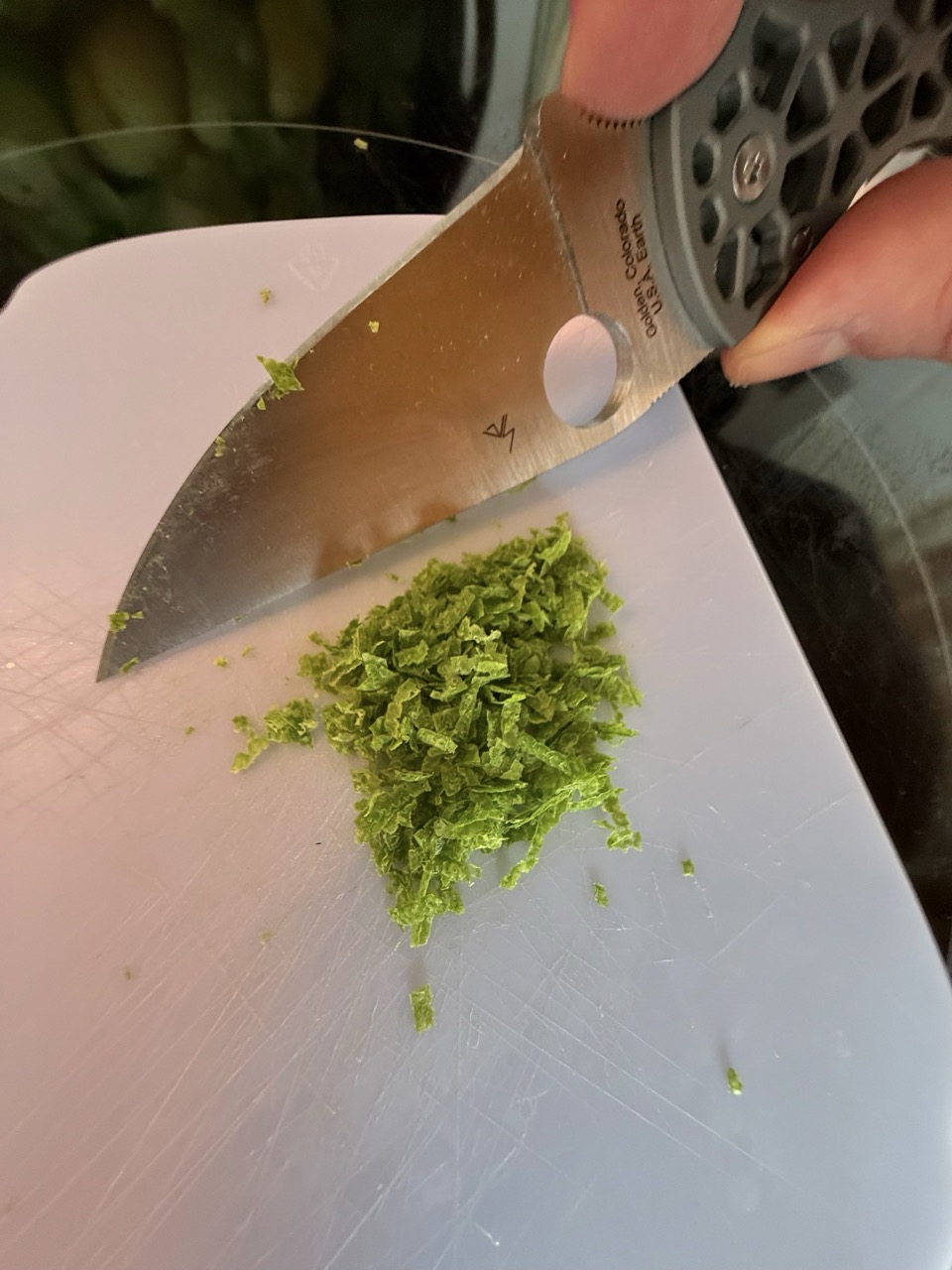
Using the straight spine of the blade to push or gather ingredients on the cutting board is another advantage the Edgerati offers—something you simply can’t do with the Bodacious or the Shaman.
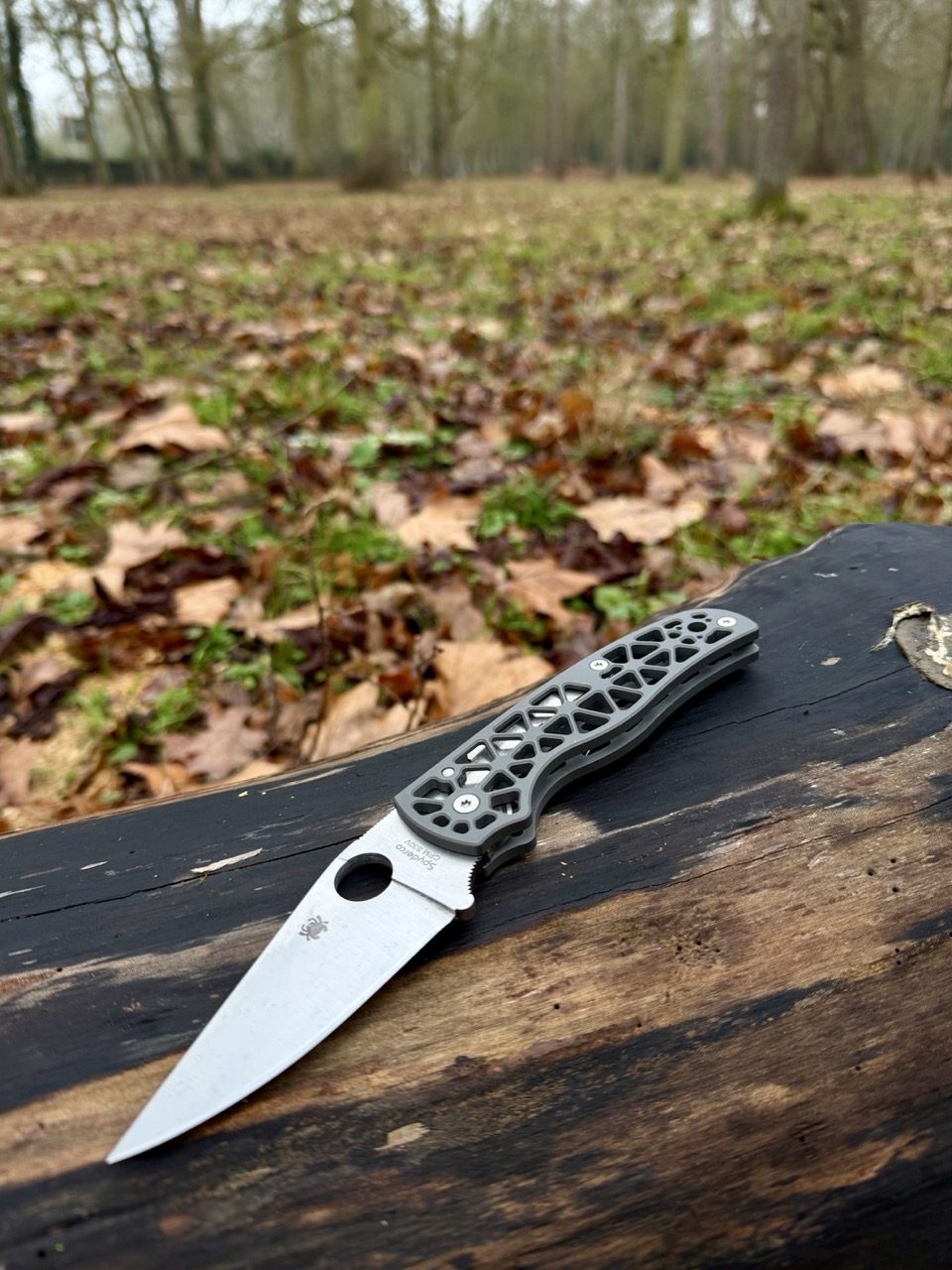
At 3.7 mm, the blade thickness may sound substantial on paper, yet the reality is far more nuanced. The Edgerati features a tall blade with a full flat grind, resulting in a geometry that is uncompromising straight out of the box. Thanks to its pronounced distal taper, the blade thins rapidly, delivering excellent cutting performance without any sense of excess material behind the edge. In that respect, it recalls me my Lil’ Temperance—4 mm thick, yet tall and very efficient. On a blade of this height, 3.7 mm translates to razor sharpness, with no penalty in use.
By contrast, the Shaman’s high saber grind required significant reprofiling to suit my preferences. Not so with the Edgerati—much to my own surprise. And considering that I routinely pair it with a Chaparral, one can easily gauge just how deeply I appreciate thin, efficient blade geometry.
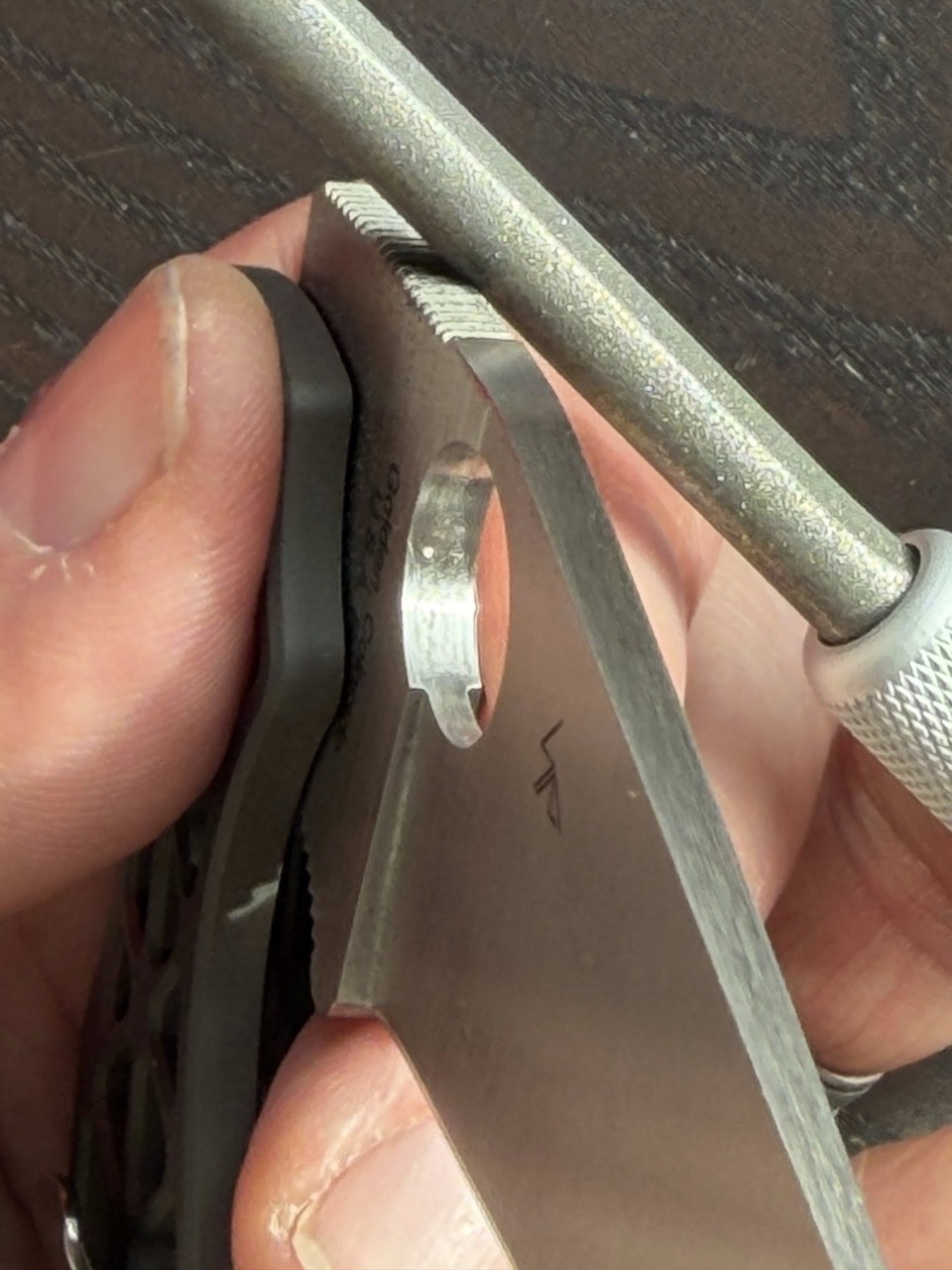
The result is subtle yet immediately perceptible under the fingers, elevating both comfort and control and transforming the knife into something truly bespoke. The ability to tailor the Edgerati to one’s own preferences is not a mere convenience—it is an integral part of the ownership experience.
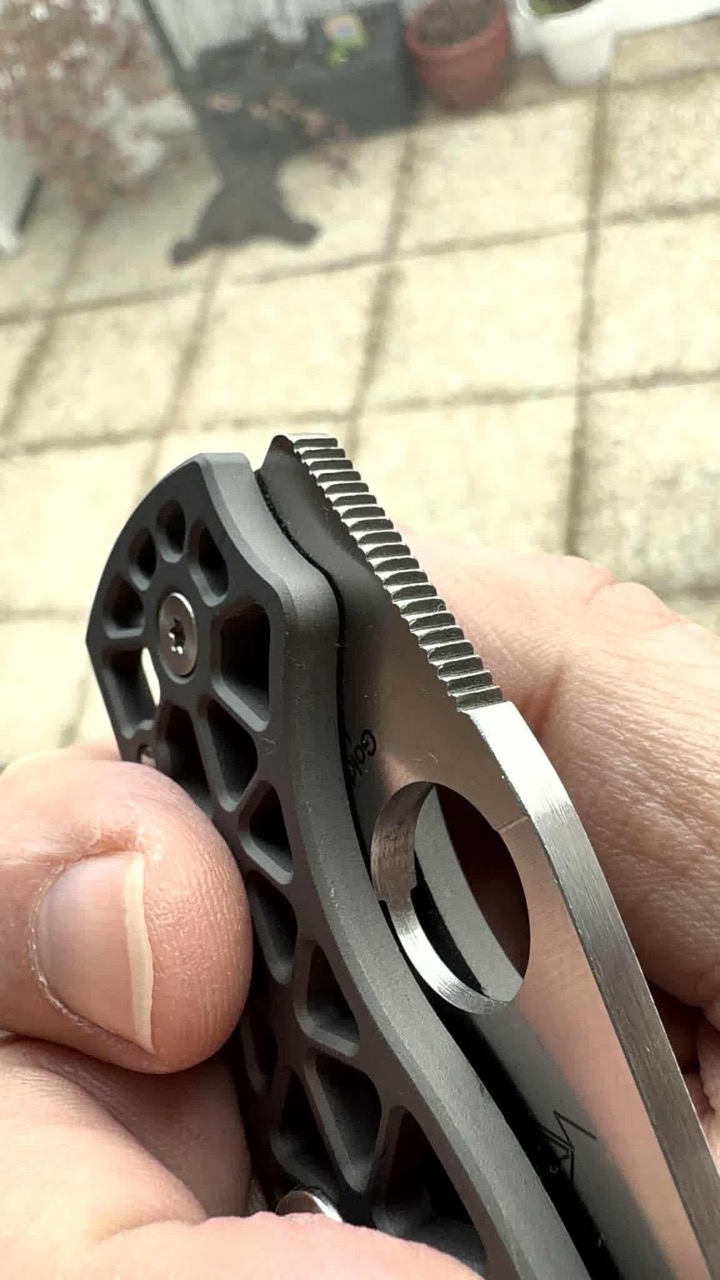
The Edgerati has proven itself a consummate workhorse, commanding respect far beyond the display case. It moves effortlessly from the precision of the kitchen—slicing sun-ripened tomatoes or conquering a stubborn squash—with the same grace and efficiency it demonstrates in the field, whether filleting fish, shaping kindling, or executing impromptu repairs.
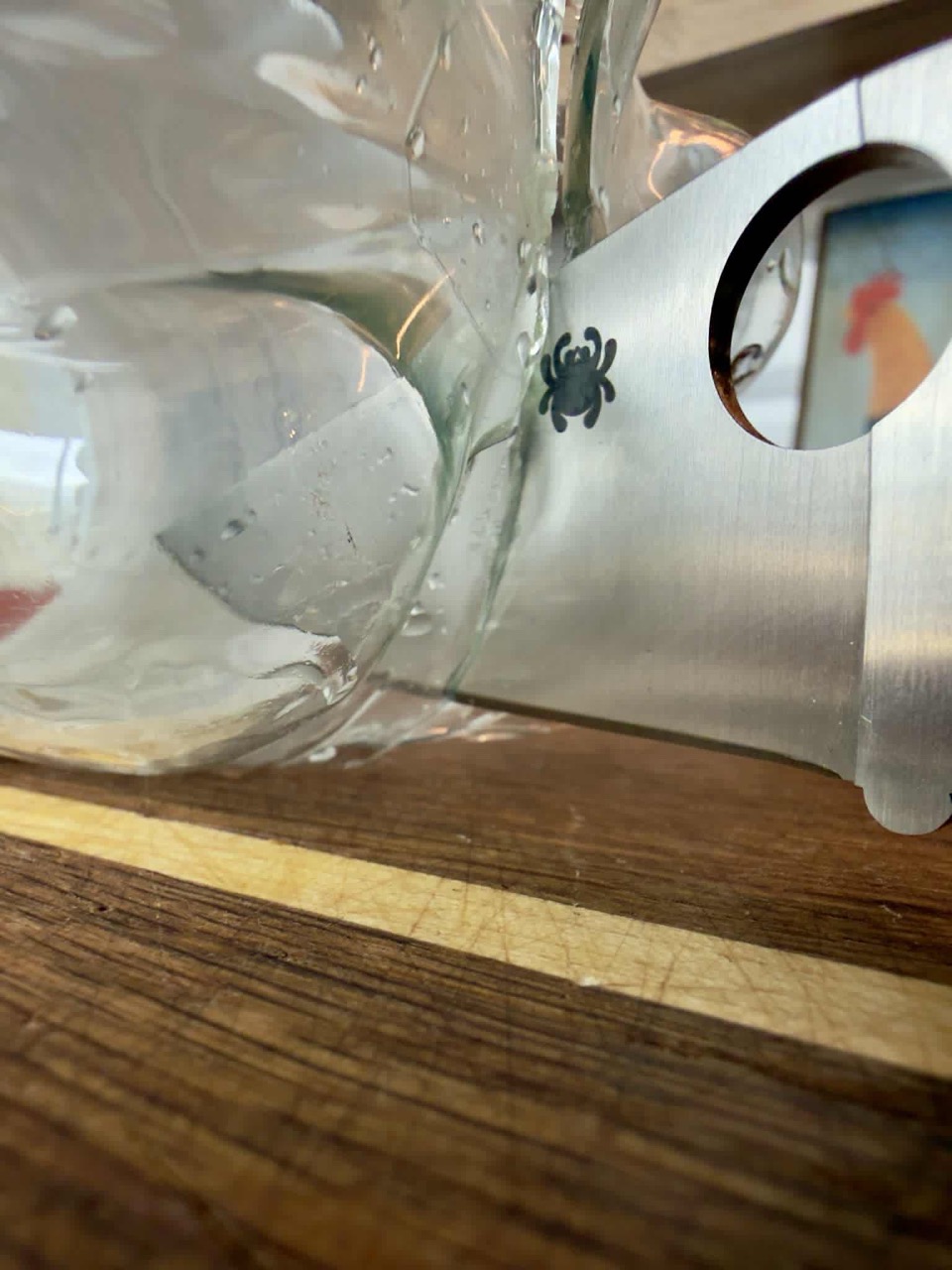
Through every challenge—pictured here during my now-infamous “butt bottle” test—the blade retains its razor-sharp edge and the handle shows no sign of strain, a quiet testament to the knife’s meticulous engineering. It is a piece that draws admiration, and occasionally amazement, at first glance, yet continues to thrive under the most demanding real-world conditions—a rare and compelling union of refined elegance and enduring, work-ready reliability. This blade feels unmistakably powerful the moment it meets material.
Thanks to its more pronounced point and more efficient overall geometry, the Edgerati delivers deeper, more decisive cuts with noticeably less effort than the Shaman. Again, in my experience, every Shaman I’ve owned required edge refinement to meet my expectations; with the Edgerati, no such intervention has been necessary, to my own surprise.
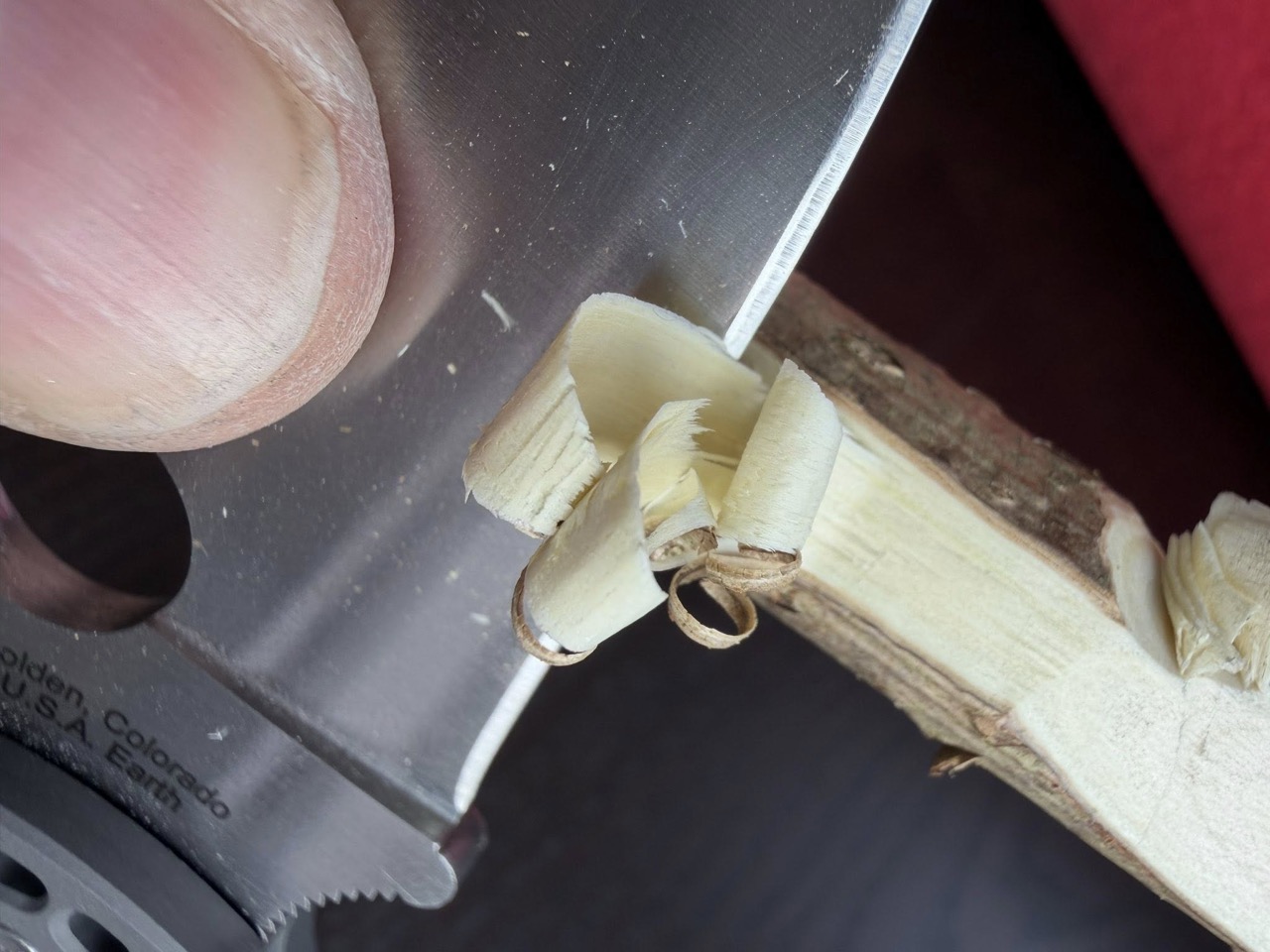
In short, the Edgerati is not merely another elaborately designed folder, nor simply a lighter reinterpretation of the Spyderco Shaman; it is a statement of modern design—a precise balance of form and function that commands attention while delivering uncompromising performance.
One might even call it a KWEMRP: a Knife Where Elegance Meets Rugged Performance. 😉.
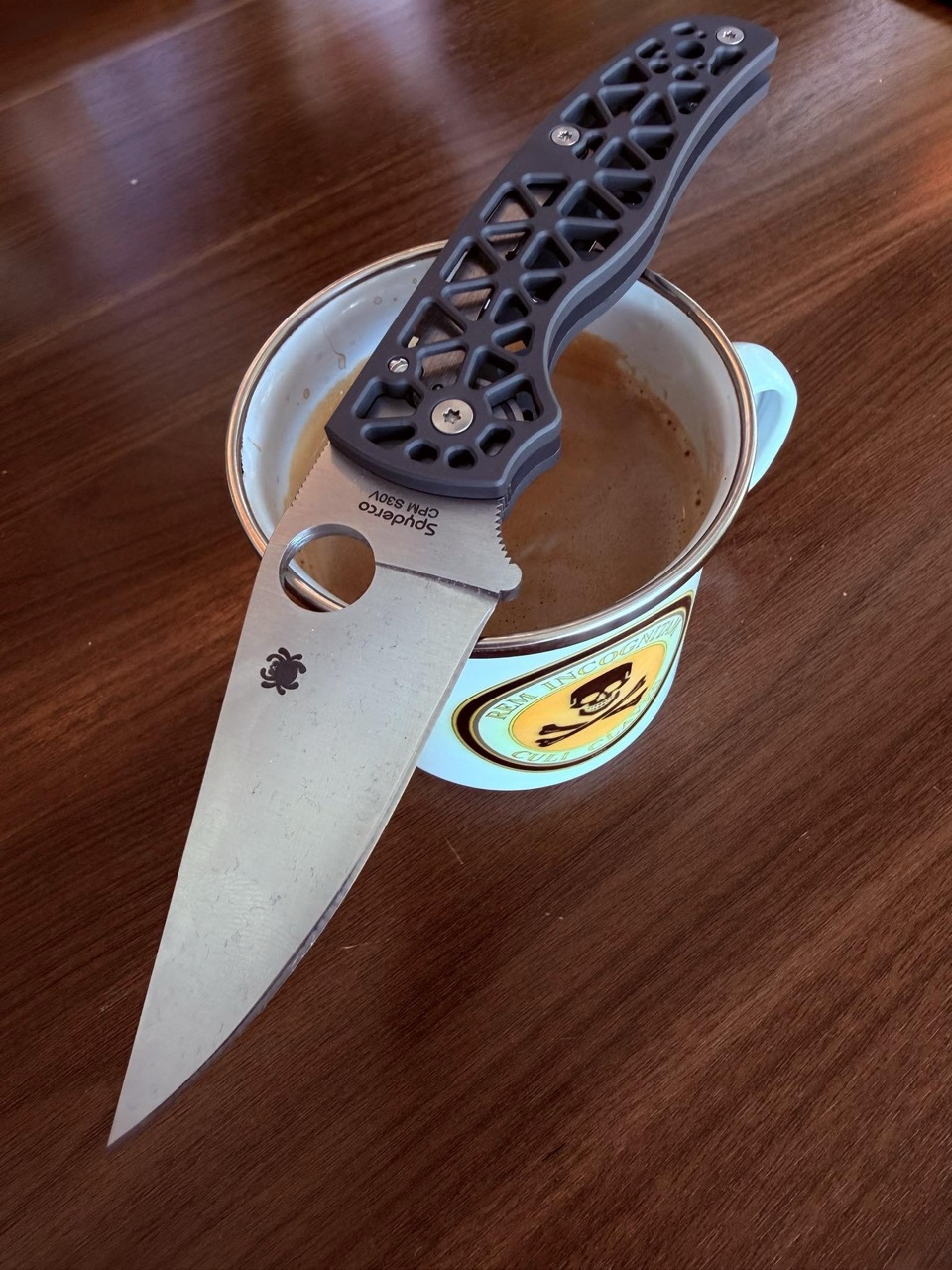
And here’s a video clip featuring Sonoya Mizuno that could have inspired the Edgerati’s design:
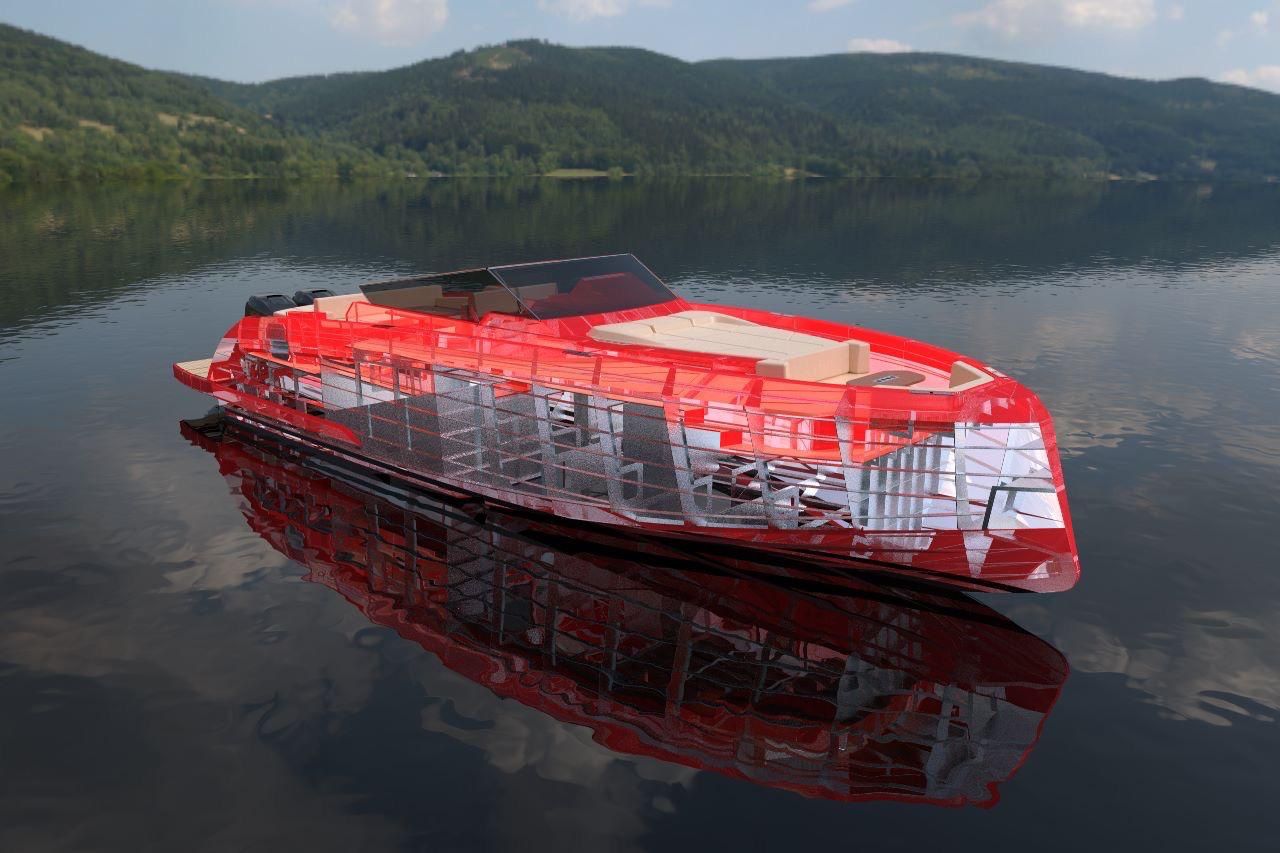
Also another design which is totally Sal Glesser passion: MACAN BOATS Aluminium Yacht and… they are Italians !!
Their aluminum construction is based on a mixed system of transverse and longitudinal framing, executed to the highest standards of quality. All scantlings are calculated and implemented in strict conformity with naval architect specifications, ensuring optimal structural integrity while preserving weight efficiency. Aluminum’s exceptional strength-to-weight ratio is central to this approach.
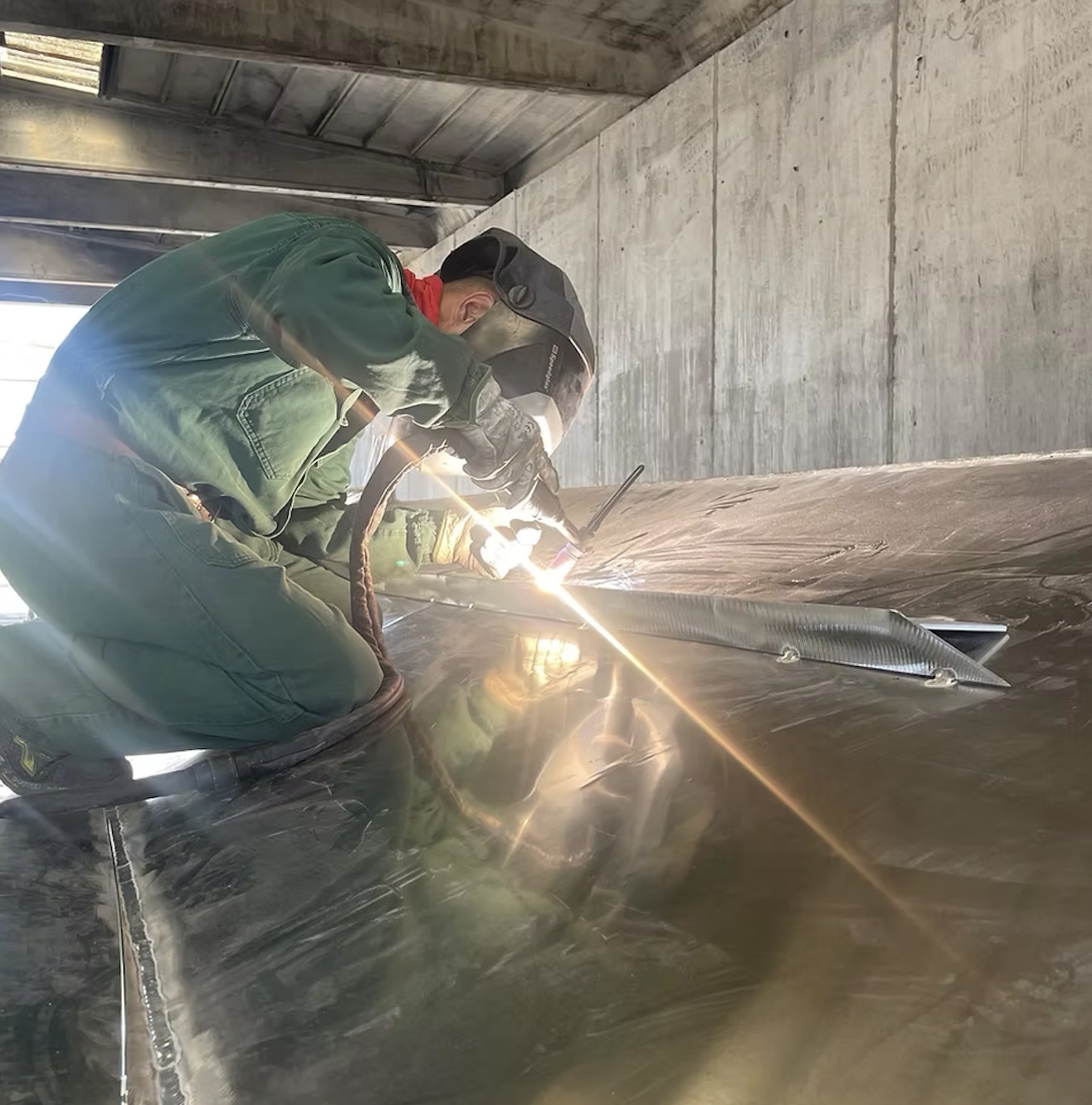
Welding is carried out by highly trained professionals recognized among the most experienced in the industry. Hull plating is assembled with exceptional precision, resulting in a fair, true hull that requires minimal fairing compound—reflecting both structural excellence and refined craftsmanship.
For them too, aluminium is the future, really.
 NemoKnivesReview