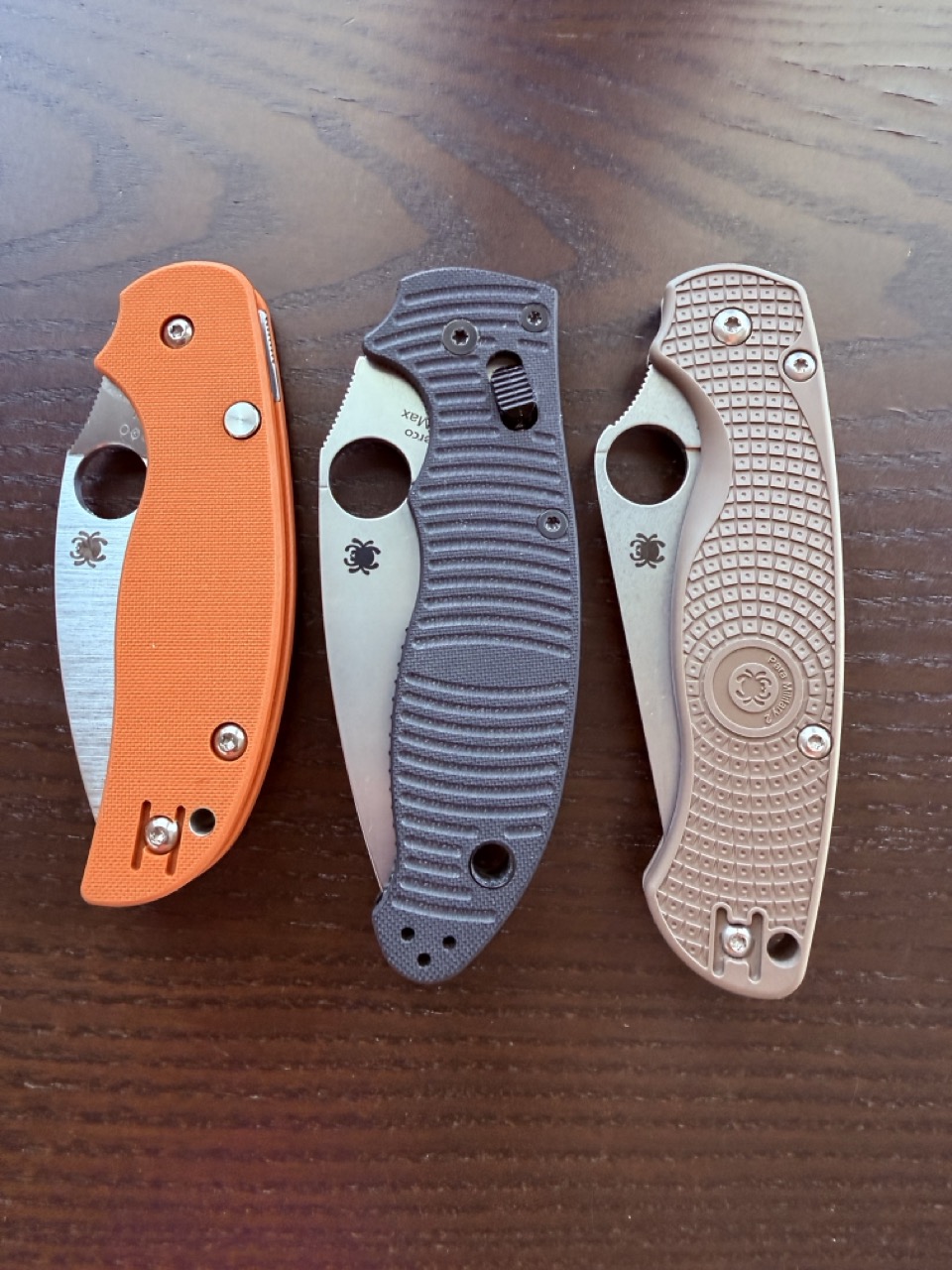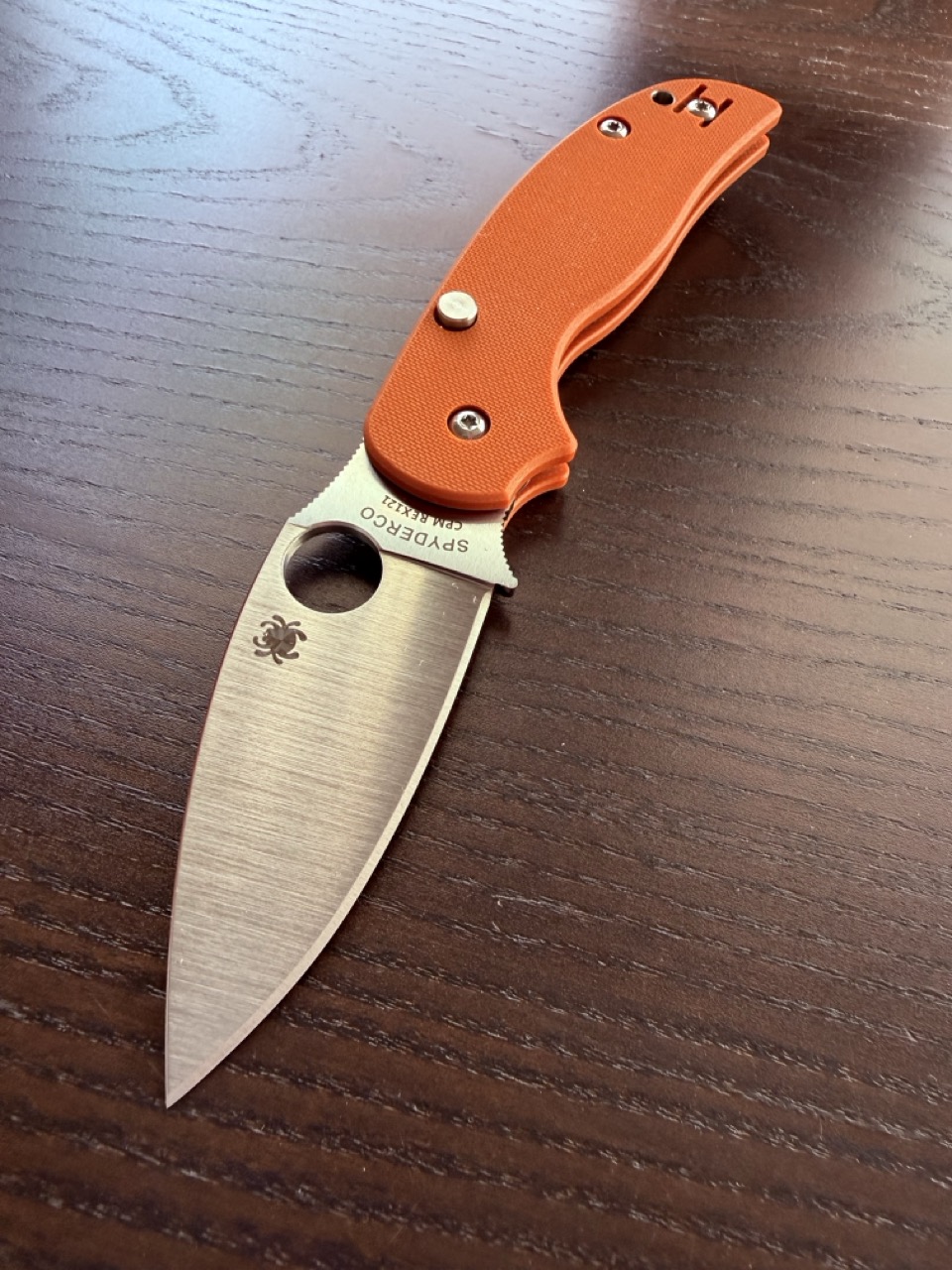
Disclosure: This Sage 6 REX 121 was provided by Spyderco as a complimentary review sample through the Spyderco Ambassador Program. Receiving the knife does not influence my opinions. Spyderco does not preview, edit, or approve my reviews, and all conclusions are based solely on my own testing and experience.
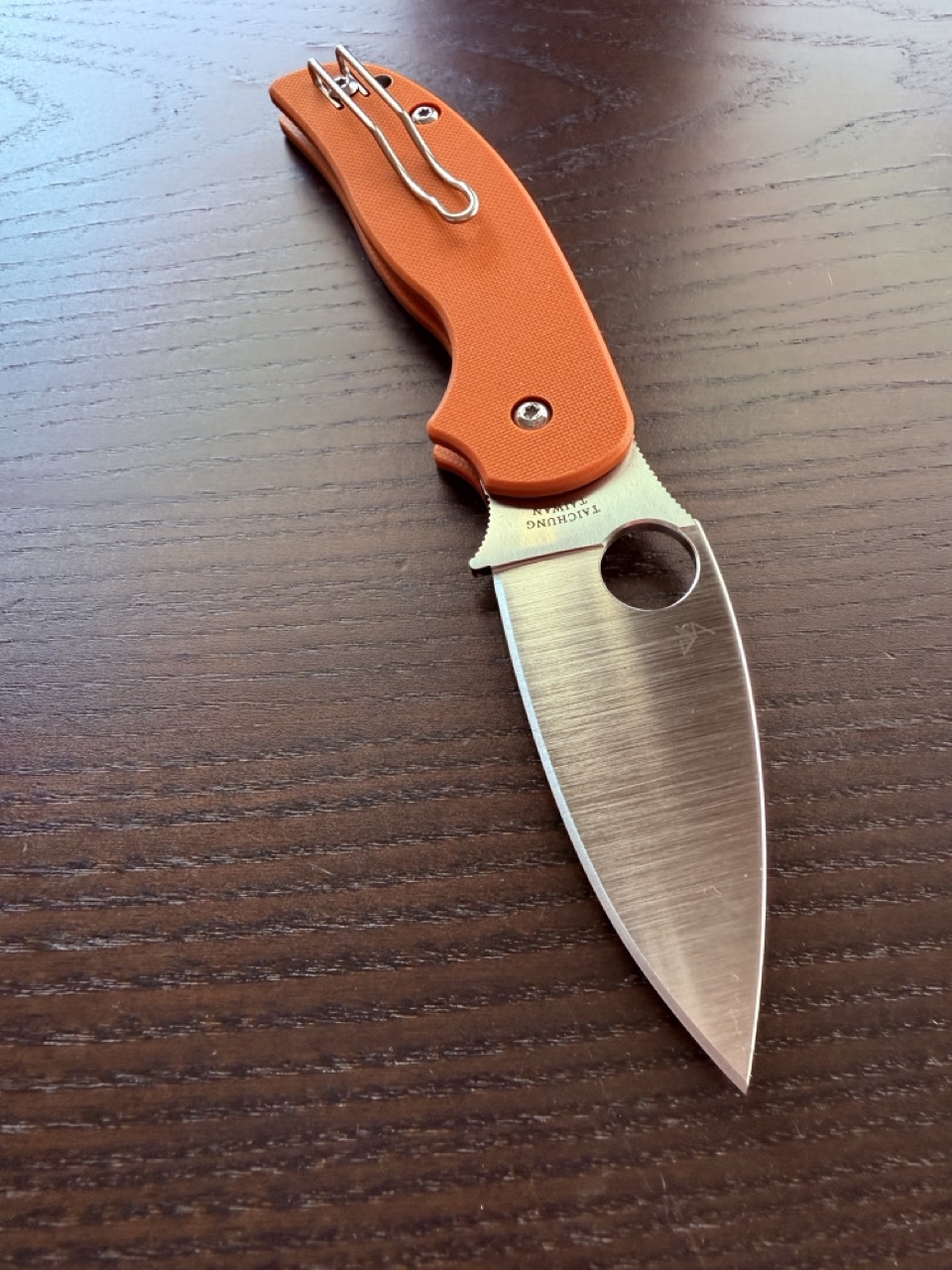
I just received my Sage 6 REX 121.
Wow. This feels like the Formula One of EDC knives.
Think about it: an ultra-modern Button Compression Lock inspired by Kevin Smock’s design, paired with one of the most extreme production blade steels ever made—CPM REX 121.
This is a true heavyweight in the knife world, and probably one of the most technically advanced production knives ever released. Its price isn’t driven by titanium scales, exotic inlays, or premium bolsters. It’s driven almost entirely by engineering, manufacturing, and metallurgy.
Just… wow.
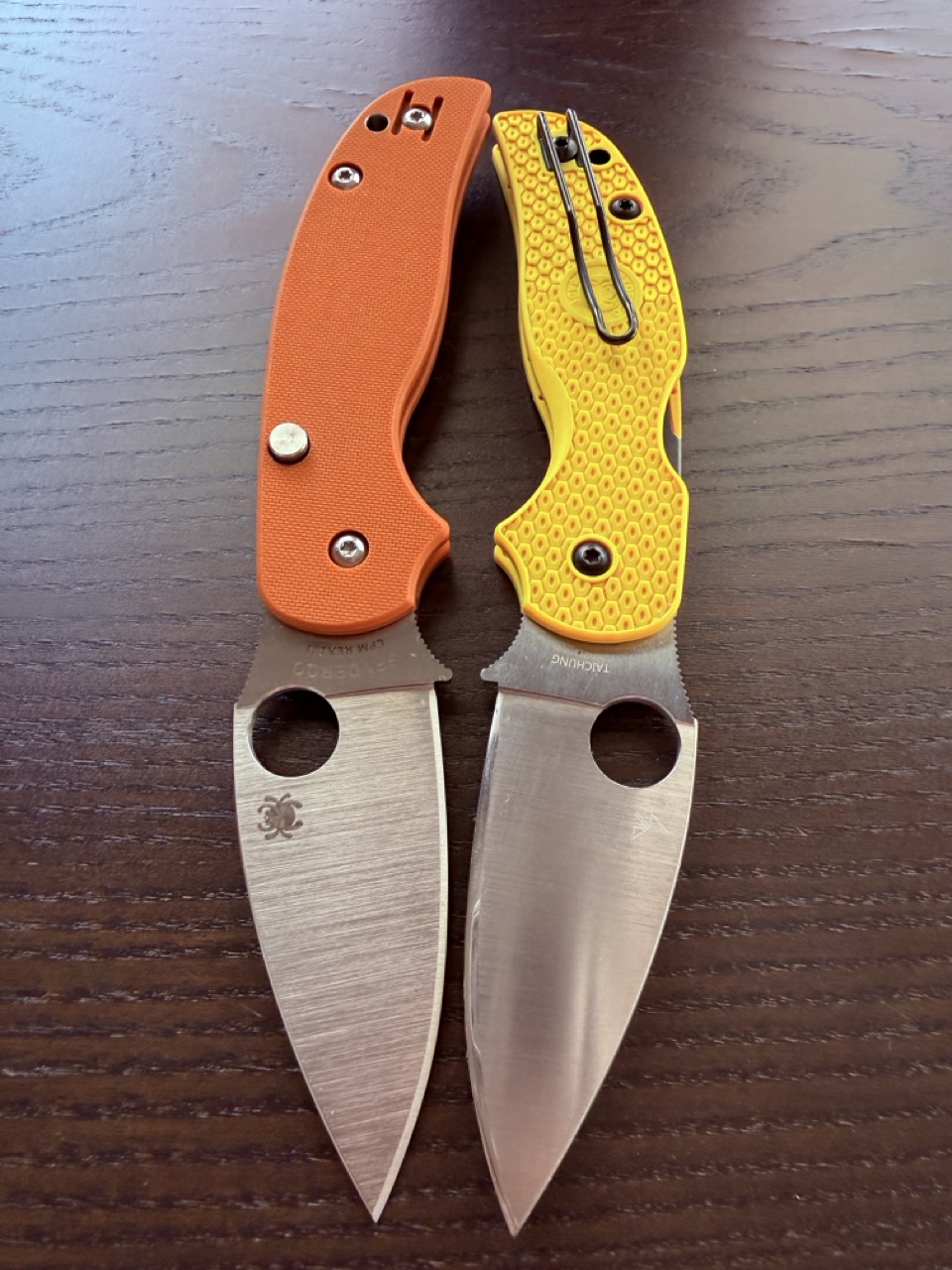
I’ve handled and used every Spyderco Sage model over the years.
For those unfamiliar with the series, the Sage was conceived by Sal Glesser as a single knife platform dedicated to honoring the greatest folding knife lock innovations—and the designers behind them. Every Sage shares the same DNA, while each model showcases a different locking mechanism and pays tribute to the person who popularized or invented it.
- Sage 1 honors Michael Walker and his revolutionary LinerLock, as well as the ball-detent system that keeps the blade securely closed.
- Sage 2 pays tribute to Chris Reeve and his Reeve Integral Lock (R.I.L.), better known today as the frame lock.
- Sage 3 celebrates Blackie Collins and his ingenious Bolt Action Lock.
- Sage 4 honors Al Mar and the Mid-Back Lock (Front Lock) that became one of his signature features.
- Sage 5 showcases Sal Glesser’s own Compression Lock, arguably Spyderco’s most iconic locking mechanism.
- Sage 6 takes that concept one step further with the Button Compression Lock, inspired by Kevin Smock’s button-actuated implementation of the Compression Lock. It feels like the natural evolution of the Sage platform rather than a departure from it.
After owning and using every generation, I can honestly say the Sage 6 is the smoothest of them all. Mechanically, it’s simply remarkable.
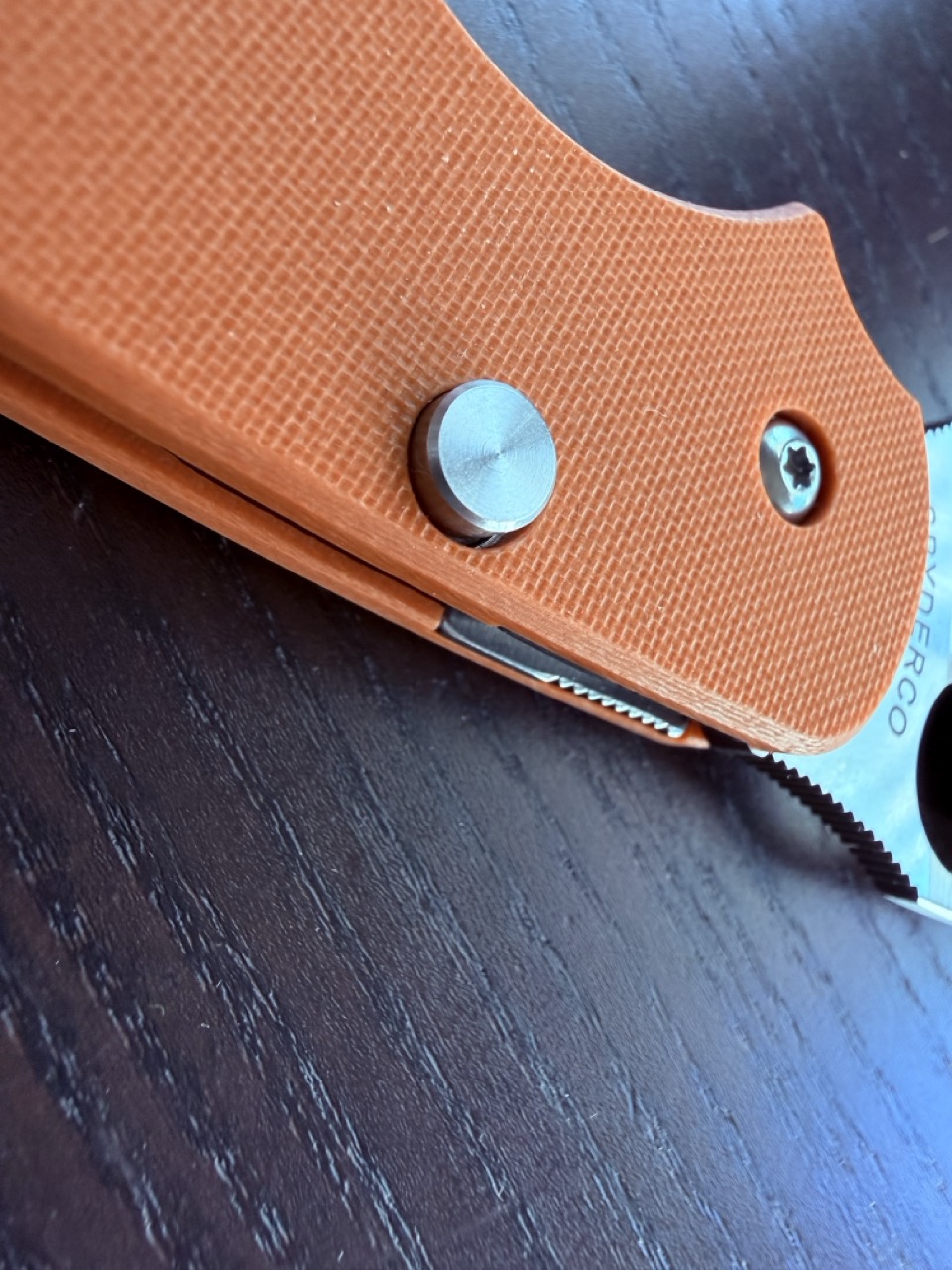
One detail immediately caught my attention.
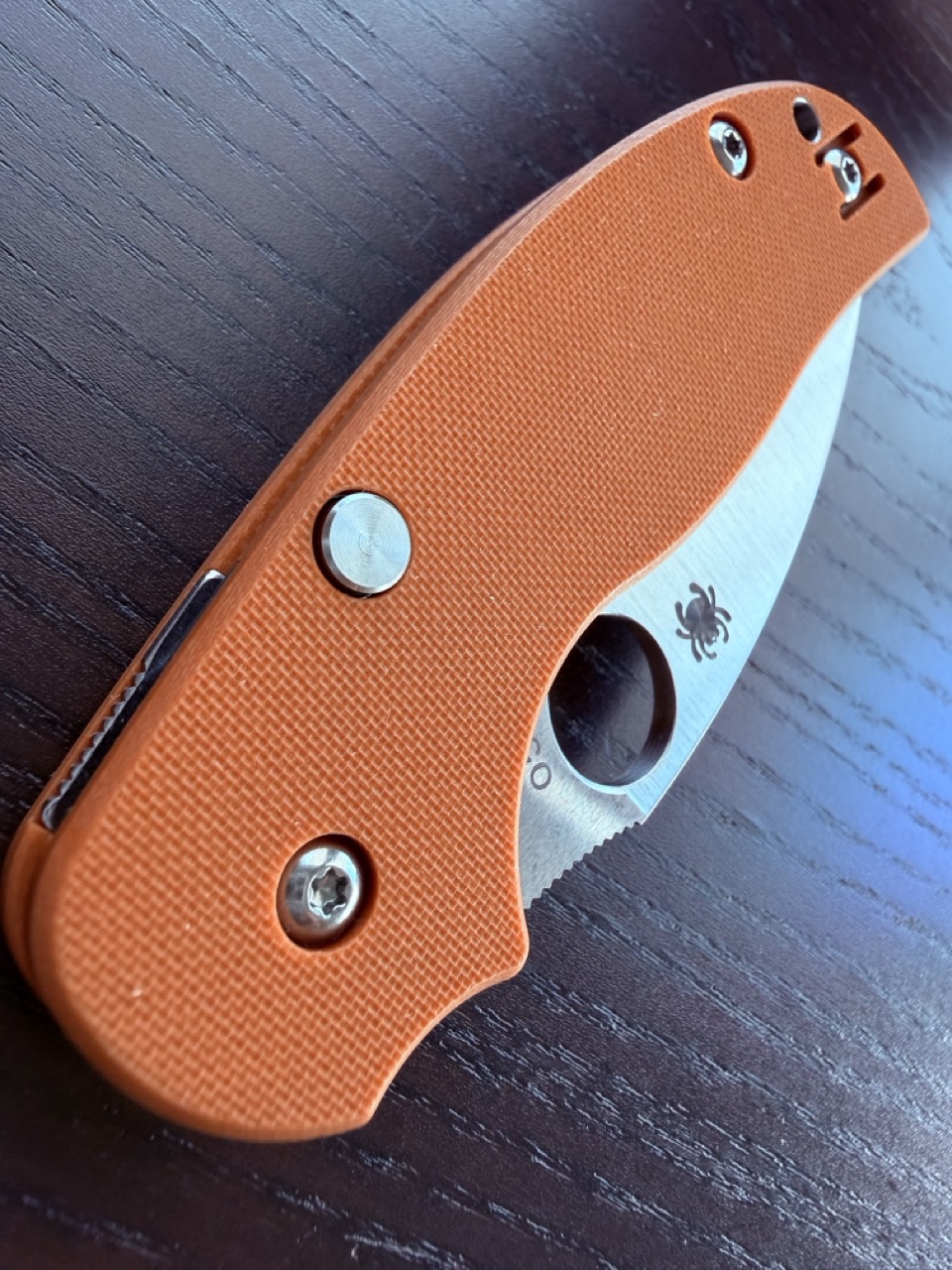
When the knife is closed, the button sits recessed into the scale. Once the blade is fully opened and locked, the button protrudes slightly above the handle, making it mandatory to disengage the lock.
This is clearly an intentional design choice. It prevents the knife from being mistaken for, or too easily operated like, a gravity knife where a simple press of the button could release the blade while closed.
Spyderco has followed a similar philosophy with the Ball Bearing Lock on the Manix 2. Unlike an Axis-style lock, it requires a more deliberate action to disengage, reducing the risk of accidental or unintended deployment.
To me, this reflects Spyderco’s long-standing approach to responsible knife design. The company doesn’t just pursue innovation—it also pays close attention to legal considerations and user safety. Rather than creating a lock that could be easily misused or interpreted as an automatic or gravity knife, Spyderco has deliberately engineered additional safeguards into the mechanism.
It’s a subtle detail, but one that says a great deal about the company’s design philosophy.
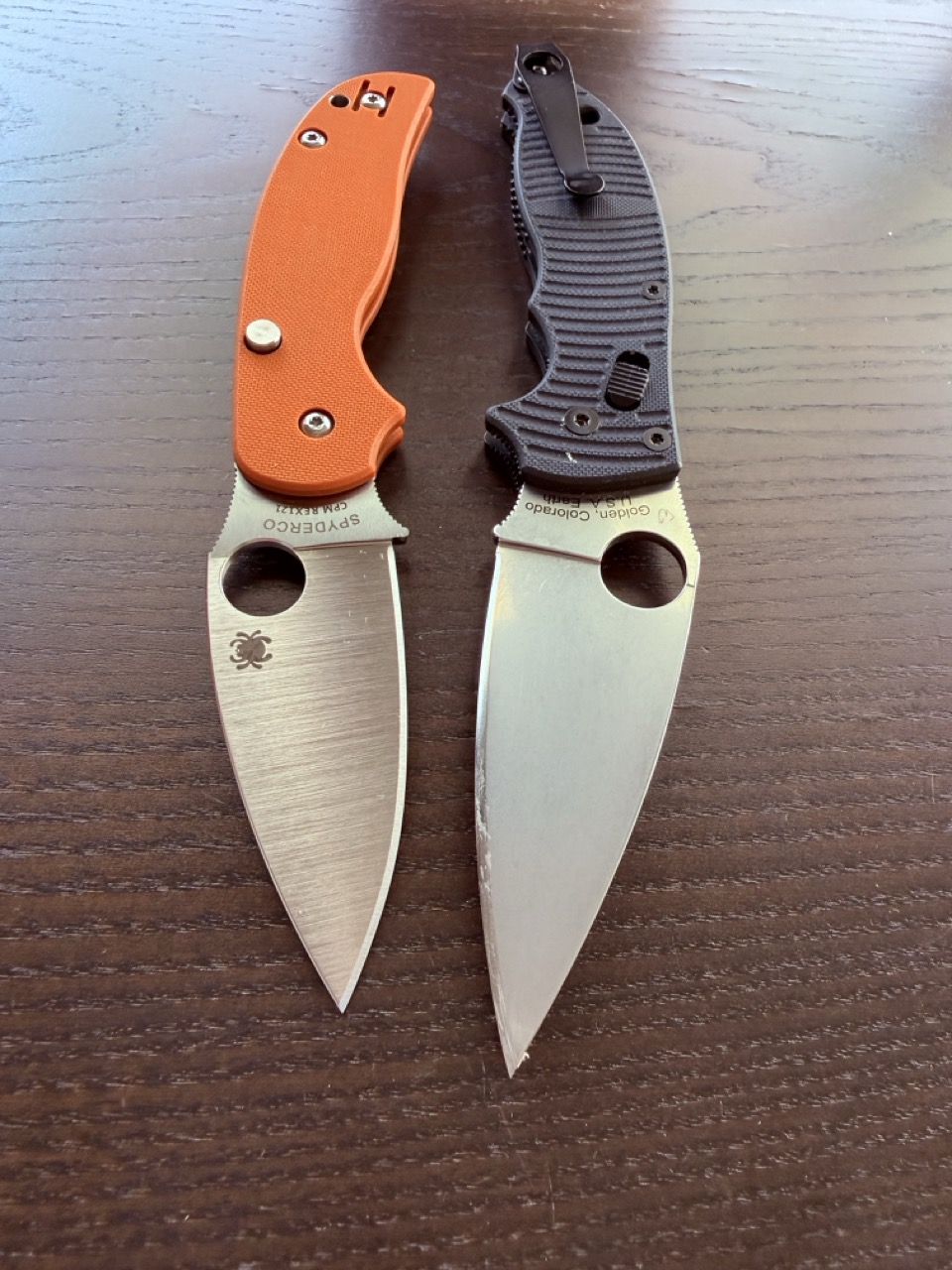
Opening it with the Spyderhole is effortless, and closing it with a gentle flick of the wrist is pure satisfaction. It is one of those rare knives that makes you want to open and close it again and again—not because you have to, but because the action is simply that enjoyable.
The action is nothing short of addictive. The Sage 6 is incredibly fidget-friendly.
The best way I can describe it is that it almost feels as if the blade were riding on a magnetic system rather than traditional washers. The action is exceptionally smooth, yet always controlled and reassuring.
Every opening and closing cycle feels refined. The lock engages with a soft, muted click instead of a harsh metallic snap, giving the knife the feel of a finely tuned mechanical instrument.
One aspect that is often overlooked in a folding knife is that opening the blade is only half the story. Closing it safely is just as important.
To me, the easier and more intuitive a knife is to close, the safer it is to use. If you don’t have to reposition your grip, place your thumb between the liners, or let the choil drop onto your finger, you’re less likely to make a mistake.
This is where the Sage 6 really shines. That single button makes disengaging the Compression Lock almost effortless. It preserves all the strengths of Sal Glesser’s ingenious lock while making it significantly easier to operate with one hand.
For me, that’s one of the biggest improvements over the original Compression Lock. It’s not just more convenient—it’s genuinely safer and more confidence-inspiring during everyday use.
That said, the design still clearly favors right-handed users. Left-handers can certainly operate it, but the ergonomics are undeniably optimized for right-handed manipulation.
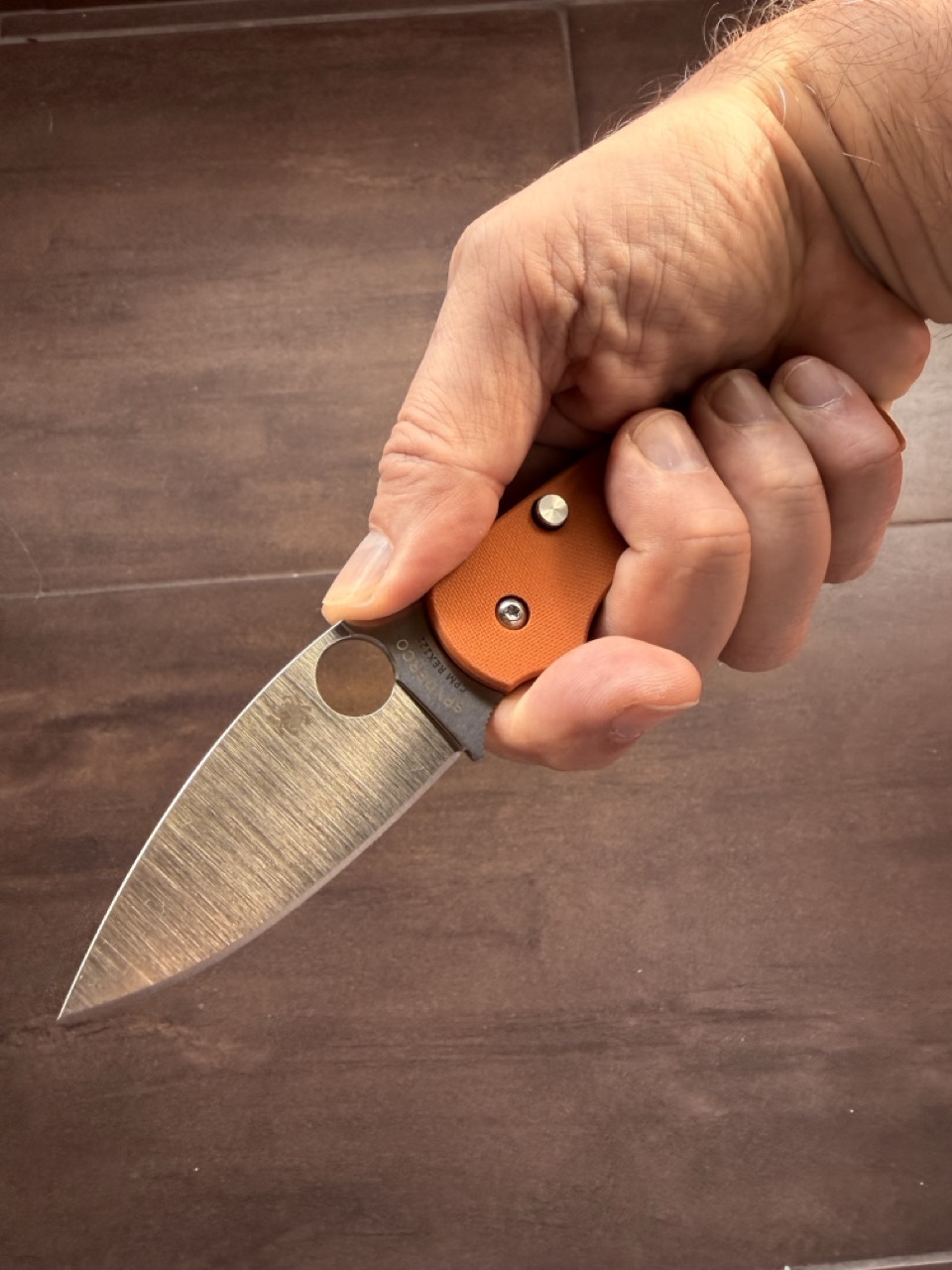
One of my initial concerns was whether the button could get in the way during use or even lead to an unintended lock release.
That’s a debate that goes all the way back to the introduction of Benchmade’s AXIS Lock more than 25 years ago. Some users wondered whether pressure from the hand could accidentally disengage the lock during hard use.
Spyderco has taken a different approach. On the Manix 2, the Ball Bearing Lock relies on a fairly strong spring that requires a deliberate pull to disengage.
On the Sage 6, the solution is different but equally effective. The button is positioned far enough away from my natural grip that my fingers never come close to pressing it unintentionally.
After handling the knife, that concern disappeared almost immediately. The lock feels intuitive, secure, and confidence-inspiring. It delivers all the convenience of a button-operated mechanism without ever making me worry about an accidental unlock.
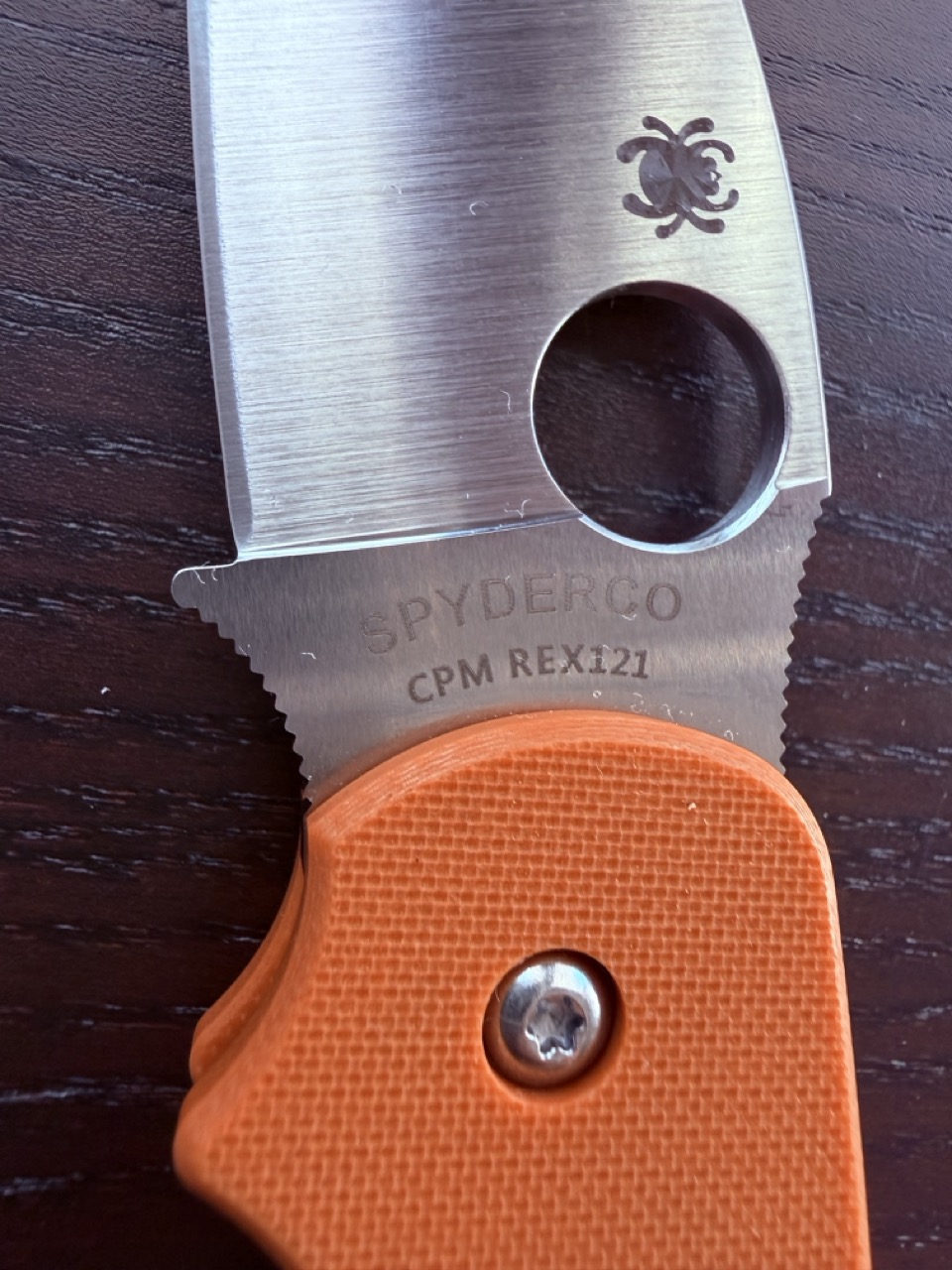
Originally developed by Crucible Industries as a high-speed tool steel for industrial cutting tools, CPM REX 121 was never designed with pocket knives in mind. Its primary objective was simple: maximum wear resistance at very high hardness.
Composition
CPM REX 121 is an astonishing alloy. Take a look:
- Carbon: 3.4% !!!
- Chromium: 4.0%
- Vanadium: 9.5% !!!
- Tungsten: 10.0% !!!
- Molybdenum: 5.0%
- Cobalt: 9.0% !!!
This chemistry creates an exceptionally dense “population” of very hard carbides, giving the steel extraordinary resistance to abrasive wear. It is not stainless, but its chromium content provides slightly better corrosion resistance than traditional simple carbon steels.
Adamantium anyone ?
According to Sal, Spyderco runs its REX 121 blades at an impressive 67–70 HRC !!!
Those hardness levels are almost unheard of in production folding knives and are one of the reasons the steel performs the way it does.
Metallurgist Larrin Thomas, father of MagnaCut and MagnaMax, places REX 121 at the very top of the edge-retention scale.
In fact, he rated both REX 121 and Maxamet above his normal 1–10 scale, simply because they outperform the rest of the field by such a margin. His testing shows REX 121 combines record-breaking wear resistance with very low toughness, making it a steel optimized for slicing performance rather than abuse.
I won’t be treating this knife the way I treated my Maxamet.
(Years ago, I even used that knife to open oysters just to see how far I could push the steel—and then sharpened it back to a razor edge.)
Looking back, that was a rather silly test.
With the Sage 6 REX 121, my goal is different. I want to evaluate it as a high-end everyday cutting tool, not as the subject of destructive or abusive experiments. There are plenty of videos on YouTube showing knives being pushed beyond their intended use. That’s not what interests me.
I’m far more interested in how REX 121 performs in real-world cutting tasks, how long it retains a truly useful edge, and what it feels like to maintain over months of normal use.
The interesting part is that real-world experience is often more nuanced than the numbers suggest.
Owners of the Sage 5 REX 121 consistently report:
- astonishing edge retention, especially on cardboard;
- a “working edge” that seems to last almost indefinitely;
- surprisingly little chipping when the knife is used for cutting rather than prying;
- sharpening that absolutely benefits from diamond or CBN abrasives but is not the nightmare many expected.
One experienced user reported using a Sage 5 in REX121 almost exclusively on cardboard for six months, sharpening it only once during that period, with no chipped edge or broken tip.
Another noted that while sharpening takes longer, deburring is remarkably easy, resulting in an exceptionally clean apex.
Several users also mention that REX 121 responds exceptionally well to a highly polished edge, maintaining both aggression and push-cut performance longer than expected.
So it will be leather stropping friendly.
Some people may question the price of the Sage 6 REX 121. Looking at the manufacturing process, however, it starts to make sense.
First, Spyderco had to secure a significant quantity of CPM REX 121—an already rare and expensive steel. The raw material then had to be shipped from the United States to Spyderco’s manufacturing facility in Taichung, Taiwan.
REX 121 is also one of the most difficult production steels to machine and grind. Its extreme wear resistance means slower manufacturing, greater tool wear, and extensive use of diamond abrasives, all of which increase production costs.
Once the knives are manufactured, they are shipped back to Golden, Colorado, Earth.
In other words, you’re not just paying for an orange handle or a premium steel. You’re paying for one of the most demanding manufacturing processes ever applied to a production folding knife.
And CPM REX 121 deserves a proper farewell, and Spyderco seems determined to give it one. By acquiring as much of the remaining steel as possible following Crucible’s acquisition by Erasteel, Eric and Sal Glesser ensured that this legendary alloy would continue to reach enthusiasts rather than quietly disappear. After the Sage 6, Spyderco is already planning a Chaparral in REX 121. With its ultra-thin 2 mm blade stock—compared to the Sage’s 3 mm—it could become one of the most formidable high-performance slicing tools the company has ever produced.
To quote Sal on the forums:
“I’ve been maintaining a very coarse edge (CBN Gauntlet Vivi style) at 10 DPS with no problems so far.”
That’s impressive.
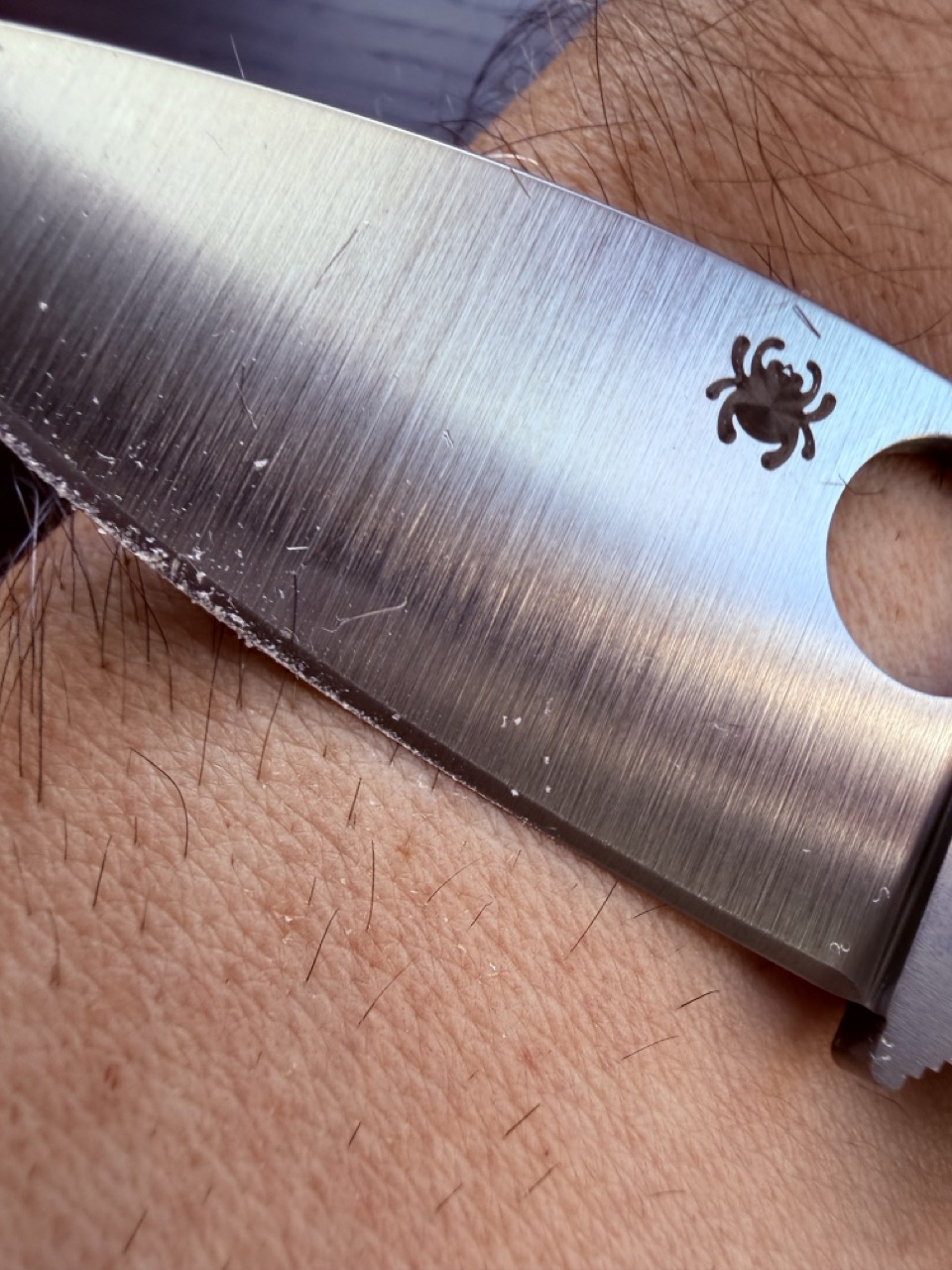
Out of the box, the knife easily shaves arm hair. That’s already an excellent factory edge.
Still, I can’t resist seeing if I can make it even better. My first stop will be an old leather strop loaded with diamond powder and automotive polishing compound. I’m curious to see how REX 121 responds to such a light treatment before I ever think about putting it on a stone.
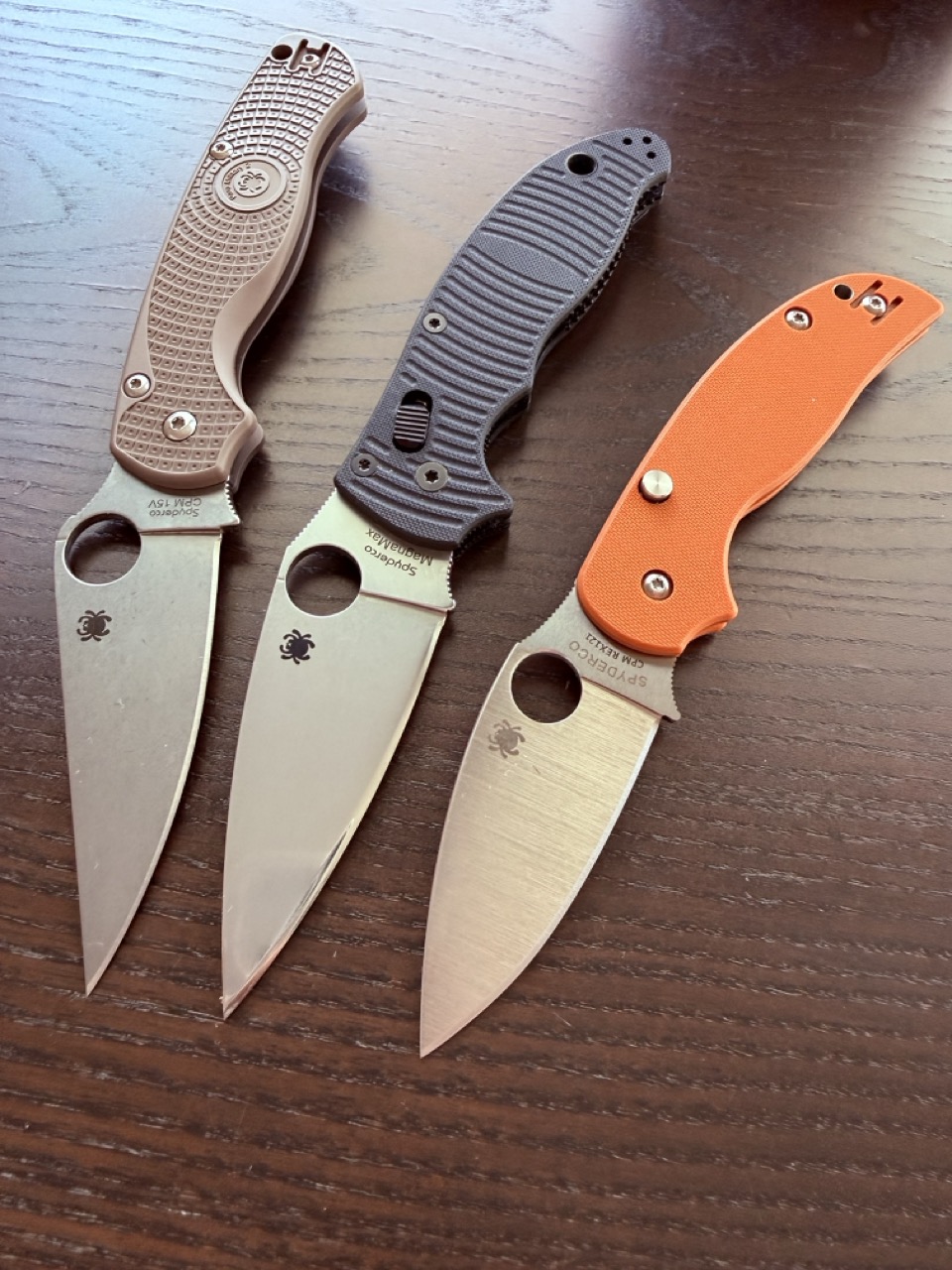
I’ve already spent a lot of time with K390, CPM 15V, and MagnaMax.
The Sage 6 will allow me to discover whether REX 121 is simply the next step in edge retention—or whether it offers a genuinely different cutting experience.
One thing is already certain: this isn’t a steel designed for everyone. It’s a steel for enthusiasts who value ultimate cutting performance above almost everything else. And that alone makes it fascinating.
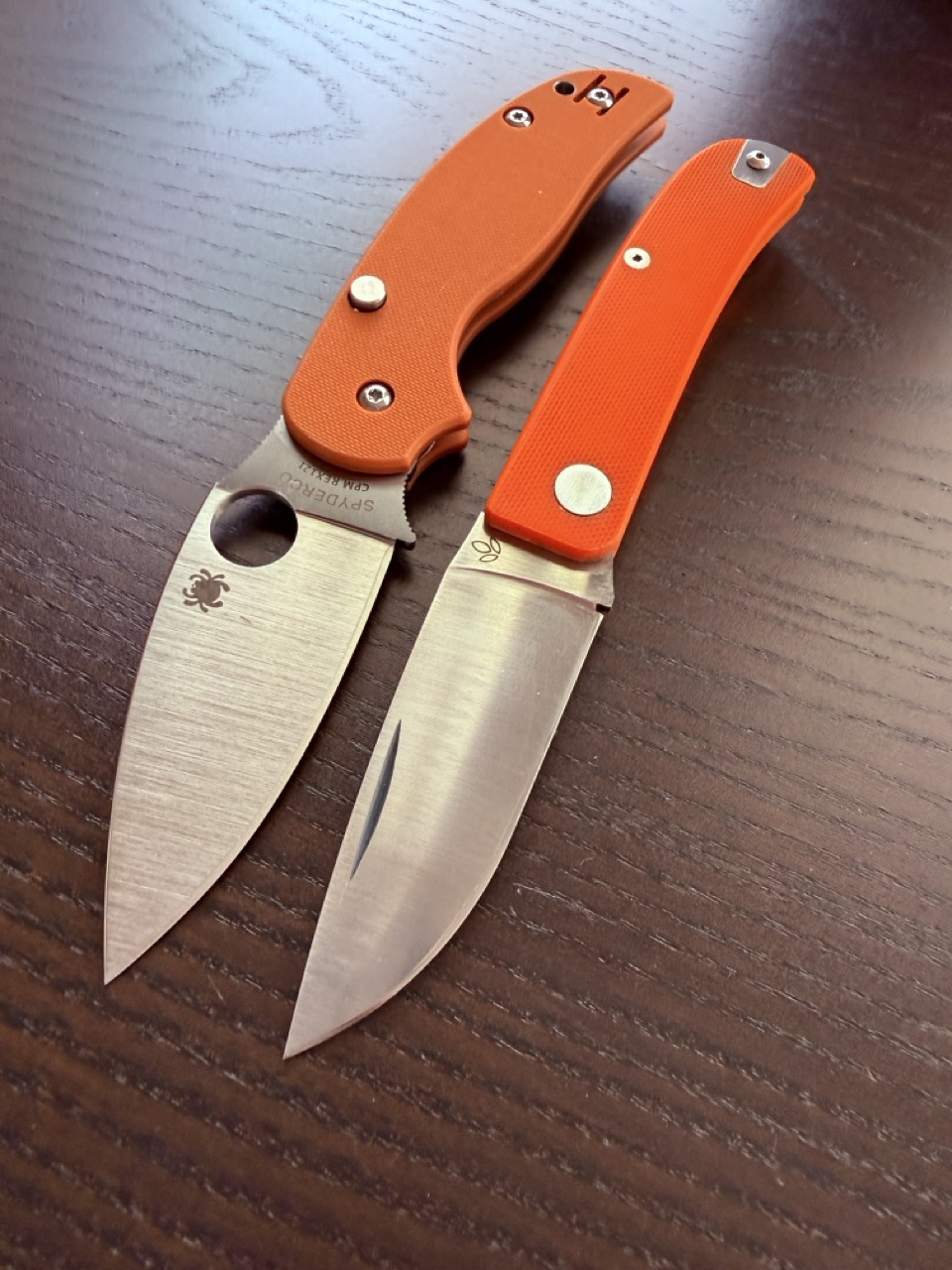
Steel alone doesn’t define cutting performance. Geometry is just as important—sometimes even more so.
A perfect example is my Manly Wasp in S90V. Between its outstanding steel and its incredibly thin geometry, it cuts like an absolute beast.
Over the years, I’ve convexed every one of my Sage knives. The latest was my Sage 5 Salt in MagnaCut, which I gradually transformed into an outstanding whittling machine. That subtle convex geometry made an already excellent cutter even more enjoyable to use.
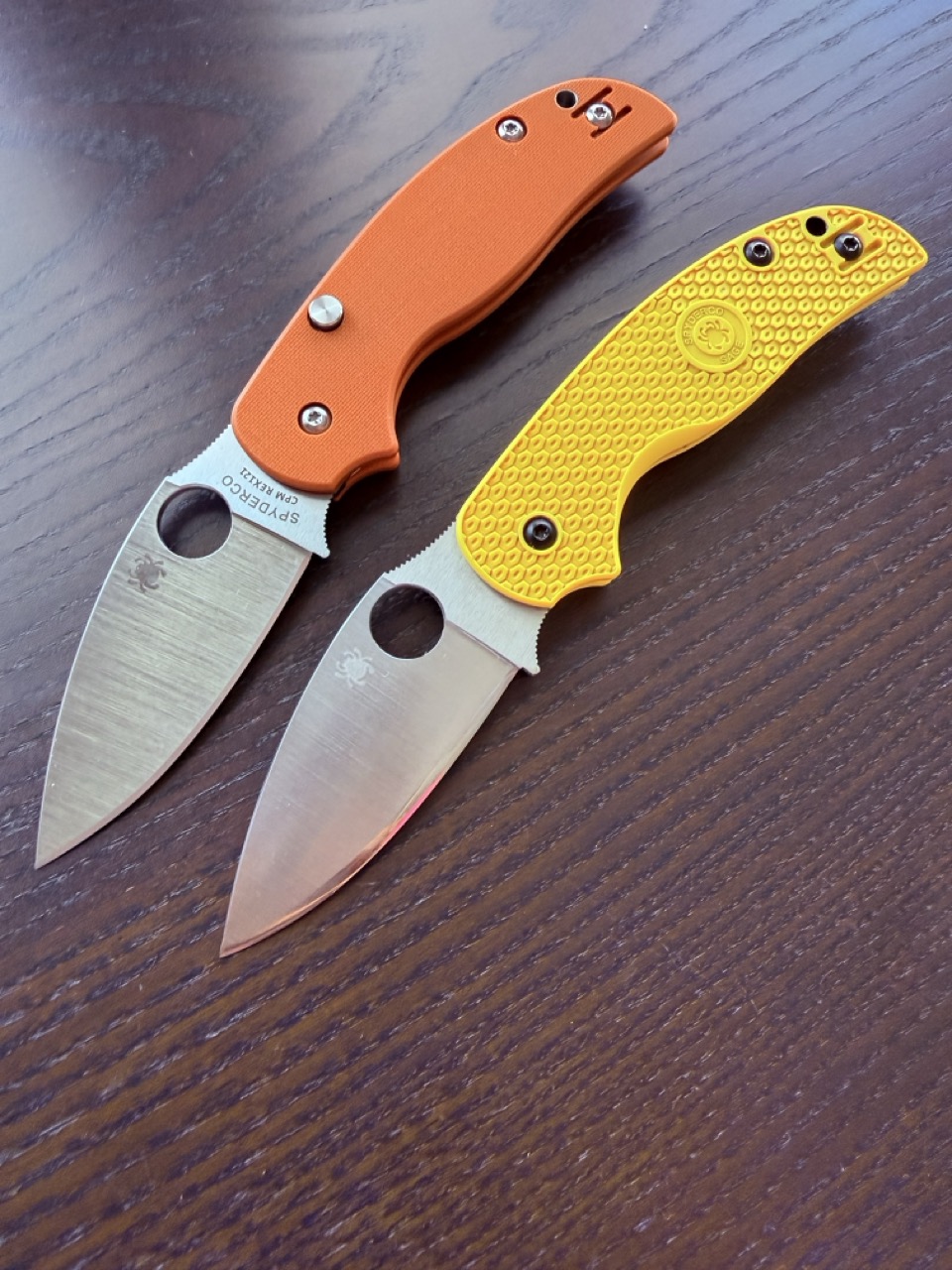
But this Sage 6 raises a different question.
Will the factory geometry already be so good that I’ll simply leave it alone?
Will I eventually have the patience—and the courage—to convex the edge of a blade made from CPM REX 121?
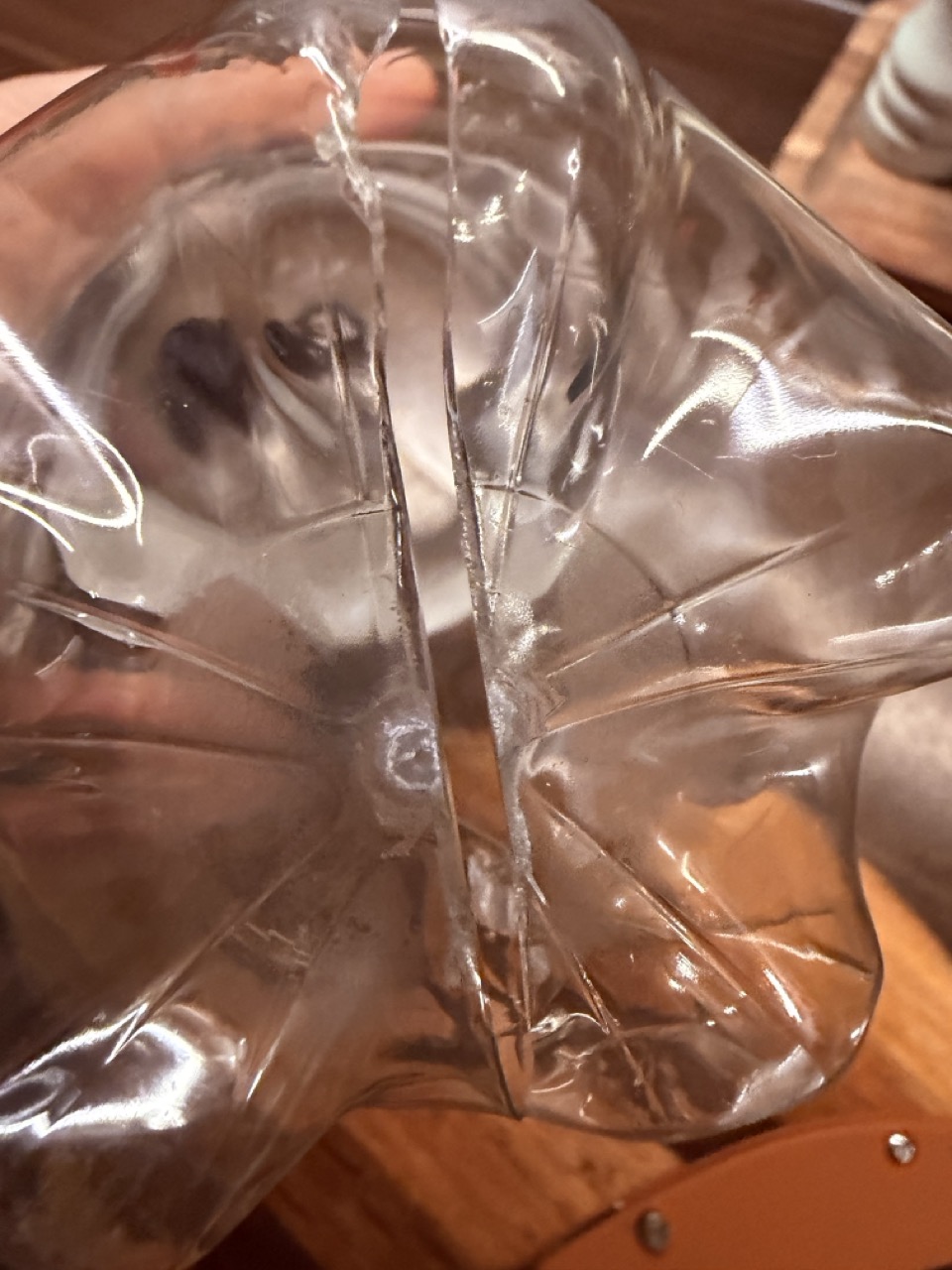
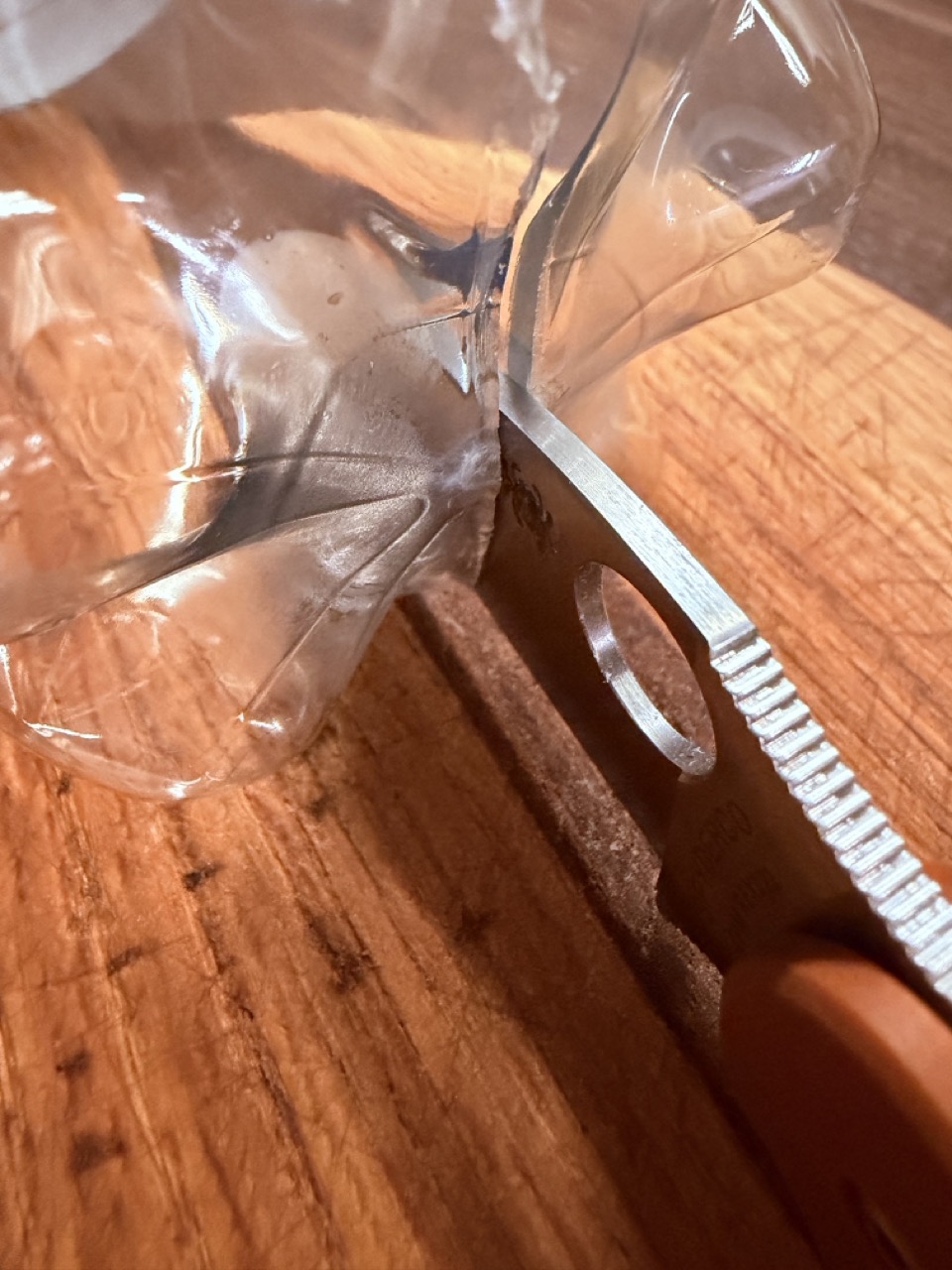
For now, I wasn’t entirely satisfied with the amount of force required to cut through the bottom of a plastic Coke bottle.
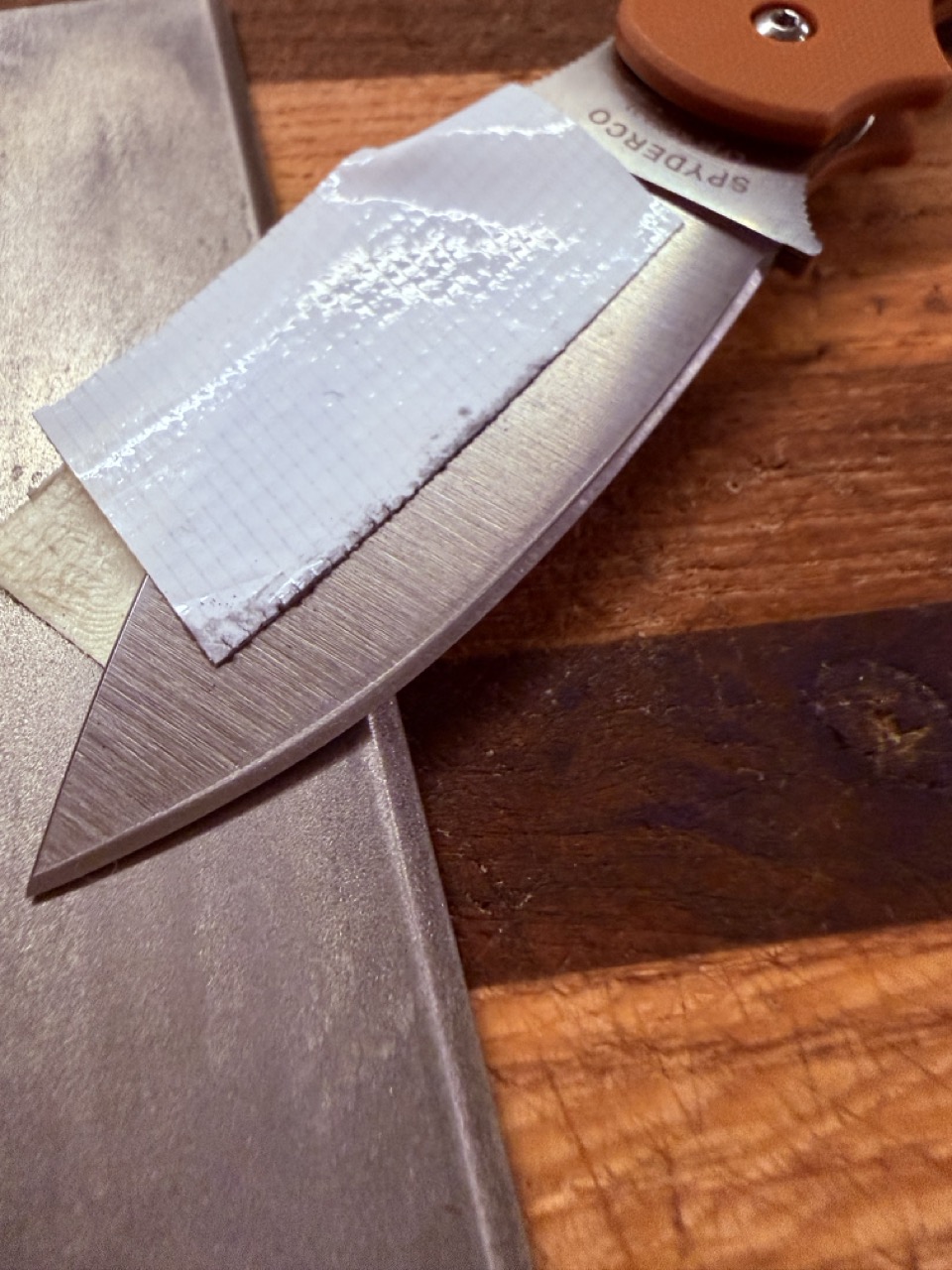
So I decided to de-shoulder the factory edge using my Diamond Stuff 2.
This is not a reprofile, and certainly not a convex edge. It’s simply a light de-shouldering of the bevel to improve cutting efficiency while keeping the original edge geometry essentially intact.
The steel responded surprisingly well, and the operation was completed without any difficulty.
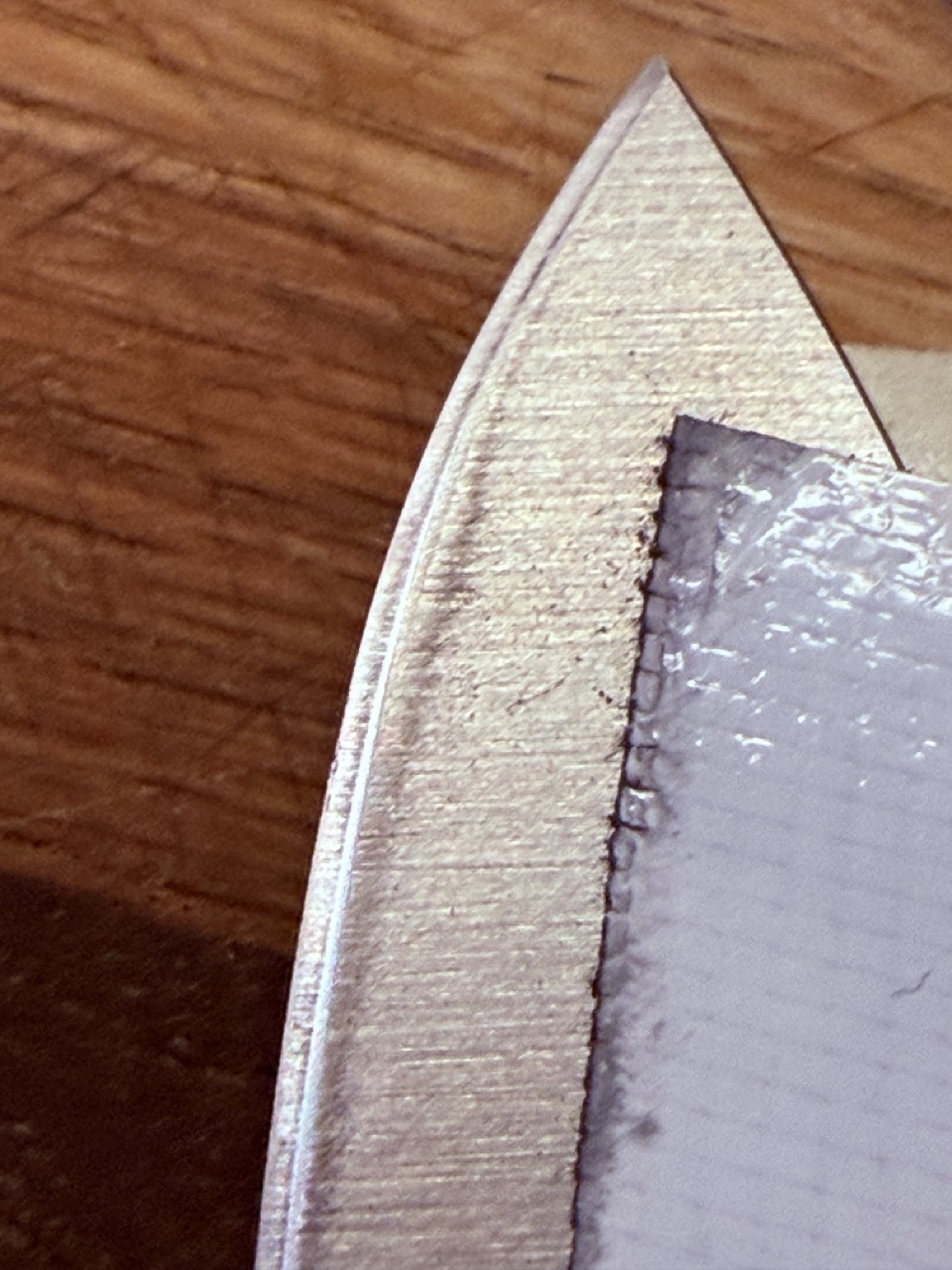
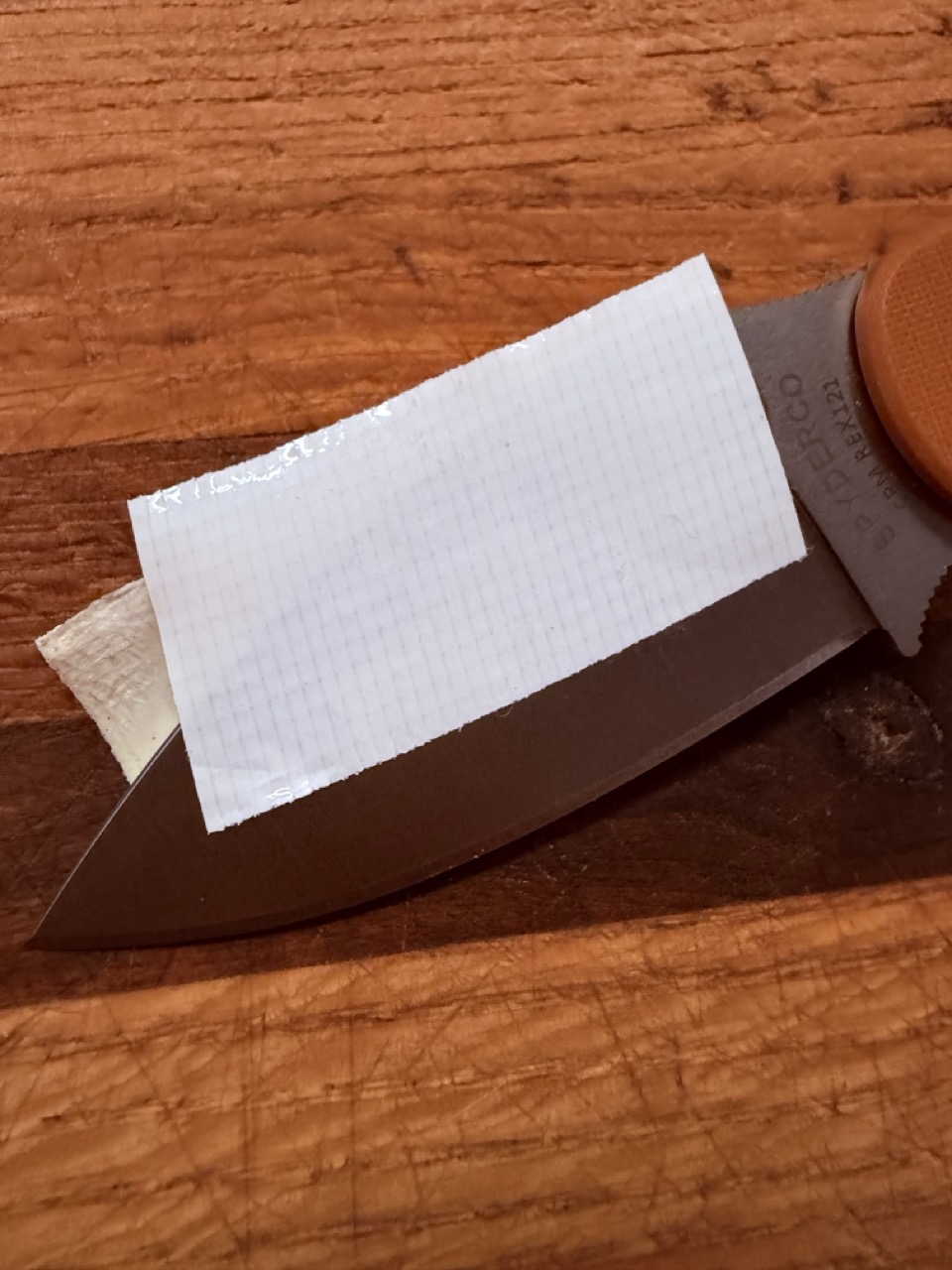
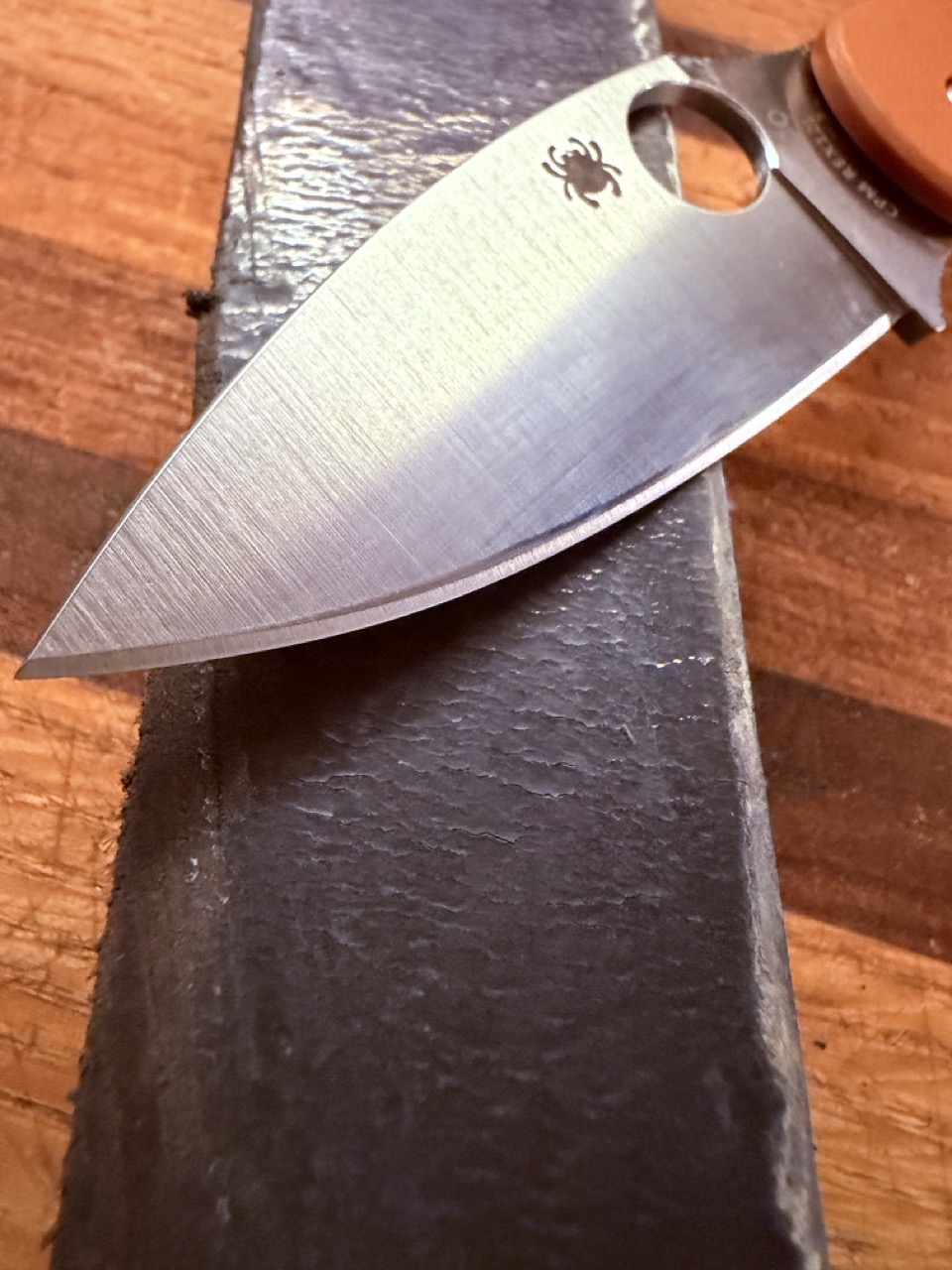
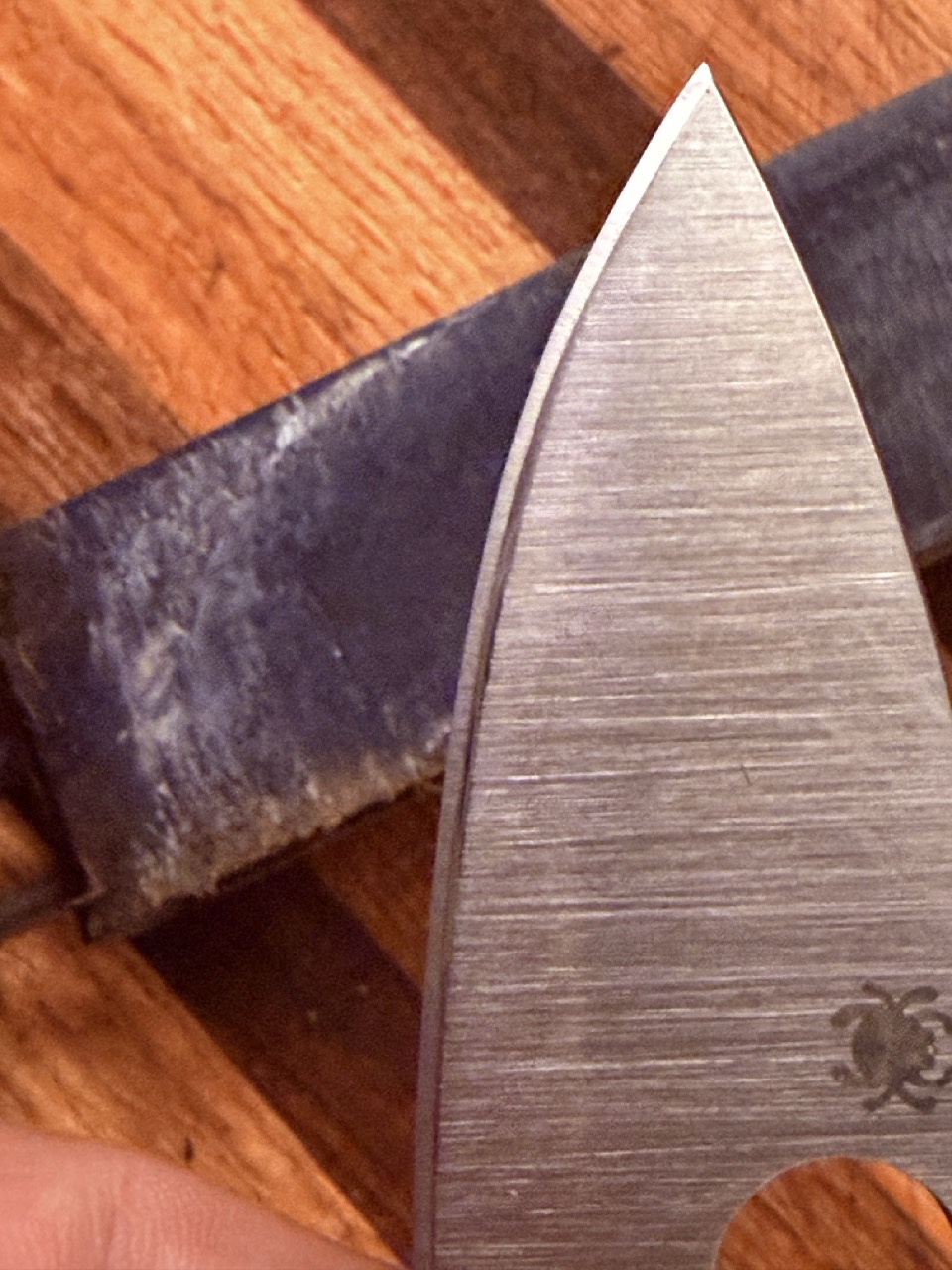
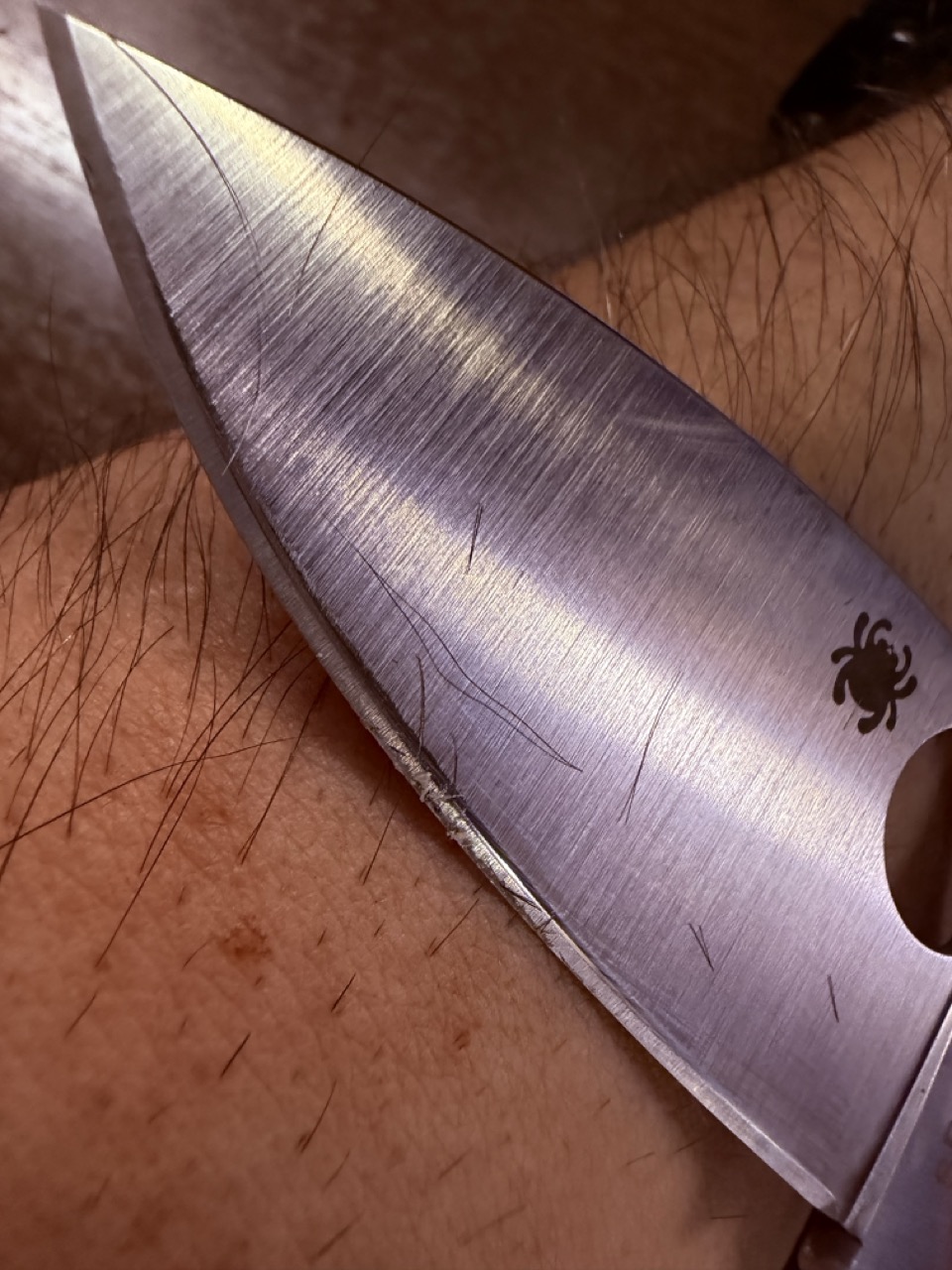
Eventually I will not treat my Sage 6 like my Paramilitary 2 Lightweight in CPM 15V, whose factory geometry I have deliberately left untouched. 😉
Under my diamond stones, Rex121 feels like Maxamet to me.
And I have enjoyed a lot reprofiling my Maxamet edges.
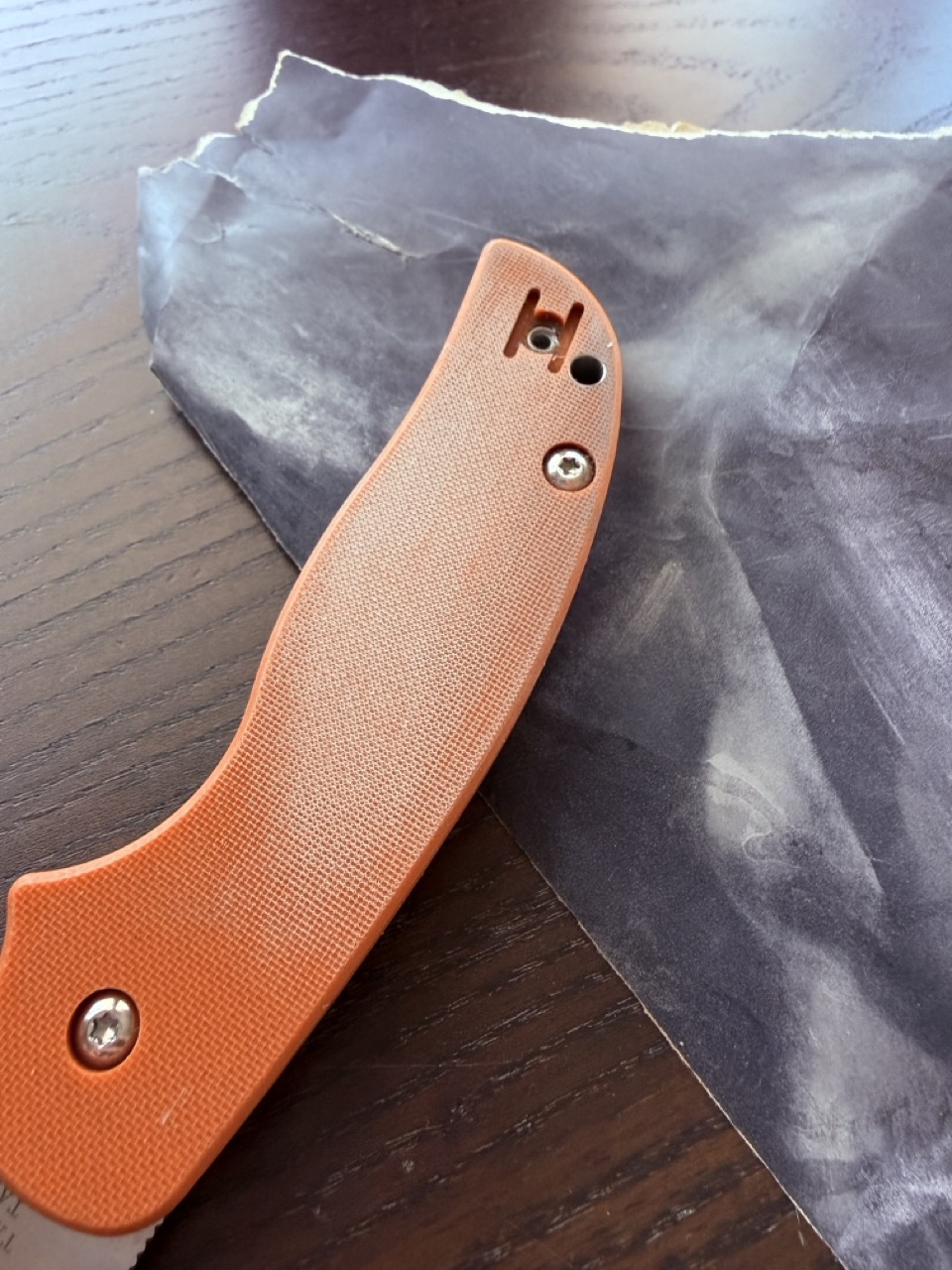
The very first thing I did was soften the G10 underneath and around the pocket clip.
Spyderco’s G10 offers excellent grip, but like many enthusiasts, I prefer to slightly round the area where the clip contacts the pocket. It takes only a few minutes with fine sandpaper and makes the knife much friendlier to carry in the pocket without noticeably affecting grip.
While doing so, I made sure to hold my breath as much as possible and avoided creating unnecessary dust. G10 and ceramic dust should never be inhaled. Whenever you sand composite materials, it’s good practice to work in a well-ventilated area, wear appropriate respiratory protection, and clean up the dust afterward.
I’m particularly careful about this because one of my neighbors, a retired dental technician, spent decades working with ceramic materials. Today, he lives with supplemental oxygen after years of occupational exposure to fine dust. Whether or not it was the sole cause, it was a stark reminder to me that airborne fine particles should never be taken lightly.
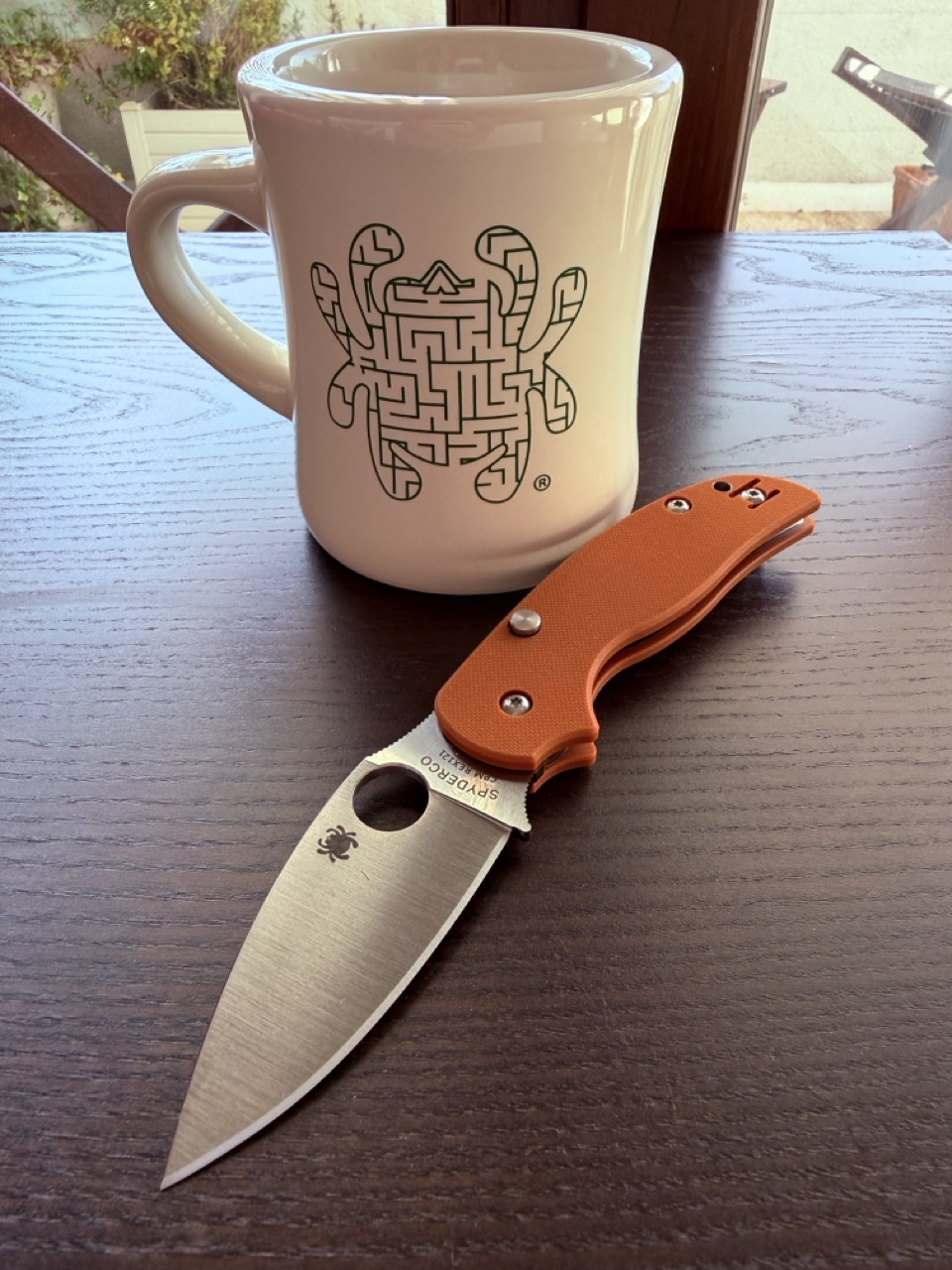
This is only a first glimpse of what is already proving to be a remarkable knife.
Let’s be honest: the Spyderco Sage 6 REX 121 is a rare knife, and its price will understandably place it beyond the reach of many enthusiasts. I’d like to sincerely thank again Spyderco for giving me the opportunity to evaluate it through their Ambassador Program and to use it exactly as I see fit.
What I can already say is this: from a purely mechanical standpoint, this is one of the finest production folding knives I have ever handled.
The action is simply outstanding. The Button Compression Lock is unbelievably smooth—almost as if the blade were riding on magnetic bearings rather than washers. There is virtually no friction throughout the opening and closing motion. The blade glides effortlessly while remaining perfectly controlled.
Fit and finish are exactly what I’ve come to expect from Spyderco’s Taichung factory: flawless blade centering, rock-solid lock-up, and exceptional attention to detail.
I own several high-end folders, and mechanically, this is without question one of the smoothest I’ve ever handled.
As for the CPM REX 121 blade steel, I’ll reserve judgment until I’ve spent enough time using it, maintaining it, and eventually sharpening it. A steel like this deserves more than a few days of testing.
If your local knife dealer has one in stock, I genuinely encourage you to handle it for yourself. Open it. Close it. Feel the action. The Balance.
Only then will you understand.
Just be warned…
You may leave the shop wondering which knives you’re going to sell to make room for a Sage 6 REX 121.