Tag Archives: #knifereview

MANTRA™ 2 Titanium – C203TI – Still alive and kicking ?

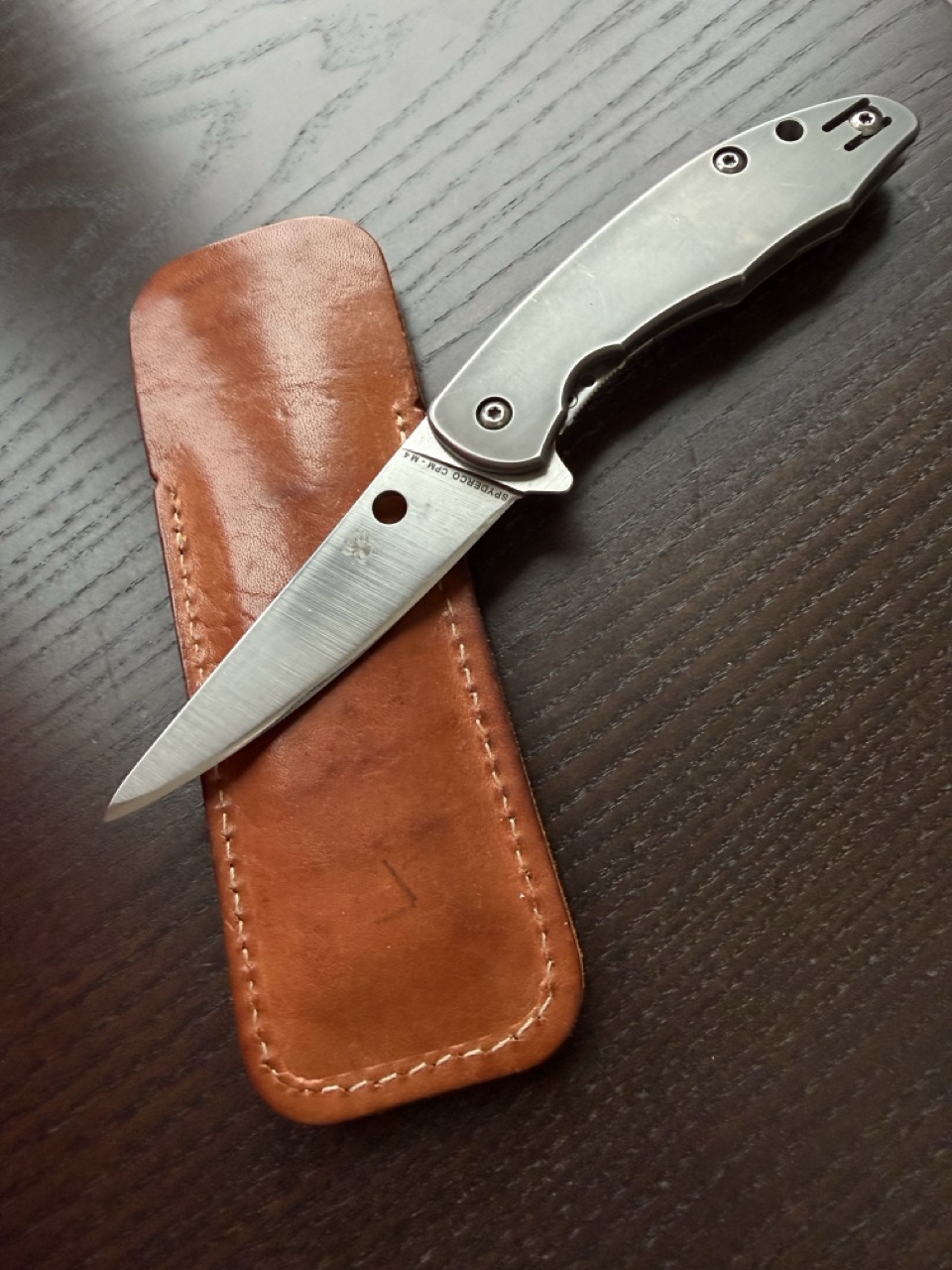
In 2026, does the decade-old Mantra 2 still have what it takes to stay relevant?

(For the record, the Spyderco Mantra 2 is a flipper-style folding knife. It features ergonomic twin titanium handle scales, a robust Reeve Integral Lock, and a lightweight open-backed construction. Its narrow drop-point profile suits a wide range of cutting tasks, and it opens quickly via an integral flipper and ball-bearing pivot.)
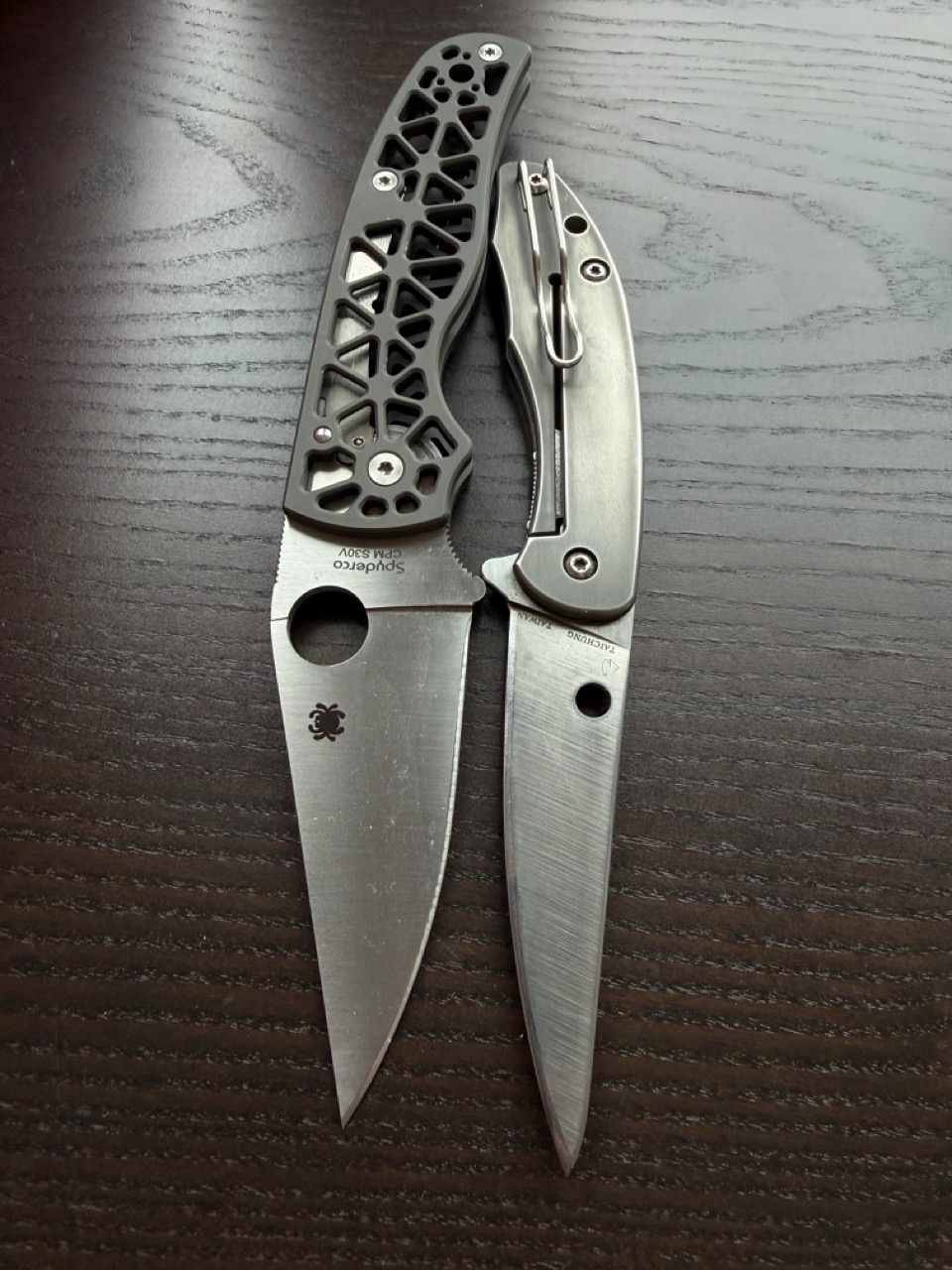
This question inevitably comes to mind when placing it next to the Edgerati, you know ? It’s that beautifully executed modern lightweight workhorse that embodies contemporary folding-knife design. On the surface, the comparison might seem unfair. The Mantra 2 belongs to an earlier design generation, one that predates today’s obsession with extreme lightness and visual minimalism. Yet, in actual use, the gap is far narrower than expected.

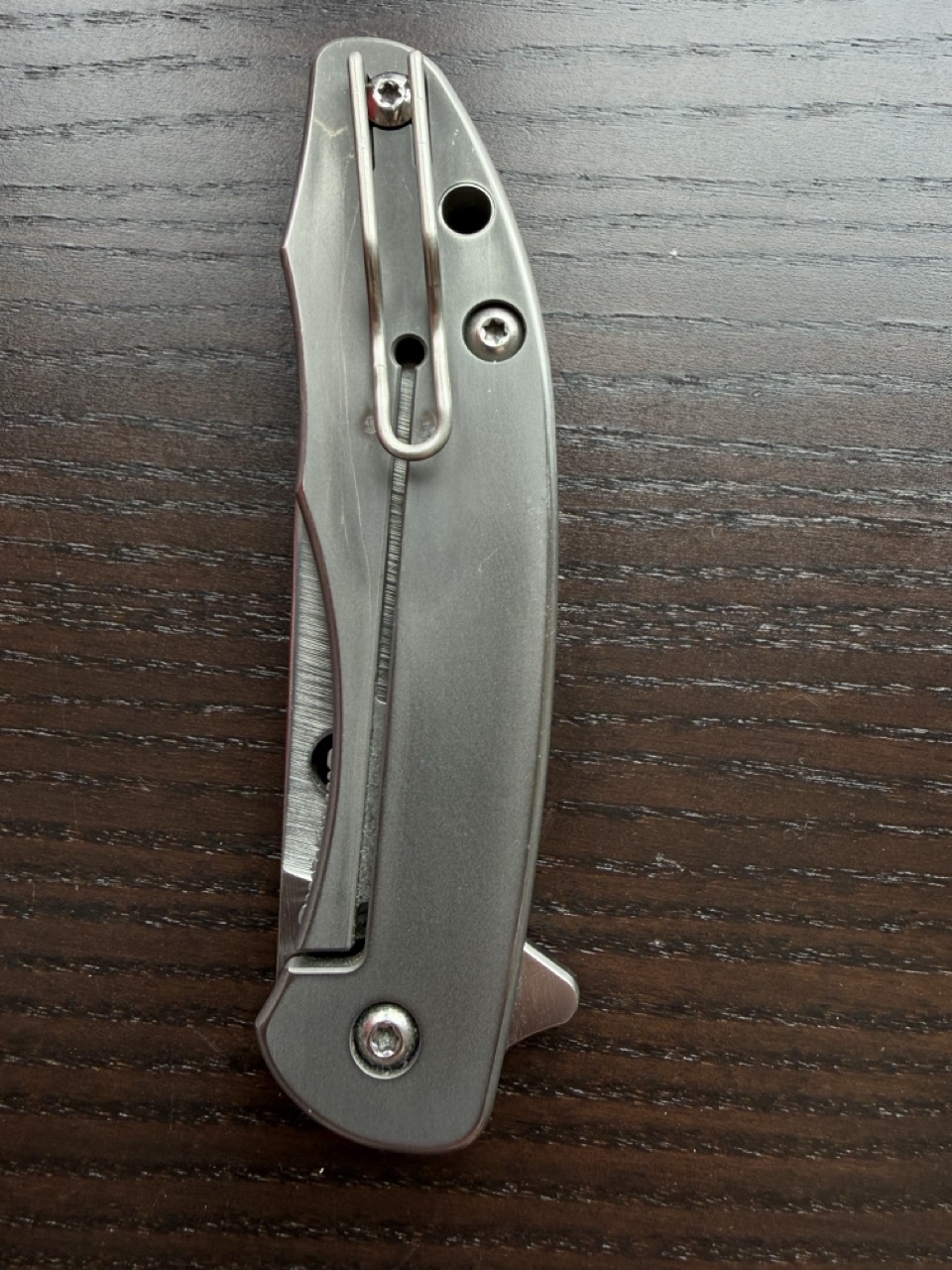
One aspect where Eric Glesser’s design continues to impress me is that blade-to-handle ratio. It remains among the most efficient in its class, extracting maximum cutting edge from a remarkably compact footprint. This efficiency translates directly into real-world ergonomics, with no sense of compromise in grip or control.
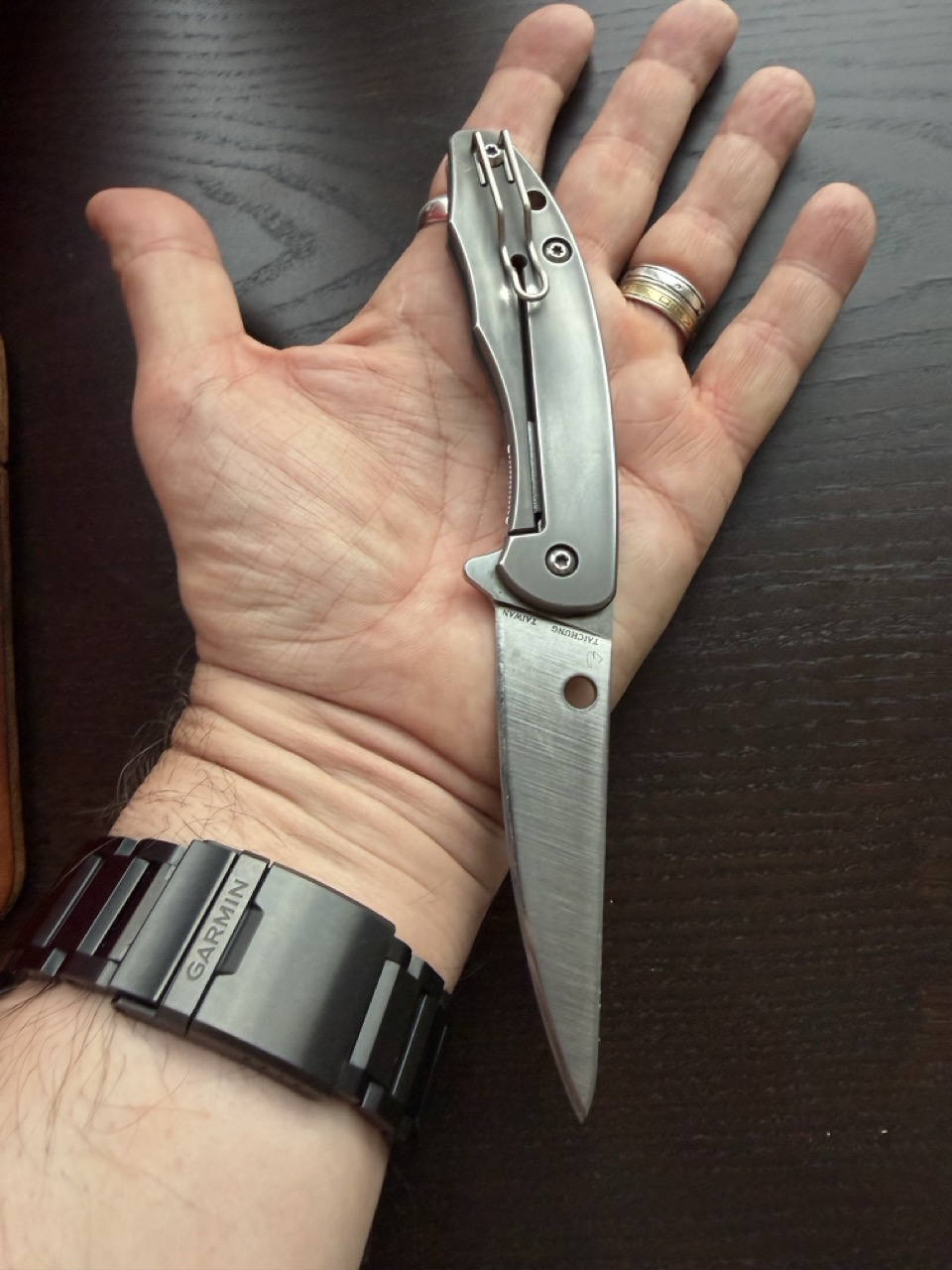
Pocket carry is another domain in which the Mantra 2 quietly exceeds expectations. Its footprint is remarkably discreet—once clipped in place, the slim, folded knife nearly vanishes. In daily carry, it becomes an almost invisible companion, a subtlety that even many newer designs struggle to achieve despite advances in materials and manufacturing.

A decade on, the Mantra 2 shows no signs of obsolescence. Rather, it stands as a testament to the enduring value of thoughtful fundamentals and intelligent proportions, which age far more gracefully than fleeting trends. It has been wielded in the kitchen, carried deep into the woods, relied upon as a traveling companion, and pressed hard into demanding materials—yet it continues to perform flawlessly, a quiet tribute to its lasting design.
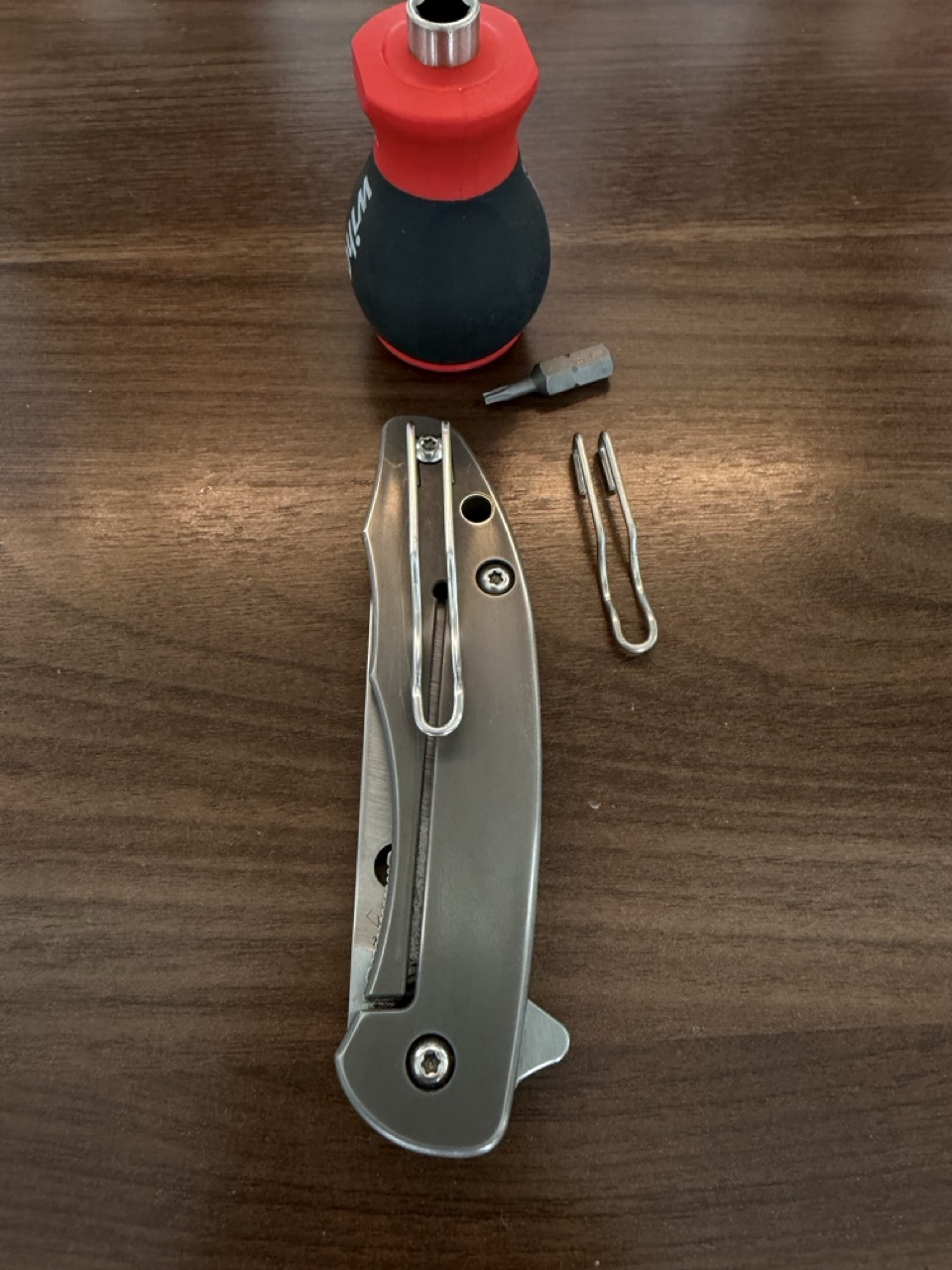
Along the way, I decided to upgrade the Mantra 2 with a shorter mini pocket clip—the kind found on the Lil’ Native Compression Lock, the Microjimbo, or the Dragonfly. A seemingly minor adjustment, it nevertheless has a surprisingly tangible impact on daily carry, subtly refining accessibility and pocket presence without altering the knife’s elegant proportions.

The shorter clip further reduces the knife’s visual footprint in the pocket, enhancing an already discreet carry profile. More importantly, it improves comfort in motion, removing any unnecessary contact points while preserving secure retention, making the Mantra 2 feel almost weightless and effortless throughout the day.

This small modification feels entirely in line with the original design philosophy of the Mantra 2: efficiency over excess, function over spectacle. Rather than altering the knife’s character, the shorter clip refines it, subtly updating the platform without betraying its intent.

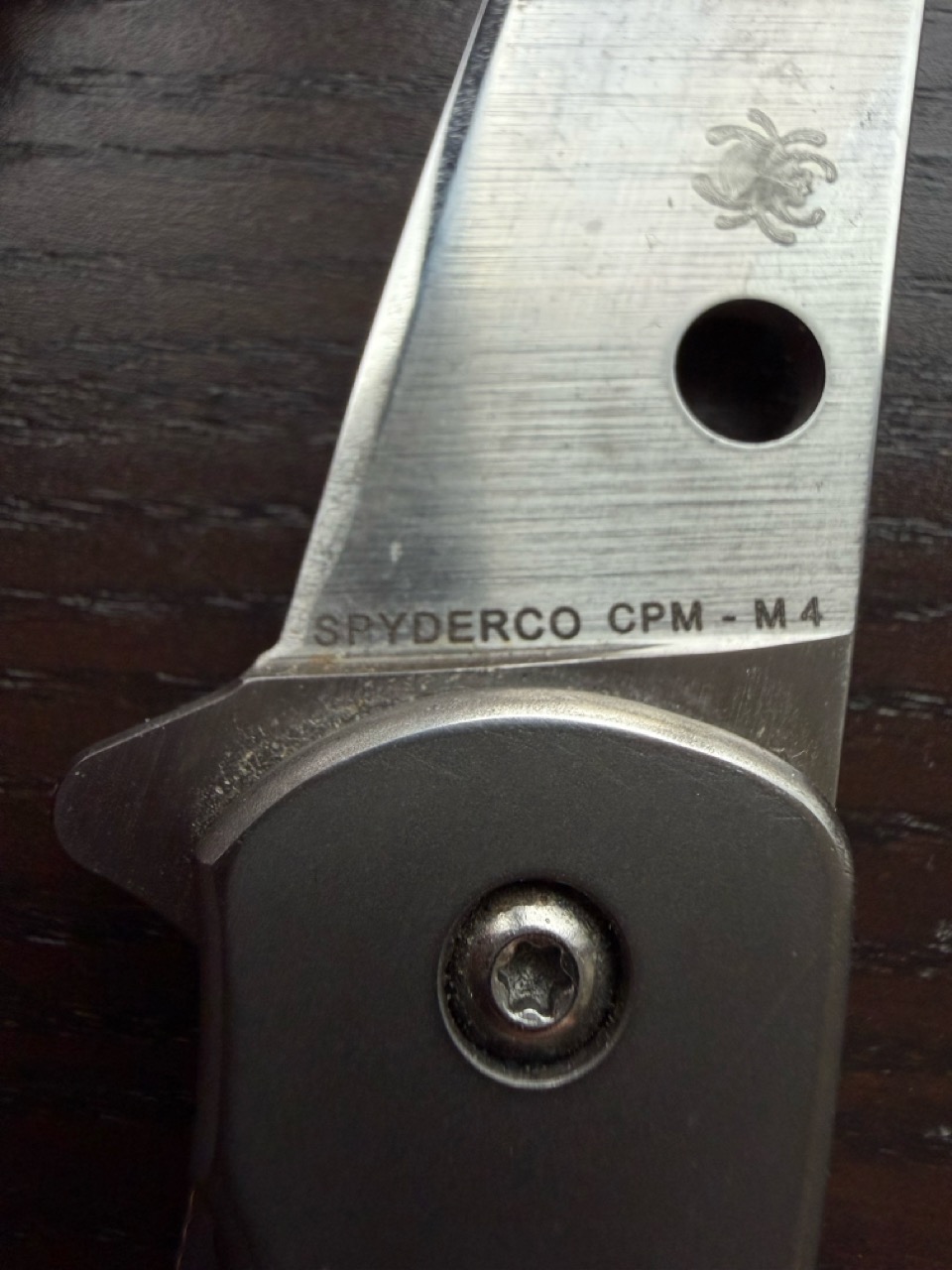
In a way, this simple upgrade underscores the enduring strength of the Mantra 2’s design. A decade on, the knife requires no reinvention—its fundamentals remain exemplary. One minor critique persists: I’ve never been particularly fond of the small Trademark Round Hole™, which tends to trap debris and demands occasional cleaning. Personally, I would have preferred a simple laser-engraved circle as Spyderco’s signature—subtle, elegant, and maintenance-free.

Even so, the knife’s core mechanics continue to impress. After ten years of regular use, the liner lock has not shifted a single bit. Its stability and reliability remain flawless, a quiet testament to Spyderco’s engineering and the robustness of the Reeve Integral Lock.
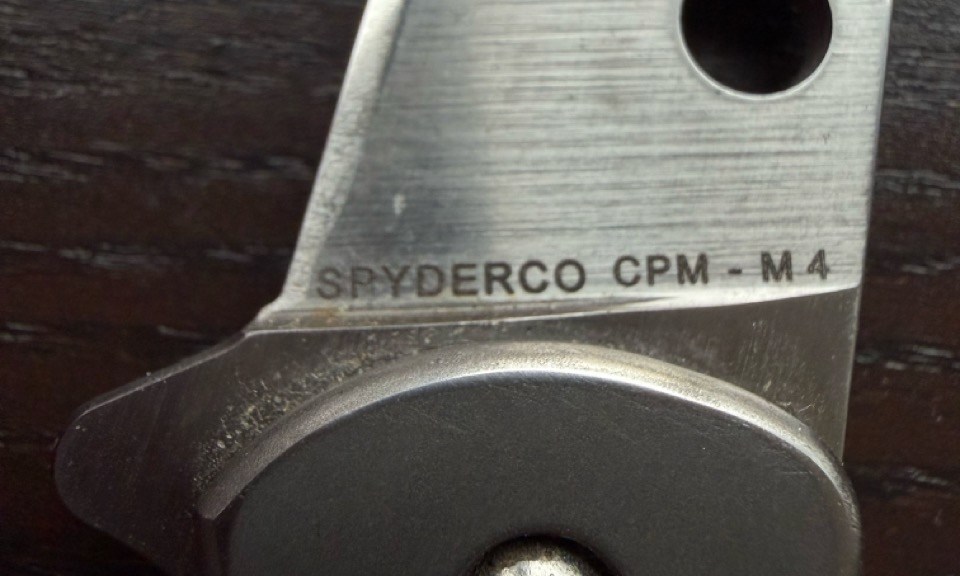
It is also worth remembering that the Mantra 2’s blade is crafted from CPM M4, a choice that says a great deal about the era—and the intent—behind the design. At the time, M4 was far from a marketing buzzword. It was selected for performance, not for trend alignment.

In use, CPM M4 still delivers what made it so respected: outstanding edge retention, a fine, aggressive cutting feel, and a toughness that inspires confidence during harder, more demanding tasks. Even when compared to newer powder metallurgy steels, it remains deeply relevant, particularly for users who prioritize cutting performance over corrosion resistance.
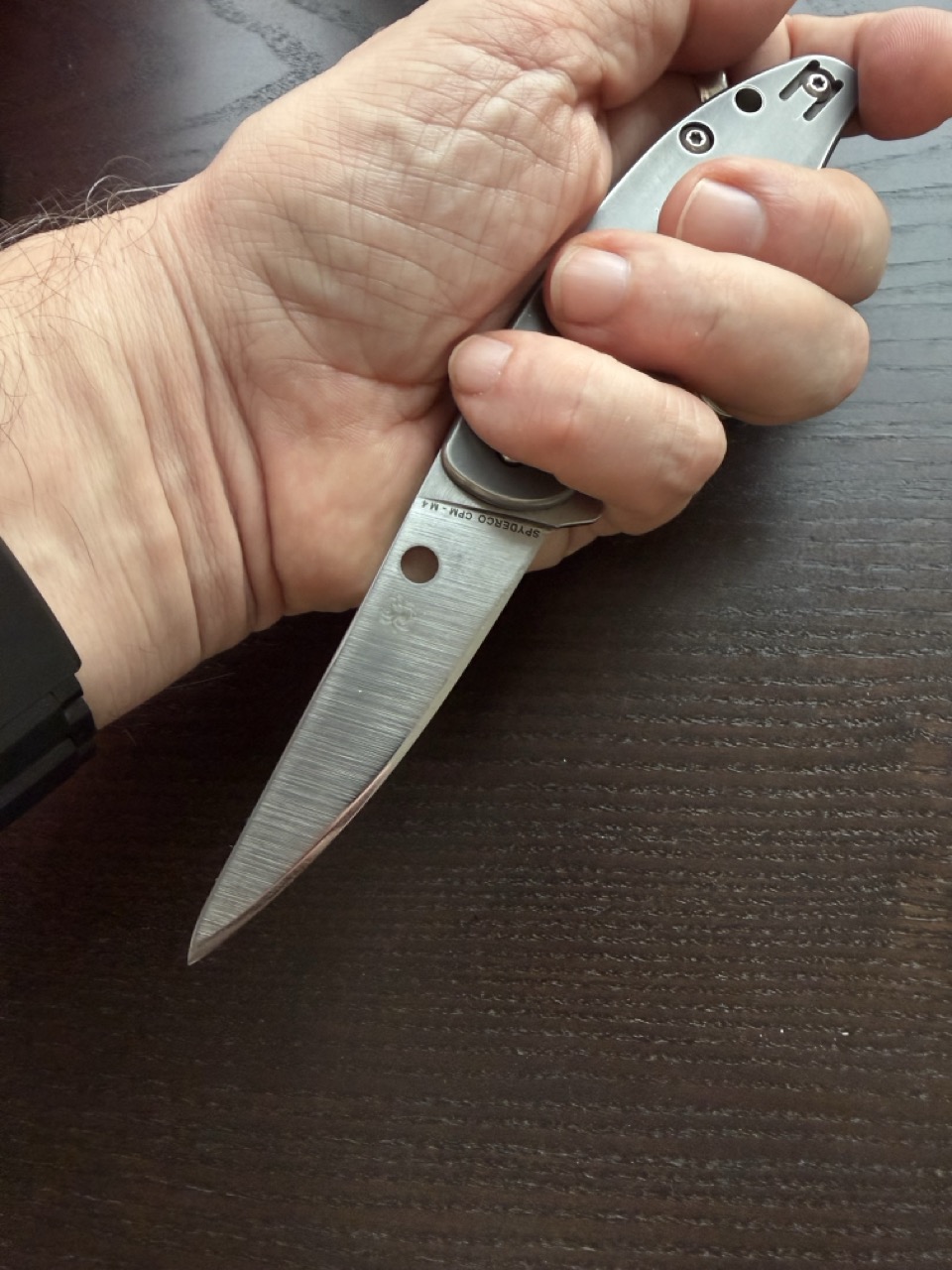
On this particular example, the steel is allowed to fully express its potential thanks to the work of my friend JD, who polished and sharpened the blade with remarkable efficiency. His edge work brings out everything M4 has to offer, resulting in a cutting performance that feels both refined and uncompromising. His skill is undeniable, and it shows immediately in use.

Of course, M4 comes with its own expectations. It asks for a certain level of care, a willingness to maintain the blade and accept patina as part of its character. Yet this trade-off feels entirely coherent with the Mantra 2’s tool-first philosophy. Rather than chasing stainless convenience, it embraces performance and durability.

A decade on, the CPM M4 blade reinforces the sense that the Mantra 2 was designed as a serious cutting instrument first—and as an object of design second. In 2026, that approach feels less dated than it does refreshingly honest.
Set against the PITS 2 in Böhler M398, the Mantra 2 reveals just how differently two knives can approach the same everyday cutting mission. Where the PITS 2 leans heavily into modern metallurgy, with M398 offering extreme edge retention and near-total corrosion resistance, the Mantra 2 counters with a more tactile, tool-driven philosophy embodied by CPM M4.

The PITS 2 feels engineered for low-maintenance efficiency: a steel designed to hold an edge seemingly forever, largely indifferent to environment or neglect. In contrast, the Mantra 2 demands engagement. Its M4 blade rewards attention, maintenance, and sharpening skill with a cutting feel that remains distinctly more aggressive and communicative.
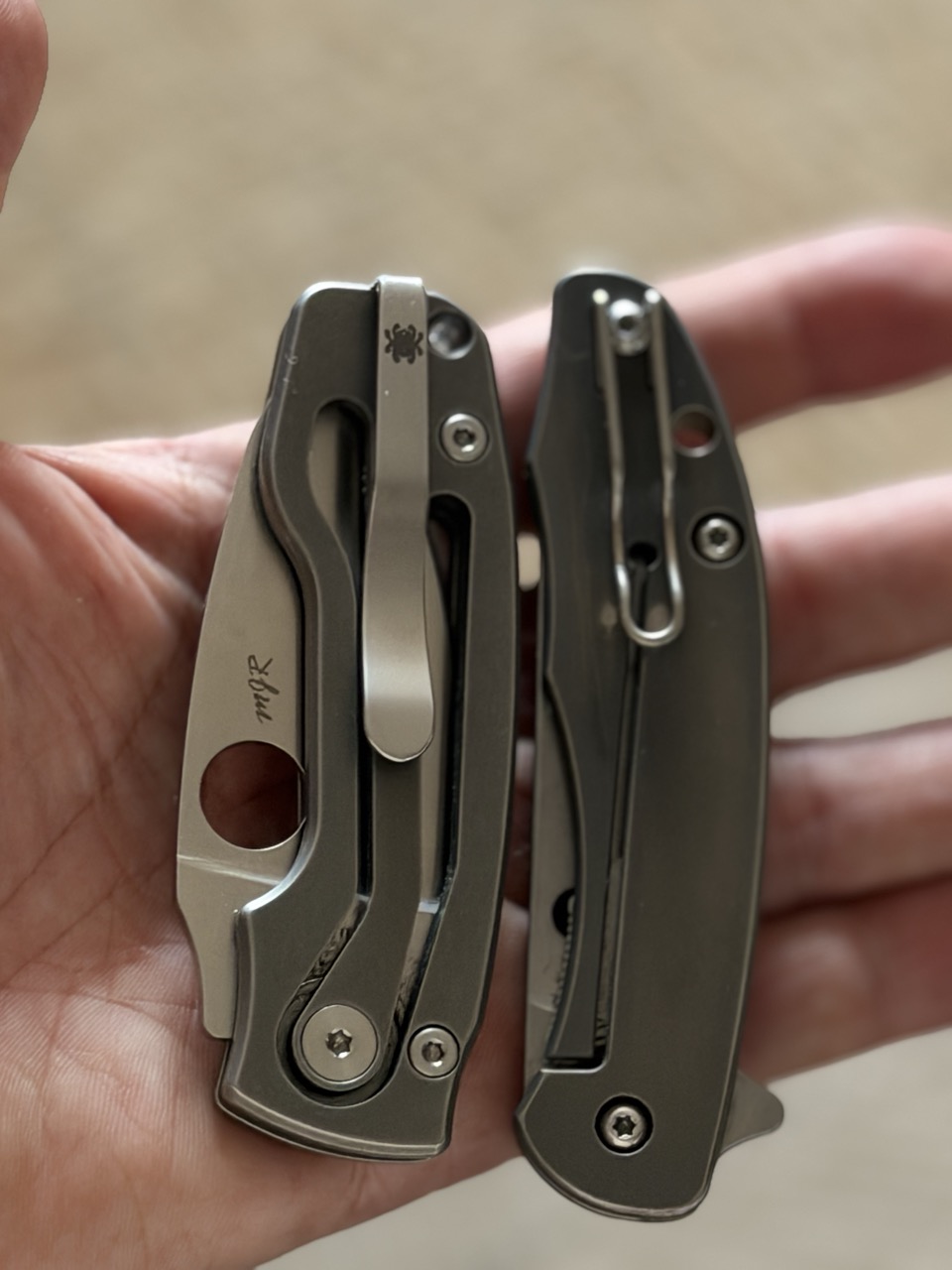
In practical terms, the difference is less about absolute performance and more about attitude. The PITS 2 represents the pinnacle of contemporary refinement—clean, controlled, and technically flawless. The Mantra 2, meanwhile, feels more alive. It is a knife that invites use, interaction, and care, developing character over time rather than resisting it.
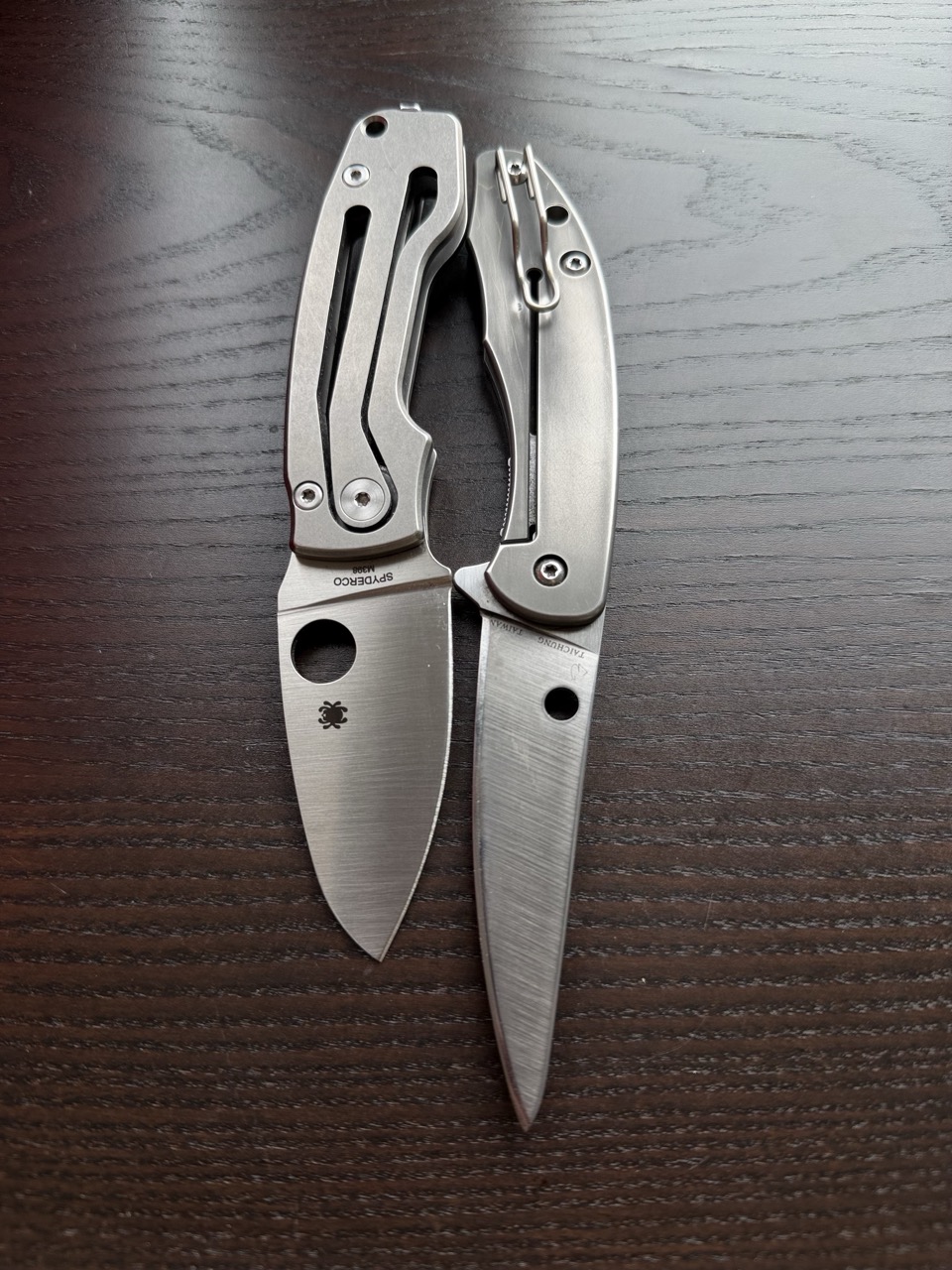
In 2026, choosing between the two is not a question of old versus new, but of values. The PITS 2 in M398 showcases where modern EDC design has arrived. The Mantra 2 in CPM M4 reminds us why performance-driven fundamentals still matter—and why some designs age not by fading, but by deepening.

Ultimately, the Mantra 2 (linked to JD review)remains an outstanding choice in 2026. Its exceptional blade-to-handle ratio and discreet, effortless portability continue to set a benchmark that many newer designs still struggle to match.

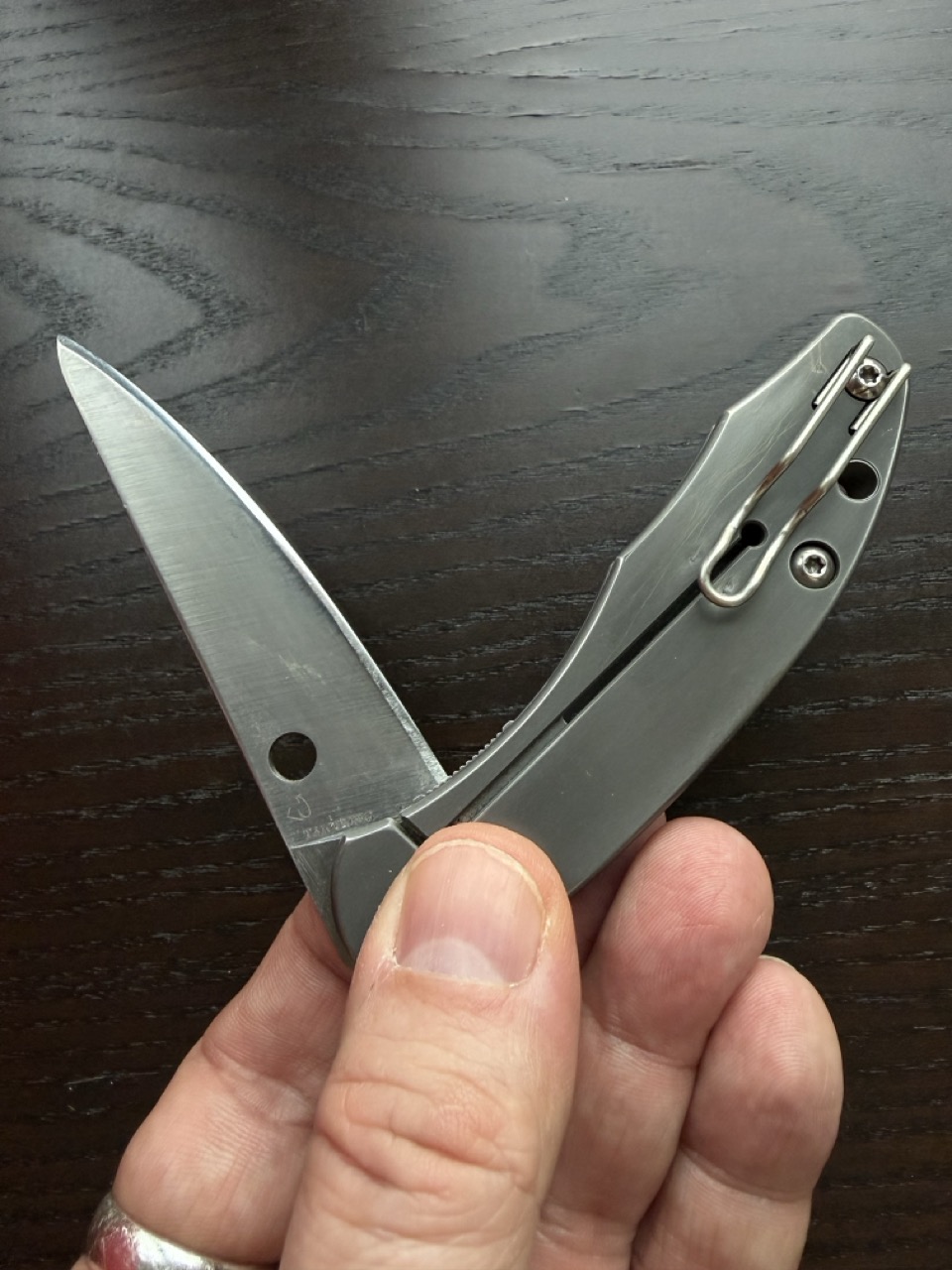
Notably, my own example—part of the very first generation—has never exhibited the slightest issue with its ball-bearing pivot. A decade on, it operates with the same smoothness and reliability as it did out of the box.

Proof, if any were needed, that strong proportions, intelligent engineering, and a focus on real-world use can stand the test of time.
The Mantra 2 is a pure flipper workhorse.
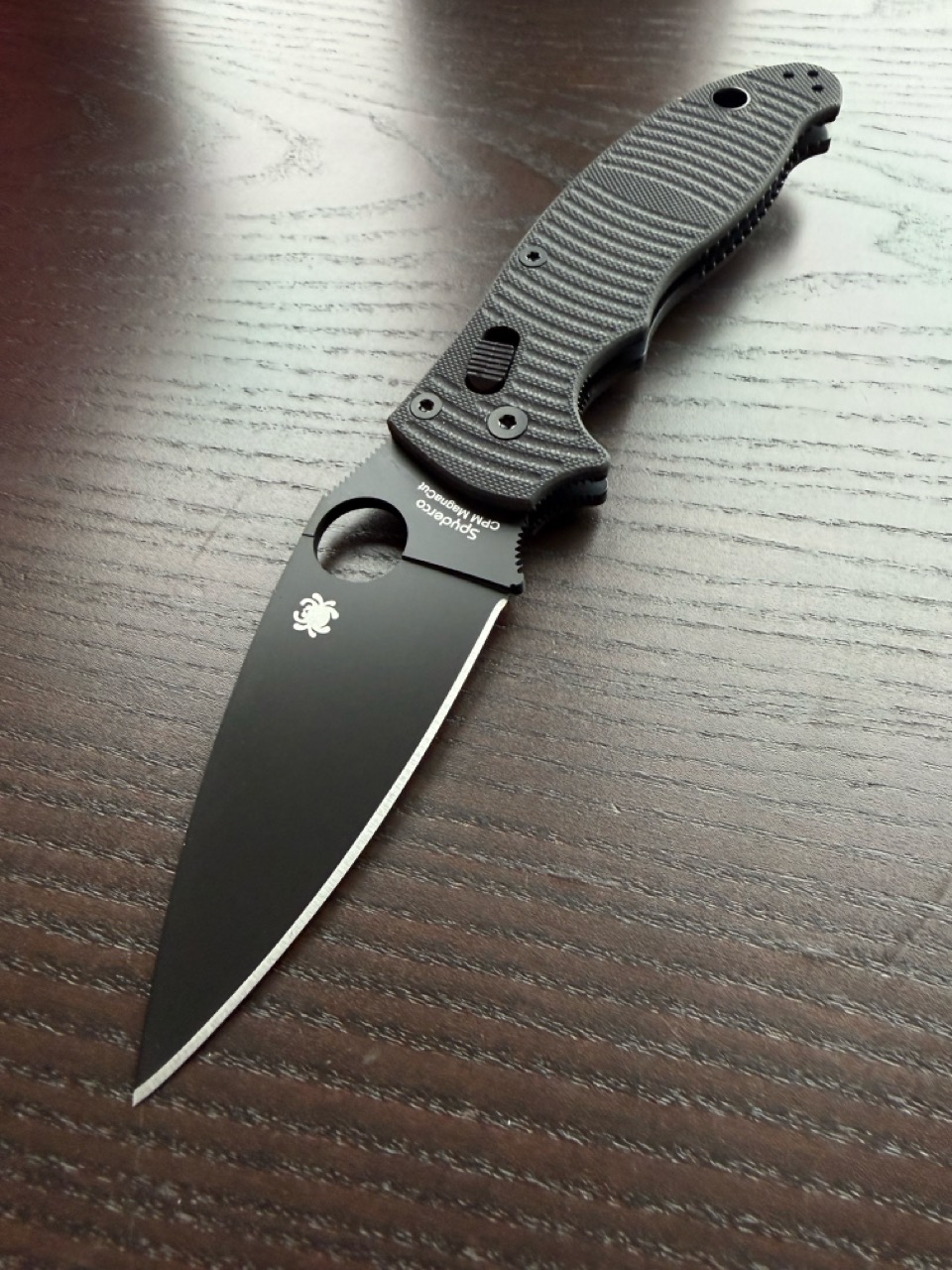
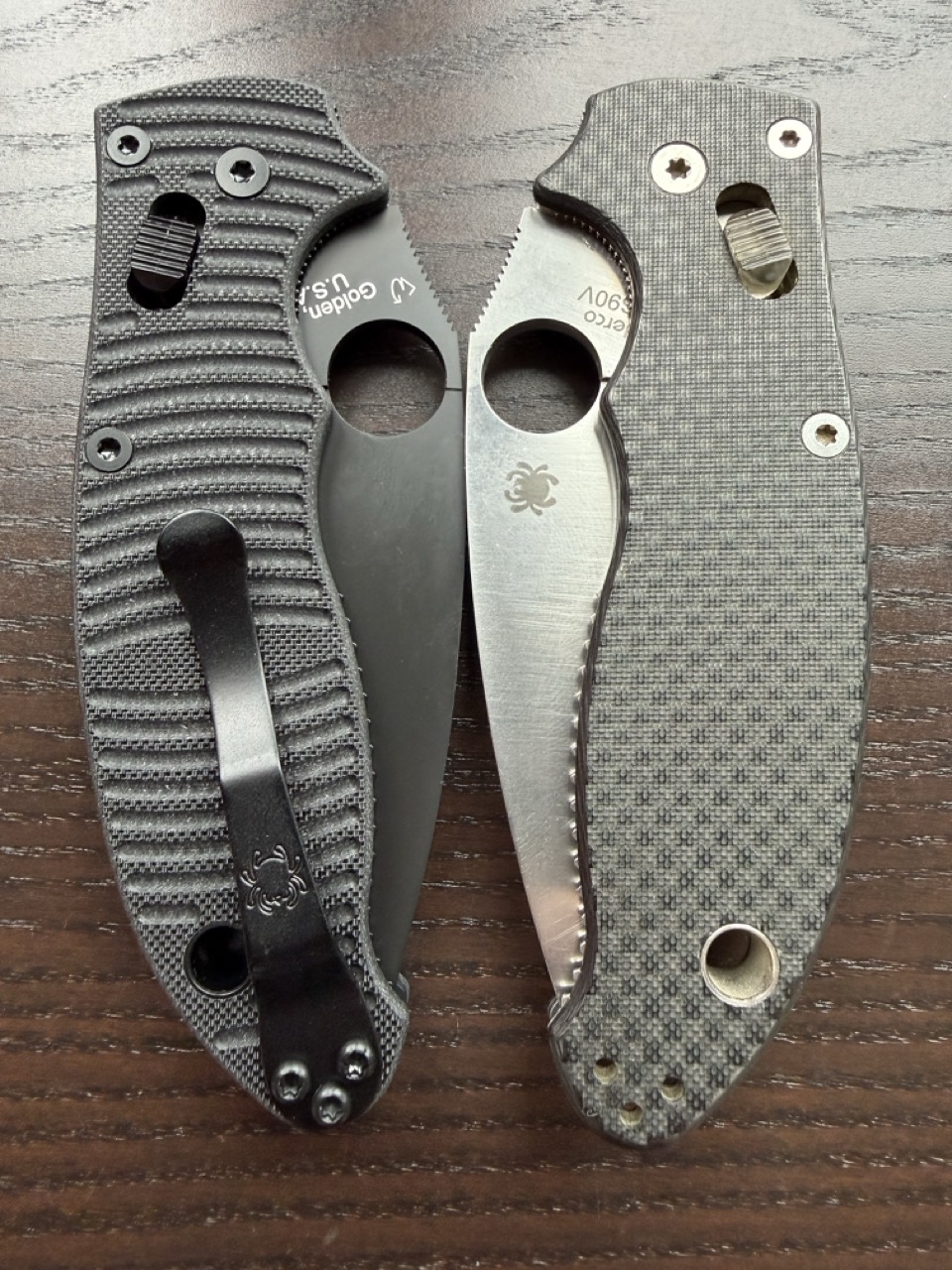
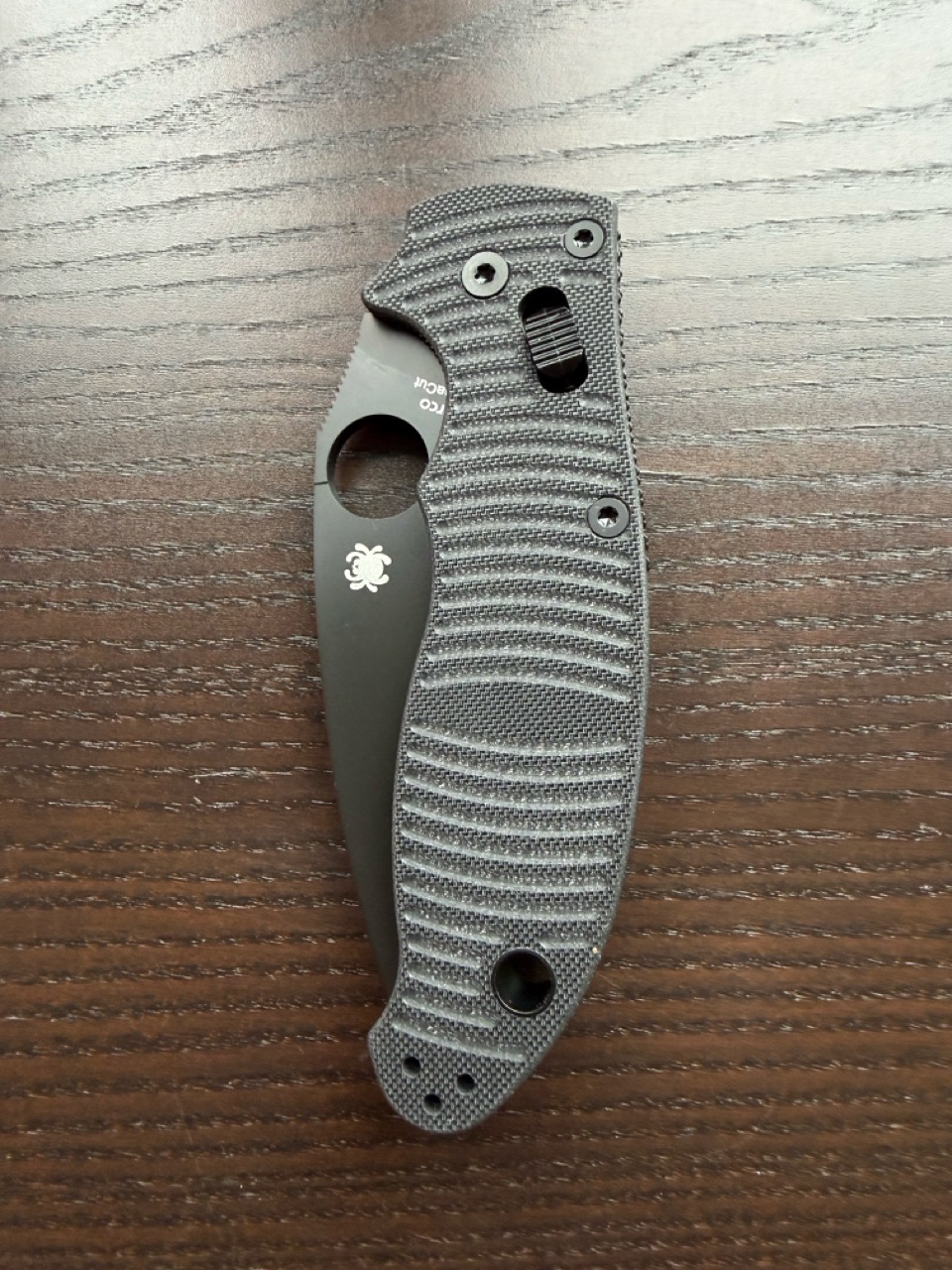
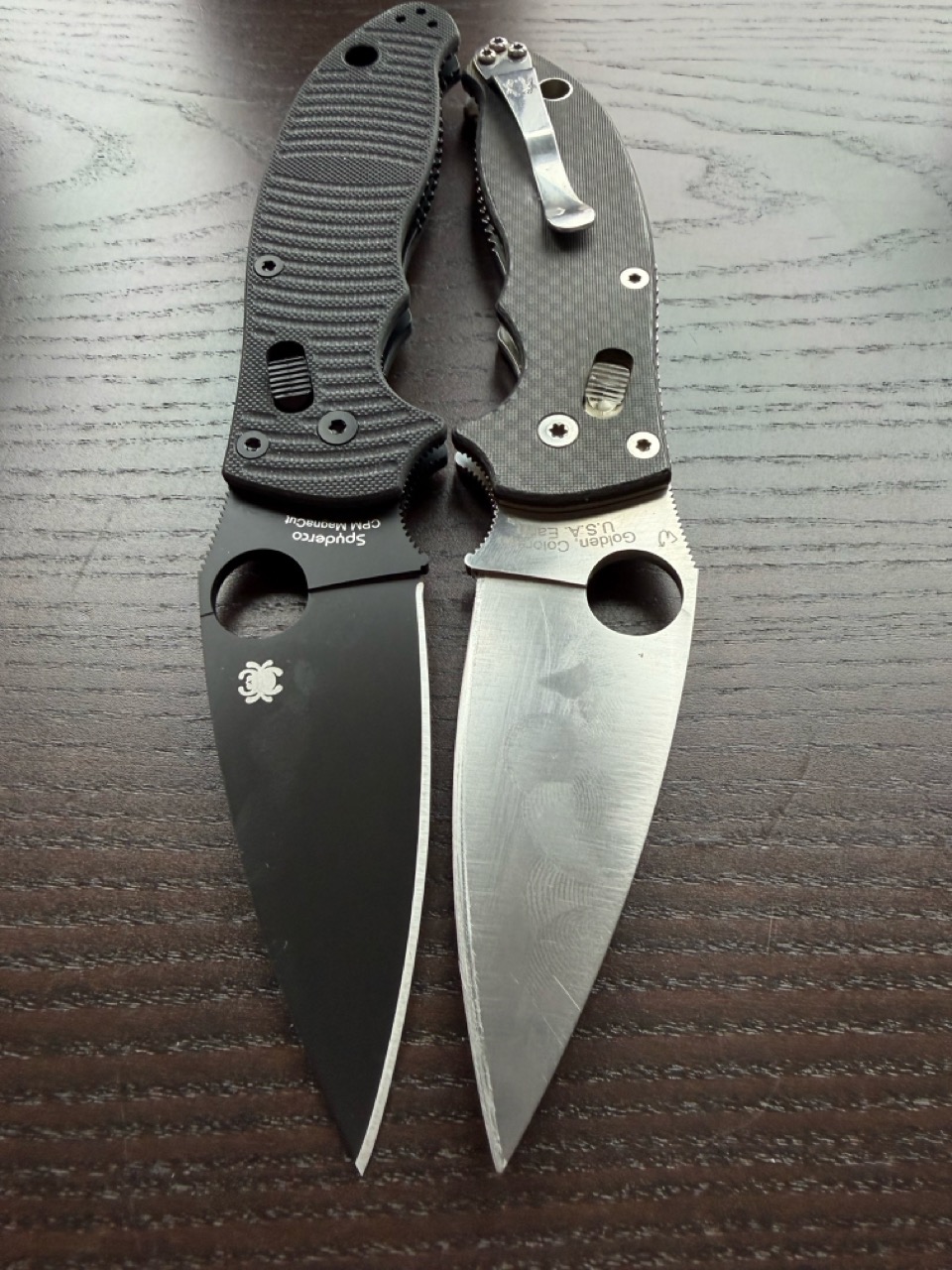
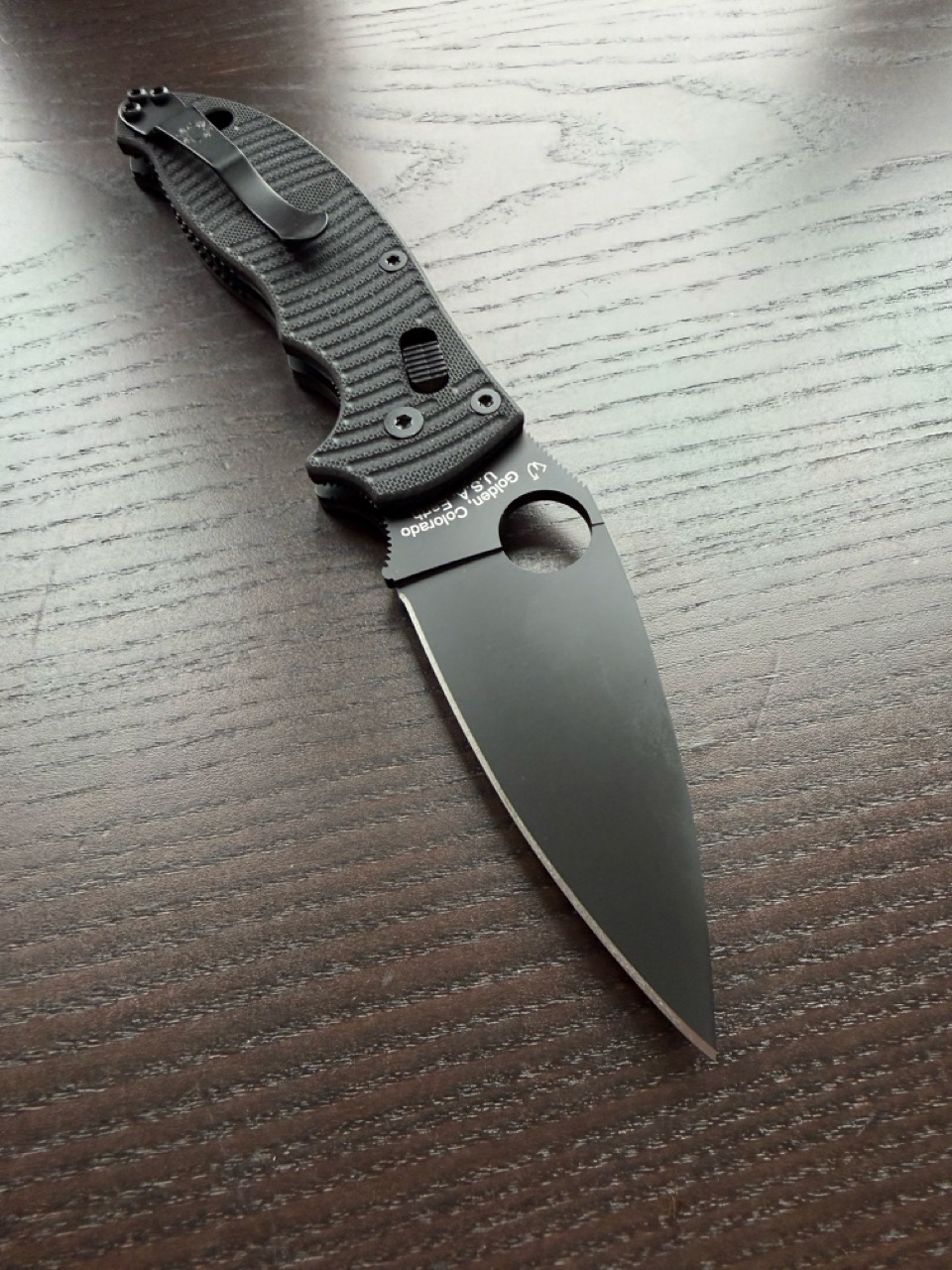
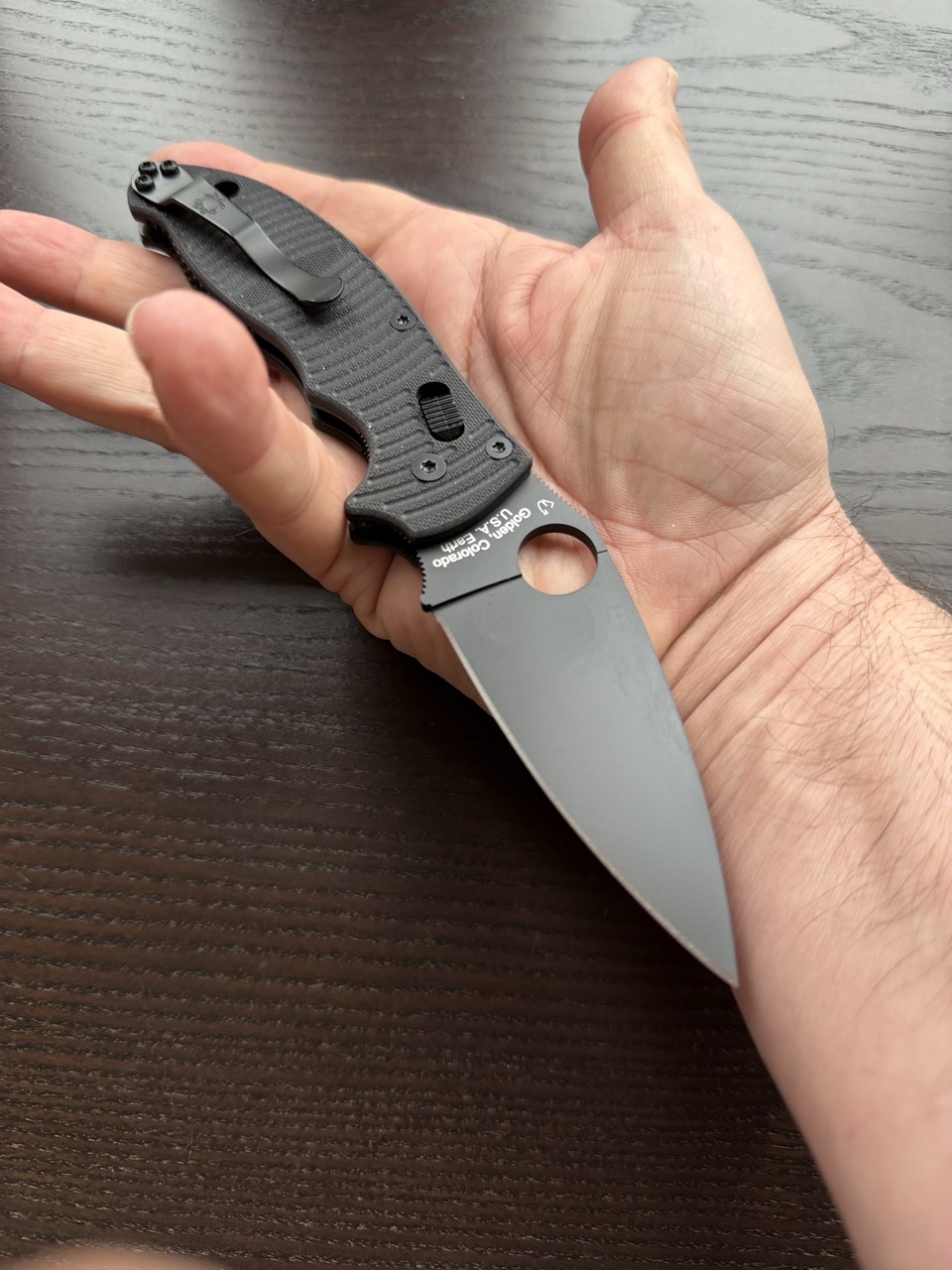
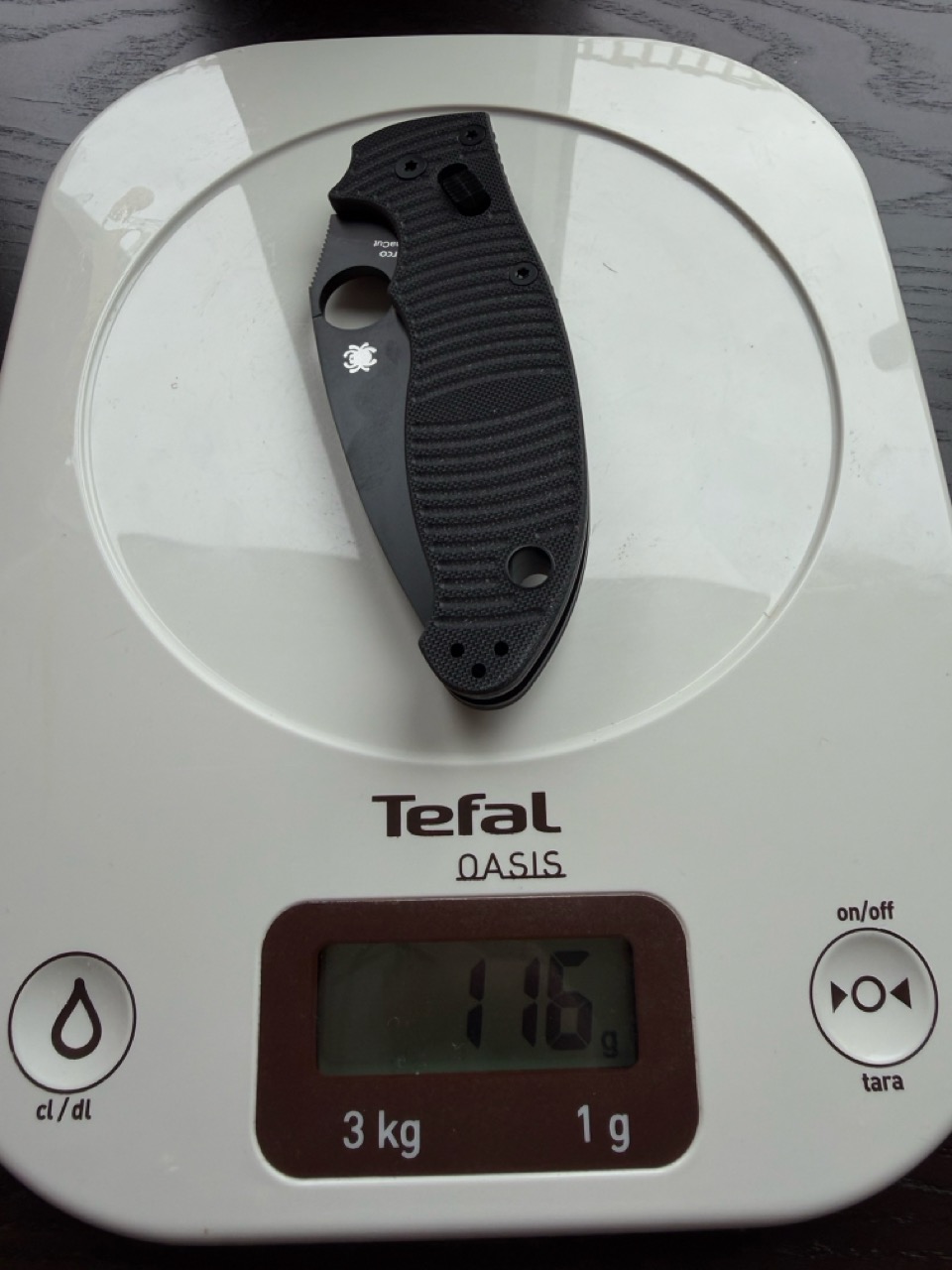
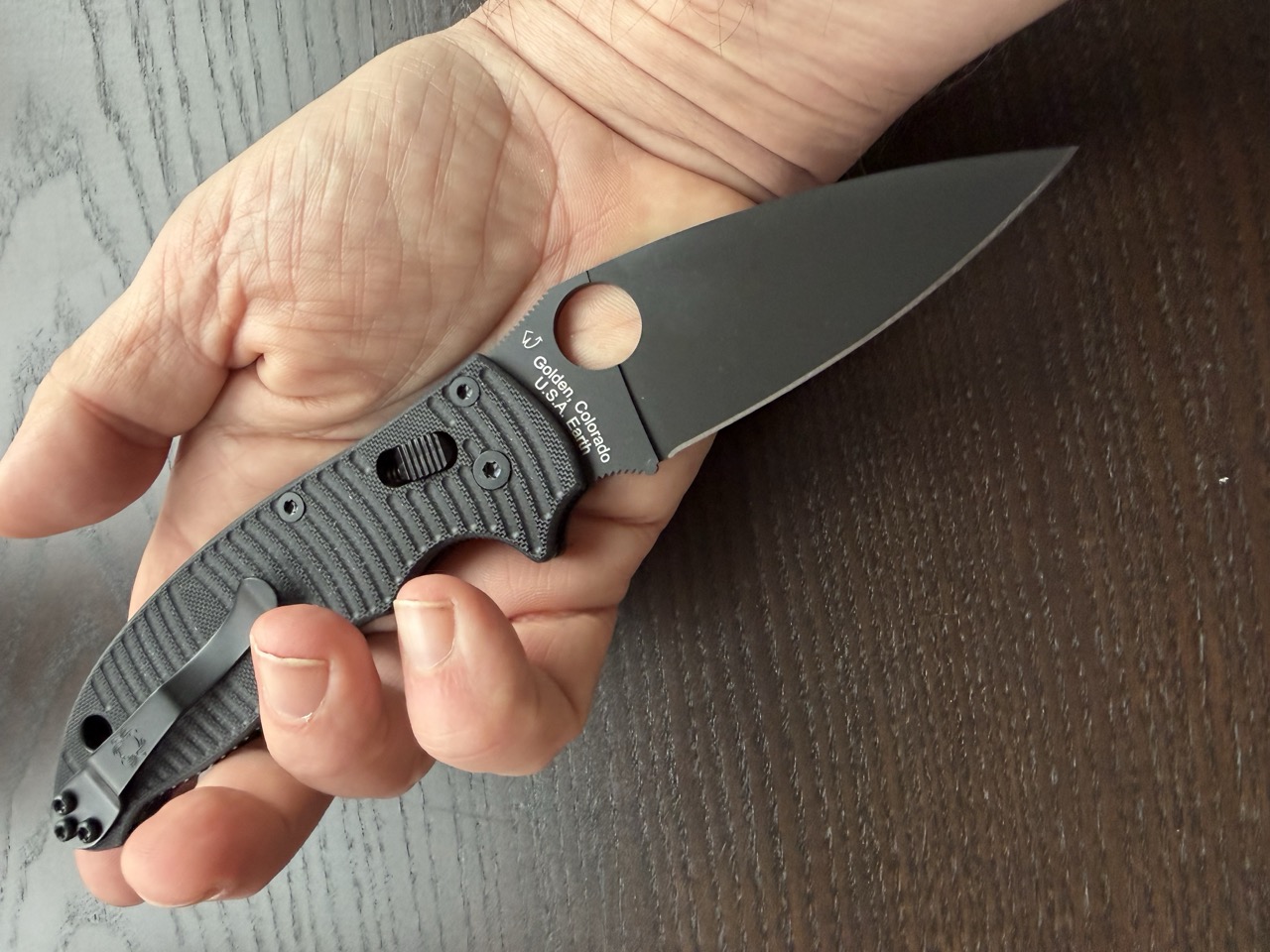
Spyderco MANIX® 2 SALT® – C101GMCBKP2 – The Black Pearl.

Disclaimer: This knife has been provided through Spyderco’s Ambassador Program, upon my own request. Thank you to the Spyderpeople for letting me review it.

When a Workhorse Learns to Swim.

The Spyderco Manix & Manix 2 — The Evolution of a Working Icon

In the early 2000s, Spyderco found itself at an interesting crossroads. The brand had already earned a formidable reputation among law enforcement, military users, and serious enthusiasts for redefining what a modern folding knife could be: ergonomic, purpose-driven, and unapologetically functional. Yet many of its most popular designs leaned toward lightness and slicing efficiency rather than outright mechanical strength. The Manix was born from a different ambition—one that prioritized structural robustness without abandoning cutting performance. It was a back-lock with the same strength as the Chinook’s.

That original Spyderco Manix debuted in 2004 as a bold statement. Designed by Sal Glesser, it was conceived as a folding knife that could offer near–fixed-blade confidence.

The first Manix models were built like backlock tanks. They featured full stainless steel liners, thick G-10 scales, steel spacer and broad, leaf-shaped blades typically made from CPM S30V, which was then at the forefront of powder metallurgy steels. The knife felt substantial in hand, deliberately so and part of the Martial Blade Craft line. Its ergonomics emphasized control and safety: a pronounced finger choil, generous jimping, and a handle shape that locked the hand in place. In an era where many folding knives still mimicked traditional silhouettes, the Manix looked aggressively modern—and some might say unapologetically industrial.

Despite its strengths, the original Manix was not without criticism. Its weight and bulk limited its appeal for everyday carry. Spyderco listened. Rather than abandoning the concept, the company chose to refine it.

That refinement arrived in 2010 with the release of the Manix 2 designed by Eric Glesser. This was not a cosmetic update, but a structural evolution. The Manix 2 retained the fundamental identity of its predecessor while reengineering nearly every aspect for improved ergonomics, weight reduction, and usability. The handle profile was subtly reshaped for better comfort, the liners were skeletonized, and the overall balance was improved. The blade geometry was refined for smoother slicing without sacrificing tip strength.

Crucially, the Ball Bearing Lock was first experimented on Eric’s Dodo and was redesigned with a removable cage, simplifying maintenance and paving the way for future customization. (FYI there was a Manix 2 with lockback.) The Manix 2 also benefited from Spyderco’s unique expanding steel portfolio, appearing over the years in everything from S30V and S110V to Maxamet, CPM CruWear, and later, CPM MagnaCut in the new Salt variants. Few knives have served as such a comprehensive showcase for the evolution of modern blade steels.

Over time, the Manix 2 became a canvas for experimentation. Sprint runs, exclusive dealer editions, and collaborations introduced bold colors, exotic steels, and alternative finishes. The knife earned a reputation not just for durability, but for honesty. It made no attempt to be sleek or fashionable. Instead, it embodied Spyderco’s core design ethos: form follows function, and ergonomy is a requirement.

The arrival of the Manix 2 Salt marked another milestone in the lineage. By pairing the platform with truly corrosion-resistant steels and hardware, Spyderco reaffirmed the Manix’s original mission: reliability under adverse conditions. From urban daily carry to offshore use, the Manix 2 proved adaptable without losing its identity.

The Spyderco Manix 2 has long been regarded as one of the brand’s most capable folding knives: robust, ergonomic, and unapologetically utilitarian. With the Manix 2 Salt, Spyderco takes that proven platform and adapts it for environments where steel usually fails—saltwater, humidity, sweat, and neglect—without diluting what made the Manix great in the first place.

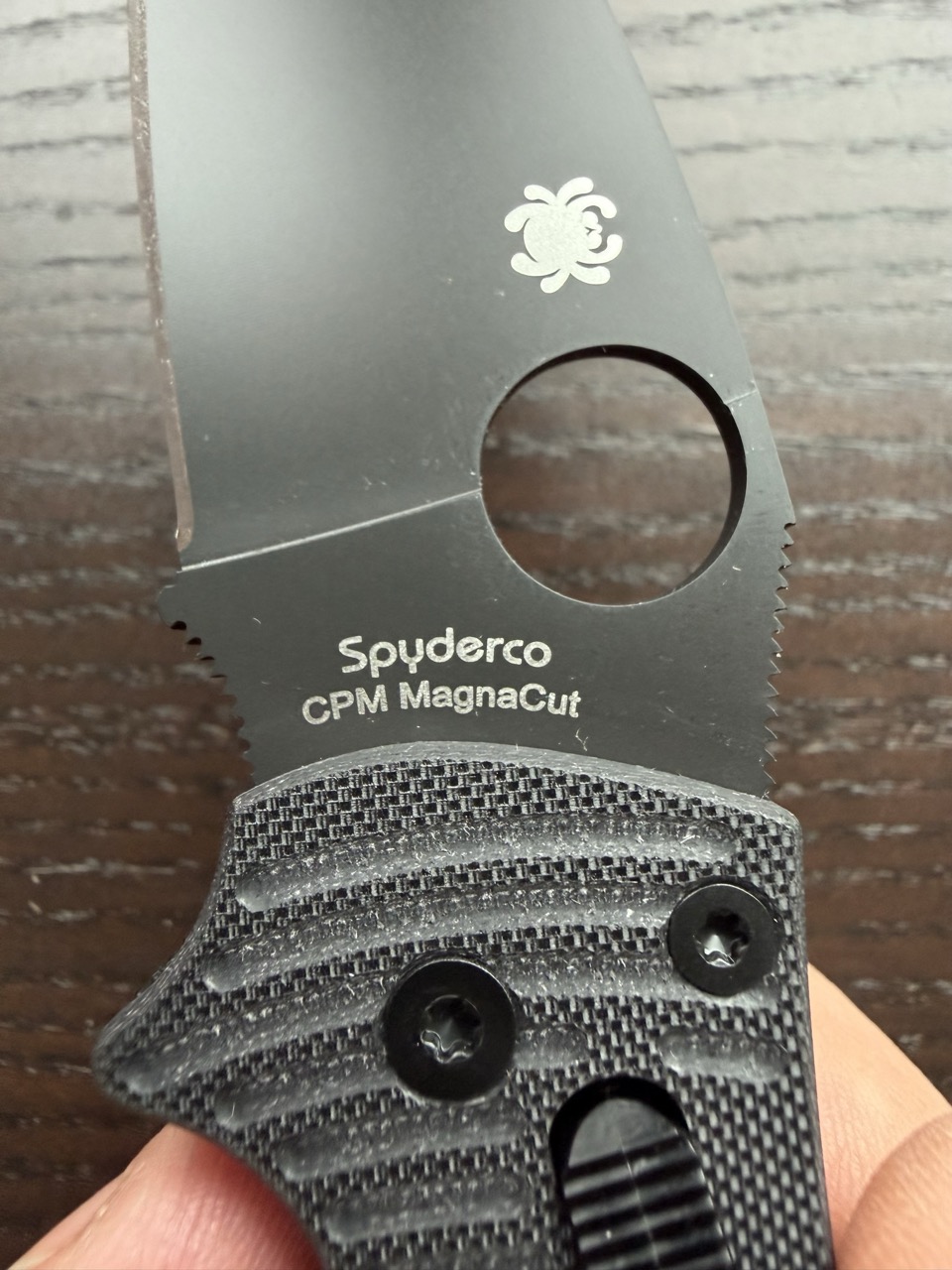
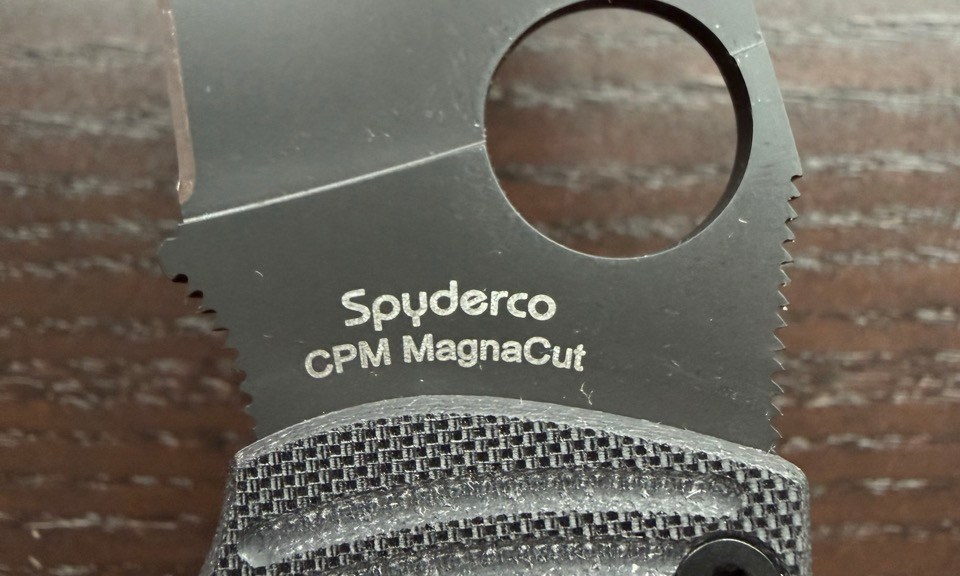
The blade shape remains the familiar Spydie leaf profile, offering excellent belly for slicing, a strong tip, and controlled precision in everyday cutting tasks. What changes everything is the steel. Spyderco’s decision to move the Salt series to CPM MagnaCut is pivotal. MagnaCut delivers an unusually convincing balance: genuine corrosion resistance on par with traditional Salt steels, but with markedly better edge retention and toughness. In practice, this means a blade that shrugs off rust in marine or tropical conditions while cutting like a modern premium steel rather than a compromise.

The Ball Bearing Lock remains one of the Manix 2 Salt’s standout features. Mechanically robust, fully ambidextrous, and secure under load, it inspires confidence in every cut. Out of the box, my lock spring can feel stiff, making disengagement less smooth than some might expect. Fortunately, this is rarely a permanent issue—regular use, or simply a bit of time, tends to ease the action. For those accustomed to the glassy feel of Benchmade’s Axis locks, the initial stiffness may seem pronounced; however, the Manix 2’s single, powerful spring is far stronger and more reliable than the dual Omega springs found in all Axis models, ensuring consistent performance even under demanding conditions.

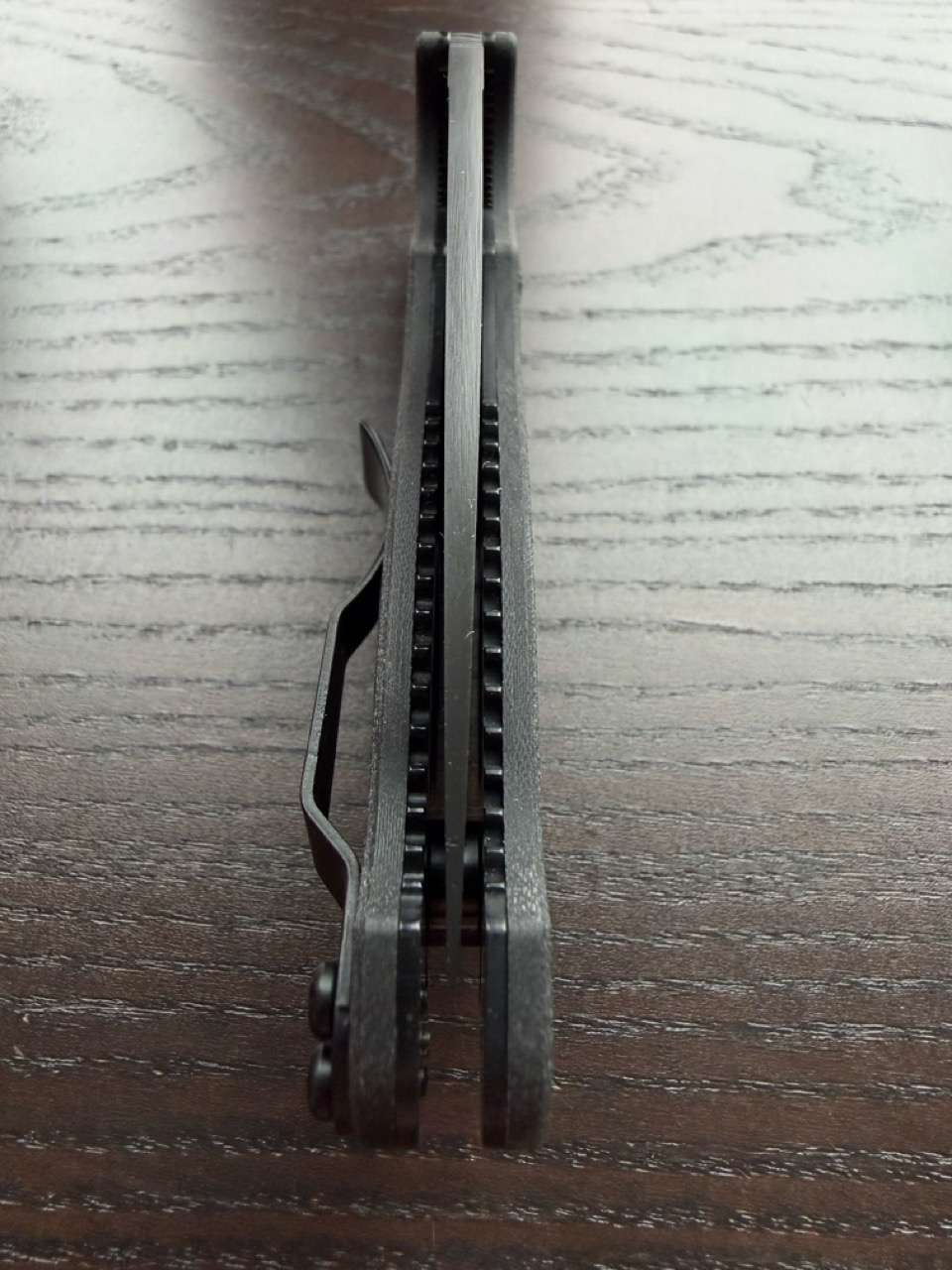
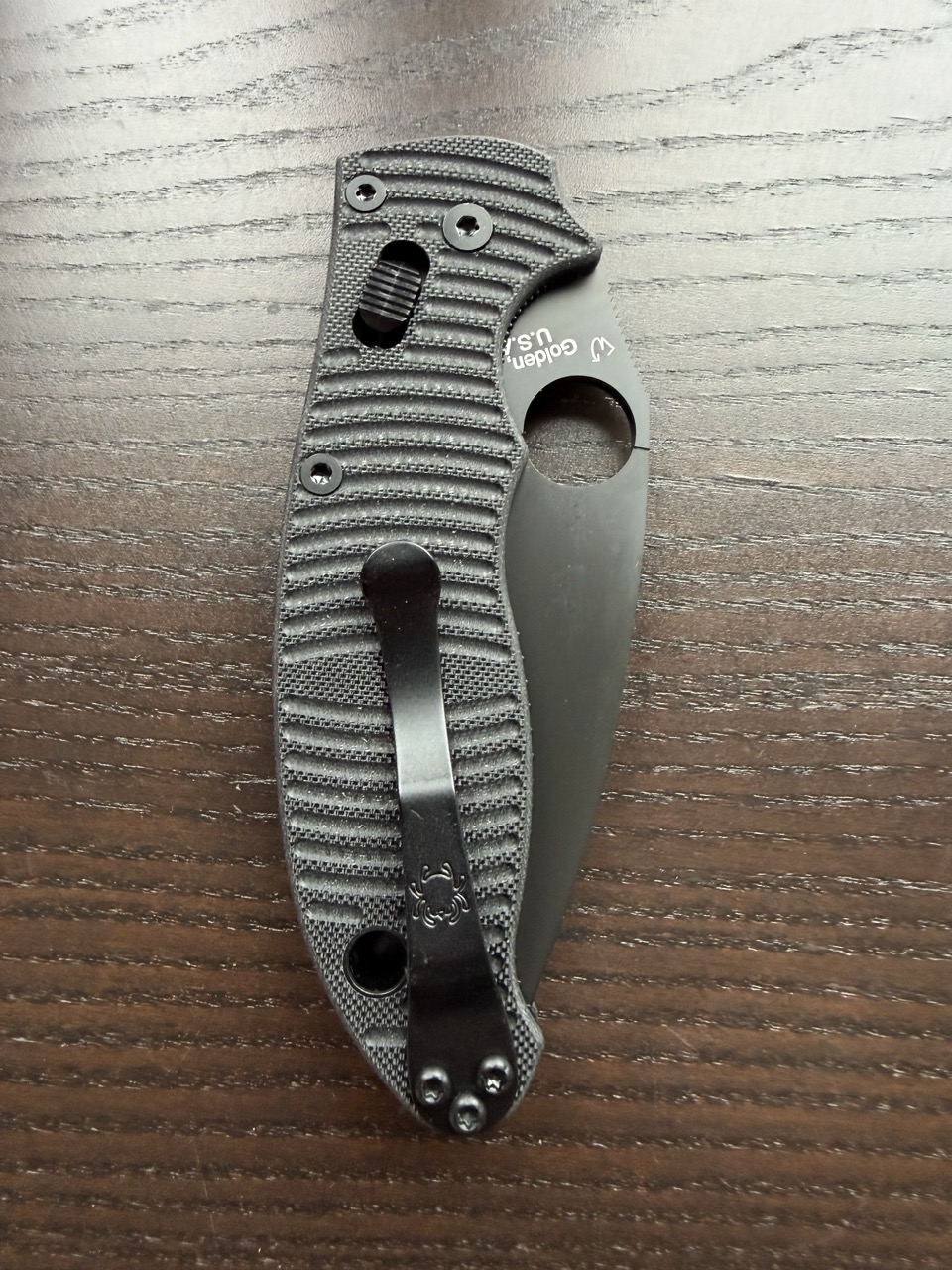
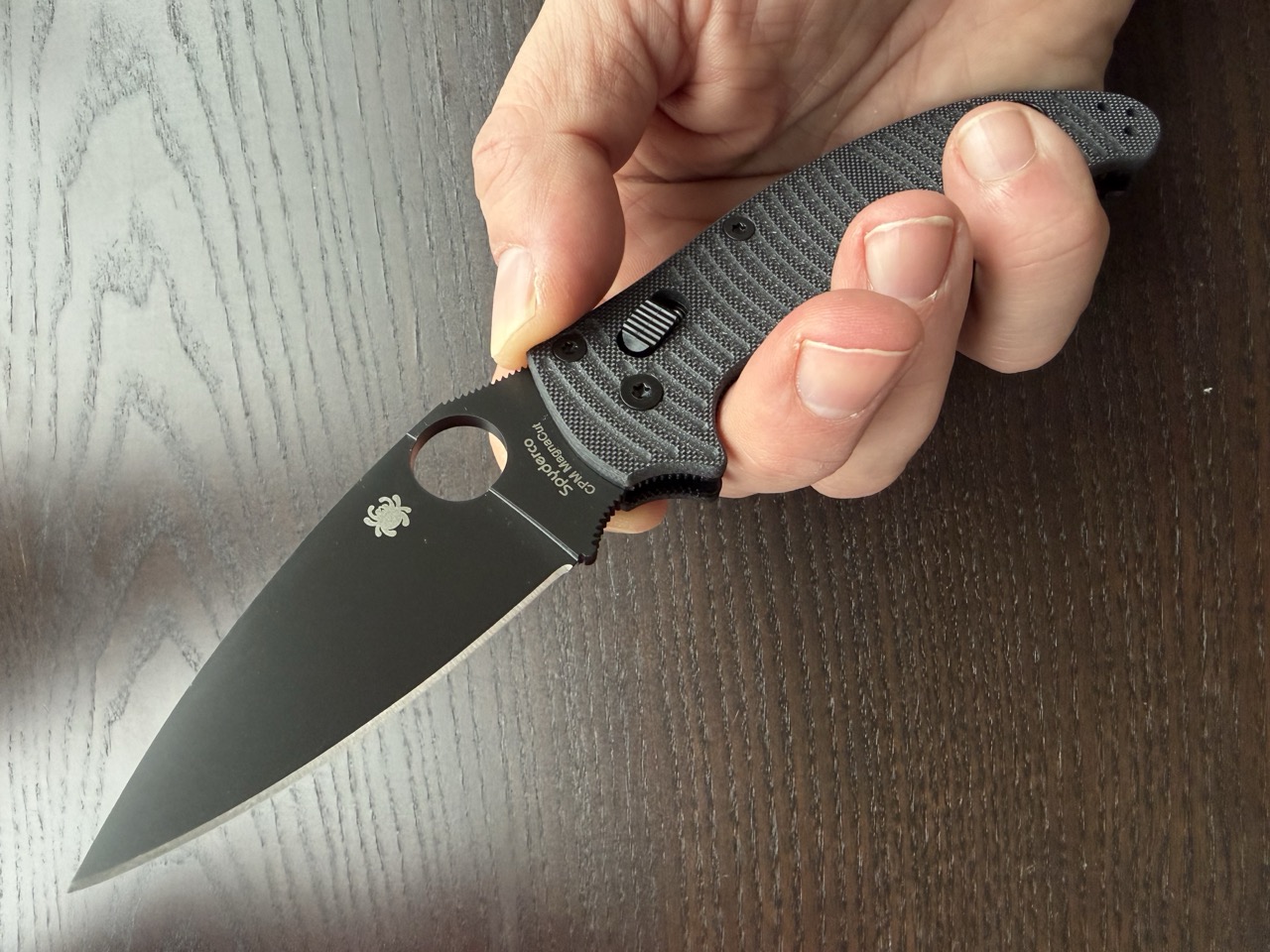
Ergonomically, the Manix 2 Salt truly excels—this is a grip to remember. The G‑10 scales provide a confident, locked-in hold, even in wet conditions, thanks to Spyderco’s signature Caribbean Bi-Directional Texture™. The pronounced finger choil, palm swell, and textured surfaces work in concert to inspire trust, whether your hands are cold, wet, or gloved. This is a knife built to be used, not admired from a distance. Personally, I plan to sand mine slightly to better suit my hand, but even stock, the design is thoughtful: the clip lands on a flat section of the handle, making pocket attachment effortless.

Like in the PM2 Salt, Spyderco’s attention to corrosion resistance extends beyond the blade. Hardware, liners, and clip are all selected with hostile environments in mind. This makes the Manix 2 Salt particularly appealing for sailors, divers, anglers, or anyone living near the sea—users who have learned, often the hard way, that “stainless” rarely means what it promises.

In everyday carry, this Black Pearl of a knife exudes a reassuring sense of overbuilt strength. It is neither the slimmest nor the lightest in its class, yet it makes up for that with unmatched durability, confident grip, and reliable cutting performance. It excels in conditions that quickly reveal the shortcomings of lesser knives, all while maintaining modern efficiency. Folded, it presents as a broad, substantial tool, and clipped in the pocket it occupies noticeable space—its all-black, tactical aesthetic might even intimidate the uninitiated. But once clipped it also disappears on a dark denim. So there is a low profile factor to consider too.

The Manix 2 Salt is ultimately a knife for people who value reliability. It may demand a brief break-in period, and it may never feel delicate—but that is precisely the point. This is a knife you can trust when conditions turn against you, and few compliments matter more than that.