Tag Archives: SPY27

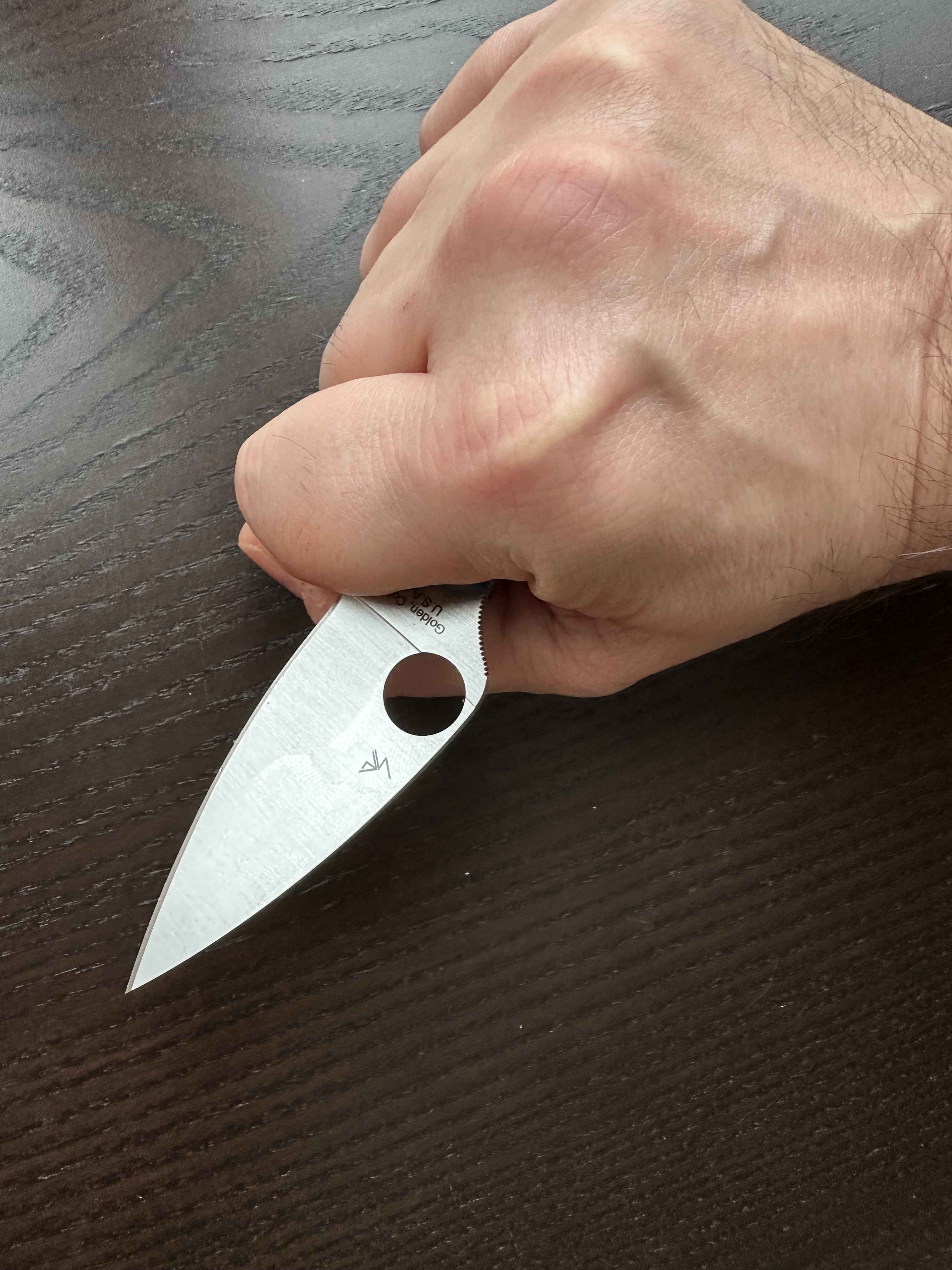
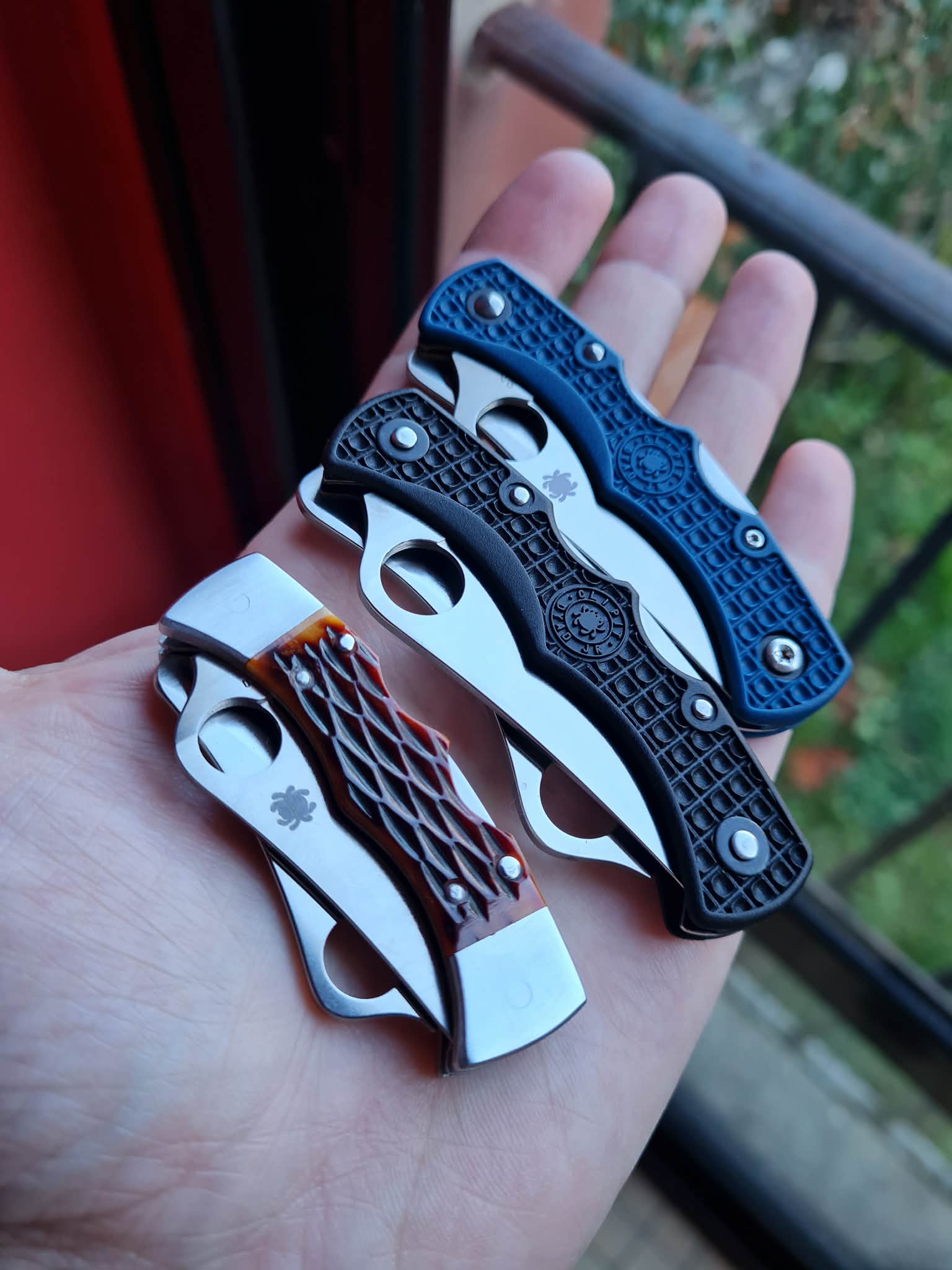
Spyderco Dyad Jr. Lightweight CPM SPY27 Sprint Run — Buddy Double


From time to time, I open the columns of this small blog to fellow authors who feel like sharing their thoughts on certain knife models. This has already been the case with JD and Pascal. Robin, a gifted French knife maker, is therefore the newest contributor, and here is his take on a knife I do not own but like very much.Nemo

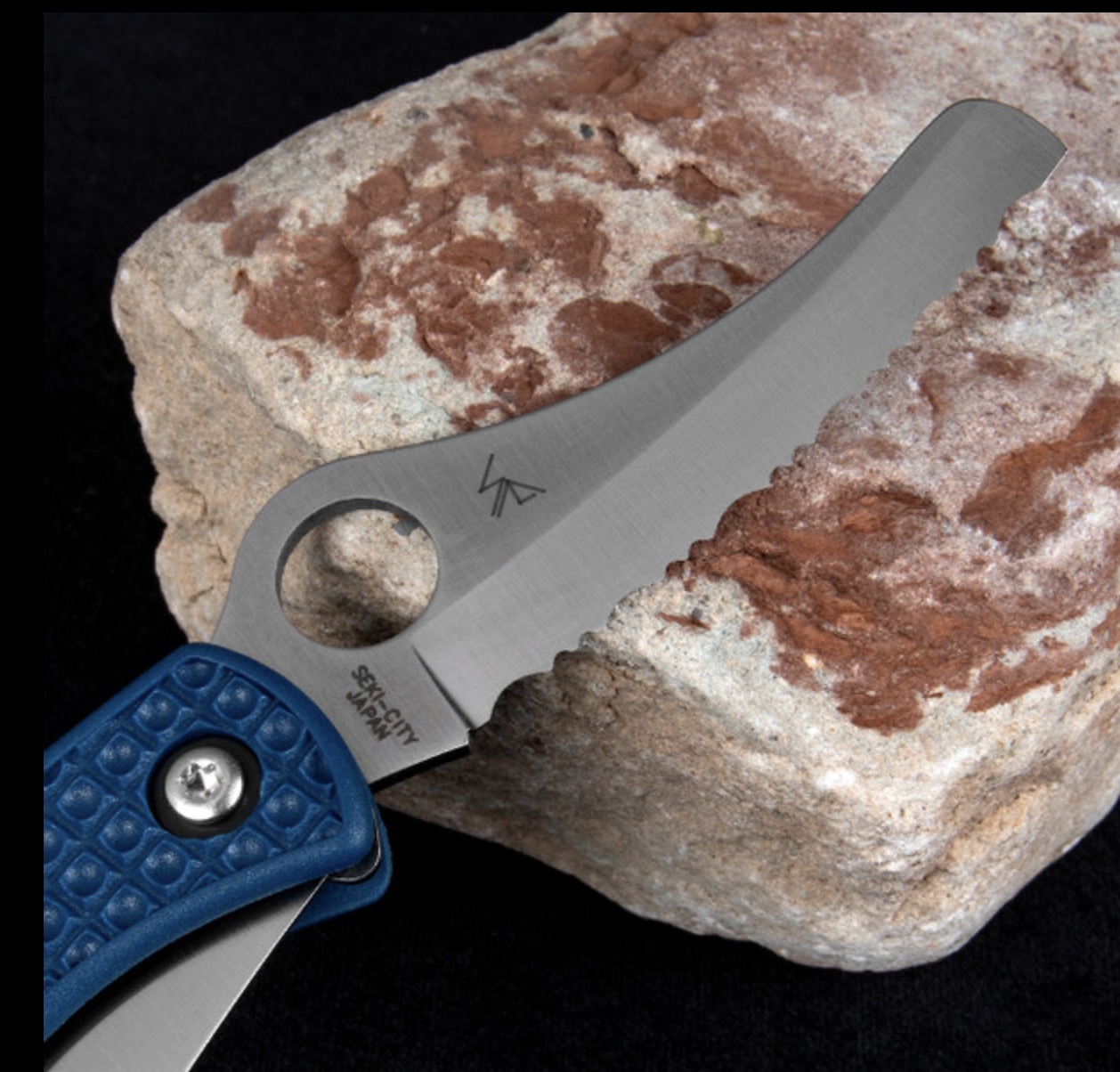
“Here’s my in-depth take on the Dyad Jr. equipped with Spyderco’s proprietary CPM-SPY27 steel, a knife that quietly embodies much of what makes Spyderco such a compelling brand.

Spyderco is one of the few manufacturers that can still make each Reveal feel genuinely exciting. While many brands rely on incremental cosmetic changes, Spyderco continues to juggle bold new designs with thoughtful revivals of older, sometimes underappreciated models. In the previous Reveal, two knives immediately caught my attention: the Edgerati, a completely new Sal Glesser design, and the Dyad Jr., a classic concept brought back to life with modern materials. One represents Spyderco’s future, the other its heritage, and the Dyad Jr. in particular spoke to me because it pairs a proven design with a steel I genuinely appreciate.

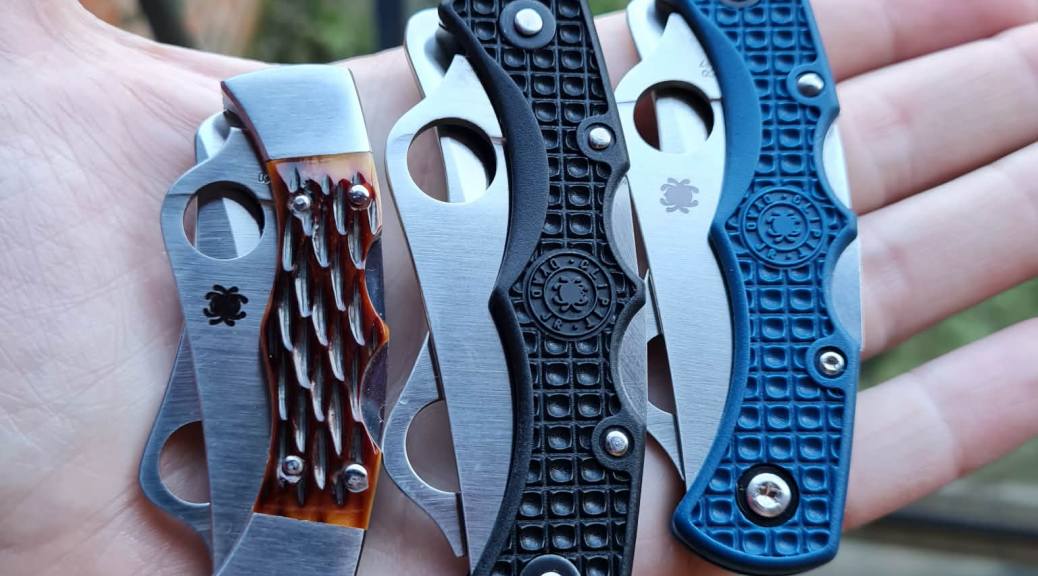
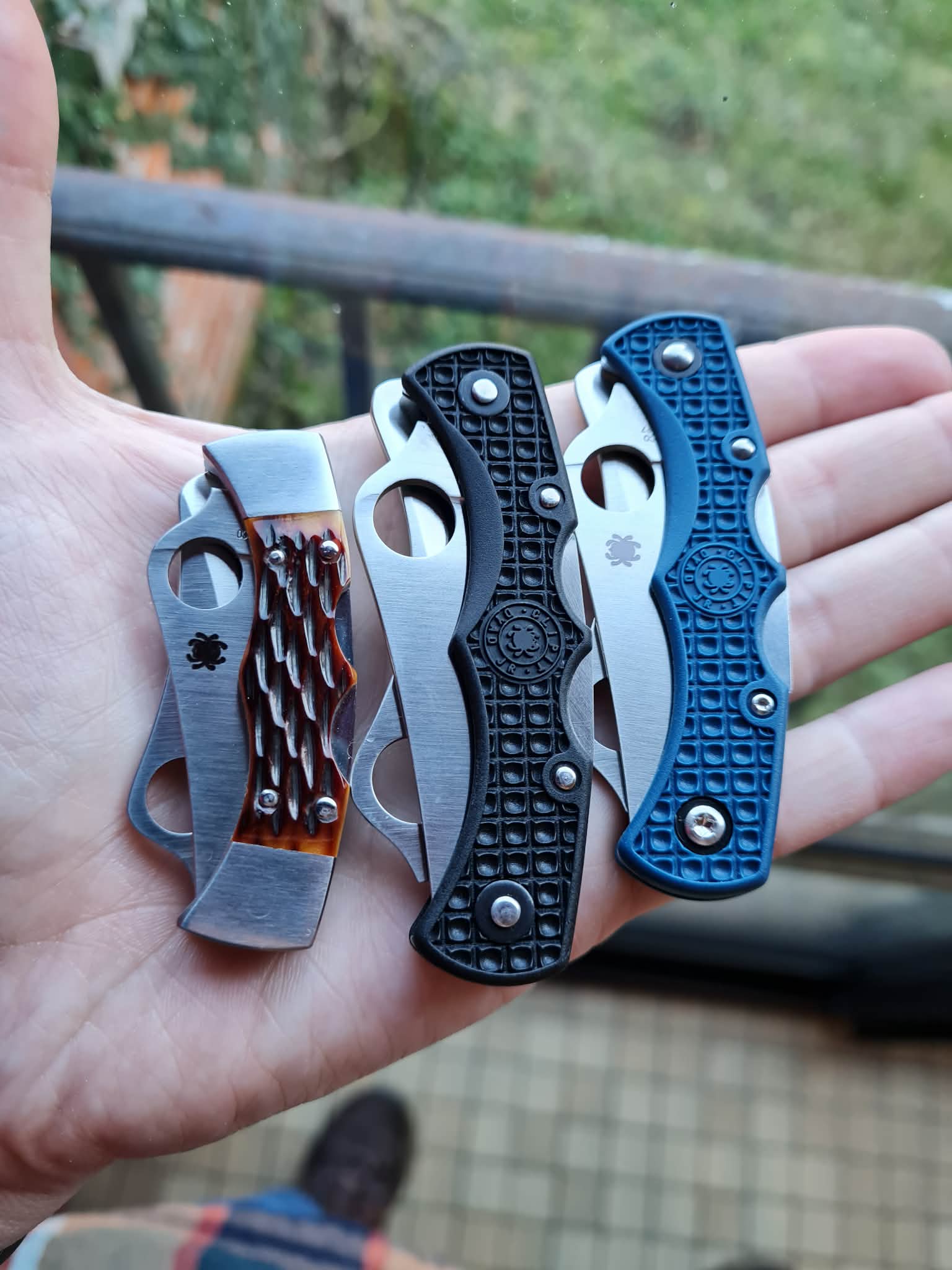
I’ve owned all three incarnations of the Dyad platform: the full-size Dyad, the Dyad Jr., and the Micro-Dyad. Each has its merits, but if I had to pick the most balanced and versatile of the trio, the Dyad Jr. wins without hesitation. It hits that sweet spot between usability and carry comfort. It’s large enough to feel like a “real” tool in hand, yet compact and flat enough to disappear into a pocket without effort.
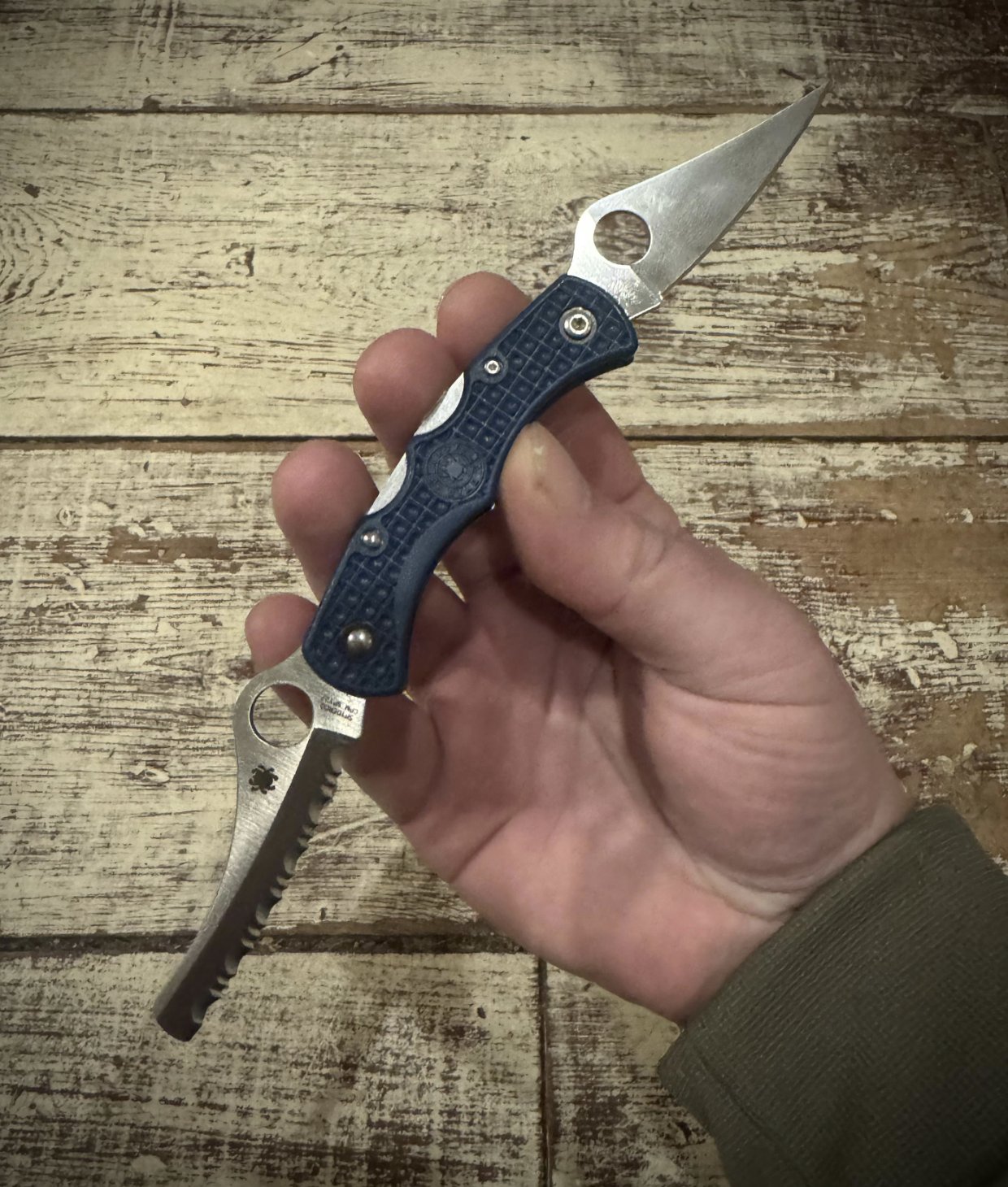
Picture from “goodruckk” on Reddit.

Comparing this new iteration to the older versions, several differences stand out. The most obvious, and arguably the most important, is the upgrade in steel. CPM-SPY27 is a substantial leap forward from what the Dyad Jr. originally offered. It brings improved edge retention, corrosion resistance, and overall consistency, while remaining easy to sharpen, a balance Spyderco has become increasingly good at striking. The second major improvement is the screw-together construction. This may seem like a small detail, but it’s a meaningful one. Serviceability, long-term maintenance, and overall precision all benefit from a screwed construction, and I personally consider this an unequivocal upgrade over the pinned build of the past.
(Important note: it is also clipless. Something to keep in mind. This folder will be digging deep in your pocket big time like a Swiss army knife Nemo.)

Pictures from Heinnie Haynes.

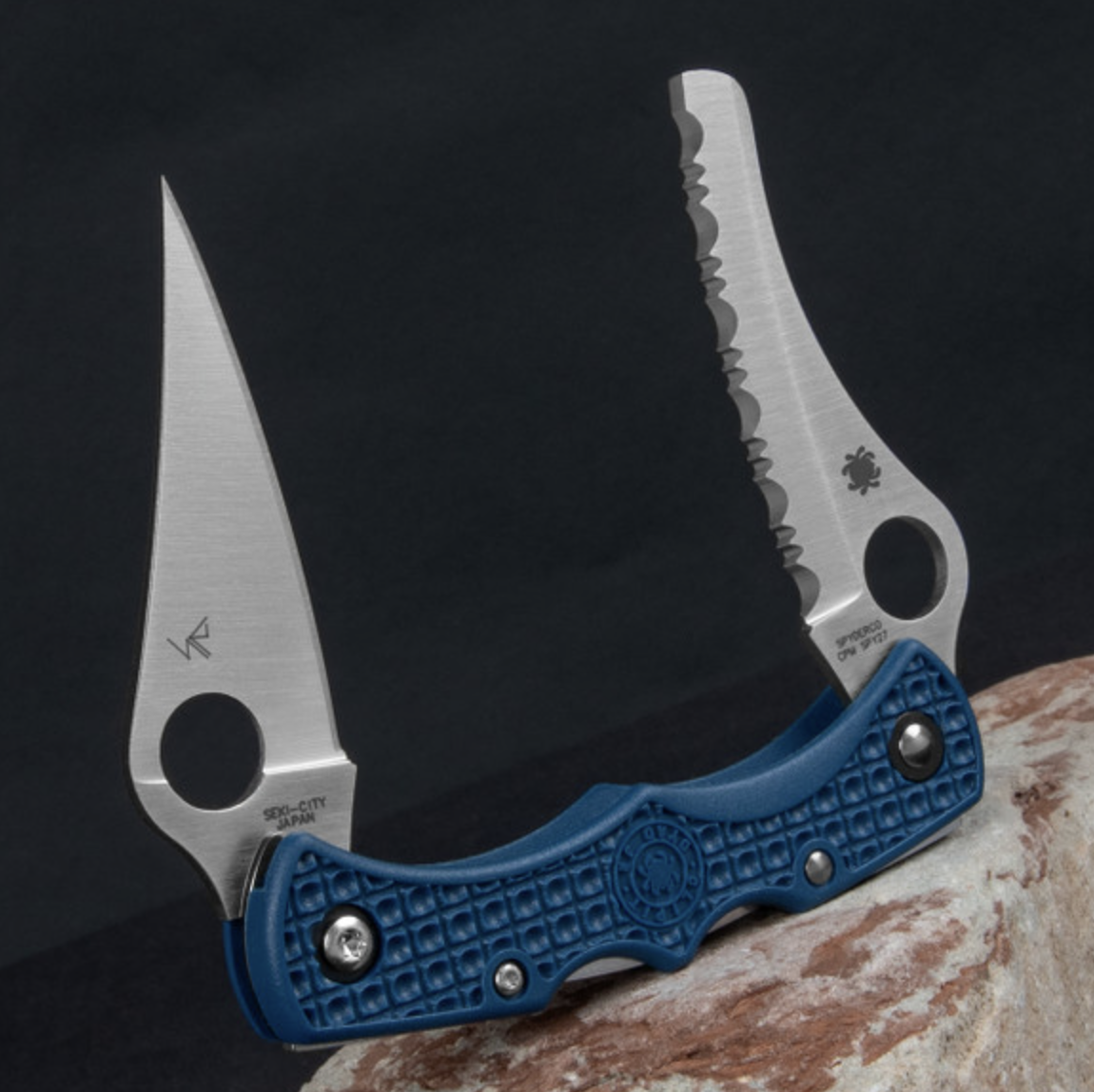
Despite its compact footprint, the Dyad Jr. delivers a surprising amount of performance. This has always been true of the design, but it feels even more pronounced here. The plain edge blade features an extremely fine, needle-like tip, easily one of the thinnest I’ve encountered on any Spyderco. It excels at precision work, piercing, and controlled slicing.
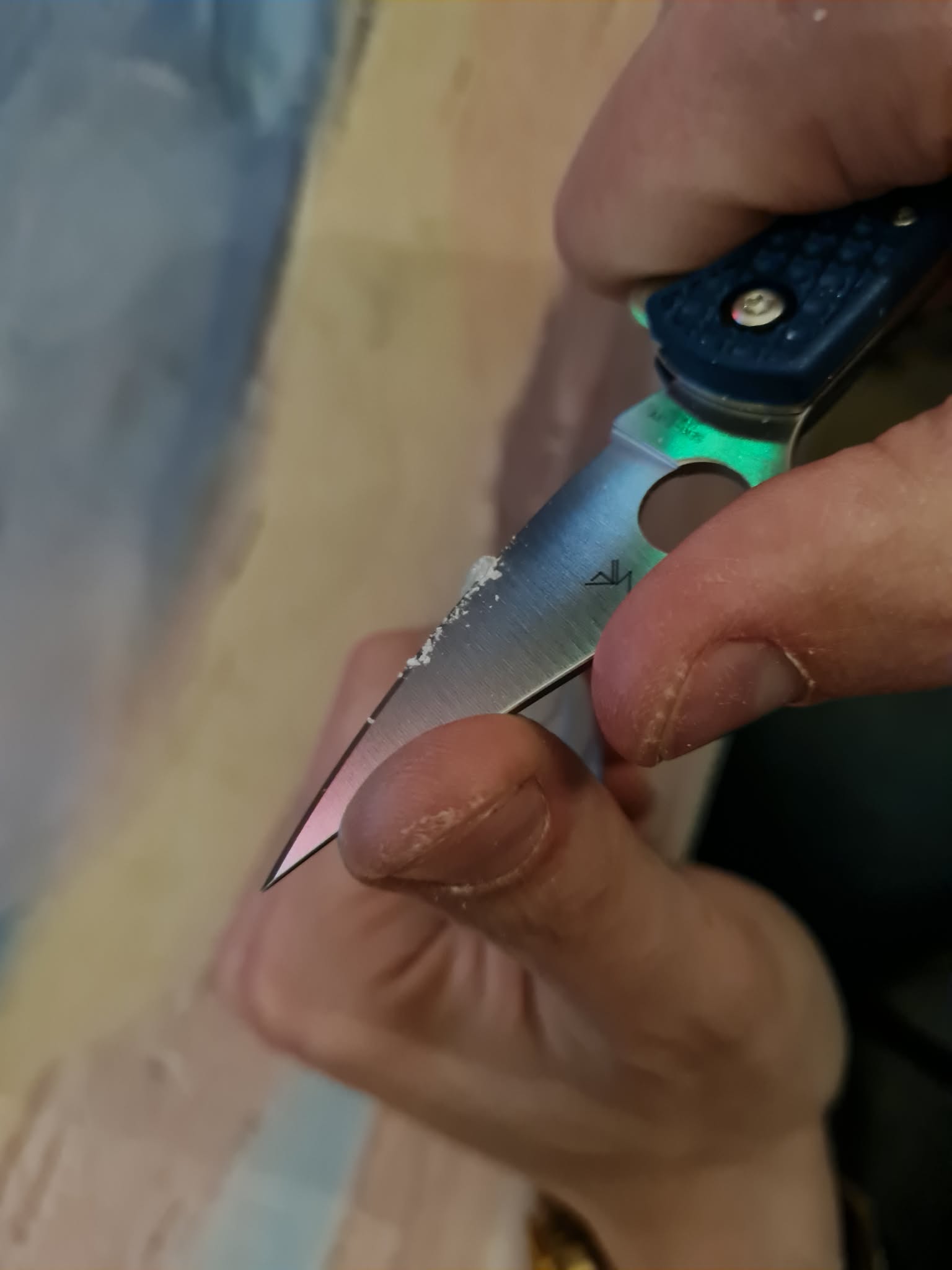
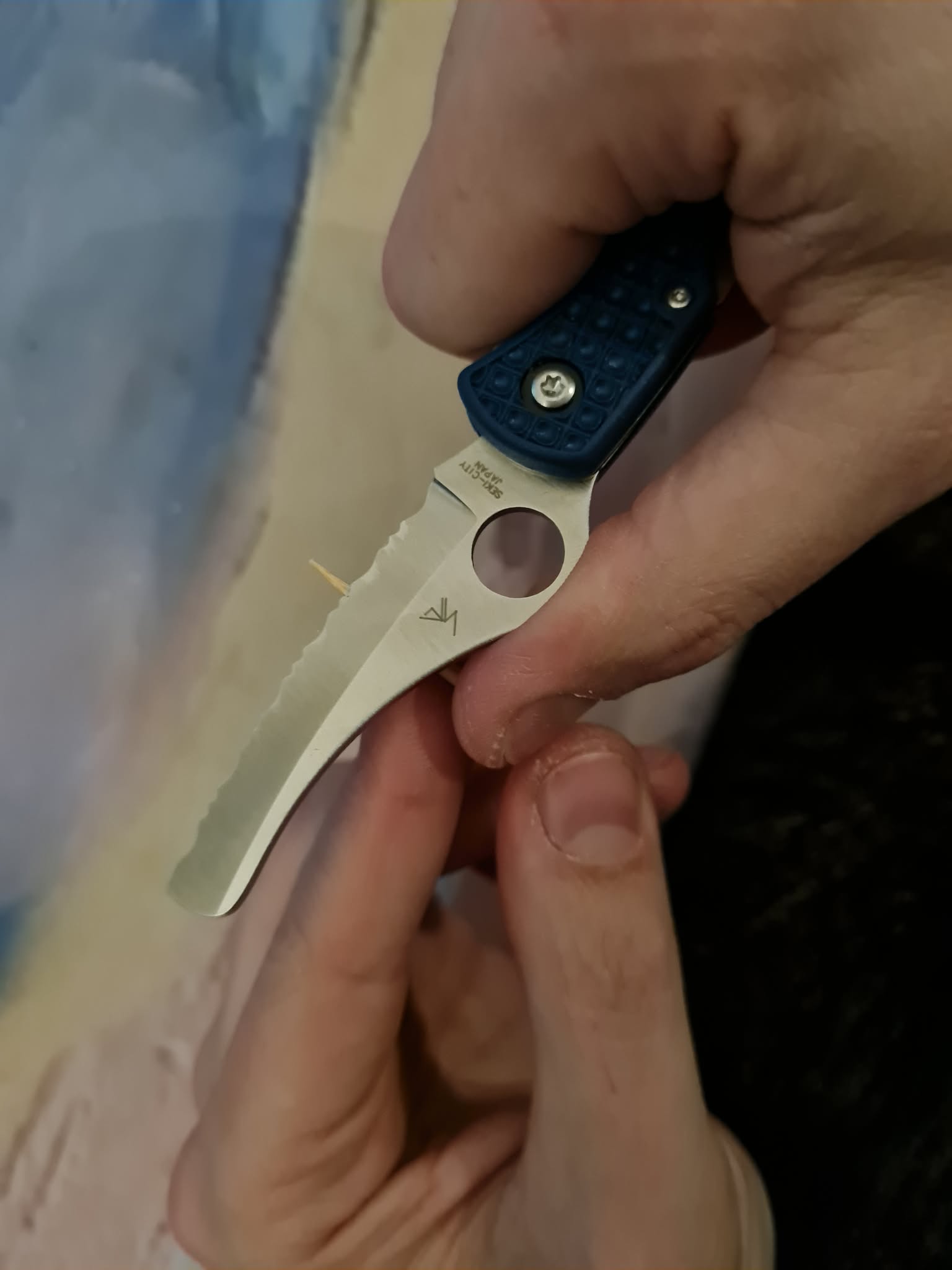
The serrated blade, on the other hand, is a pure cutting monster. For fibrous or abrasive materials, it offers edge longevity and cutting aggression that few single-blade folders can match. Having both options available at all times, without compromising ergonomics or carry comfort, is still a uniquely compelling proposition.
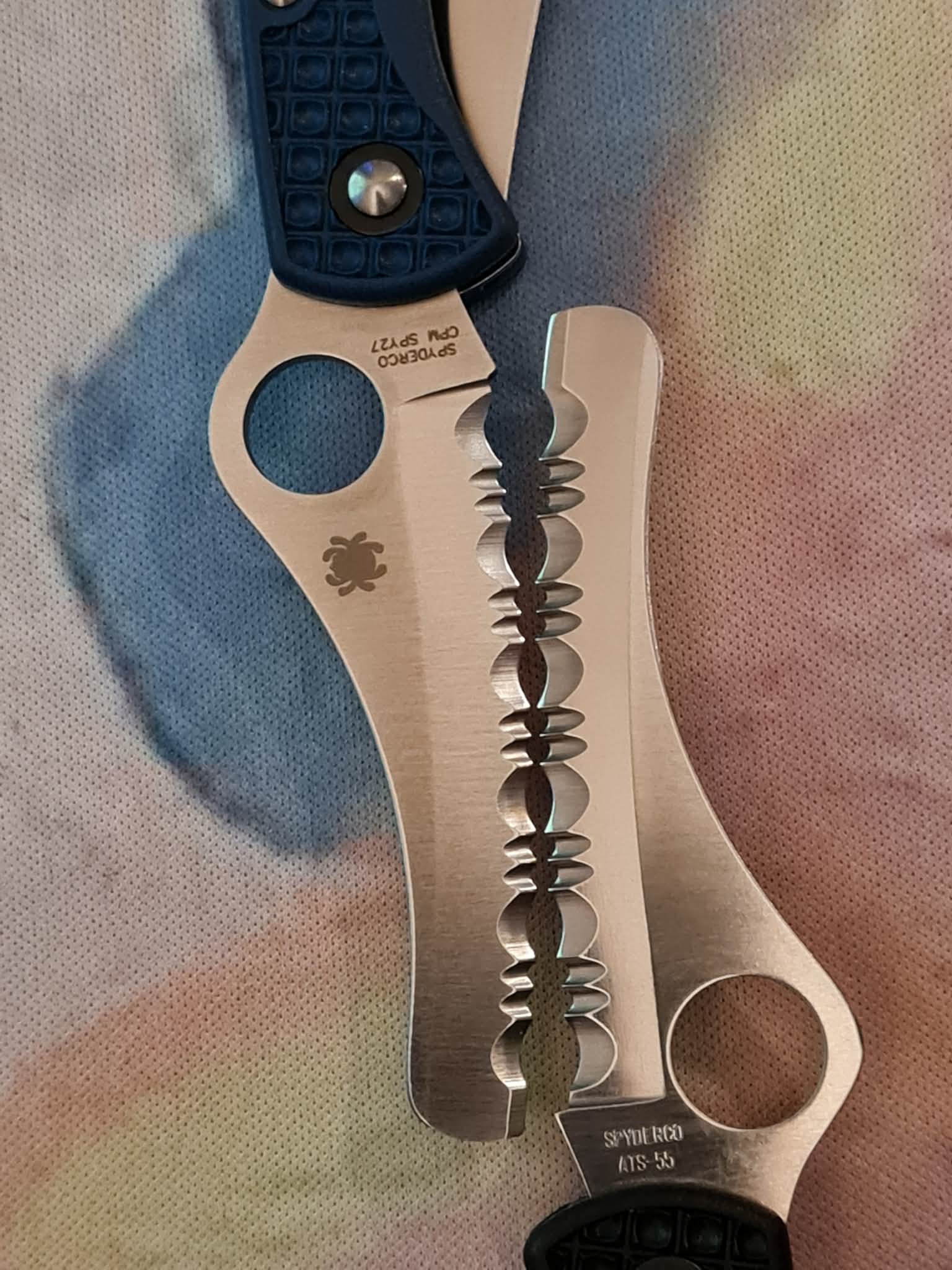
Fit and finish are excellent. The knife feels noticeably tighter and more refined than earlier versions. Both blades lock up solidly, with no vertical play whatsoever in my sample. Spyderco’s Seki-City backlocks have always had a strong reputation, but this one genuinely impressed me. In terms of perceived sturdiness, it comes surprisingly close to benchmarks like the Native 5 and Chaparral, which is high praise considering the Dyad Jr.’s dual-blade complexity.

Before I go back to what this knife is clearly meant for—cutting things—there’s one final point worth addressing: the price. Buying Spyderco in Europe is rarely inexpensive these days, and expectations have to be adjusted accordingly. That said, the Dyad Jr. positions itself extremely well. At under 130 €, you’re getting two fully functional blades, a smart and compact design, excellent build quality, and a modern, well-rounded steel that’s easy to live with. In the current market, that’s not just reasonable, it’s genuinely good value.

In short, the Dyad Jr. doesn’t try to be flashy or trendy. Instead, it quietly delivers versatility, performance, and thoughtful execution. For those who appreciate Spyderco’s more engineering-driven designs, this is a return that feels not only justified, but very welcome.”

(I will certainly update that review with more pictures from Robin later this week. – Nemo)
Spyderco -C94GCBL- UK PENKNIFE™ COBALT BLUE G-10 CPM® SPY27® – The Blue Djinn Who Loved Leather.

This is not the first UKPK I have reviewed in this blog. I was a very early adopter of this Sal Glesser’s approach of the modern slipjoint all made in Golden Colorado.
Some of my favorite are the Salt Versions in FRN: the Green LC200N and the Yellow CPM Magnacut. I even think, the serrated version of the Magnacut version could be an amazing legal travelling knife.

But they are FRN versions. I like FRN but I do love G10. Better, I’m a sucker for sanded G-10. Hence my love for the Heinnie Urban and its non-slip peel-ply texture.
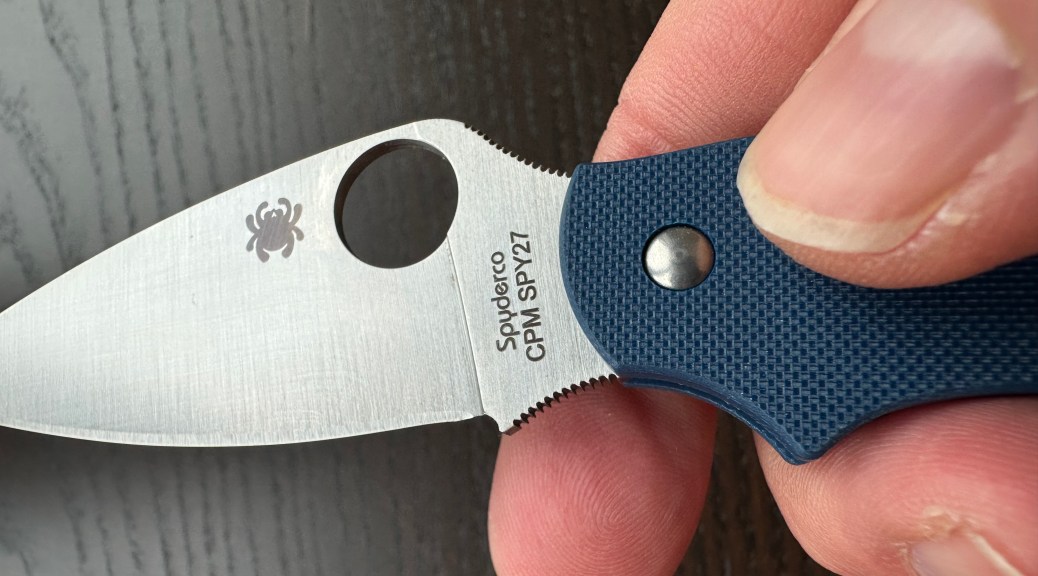
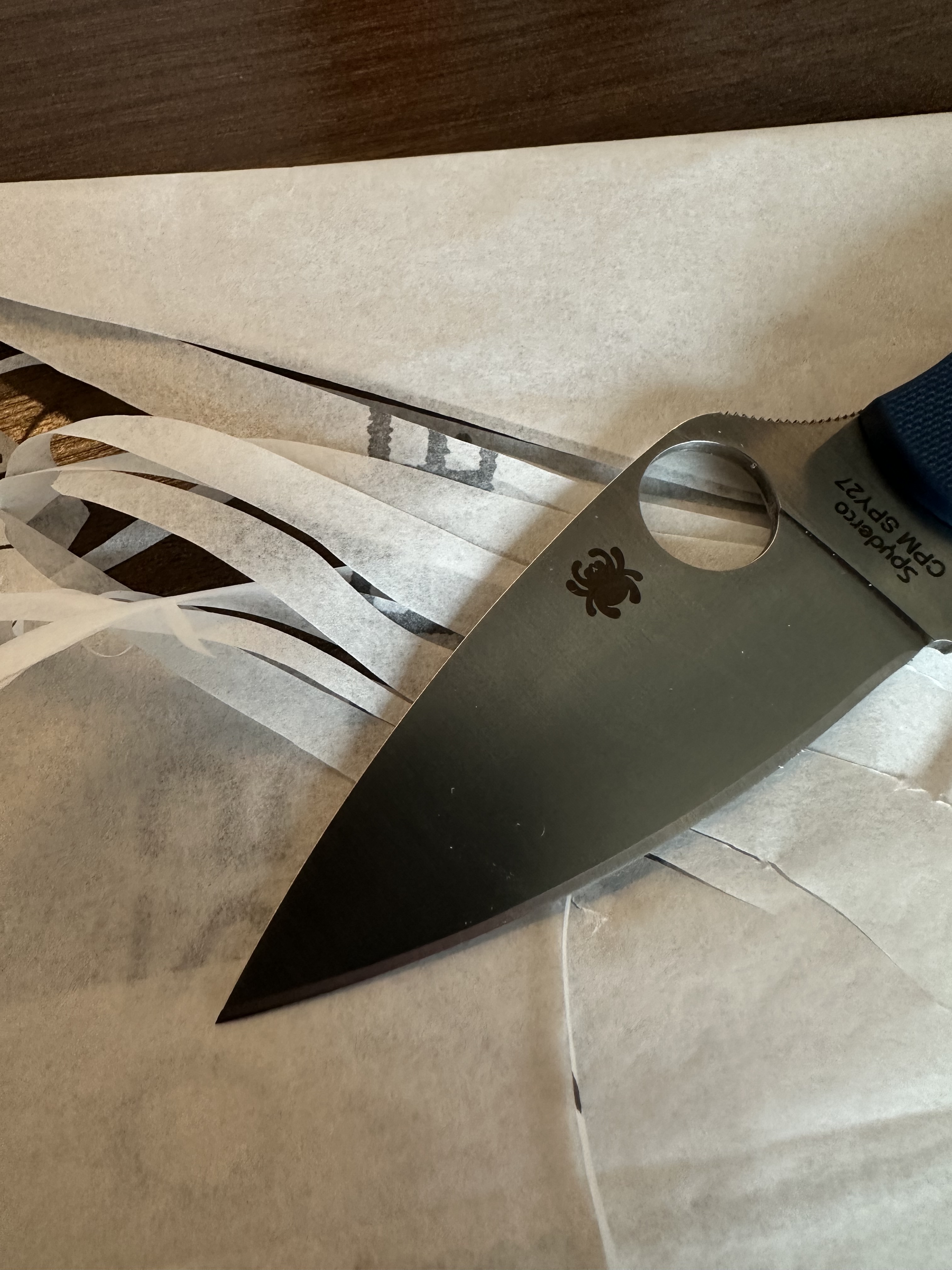
At first glance the satin-finished CPM SPY27 blade and signature cobalt blue peel-plytextured G-10 handle scales are juste gorgeous. Here are the full specs on Spyderco’s pages.

Like the Heinnie the skip joint got a strong mechanism. It is really a pleasure to feel this resistance which was totally absent from the very first drop point UKPK a decade ago. (Picture from Mr Blonde, Spydercollector site)

So far, I cannot imagine my self opening it with a flick like I was able to do on the LC200N FRN version. The Spring here on this G10 version is much stronger.

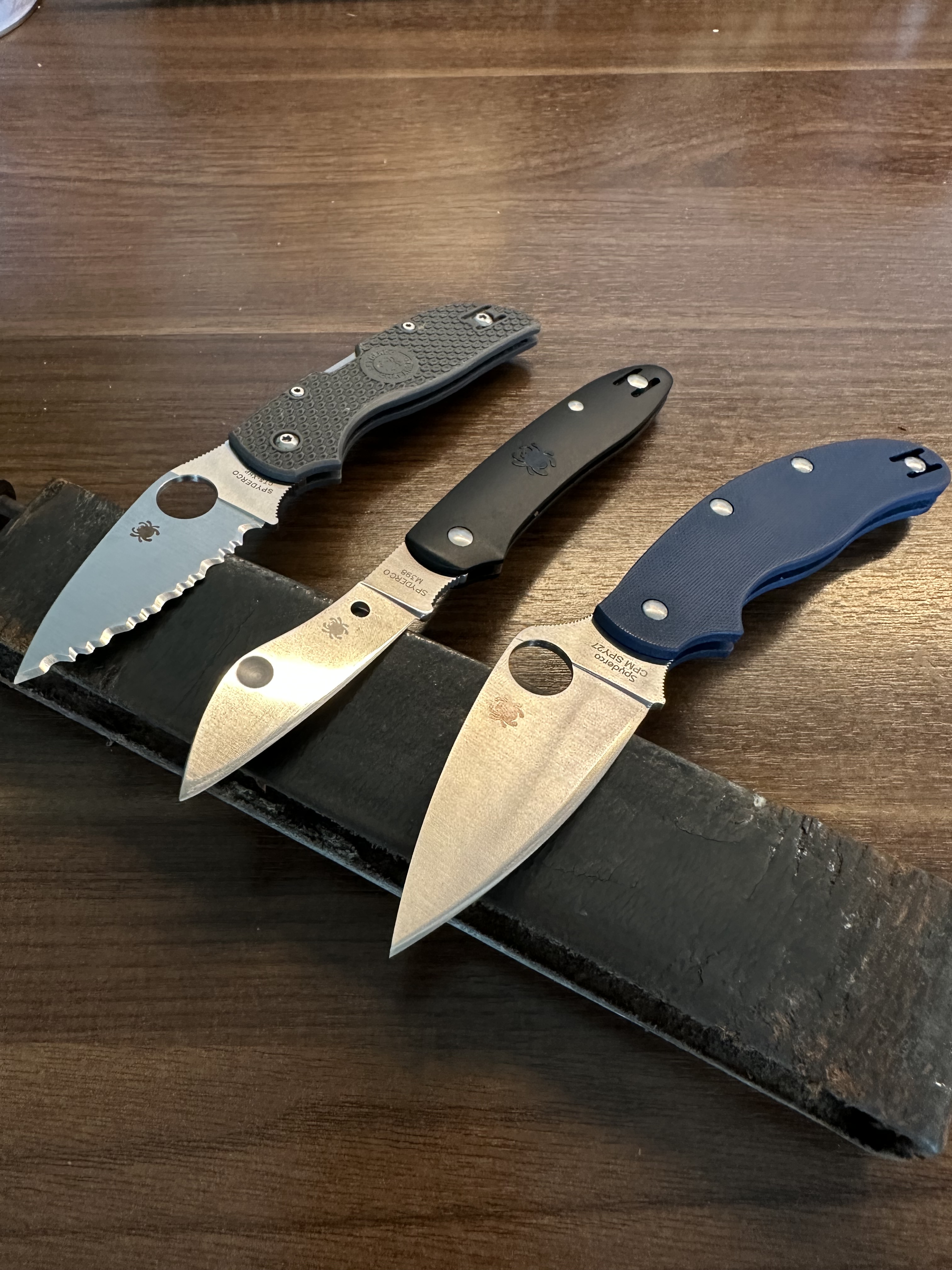
Let’s do some size comparaison. The UKPK is one of the long Slipit in Spyderco’s collection. It is almost a slipjoint Caly, even longer than a Chaparral. So you really don’t feel “underknifed” when you carry it in your pocket as your only EDC. It is also really handy and practical as a kitchen knife. The best thing is that this design keeps its blade length legal in most countries.

For cooking I often use a Native Chief.

The long leaf shaped blade is a must in the kitchen almost idea. It is pointy enough and its is enough for vegetables. Most of the works done in the kitchen like peeling potatoes, cutting oinions, you name it, was always done with a short full flat ground knife like a “Nogent Couteau d’Office”.

Something about the G-10 version is the spring/back spacer closing the handle of the knife when the FRN got an open handle easier to rinse.
But it is much more gorgeous and with a stronger spring for sure !

It also gives a little more heft to the knife. 48 grams for the FRN and 63 grams for the G10 version -> 31,25% heavier to be precise, almost a third ! But I do really love my heavy butt knives since my Schrade Sharpfinger.

Now this is my first CPM-SPY27 knife. Spy27 is a alloy recipe created in house with Crucible exclusively for Spyderco. It is a CPM ! So this is a premium super steel compared to VG10 or N690… In short it is a American Powder Metallurgy version of the Japanese VG10.

In Sal Glesser words:
“We offer many steels for several reasons;
1) We are Steel Junky’s (even Edge Junky’s) and we like to experience the different flavors and we try to do that.
2) We believe that many of our customers are also Steel Junky’s (even Edge Junky’s) and they too get to experience and play with and “taste” as you say, the many options.

I wanted a USA made “tweaked” version of Gingami 1 by Hitachi and after some effort with Carpenter, we have a powdered USA made steel called CTS-BD1N Which is a refinement of Gingami 1. I wanted a USA made “tweaked” version of Takefu’s VG-10 and now we have a powdered “tweaked” SPY27.

Carbone1.25%
Chrome14%
Molybdène2%
Vanadium2%
Niobium1%
Azote0.1%
Cobalt1.5%
Manganèse0.5%
Silicium0.5%


There is a very nice analysis in Knifesteelnerd and discussion here: https://forum.spyderco.com/viewtopic.php?t=94182

However, it should be noted that the SPY 27 Larrin used for testing was not heat treated by Spyderco. Some minor differences between Larrin’s heat treatment and Spyderco’s heat treatment can probably be expected. That being said, Larrin is the best source of consistent, objective data and metallurgical interpretation for steel comparisons.” To quote Karl_H in
https://forum.spyderco.com/viewtopic.php?t=87383

“SPY-27 will hold the fine edge longer… Its all about the stability of the fine edge, not the total wear resistance until fully dull. In this regard, SPY-27 can do what other stainless steels cant.” to quote Submicron in the same thread.

I am aware that Cobalt’s dust can be an health issue. Of course Rex 45 and Maxamet (10% of cobalt, 1,5% for SPY27) are the heavy weight steel in their tool steel category but the Spy27 (like VG-10), like all cobalt alloys needs to be carefully cleaned after a sharpening process.
(Cobalt may cause an asthma-like allergy. Future exposure can cause asthma attacks with shortness of breath, wheezing, cough, and/or chest tightness. * Cobalt may affect the heart, thyroid, liver and kidneys. * Repeated exposure to Cobalt dust can cause scarring of the lungs (fibrosis) even if no symptoms are noticed. According to https://nj.gov/health/eoh/rtkweb/documents/fs/0520.pdf)


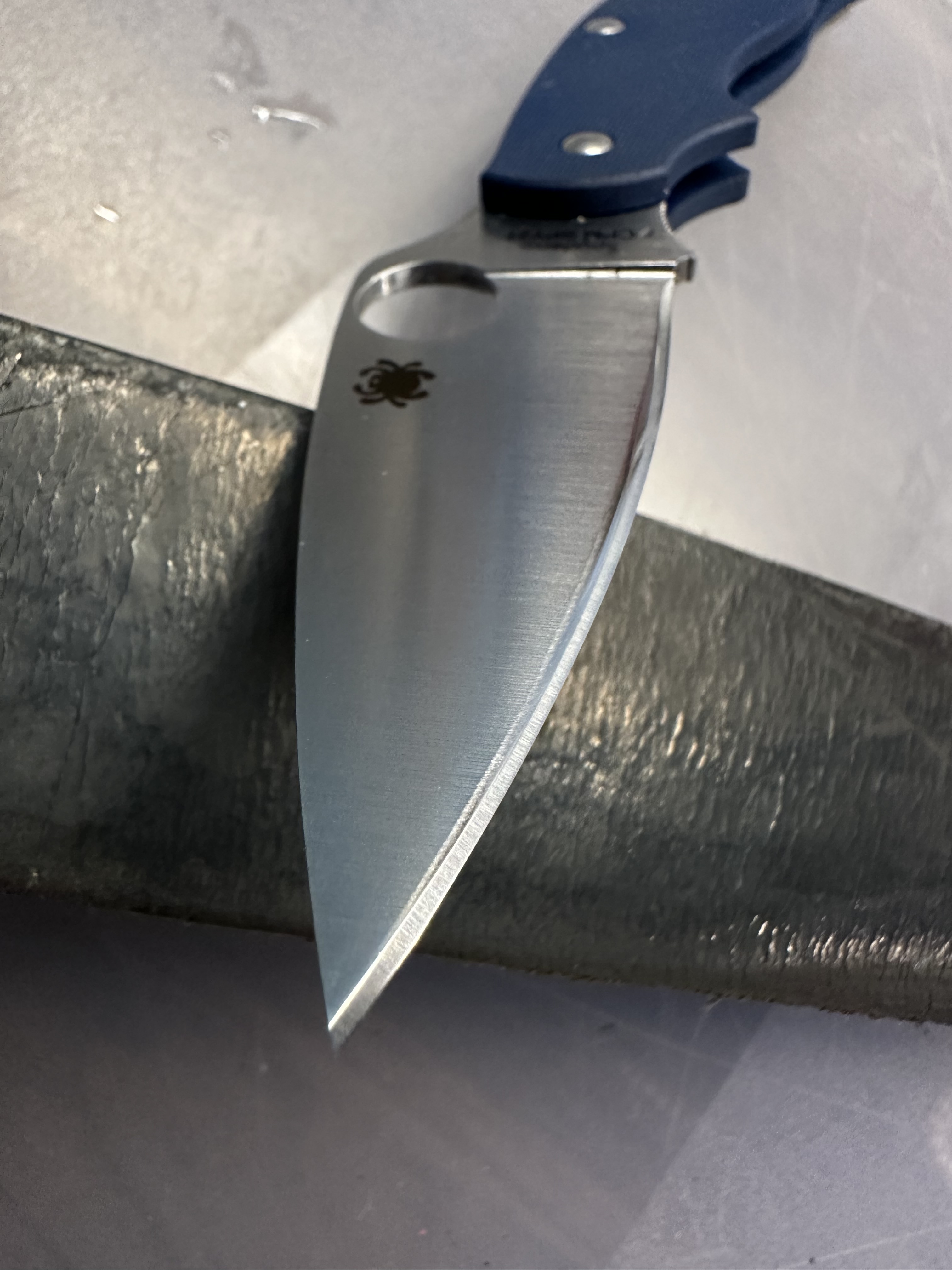
Let say SPY-27 is in the same club as the S35VN steels in terms of performance and it especially loves fine ceramic and leather stropping. It gets easily a very crispy edge like VG10 or BD1N . ( Steel which are “leather super friendly” are also LC200N, 52100, VG10, AEB-L… )
This is a must and a real pleasure for me as I keep my knives sharp mostly with leather. A touch up and it makes flying hairs from my arm again.
And it seems true so far. I have not deshouldered the edge yet and intend to use it with the factory edge for some times but leather made it hair popping sharp. (Once deshouldered it is a straight razor with excellent edge retention… much better than S30V).
To quote Sal:
“SPY27 for some reason, seems to be punching above its weight.”

No crossroads, this Blue Djinn loves leather like the Bill Moran FB01 in VG10 loved it.

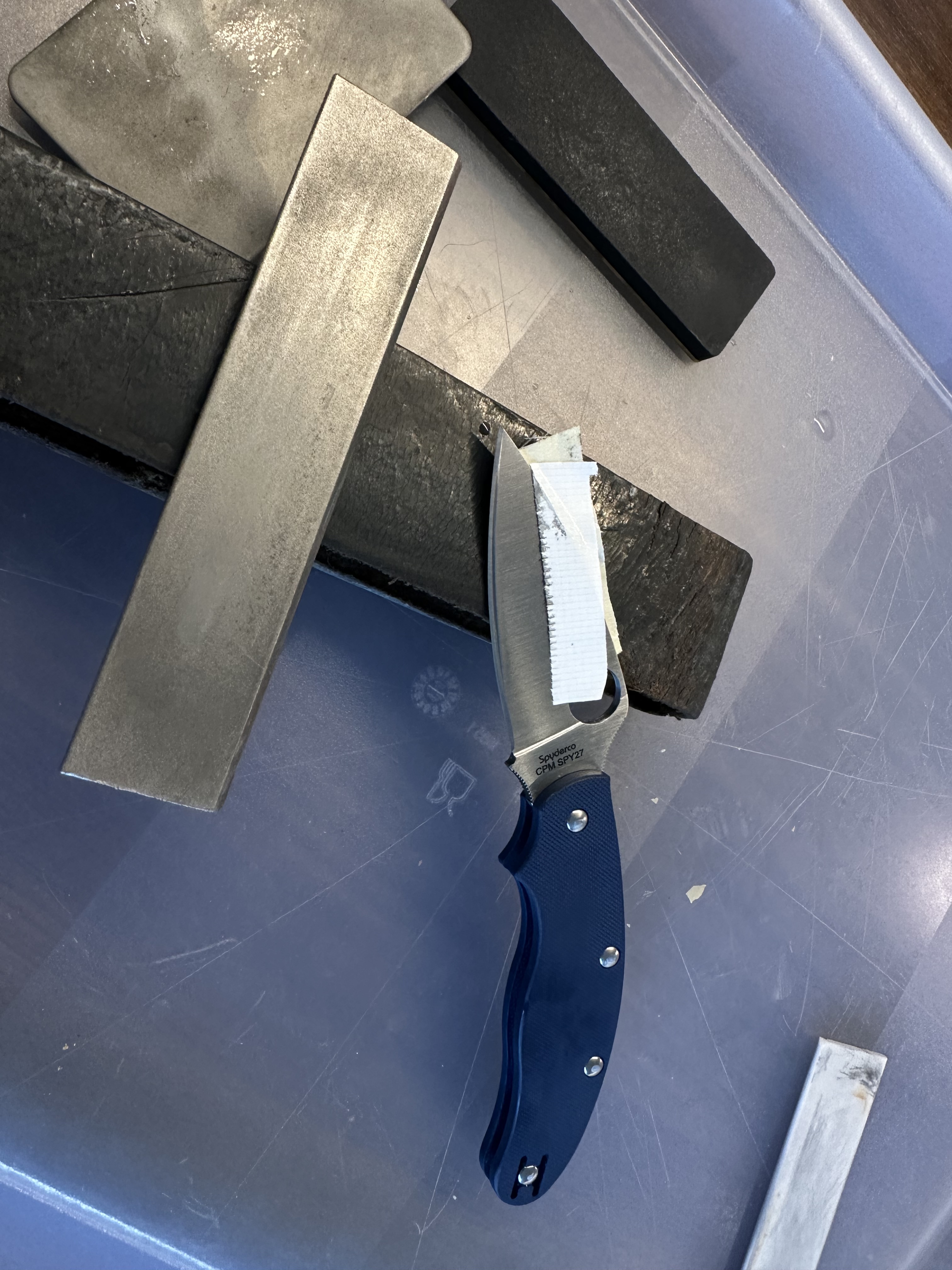
No need to use diamonds unless you want to reprofile the blade or round the shoulder then don’t forget to rinse the blade and to clean any dust.
But talking about dangerous dust, I have sanded the scales to preserve my pockets. Never breath that dust !!! Do it under water or wear a mask.
I got a neighbor who has been working around that kind of heavy dust and now he is breathing with two tubes in his nostrils. So be careful with your health.
This Blue G10 got a very nice texture under the thumb like some denim, textil like. It is really pleasant, almost like some Micarta found on the QSP Penguin.

So when you sand G10, just go outside in the wind or work under water. You don’t want to breath G10 dust made of fiberglass and epoxy.
Just rinse it under the tap to have it back to normal.
Once tuned at your hand, G10 is a very very nice material.

As you can notice the scales are even thicket than the blade and the blade is perfectly centered.

There is the famous middle/half stop when closing or opening the knife. It works like a safety measure. This knife is harder to close than to open.

The UKPK is a very ergonomic knife. It feels like it melt in the hand. It is so confortable for heavy cuts. Because this blade can work hard with zero play.

The “pistol grip” is common in many Sal Glesser design like the Endura or the Military. It is much more pronounced on the Massad Ayoob.

No hotspots for me a very safe handle, really, this lil slipjoint is screaming to be used hard.

It is even confortable edge up.

With the Roadie XL. Another great Slipit with a very low profile, almost like a pen in your shirt pocket.

And the mighty Chaparral serrated. Two of Sal’s best designs. Two wolves in sheep disguise thanks to their thin solid blades.

I have decided to de-shoulder the edge for a gentle convex result in the middle of the belly.

My old leather with some polish compound is ready again to smooth the edge to razor level.

Because I want a better touch on the leather, I usually keep the normal edge at the point to keep material there and near the ricasso as I use this portion for special shores like removing the aluminium cap on bottles.

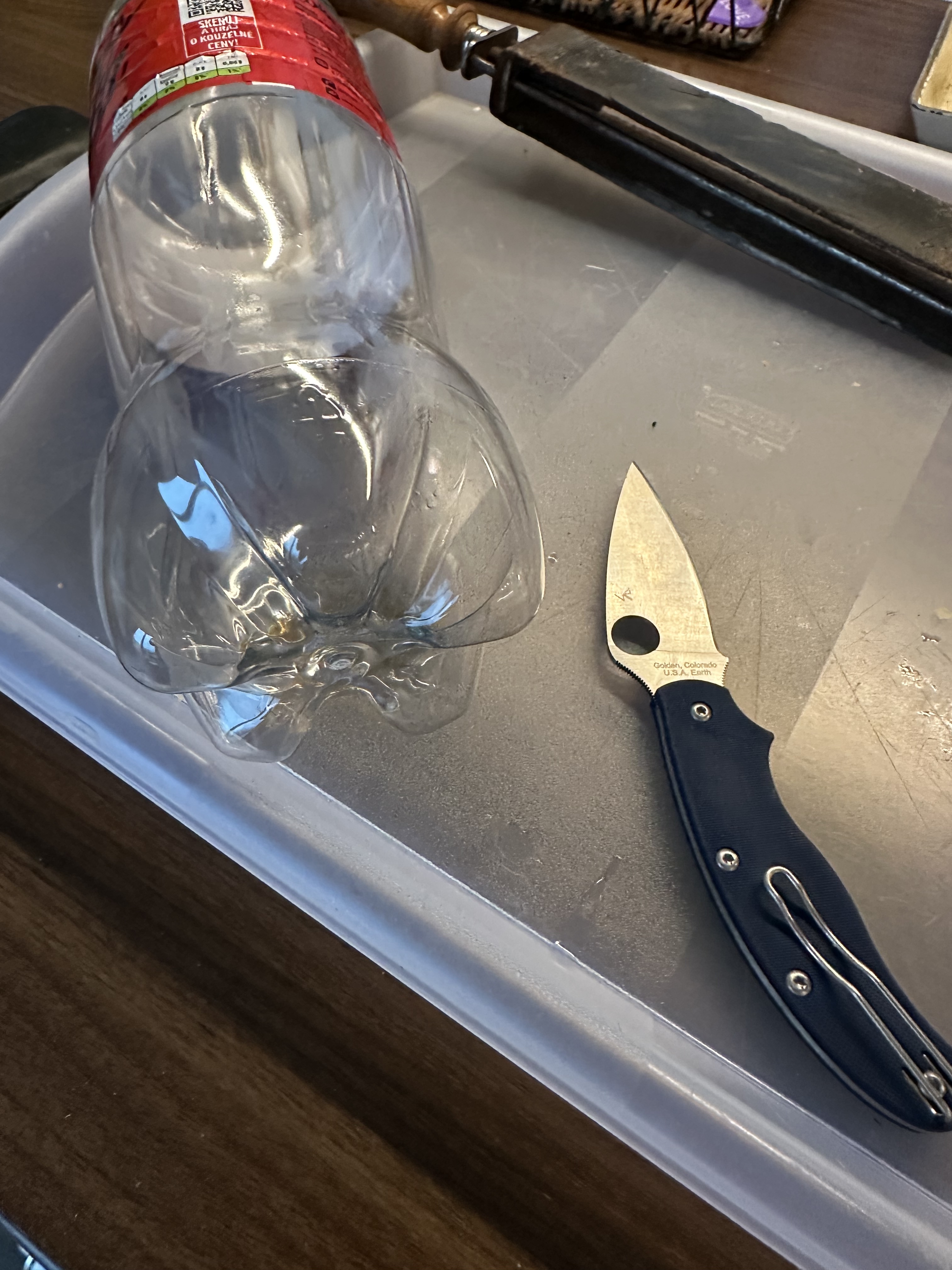
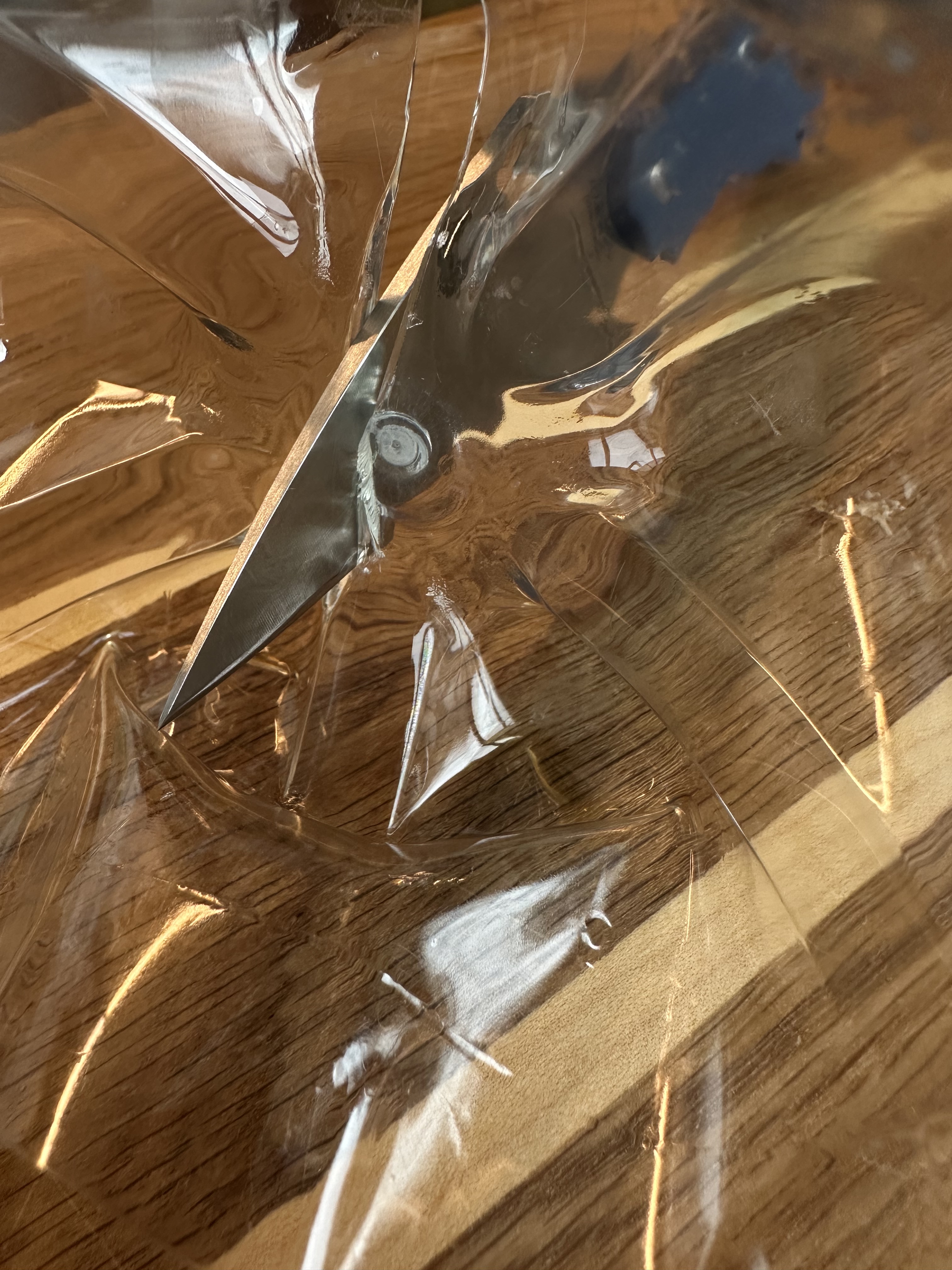
The Coke Bottle Butt test is passed with flying colors. As you can notice the plastic is 3mm thick. Not a single scratch on the blade.

So what do we got so far ?
A master piece of knife design by monsieur Sal Glesser with a strong construction and state of the art in-house alloy serving a thin blade and an ergonomic handle.
My advice: try to grab one before they disappear, it seems that G10 version is not here to last and it is really a sapphire: a true blue jewel !