One of the things I enjoy most about the Spyderco community is that there is always somebody curious enough to take a knife apart and look beyond the catalog specifications.
This time, that somebody was my friend Robin Hette.
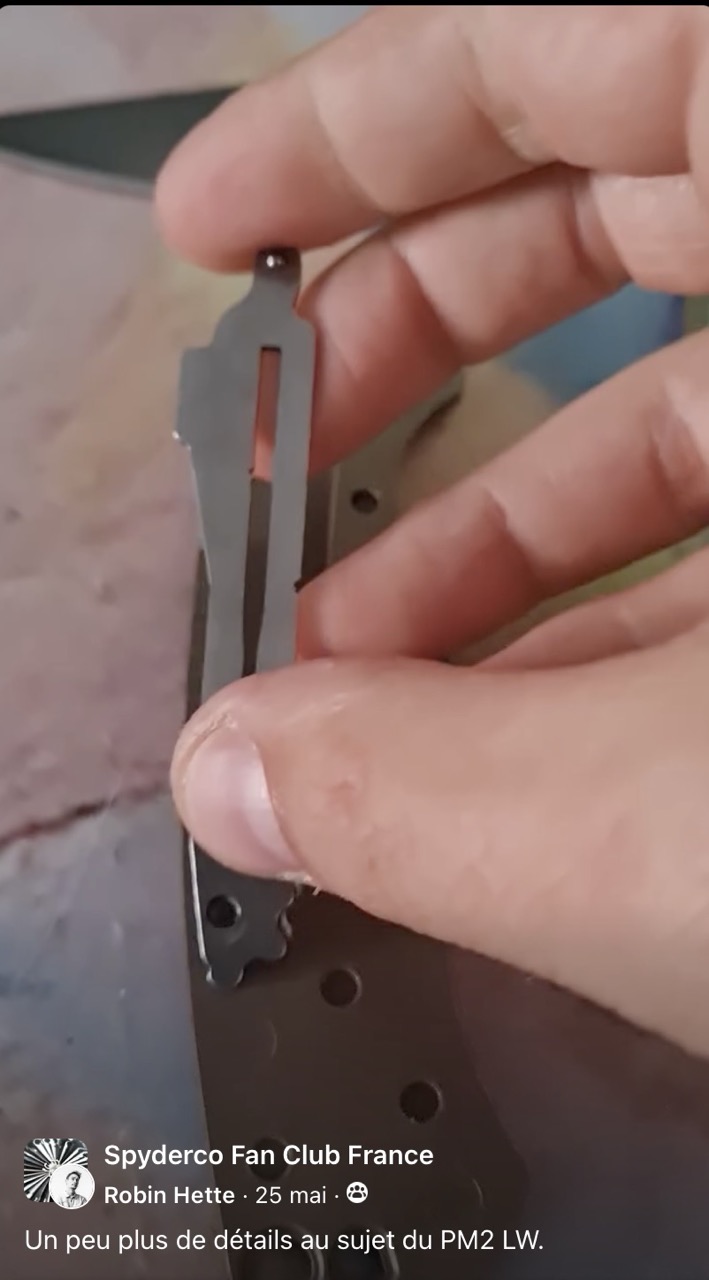
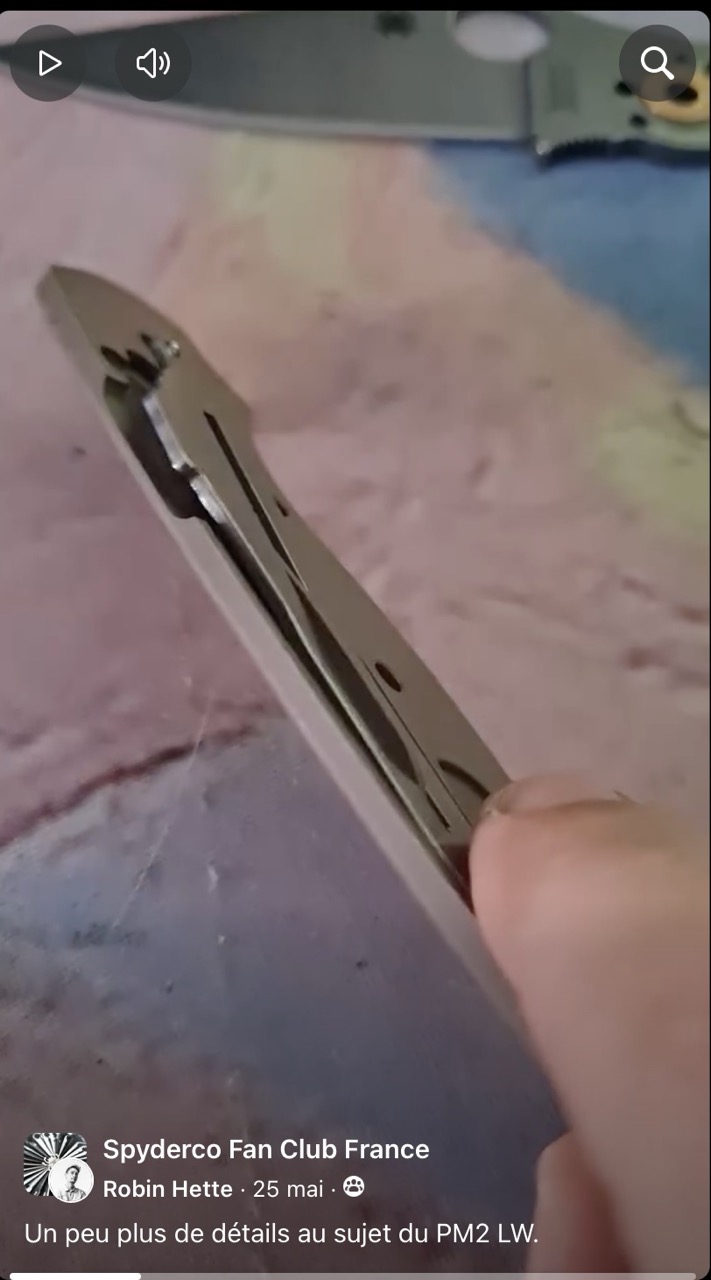
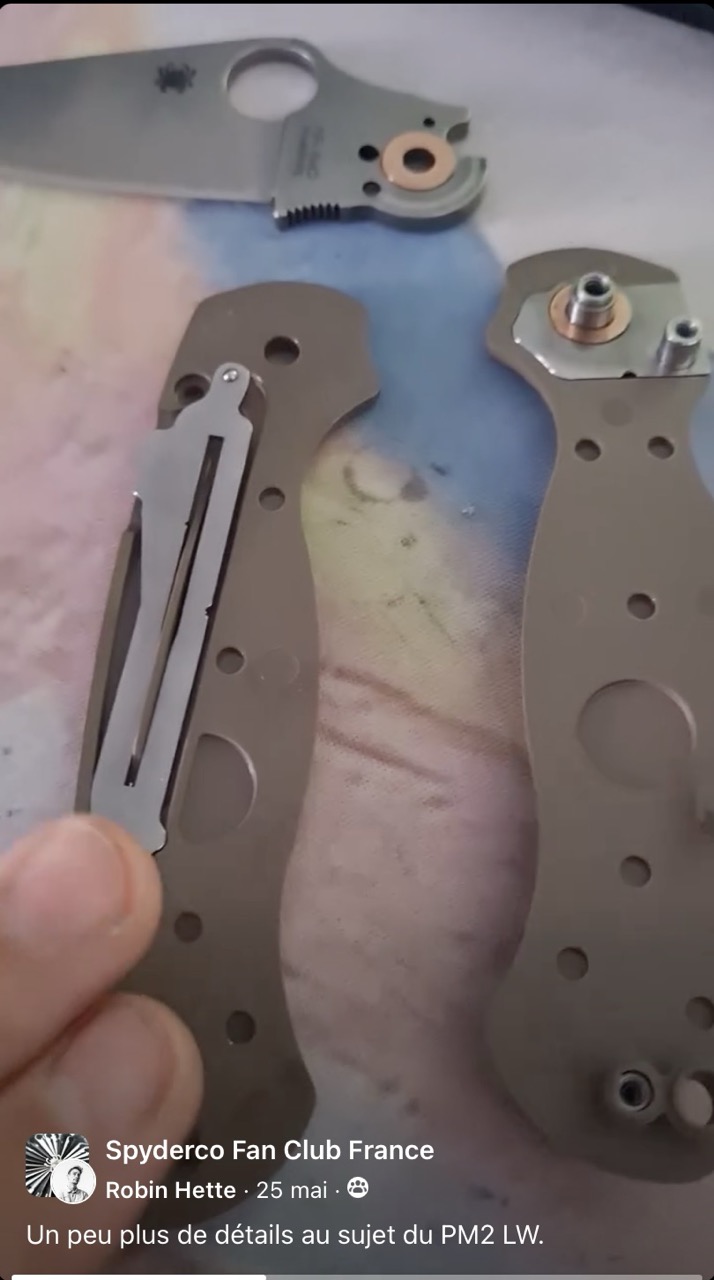
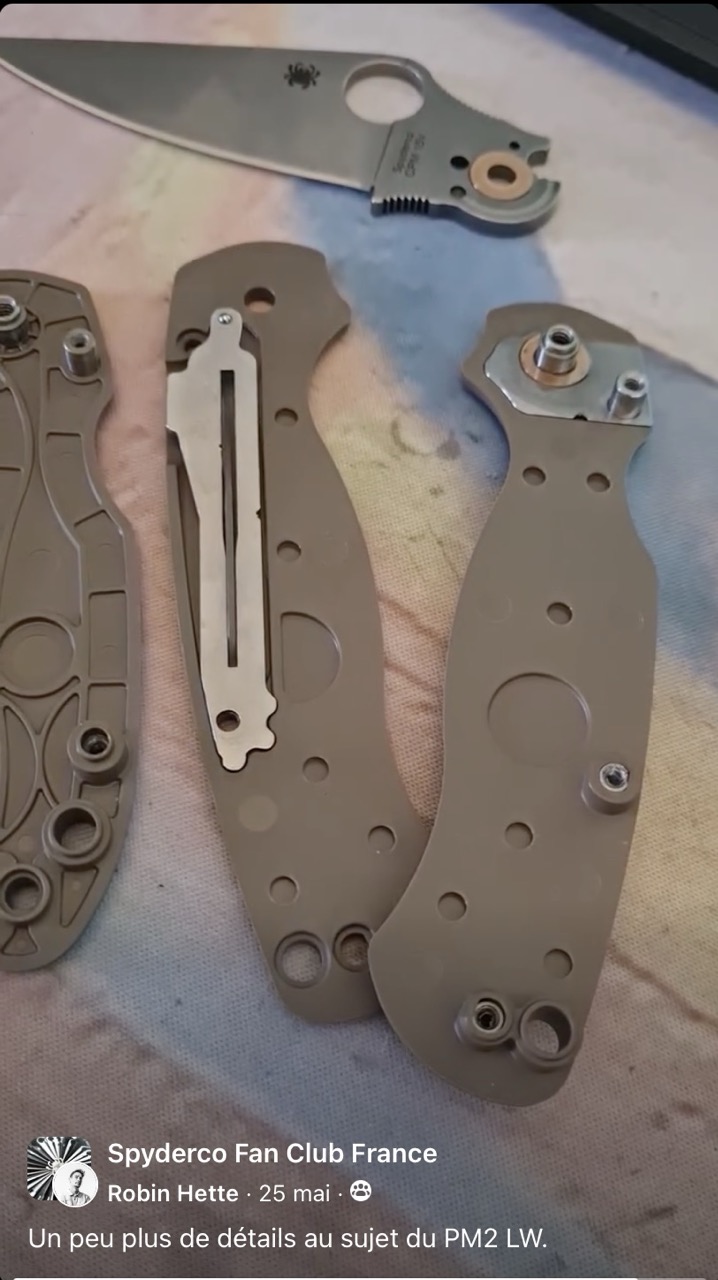
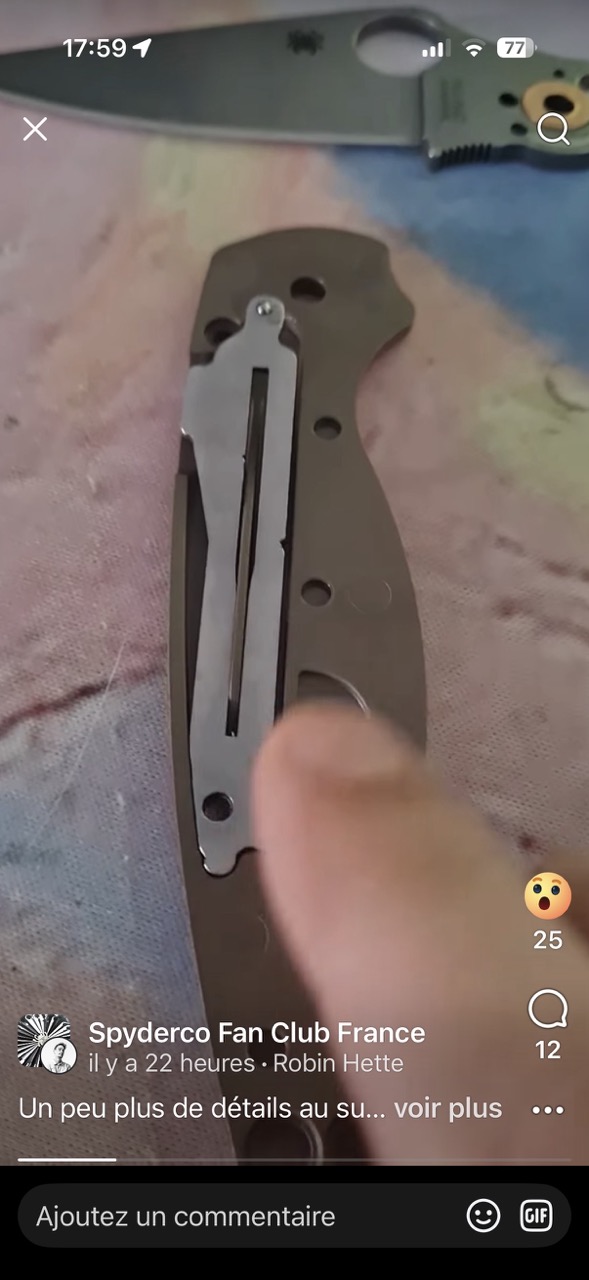
In a recent video, Robin completely disassembled his new Para Military 2 Lightweight and discovered a couple of interesting details showing how Spyderco has refined the design his compression lock.
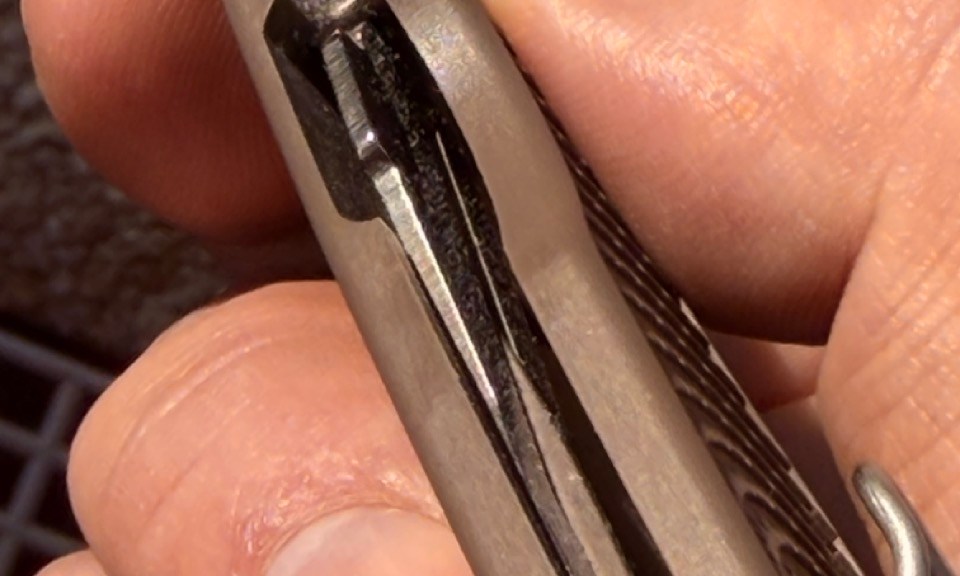
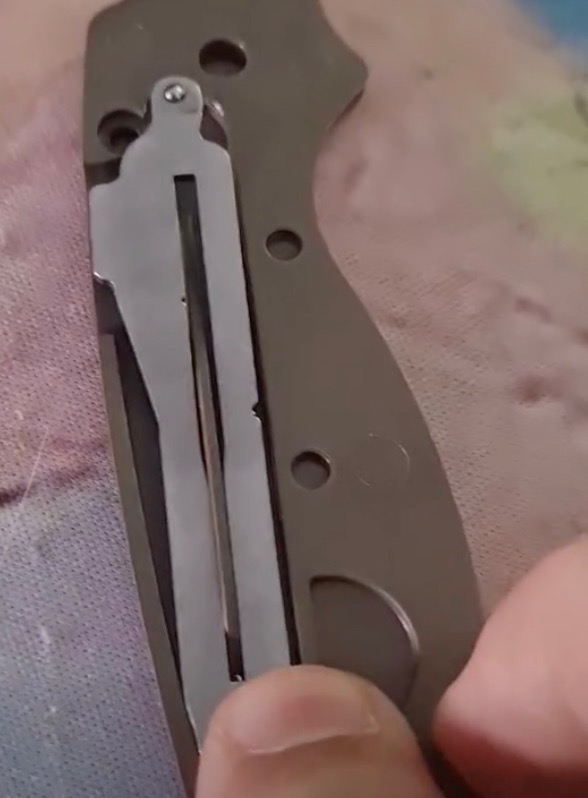
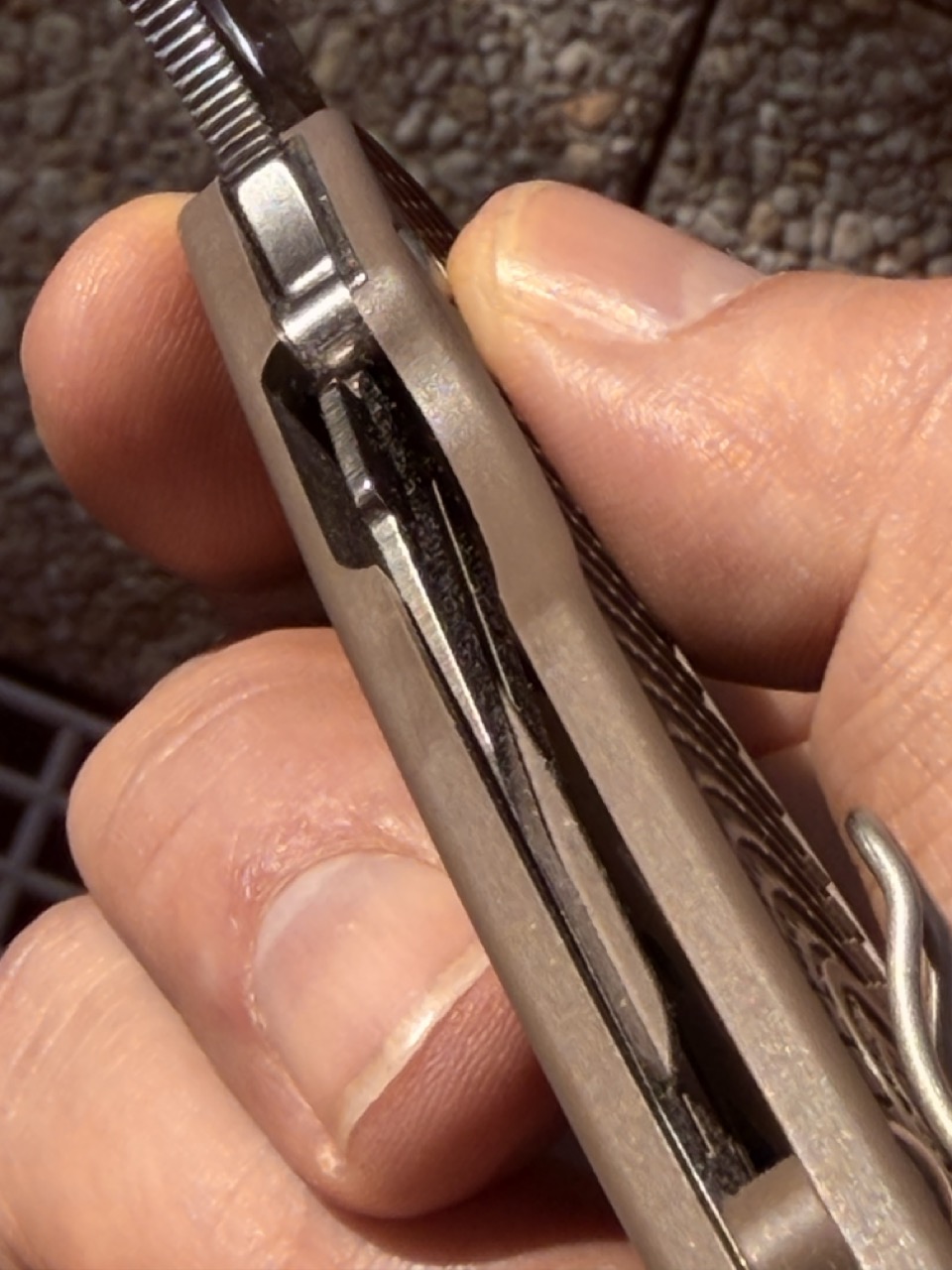
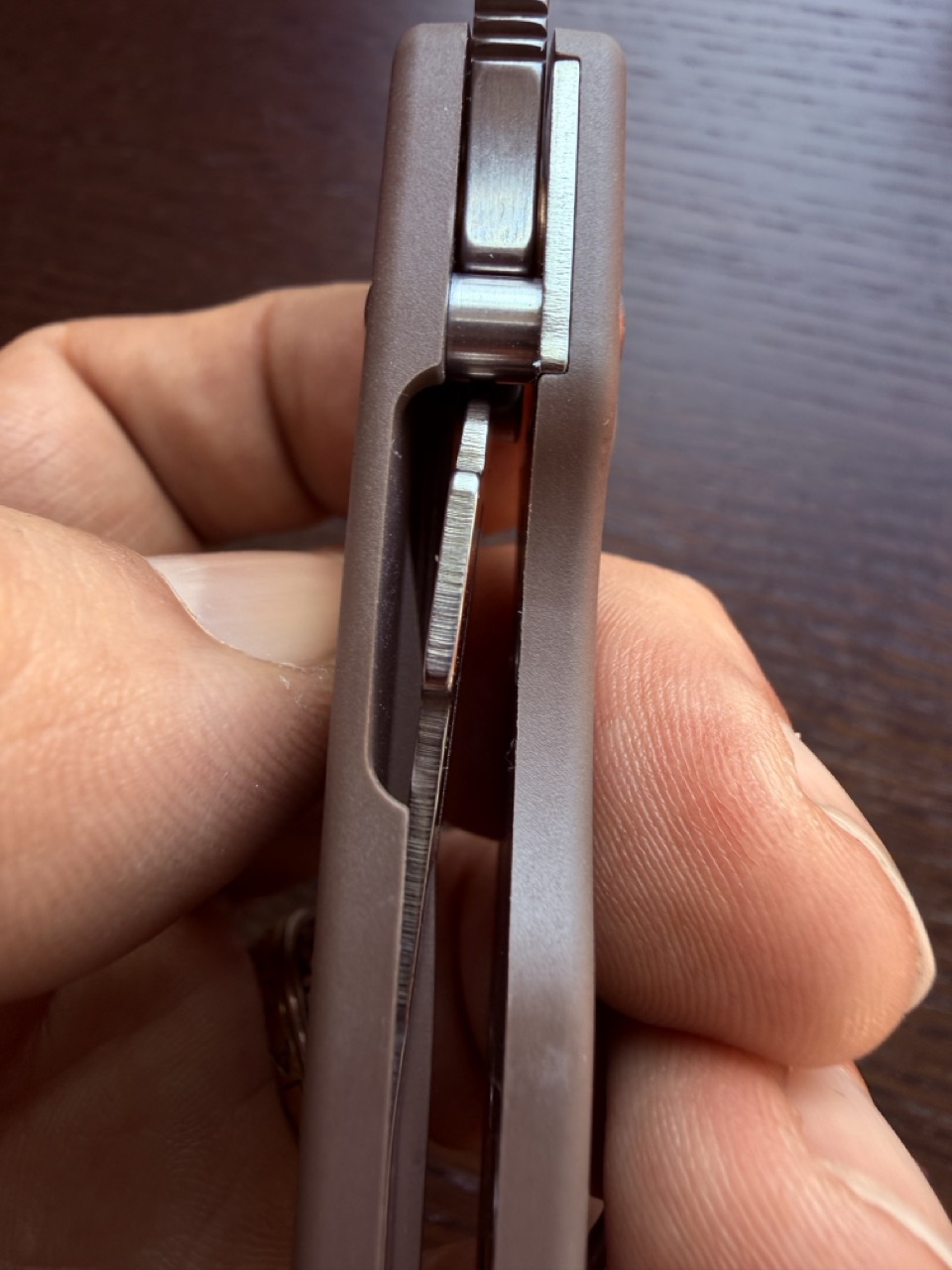
The changes become apparent as soon as the knife is taken apart: the Compression Lock spring got now a longitudinal groove running down its center. Its purpose appears straightforward: improving the spring’s lateral stability and reducing side-to-side movement during operation.
It’s a major modification possible only on a mold FRN scale.
Yet these are exactly the sort of details that reveal how seriously Spyderco treats continuous improvement.
Screenshot
The scales tell a similar story.
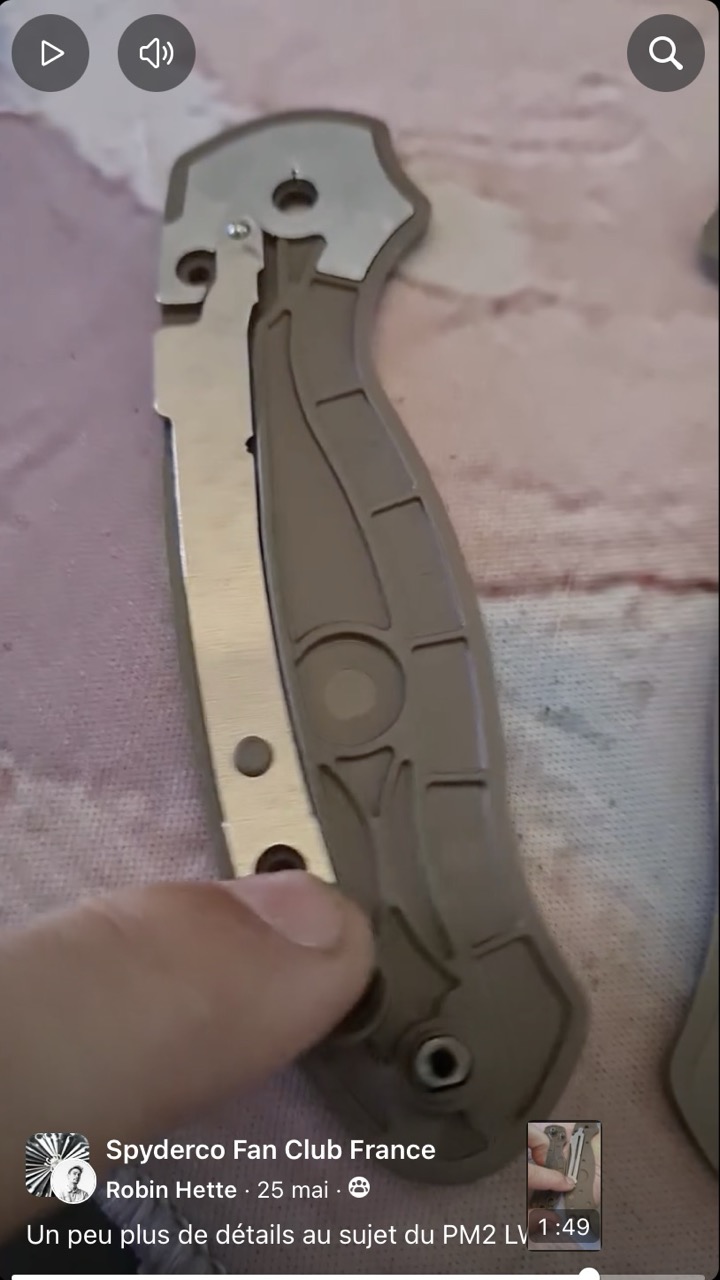
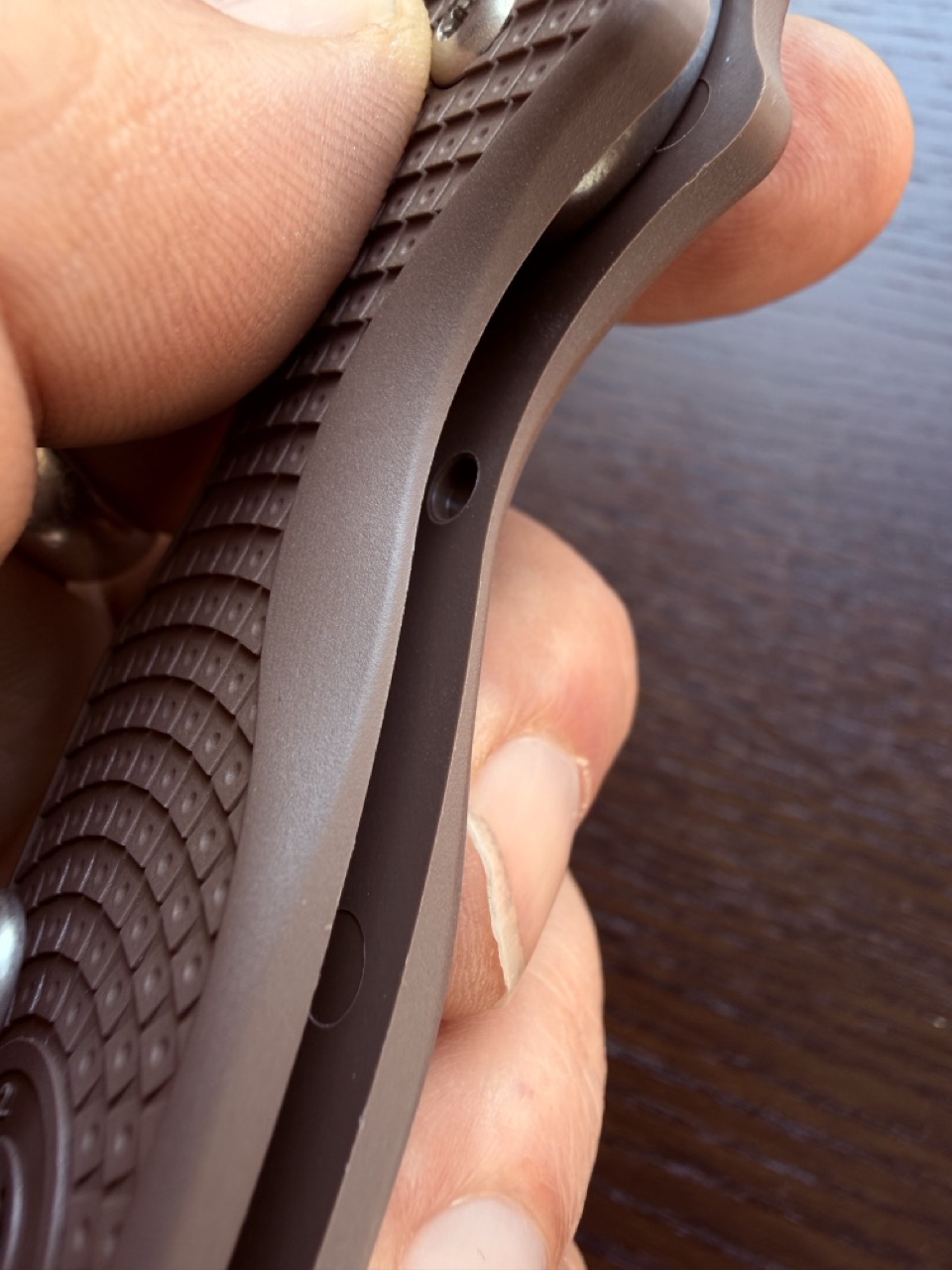
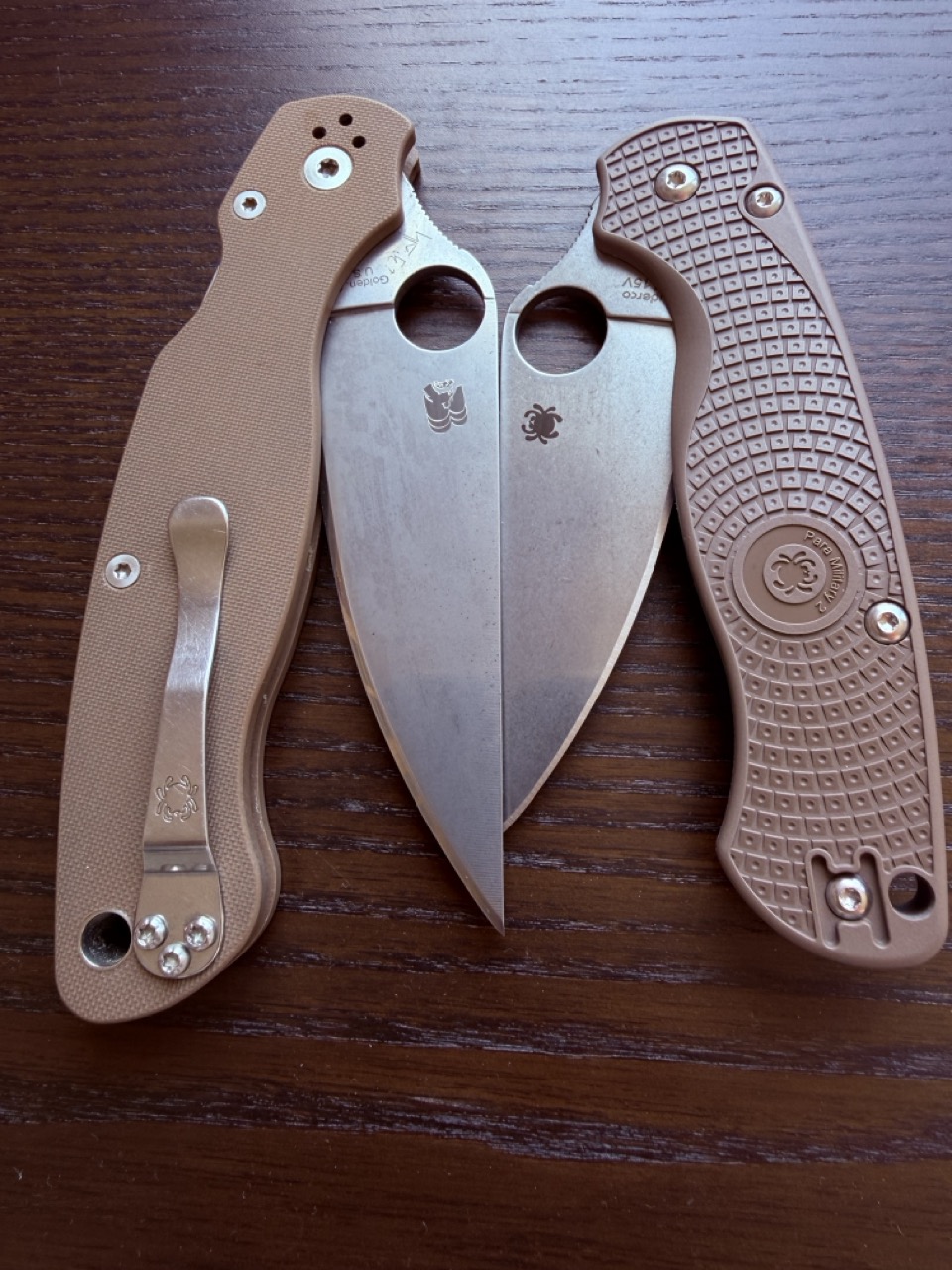
Comparing Robin’s disassembled PM2 Lightweight with the his Para3 LW reveals noticeably less internal milling. Spyderco has left more FRN in place on the PM2.
At first glance this may seem counterintuitive on a knife designed around weight reduction. But rigidity matters too.
The additional material should provide greater structural stiffness while adding very little weight to the overall package. The result is a handle that remains exceptionally light while feeling even more robust.
That philosophy of Constant Quality Improvement has defined Spyderco for decades. Observe. Test. Improve. Repeat.
Thanks to Robin’s curiosity—and willingness to completely tear down his knife—we get a rare glimpse of that process in action.
The latest PM2 Lightweight under its scales, however, it tells a familiar Spyderco story:
“Good enough has never been good enough.” 😉 So, kudos to Eric Glesser and the Spyderco team for continuing to push the envelope.
But enough about engineering. What’s the PM2 Lightweight actually like to live with?
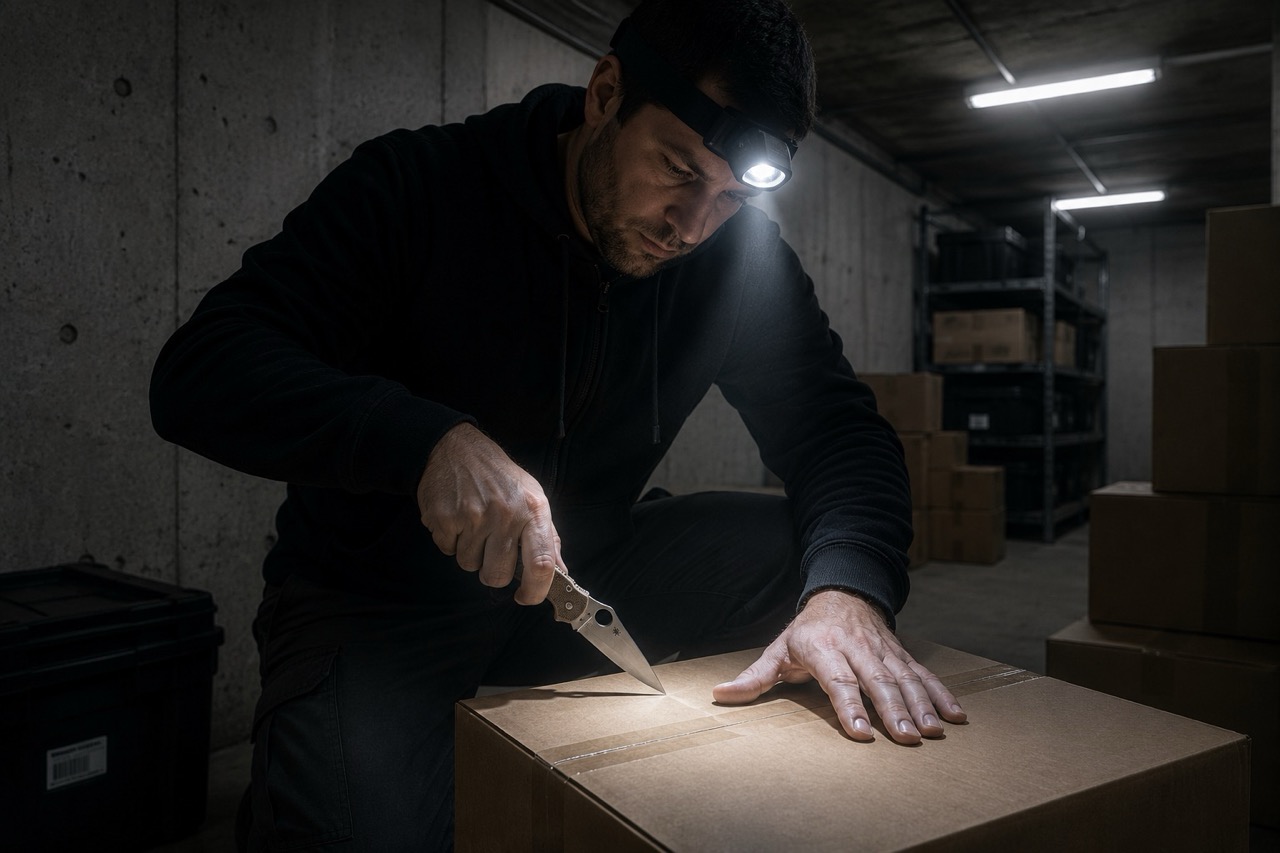
Well, let’s just say it’s a lot more pleasant than trying to get an AI image generator to accurately reproduce a knife model from reference photos. 🙂
But…Now imagine… It’s dark in the basement. You’ve had a long day. You’re tired. Nothing seems to go quite as planned. You need a sharp tool. Anything ! For a moment, you think you don’t have one. Then you remember. Your knife should be sitting in your right front pocket. Exactly where it has been all day. So light that you forgot it was there. So comfortable that it never demanded your attention until the precise moment you needed it.
A few ounces of FRN. A blade in CPM 15V. Or K390. Or MagnaCut. It doesn’t really matter. It could be that new PM2 Lightweight Sprintrun. It could be the built-like-tank Lil’ Temperance Lightweight in K390. It could be the sleak Sage 5 Salt Lightweight in MagnaCut.
Different knives. Same philosophy. But that PM2 Lightweight pushes really the concept one step further. No stainless steel liners. Just enough material to hold together one of the most capable folders Spyderco has ever designed. A reliable cutting tool so light that I forget it’s there—until the moment I need it.
And that’s the whole point: the best pocket knife isn’t the one you admire all day long. It’s the one you completely forget about—right up until it does exactly what it’s supposed to do. That’s what Lightweight means.: “When you need it, it’s already there.”
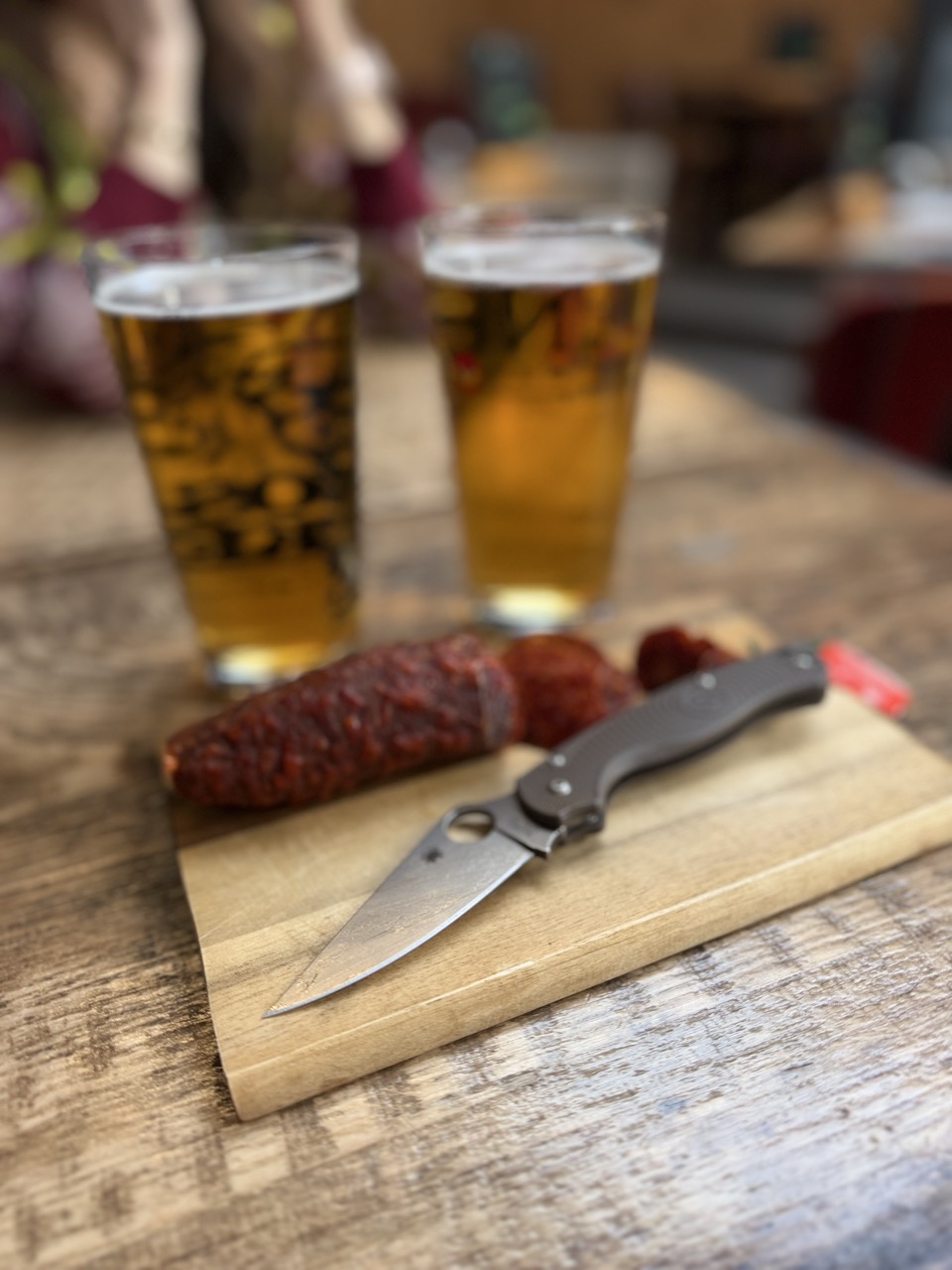
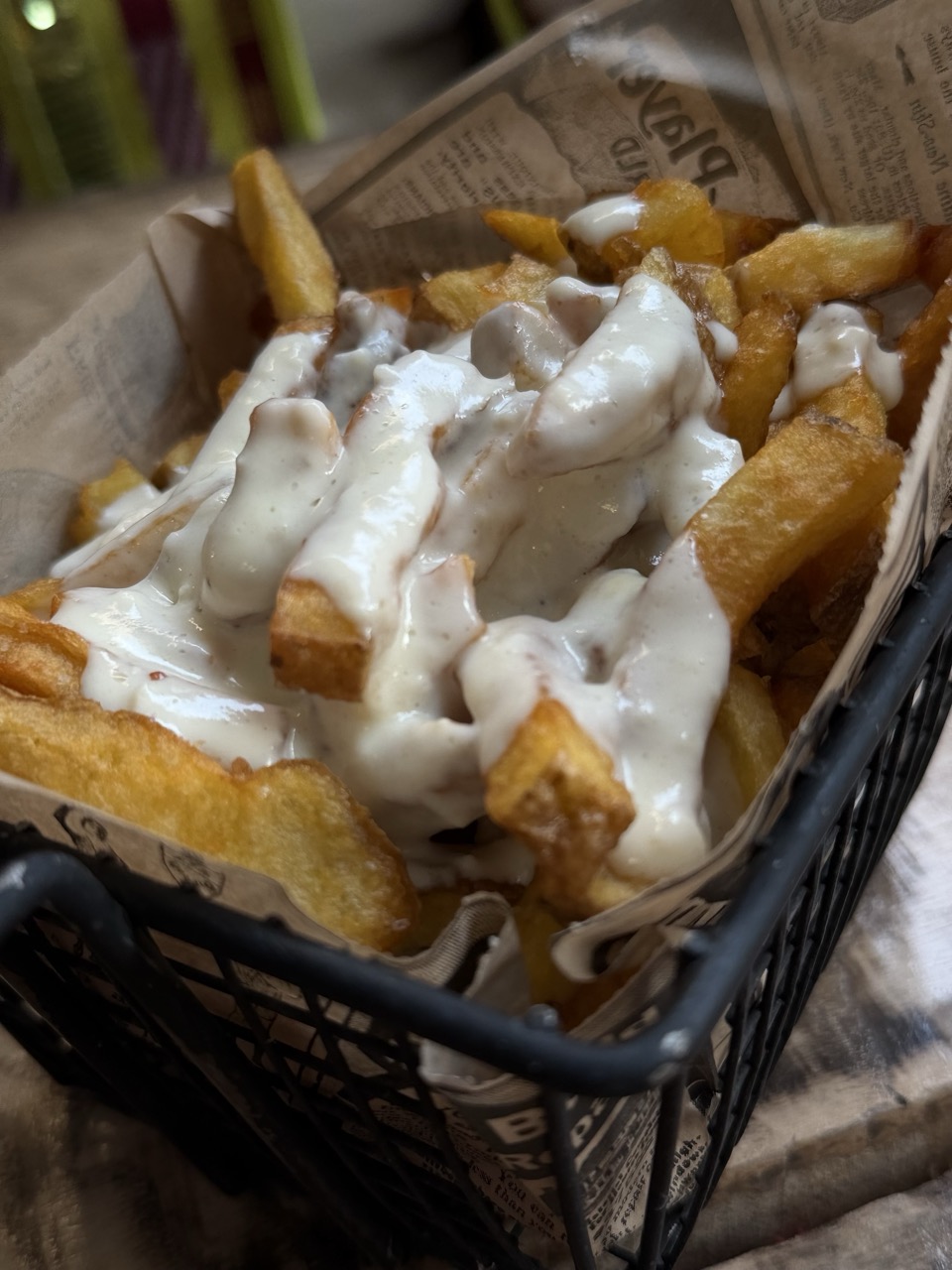
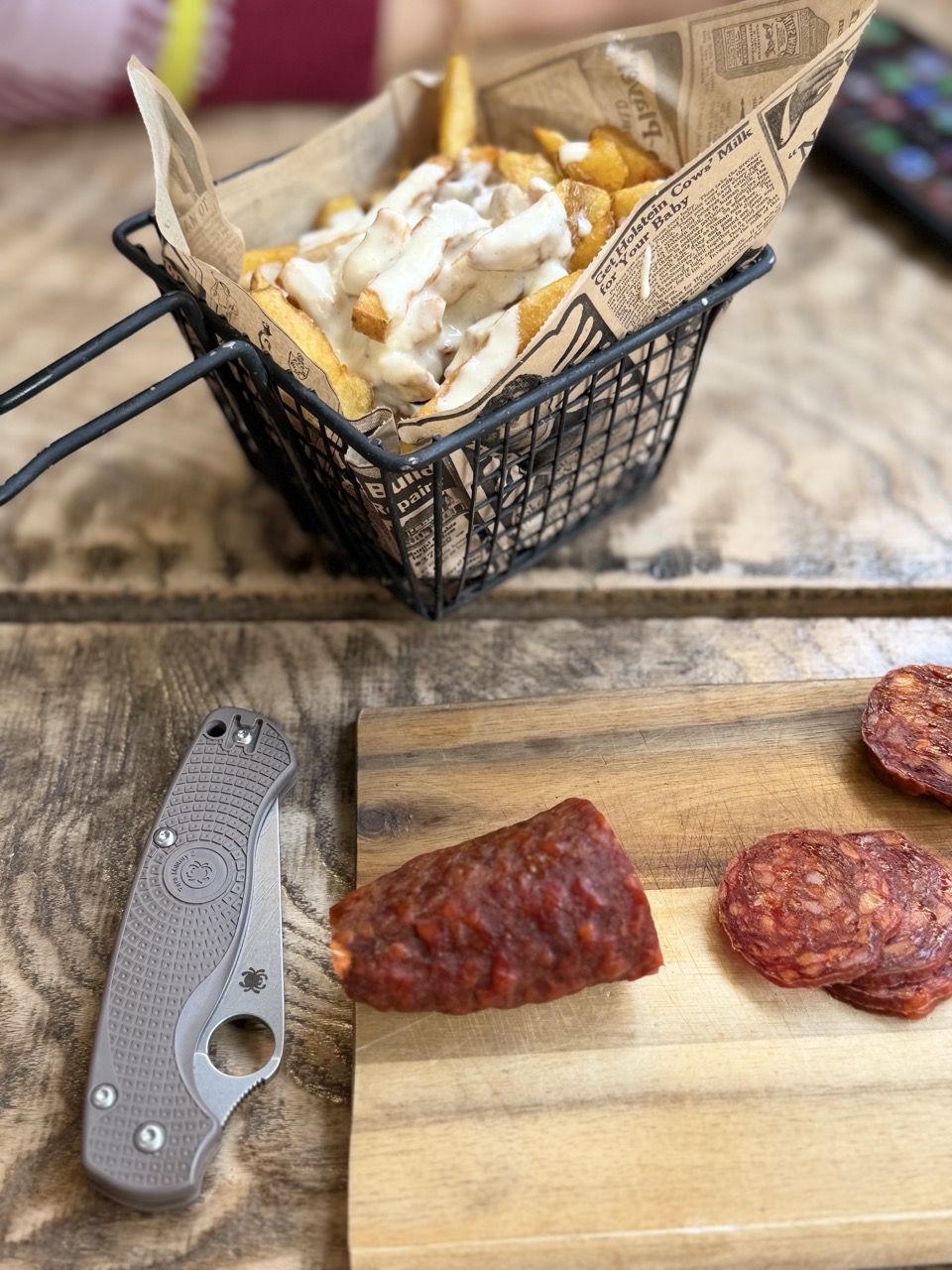
I recently used the PM2 Lightweight in a French pub to slice some rather excellent chili dry sausage on a wooden board. The pub had kindly provided a knife, of course. I didn’t use it. Instead, I reached into my pocket and pulled out the PM2 LW. Same size as the dull kitchen knife provided. Nobody noticed that PM2 LW. Not a single glance. Not a single raised eyebrow. The sausage, however, attracted plenty of attention.
By the end of the evening, everyone had enjoyed a few slices and a few beers. The PM2 simply returned to my pocket, unnoticed.
And somehow, that feels like the ultimate compliment for an everyday carry knife.
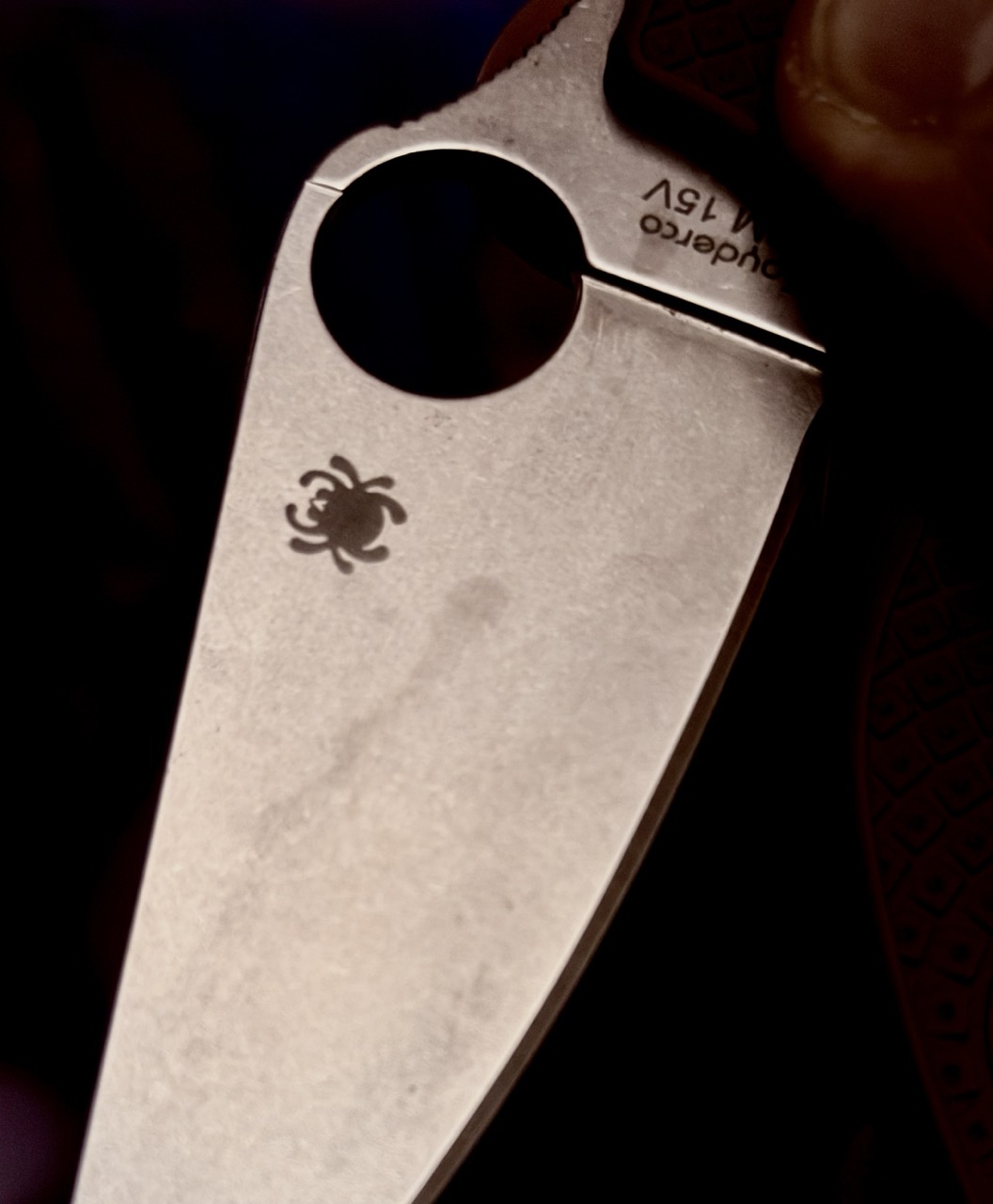
Mine has also been used in all condition, and for kitchen duty, my own PM2 Lightweight in CPM15V is starting to develop that beloved slight patina after processing several kilos of fresh tomatoes. That’s perfectly normal for CPM 15V. A little discoloration is simply part of the deal.
A pocket knife that never shows signs of use is usually a pocket knife that isn’t being used enough, don’t you think ?
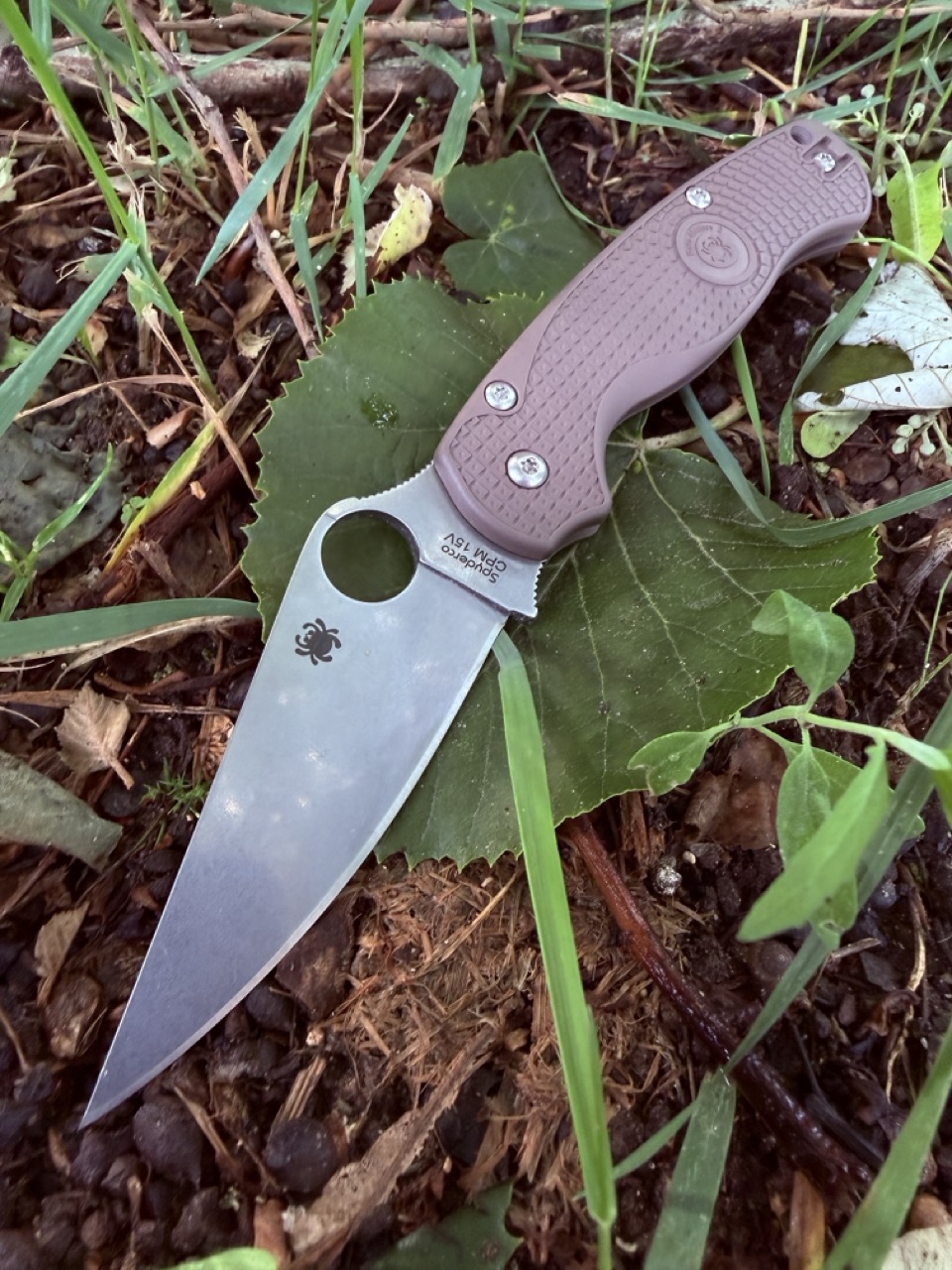
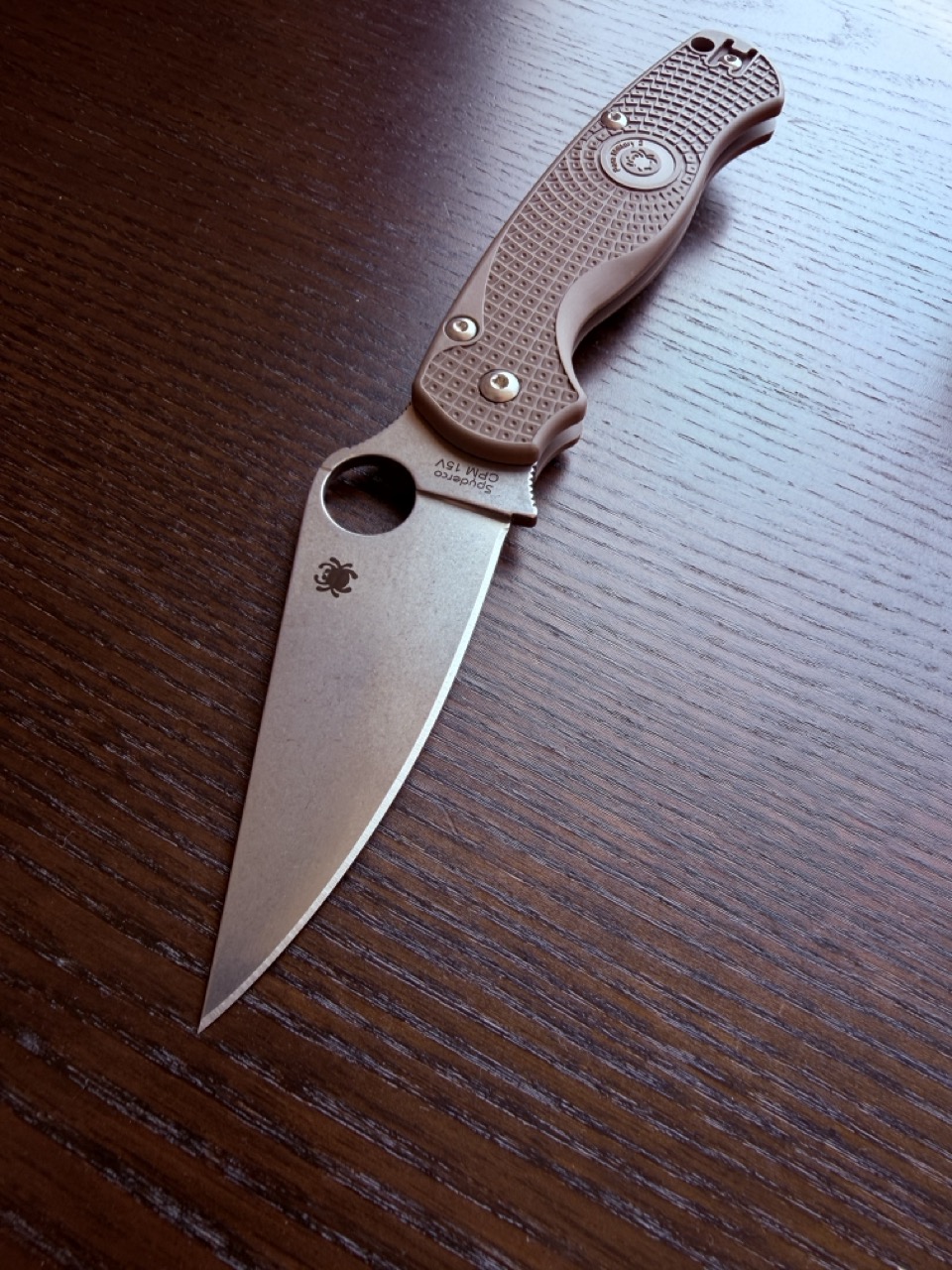
So far, the PM2 Lightweight has proven itself to be a reliable and faithful companion. The color of the FRN scales on this particular version won’t appeal to everyone. Personally, I rather like it. Combined with the stonewashed blade, it creates a surprisingly discreet package. A kind of visual camouflage. The knife doesn’t draw attention to itself.
And that’s another quality I look for in an everyday carry knife: civilian stealth. Not stealth in the tactical sense. Stealth in the social sense. The ability to be perceived as a tool rather than a weapon.
A good EDC knife should solve problems, open packages, slice food, cut cardboard and occasionally rescue a stubborn piece of string. It doesn’t need to announce its presence.
That PM2 Lightweight excels at exactly that. Despite its relatively generous blade length, it remains remarkably unthreatening in appearance. The muted gray-green handle and stonewashed finish help it blend into everyday life, where it belongs.
After all, the best EDC knife is rarely the one that attracts the most attention. It’s the one that quietly gets the job done without attracting any at all like a silent companion.
There are knives that become products, and there are knives that become dialects. The Spyderco Para Military 2 since its inception belongs firmly to the second category.
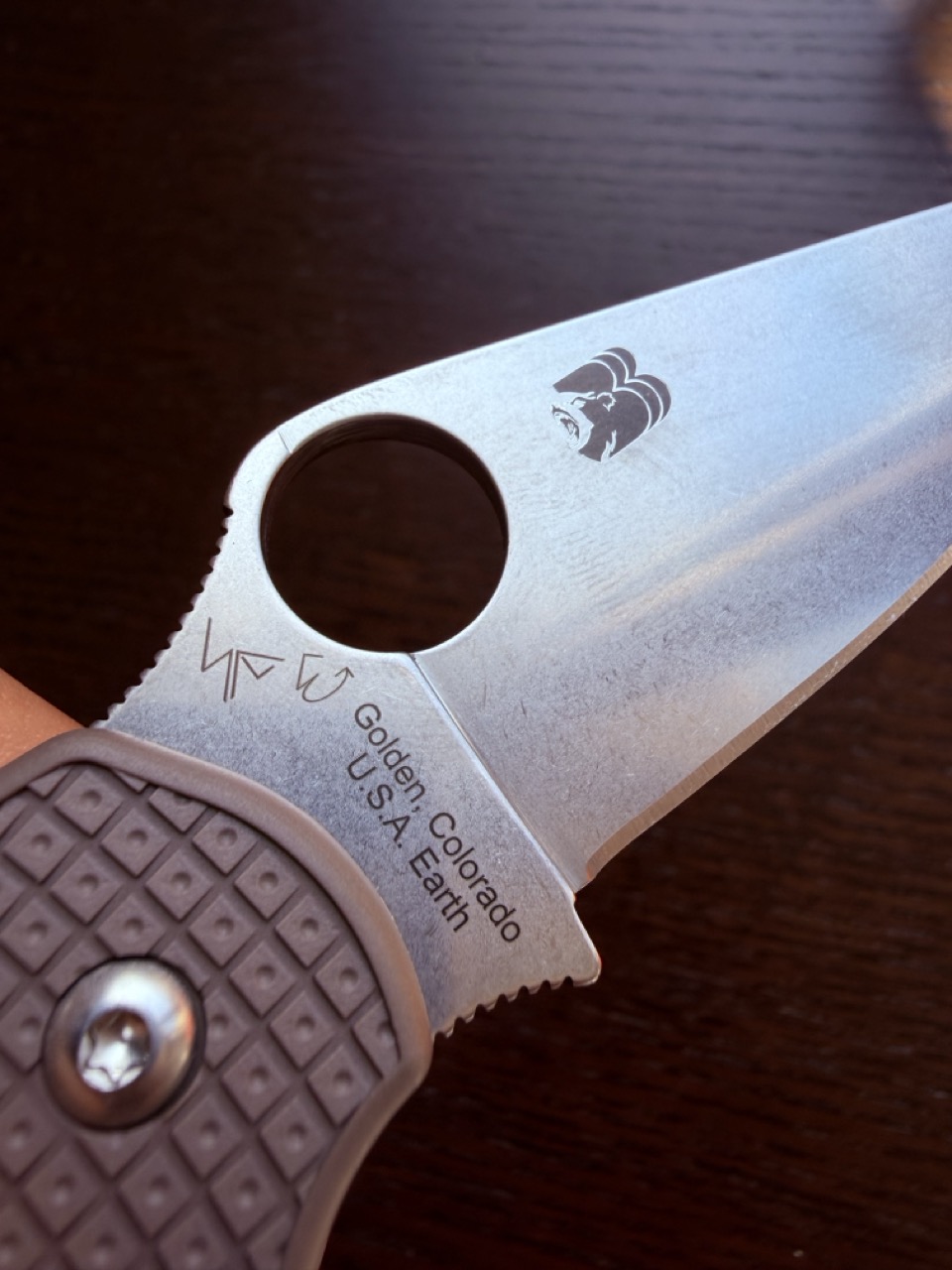
For sixteen years, the PM2 has occupied a rare position in the knife world: not merely respected, but culturally embedded. Made in Golden Colorado USA Earth, designed in the lineage of the original C36 Military model and its offspring the Paramilitary 1 from 2004, the Paramilitary 2 refined the formula into something more agile, more urban, more universally wearable. Key improvements introduced in 2010 were: Ergonomics: Thinner, refined G-10 handle. Mechanism: New Bushing Pivot System for smoother action. Clip: 4-position pocket spoon clip. Blade: Slightly thinner blade profile with an elongated tip. From there, the Spyderco Paramilitary 2 quickly established itself as a modern classic in the knife industry. It also became the most compelling ambassador for Spyderco’s in-house Compression Lock system, turning simple fidgeting into something unexpectedly addictive.
Its full-flat, leaf-shaped blade geometry delivers near-universal utility — a fine, precise tip paired with a confident, efficient cutting edge. In use, it feels less like compromise and more like calibration.
And then there is the ergonomics: that unmistakable Spyderco palm swell and forward choil, which transform hard tasks into something almost composed, almost effortless.
Even AI now generates imaginary PM2 variants — sometimes hilariously inaccurate ones with back locks — which says a lot about how deeply the Spyderco Paramilitary 2 has embedded itself into modern knife/EDC culture.
Because the PM2 was never just a tactical folder. It became the Porsche 911 of contemporary EDC: instantly recognizable across a room, endlessly reinterpreted, yet impossible to mistake for anything else but one of the Spyderco Millie family.
And yet, for all its success, the classic PM2 always carried a subtle contradiction. It was a knife celebrated for everyday carry that still weighed like a “serious” tool. A tool which floats like a butterfly but sting like a bee. So, the same process which turned its little brother Para3 G10 into Para3 Lightweight has been applied: get rid of G10 scales and bring the Fiber Renforced Resin / FRN !
The new Spyderco Paramilitary 2 Lightweight changes that entirely.
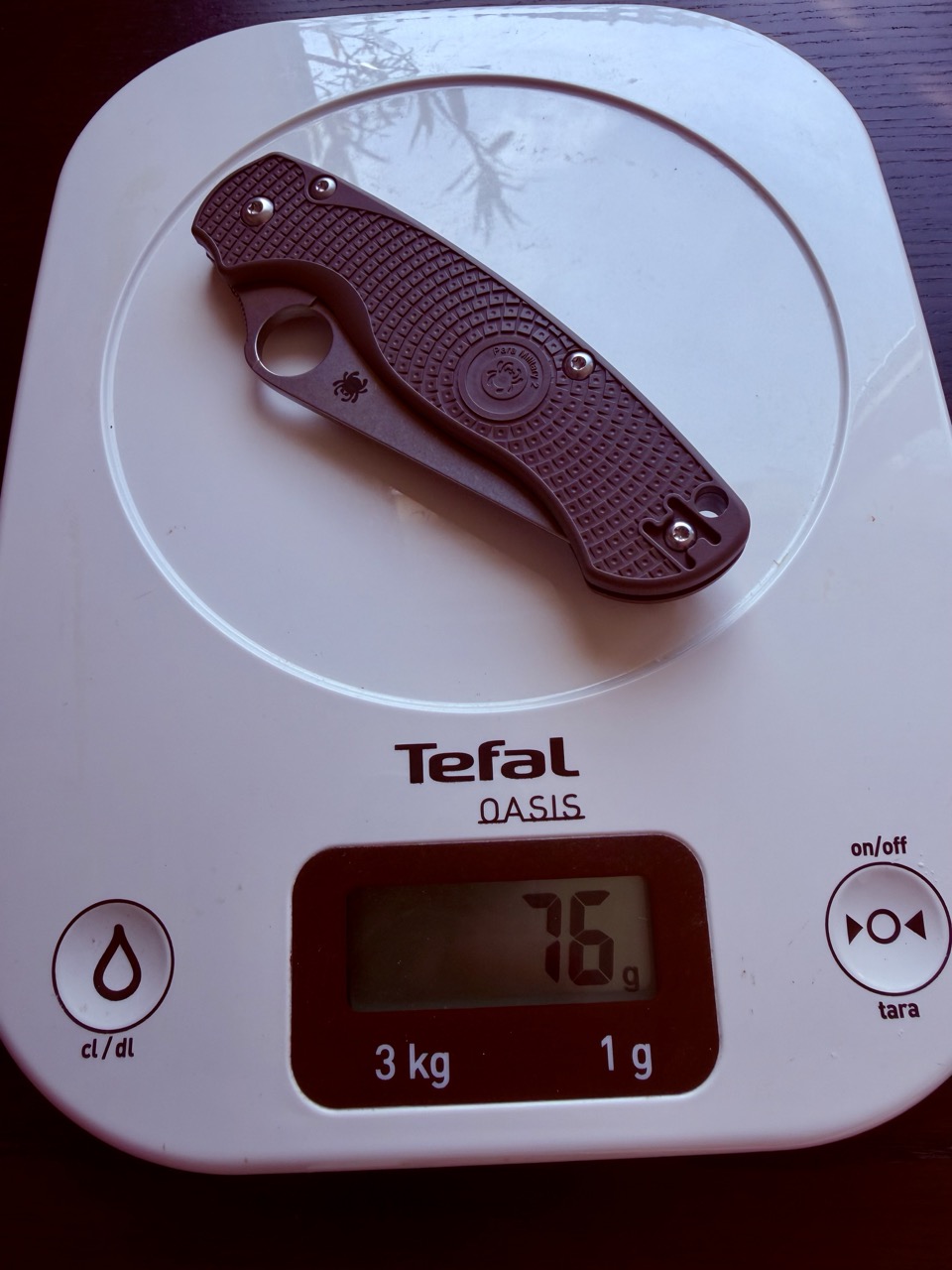
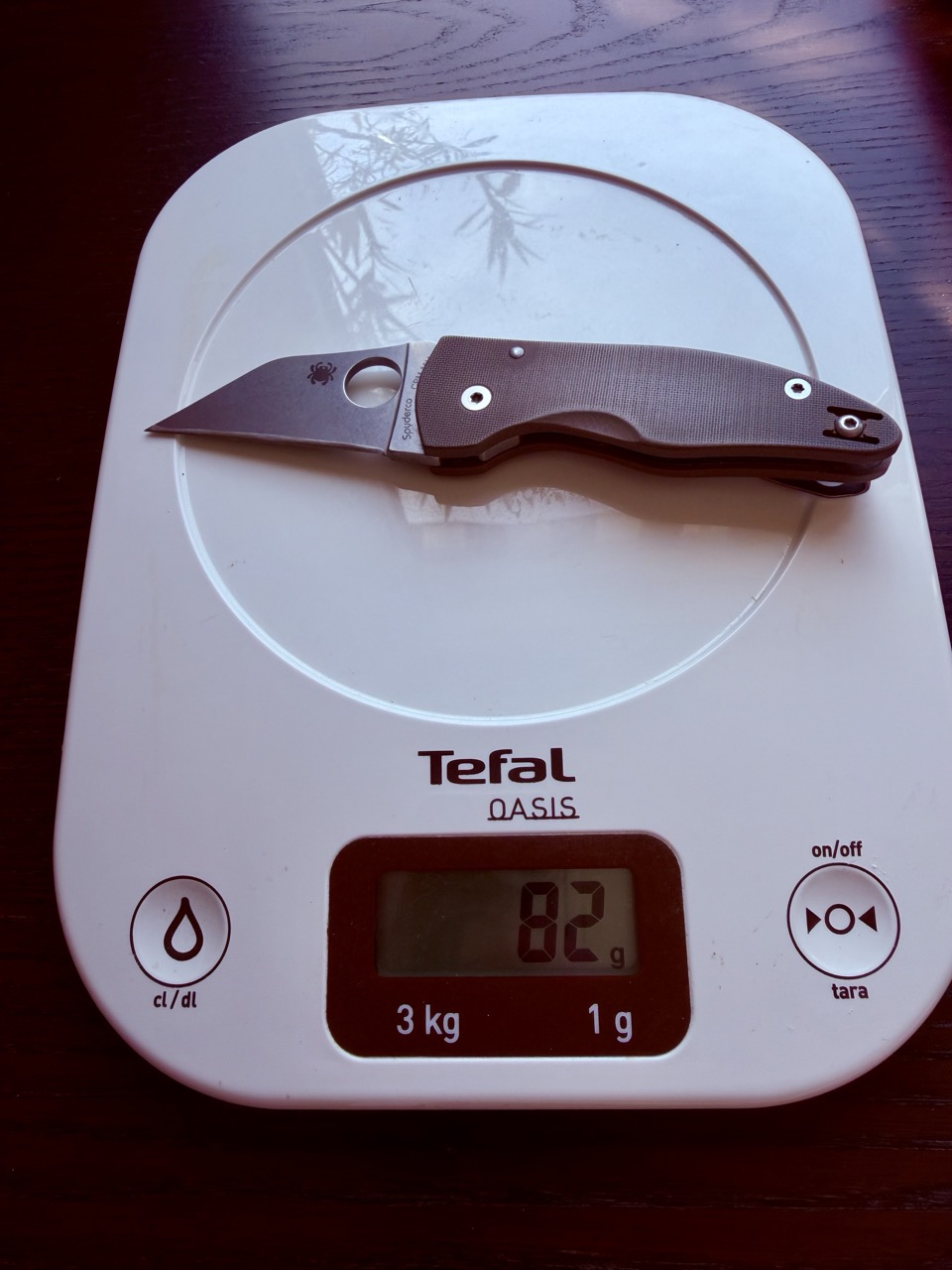
At roughly 76 grams, the PM2 LW does not feel like a trimmed-down PM2. It feels like an entirely different interpretation of the design. To put that into perspective, it is even 16 grams lighter than the Spyderco MicroJimbo — a knife already considered compact and featherweight by EDC standards.
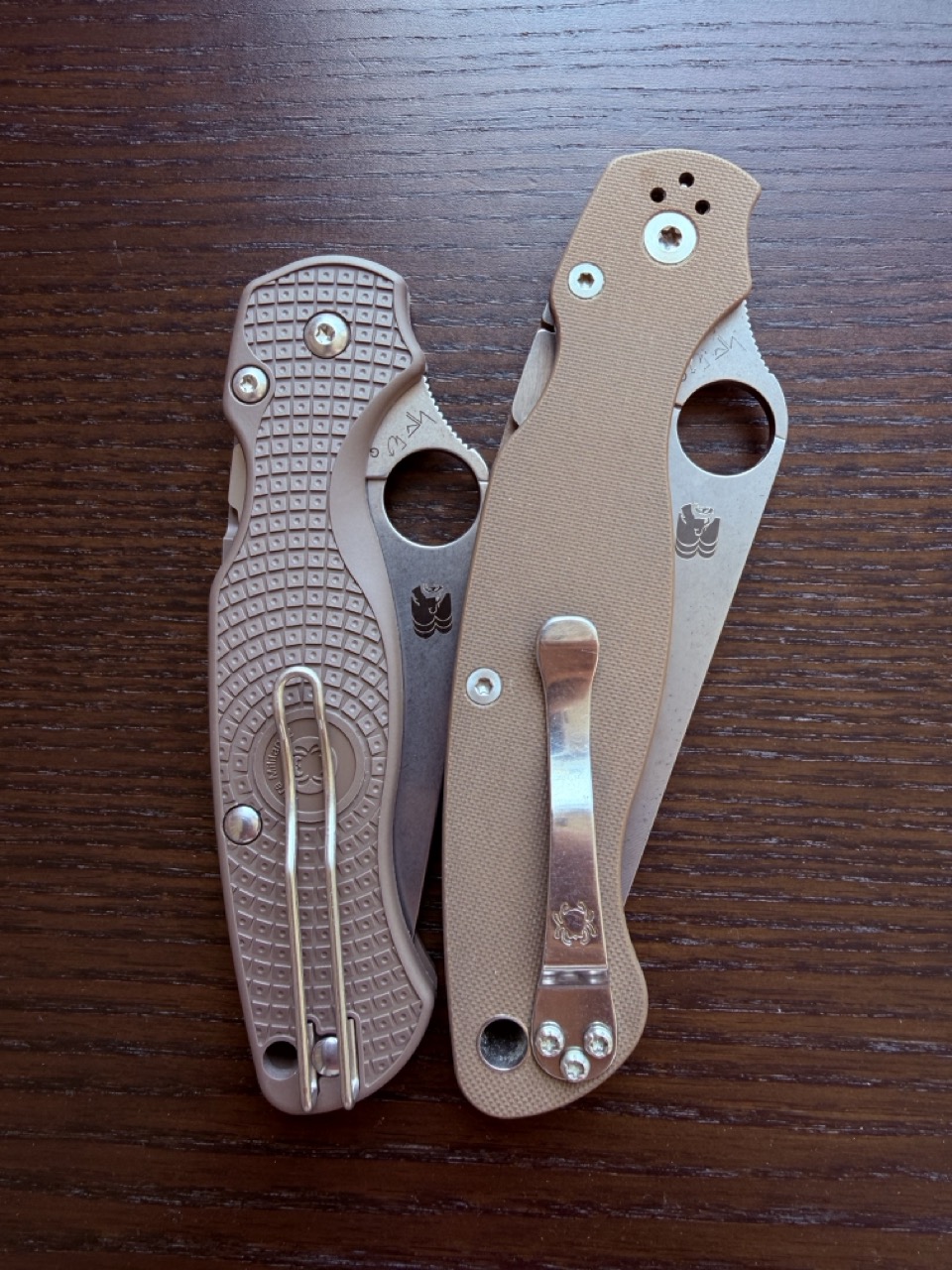
Compared to the classic G-10 PM2, the difference becomes almost startling: 32 grams gone, dropping from 108 grams to just 76. That is nearly a 30% reduction in weight.
Edge-wise, the blade-to-weight ratio is remarkable — and decisively in favour of the Spyderco Paramilitary 2. 😉 Oh well, I’m joking — these two knives were never meant to compete. They simply occupy different territories of utility, and both earn their place in my pocket for different reasons. Still, this new Lightweight feels like the moment Spyderco finally allowed the PM2 to become what it was always destined to be: not merely lighter, but almost spectral. The Para3 LW vibes haves been compared to the Delica. The PM2 got the Endura’s: a ghost of a knife you completely forget is clipped to your pocket… until the exact second you need it. Another clue? The clip. Look closely.
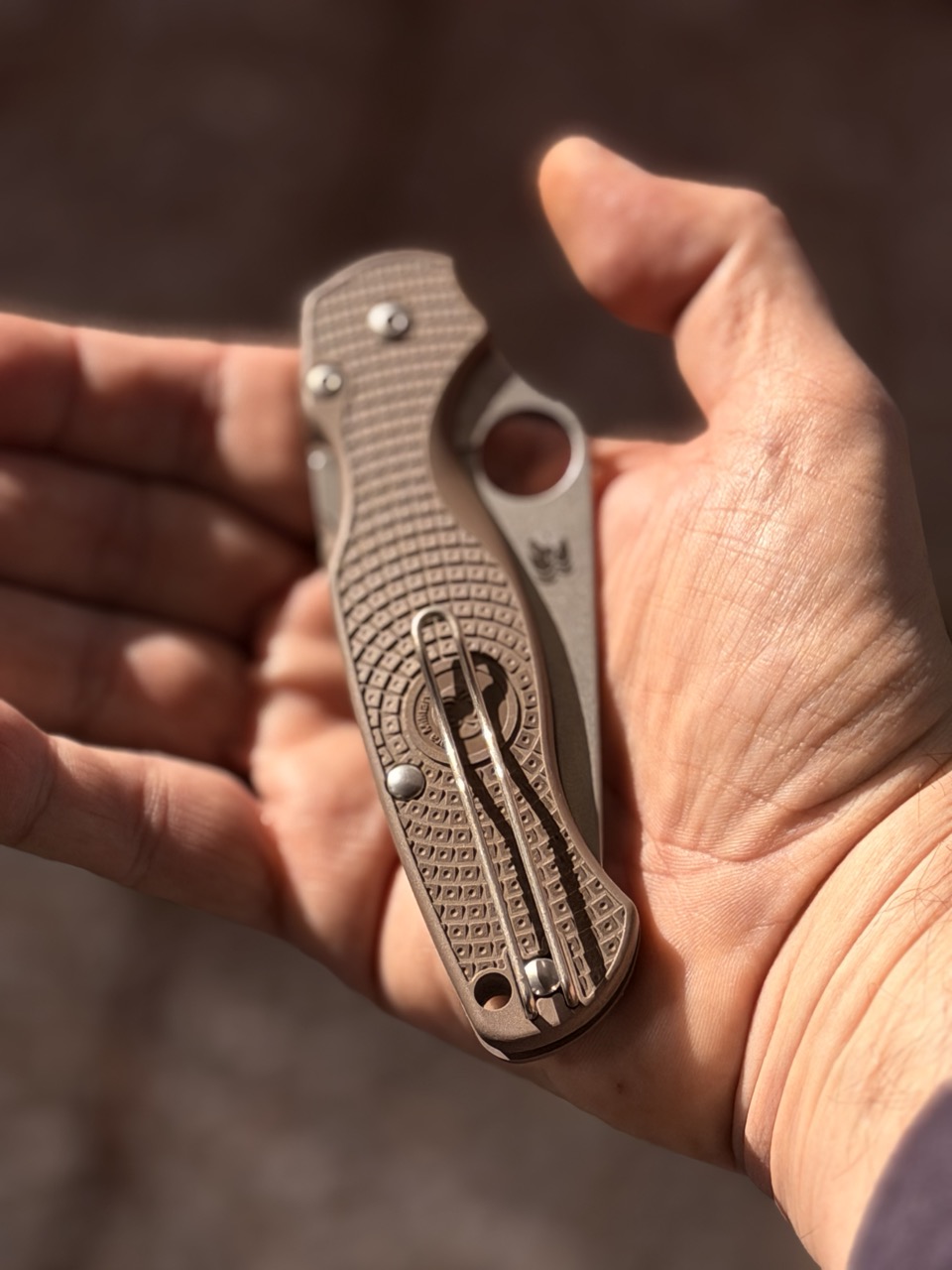
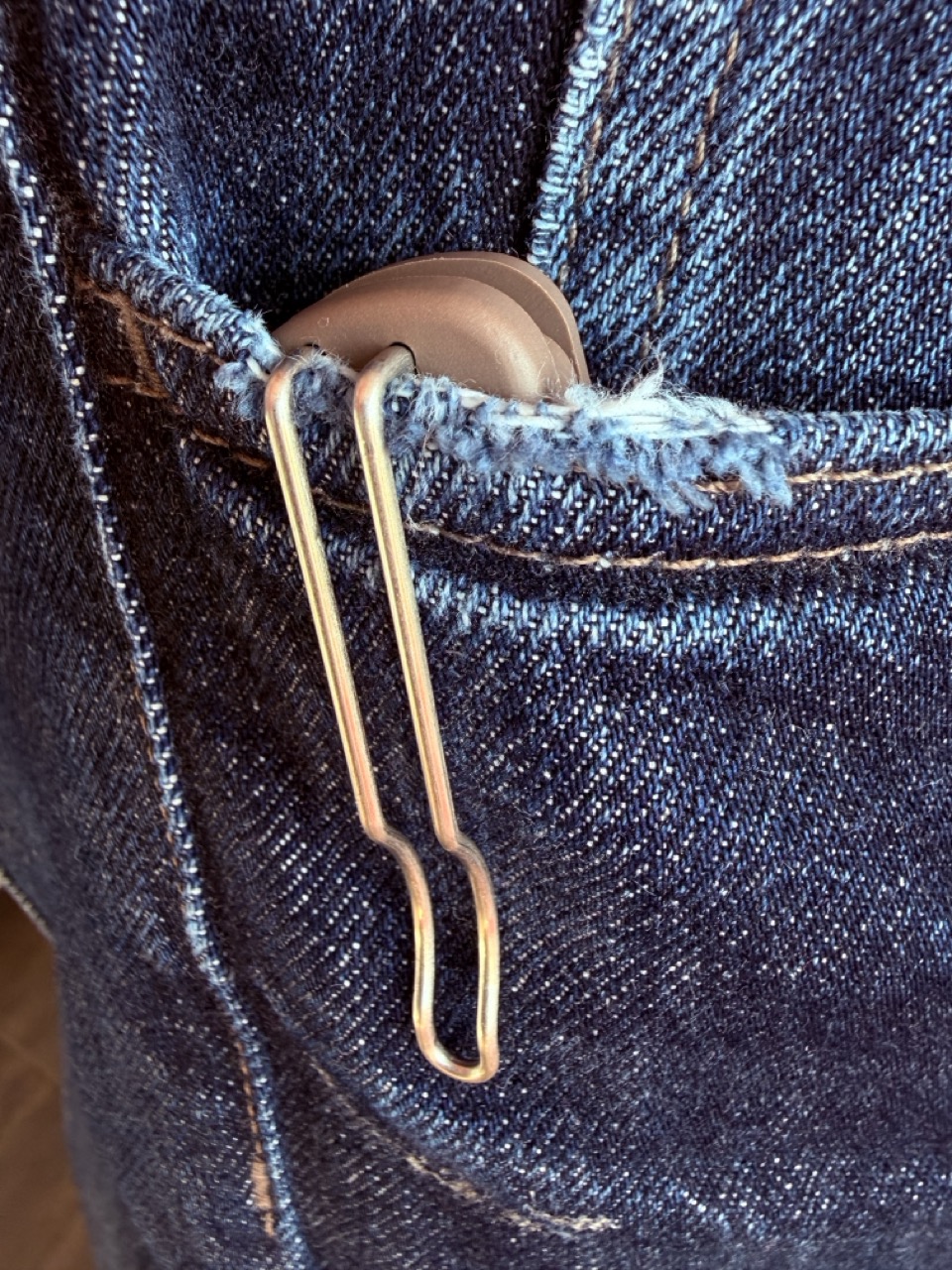
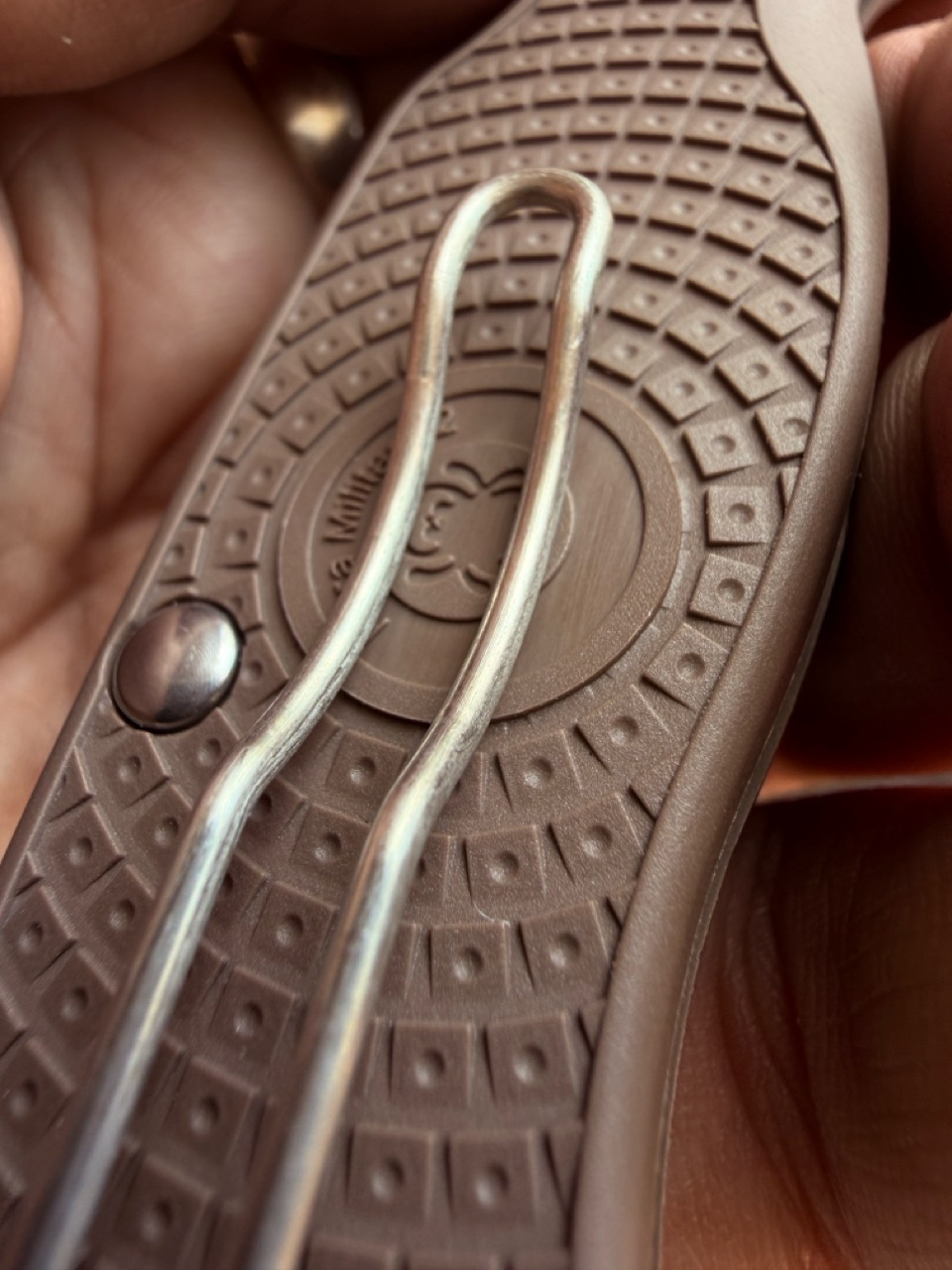
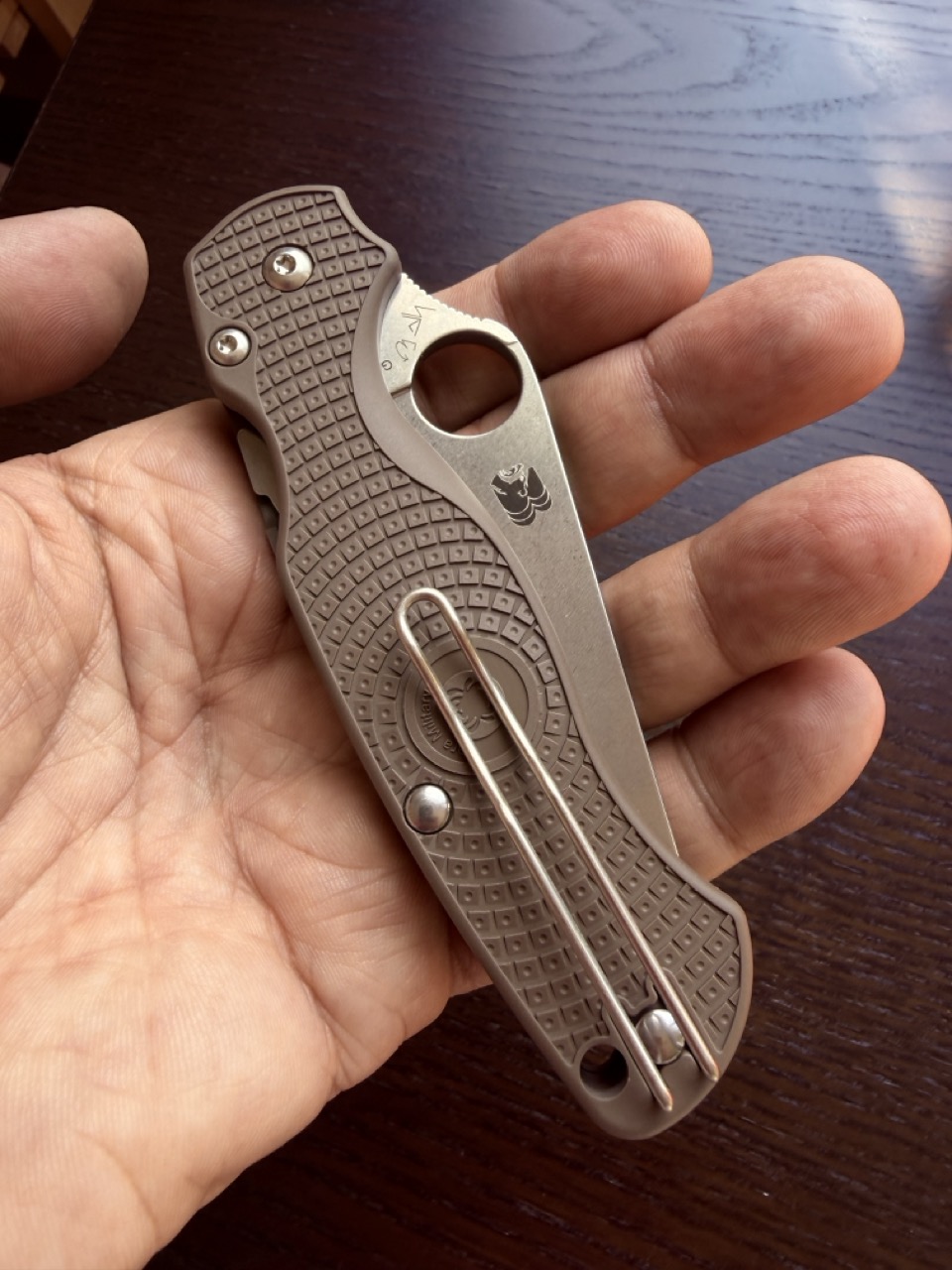
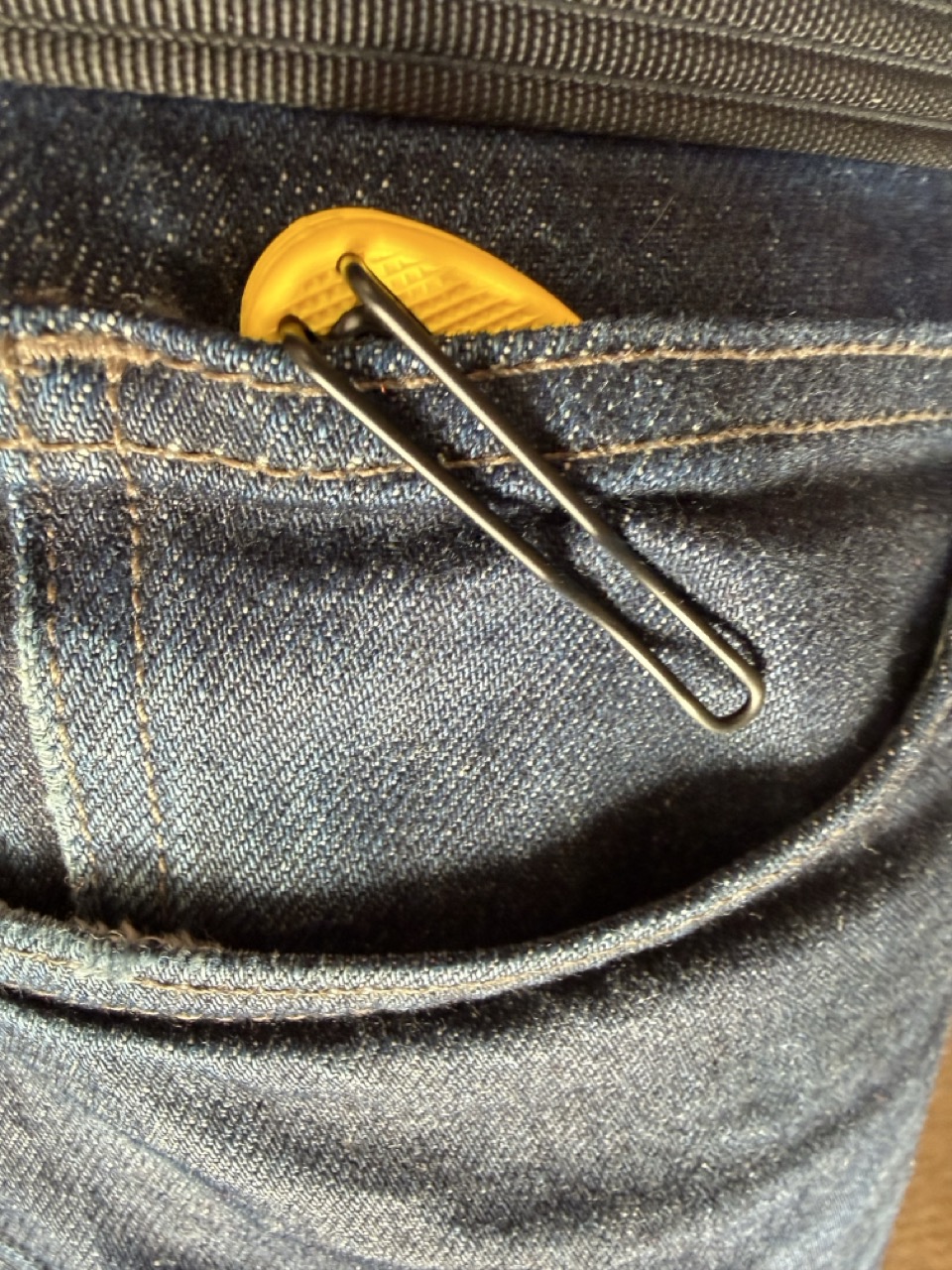
The deep-carry clip makes the knife feel even stealthier in the pocket, almost invisible in daily carry. Tip-up only, though. It’s not exactly a pocket shredder, but it’s not the gentlest on pocket seams either — even if the clip geometry and FRN patterning have clearly been tuned to make deployment and carry as smooth as possible.
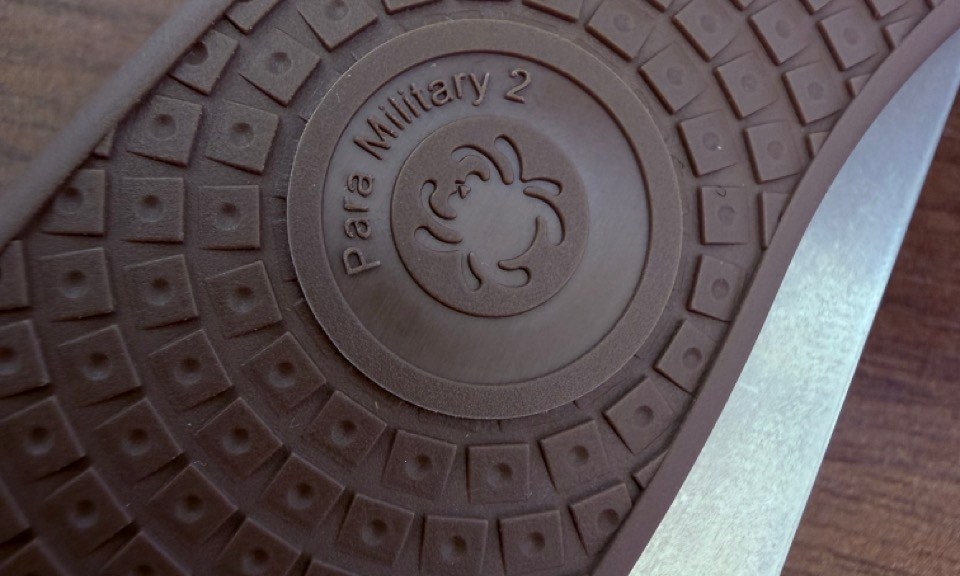
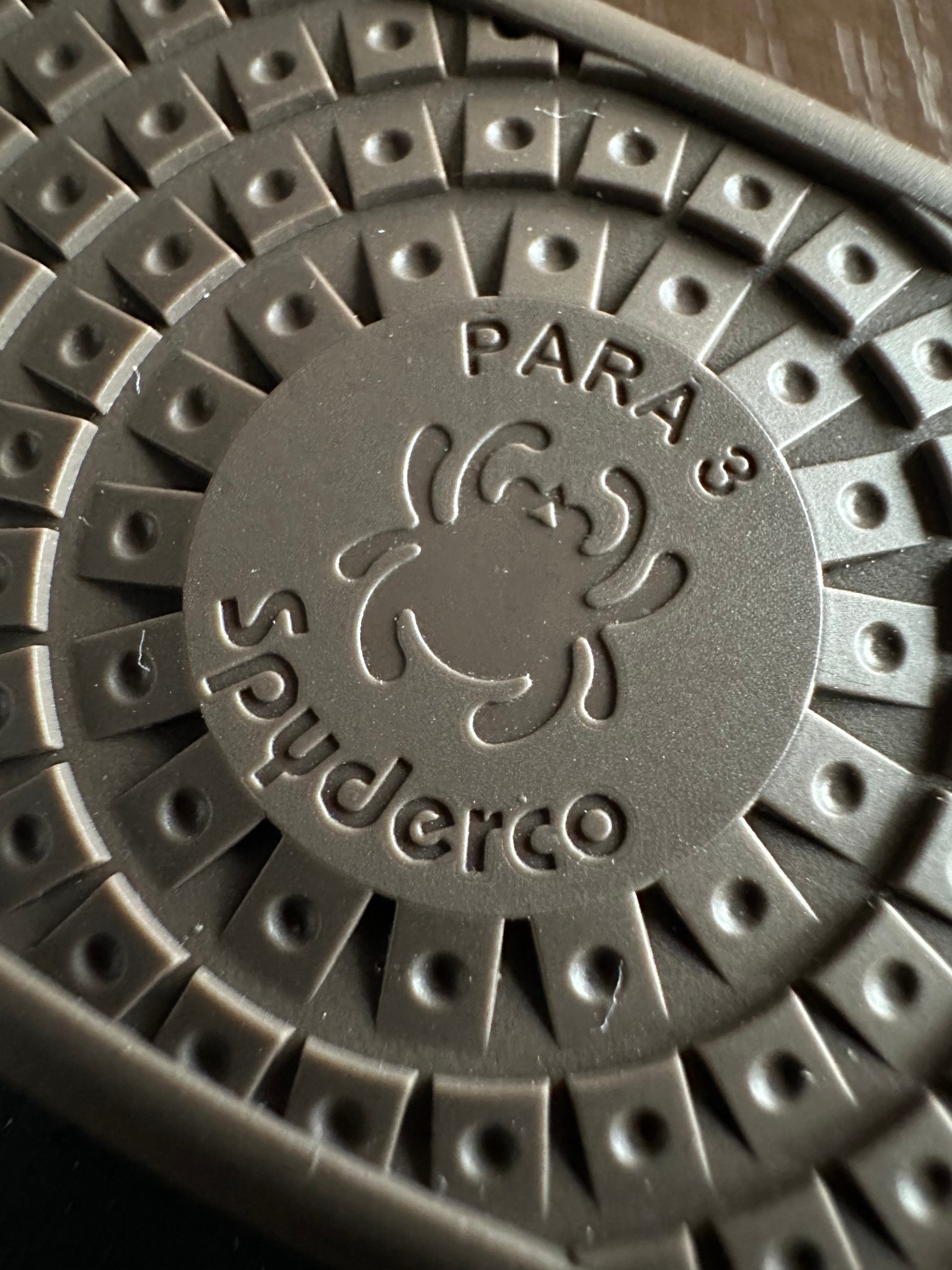
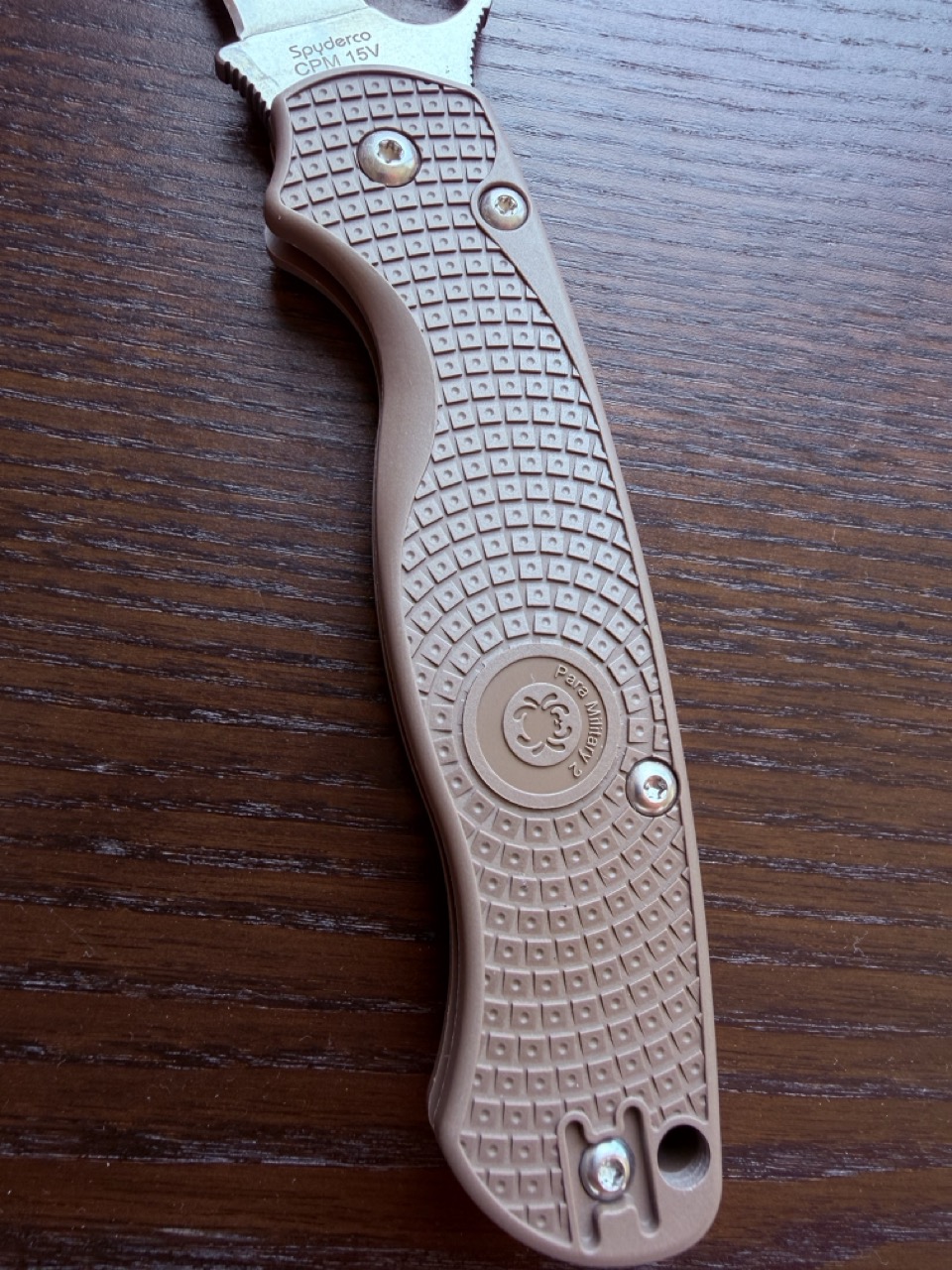
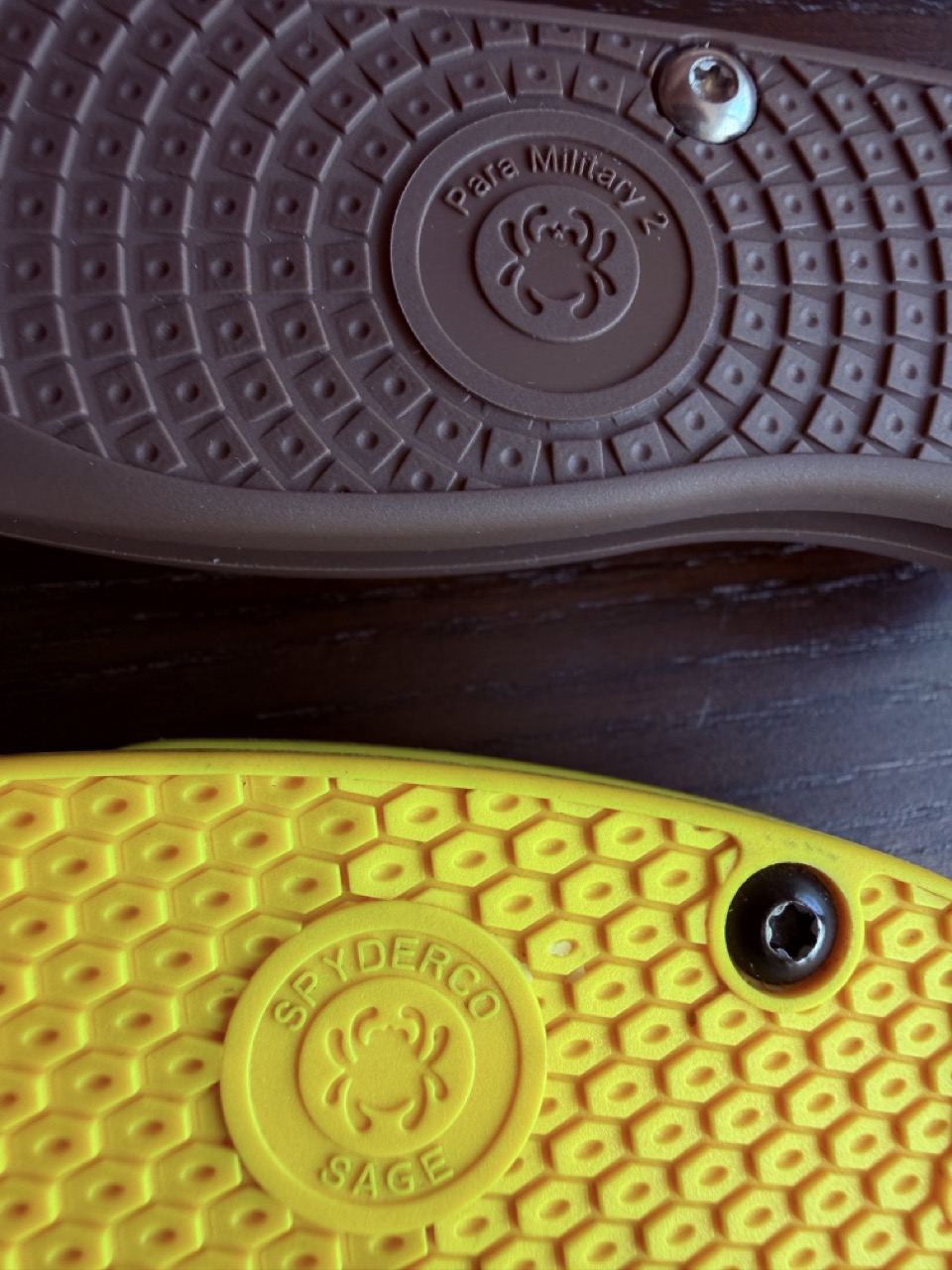
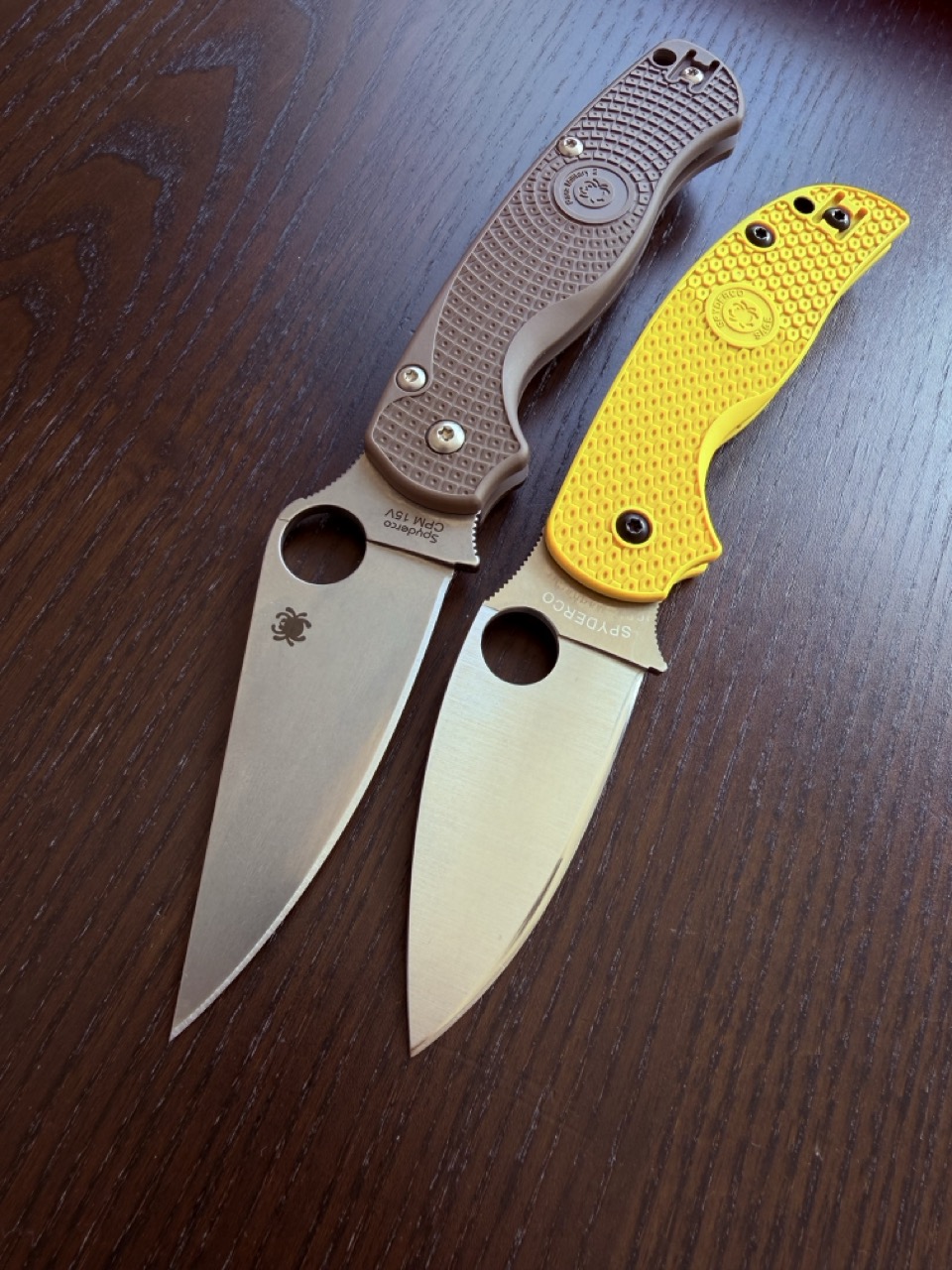
In my view, the central “medallion” on the Spyderco Para 3 (pictured here) feels more refined and better resolved visually. It has a cleaner, more intentional integration into the design.
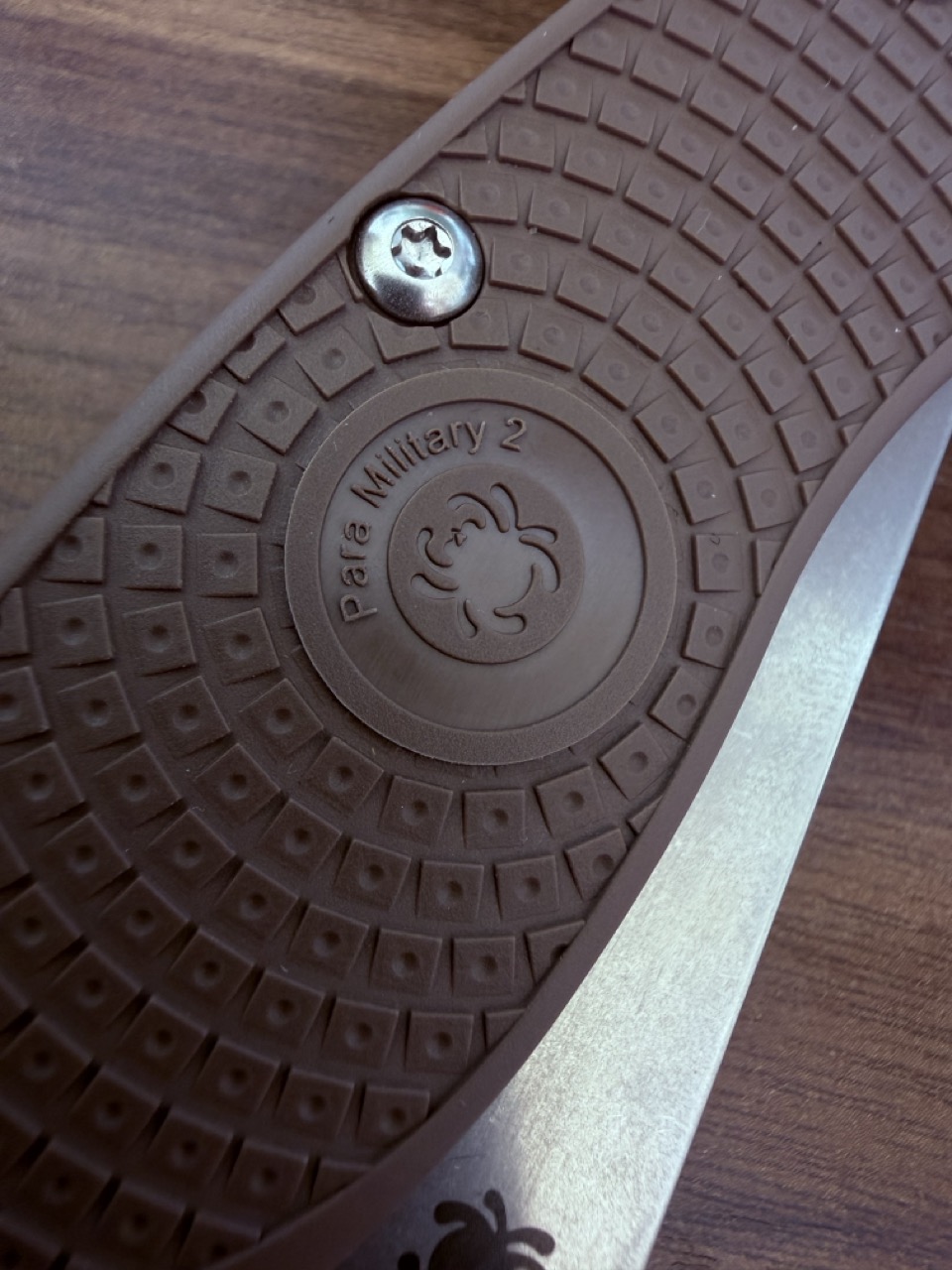
Here, on the PM2, it simply reads “Para Military 2” — which feels oddly understated. Curiously, the Spyderco name itself is nowhere to be found on that element, a surprising omission for such an iconic model.
But then again, this is exactly the kind of detail enthusiasts obsess over.
Personally, I prefer the FRN molding of the Spyderco Para 3 Lightweight in the epicenter of the pattern — it feels slightly more refined and cohesive. On the other hand, I find the Spyderco Paramilitary 2 Lightweight superior around the Compression Lock interface and the access to the Spyderhole, both of which feel more open, more natural, and ultimately more satisfying in use.
The handle transformation comes primarily through the FRN handle — fiberglass reinforced nylon — a material longtime knife enthusiasts still love to debate with almost religious intensity. Traditionalists often associate premium folders with layered G-10, titanium, or carbon fiber. FRN, by comparison, can seem almost too practical, too honest about its intentions. Forums discussions around Spyderco’s lightweight models reveal the familiar divide: some users still perceive FRN as less luxurious, while others praise its traction, comfort, and remarkable reduction in carry fatigue. One thing is certain: FRN brings a significant leap in ergonomics.
You can see how the design has been subtly refined to erase the boxy, almost overbuilt feel of the G-10 version. Spyderco’s history with FRN stretches back through legendary lightweight models like the Spyderco Delica, Spyderco Endura and the Spyderco Salt Series — knives that became icons precisely because they vanished into the pocket while remaining utterly dependable in dirty, wet, unforgiving environments. The people at Golden has spent decades refining FRN into something uniquely their own. On a Spyderco, FRN is not budget plastic. It is engineered utility. The texture, invented by Sal Glesser, is the key.
That bidirectional pattern grips the hand with a kind of mechanical confidence — less refined than blasted titanium perhaps, but more secure when life becomes sweaty, cold, rushed, or imperfect.
What makes the Spyderco Paramilitary 2 Lightweight genuinely fascinating is not merely its weight reduction, but the engineering compromise Spyderco somehow refused to make. Because removing mass from a back lock or liner lock is relatively straightforward. Removing mass from a Compression Lock platform is something else entirely. The Compression Lock is one of the defining mechanical signatures of Spyderco — a brilliantly elegant system designed by Sal Glesser that combines strength, fluidity and one-handed safety with an almost addictive tactile character. But unlike simpler locking systems, it traditionally depends on nested steel liners and a rigid chassis architecture.
In other words: it was never meant to live inside an ultralight FRN body. That is the hidden tour de force of the PM2 Lightweight.
Spyderco did not simply shave material away from the classic design. They had to rethink how the Compression Lock itself could survive — and still feel reassuringly precise — inside a platform whose entire philosophy is flexibility, lightness and minimal structure.
FRN has a very different mechanical behavior from G-10. It flexes differently. Resonates differently. Carries load differently. The scale’s edges can feel a touch sharp/aggressive out of the box, but I usually knock the initial bite down slightly with my thumbnail. Not a big deal.
And yet, in hand, the PM2 LW still delivers that familiar Compression Lock experience: the sharp metallic click, the secure lockup, the controlled drop-shut feel, the confidence under pressure. The knife retains the mechanical identity of a “real” PM2 despite having shed nearly a third of its weight.
That balance is far harder to achieve than most users realize.
Too much liner removal, and the knife begins to feel hollow or vague. Too much FRN flex, and the lock loses its aura of precision. Too much steel reinforcement, and the entire Lightweight philosophy collapses under its own contradiction.
Spyderco somehow threaded the needle. In hand, the result is fascinating because the PM2 LW does not feel cheap, nor stripped-down. It feels optimized — almost industrially purified. As though the designers kept asking themselves a brutal question: “How little knife can we leave… before it stops feeling like a PM2?” And the answer, apparently, was 76 grams.
So who, exactly, is this new Spyderco Paramilitary 2 Lightweight really made for? Not the collector seeking desk-jewel materials. Not the enthusiast who wants maximal heft and polished mechanical theater. This PM2 is for people who actually carry a knife every day and do not want to feel it in their pocket. Like a ghost… a spirit. For the light traveler, moving through the world in technical fabrics and ultralight luggage — absolutely yes. The Spyderco Paramilitary 2 Lightweight is exactly on point. For the architect, photographer, paramedic, cyclist, climber, sailor, or city commuter who notices every unnecessary gram. For those in the field where every gram really matters — soldiers, paratroopers, operators, and anyone carrying their world on their person — the Spyderco Paramilitary 2 Lightweight makes immediate sense. For the those who slips a knife into athletic shorts and forgets it exists until the moment it is needed. And when needed, the action remains fluid , smooth and effortless, while the absence of heft is almost disorienting at first. This is where the name Lightweight stops being a designation and becomes an identity — carried here to its purest, most unapologetic expression. Yes—there is something almost pure in handling this Spyderco Paramilitary 2 Lightweight, something slightly disorienting in its lightness. Almost paradoxical. Elegant, refined, stripped to essentials — and yet fully present in the hand. It doesn’t try to impress through mass or presence anymore. Instead, it disappears, and that absence becomes the experience itself. As the late Mark Hollis (*) once suggested, “Only silence is more beautiful than music…” and in a strange way, that idea translates surprisingly well here. This almost weightless refinement might be the closest thing cutlery has to silence: a design so resolved it no longer insists on its own existence, only its function.
The genius of the Lightweight is psychological as much as physical. A heavy knife asks for commitment. A 76 grams PM2 becomes invisible — and invisibility is the highest achievement in EDC design.
Ironically, reducing the weight also sharpens the very essence of the PM2 itself. The famous blade suddenly feels more dominant, more alive. Several early owners have described the sensation as though “all the weight is in the blade,” giving the knife a startling immediacy in hand.
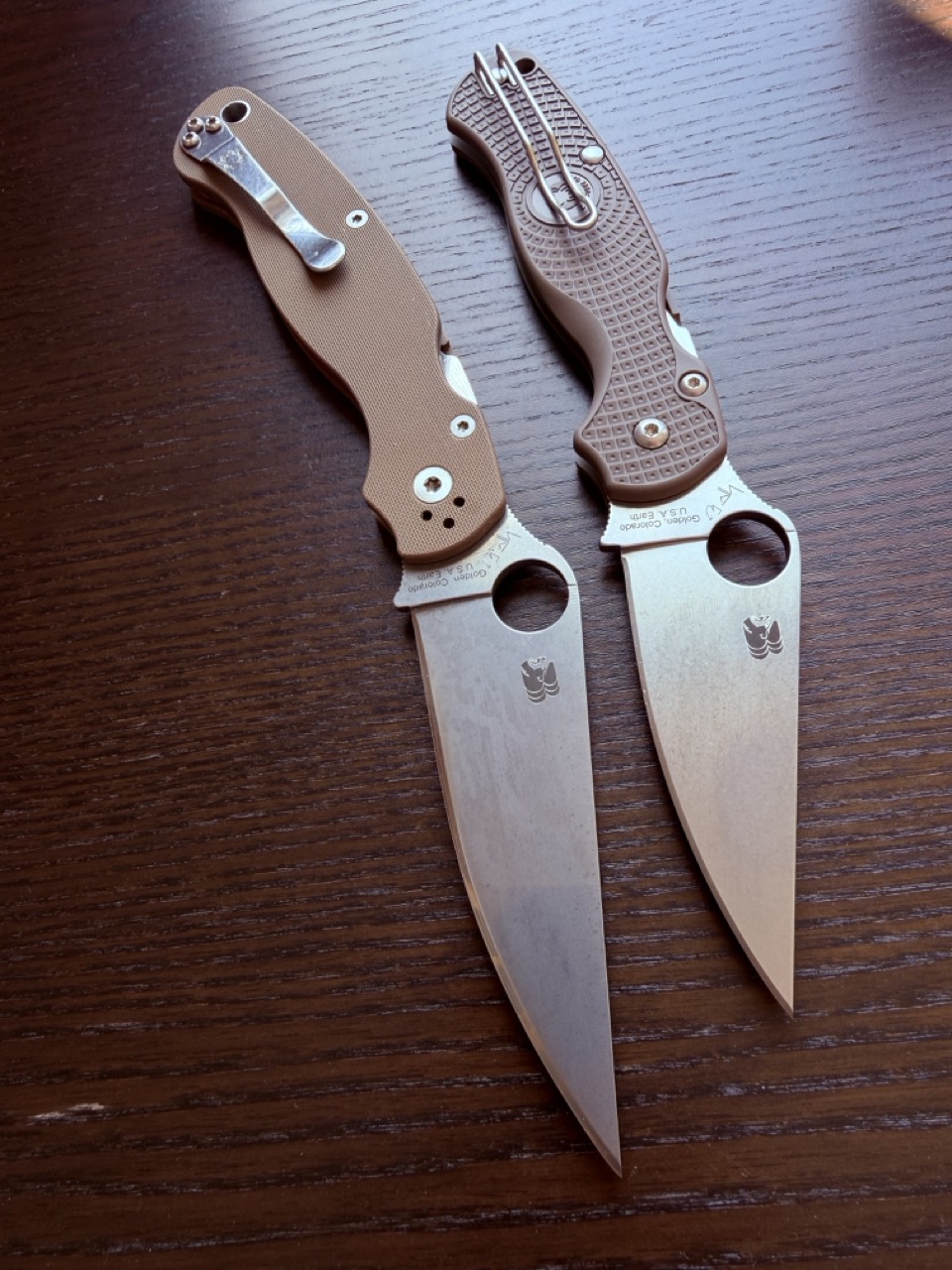
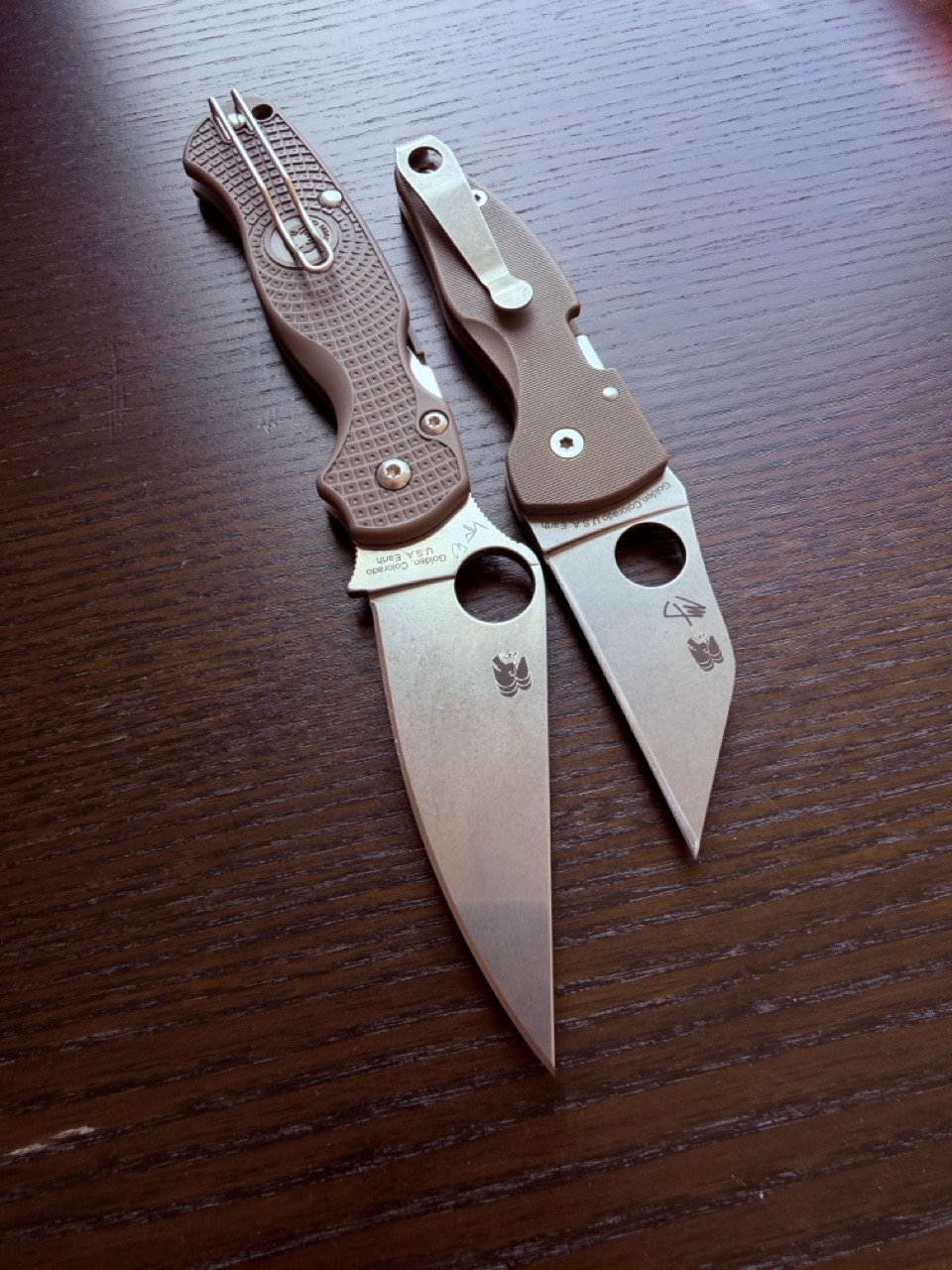
Pictured beside a 120-gram Spyderco Military 2, the contrast becomes almost absurd. Of course, the Lightweight will not seduce everyone.
Some users will always prefer the denser, almost bank-vault solidity of G-10 scales and full steel liners. Others simply enjoy the tactile indulgence of heavier materials. (I once installed Flytanium bronze scales on a Spyderco Para 3. The result was magnificent — and roughly as subtle as carrying a ship anchor.)
And that is perfectly fair, because the classic G-10 Spyderco Paramilitary 2 remains one of the greatest production folders ever created.
But the Lightweight introduces something unexpectedly contemporary to the platform: efficiency without compromise.
This particular example happens to be a Sprint Run equipped with CPM 15V — a truly high-octane alloy. Yet the steel is almost secondary to the broader philosophy behind the knife. Much like the celebrated 15V Para 3 Lightweight before it, this PM2 LW pairs one of the most extreme high-performance steels available with an astonishingly light 76-gram platform.
The CPM 15V Sprint Run is the enthusiast’s reading of the idea — a limited-production exercise in maximum performance taken to its logical edge. 15V itself borders on the extreme in the best possible way. With an unusually high vanadium content of nearly 15%, it was developed for exceptional wear resistance and outstanding edge retention. In Spyderco’s implementation, it is further elevated by Shawn Houston’s specialised heat treatment, identifiable by the discreet “Triple B” mark engraved on the blade.
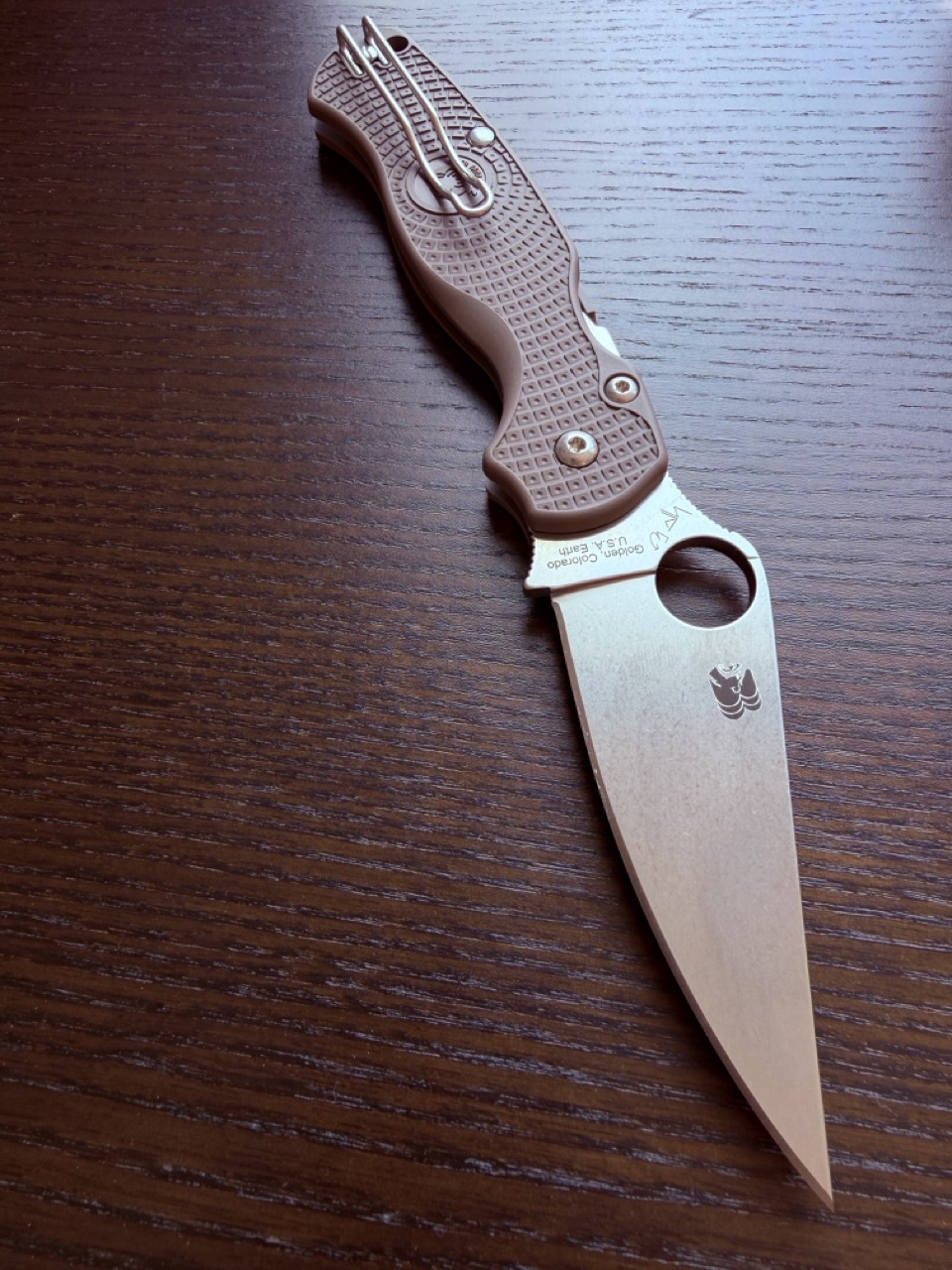
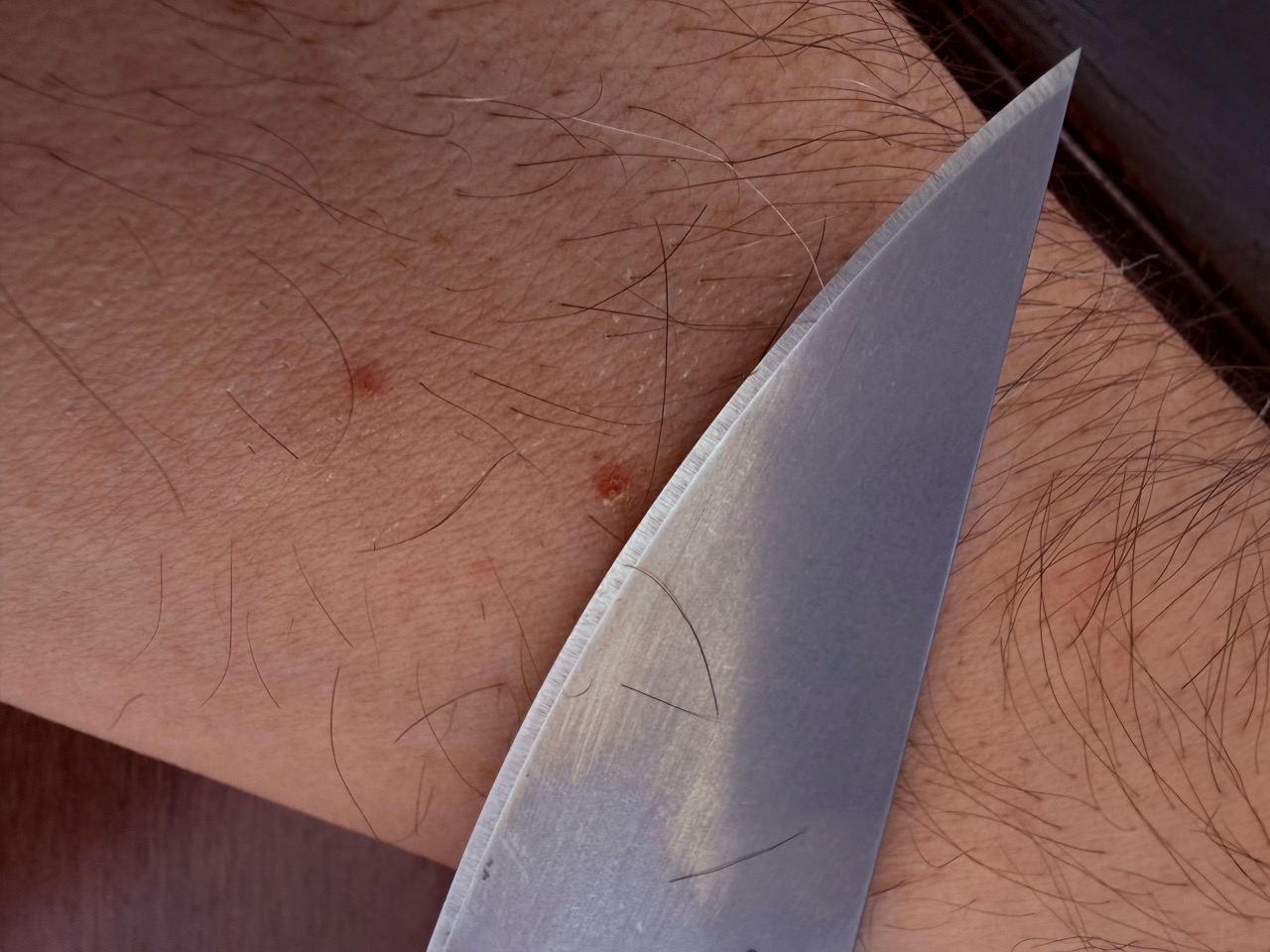
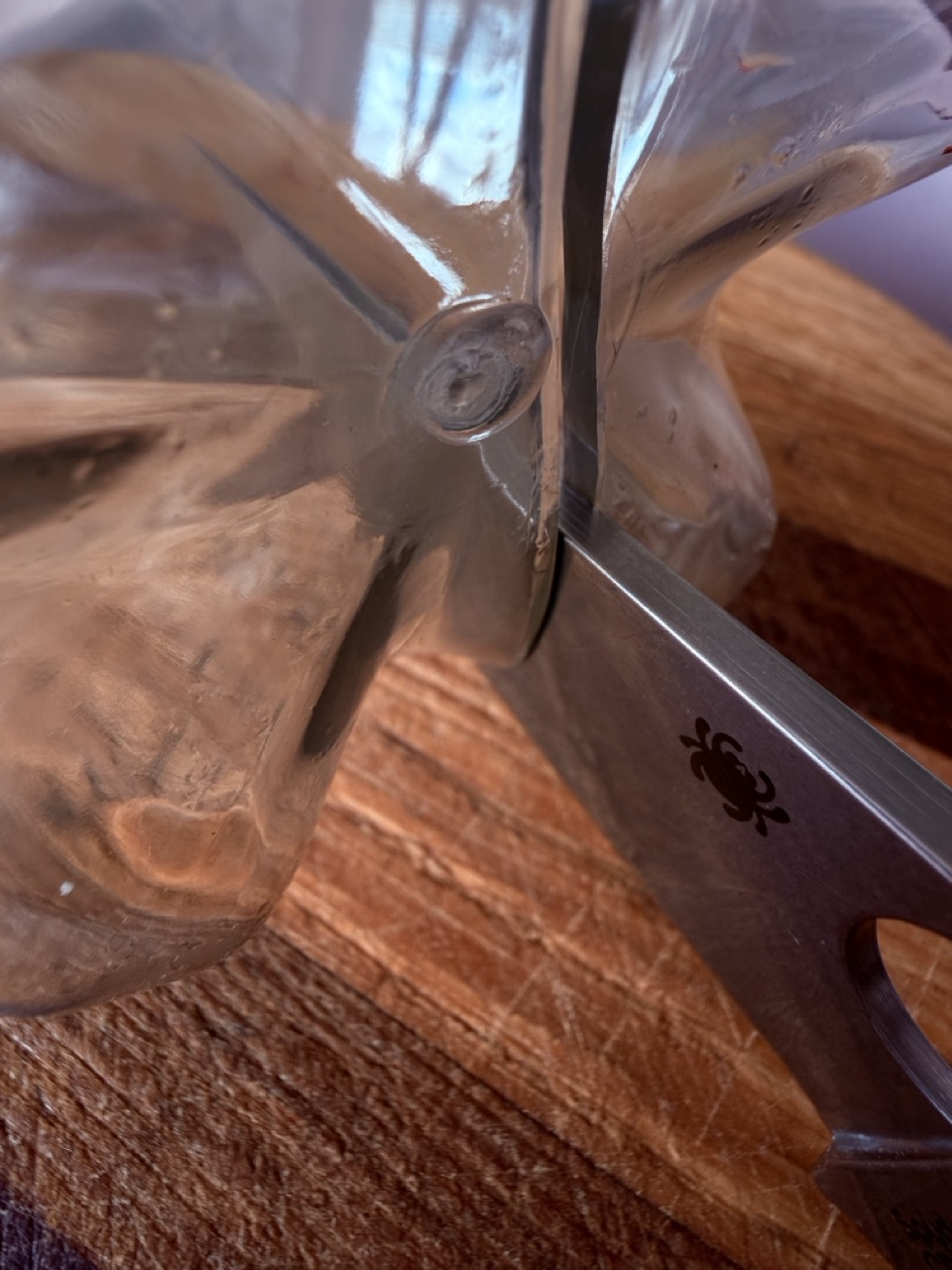
The beautifully stonewashed blade arrives with an edge that is immediately convincing — thin, precise, and unmistakably sharp straight out of the box. In my experience, it may well be one of the finest factory edges Spyderco has ever delivered. Hair-popping performance is effortless, almost casual, and geometrically speaking, even the informal “bottle” or light push-cut tests feel almost trivial. Much better than on my Para 3.
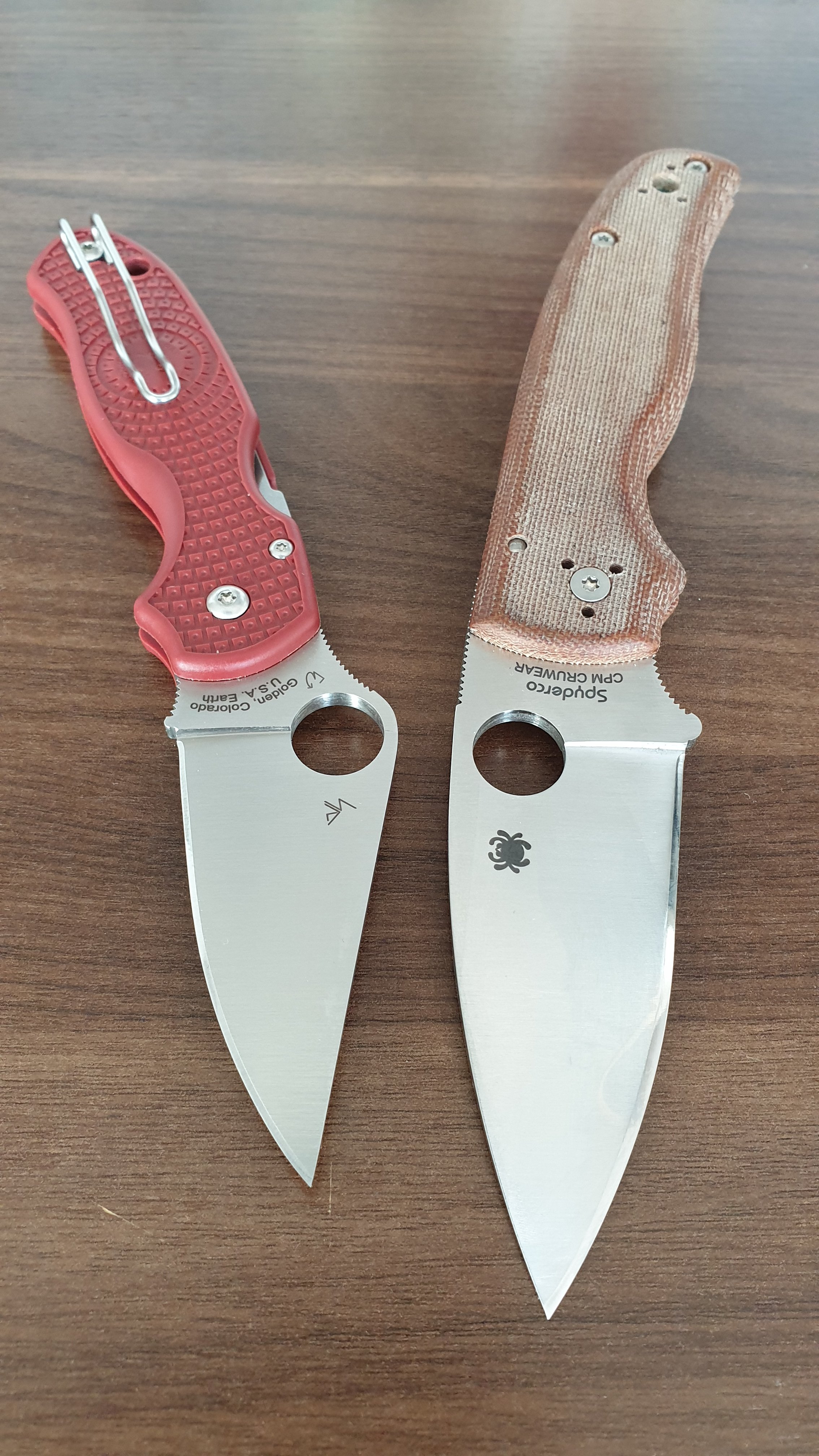
Oh well, the exotic steel may attract the headlines. (As a bit of a steel enthusiast, CTS-BD1N on the “vanilla” Spyderco Paramilitary 2 Lightweight doesn’t really excite me — it’s solid, reliable, easy to keep razor sharp, forgiving but uninspiring. I wouldn’t seek it out like I would CPM Cruwear steel, but I’d never pass on a great design just because of it.)
But the real story lies elsewhere: the revelation that one of the most iconic hard-use folders ever produced can suddenly feel almost effortless, friction less… pure.
Not diminished. Distilled. Purified. And distillation brings spirit. Spirit is light. And this purity is no lie.
Disclaimer: This knife has been provided through Spyderco’s Ambassador Program, upon my own request. Thank you to the Spyderpeople for letting me review it.
(*) For a musician and singer, Mark Hollis is unusually interested in silence, in what could be described as the gaps and intervals between notes. To listen to Spirt of Eden (1988) and Laughing Stock(1991), the last two albums by Talk Talk, the band of which he was singer and principal songwriter for more than a decade, is to encounter a music of fragments and dissolution, his murmured vocals often simply fading away as a song does not so much end as expire.
Disclaimer: This knife has been provided through Spyderco’s Ambassador Program, upon my own request. Thank you to the Spyderpeople for letting me review it.
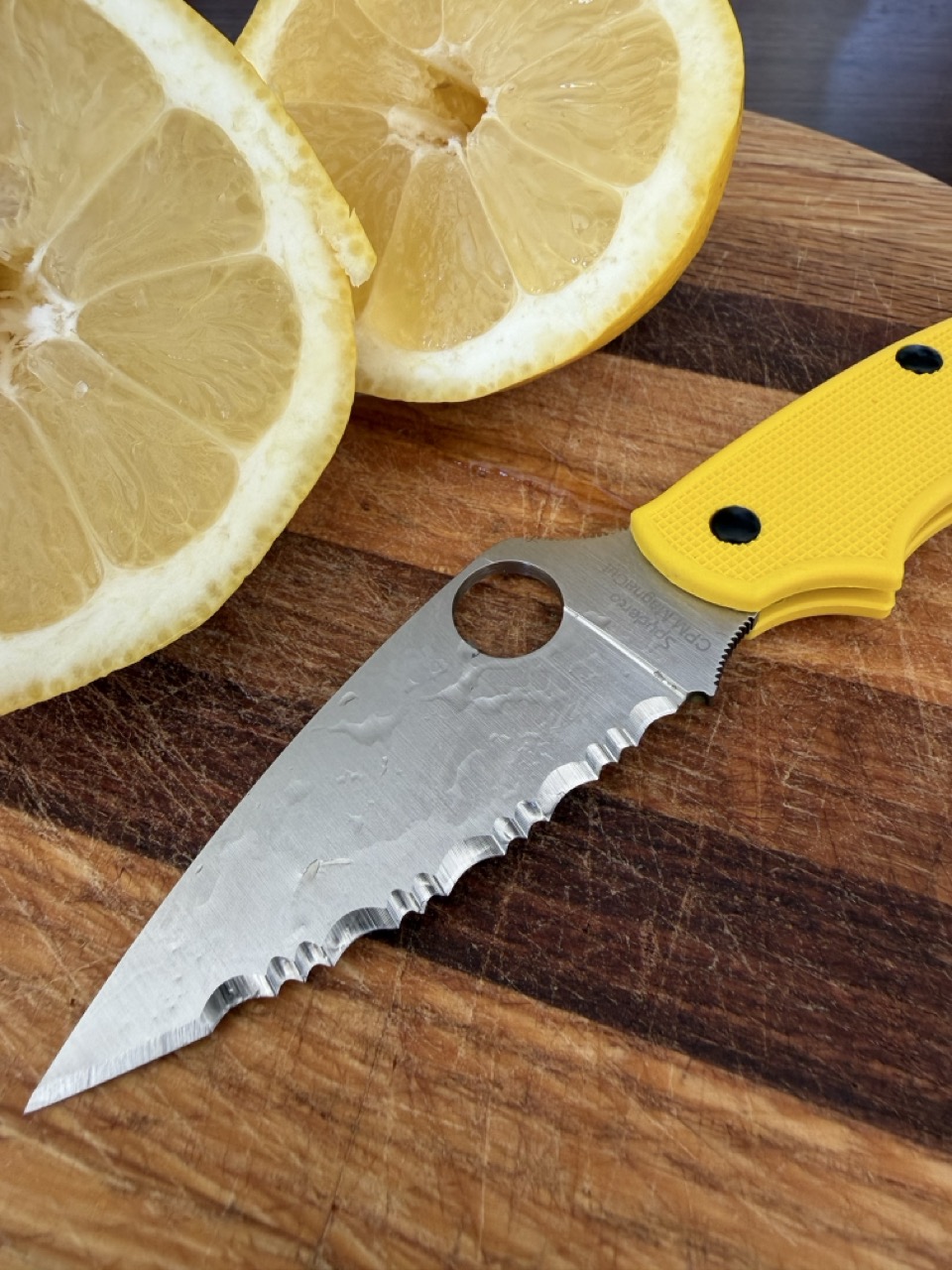
There’s something deliciously subversive about the Spyderco UKPK in full serrated CPM Magnacut steel. Something unique in the world of cutlery. So friendly and so formidable ! Imagine a slipjoint—non-locking, polite, born for UK legal carry—now equipped with one of the most advanced steels ever made… AND with a fully serrated edge. The kind of edge famous for emergency uses, an edge that looks like it wants to chew through a seatbelt, a rope, or your expectations like there is no tomorrow. And yet… it works. Too well. And this is just great !
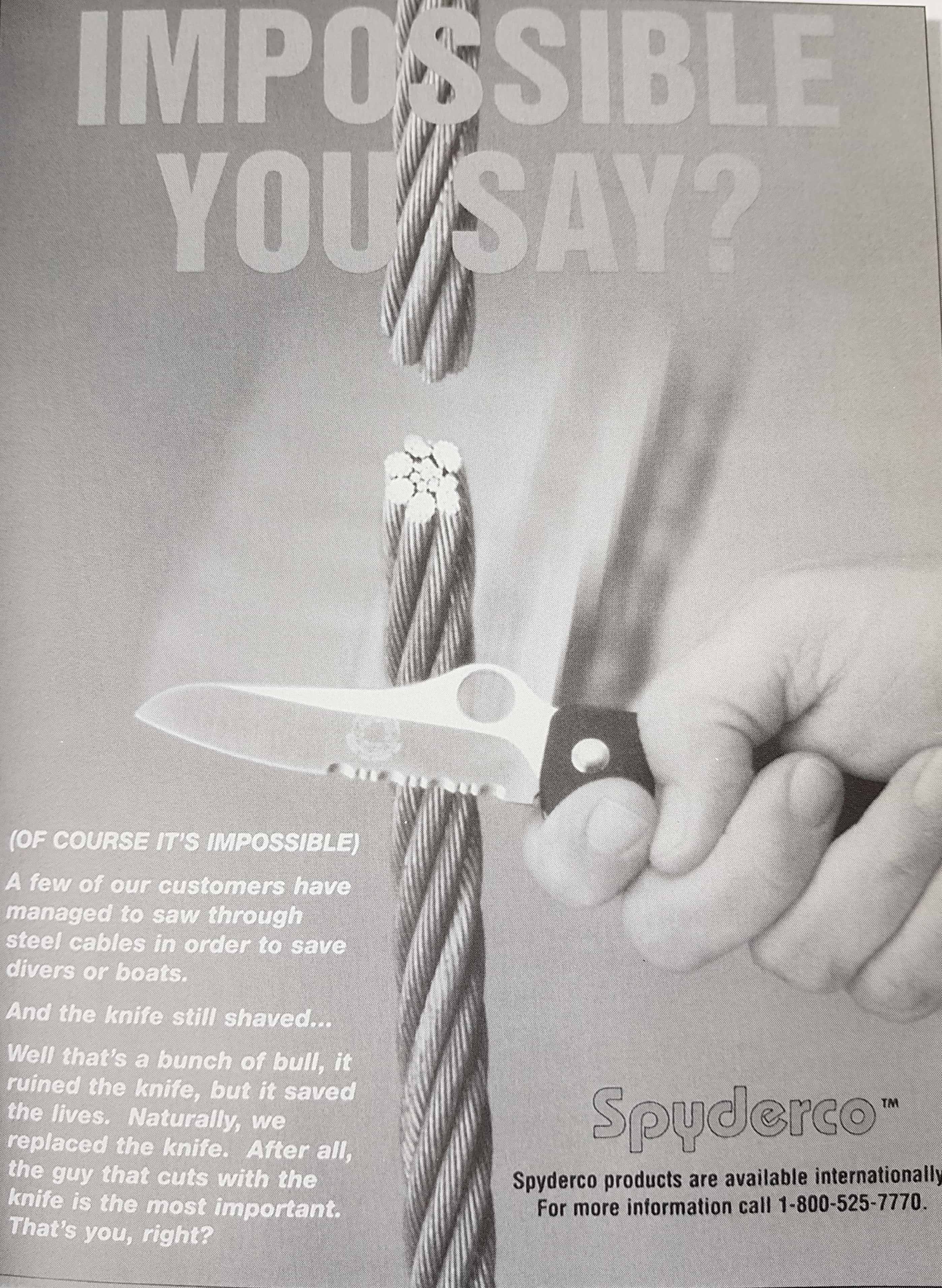
Back in the 80s, Spyderco didn’t just enter the knife world—they rewired it. And at the center of that shift was an inventor: Sal Glesser. Three ideas. That’s all it took: the clip, the hole, and the teeth. The clip turned knives into tools you actually carry—pocket, belt, or backpack. The Spyderhole made one-handed opening instinctive, reliable… and easy to maintain in the real world. And the serrations? They made blades hungry for fibrous materials. Let’s get one thing straight, once and for all: serrated knives are not saws. They don’t remove material—they slice through it. Razor sharp, aggressive, efficient. While everyone else was still polishing forged 52100 steel and dressing knives in stag like museum pieces, Spyderco dropped something radically different into the pocket: performance and reliability. The early icons—Spyderco Worker, Spyderco Mariner, and Spyderco Police—weren’t about tradition. They were about function. Fully serrated edges. Stainless steels. Tools built to cut, not to impress. They looked strange. They cut like nothing else.
The Spyderco UKPK was Spyderco’s first true slipjoint, introduced roughly twenty years ago—not as a nostalgic throwback, but as a constraint-driven design. It was built for one purpose: to comply with UK law. No lock. A sub-3-inch blade. But in true Spyderco fashion, compliance didn’t mean compromise. Instead of dumbing things down, they engineered around the limitations: a strong, confidence-inspiring pocket knife inspired by the Caly 3 with a prominent finger choil for control and safety and the unmistakable Spyderhole for true one-handed use. What could have been a neutered tool became something else entirely: a legal EDC that still behaves like a real knife. The UKPK wasn’t designed to look traditional. It was designed to work—within the rules, not despite them. You don’t feel “underknifed” with any of the SlipIt in your pocket from the UKPK to the Squeak through the Urban.
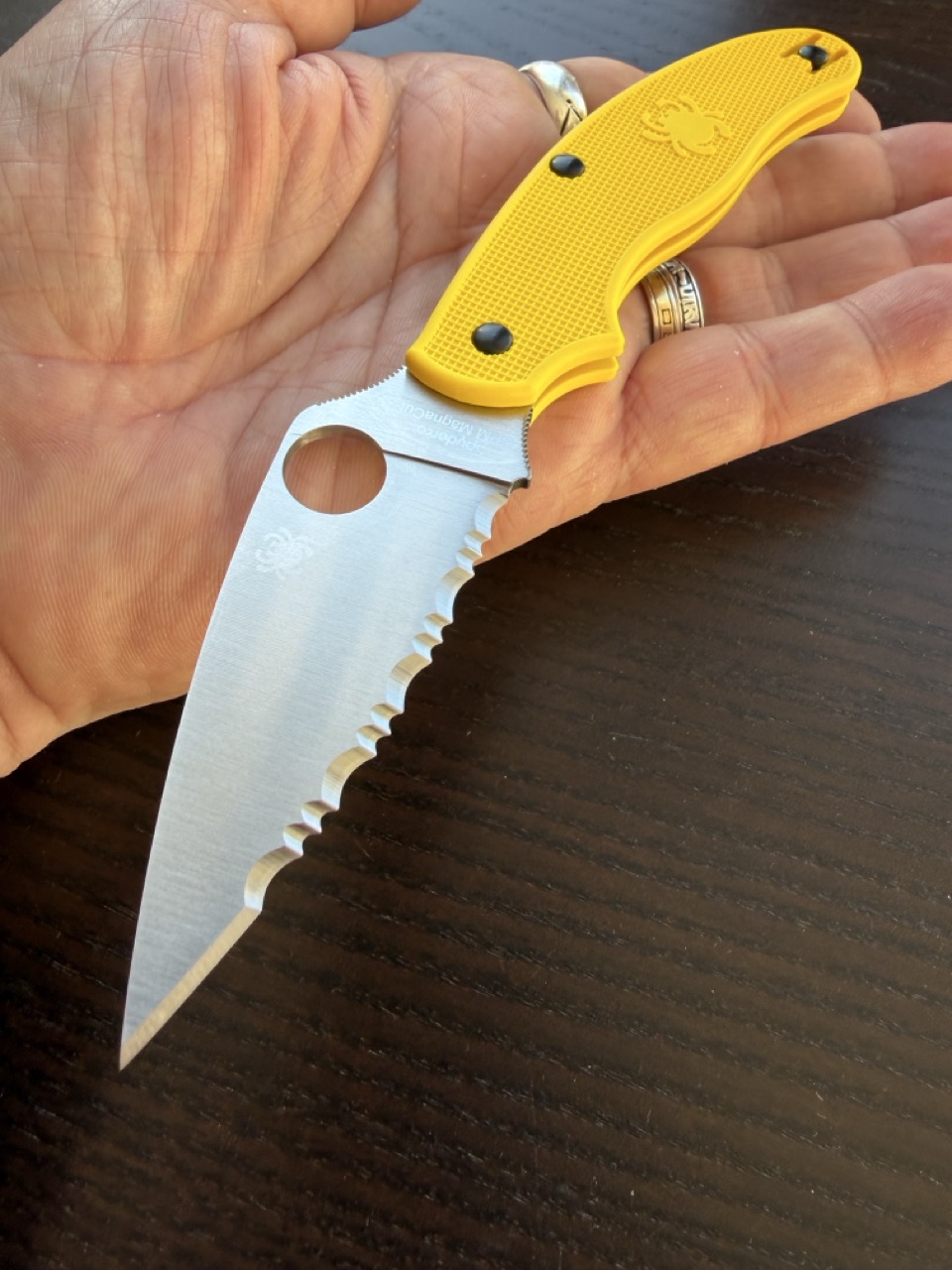
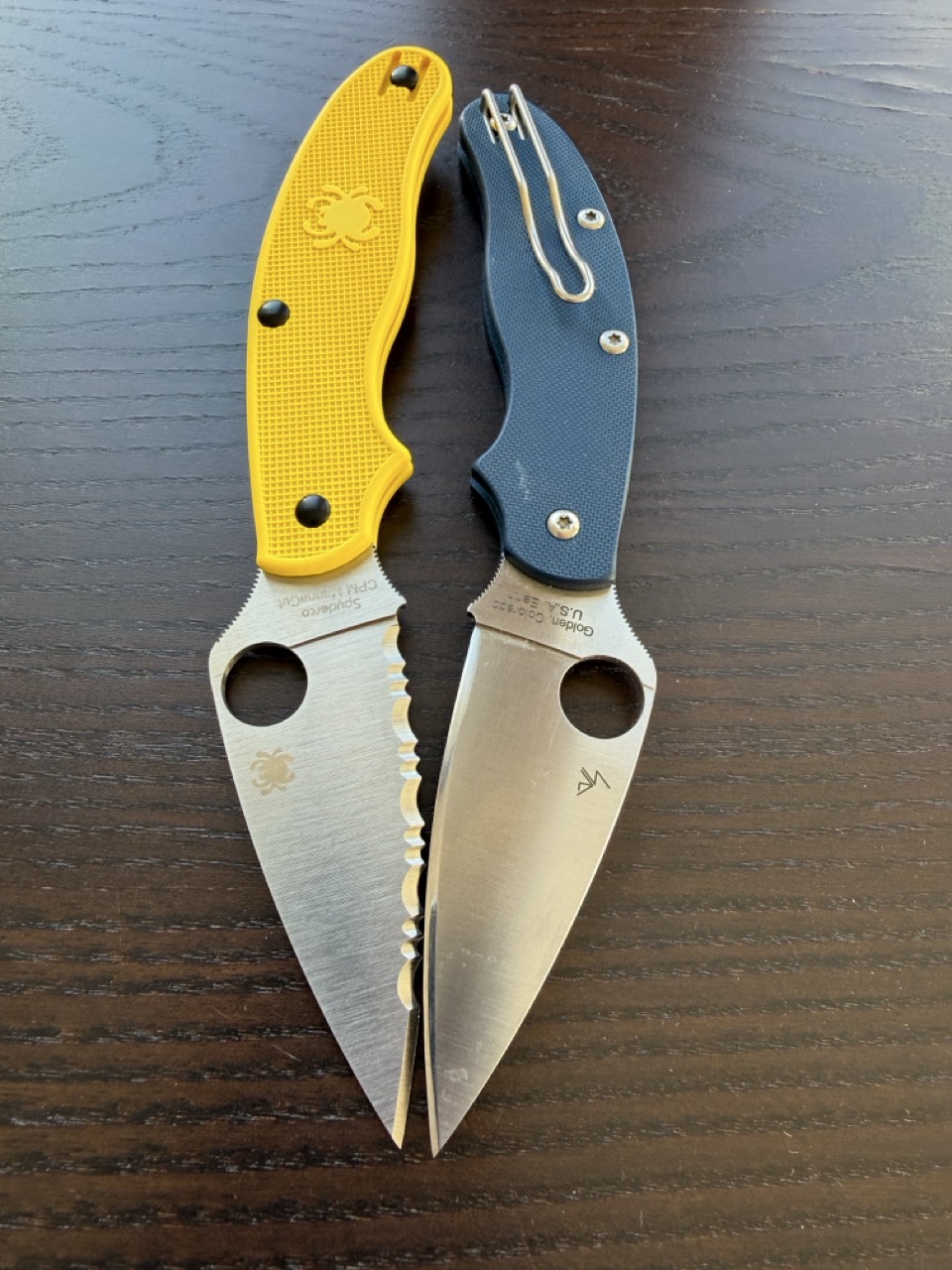
(Pictured here with the UKPK Spy27 G10. The Salt is a FRN lightweight.) But, yes, the UKPK has always been about restraint. No lock. No aggression. Just that classic Spyderco leaf blade and a strong slipjoint spring doing quiet, honest work.
But now… serrations change the personality completely. This is no longer a polite cutter— it’s a controlled velociraptor claw.
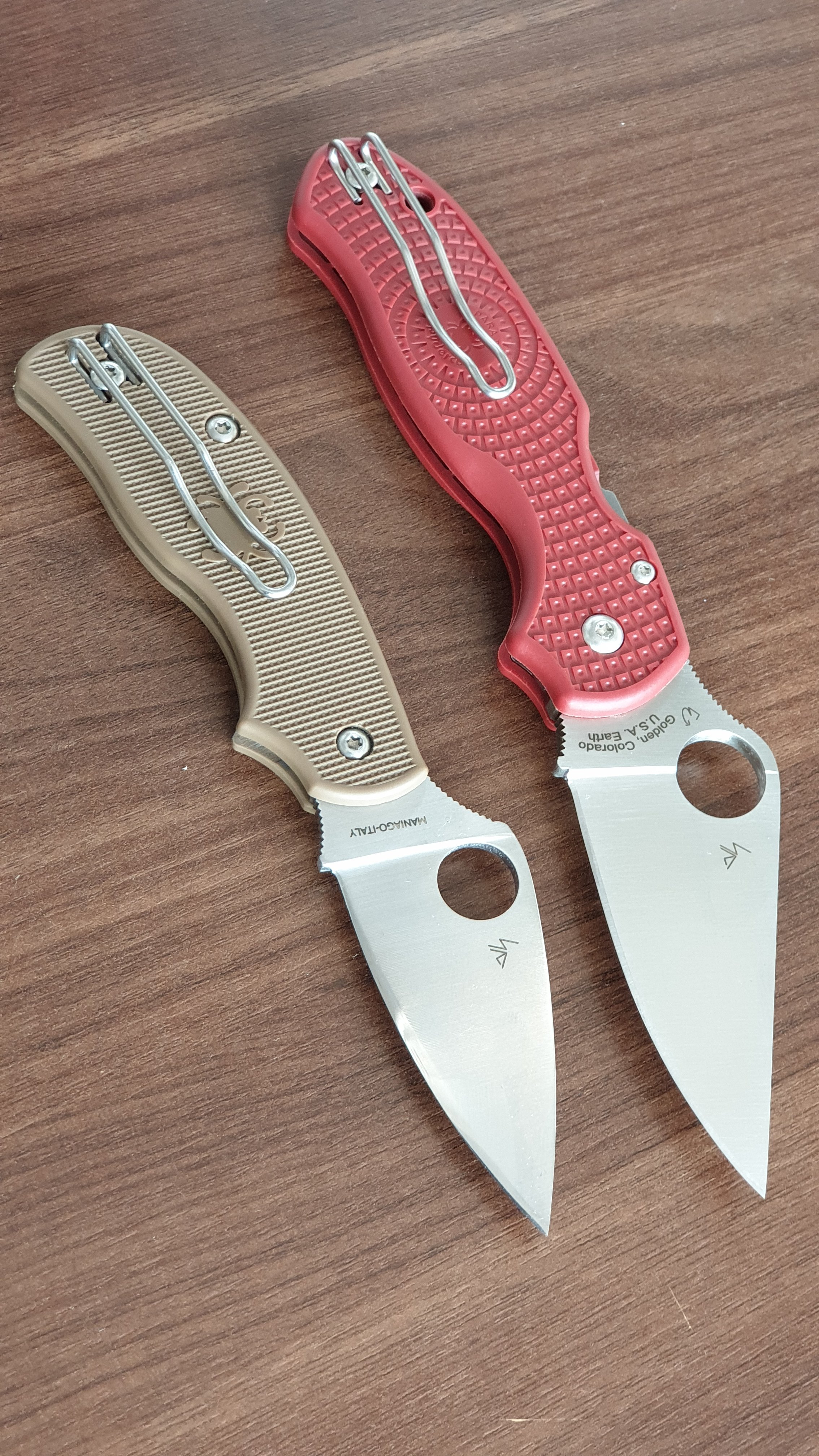
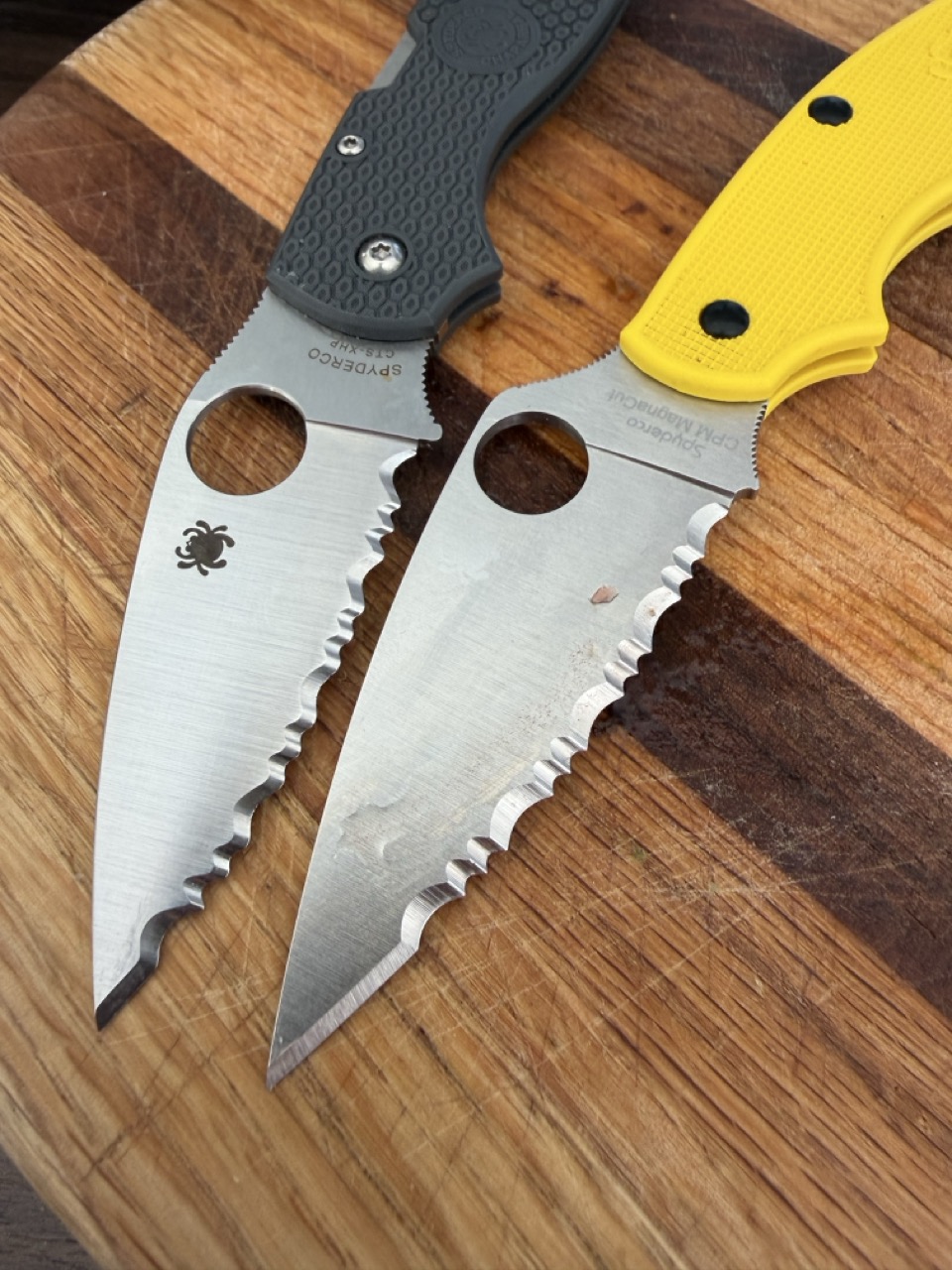
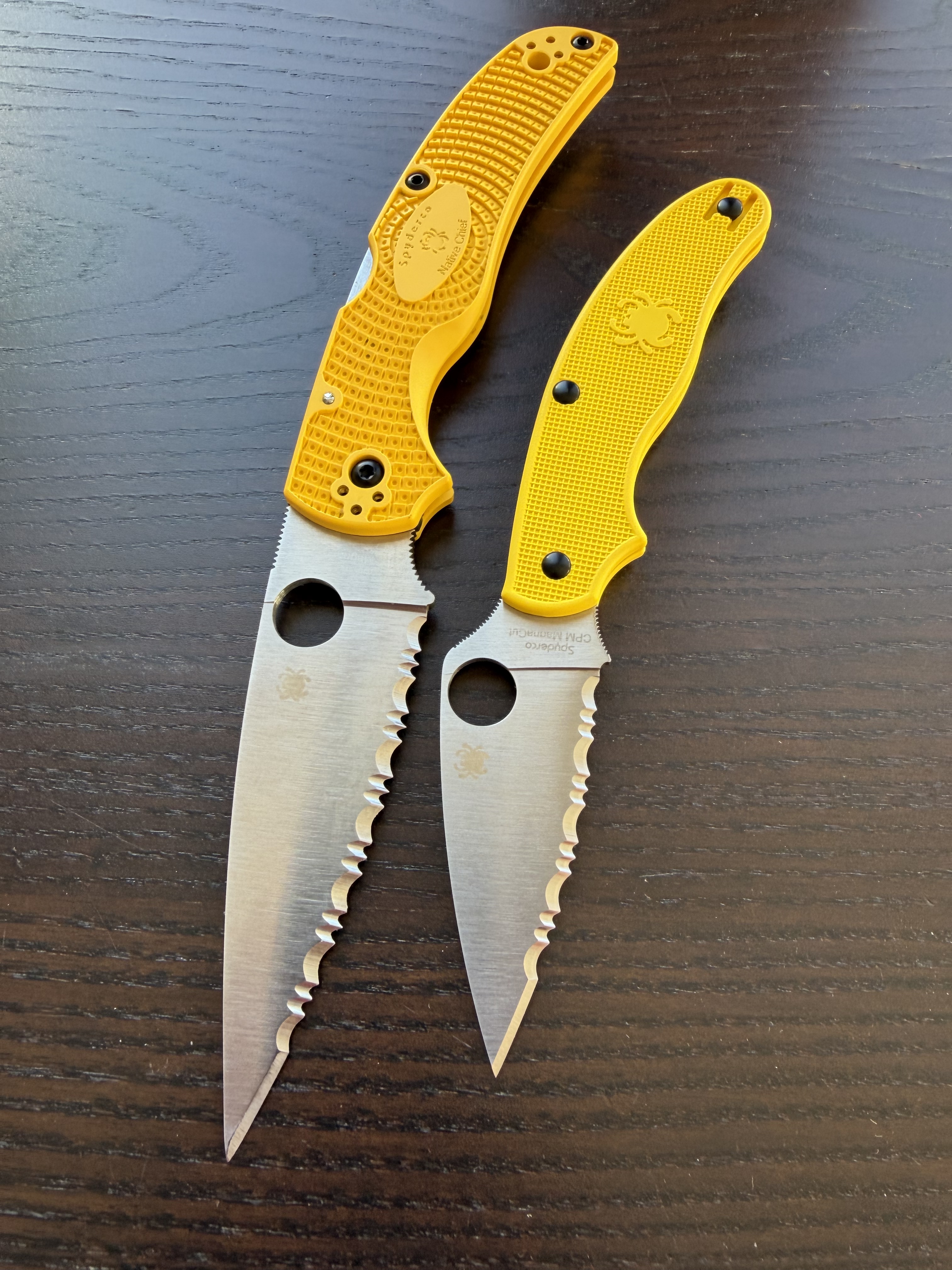
We already know how Spyderco’s serrations behave—from the long slicing authority of the Spyderco Native Chief Salt, to the feral aggression of the Spyderco Civilian, down to the unlikely precision of the “Mighty Grey Mouse,” the Spyderco Chaparral in full serrated. (Notice on the picture: the Chaparral/Taichung serrations are “softer” than the Golden made serrated knives.)
Oh, SpyderEdge… The bite is immediate. Unforgiving. Cardboard, rope, fibrous material—this isn’t slicing anymore. It’s total matter separation. “Part the matters for me !”
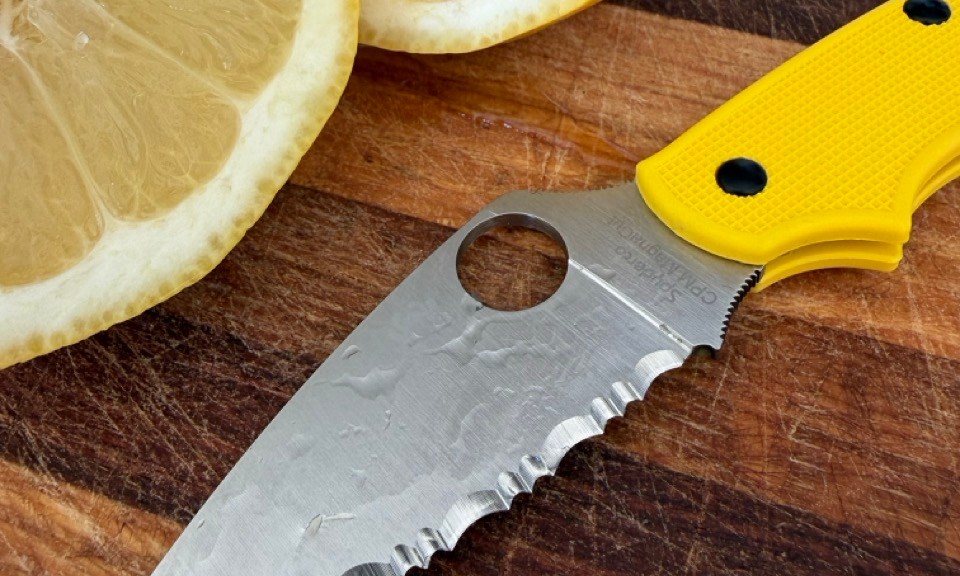
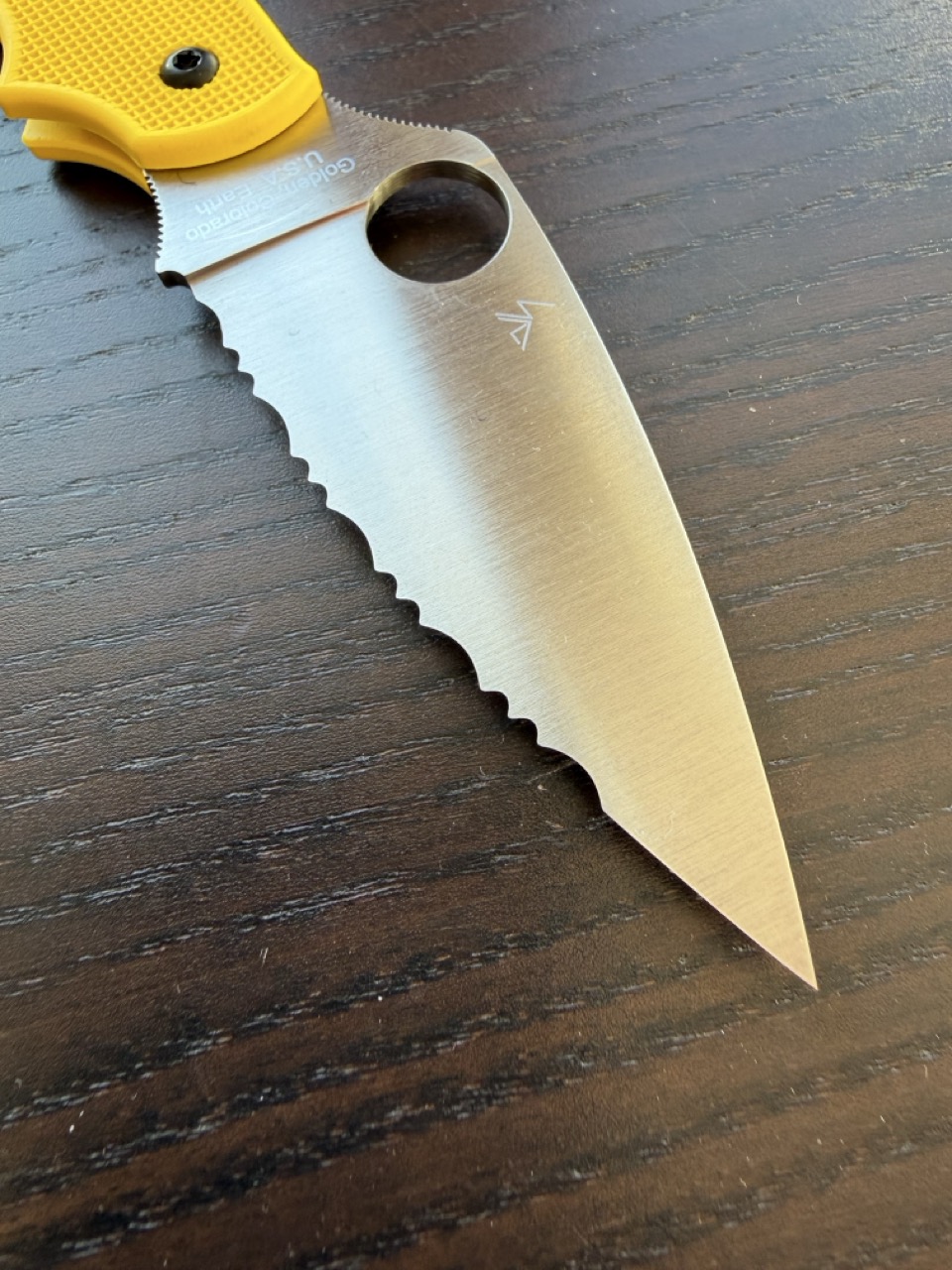
As you’ll notice, SpyderEdge uses a chisel grind— which makes it surprisingly easy to maintain. You work one side, raise a burr, then lightly deburr the other. That’s it. No complicated angles, no endless back-and-forth. Fast. Efficient. Back to razor sharp in minutes. For a blade that cuts this aggressively, maintenance is almost… unfairly simple.
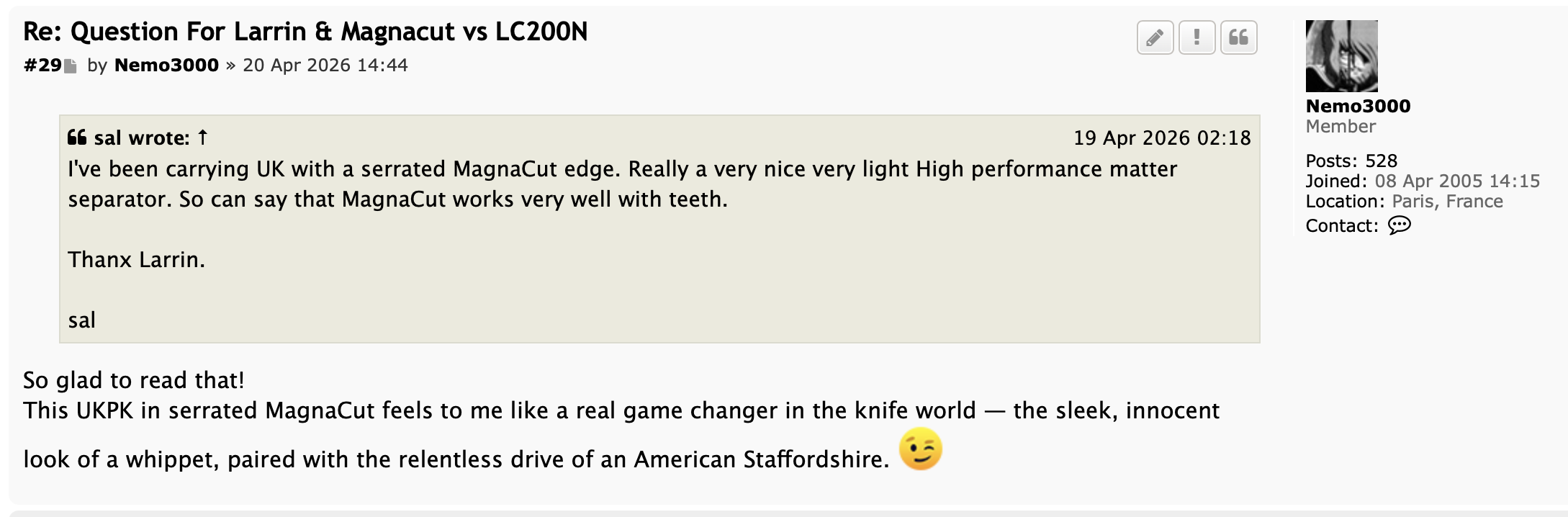
Now you’ll say: this isn’t new. And you’d be right. The Spyderco UKPK LC200N already brought serrations to the platform, with that ultra-corrosion-resistant, NASA-associated steel used in the Salt Series. (Click on the link for its extended review. That version exists now in green FRN.) But this time… it’s different. This time, CPM Magnacut steel’s turn to roar in your pocket. And that changes everything in my book ! As I love Magnacu first. And also because Magnacut doesn’t just resist corrosion—it brings toughness, edge stability, and a kind of refined brutality that pairs almost too well with serrations. This isn’t just a variant. It’s a very serious evolution of intent.
Here’s where things get almost absurd—in a good way as you get a blade that: stays aggressive for ages keeps cutting even when “dull” laughs at moisture, sweat, food prep, urban abuse This is not just durable—it’s low-maintenance lethality in a legal-friendly package.
The gentleman’s non locking folder has no business being here. And yet—it thrives. From the Amazonian coast to the unforgiving battlefield of my own kitchen, this “polite” knife sheds its manners the moment it meets real work. What should feel restrained feels… unleashed.
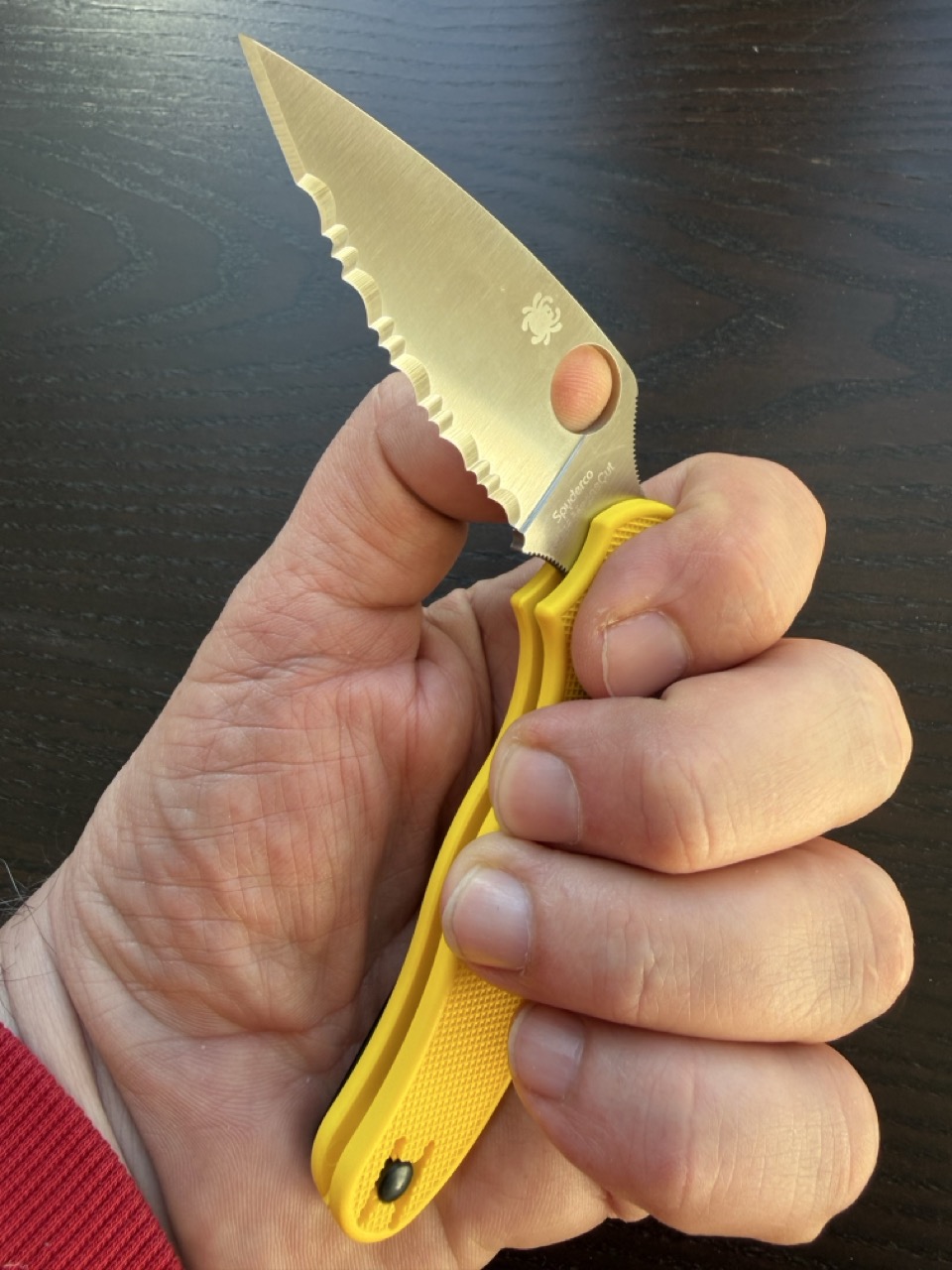
Let’s be honest: serrations on a slipjoint feel wrong to most of knife collectors. You expect that kind of edge on a rescue knife, a tactical folder, something that locks like a plastic vault equipped with whistle. But Spyderco pulls it off because: the UKPK’s ergonomics are rock solid the choil gives you a huge security if the blade closes on your fingers. the walk & talk is confidence-inspiring, the slipjoint is hard to close. You don’t feel under-knifed at all.
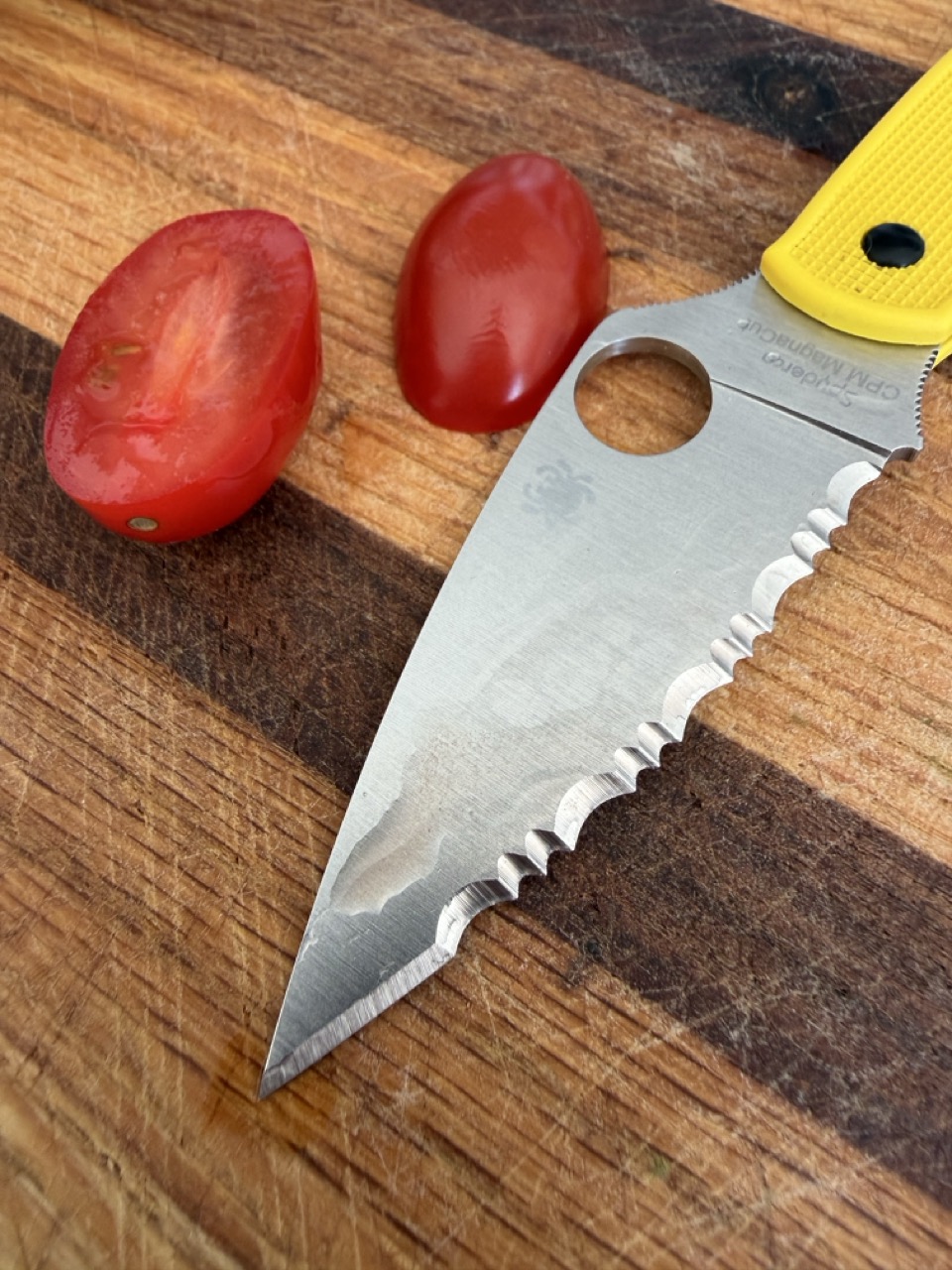
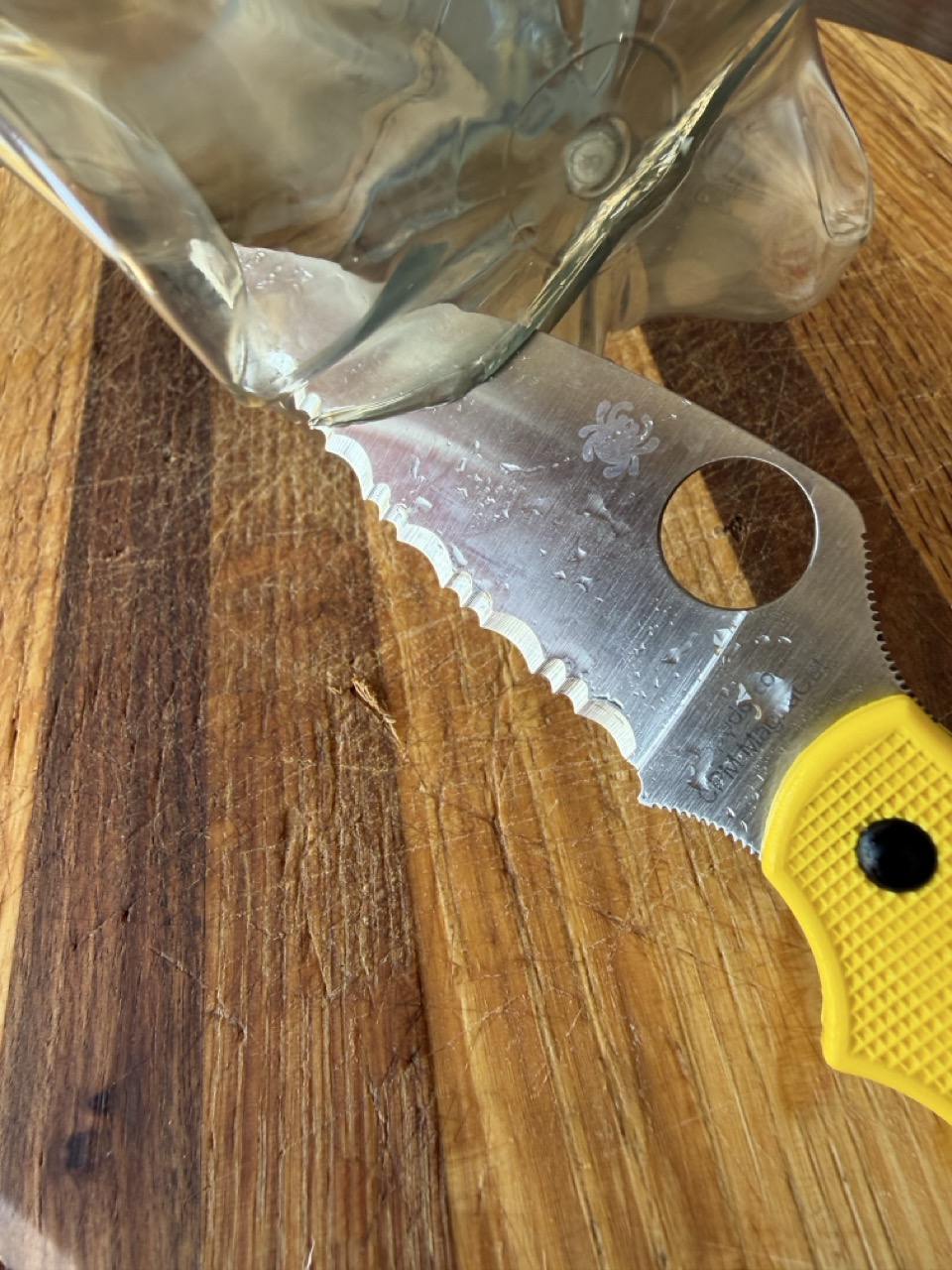
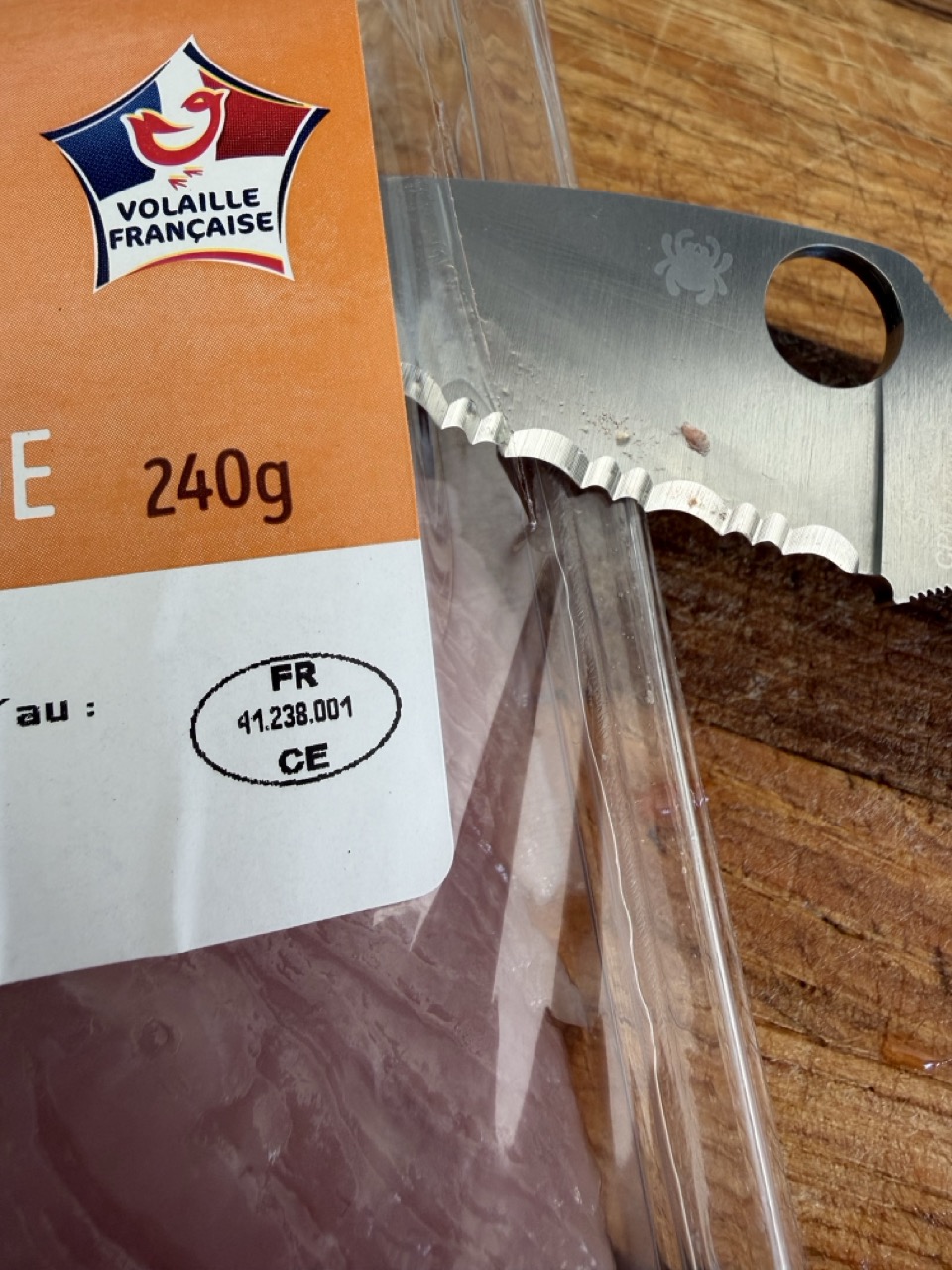
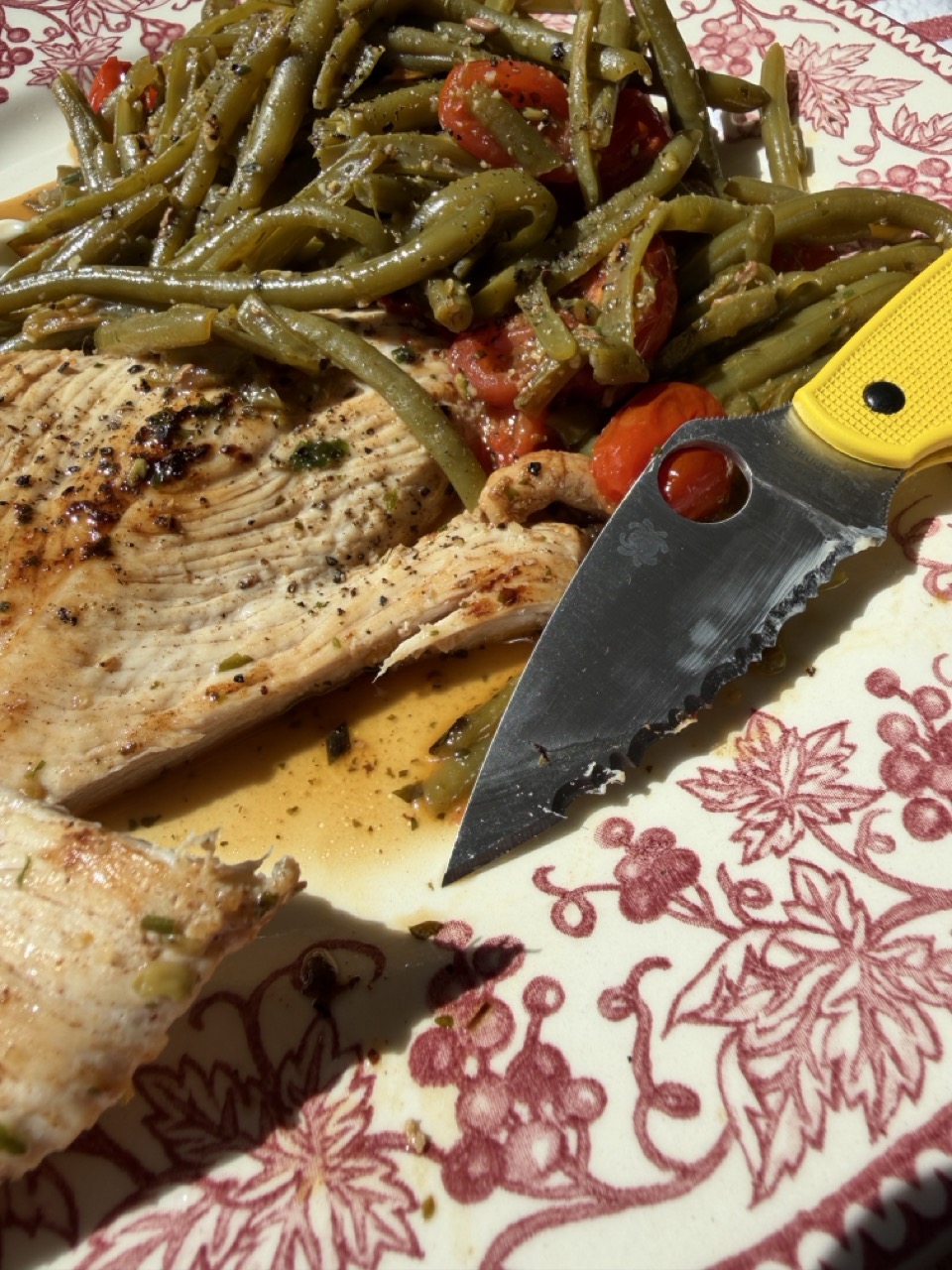
In the Real World, this knife shines where most EDCs hesitate: ripping through packaging without slipping, cutting rope under tension food with crust (bread, cured meats—yes, really) in wet environments where plain edges can lose bite. Nope, it’s not a bushcraft blade by design but it won’t frown to be used in the woods. It’s not a slicey Instagram queen. It’s a working edge for people who actually cut things or need thing to be cut quick !
The serrated Magnacut UKPK is a contradiction that became a concept. It takes: the legality of a slipjoint the performance of serrations the excellence of Magnacut …and fuses them into something oddly perfect and reliable.
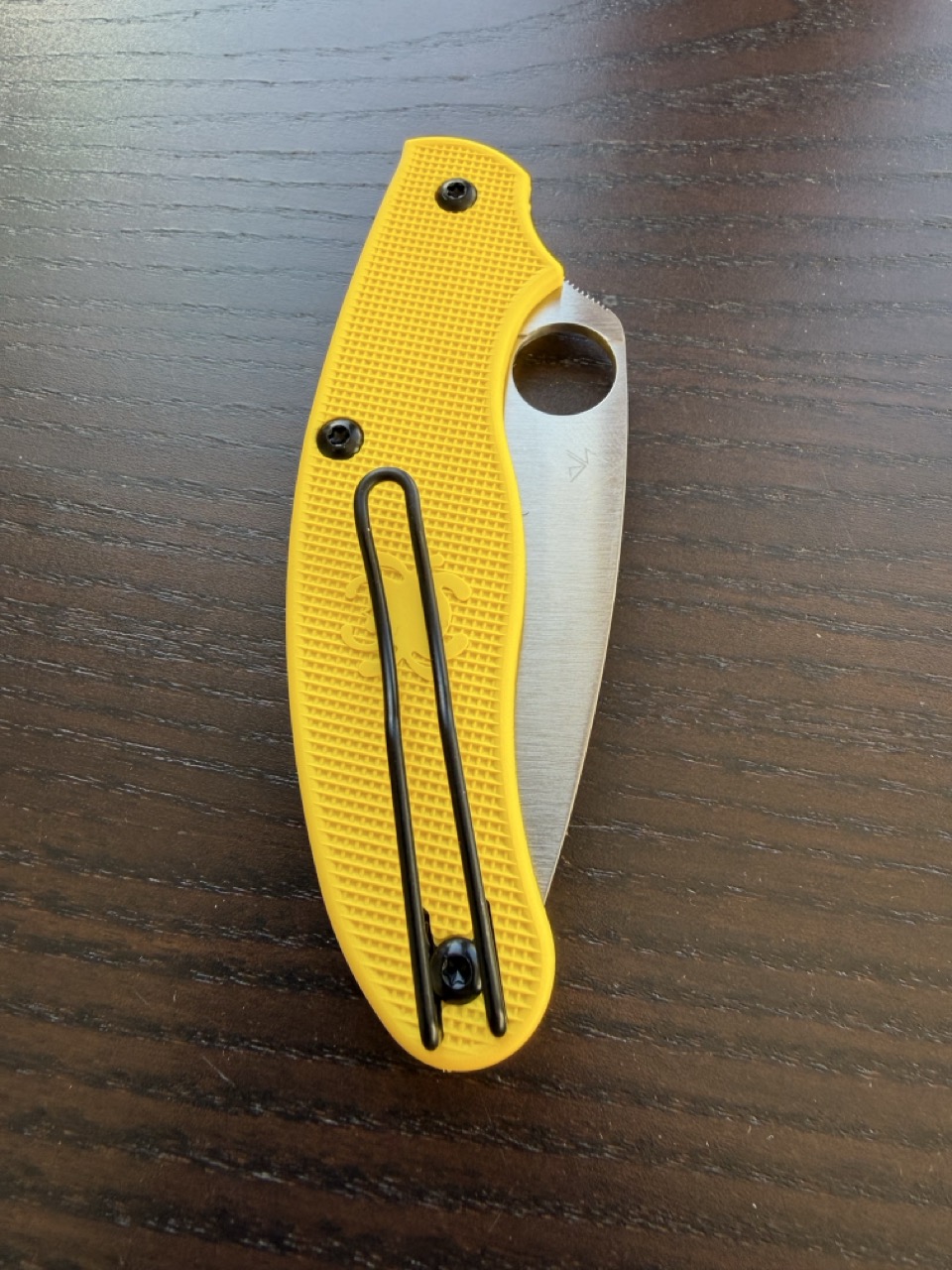
The clip is black and deep carry and all the metal elements (clip, screws, spring and of course blade) are impervious to salt water: “marine gear” is the name of the game. Knowing LC200N green version is rustproof when Magnacut is stainless. That green LC200N version is more sea proof if you see what I mean. But the edge won’t last as long as with the Magnacut version. 😉
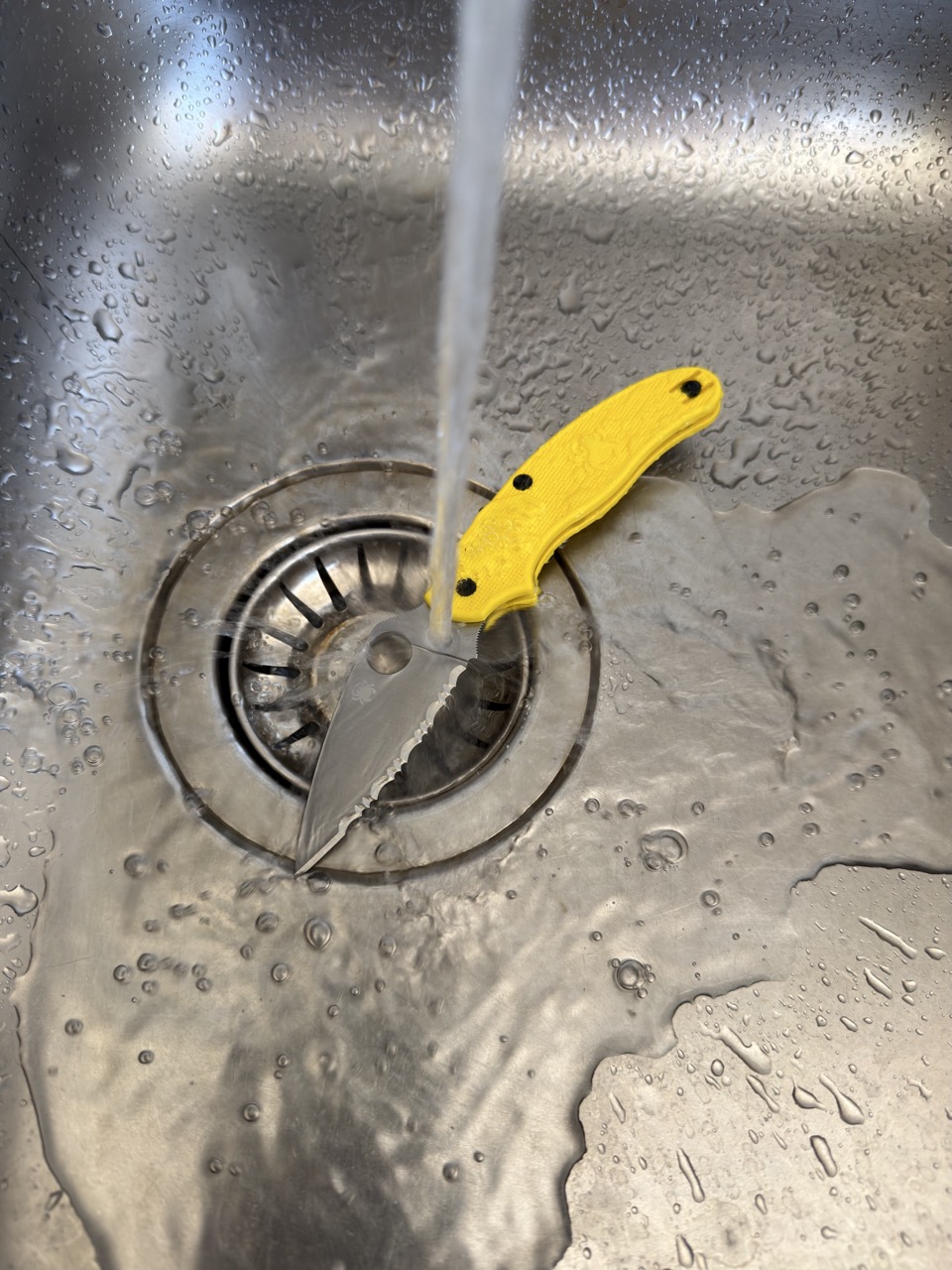
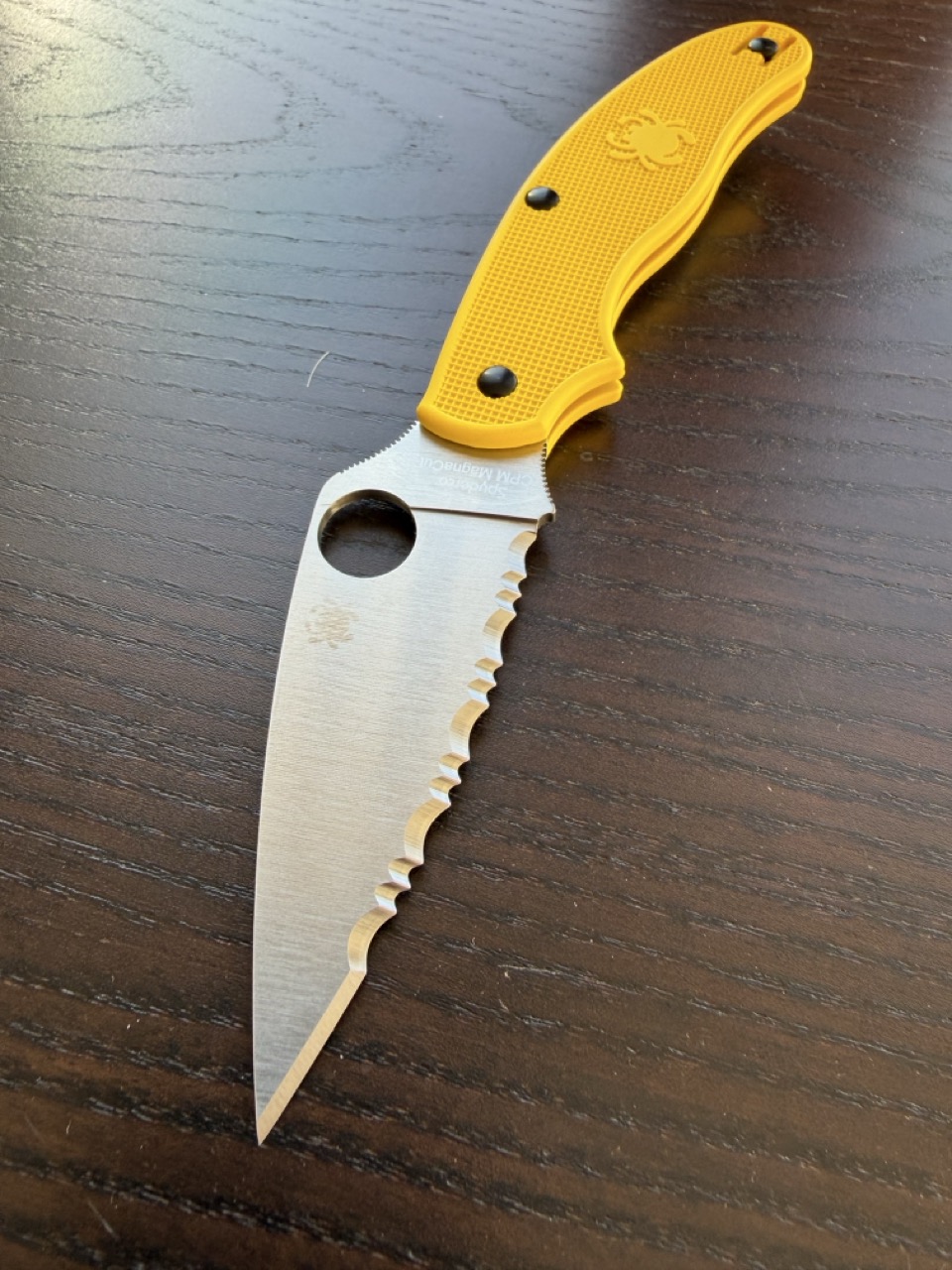
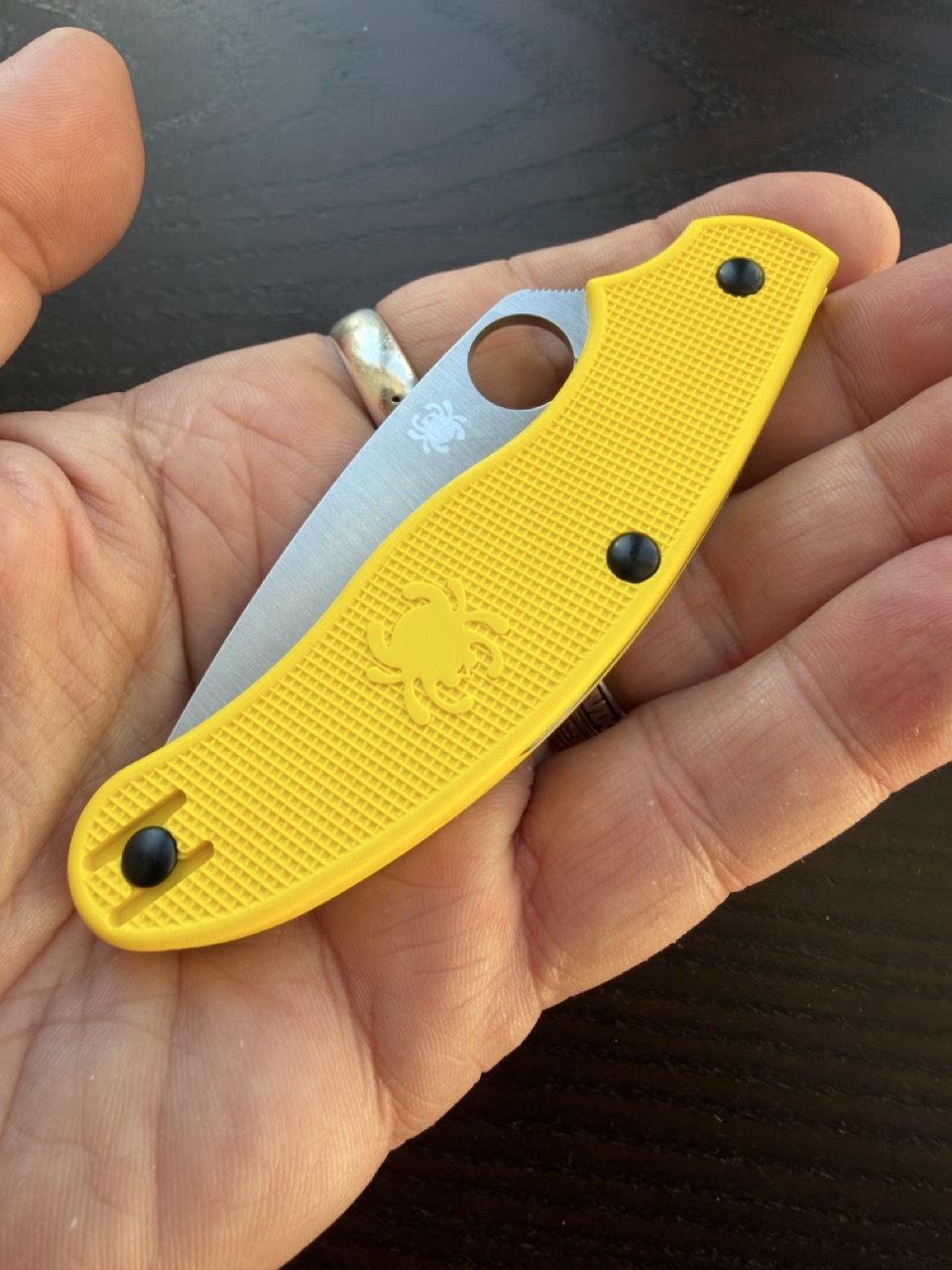
The UKPK Salt Serrated in Magnacut isn’t your refined EDC. It’s lightweight, high-visibility yellow, with a remarkably thin blade—among the thinnest ever seen on a SlipIt platform. Made in Golden, Colorado, it turns into something unexpected: your new all terrain folding survival tool… in a legal suit.
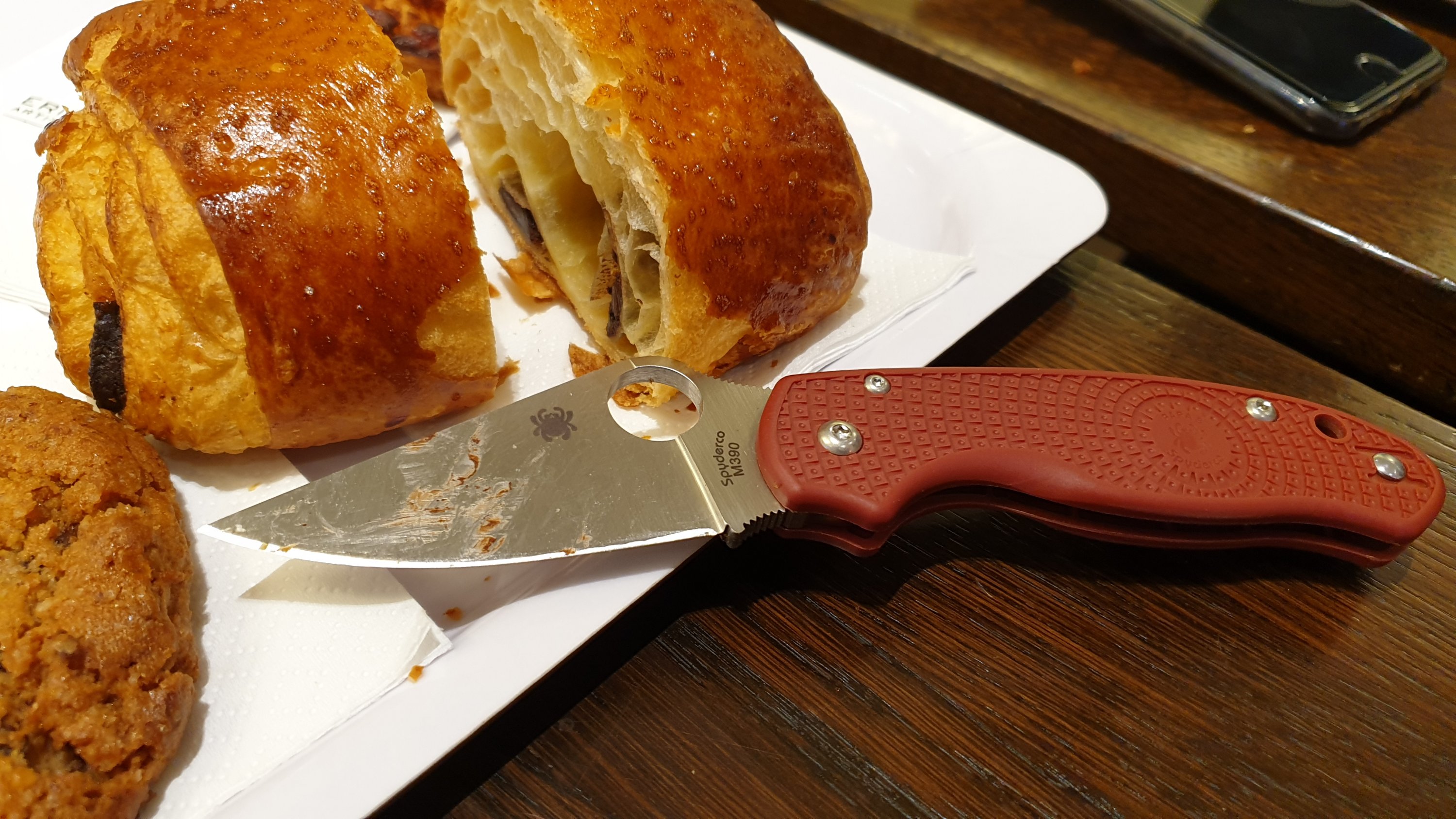
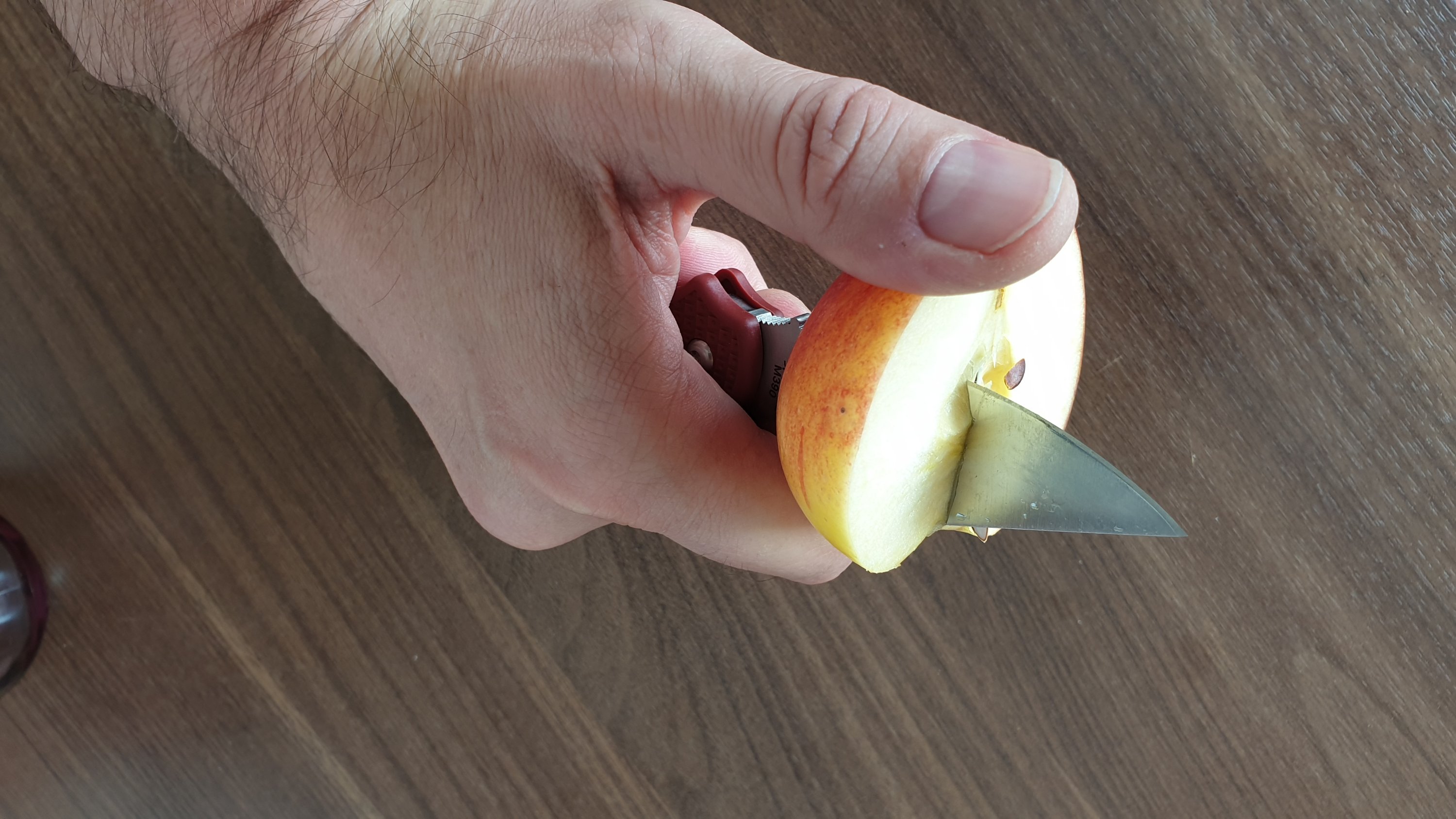
It is light, it is red and it is cute and can skin a wolf or granny’s apple ? DLT Exclusive M390 steel blade on the Para 3 Light plateforme has hit the old continent after NOT taking any shortcut… It was stuck in Paris airport for a week !Action is perfect. The blade is centered. Drop chute works perfectly. This DLT Trading Exclusive is clicking all the right buttons as I was not really excited to test this knife without some spicy exclusive steel. Bringing the compression lock to the FRN is a Tour de Force Eric and Sal can be proud of. At 69 grammes it bring a very strong little big knife into the “pocket and forget” realm. This is going to be a very Sheeple friendly knife thanks to its red scale and deep carry clip. I love high performance blade on FRN. My Manix Lightweight is a CPM 110V version and my favorite holiday knife as it is easy to put in a luggage and keep its sharpness for weeks. This is Little Red Riding Hood is destined to de-throne it. Less moving parts, easier to clean. Very impressive quality ! And M390 heat treated by Spyderco is a sure value since 2012 ! :-)More to come soon as right in the pocket it goes ! Riding !“But Grandmother! What big teeth you have,” said Little Red Riding Hood her voice quivering slightly.My own copper Maxamet Version is just a really heavy weight.SO LIGHT… “The better to eat you with, my dear,” roared the wolf and he leapt out of the bed…Deep carry clip and excellent lanyard hole placement.

 It is light, it is red and it is cute and can skin a wolf or granny’s apple ?
 “But Grandmother! What big teeth you have,” said Little Red Riding Hood her voice quivering slightly.
 My own c
 SO LIGHT…
 Deep carry clip and excellent lanyard hole placement.