Tag Archives: UKPK

Spyderco’s SLIPIT™ Family – Which one should you choose—and for what purpose?

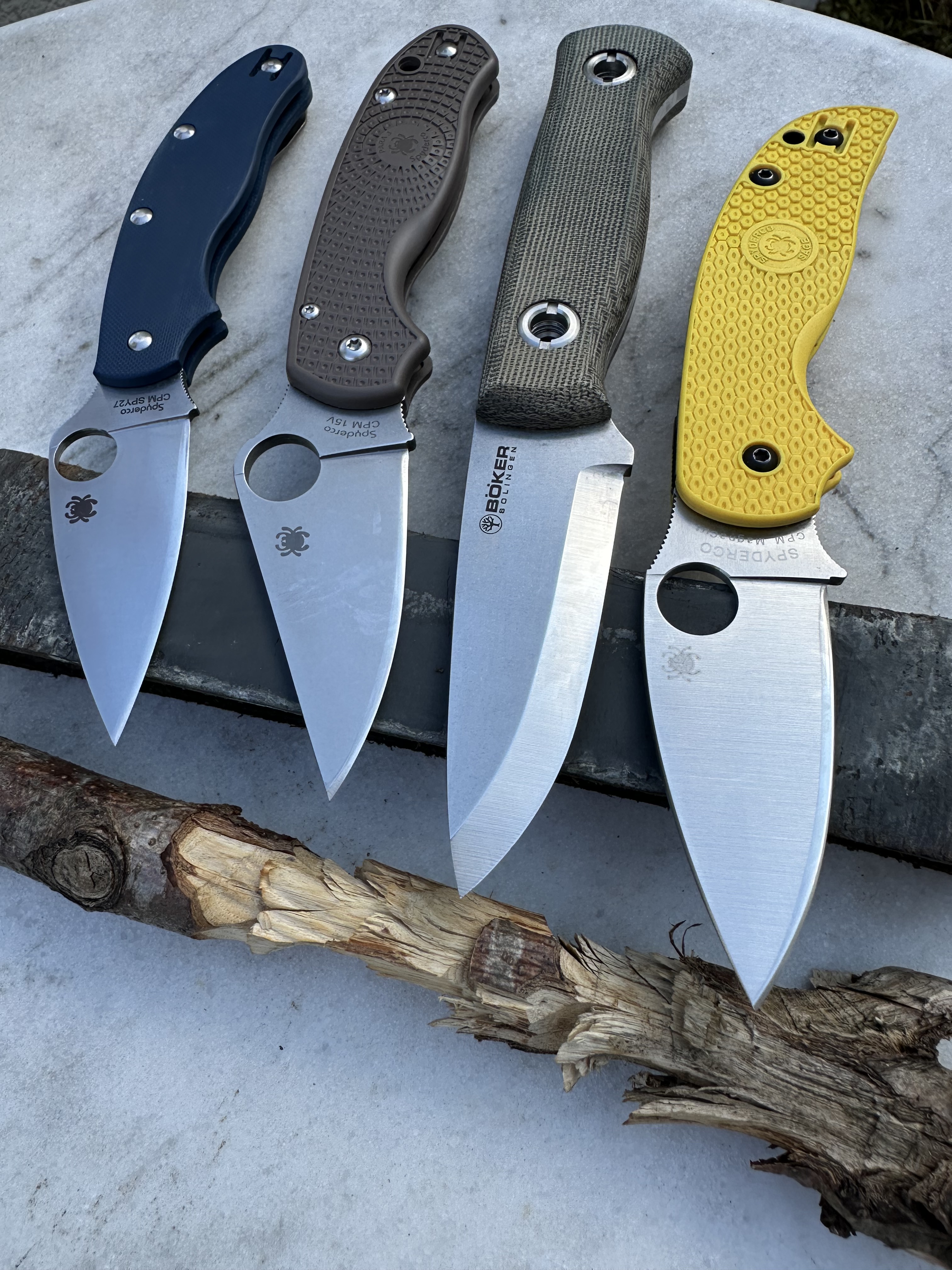
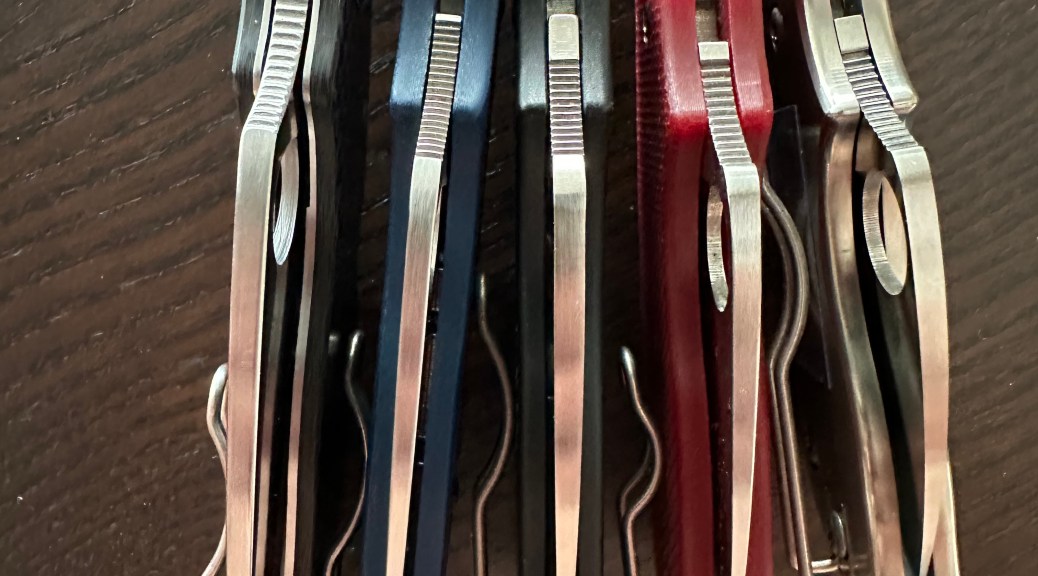
The SLIPIT™, is a group of American-designed folding knives developed by Spyderco. Originating from the UK Penknife (UKPK) project
— the first folding knife to combine their one-hand-opening Trademark Round Hole™, clip carry, and a non-locking mechanism — and drawing inspiration from the Caly series, the group comprises the UKPK, Metropolitan, Urban, and Squeak models. All were designed by Sal Glesser.


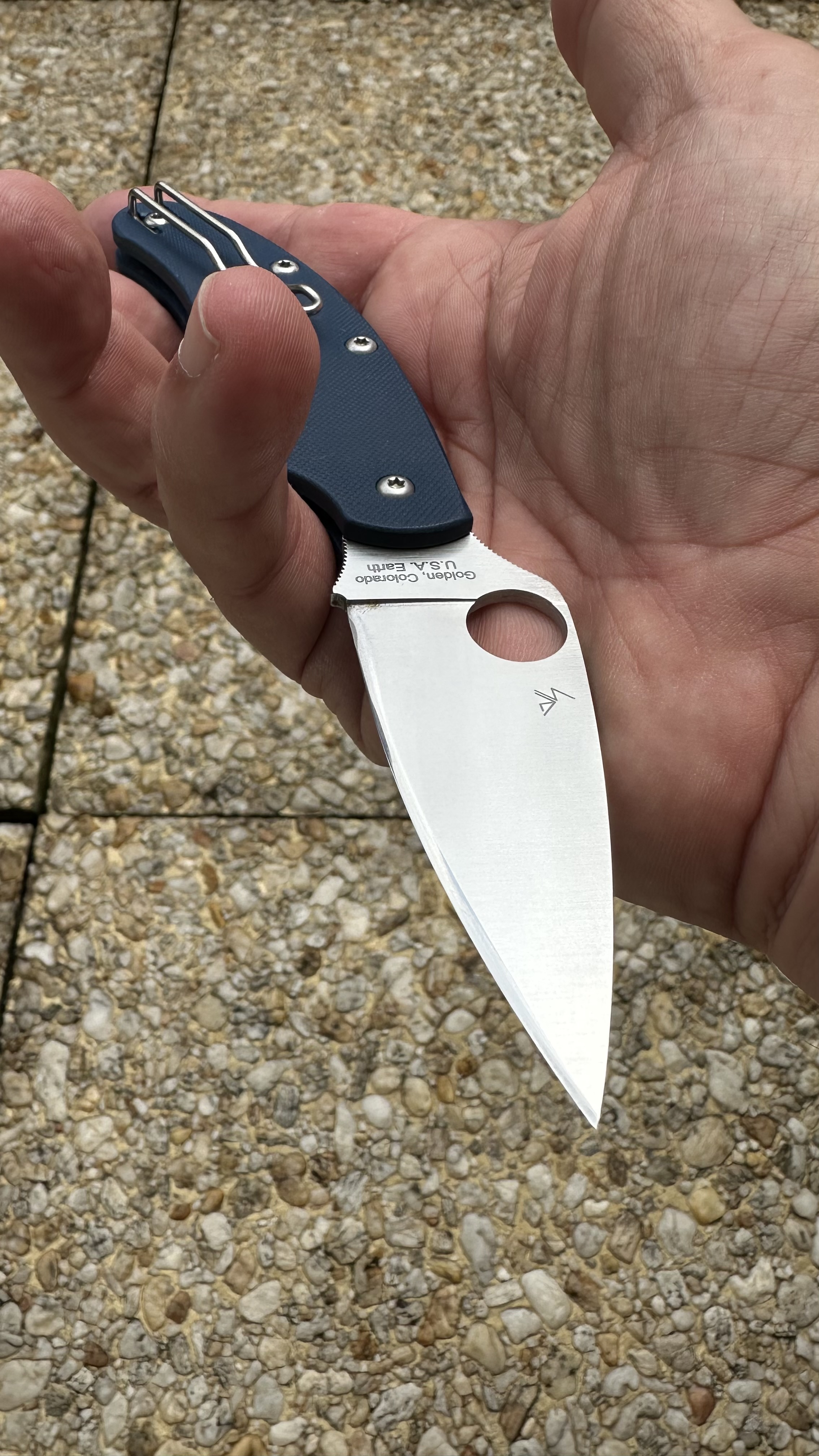
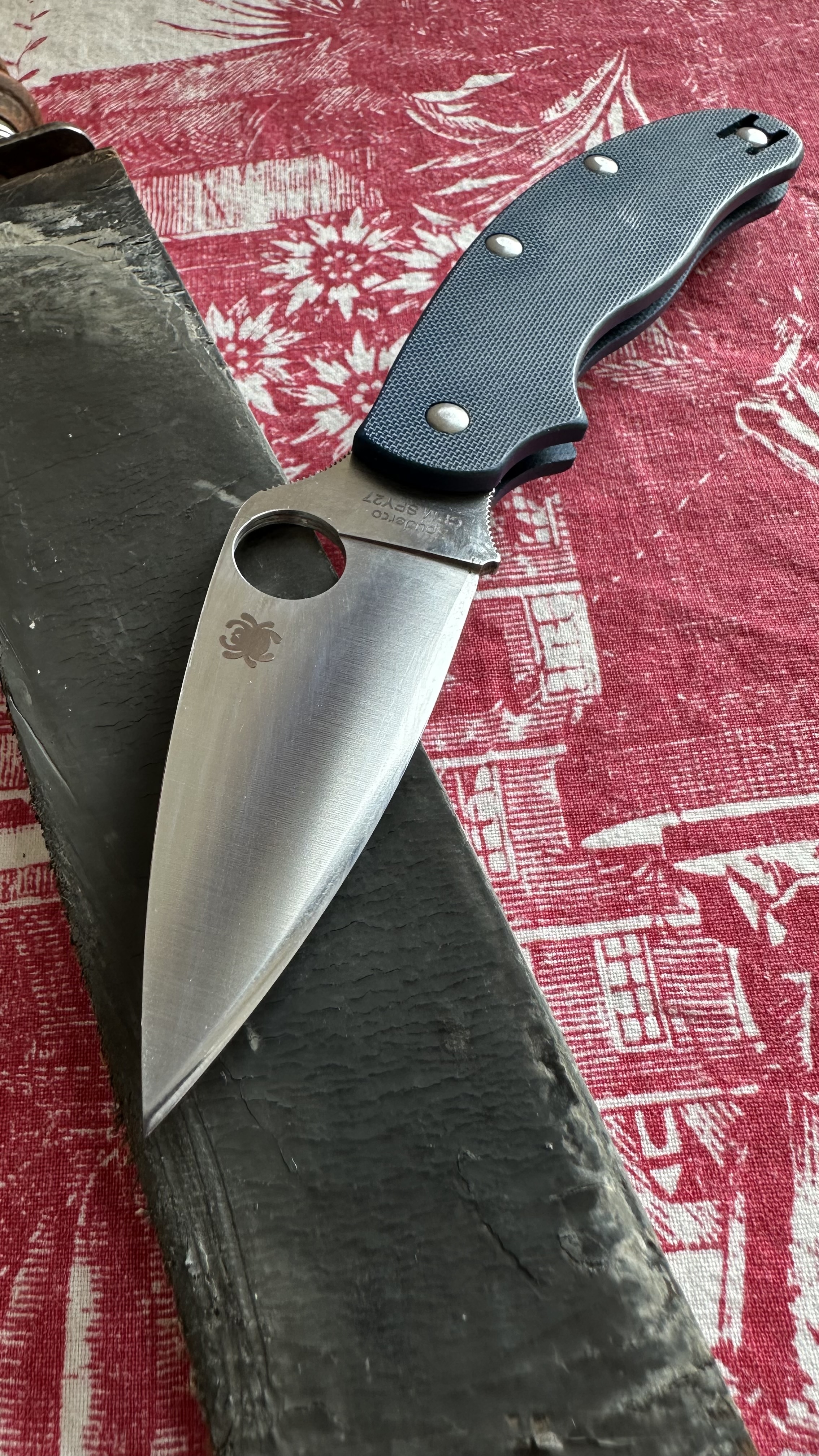
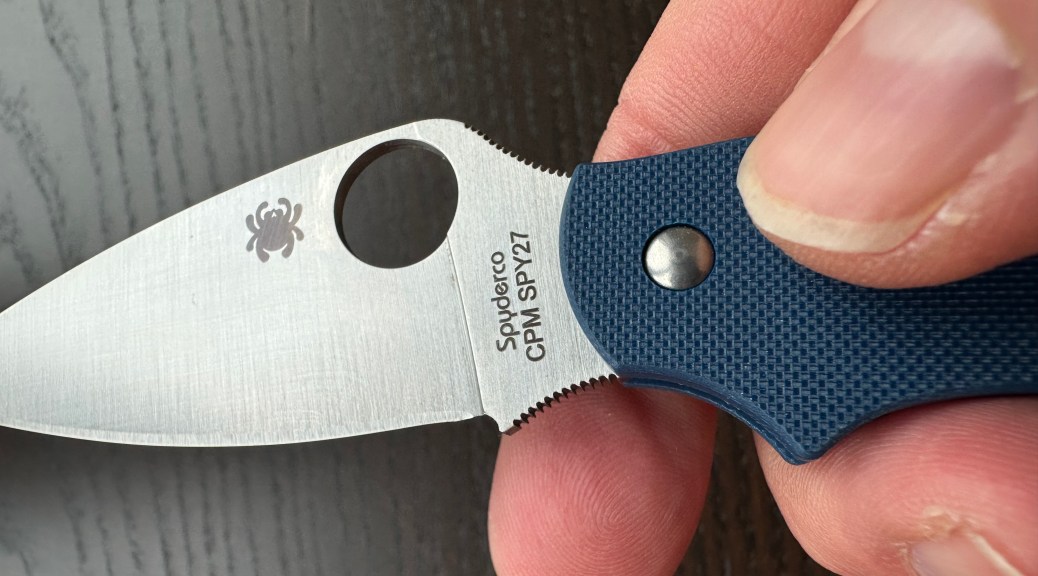
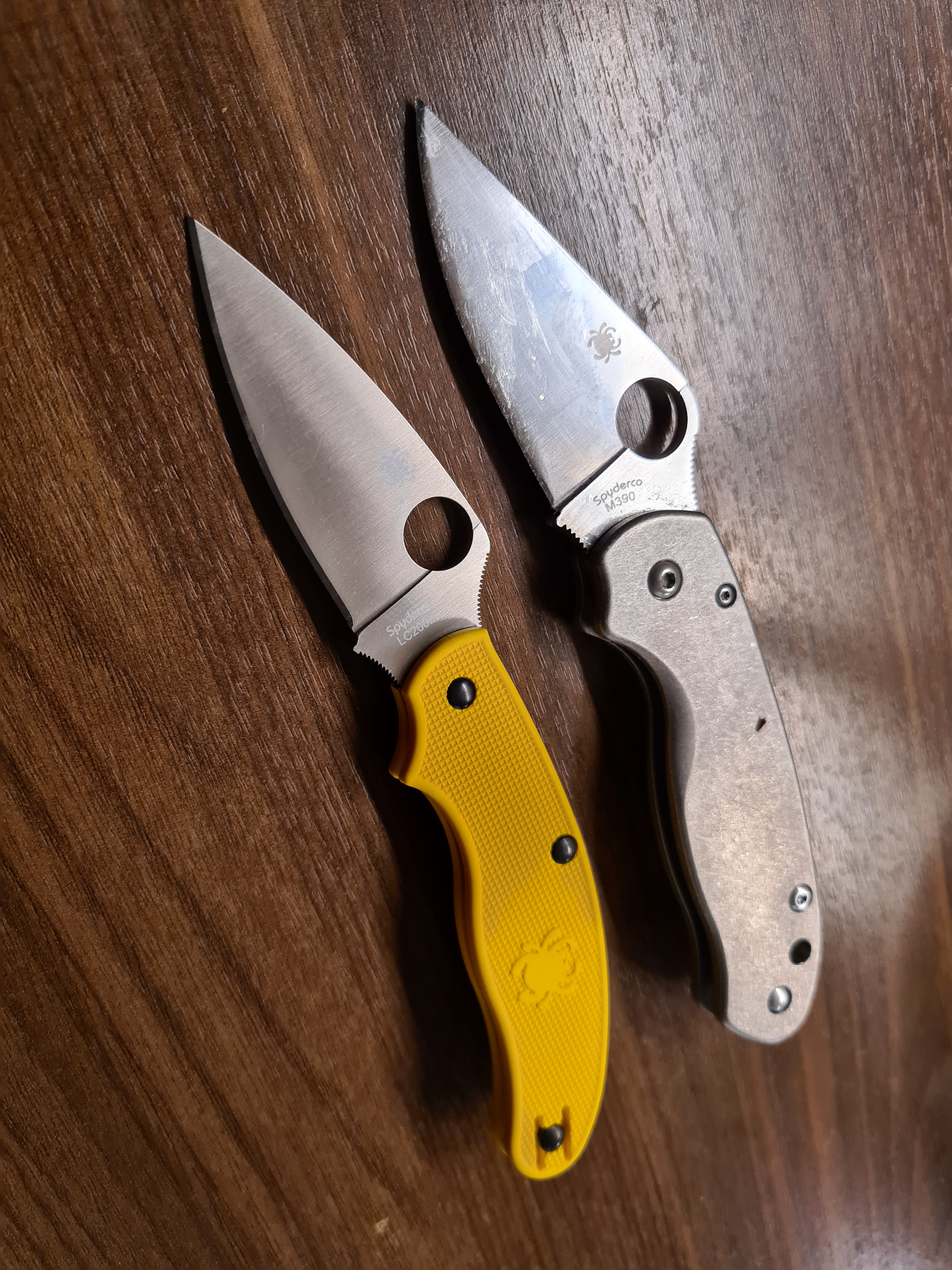
The Blue Brother of my Slipit family is the UK Penknife (UKPK) Blue G10 CPM SPY 27 version AKA “The great slicer” or “The Golden Child” as it is made in Colorado when the others are made in Italy.
My UKPK is the G10-handled version in CPM SPY27 steel. It features the thinnest blade (2.5 mm vs 3mm for the other members of the SlipIt family) and offers the best slicing performance, with a cutting edge measuring 75 mm.
You can notice its this G10 version got 4 screws on the handle. (When Spyderco site is only showing 3 screws for their UKPK G10 SPY27 model)
Edit: I got an answer from Golden about that:
The photo of the G10 model you see online is a photoshopped version of the lightweight model, which only has 3 screws. The 4 screw version is standard for the g10 variant.
The FRN UKPK got 3 screws and a short spring/backspacer. Perhaps easier to rinse and clean. Its Salt version even exist in yellow with CPM Magnacut and in green with LC200N and also with serrated edge.

On mine, its thin CPM SPY27 blade is particularly well-suited to maintenance by leather stropping, and this model is unique in the group for employing a fork spring, likely necessitated by the longer stainless steel backspacer. Thanks to its blade steel, the UKPK also provides the greatest lateral strength of the series.

Its versatility makes it suitable as a travel knife, steak knife, whittling tool, office companion, or even a light kitchen knife.
You can even change for another style of clip if you want a toolish look.
The UKPK won’t let you down FRN or G10 version. They are great travel non threatening folders.

TECHNICAL SPECIFICATIONS
Overall Length: 6.89in 175mm
Closed Length: 3.95in 100mm
Blade Thickness: .098in 2.5mm
Blade Length: 2.95in 75mm
Edge Length: 2.57in 65mm
Handle Material: G-10
Origin: United States
Steel: CPM® SPY27®
Knife Weight: 2.2oz 63g

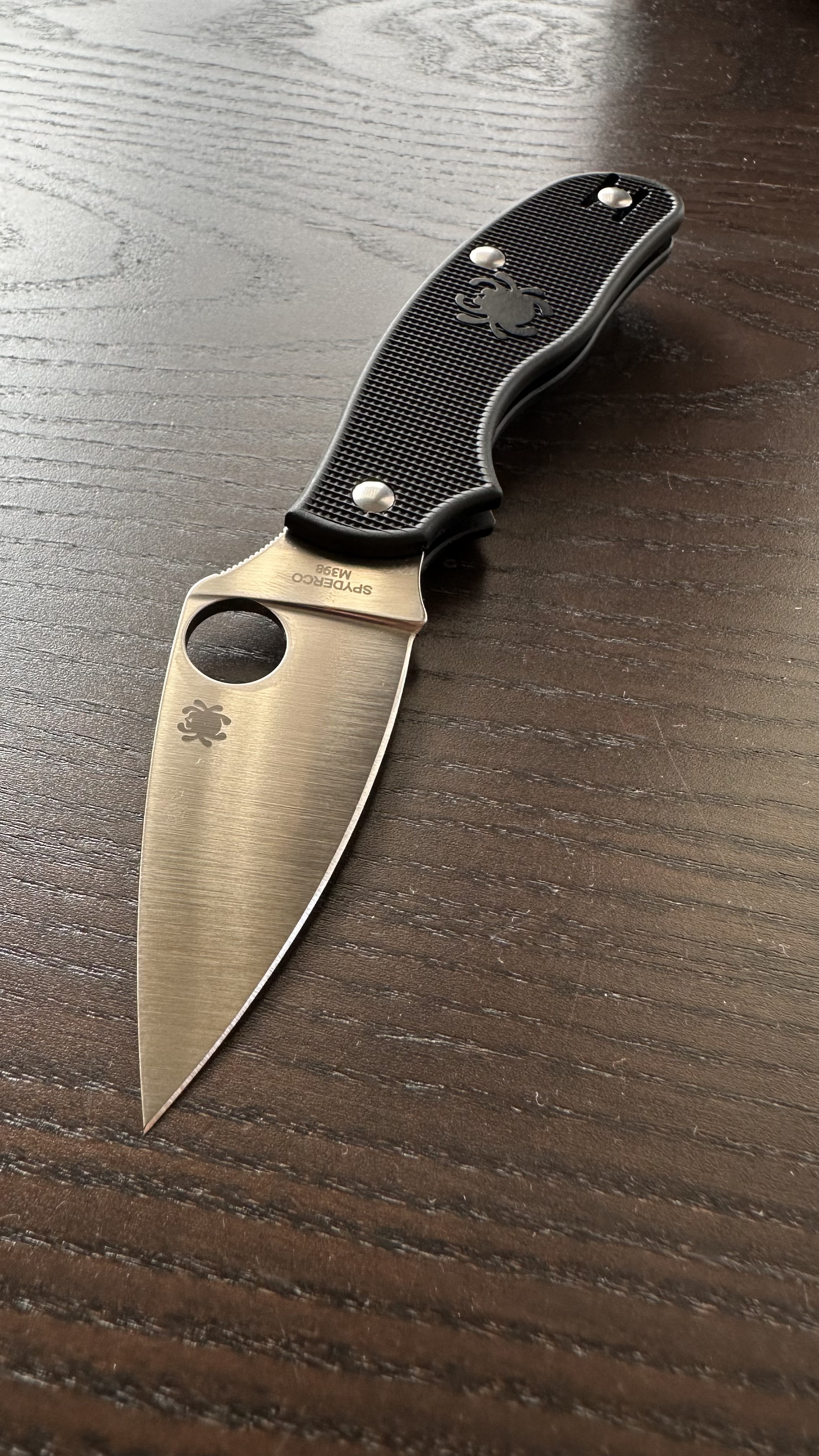
The Black Brother of the Slipit family is the Metropolitan, a tad shorter than the UKPK but often described in my book as having “an everlasting edge.” This model is notable as the only Slipit presented here with an FRN (fiberglass-reinforced nylon) handle. FRN is great and solid and the Metro got a full spring/back spacer.

Its key strength lies in the choice of blade steel: Böhler M398, known for delivering extremely long-lasting edge retention at a comparatively very accessible price point. Despite its 3 mm blade stock, the Metropolitan remains an excellent slicer. While M398 offers less lateral strength than CPM SPY27, it excels in edge holding, making this model particularly well-suited as a folding skinner or for heavy-duty tasks such as breaking down cardboard.

TECHNICAL SPECIFICATIONS
Overall Length: 6.31in 160mm
Closed Length: 3.73in 94mm
Blade Thickness: .118in 3mm
Blade Length: 2.68in 68mm
Edge Length: 2.43in 62mm
Handle Material: FRN
Origin: Italy
Steel: M398
Knife Weight: 1.6oz 45g
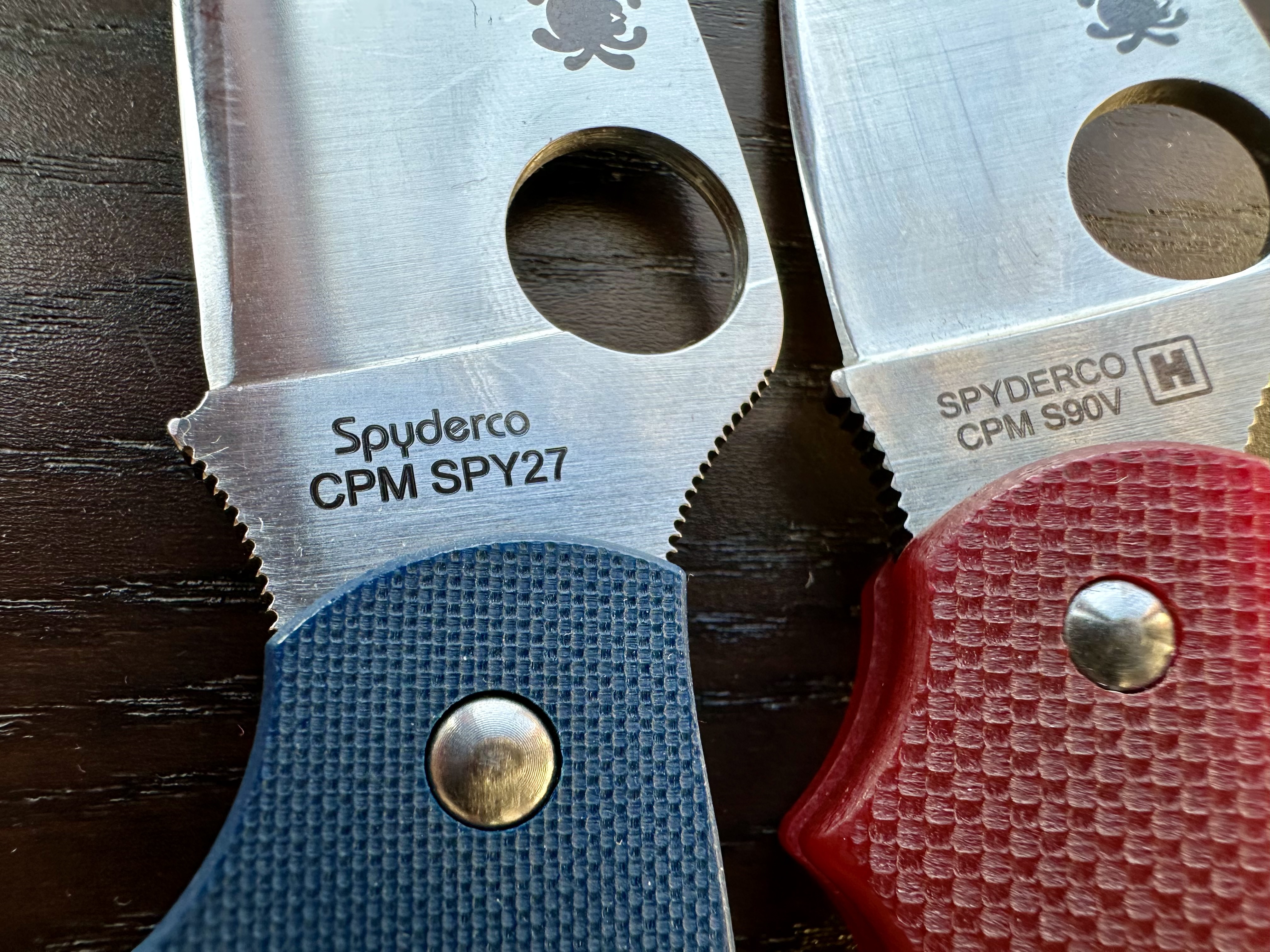
The Red Brother of the Slipit family is the Urban, my Low Profile London Traveller, produced as an exclusive edition for Heinnie Haynes. This model was acquired at approximately twice the cost of the Metropolitan, owing to its premium blade steel: CPM S90V, a high-performance alloy offering edge retention on par with Böhler M398. Now the FRN Urban is released with M398 too which makes my previous expensive Heinnie S90V Urban quest totally obsolete.

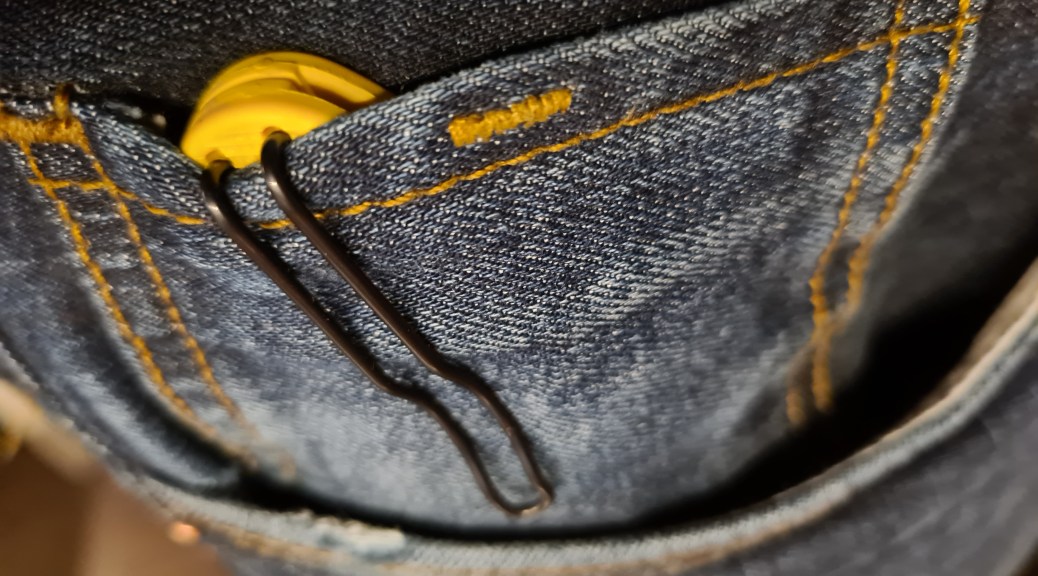
Released prior to the availability of the Metropolitan and the M398 Urban, this knife also features a G10 handle with a distinctive finish. Its compact dimensions allow it to be carried discreetly, such as in the watch pocket of denim trousers. In this collection, the Red Brother is primarily employed as a travel knife for use in London. I have it equipped with the short MicroJimbo clip for the lowest profile possible.

TECHNICAL SPECIFICATIONS
Overall Length: 5.95in 151mm
Closed Length: 3.54in 90mm
Blade Thickness: .114in 2.9mm
Blade Length: 2.49in 63mm
Edge Length: 2.15in 55mm
Handle Material: Red G10
Origin: Italy
Steel: CPM S90V (on mine) M398 for the FRN version.
Knife Weight: 60 gr (for mine) 56 gr for the FRN version in M398.
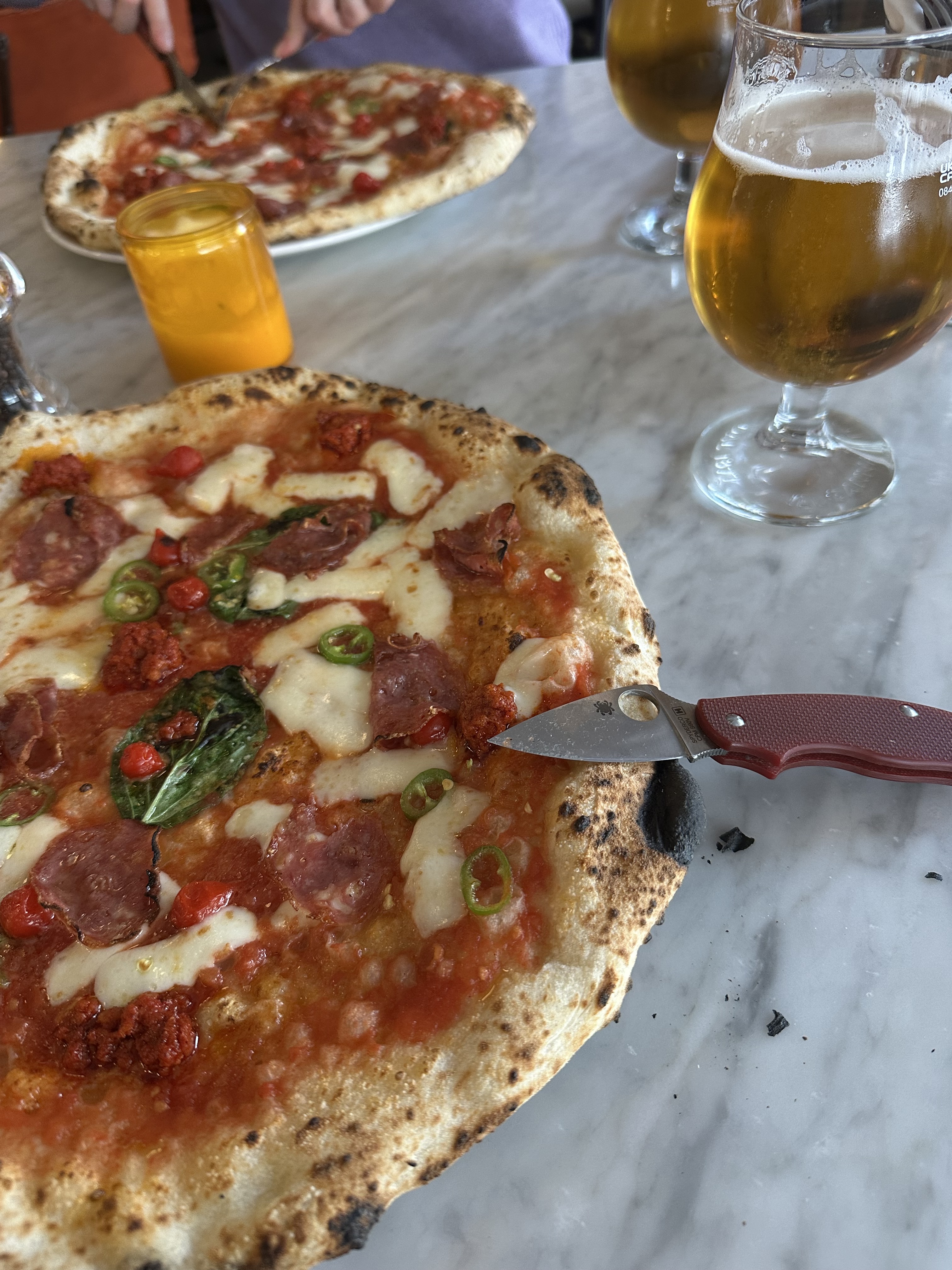
Big Pizza ? No problemo.
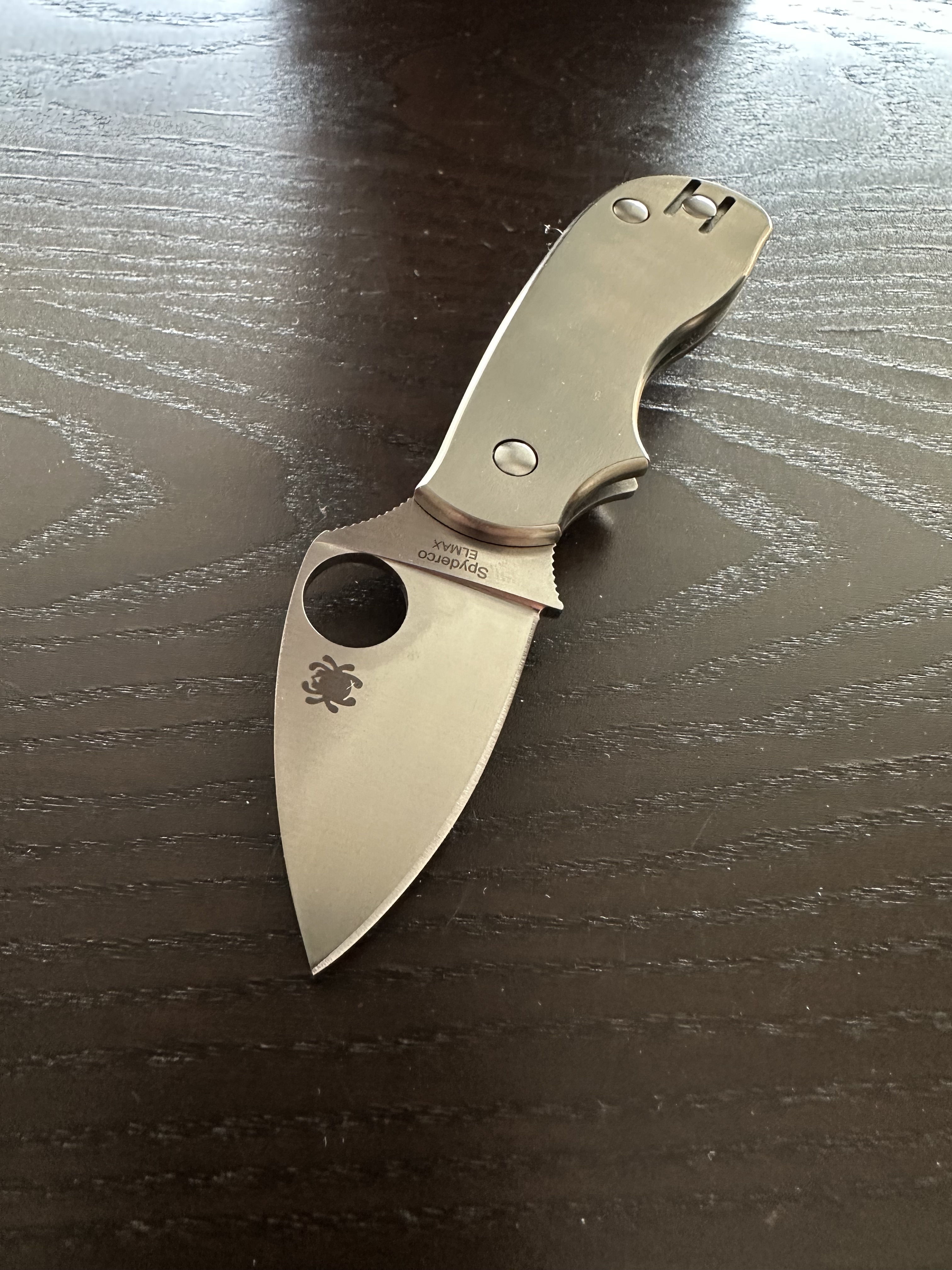
The Silver Brother – The Tweetanium !
The Squeak is truly a jewel within the SlipIt family. Despite its compact size, it never leaves me feeling “under-knived” when carried in a watch pocket.
I once owned a Squeak Deluxe Sprint Run with a titanium handle and Elmax steel blade, which I eventually passed on to JD. Thanks to Guillaume, I was able to acquire another example, new in box.

JD first acquired the original Squeak SC154PBK and used it extensively, praising its thin cutting edge, dependable Böhler N690Co steel, ergonomic handle, wire clip, and reliable one-handed usability.

Later came the titanium sprint-run version, which felt even sharper at the edge, requiring less effort when cutting. Its rounded titanium scales were warm to the touch, slipped smoothly into the pocket, and offered a more refined feel than the FRN model. The stiffer titanium construction also produced a stronger spring, giving the knife a crisper “walk and talk.” While one-hand opening was slightly more demanding, both versions remained capable of the classic “Spydie drop.”
The titanium scales are smooth under the thumb and provide superb ergonomics in a three-finger grip. Construction is minimalist, relying on only two body screws plus one for the deep-carry clip.
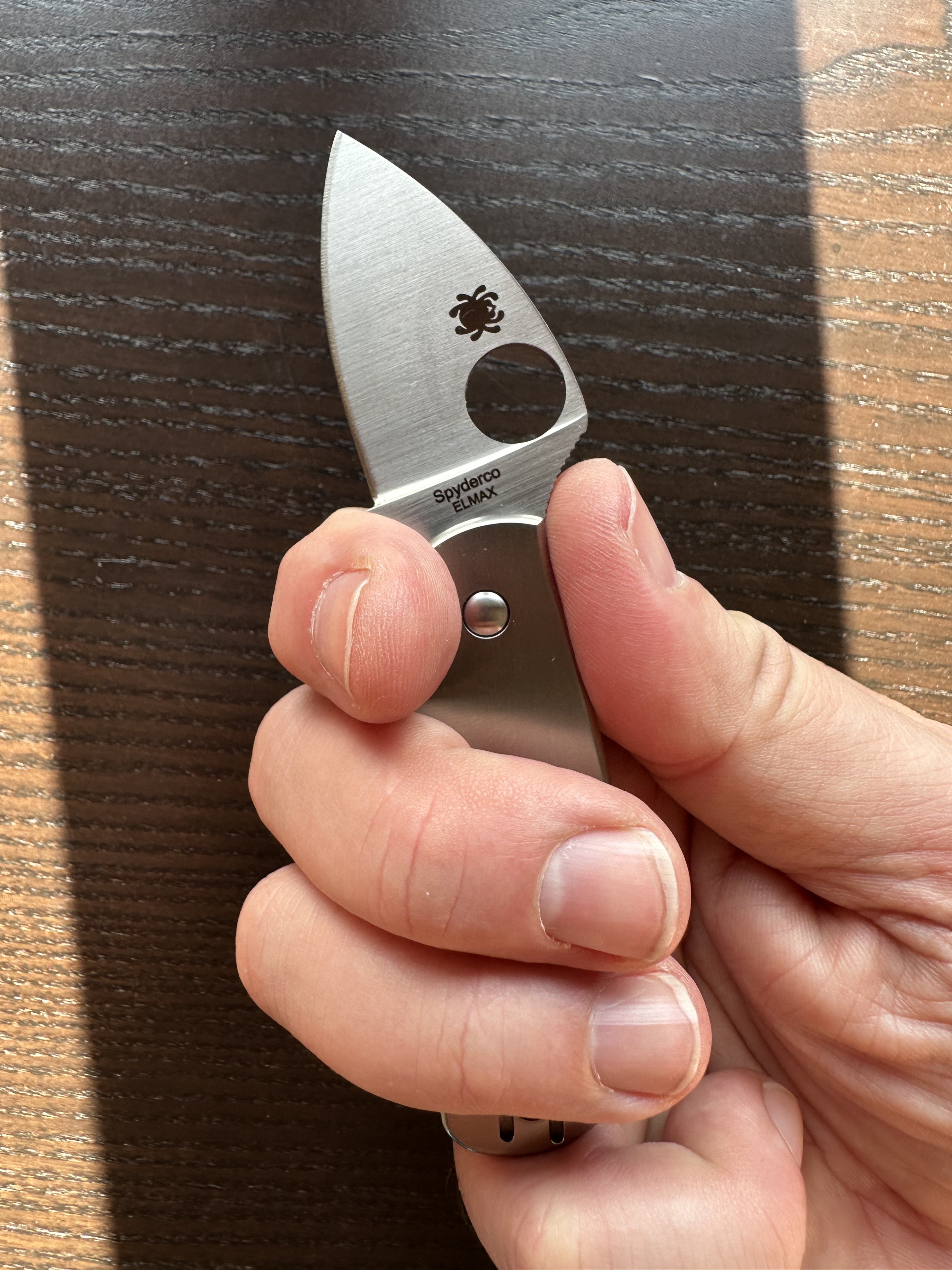
This is a three fingers grip when the Urban is still a four finger grip.
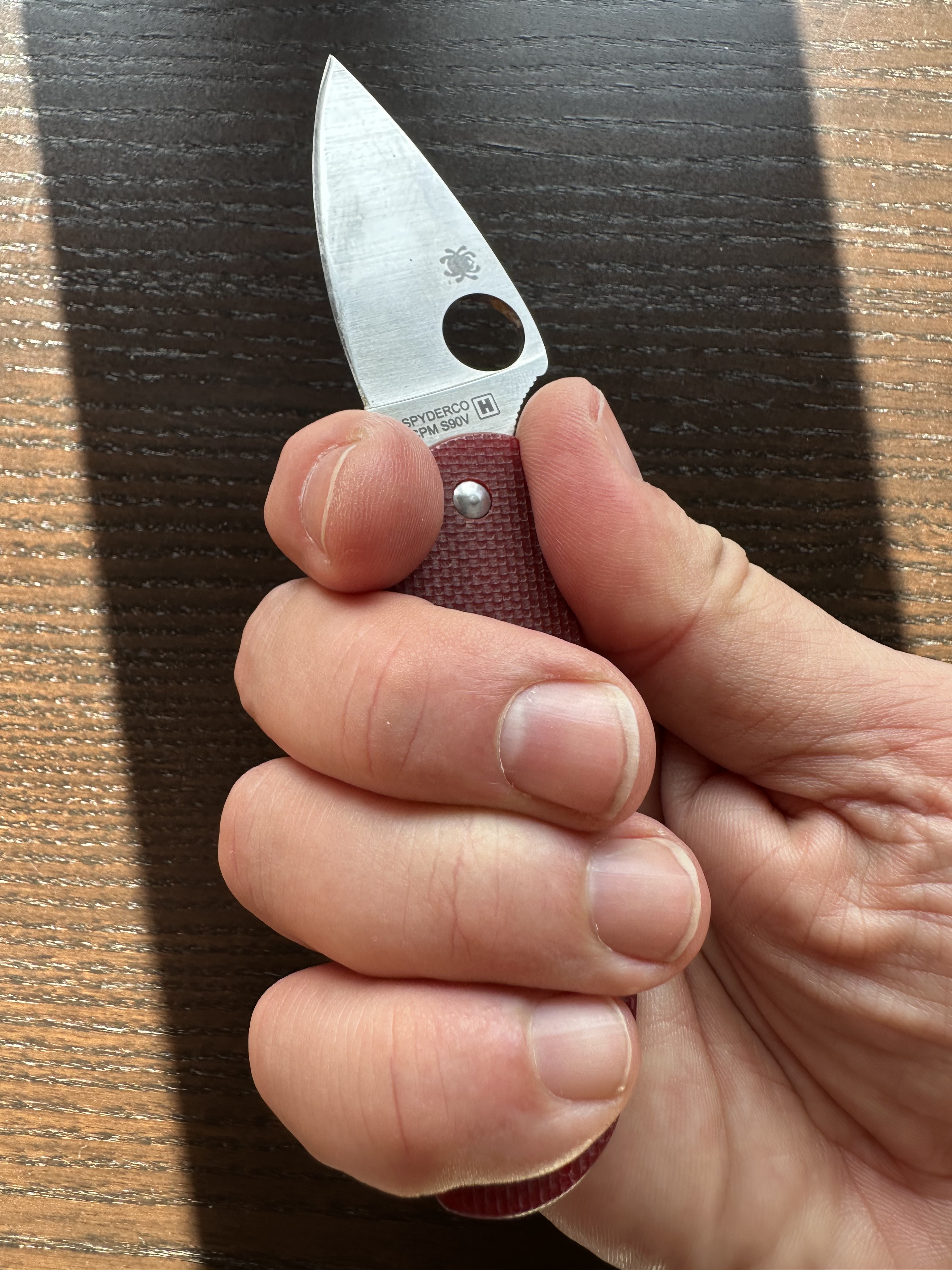
This rare titanium variant stands out as a refined upgrade over the standard Squeak—an elegant evolution of an already excellent design.
I love Elmax steel since my Lionspy. I remember beating the crap out of it and it was really forgiving: no chipping and great sharpness. It is tough for a stainless steel.

Its short blade is full-flat-ground, exceptionally thin at the edge, and employs a slipjoint-style “notched-joint” mechanism: the spring holds the blade open during use and offers resistance when closing.
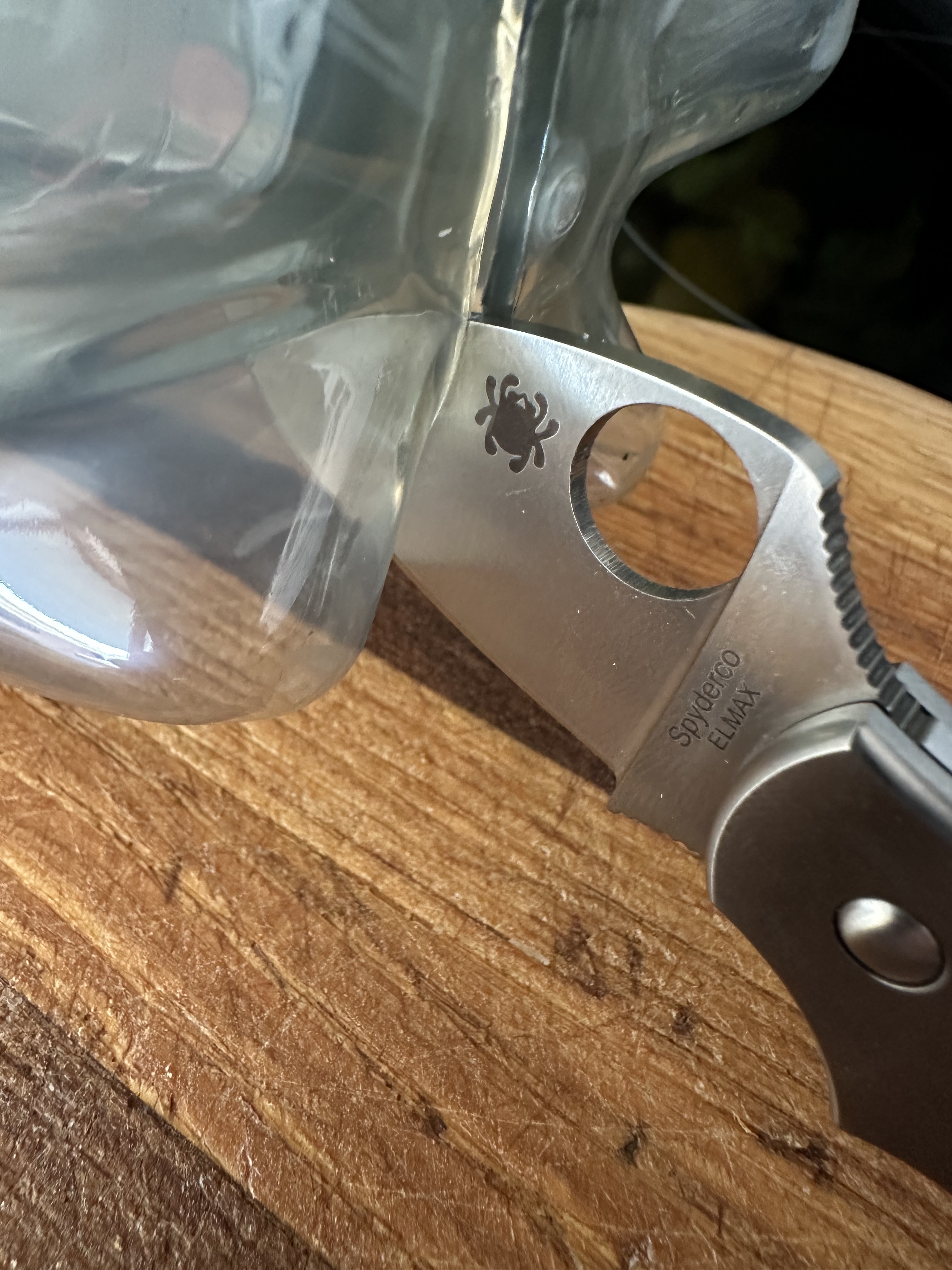
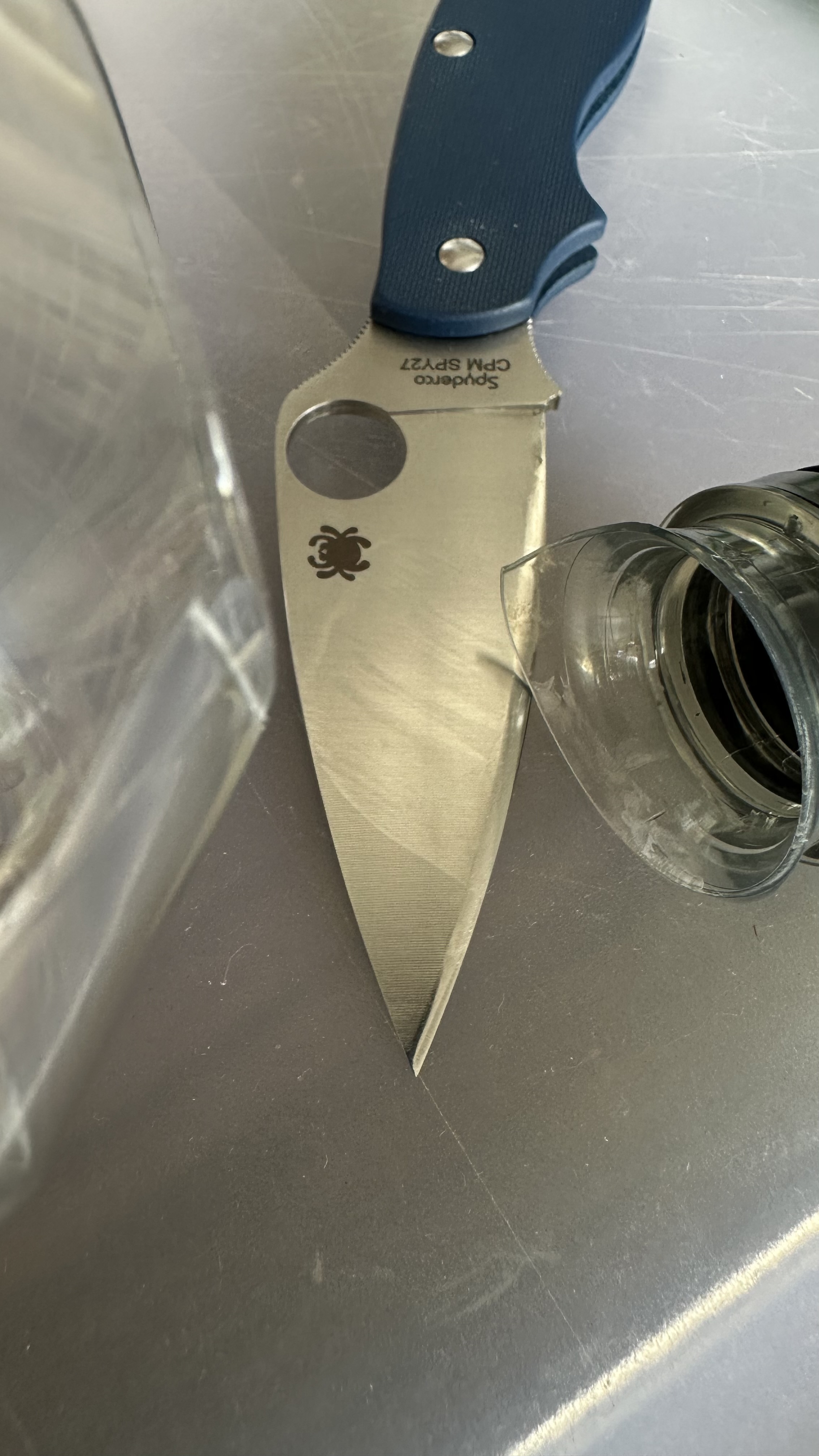
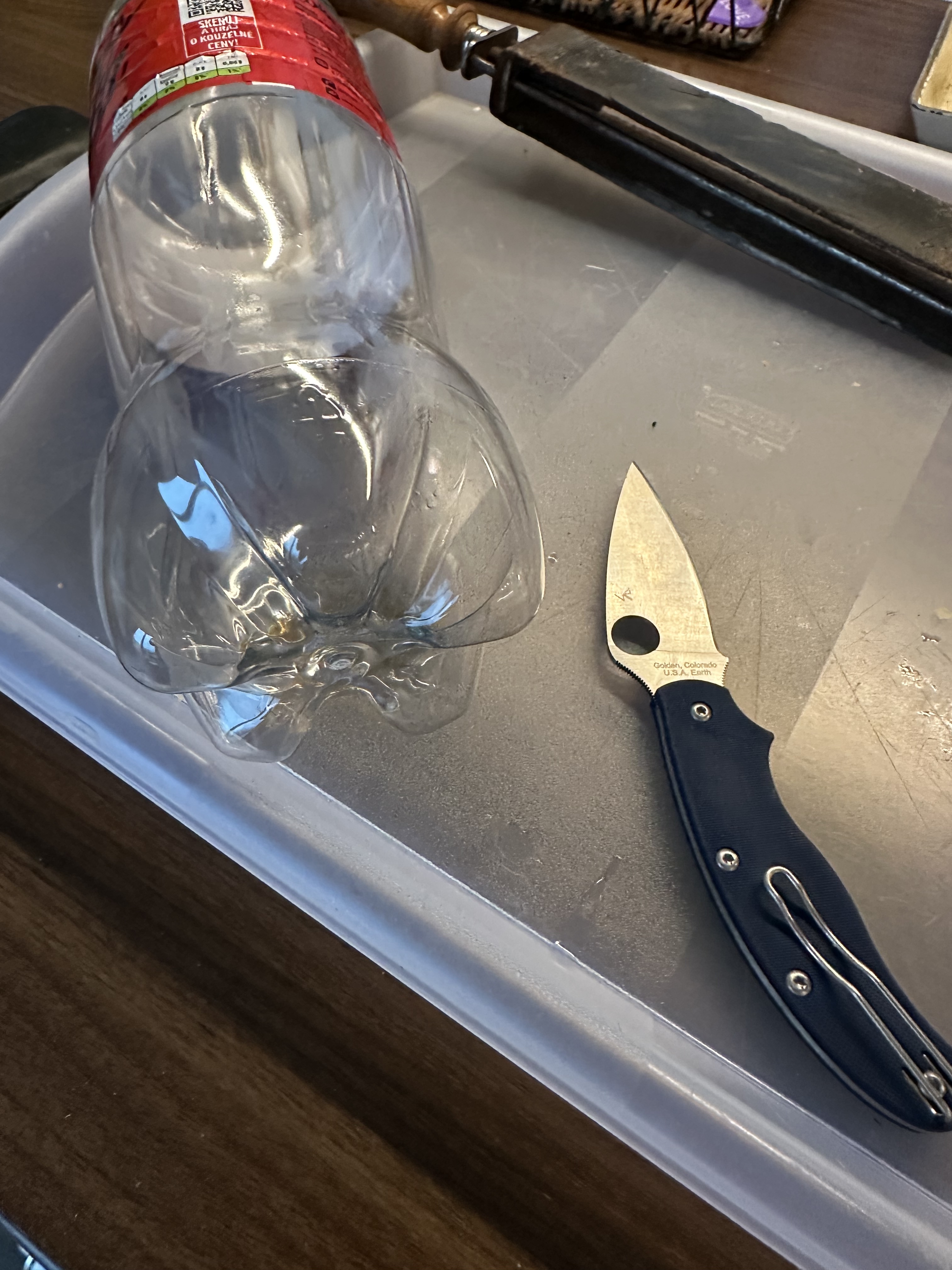
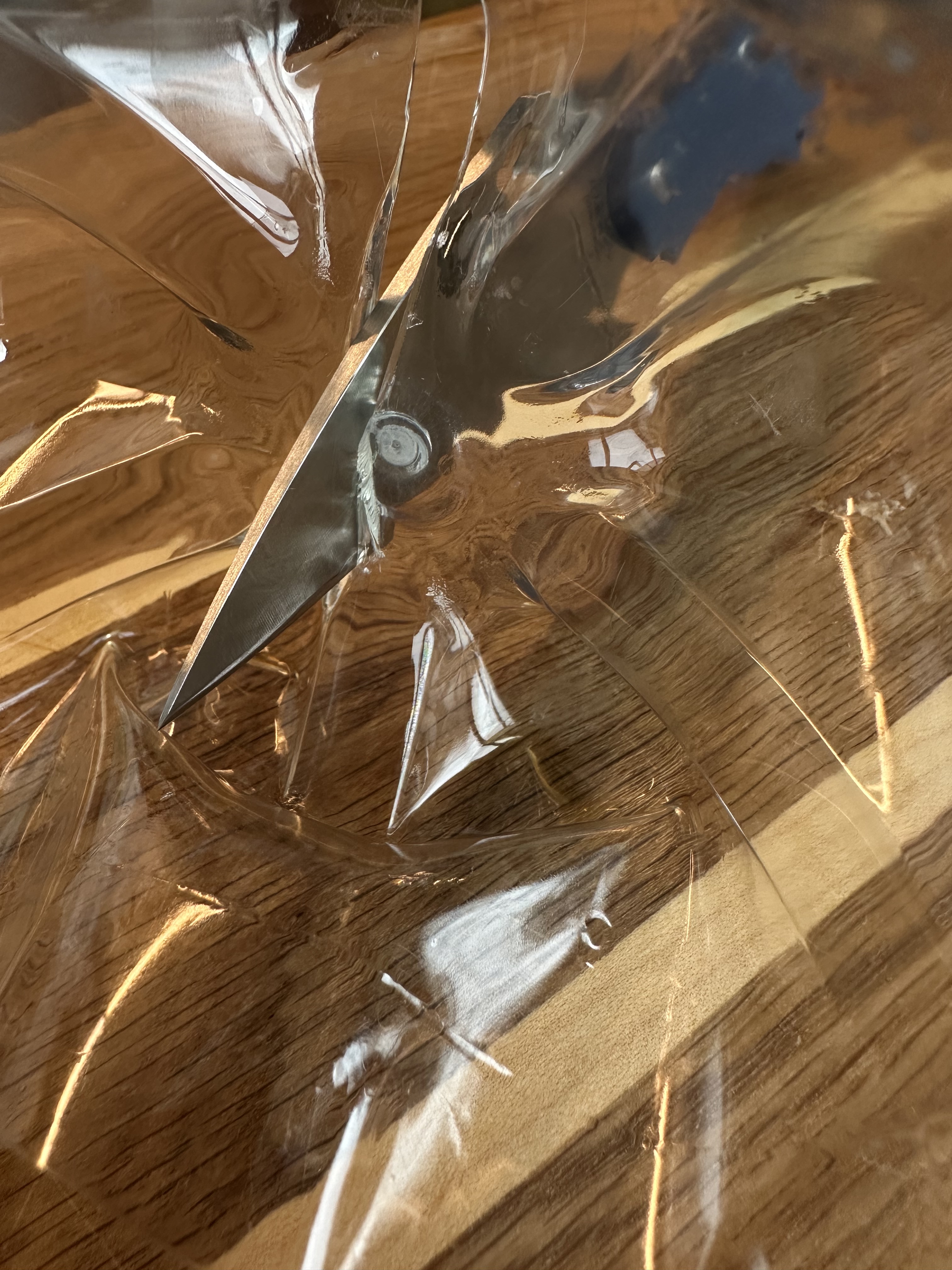
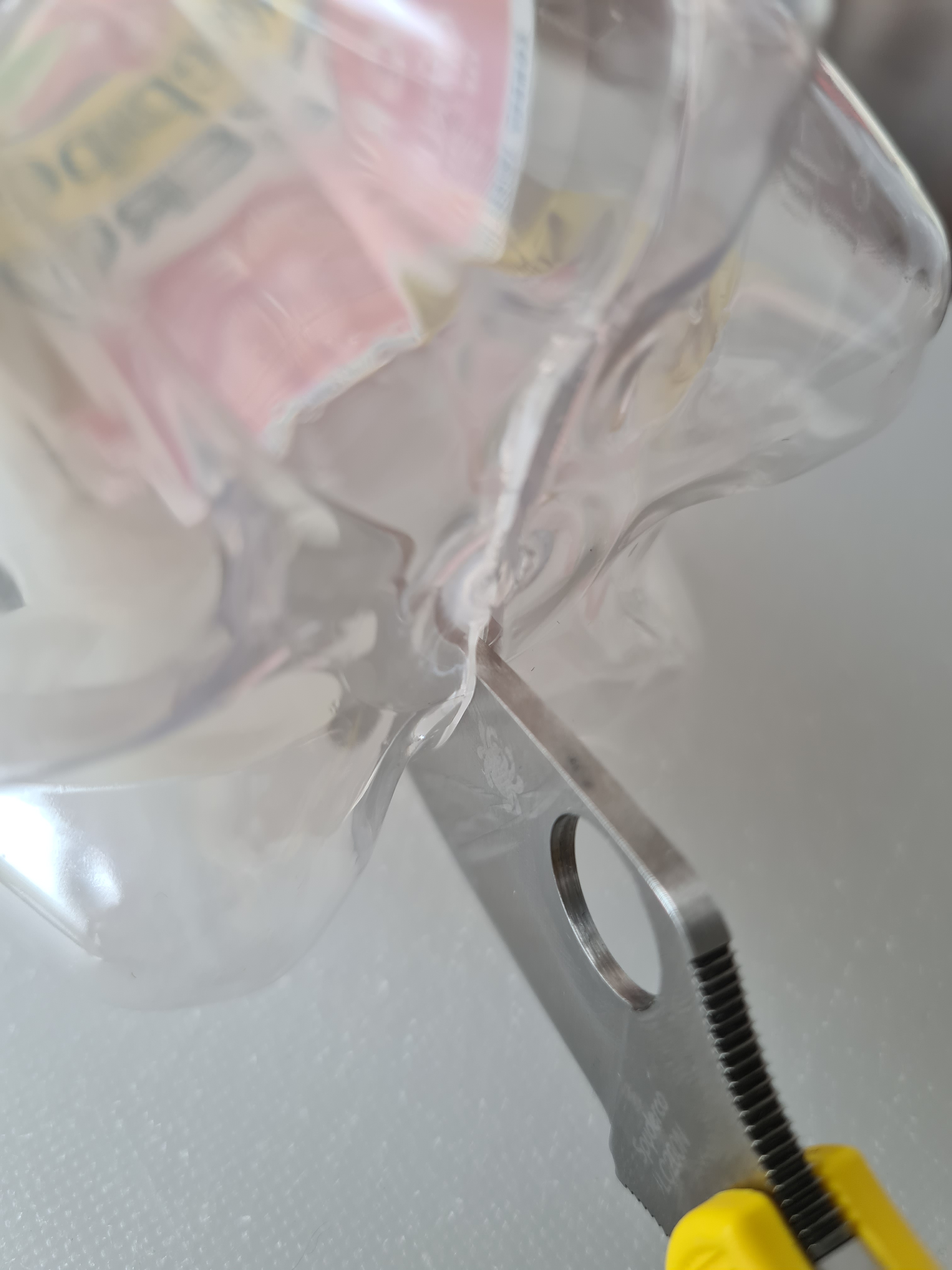
It slice through a Coke bottle butt with its factory edge ! Not many models from the Spyderco line can do that right out of the box.
In practice, performance is outstanding. The small blade slices cleanly through materials such as plastic, wood, ropes and even after extended use—up to a year on my first Elmax Squeak—it remains razor-sharp with only minimal stropping required. Elmax, a rare style among Spyderco knives, is that good !

The Spyder hole and blade spine are the also the sharpest of the family. It could be used to strike some ferro rod.
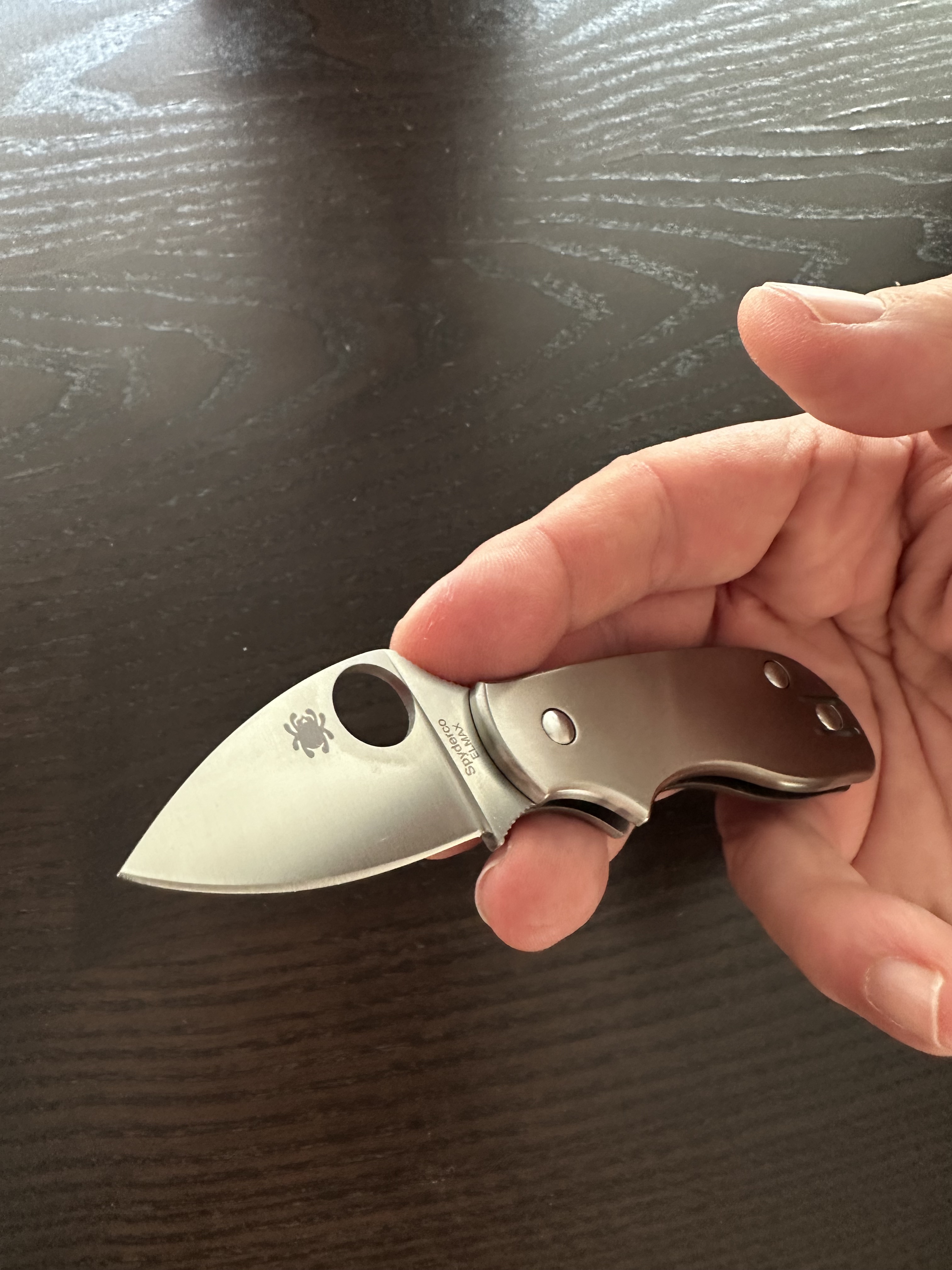
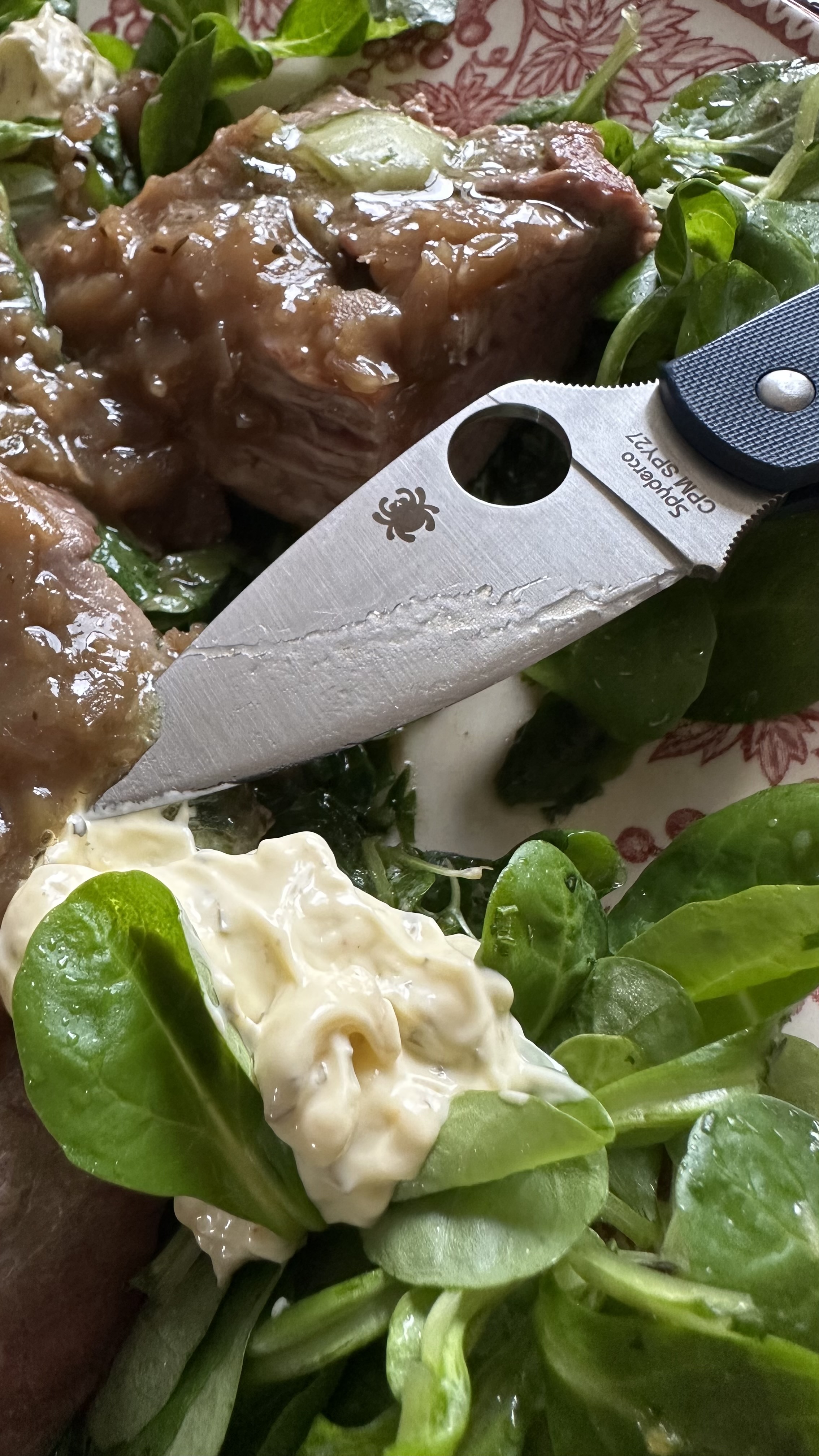
Compact yet versatile, the “mini micro” knife proves remarkably capable for everyday tasks: cutting meat at the table (where the blade’s belly is especially effective), opening tags, breaking down plastic, and more. It also maintains a discreet, non-threatening presence in public and restaurant settings. It makes a great money clip too.


TECHNICAL SPECIFICATIONS
Overall Length: 5.05in 128mm
Closed Length: 3.05in 77mm
Blade Thickness: .118in 3mm
Blade Length: 2in 51mm
Edge Length: 1.75in 44mm
Handle Material: Titanium
Origin: ItalySteel: Elmax (for mine) N690Co (for the FRN version).
Knife Weight: 69 grams (48 grams for the FRN version)
The Squeak in this titanium version is the heaviest of the family.

Le Choix des Armes

  • Blue UKPK – the versatile slicer.
  • Black Metropolitan – the non locking hunter’s companion.
  • Red Urban – the low-profile city dweller.
  • Silver Squeak – three fingers power house.

Each model is reliable, discreet, and delivers outstanding cutting performance thanks to their blade geometry. They shine on the plate and impress with pure slicing ability on the hardest materials (my pastic bottle tests…). Thanks to their relatively strong non locking mechanisms, they also handle whittling tasks—yes, even the Squeak is surprisingly pleasant and powerful against any piece of wood.
And don’t forget, now their slip-joint strength is impeccable. Also each knife comes with a choil, keeping your fingers safe from unwanted blade closure.
Really, when it comes to staying open, Sal Glesser’s four slip-joint designs outclass his excellent Roadie XL—and put Anderson’s COBOL to shame.
Sharp, firm, secure, and reassuring—no surprises when handling these slipjoint knives which are proof that size doesn’t define performance. 😉

Mama Caly can be proud of her slipIt offsprings !

SPYDERCO METROPOLITAN™ LIGHTWEIGHT – C213PBK – The Perfect Hunter Slipjoint ?

Disclaimer: This knife was supplied at no cost by Golden as part of their brand ambassador program. Spyderco’s decision to include this publication is appreciated, though the review that follows remains independent and unbiased.

This is my first glimpse at the middle Brother of the SLIPIT™, the Metropolitan.
Made in Maniago. It is an Italian Spyderco.
Un altro piccolo grande coltello !

It is the second Spyderco Slipjoint in M398 after the Roadie XL which I use a lot !


It is made in Maniago like my Heinnie Urban and it is a pure Sal Glesser design.
The blade comes razor-sharp straight out of the box. The factory edge is excellent, though I know it can be refined just a touch on leather. It’s a very thin grind—thinner even than on my Roadie XL. While M398 isn’t as leather-friendly as SPY27, it can still be brought to a high polish, as I managed with my Roadie XL after breaking its tip.

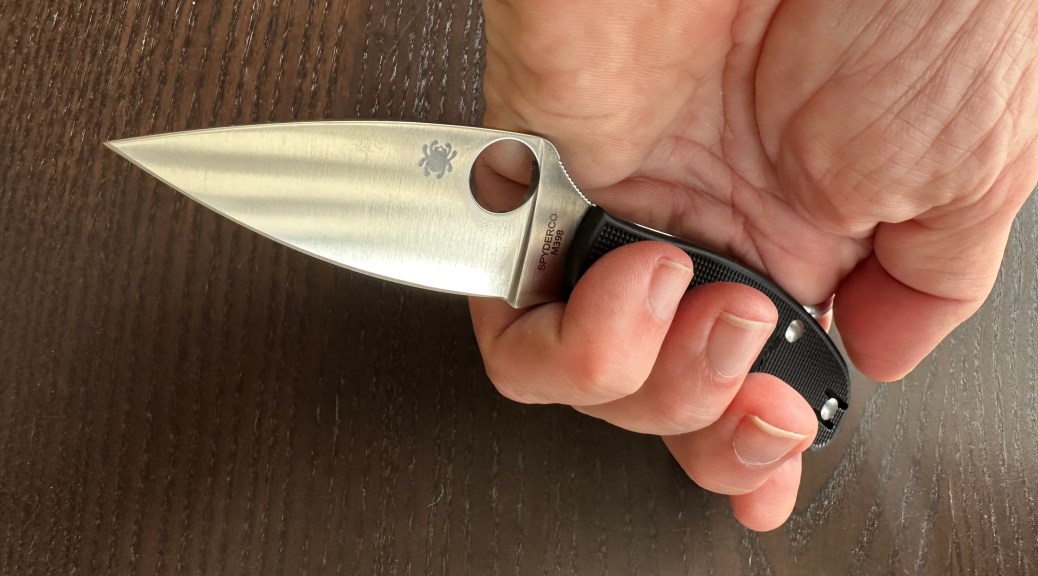
Being slightly longer than the Urban, the Metro’s handle comfortably fits four fingers when using the choil. This choil also adds an important safety feature, preventing accidental closure on your fingers. The choil-hump combinaison—acts like a guard, directing cutting force straight into the blade while relieving stress on the handle and pivot.

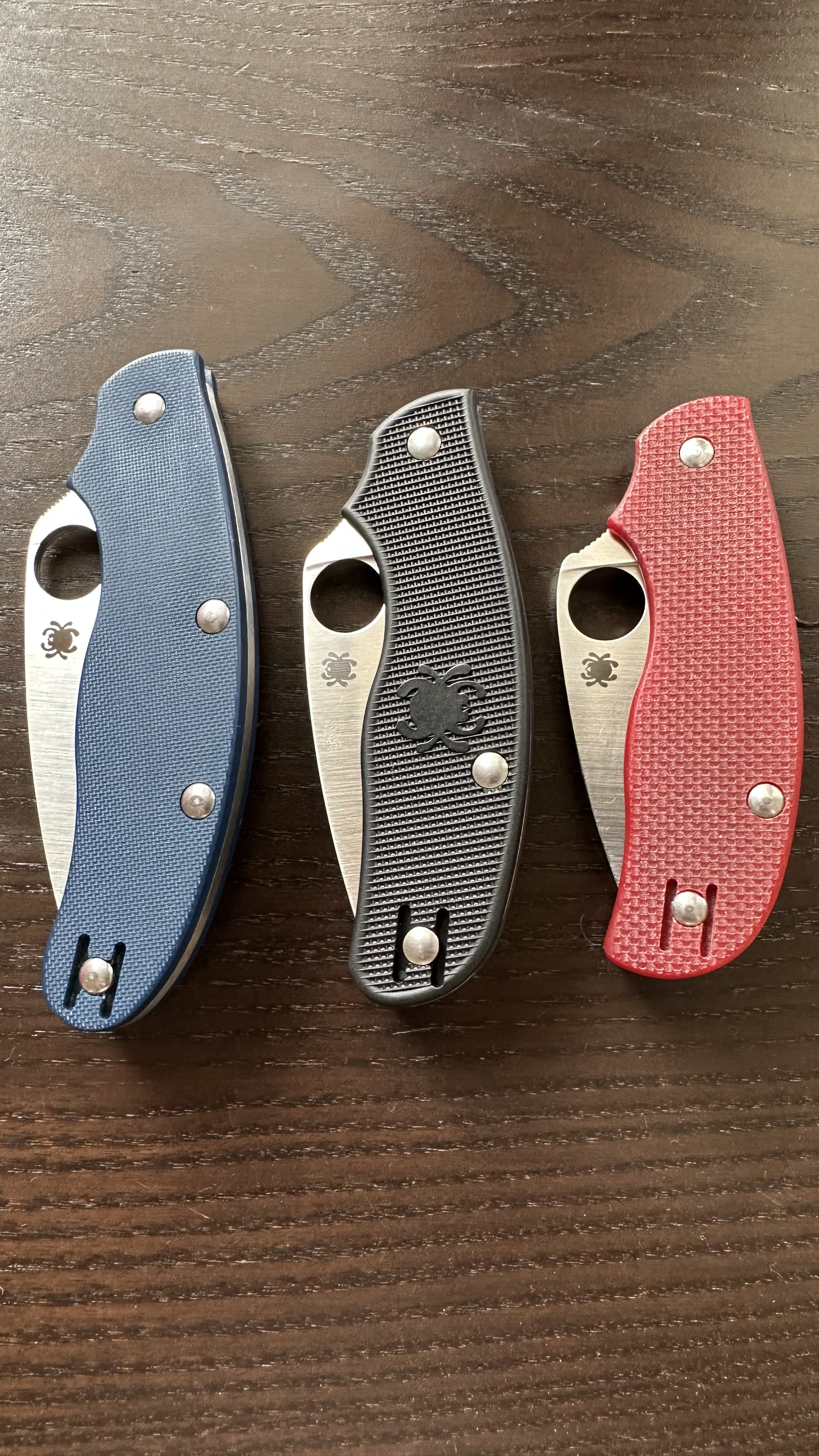
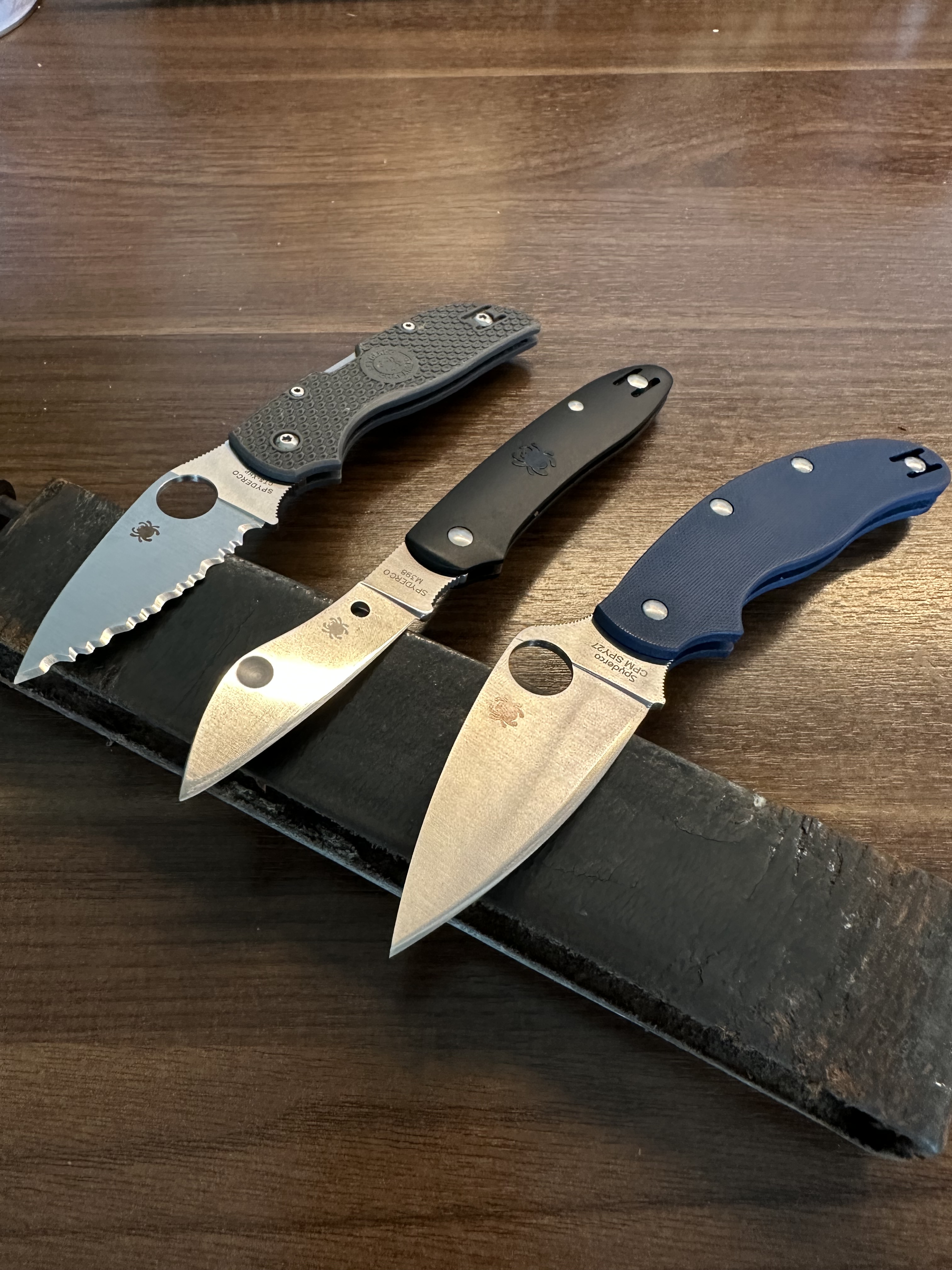
“Metro In the Middle” pictured: the G10 SPY27 UKPK “Golden Child”, the Metro and the Heinnie G10 S90V Urban.

To quote my friend Wayne Thomas Heywood Adamson: “So now we have a middle ground between the UKPK and the Urban. I was surprised when the Urban shrank in size but that was clearly now to make room for the Metropolitan.”

(Made in Golden – Maniago – Maniago.)
The 68mm Metro’s blade thickness measures 3 mm at the spine, with a full flat grind in a leaf-shaped profile. By comparison, the longer UKPK “Golden Child” comes in at just 2.5 mm, which makes it the undisputed king of SlipIt designs. That said, opting for a slightly thicker blade in M398 is a sound choice. M398 is not known for its toughness—certainly less forgiving than Spyderco’s in-house CPM SPY27 alloy—so the added thickness provides welcome reinforcement.

The S90V Urban is 2,9mm !

And the Roadie XL is 2,8mm

Making the Metropolitan the thicker of the wild bunch !
By an hair !

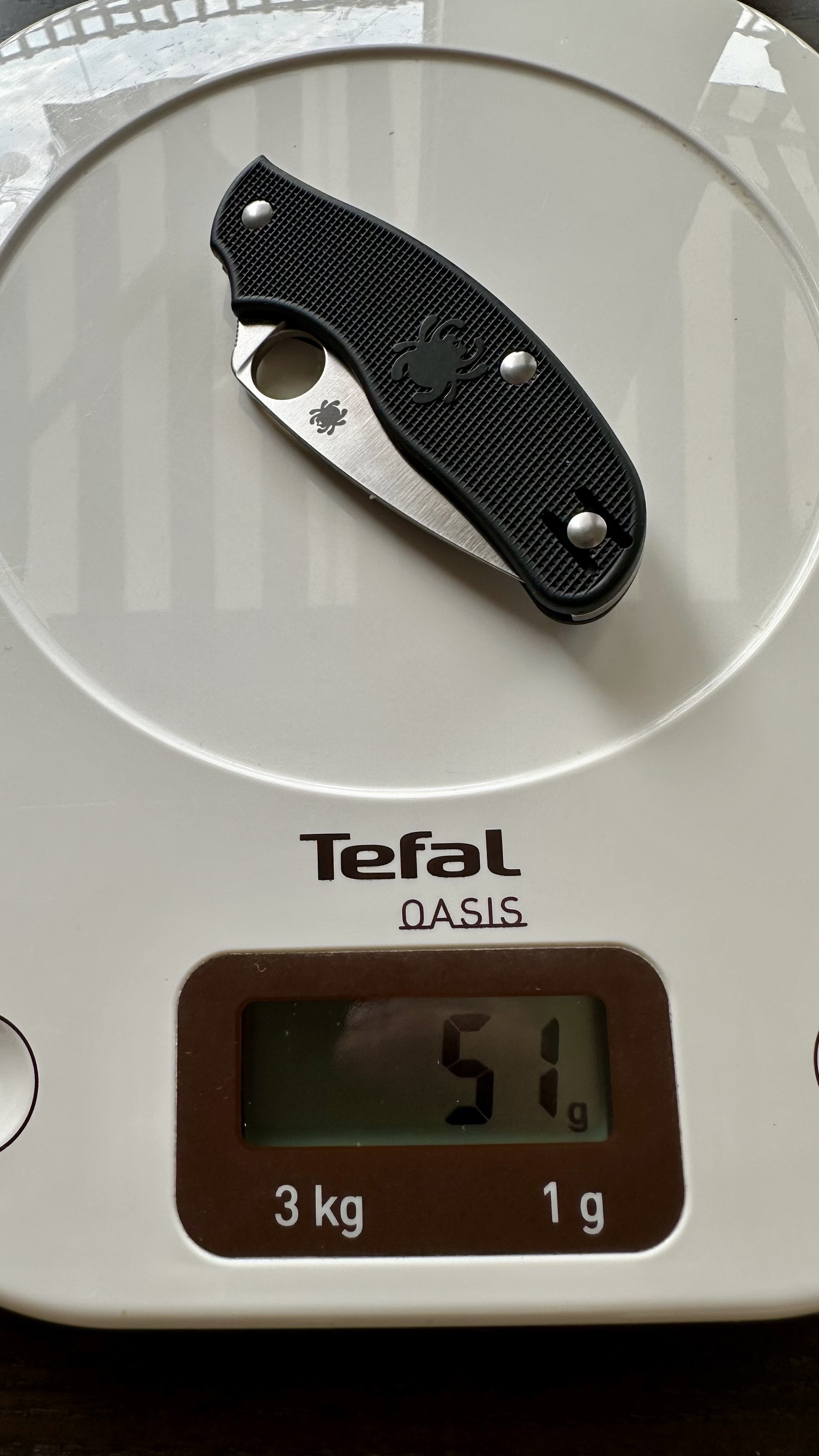
Now about the weight…

At 51 grammes it is really light in the pocket.

The action is very good. It is as strong as my Urban and UKPK. perhaps a bit less hard to close but this is not really an issue.
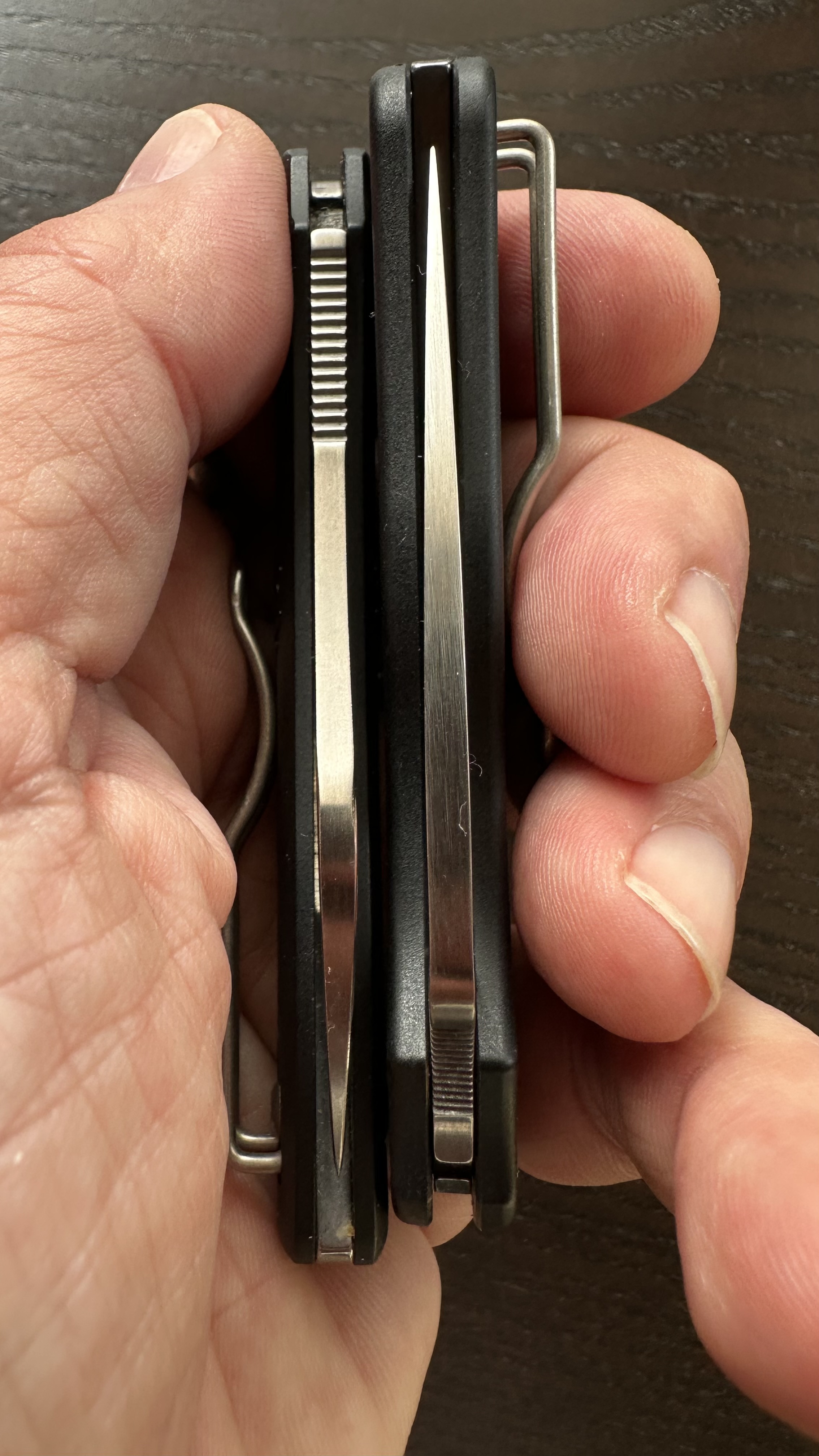
I have noticed the Metro’s back is a full spacer/spring construction like a G10 version (when the UKPK FRN Salt is not for example.)
It does not share the same “fork” spring of the UKPK but the same slipjoint mechanism as the Urban.
You can feel the spacer moving up when closing.

So what can we expected from this Metropolitan compared to its siblings?
A little more room for your fingers. The Urban and the Squeak are three fingers knives, the Metro and UKPK are four fingers.
This is also an opportunity to showcase M398 in a high, full-flat-ground, thin blade. The Roadie XL’s narrower profile already favors cutting efficiency, and the Metro builds on that. In terms of edge retention, M398 belongs in the same category as S90V—a steel I know well from my Urban model, where securing an exclusive sprint run was a real challenge. With the Metro, however, M398 is now part of the regular production lineup, offering users a true “super stainless” steel in an accessible package. But beware M398 does not like torsions, like my Walker in ZDP189 which has been able to survive all those years.

The Metropolitan could really be a major upgrade for my Italian Hares Hunter in Tuscany. For the record, skinning game—especially dealing with hair full of sand and dirt—puts a significant challenge on edge retention. Hunters typically don’t use their knives for woodcraft; their main task is working on hares and similar game. In that context, a blade of 68mm in M398 could offer a real advantage.

The Metropolitan—easy to carry, legal in many countries, and made of stainless steel—could be the perfect hunter’s SlipIt, which is great news for many of my friends.

Six months with the Golden Child – Spyderco -C94GCBL- UK PENKNIFE™ COBALT BLUE G-10 CPM® SPY27® – The Part 2

I have had the chance to buy that UKPK in G10 for 100 euros in January 2025.
Since, it has been my “go to the city” favorite folder.

Sometimes replaced by the Roadie XL for a lower profile or Dredd my Urban in S90V made in Maniago and exclusive to Heinie in the UK.


The UKPK is remarkably versatile, proving itself even in woodworking. Its strong, reliable mechanism keeps it ready for anything — all while remaining fully within legal limits. Stripping vines, carving rods, scraping, cutting — it handles everything with ease. The spring “lock” never falters, and the finger choil adds an extra layer of passive safety, even if it’s rarely needed.

Its thin yet strong CPM SPY27 blade is a true joy to use on wood. In this domain, the UKPK stands out as one of Spyderco’s best hidden gems across all categories made in Golden. And if I ever had to defend myself against an animal, I believe it would perform every bit as well as the legendary Calypso (all the story here).

The tip has seen plenty of use, and all I can say is that Spyderco’s in-house SPY27 steel is extremely forgiving. You can push it hard with no damage to the edge. I’ve compared it with many of my favorite wood-cutting knives — including some specialized for woodworking — and it performs impressively in the same league.

One way I now measure the value of a pocket knife is by the pleasure I get from using it. The UKPK easily ranks among the top on my list. Strong, thin, and precise, it excels as a true “matter separator,” handling everything from everyday tasks to more demanding jobs like scraping paint.

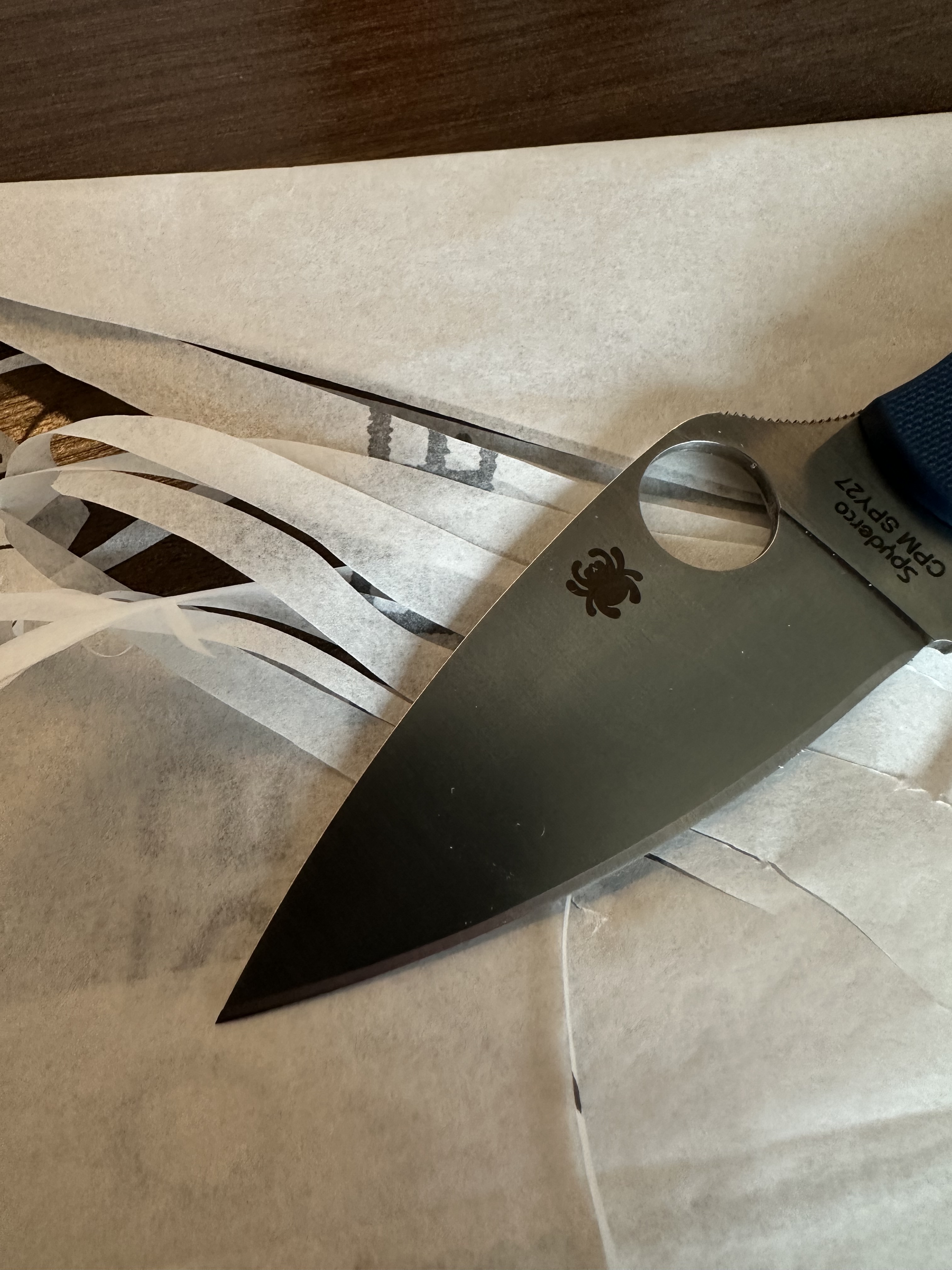
There’s also a distinct joy in keeping the edge razor-sharp, and SPY27 has become my new favorite for that. Achieving a razor edge is a breeze. Being in the AEL-B class, it’s even easier to work on than Magnacut and is extremely leather-stropping friendly. After just a quick session on leather, SPY27 regained that legendary crisp edge — and it’s such a pleasure to use!

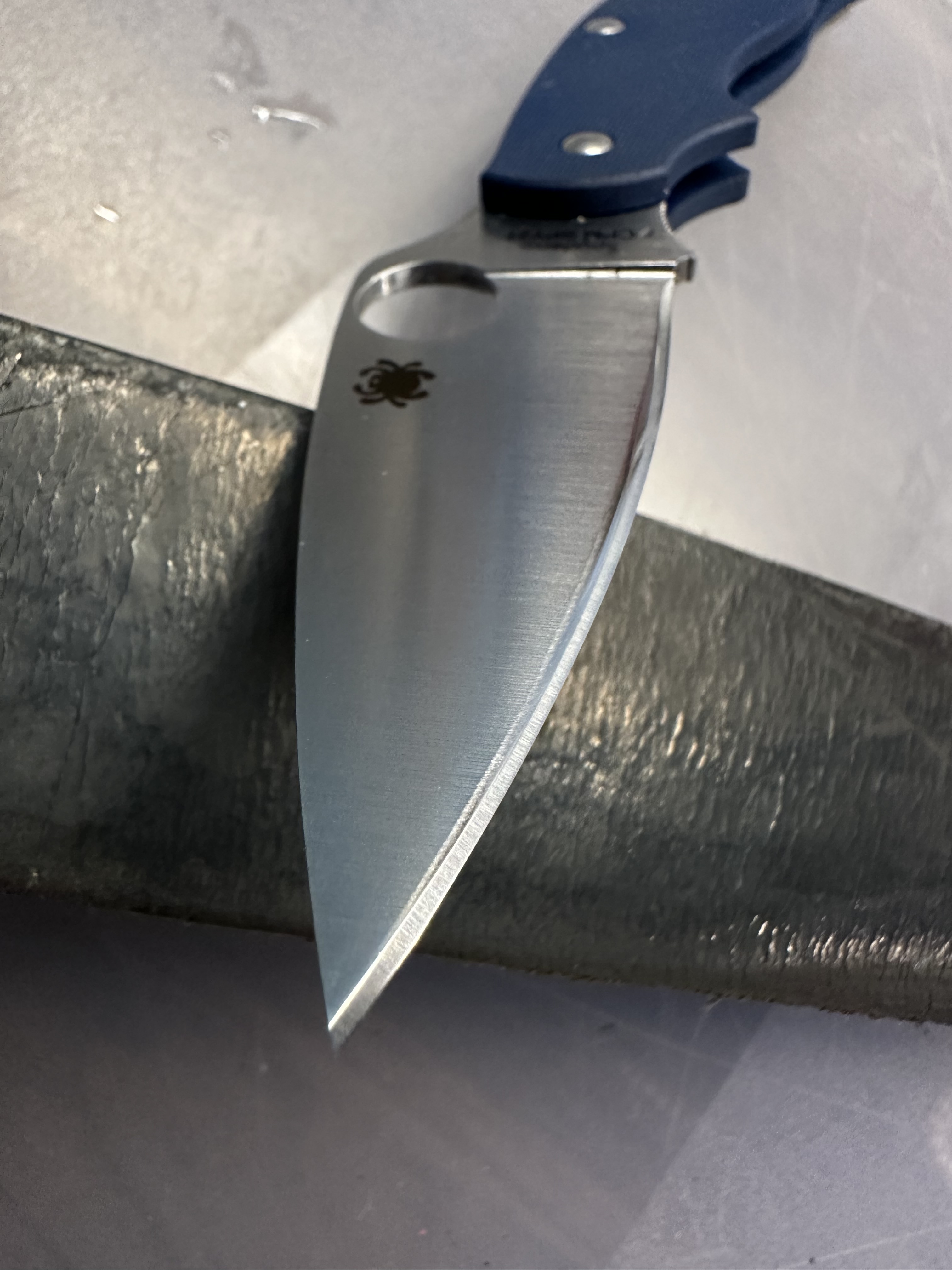
Hairs are flying and the convexed home made edge is shining like a mirror.
This is really part of the joy to use leather strops on a steel.

So it is a joy just to strop it again and again just to maintain this razor edge.

Then for forced push cuts, the geometry of the UKPK is just a killer.
It goes deep like a thin Opinel blade can go.

To keep the knife sharp, I’ve mostly relied on leather stropping, with occasional touch-ups on white ceramic, even after cutting cardboard, plastic, acidic food, and hard wood. The UKPK in SPY27 is a winner, offering a significant boost in edge retention and versatility. Maintaining its vorpal edge is even easier and more enjoyable than with the excellent Magnacut or LC200N versions.

It’s no wonder this steel has earned such a special place in my heart.

And I was not able to get any chipping or edge bending in six months.
It gives an hint about the high quality of the inhouse heat treatment on that inhouse steel.

Used in the plate, the SPY27’s core refused to be damaged:
no pitting, no rust, no stain. No damage on the plate ceramic too.
It a gourmet companion and a wonderful carnivorous friend.

In the kitchen, geometry-wise, the UKPK can compete with the best — for example, the Patrick Bonetta Kitchen Warrior. The G10 version is also a visual delight. I never felt “under-knifed” with my Urban, but the UKPK could easily be my one and only Spyderco. A three-inch, legal, high-performance sharp blade is a must-have for EDC, and such knives are surprisingly rare.

This is 100% Sal Glesser design. This Golden-made gem is the all-terrain pocket knife my grandfather would have dreamed of!
Hence its name The Golden Child. 😉

For an alternative you can now get The Metropolitan. Its little brother.

Spyderco -C94GCBL- UK PENKNIFE™ COBALT BLUE G-10 CPM® SPY27® – The Blue Djinn Who Loved Leather.

This is not the first UKPK I have reviewed in this blog. I was a very early adopter of this Sal Glesser’s approach of the modern slipjoint all made in Golden Colorado.
Some of my favorite are the Salt Versions in FRN: the Green LC200N and the Yellow CPM Magnacut. I even think, the serrated version of the Magnacut version could be an amazing legal travelling knife.

But they are FRN versions. I like FRN but I do love G10. Better, I’m a sucker for sanded G-10. Hence my love for the Heinnie Urban and its non-slip peel-ply texture.
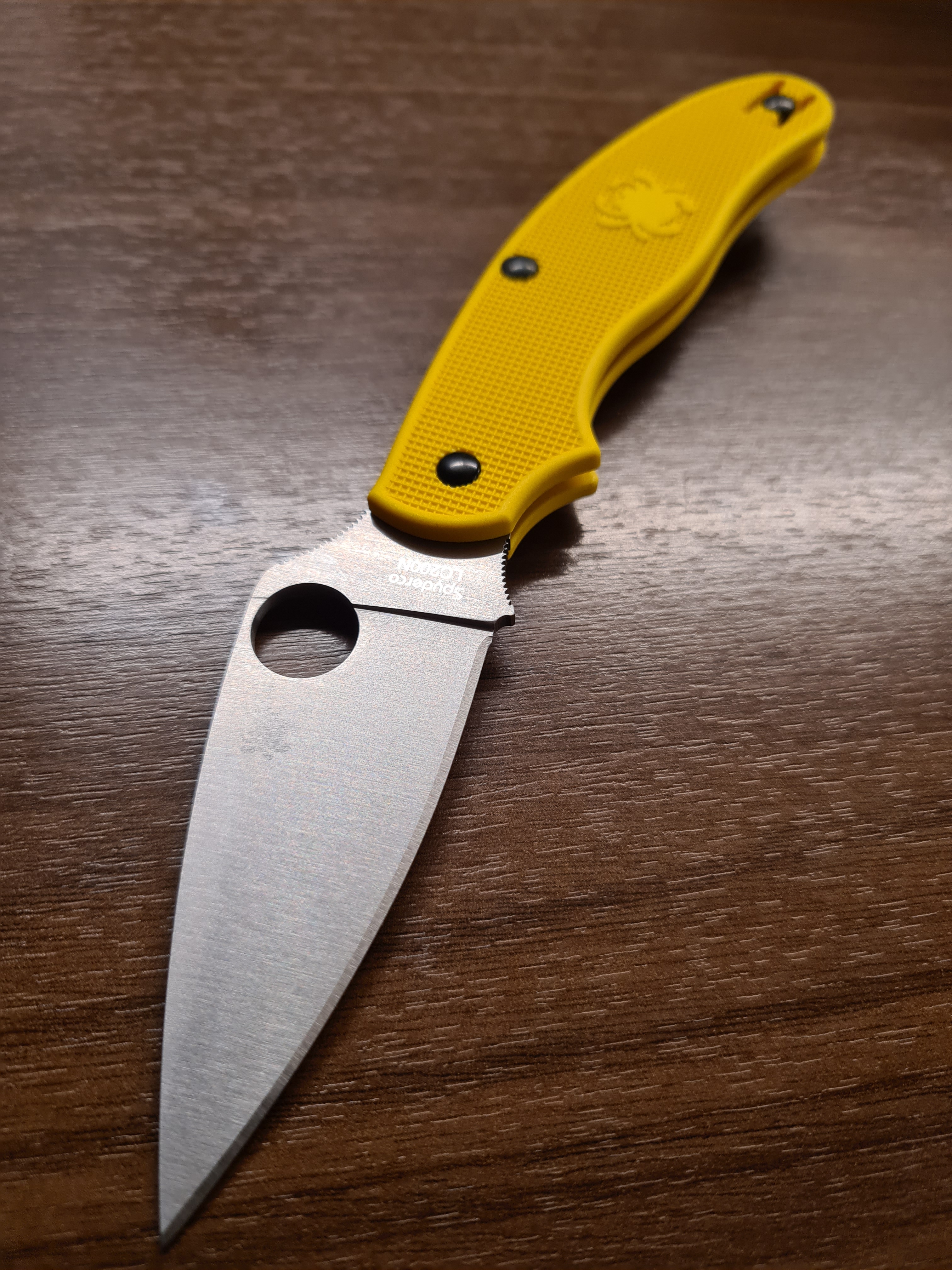
At first glance the satin-finished CPM SPY27 blade and signature cobalt blue peel-plytextured G-10 handle scales are juste gorgeous. Here are the full specs on Spyderco’s pages.

Like the Heinnie the skip joint got a strong mechanism. It is really a pleasure to feel this resistance which was totally absent from the very first drop point UKPK a decade ago. (Picture from Mr Blonde, Spydercollector site)

So far, I cannot imagine my self opening it with a flick like I was able to do on the LC200N FRN version. The Spring here on this G10 version is much stronger.

Let’s do some size comparaison. The UKPK is one of the long Slipit in Spyderco’s collection. It is almost a slipjoint Caly, even longer than a Chaparral. So you really don’t feel “underknifed” when you carry it in your pocket as your only EDC. It is also really handy and practical as a kitchen knife. The best thing is that this design keeps its blade length legal in most countries.

For cooking I often use a Native Chief.

The long leaf shaped blade is a must in the kitchen almost idea. It is pointy enough and its is enough for vegetables. Most of the works done in the kitchen like peeling potatoes, cutting oinions, you name it, was always done with a short full flat ground knife like a “Nogent Couteau d’Office”.

Something about the G-10 version is the spring/back spacer closing the handle of the knife when the FRN got an open handle easier to rinse.
But it is much more gorgeous and with a stronger spring for sure !

It also gives a little more heft to the knife. 48 grams for the FRN and 63 grams for the G10 version -> 31,25% heavier to be precise, almost a third ! But I do really love my heavy butt knives since my Schrade Sharpfinger.

Now this is my first CPM-SPY27 knife. Spy27 is a alloy recipe created in house with Crucible exclusively for Spyderco. It is a CPM ! So this is a premium super steel compared to VG10 or N690… In short it is a American Powder Metallurgy version of the Japanese VG10.

In Sal Glesser words:
“We offer many steels for several reasons;
1) We are Steel Junky’s (even Edge Junky’s) and we like to experience the different flavors and we try to do that.
2) We believe that many of our customers are also Steel Junky’s (even Edge Junky’s) and they too get to experience and play with and “taste” as you say, the many options.

I wanted a USA made “tweaked” version of Gingami 1 by Hitachi and after some effort with Carpenter, we have a powdered USA made steel called CTS-BD1N Which is a refinement of Gingami 1. I wanted a USA made “tweaked” version of Takefu’s VG-10 and now we have a powdered “tweaked” SPY27.

Carbone1.25%
Chrome14%
Molybdène2%
Vanadium2%
Niobium1%
Azote0.1%
Cobalt1.5%
Manganèse0.5%
Silicium0.5%


There is a very nice analysis in Knifesteelnerd and discussion here: https://forum.spyderco.com/viewtopic.php?t=94182

However, it should be noted that the SPY 27 Larrin used for testing was not heat treated by Spyderco. Some minor differences between Larrin’s heat treatment and Spyderco’s heat treatment can probably be expected. That being said, Larrin is the best source of consistent, objective data and metallurgical interpretation for steel comparisons.” To quote Karl_H in
https://forum.spyderco.com/viewtopic.php?t=87383

“SPY-27 will hold the fine edge longer… Its all about the stability of the fine edge, not the total wear resistance until fully dull. In this regard, SPY-27 can do what other stainless steels cant.” to quote Submicron in the same thread.

I am aware that Cobalt’s dust can be an health issue. Of course Rex 45 and Maxamet (10% of cobalt, 1,5% for SPY27) are the heavy weight steel in their tool steel category but the Spy27 (like VG-10), like all cobalt alloys needs to be carefully cleaned after a sharpening process.
(Cobalt may cause an asthma-like allergy. Future exposure can cause asthma attacks with shortness of breath, wheezing, cough, and/or chest tightness. * Cobalt may affect the heart, thyroid, liver and kidneys. * Repeated exposure to Cobalt dust can cause scarring of the lungs (fibrosis) even if no symptoms are noticed. According to https://nj.gov/health/eoh/rtkweb/documents/fs/0520.pdf)


Let say SPY-27 is in the same club as the S35VN steels in terms of performance and it especially loves fine ceramic and leather stropping. It gets easily a very crispy edge like VG10 or BD1N . ( Steel which are “leather super friendly” are also LC200N, 52100, VG10, AEB-L… )
This is a must and a real pleasure for me as I keep my knives sharp mostly with leather. A touch up and it makes flying hairs from my arm again.
And it seems true so far. I have not deshouldered the edge yet and intend to use it with the factory edge for some times but leather made it hair popping sharp. (Once deshouldered it is a straight razor with excellent edge retention… much better than S30V).
To quote Sal:
“SPY27 for some reason, seems to be punching above its weight.”

No crossroads, this Blue Djinn loves leather like the Bill Moran FB01 in VG10 loved it.

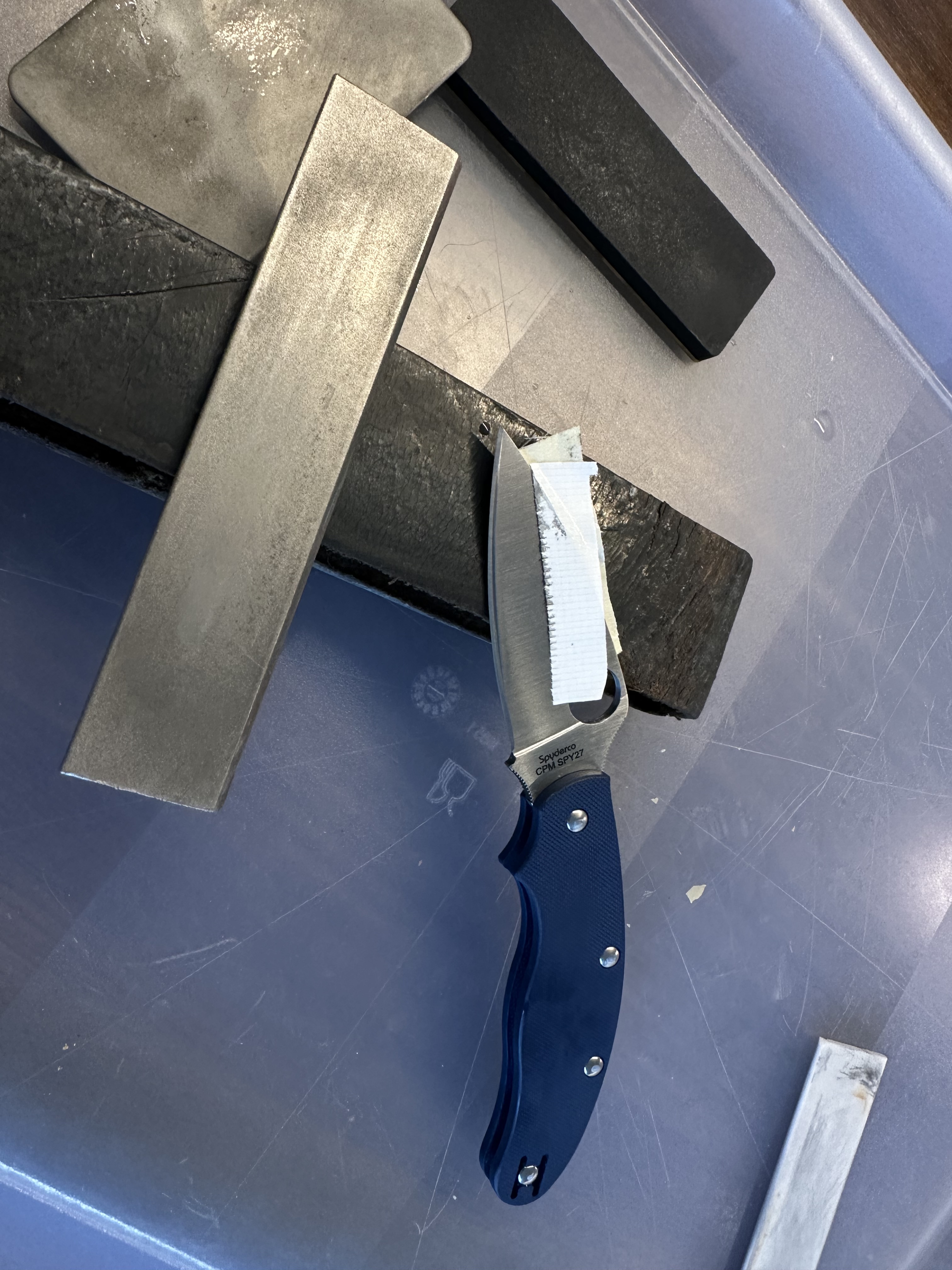
No need to use diamonds unless you want to reprofile the blade or round the shoulder then don’t forget to rinse the blade and to clean any dust.
But talking about dangerous dust, I have sanded the scales to preserve my pockets. Never breath that dust !!! Do it under water or wear a mask.
I got a neighbor who has been working around that kind of heavy dust and now he is breathing with two tubes in his nostrils. So be careful with your health.
This Blue G10 got a very nice texture under the thumb like some denim, textil like. It is really pleasant, almost like some Micarta found on the QSP Penguin.

So when you sand G10, just go outside in the wind or work under water. You don’t want to breath G10 dust made of fiberglass and epoxy.
Just rinse it under the tap to have it back to normal.
Once tuned at your hand, G10 is a very very nice material.

As you can notice the scales are even thicket than the blade and the blade is perfectly centered.

There is the famous middle/half stop when closing or opening the knife. It works like a safety measure. This knife is harder to close than to open.

The UKPK is a very ergonomic knife. It feels like it melt in the hand. It is so confortable for heavy cuts. Because this blade can work hard with zero play.

The “pistol grip” is common in many Sal Glesser design like the Endura or the Military. It is much more pronounced on the Massad Ayoob.

No hotspots for me a very safe handle, really, this lil slipjoint is screaming to be used hard.

It is even confortable edge up.

With the Roadie XL. Another great Slipit with a very low profile, almost like a pen in your shirt pocket.

And the mighty Chaparral serrated. Two of Sal’s best designs. Two wolves in sheep disguise thanks to their thin solid blades.

I have decided to de-shoulder the edge for a gentle convex result in the middle of the belly.

My old leather with some polish compound is ready again to smooth the edge to razor level.

Because I want a better touch on the leather, I usually keep the normal edge at the point to keep material there and near the ricasso as I use this portion for special shores like removing the aluminium cap on bottles.

The Coke Bottle Butt test is passed with flying colors. As you can notice the plastic is 3mm thick. Not a single scratch on the blade.

So what do we got so far ?
A master piece of knife design by monsieur Sal Glesser with a strong construction and state of the art in-house alloy serving a thin blade and an ergonomic handle.
My advice: try to grab one before they disappear, it seems that G10 version is not here to last and it is really a sapphire: a true blue jewel !

Spyderco UK Penknife Salt – All terrain slipjoint Part II

Prologue: “Seeing what I believe.”
On one of the social networks an happy owner of a new Spydiechef in LC200N steel (like the UKPK) was displaying some pictures of his new acquisition. And there go the comments, mostly to congratulate him and share experiences… when I have noticed some young guy’s: “Too bad this knife is provided with a steel softer than the wooden board it is displayed on.”
I thought to myself: could LC200N have a reputation of being soft ?
Immediately I have checked the Rockwell of Spyderco’s LC200N found on various sites and apart the LC200N Mule being at 56 HRC, it is known to be currently at 58 HRC.
So I have asked to young guy (very proud of its REX45 collection) what LC200N knife he has had such a bad experience with, sharing with him my own mostly excelelnt experience with LC200N I own.
After a very long passive-aggressive answer from him (we know how people are such a d1ck with a keyboard under their fingers…) about how he was so knowledgable by just watching videos on youtube he then wrote me that he had never owned any knife in LC200N.
So eventually this guy was pissing on the parade with zero knowledge of the subject. It is typically the kind of behavior we can notice on the social networks those days. Some so called “experts” don’t believe what they see but only they only see what they believe. The armchairs specialists are long disappeared and here comes the arrogance of the “believers”.
This is the plague of our time: not being your own source. Not checking twice. And not experiencing first hand what is put as a statement.
This is some kind of Reign of Assumptions with its digital garden where flourish fake informations in all subjects. This is not something to be taken lightly. And the only cure is being your own source then read, check and cross opinions.


Anyway…
Is LC200N as soft as wood ? Certainly not. It is even much better than H1 in terms of edge holding. (H1 being the other steel on the Salt Serie).
But H1 is excellent on serration blade, as it is getting harder during the serrating process like 67HRC. (H1 being a work hardened steel, the process that grinds the SE blades hardens the edge to 67, while the PE blades are 58.) Also you can’t have flat ground blade with H1 but you can with LC200N.
So far, LC200N as 58HRC has amazed me. Of course it is not in the range of Maxamet or 20CV but it is worry free good edge holding and not chipping edge’s steel.


Also I have notice how people believe cutting wood is the ultimate edge holding challenge. Nope. Cutting clean piece of wood is not challenging in my own experience. I have found different grain of steel react on different grain of wood. M2HSS (Speedstar steel) gave me soft surface on chestnut cuts for example. The challenging media to cut through are brown cardboard for example because of sand in it. Cardboard and also great way to refresh an edge by stropping the blade on it.
You can have a look at my journey in Tuscany with the Spydiechef.

Back on the UKPK. I have “unshouldered” my edge to get to a gentle convex, keeping the manufactured edge with its microserrations. I always do that when I love a knife as my favorite way to refresh my edge is using an old barber leather bought in Tuscany on a garage sale 15 years ago.

The blade stays “lock” in open position when stropping and this is much better that previous version of the UKPK like I have stated in the first glimpse. The razor’s level of sharpness is easily restored and the thin blade goes steadily into all material it has encountered.
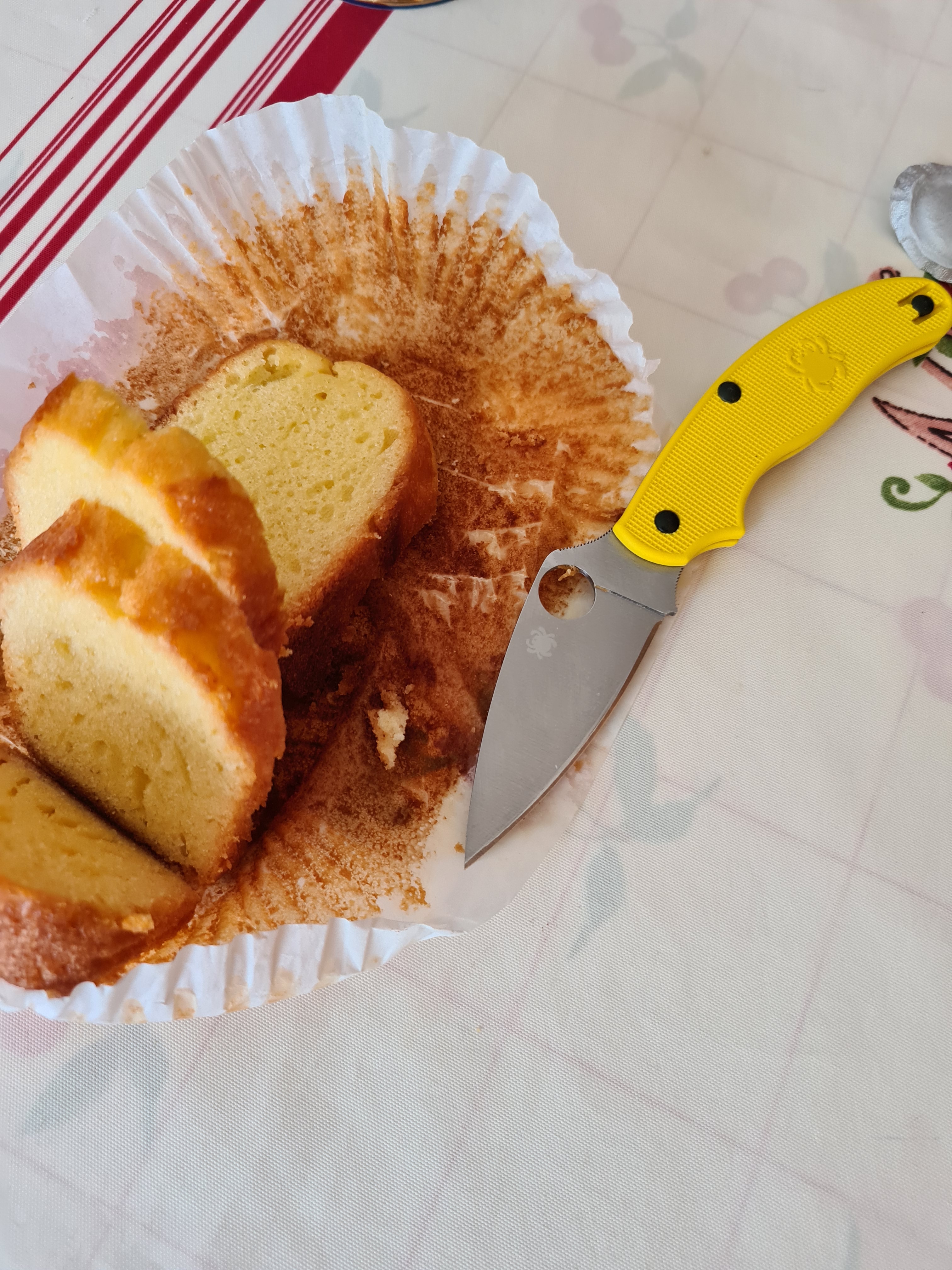
One great enemy of a fine edge is the plate under the meal. Many times I have given an angle to my knife to avoid touching the ceramic at a 90° angle. With the UKPK I have not given a shoot. I have use it as my steak knife like they were no tomorrow. Also the the yellow knife has been friendly approved by the rest of the family who has used it also on plates and stuff without any sign of pity.
The edge near the point has rolled but nothing I could not fix in less than 5 seconds on a ceramic rod. Eventually the rest of the blade was mostly as razor as before. On short blades mostly the point and the very first part of the blade are used on board/plate cutting. It is also a part I have less convexed to keep some useful thickness there.
Of course cutting lemons and any acid food will never bring any sign of patina on LC200N and many times I have fold it dirty when it was not just quickly rinsed under the tap.
The UKPK also offers a very pointy blade which proves to be very useful in many task. LC200N being very forgiving it is sturdy enough for not having any concern about it. Of course I won’t use a slipjoint like a bushcrafter or even the great Wolfspyder but still, old timers used to go in the wood only with Swiss Army Knives or Pradel slipjoints folders and were able to use them for many camp tasks. The choil and hump of the UKPK’blade working as quillions you can apply a lot of force directly to the blade as I have also been whittling with it.

The thin spine makes it not really confortable for thumb pushing cuts though. In that game of pushcuts the Yojimbo 2 is king with its 4mm spine.
But the UKPK goes deep in its cut without much pressure on the spine.
Also when the blade is stuck in the wood it has no tendencies to fold on your finger like previous version of it. This is a great relief.
The yellow handle looks like plastic but those FRN slabs are very rigid. There is no play and it gives you a felling of confidence in your tool. Also the “pro-sheeple” general look helps a lot when using the UKPK in public.
So far it has developed zero plays which is enjoyable.

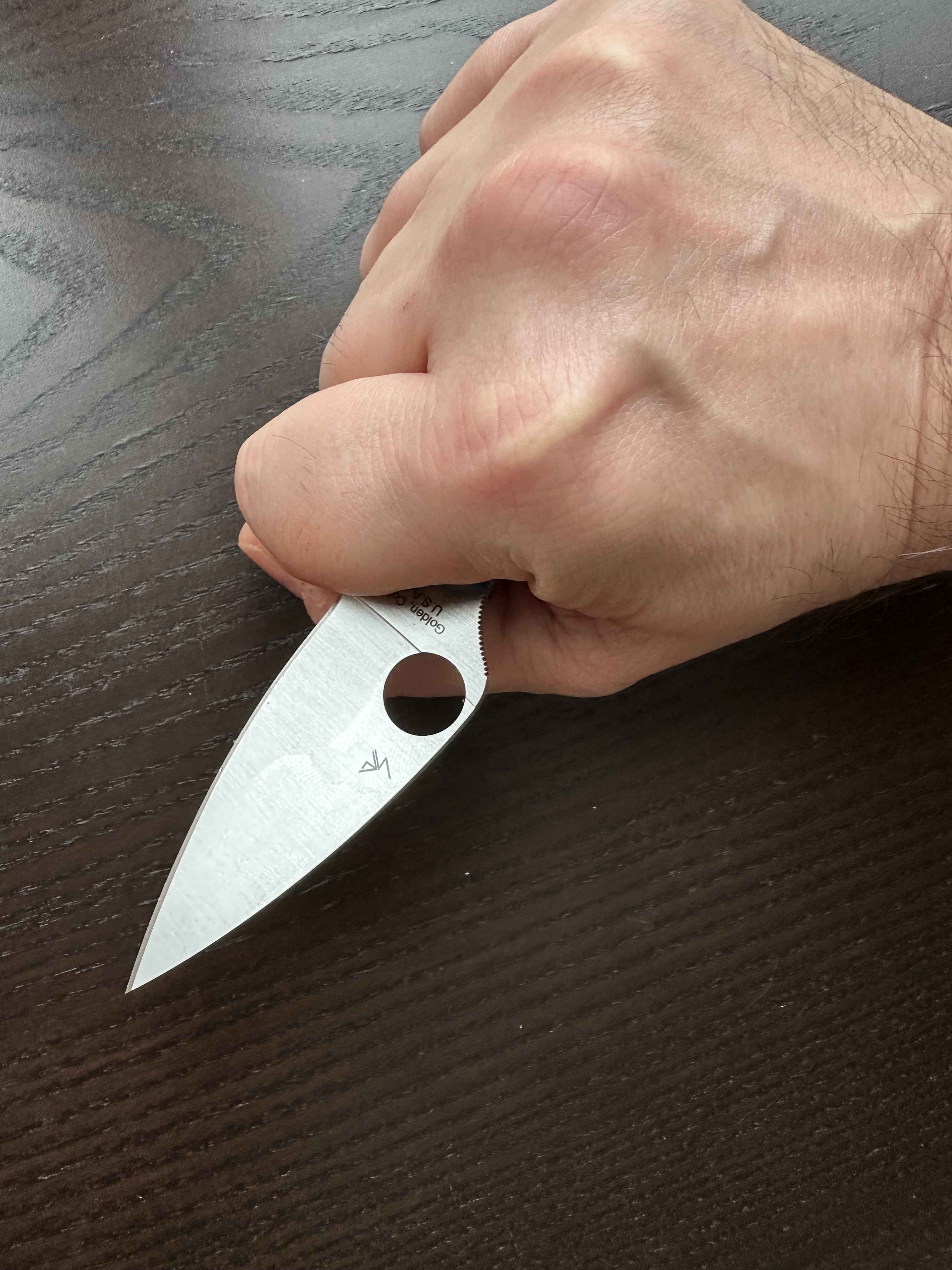
Quick draw: a friend has challenged me to open the knife using my major finger. At first I thought it would not be possible unless being Check Norris. Eventually:

But this is in Spyderdrop that the UKPK is steadily open: holding the knife by the hole and with a flick of the wrist.
So it is a slipjoint with a very fast draw opening.
The previous Spyderco Splijoint as fast as this one is my Pingo which can be open by inertia as the momentum of the thick blade helps a lot.

So far the UKPK has proven to be a fun knife to use. It is easy to deploy and reliable on the tasks. It can be a primary knife in the city and secondary knife in the woods and its lightness makes it easy to keep in the pocket. It will also find a place to be clipped on any swimsuit and that what makes it so unique. Fishermen will be very glad also as it is so easy to clean and to spot. The opening of the 3 screws montage on this UPKP (some other G10 UKPK got a longer spring/backspacer and 4 screws) make it a breeze to rinse. It is a Gentleman/Lady knife with an all terrain attitude and a very reliable positive semi locking system which can sustain a lot of power cuts. Really a unique gem !

Yellow and black works well together…

Spyderco UK Penknife Salt LC200N C94PYL Yellow — First Glimpse at The Diver Slipjoint !

“Originally developed in response to restrictive knife laws in England that prohibited the carry of one-hand-opening lock-blade knives, the UK Penknife was the trailblazer of Spyderco’s unique SLIPIT™ line of knives. Now this iconic knife makes history again as the first non-locking member of our ultra-corrosion-resistant Salt® Series.

Its full-flat-ground, leaf-shaped blade is precision machined from nitrogen-enriched LC200N steel and housed in a high-visibility yellow FRN handle. A reversible deep-pocket wire clip and fully accessible Trademark Round Hole ensure that this fearlessly corrosion-resistant cutting tool is both left and right-hand friendly.”

OK that’s Spyderco’s original topo. Eventually it is the best way to describe it. I have had a UKPK as a gift at Amsterdam Minimeet. I think it was in GIN-1 steel and the blade was in another shape. But long story short the spring was so weak it was not pleasant to use.
What a great surprise on this Salt UKPK: at least the slipjoint locking system is much stronger than ever make it really a pleasure to use.
Of course, unlike on his little brothers: the Urban and the Squeak the UKPK is a four finger grip slipjoint folder with the index on the choil, used as the main security.


The choil on the UKPK (like the Military C36) is reminiscence of San Francisco Gambler’s boots daggers in the 19th century which means on the force during a cut is transfered to the blade directly not the handle and pivot. It is the Roman folding knife system where the handle was more considered as a sheath more than a handle.

The blade is thin and Spyderco provide one of the highest performance in cutting experience out of the box. My UKPK cut like a razor.
The performance on this one, geometry wise, are on par with Manly’s thin blades and even Opinel’s. It is not made for Midford’s fans.
There is a lot of European flavour in that leave shaped blade which looks a lot like the Caly3. It is some kind of UK Caly actually.


The Blade is long and pointy and requires less force to do the job as seen on my plastic bottle butt test. It has cut right in the middle steadily right in the thicker part of the matter. With your major finger on the choil you can shock up the blade for delicate works. Really it is versatile and polyvalent. Actually it cancel my need for a slipjoint Native. 3 inches blade on a 10cm handle, when Imperial meets metrics.
LC200N is a space steel which has shown great properties and not only in the stainless department. The users of the Spydiechef, like myself have found how steady the edge was kept and how easy it was to keep it fresh. LC200N has shown how it was forgiving (not chipping on mine) and ready to work long hours. A true workhorse steel !

Colour wise the yellow and black handle on the UKPK is very friendly. It looks like a scuba diving accessory. This is a knife made for going on the ocean. A real all terrain friendly companion. There is even a serrated version for the mariners with many rope and fibrous matter cutting tasks. The Salt collection is made for that: having a dirty knife in a sea salty socked pocket and not minding at all.
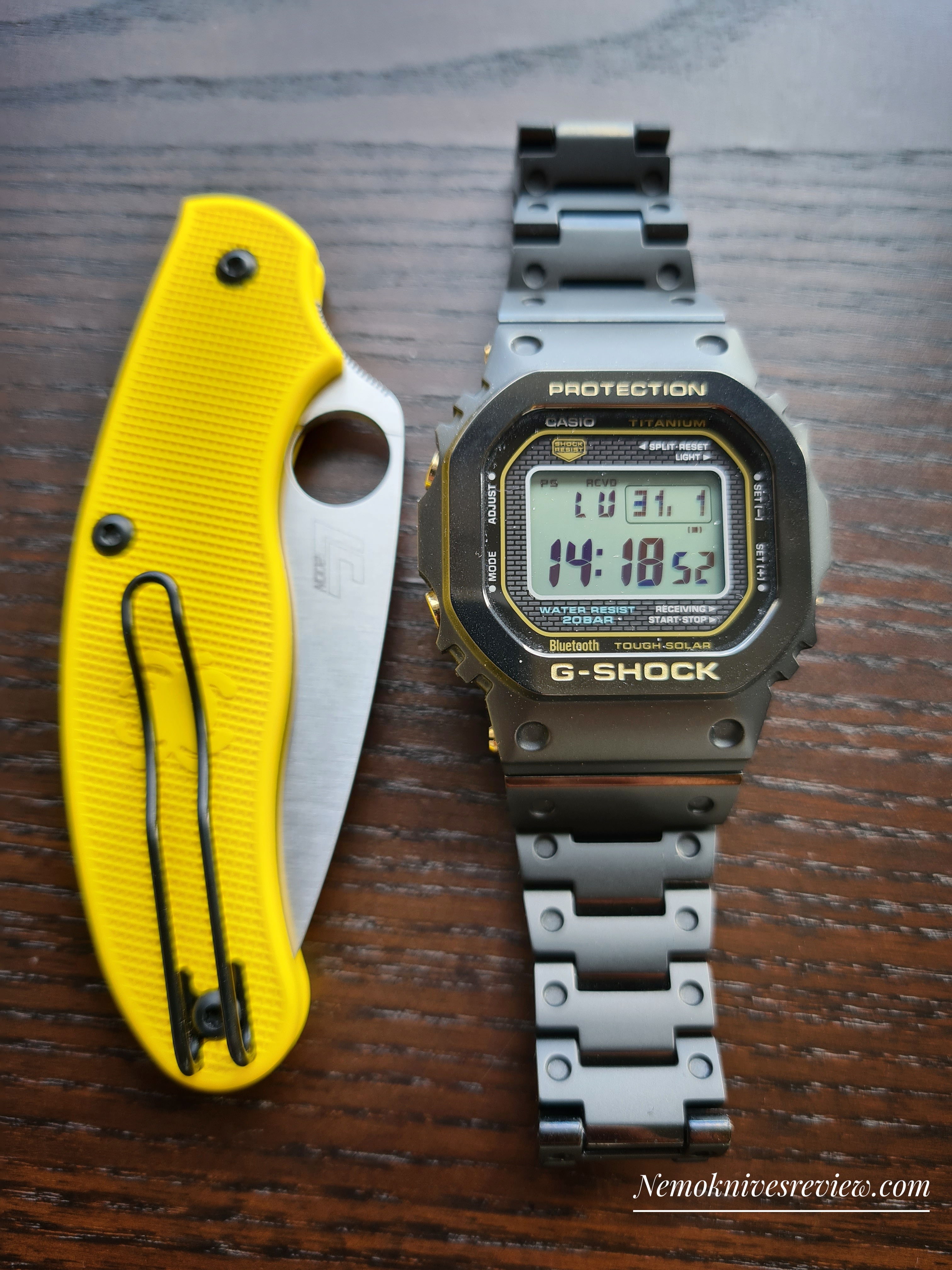
At 48 grammes (1,7oz) this is thought a travelling companion. The deep carry wire clip is a must even to wear it inside the watch pocket of denims.

There is no play in my UKPK. The spring retention is great. The jimpings are really positive under the pulp of the fingers. It is a serious contender to the hyper polyvalent Native Salt which has got one major issue in my book: its clip and a little more toyish and “boxy” handle. I know this really subjective but the UKPK handle feels more qualitative.
So here we got an all terrain slipjoint with strong mechanism and thin pointy blade. A knife impervious to the elements which can be clipped to a swimming suit and take care of oysters easily.
Really the UKPK Salt is one of the best Made In Golden folder and the first Scuba Diving Slipjoint. It is even a slipjoint which makes you forget it has no lock. Highly recommended.