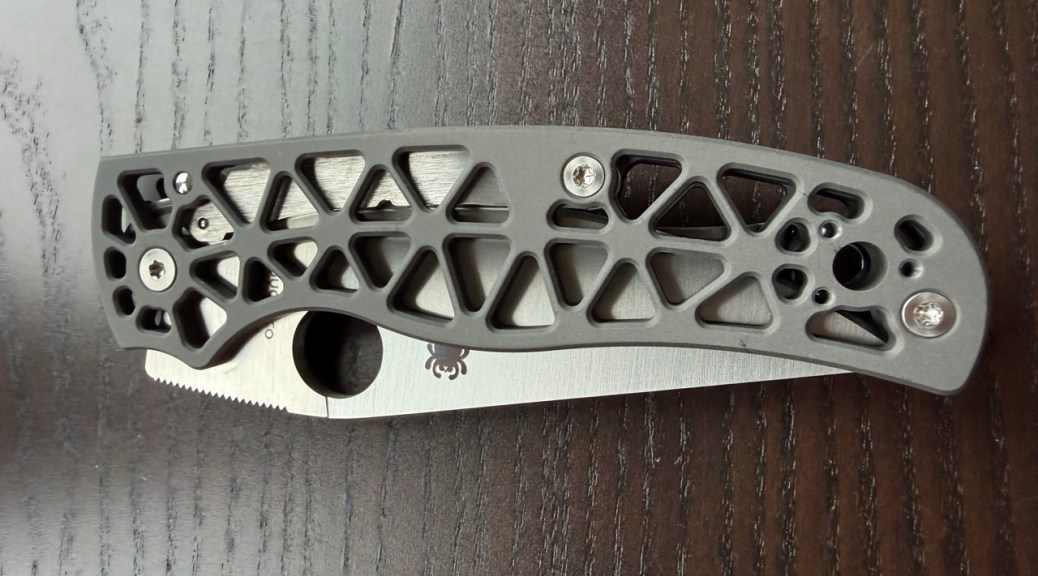
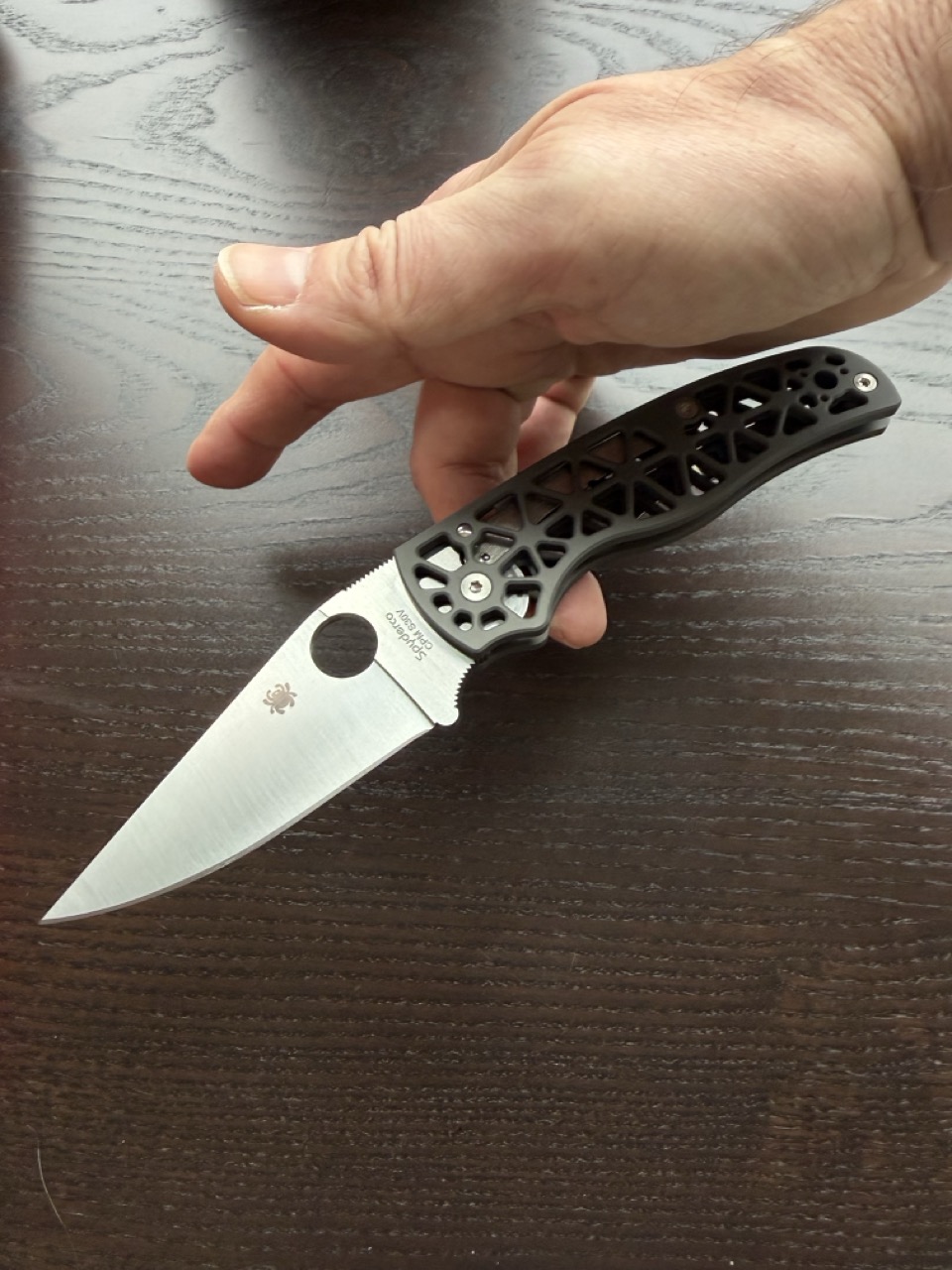
Disclaimer: this a first glimpse at the Edgerati provided through the Ambassador’s Program.
Sal Glesser is an inventor driven by passion. His love for performance in general, high-performance sports cars, and sailing races is reflected in every one of his creations.
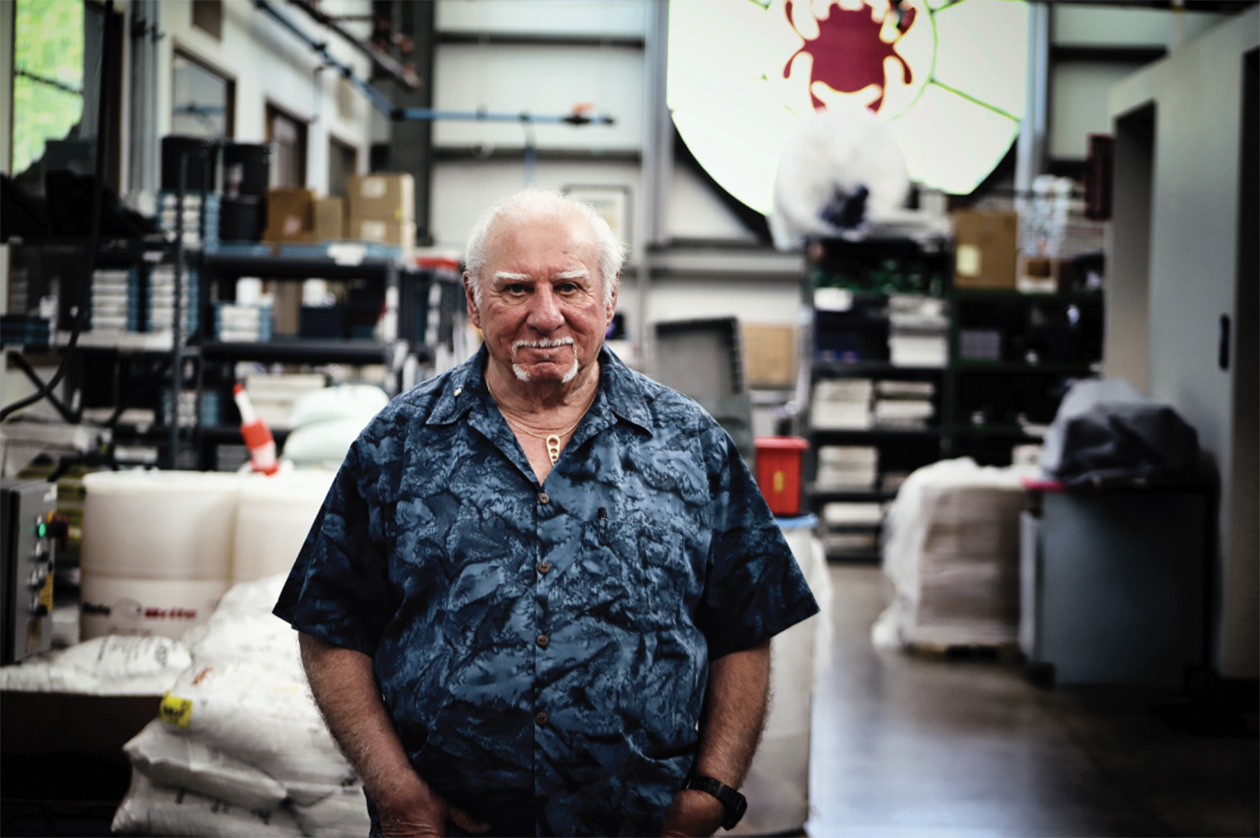
His knives are known for their radical aesthetics and their uncompromising performance, always respecting the fundamental purpose of an edged tool. He is also recognized for taking his time, developing and testing numerous prototypes before releasing a new design.
For this knife, his inspiration comes from the world of sports cars—more precisely from the legendary Maserati Birdcage.
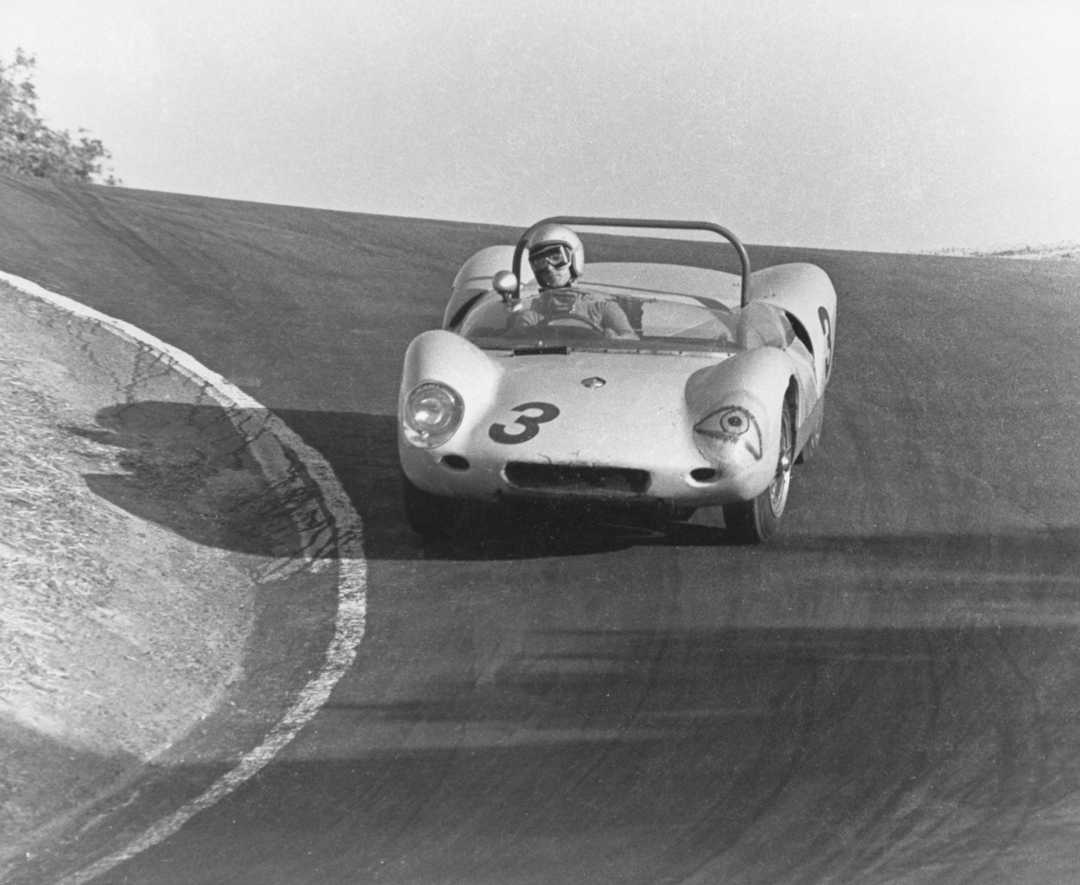

Produced between 1959 and 1961 for privateers competing in endurance racing, including the 24 Hours of Le Mans, the Birdcage was available in 2-litre and 3-litre configurations. Its name came from its revolutionary tubular space-frame chassis, made of roughly 200 chrome-moly steel tubes welded together in triangular formations at high-stress points. This construction method resulted in a chassis that was both lighter and significantly more rigid than anything else on the grid at the time.
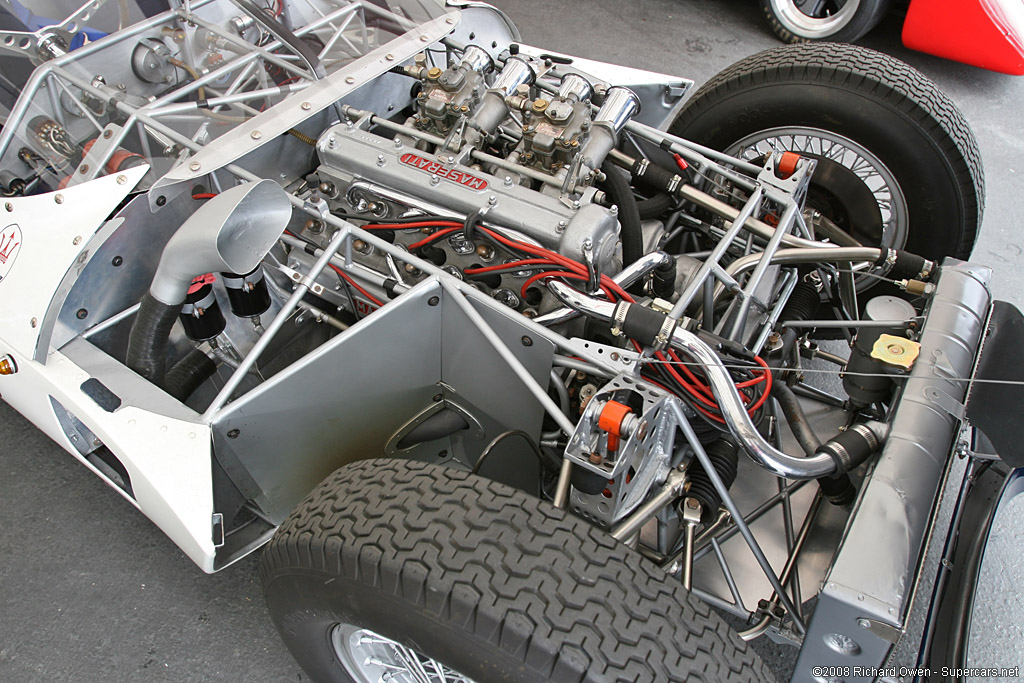
Why not apply this design philosophy—and this obsession with performance—to a knife?
This is not Sal’s first attempt at creating an ultra-light, all-metal folding knife. I remember his “R” model, for instance.

I was never a real fan of the approach that consists of punching a spider-web of holes through both the handle and the blade. I understood the intention, the démarche, but as a user, it never convinced me. All those holes meant a knife that was constantly dirty, always in need of rinsing and cleaning… and, well, not my cup of tea.
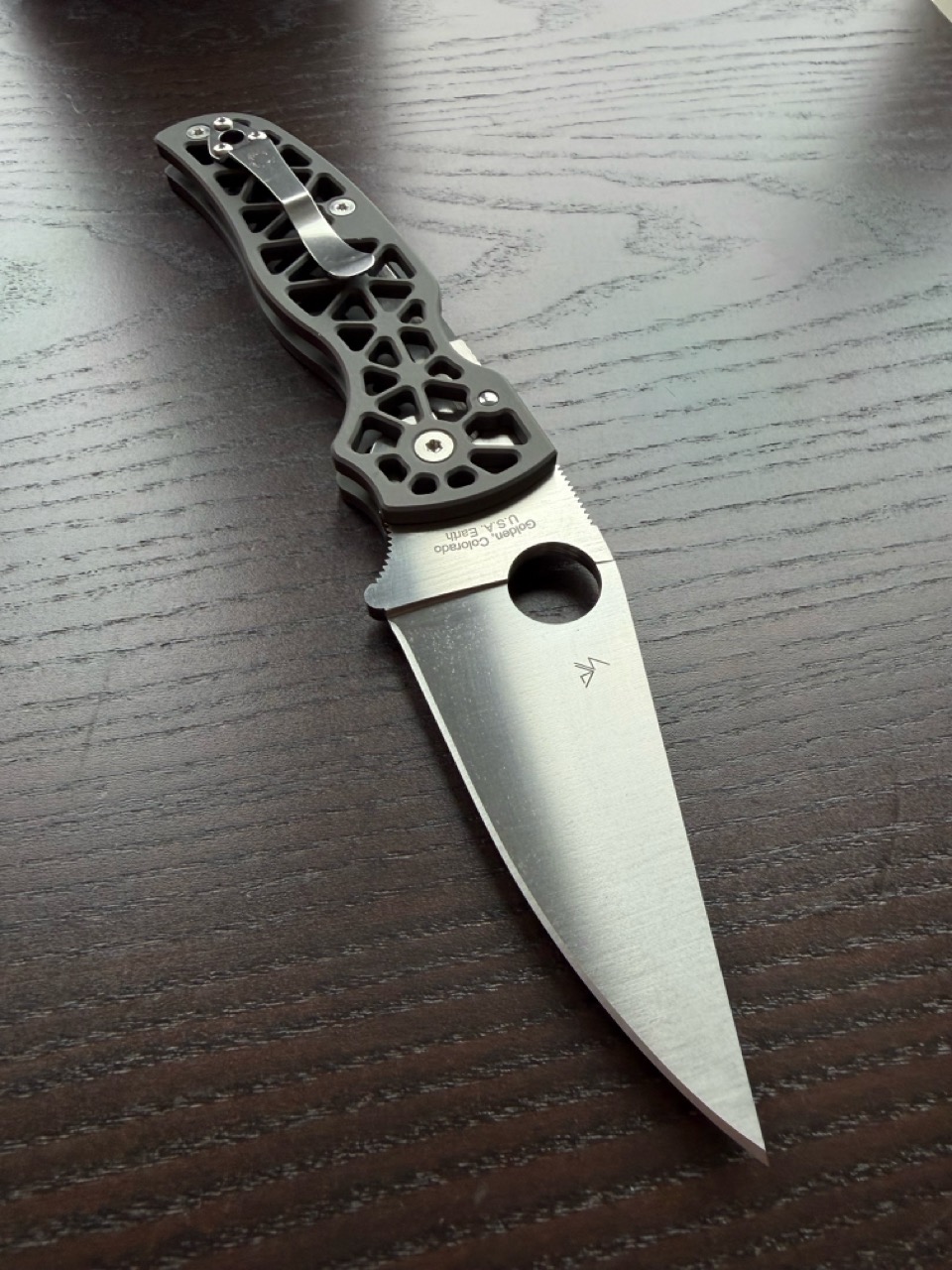
So you can imagine my skepticism when the Edgerati was first revealed. The steel itself was not some exotic new alloy, and the handle seemed to scream: wash me under the tap and rinse me after every use.
I was wrong.
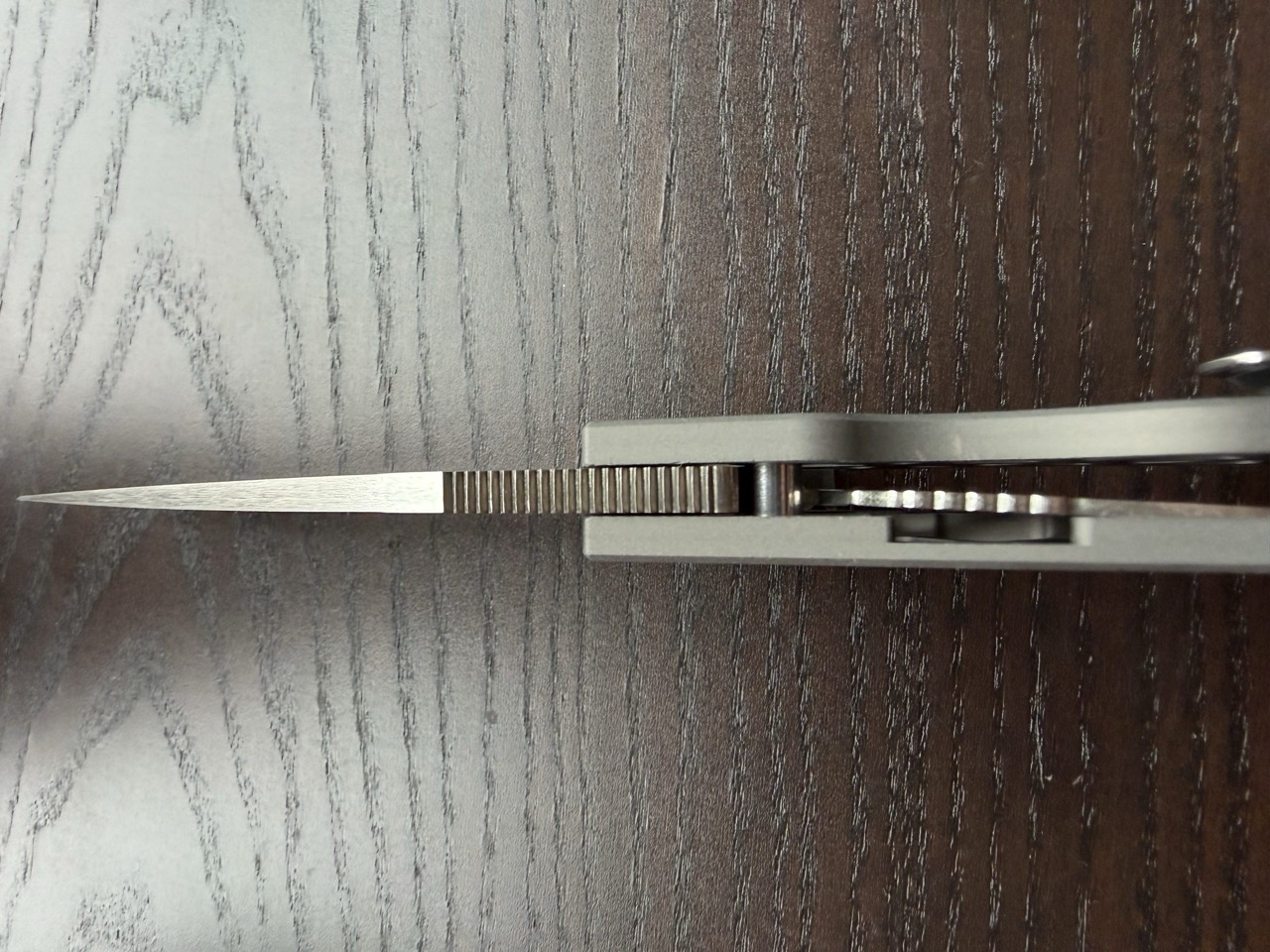
The moment I first held the Edgerati changed everything. At least two people—Mason and Robin—insisted that it was something you had to experience in hand. They were absolutely right. The knife is incredibly light, yet somehow feels substantial at the same time. My first impression was purely tactile. That beautiful clip point blade and those great ergos, the Edgerati is a bold move.
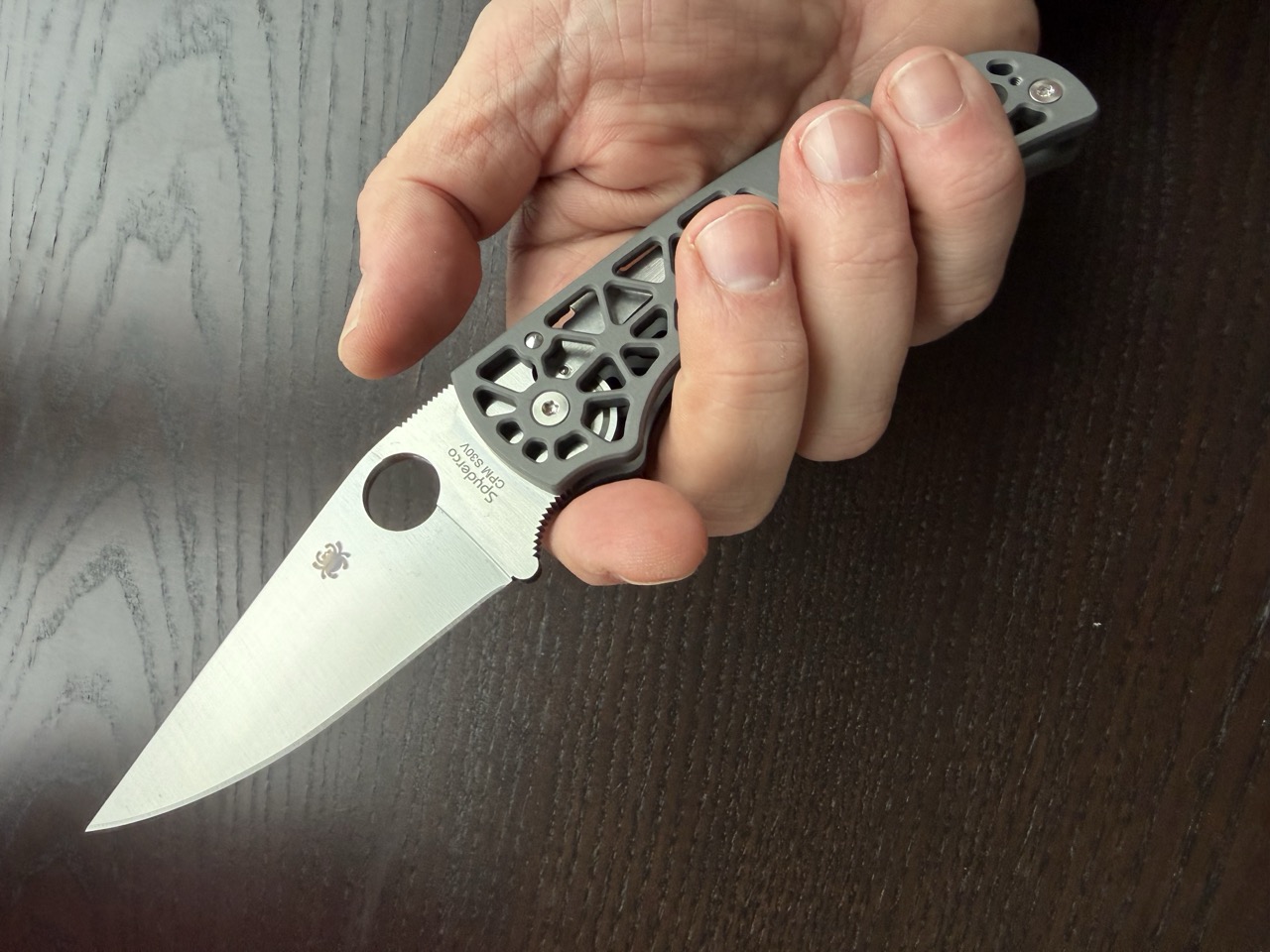
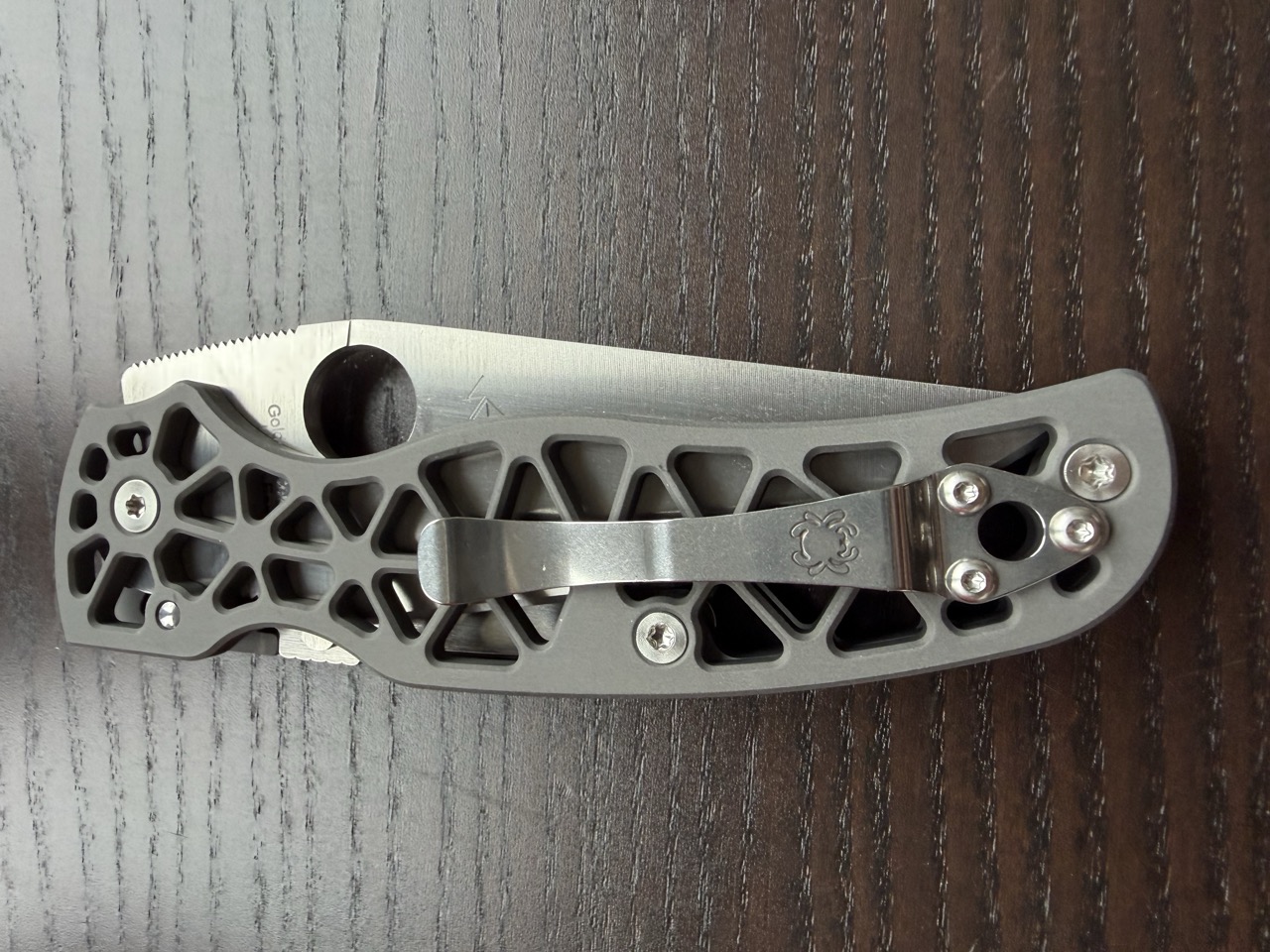
Because its handle is not thin, but thick enough to feel genuinely comfortable and secure for hard chores. That was the first excellent surprise: how this Birdcage homage actually translates into ergonomics. The aluminium feels warm under the fingers, and the triangular cut-outs provide excellent grip and retention.
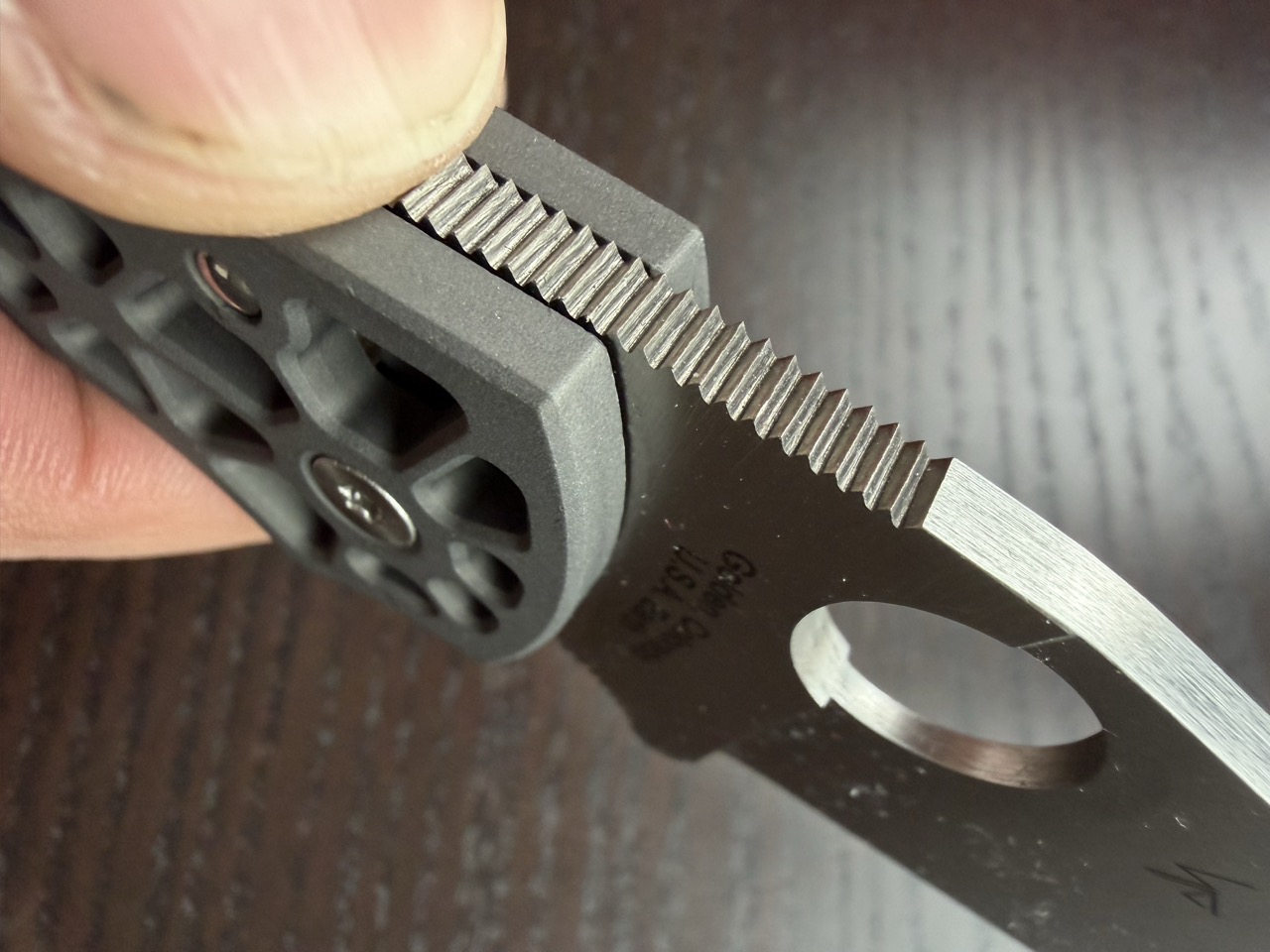
The thick handle, combined with the complete absence of hot spots, makes it perfectly suited for hard use. Kudos to Sal—this is the work of someone who knows how to design a true tool, not just eye candy.
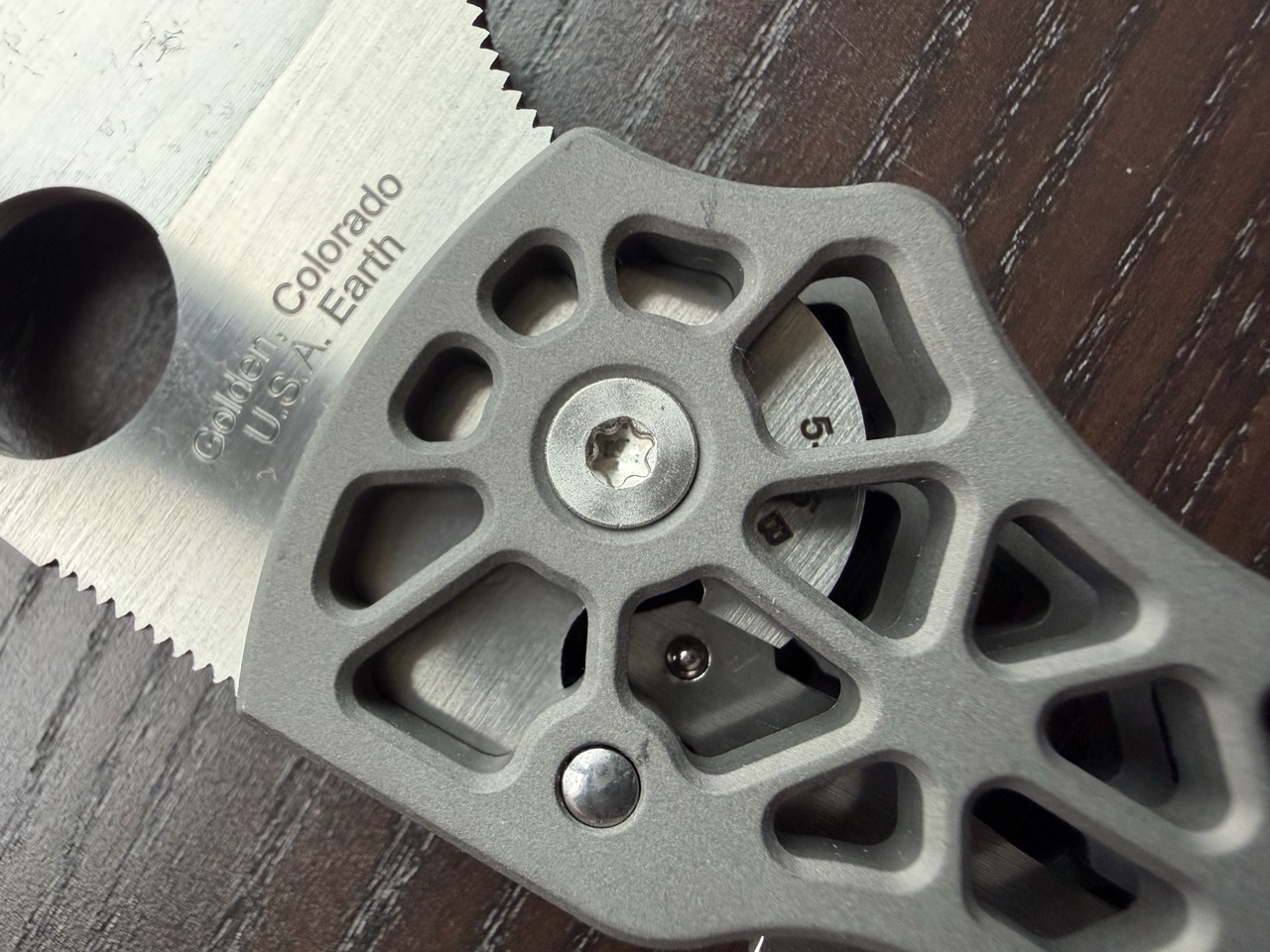
The action is smooth, with zero blade play. It feels extremely solid—reassuringly so.
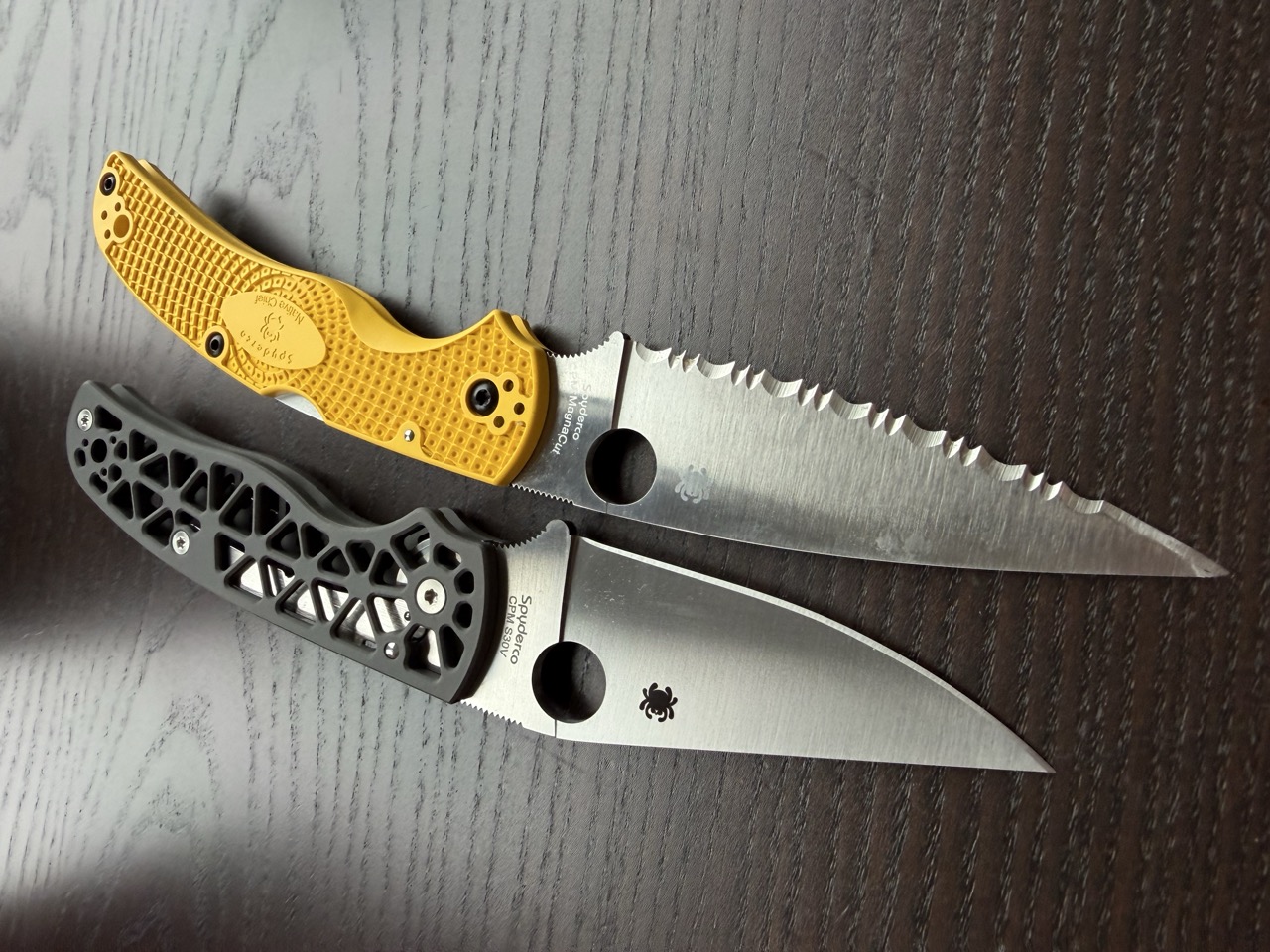
On closer inspection, the Edgerati could almost be described as a Shaman stripped down and laid bare. The two knives share the same overall profile, down to the last screw.

(screenshot taken from CRBx video “Spyderco EDGERATI: Shaman in SEXY lace?”)
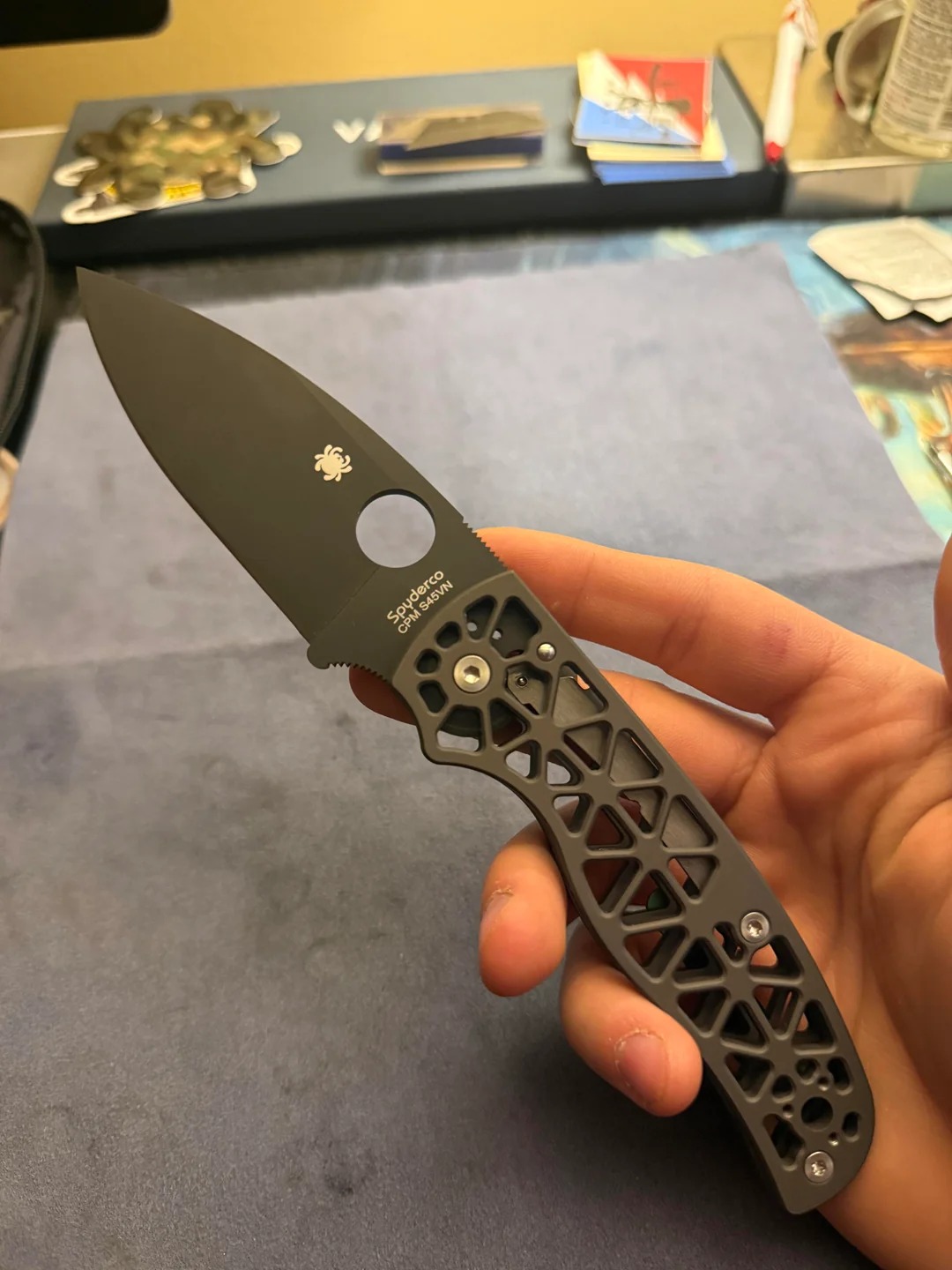
Spotted on Reddit: birds of a feather flock together—and it turns out there’s even the possibility of swapping blades with a Shaman (thanks to Armand for the heads-up).
I have asked to Golden.
— Imagine a Shaman Magnacut blade on that handle ?
— I have to admit. I’ve done the swap. The thicker blade stock on the Shaman throws off the balance, and the detents are not a perfect 1:1
It’s possible to flip the blade out, just with holding the handles and flicking your wrist. The Edgerati blade in Shaman scales is a nice treat though. Unfortunately, the Shaman in the Edgerati frame doesn’t work nearly as well.
So, you are warned.
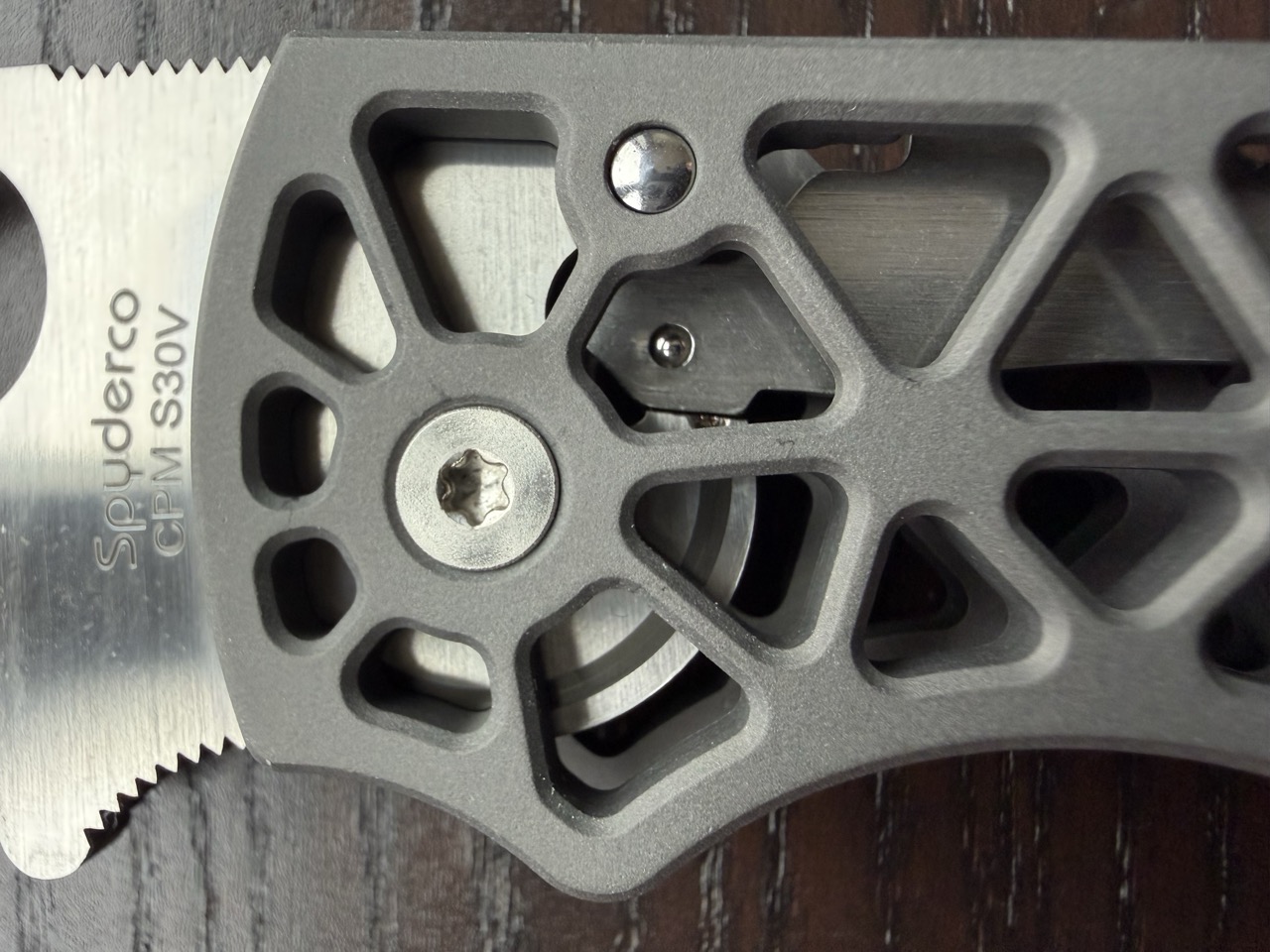
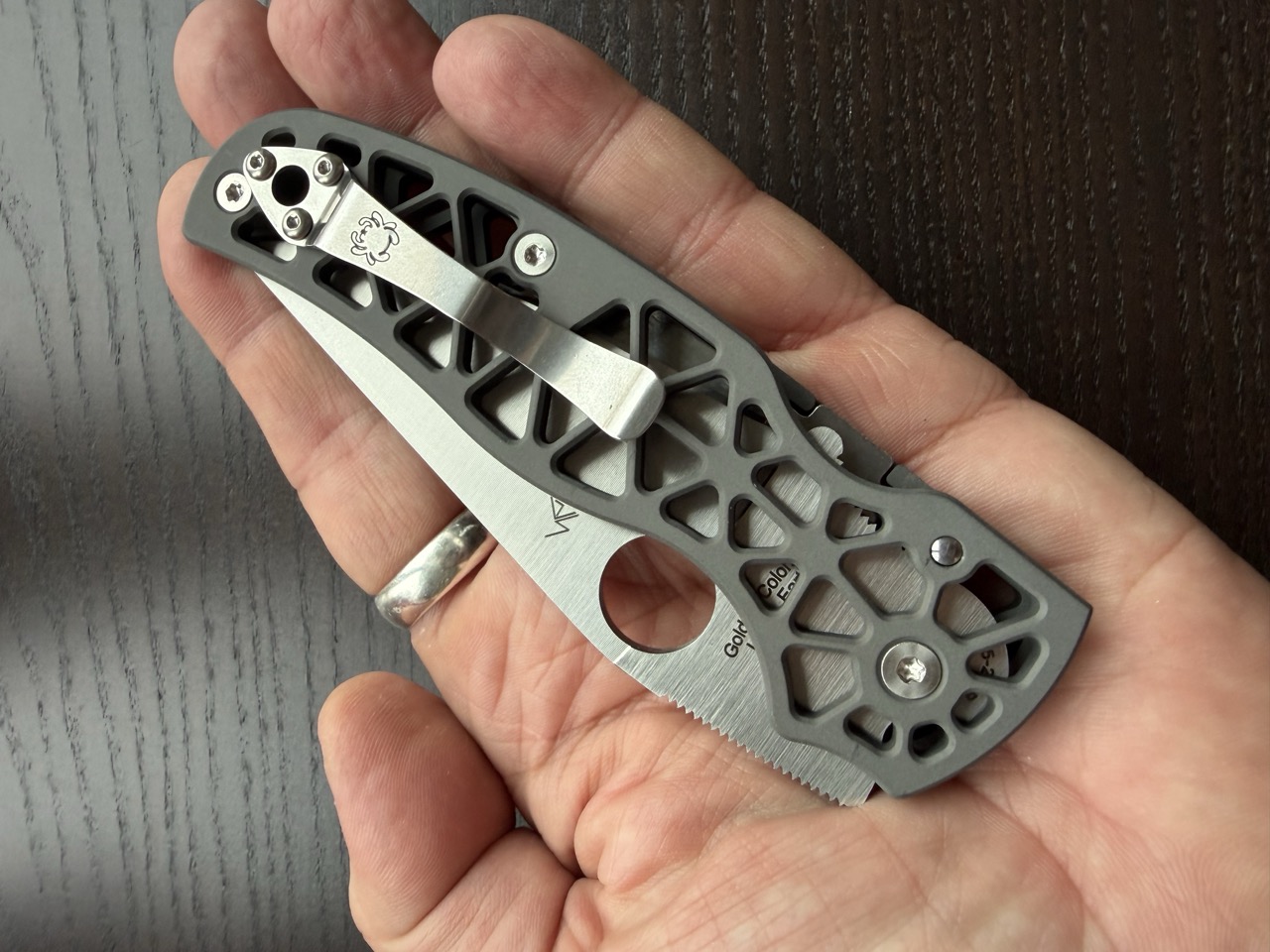
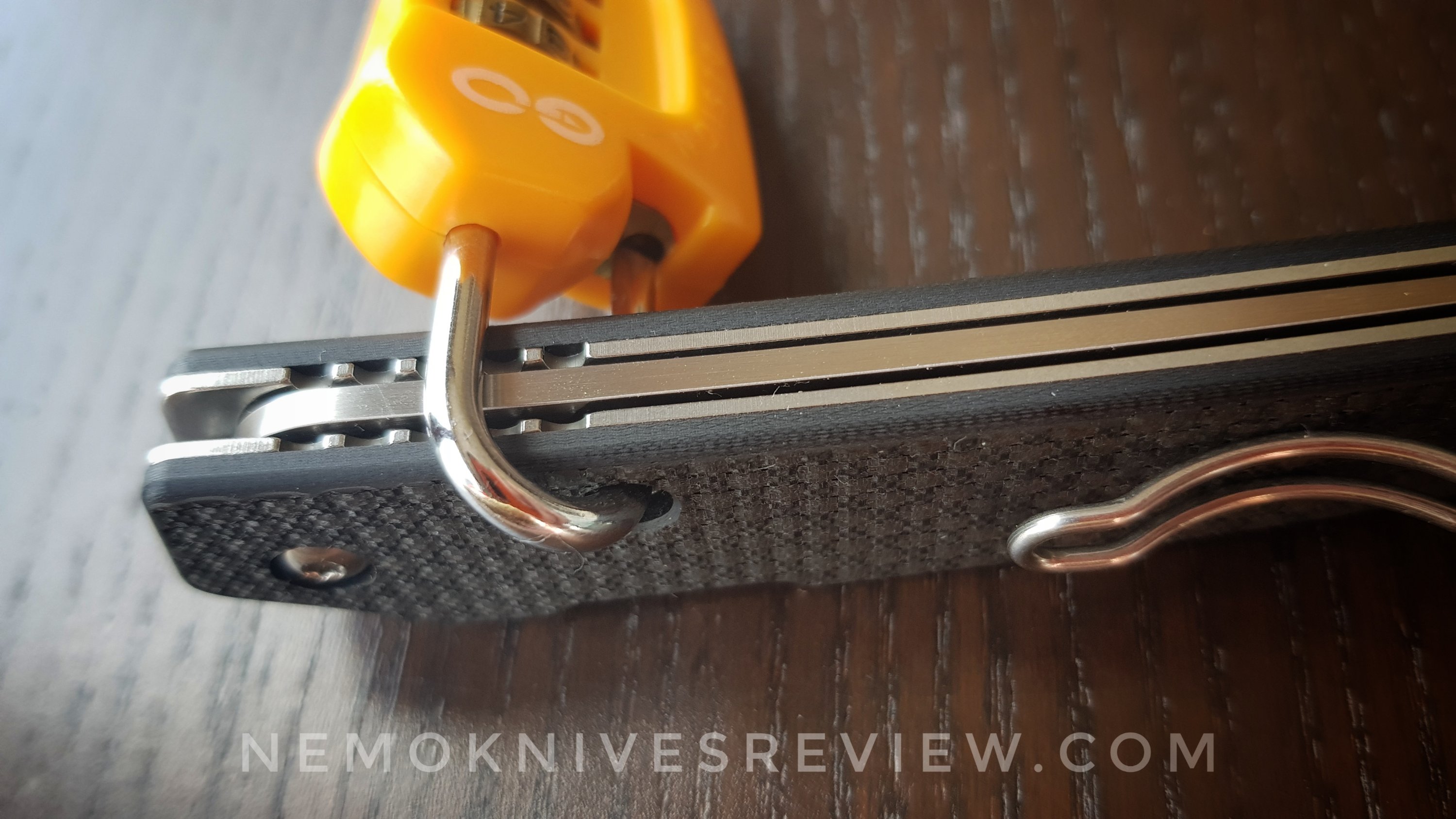
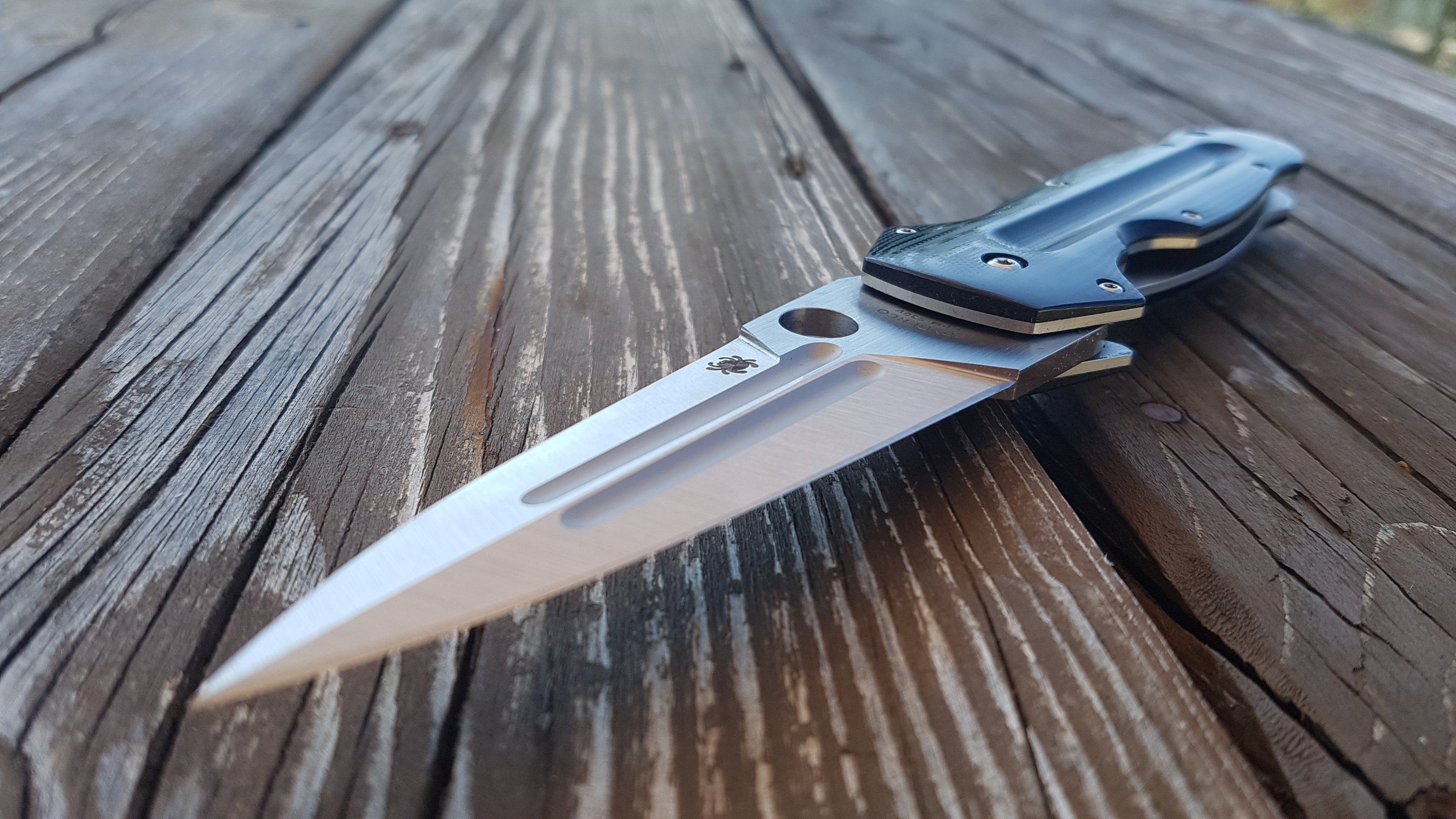
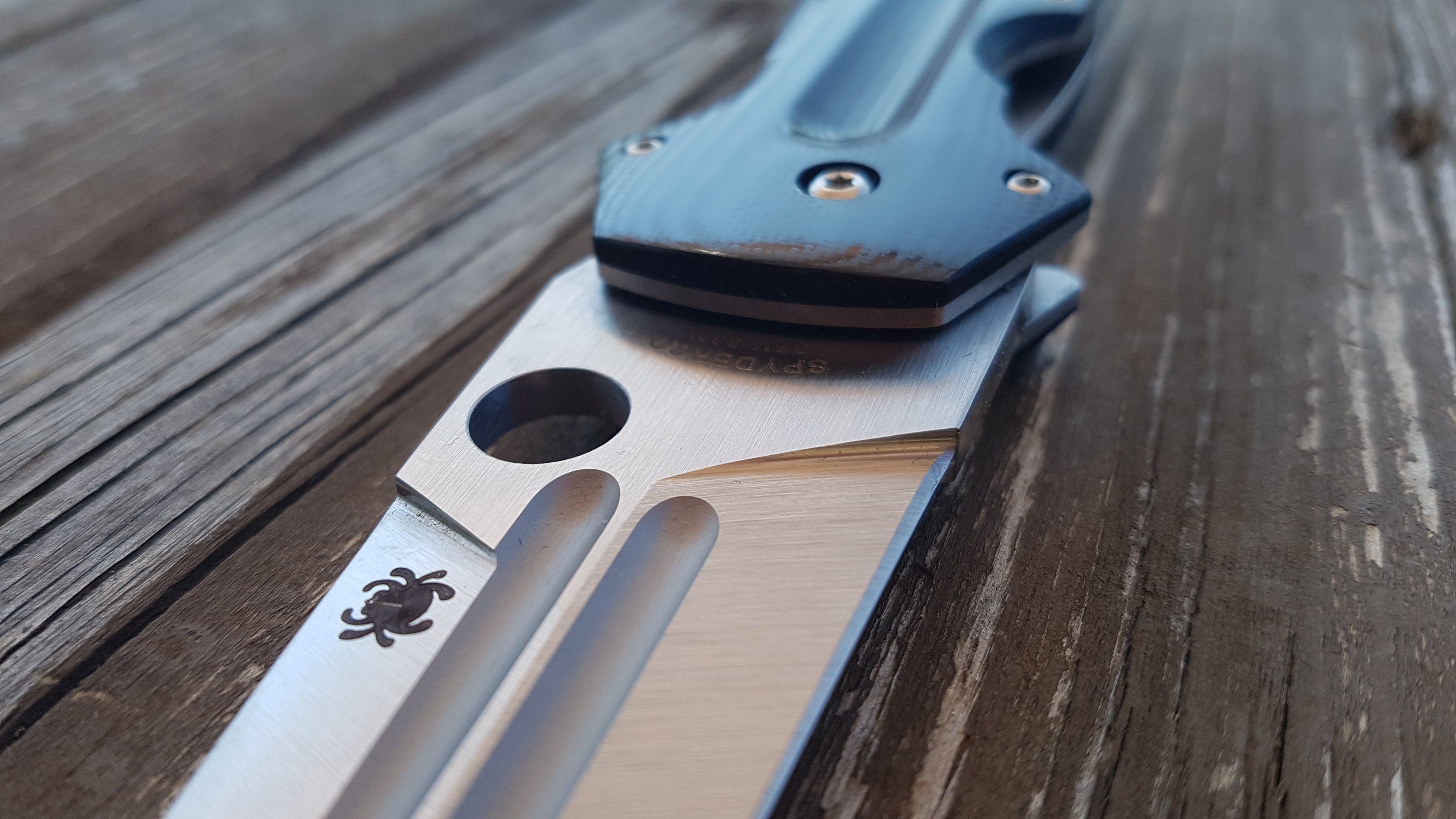
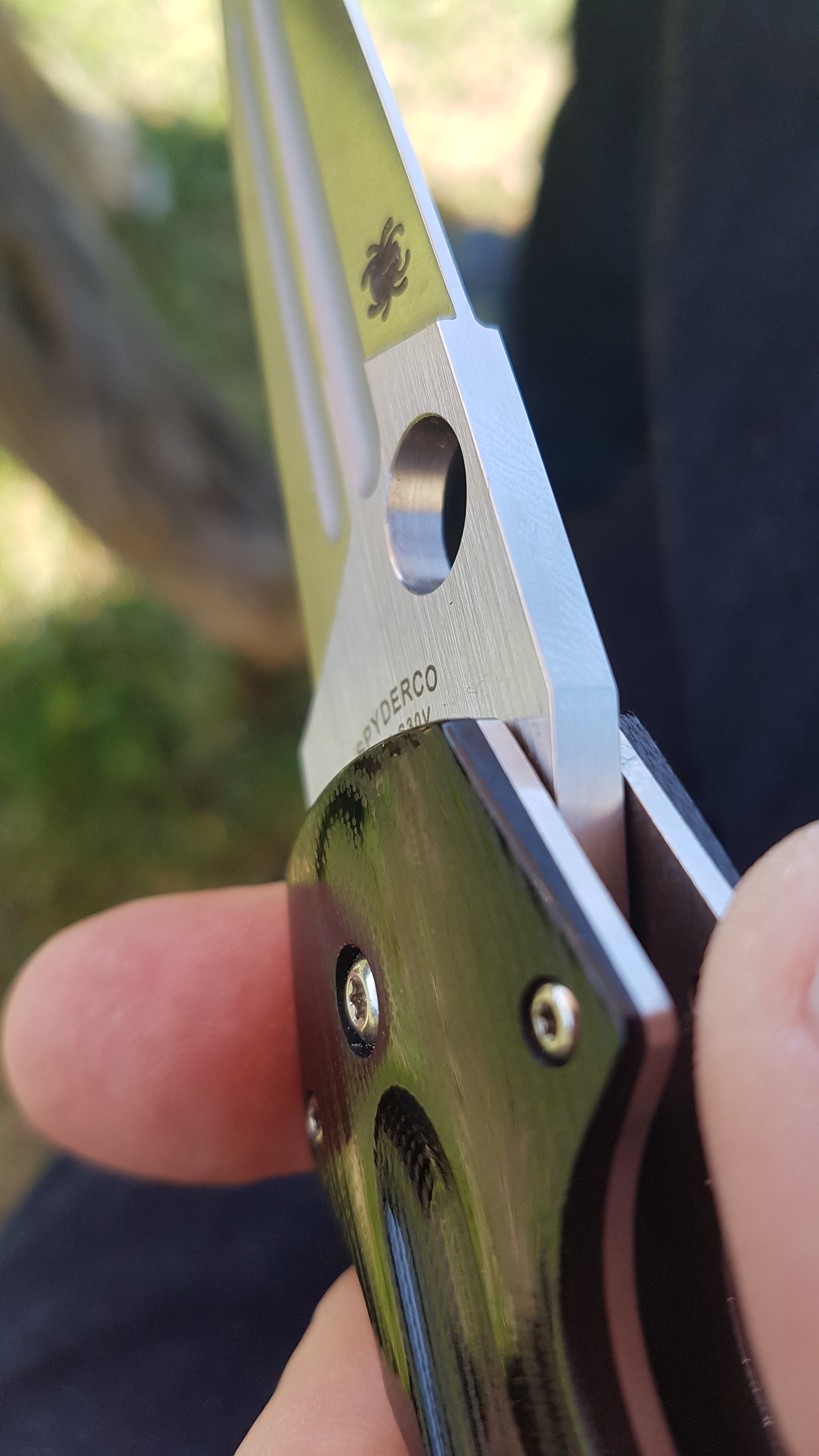
And yes, we also get the rare opportunity to see now inside the “engine” of the knife. One major advantage is the ability to fully clean it after dirty or demanding tasks. The Compression Lock remains a small masterpiece of engineering and operates with real authority. The spine of the handle, if I may put it that way, truly feels like an aircraft carrier for the hand—broad, stable, and extremely reassuring.
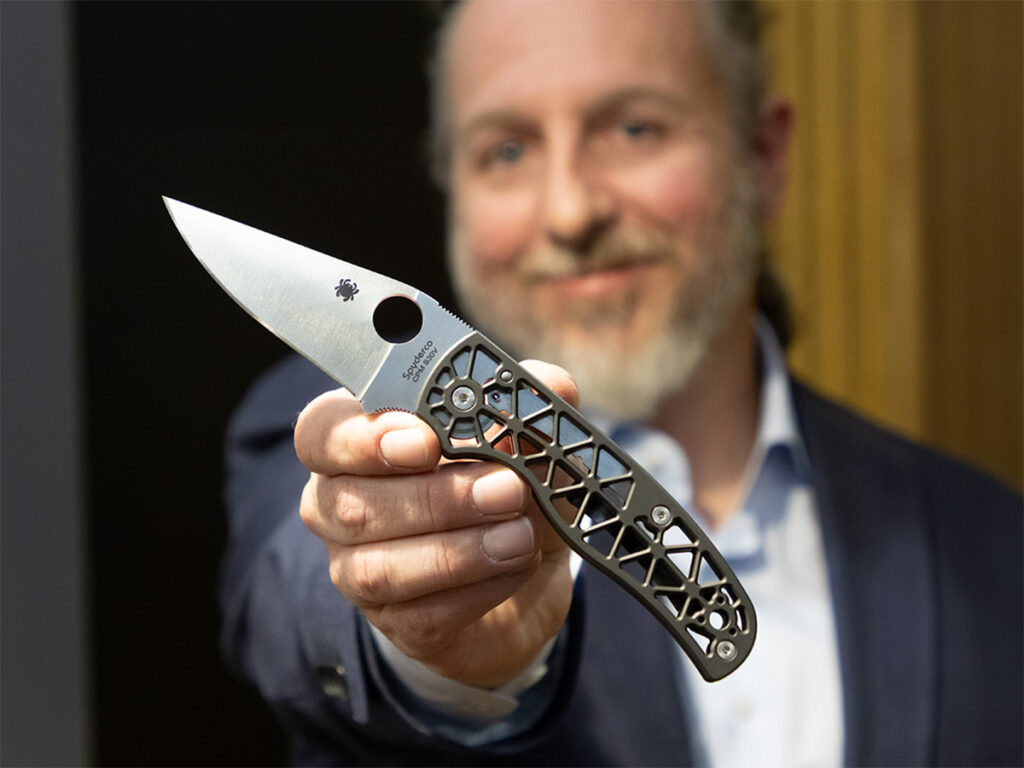
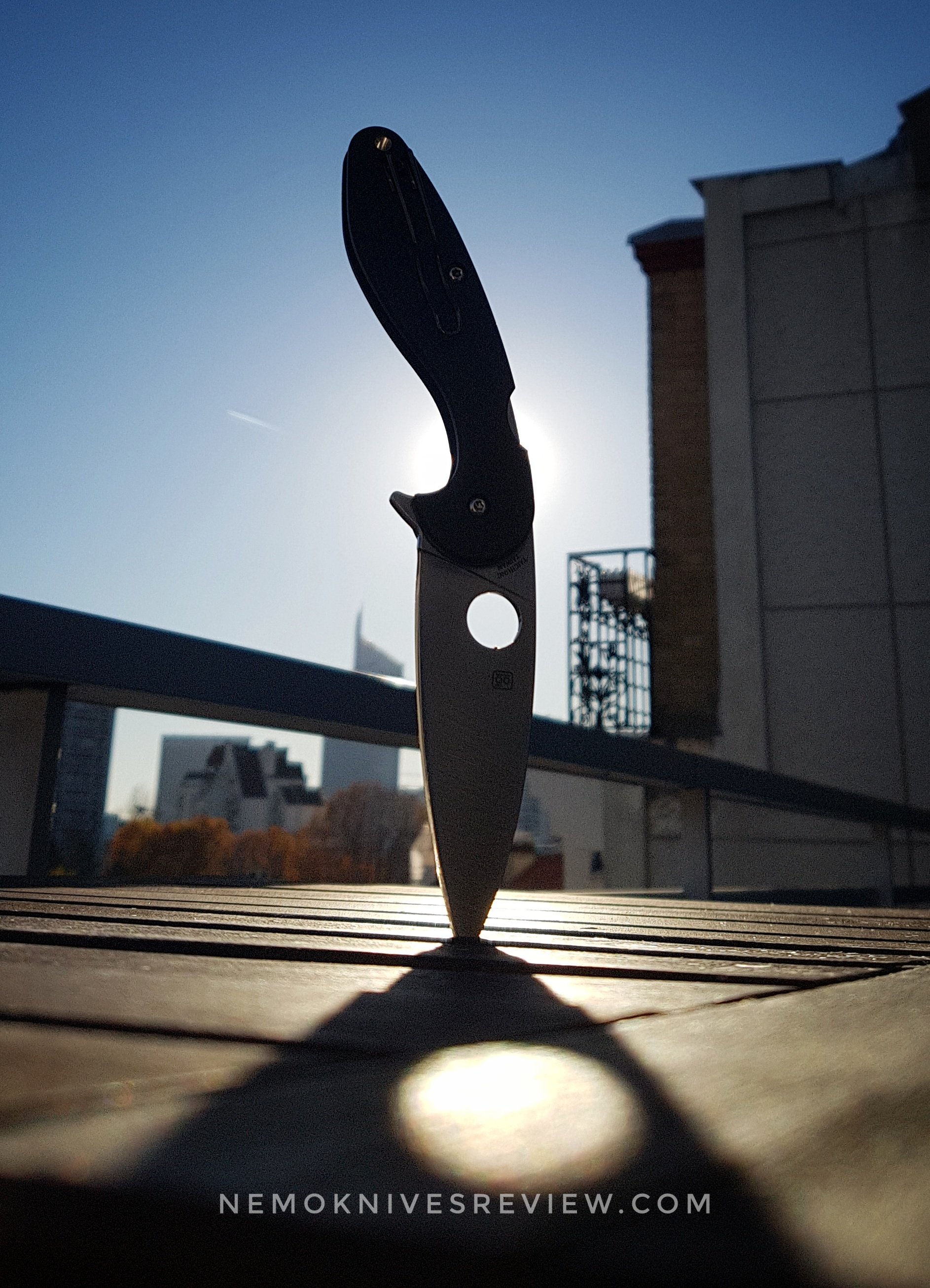
Beauty is, of course, in the eye of the beholder, but this is undeniably a beautiful knife once you get used to that “Eiffel Tower’s effect”. The pictures speak for themselves. It does not project “tactical” vibes; instead, it feels like a refined, high-tech engineer’s cutting tool. I can easily see it appealing to hikers who carefully count every gram they carry. Its versatility could also attract cyberpolice officers, climate change firefighters, alien hunters—and even starship troopers, for whom weight savings are critical, like astronauts. That may explain why it is also available in a full-black, partially serrated configuration. It is a toolish delicacy. A very capable solid reliable lightweight tool. Very very light and powerful !!
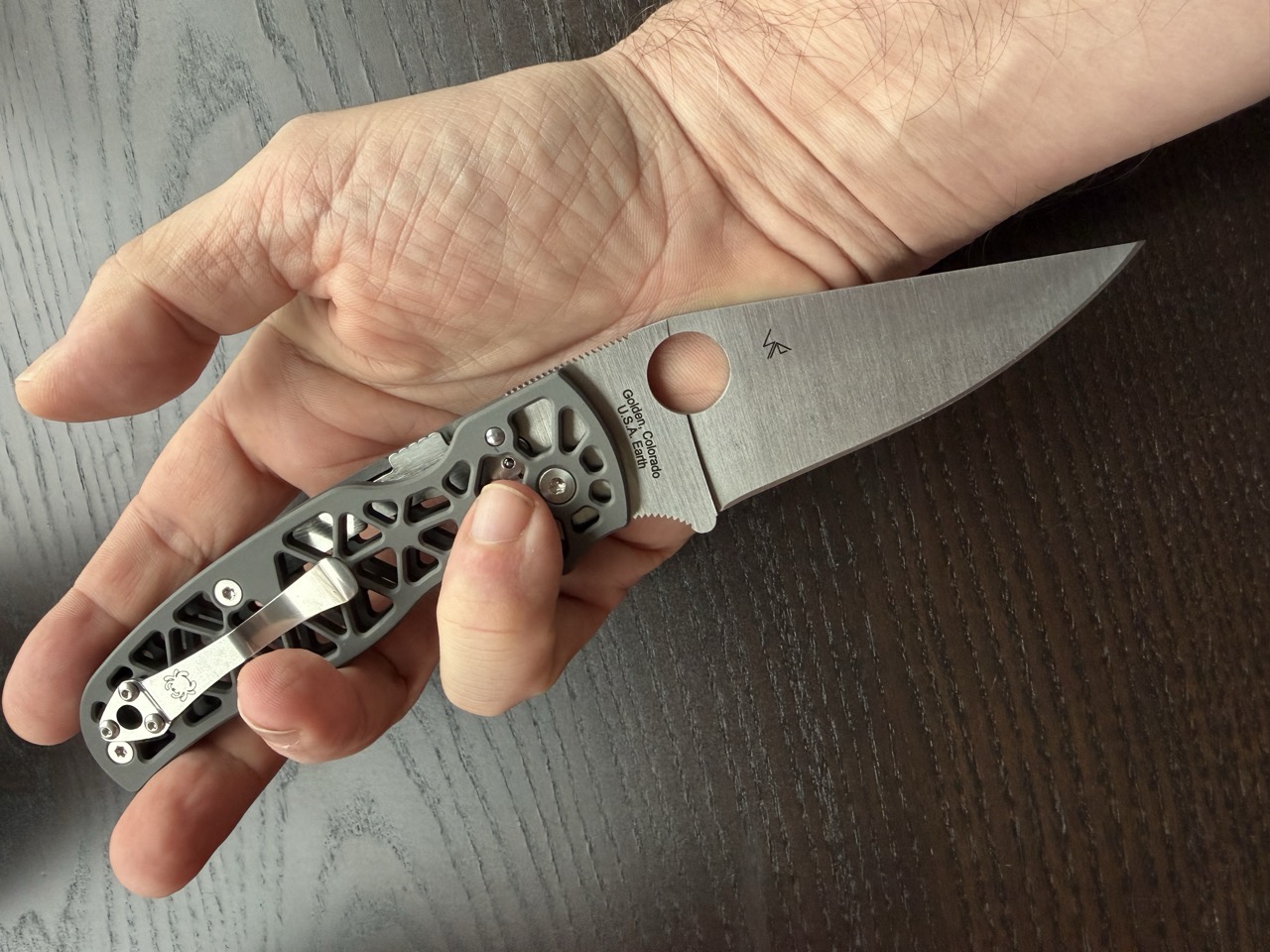
Aluminium (and its lightness and its structural resistance) is very much in fashion in 2025. Apple, for instance, uses aluminium chassis on their iPhones 17 Pro because aluminium is light, solid, rust free and an excellent thermal conductor. Coated aluminium, however, is also known for scratching easily. It willmark over time, and the pristine, “brand-new” look of the Edgerati’s handle is clearly not meant to last. Instead, the knife will develop what I would call a “war patina”—the visible proof of use. The Edgerati will become personalized quickly, for better or worse. Sanding the handle might eventually help even things out, but scratches are inevitable if that kind of wear bothers you.
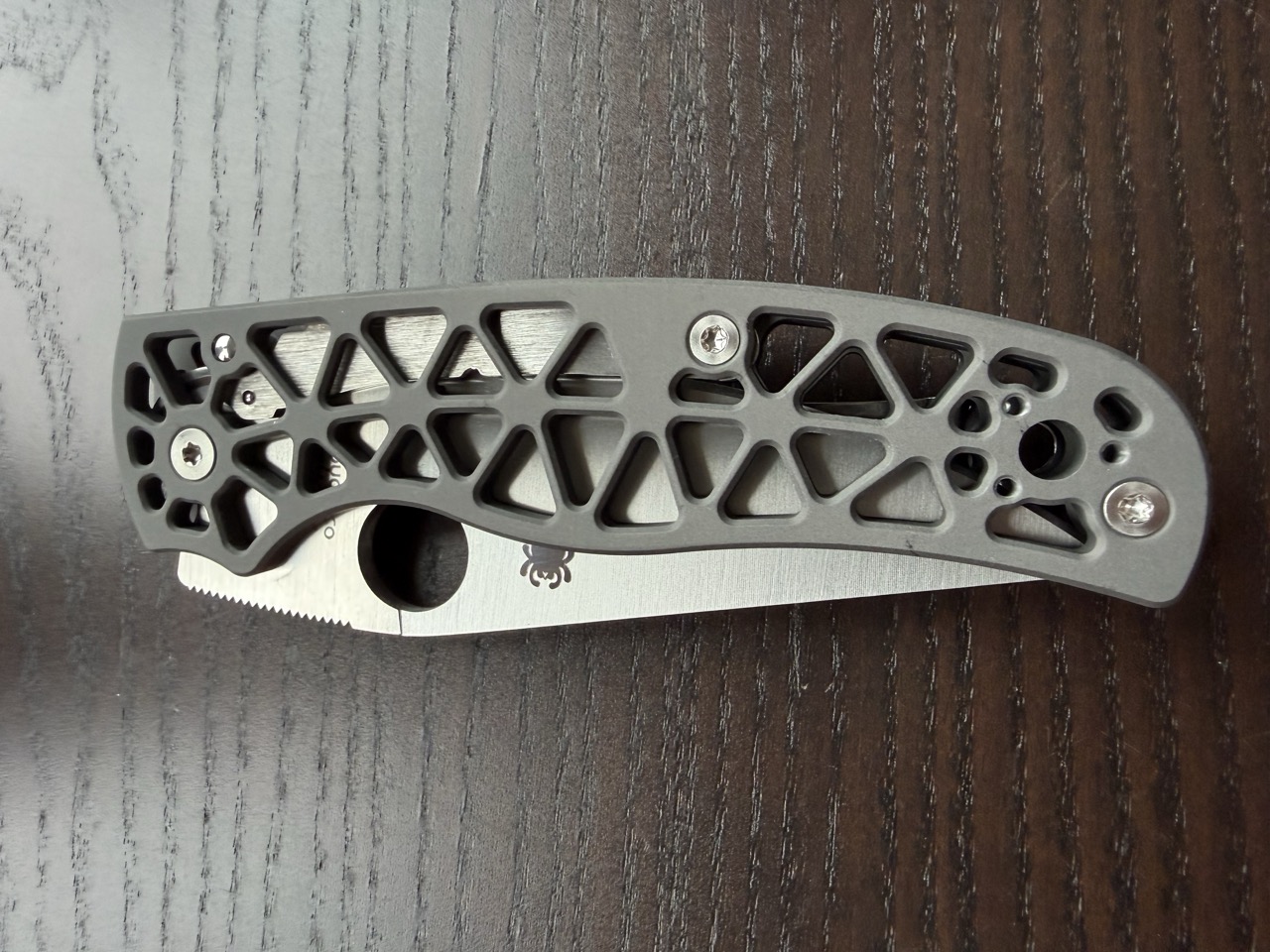
If there is one aspect I am not entirely happy with so far, it is the pocket clip. It’s the same heavy-duty style clip found on models like the Shaman, the Tenacious or the Lil’ Temperance. This means the knife sits proud in the pocket, and replacing the clip with a third-party option is not straightforward. On my sample it is also not particularly easy to slide in and out of the pocket. I’ll see later how—or if—I can improve this by slightly bending it.
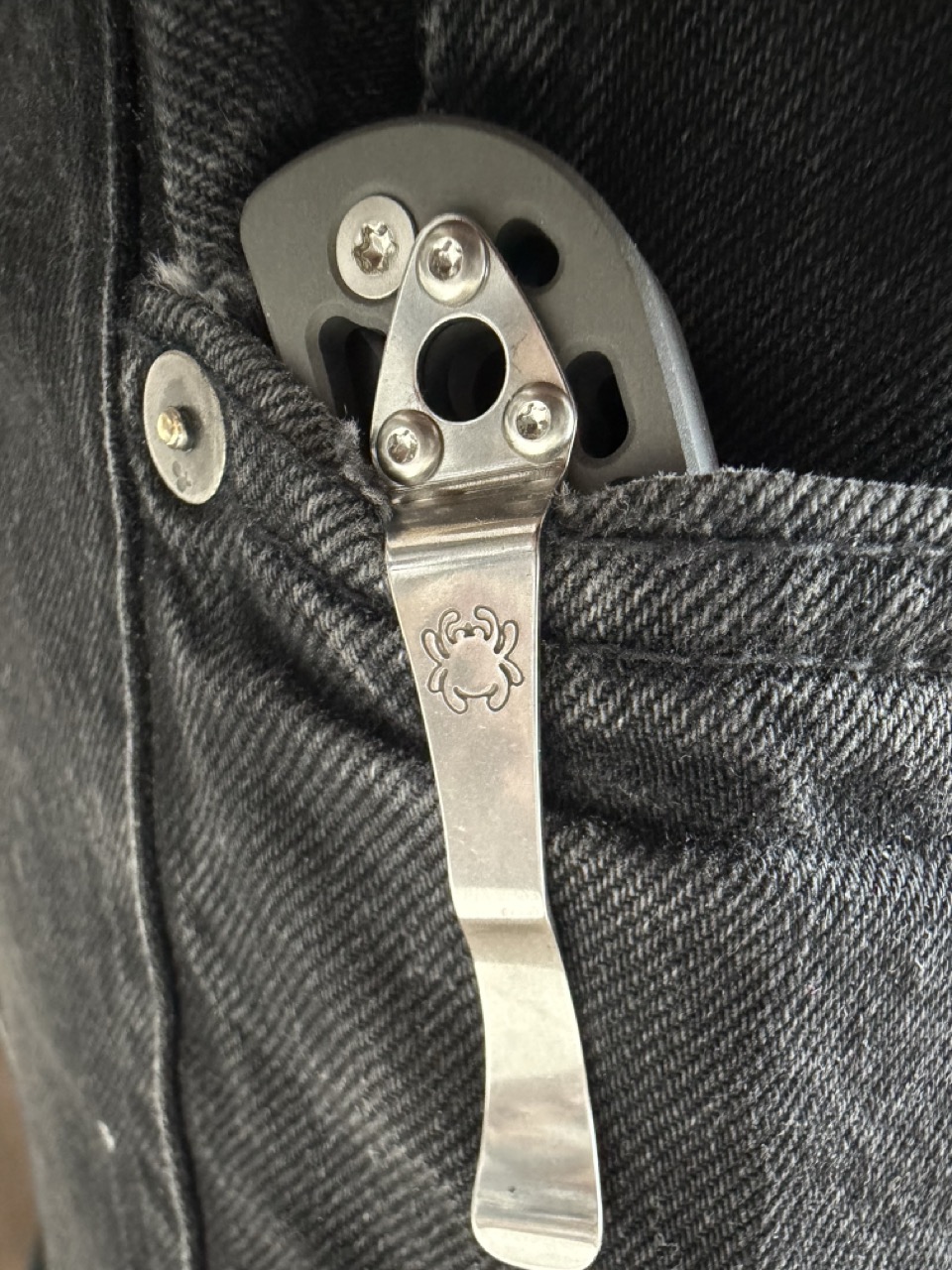
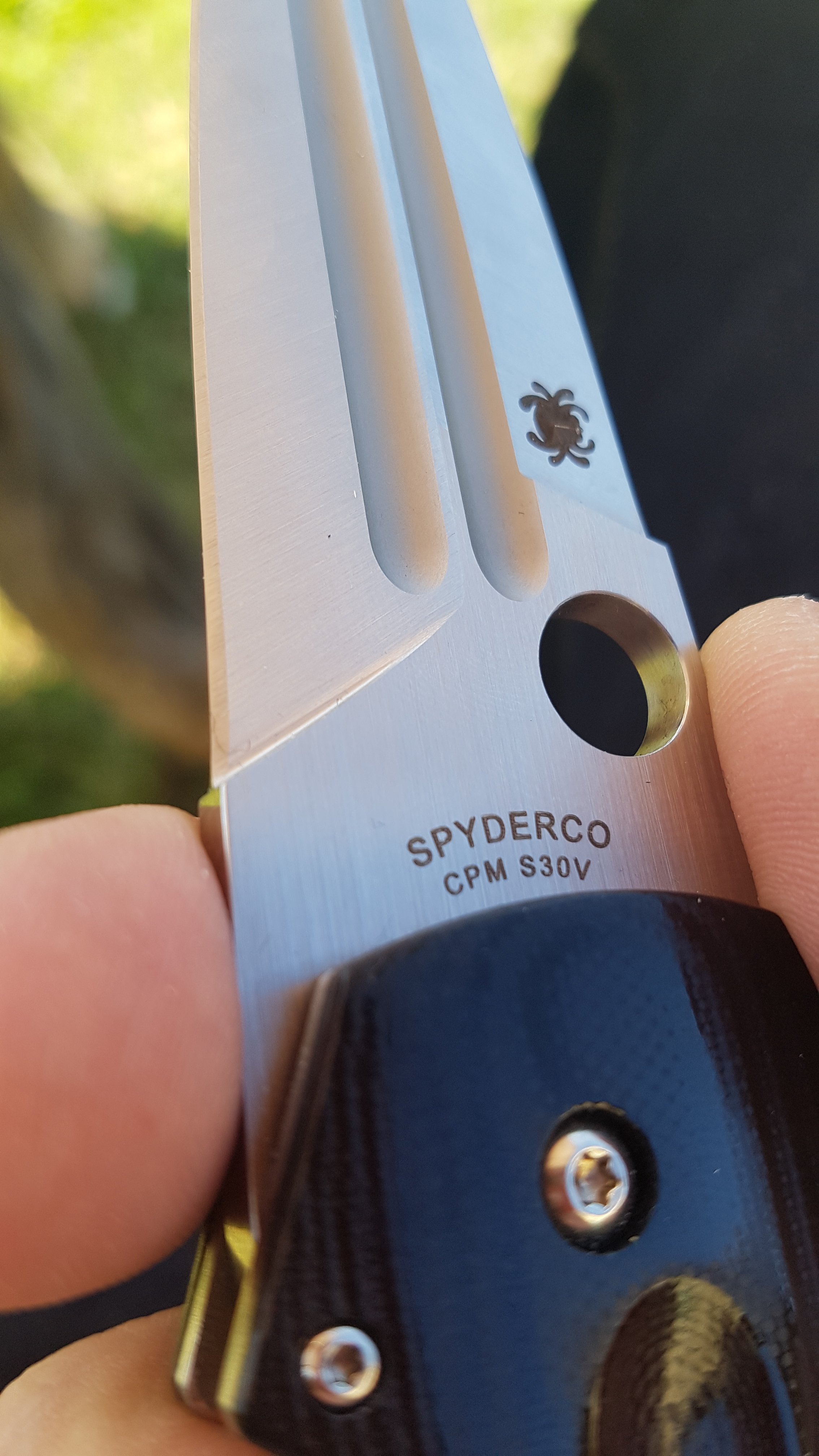
All in all, I genuinely thought the Edgerati would be a collector’s piece—a “safe queen,” and therefore not really my thing. I couldn’t have been more wrong. The Edgerati is a user, through and through: an ultra-light, ultra-solid tool with a genuinely utilitarian blade in CPM S30V, heat-treated by Golden.
It is very hard not to fall in love with such a unique knife, once you hold it in your hands, especially if you already love its heavyweight brother: the Shaman.
But this Edgerati is a KWEMRP (click on it for the Part 2 of the review and discover what a KWEMRP is in reality…) !
“The Shaman design began a long time ago. It took several years to complete and refine the design before I was satisfied. Then the “Bodacious” and “Edgerati” variants were designed to serve what I thought might be requested.“
Sal Glesser

“Oh-oh, the power and the passion
Oh-oh, the temper of the time
Oh-oh, the power and the passion
Sometimes you’ve got to take the hardest line”
Midnight Oil.

Edge’s up !


 My
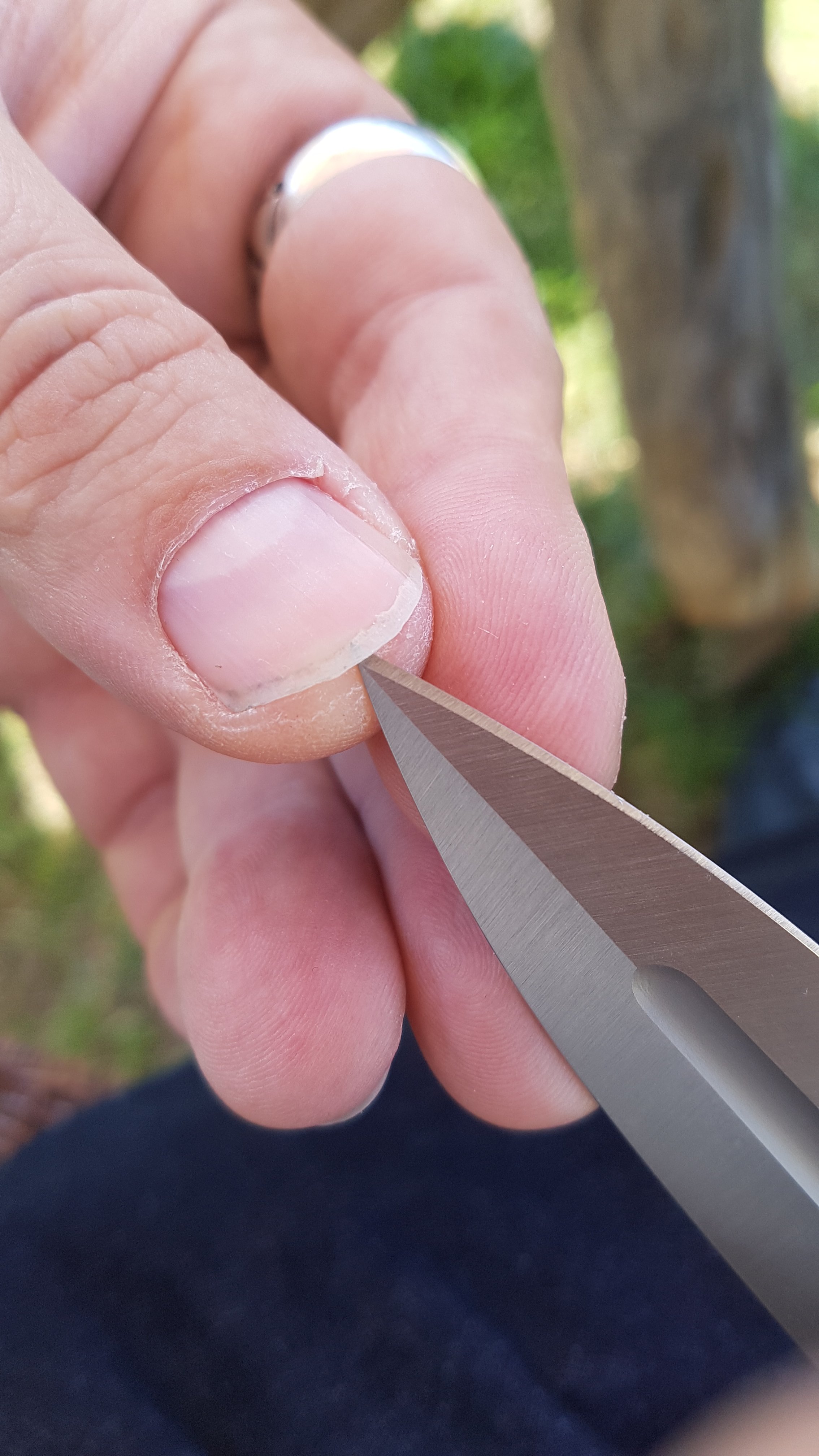
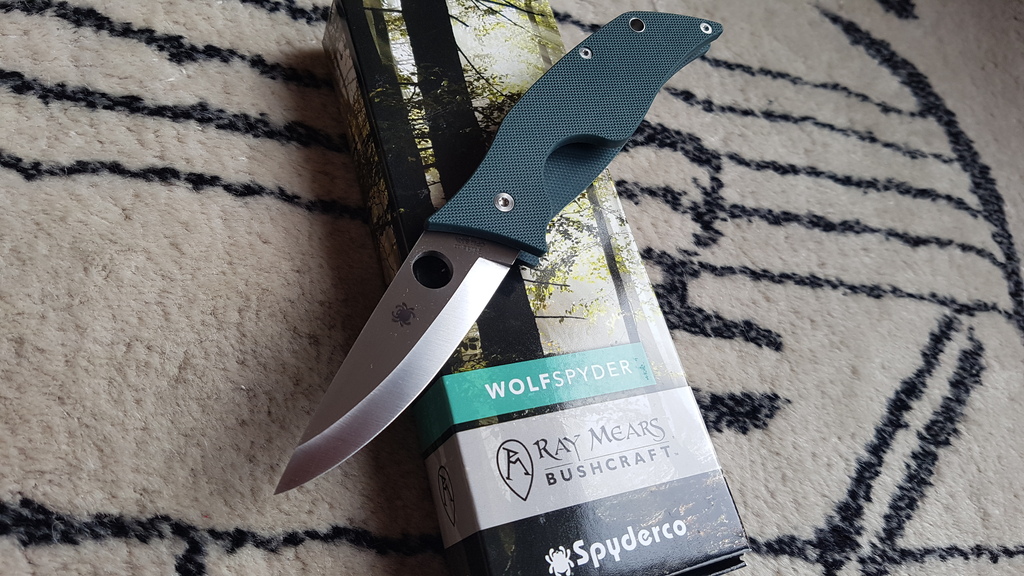
My 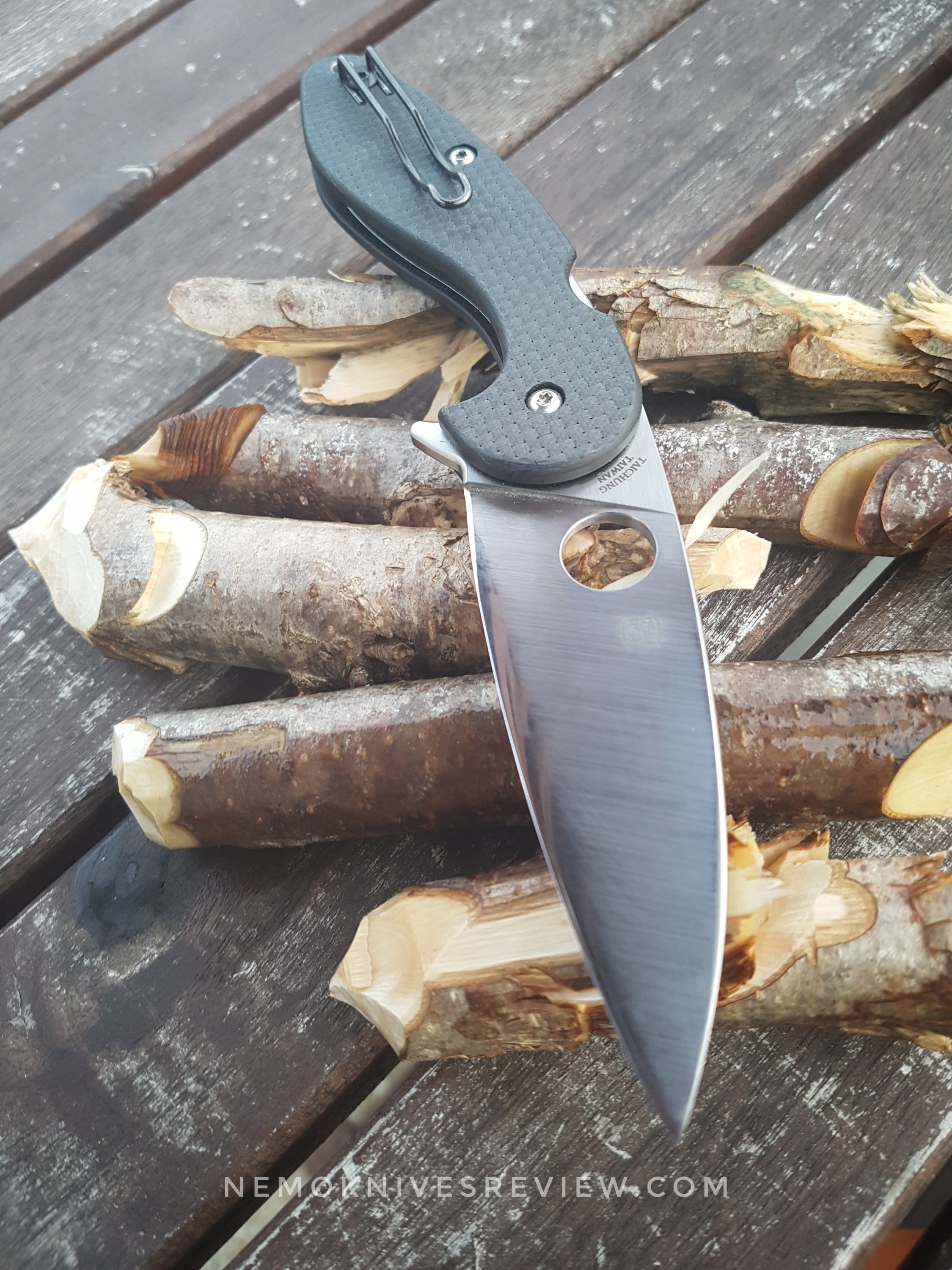 You can see I have mounted my Ed Schempp Bowie clip for now. Now that I feel confident with S30V heat treated by Spyderco, since I have play with the Nilakka (Taichung) and the Wolfspyder (Golden), both radicaly scandi ground knives, I have decided to give the Nilakka a very very thin convex edge.


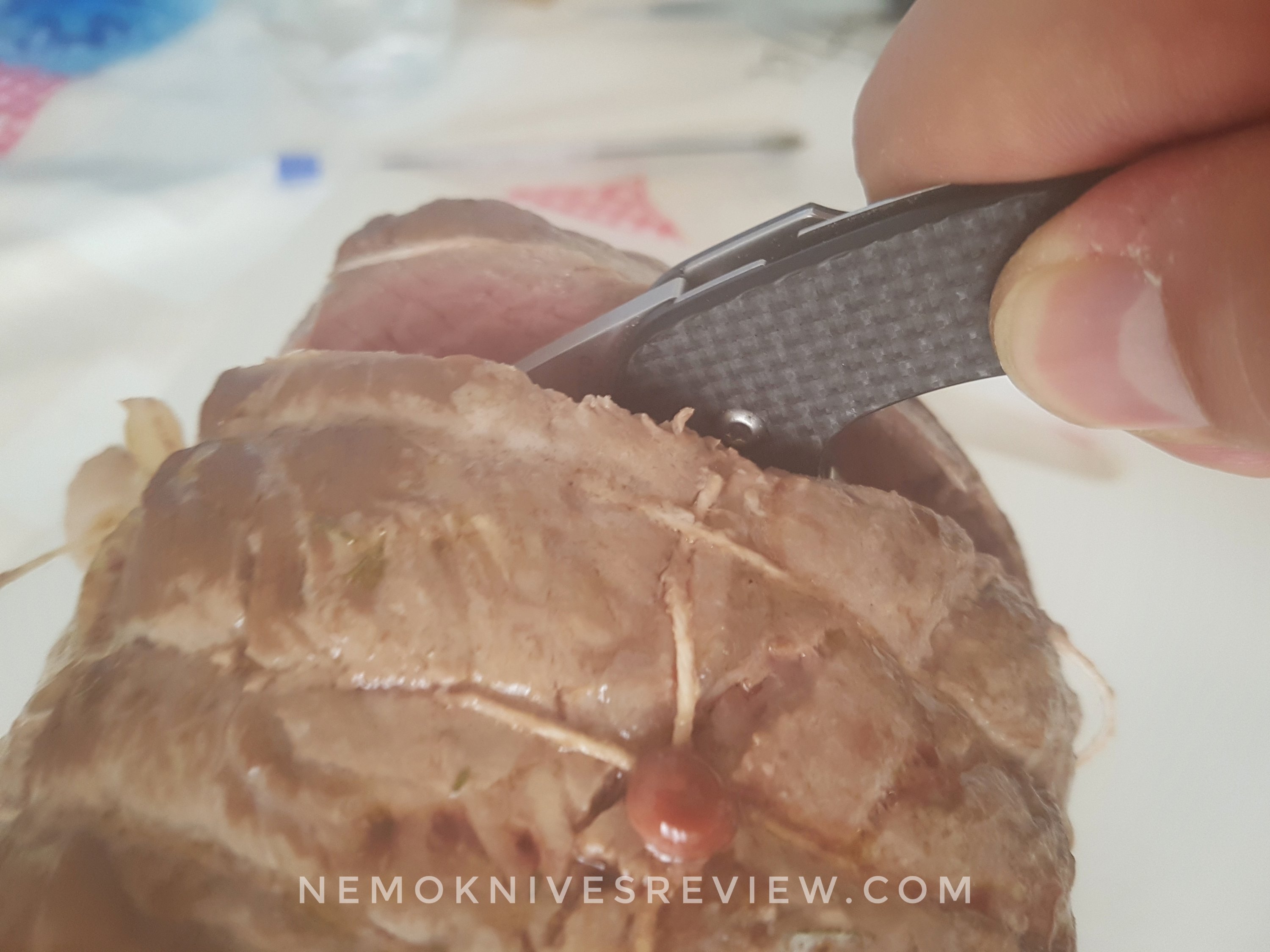
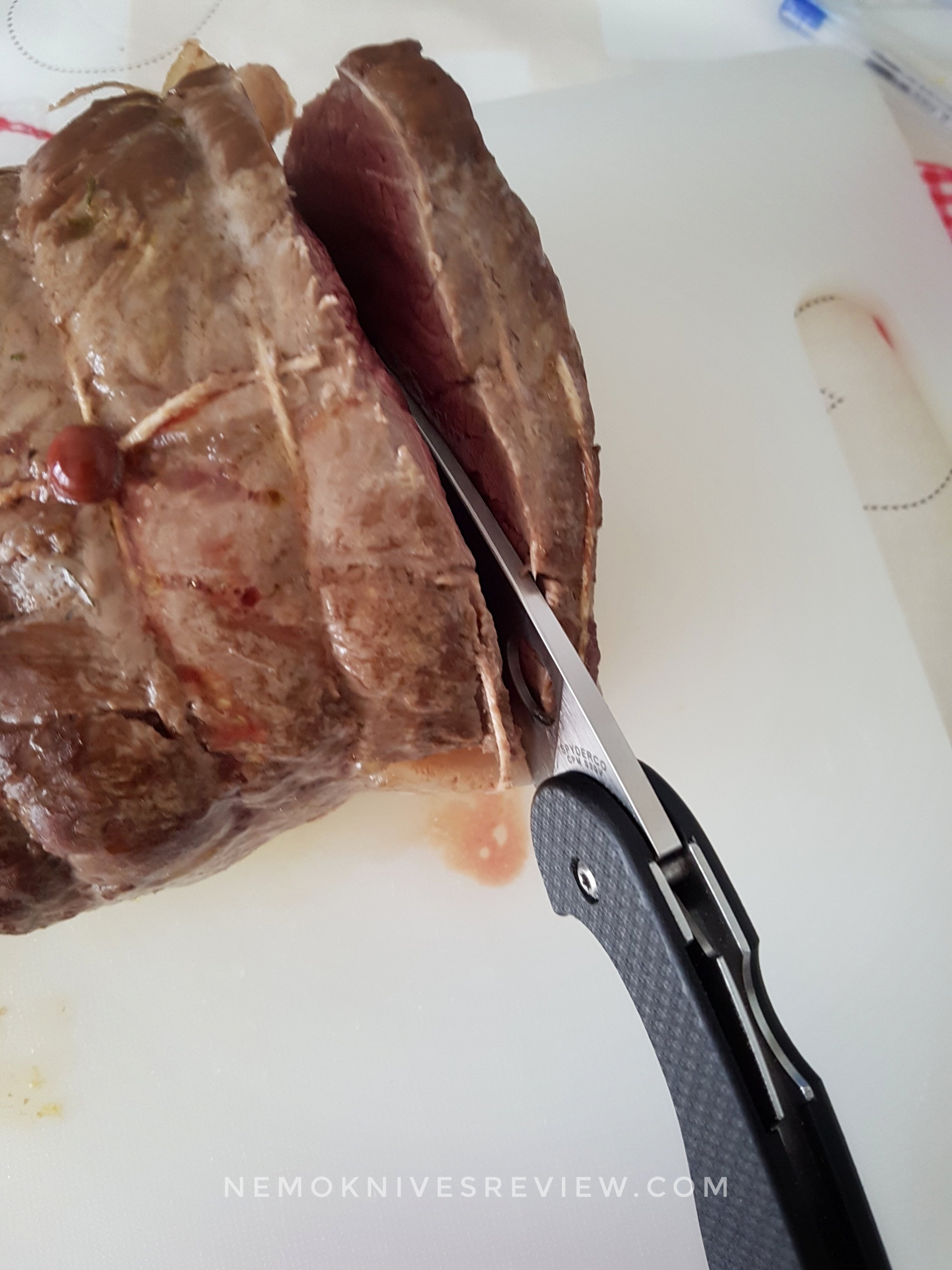
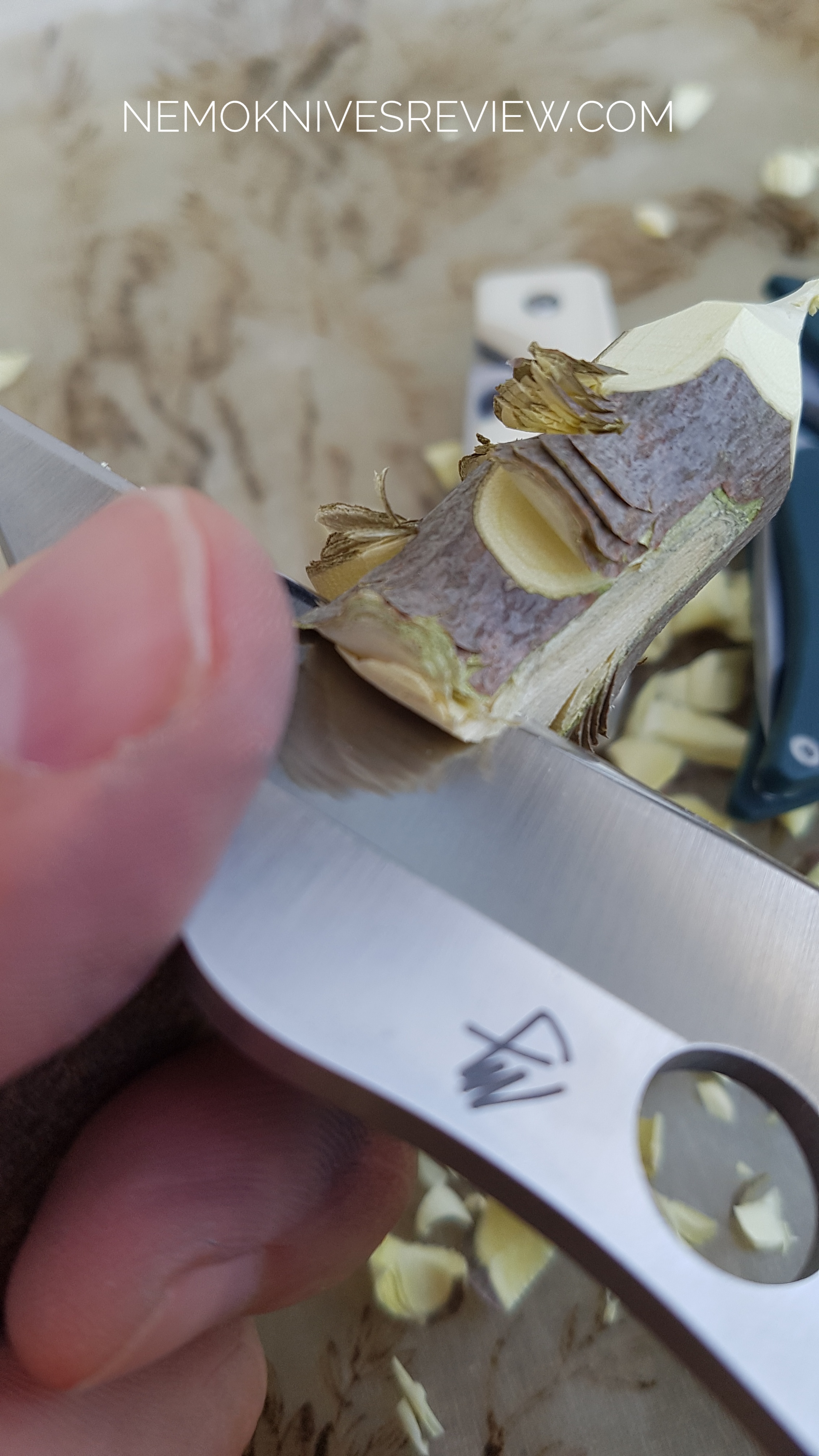
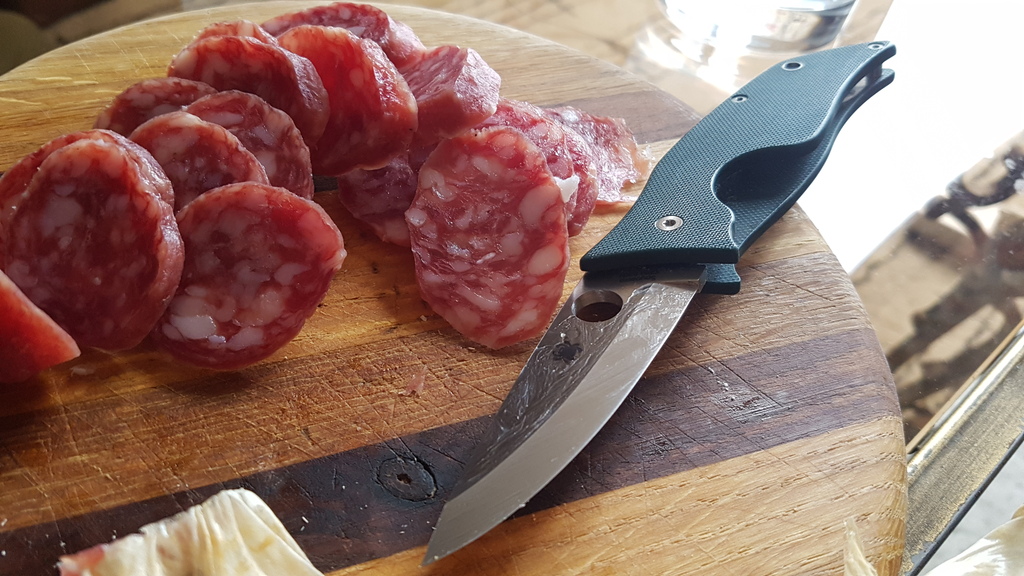
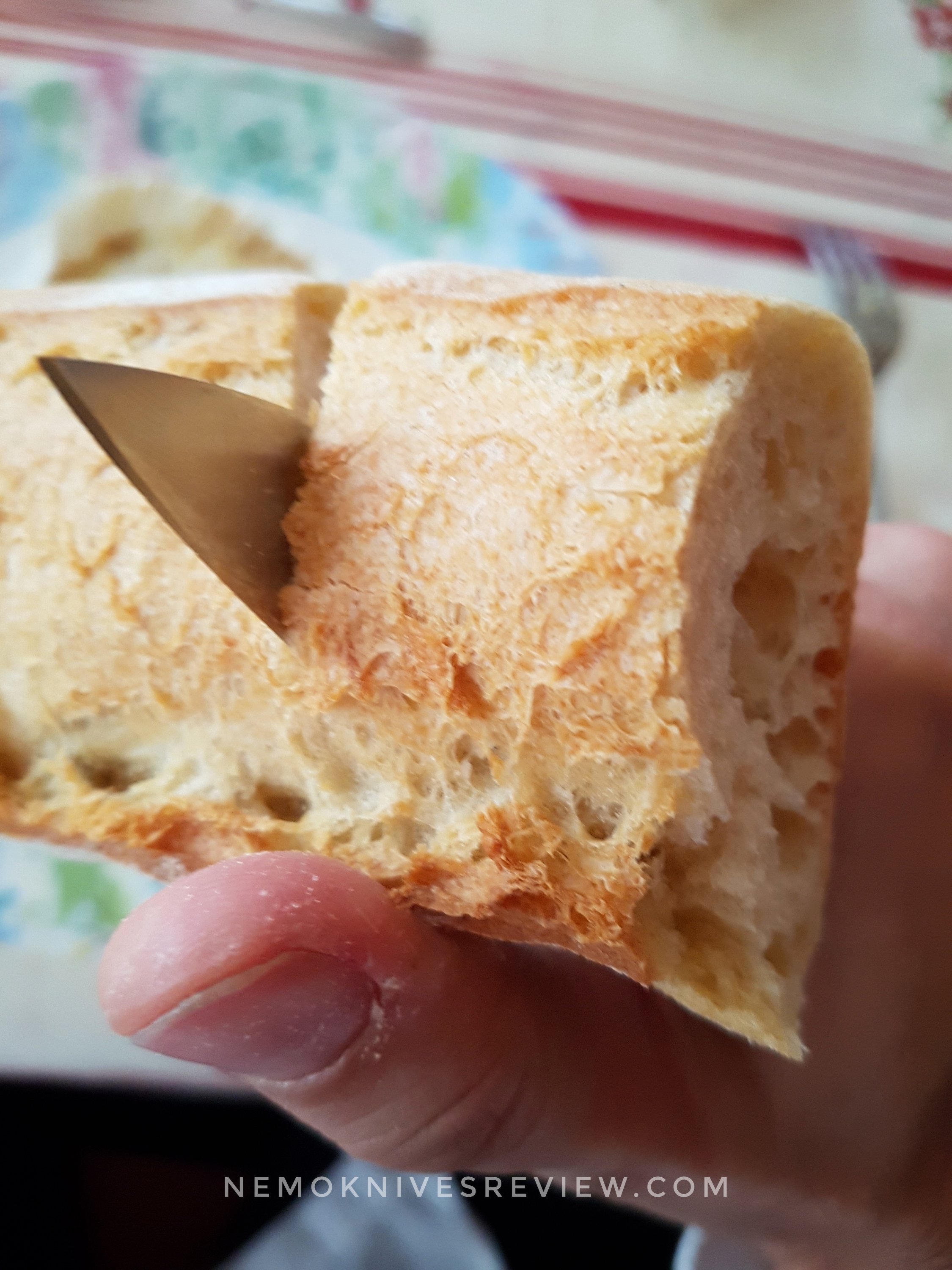 On plastic and wood, I have twisted the blade inside and no harm has been noticed to the edge or the mechanism. I have used it hard at full grip and got full confidence in it in hammer or reverse grip. Like on the other compression locks knives it’s so easy to close it and put it back in the pocket, preventing any way to harm yourself or the others. It is especially great when working around animals like horses for example, when you want your edge to be out of play as soon as possible.


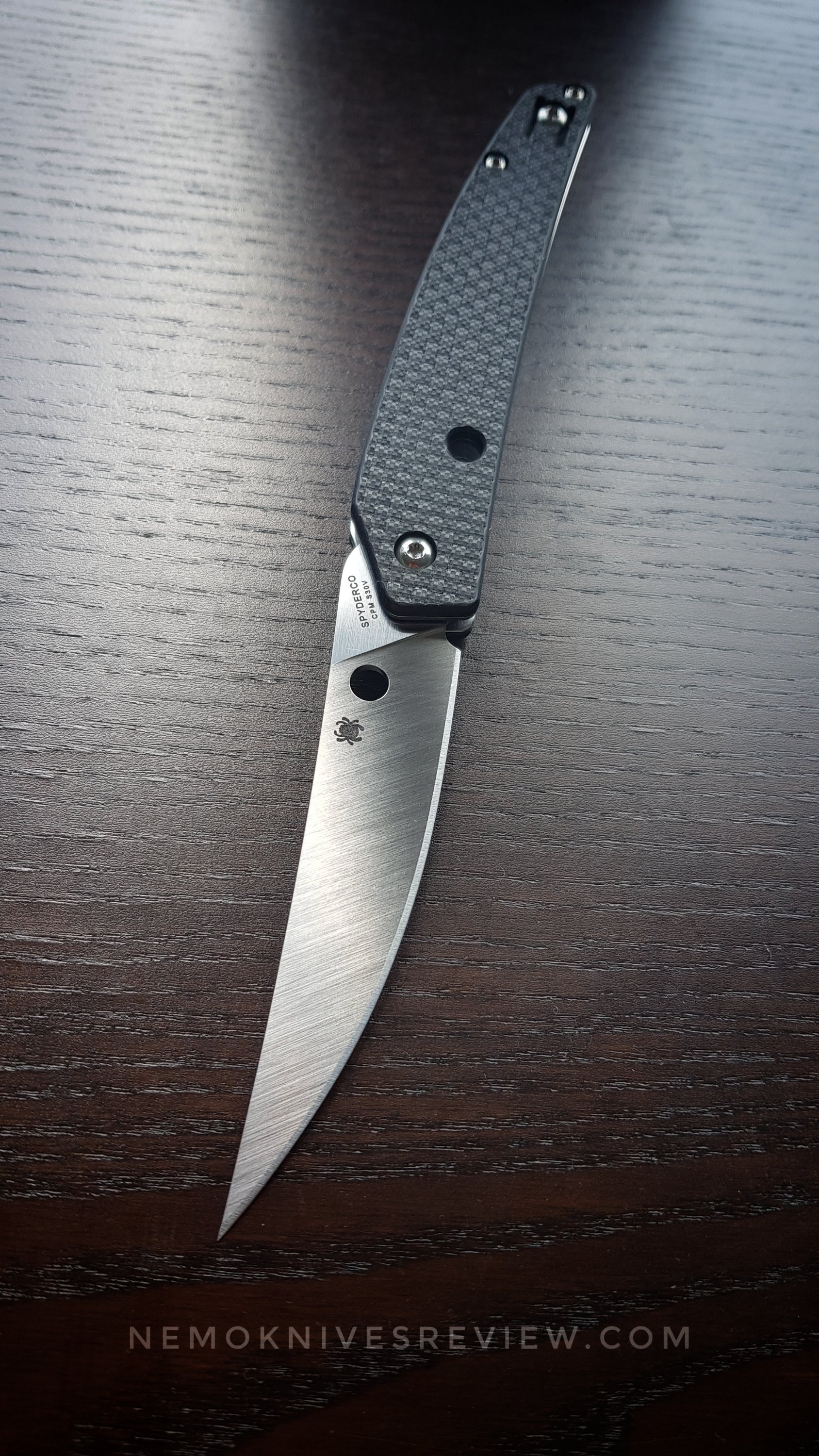
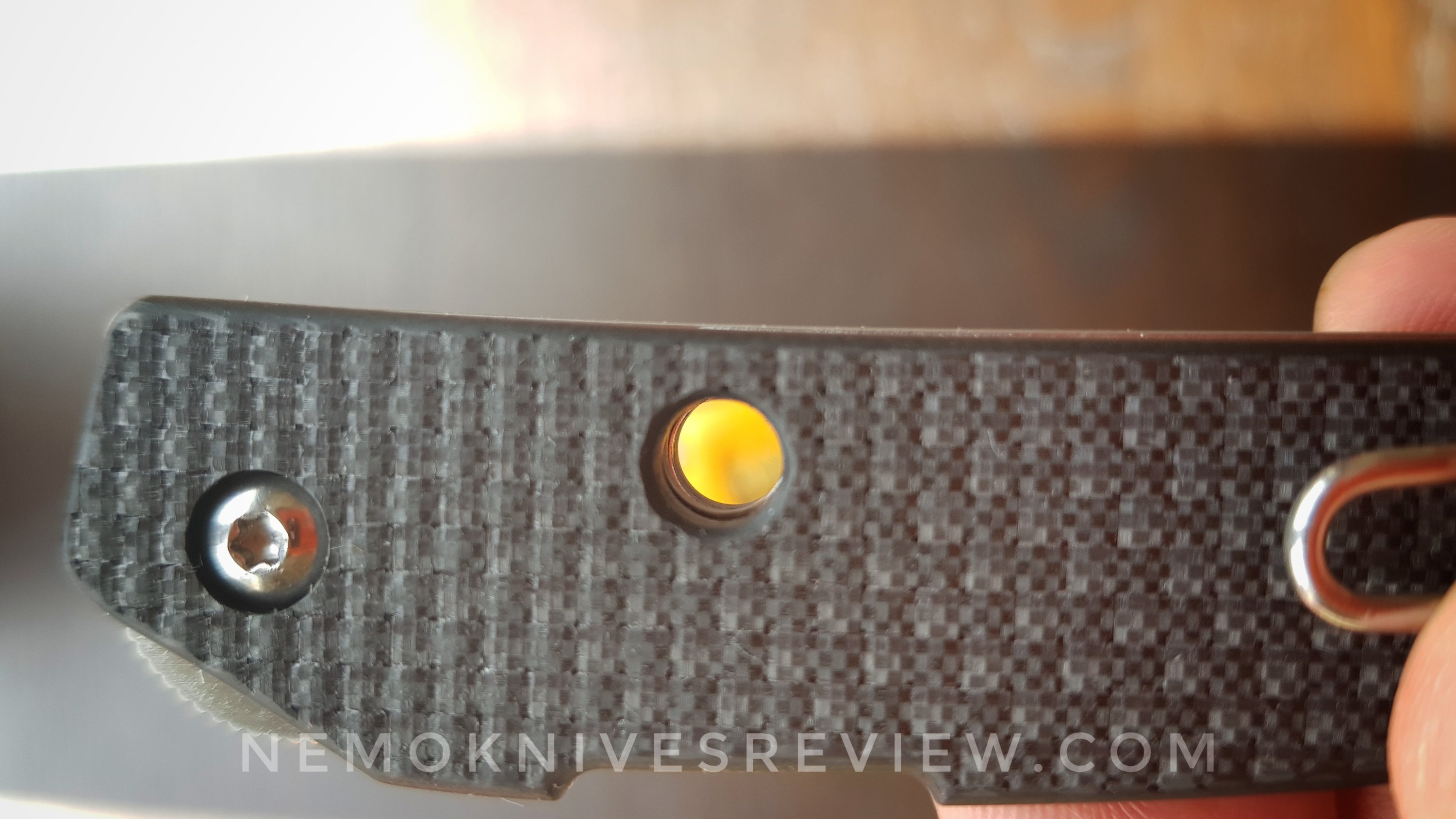
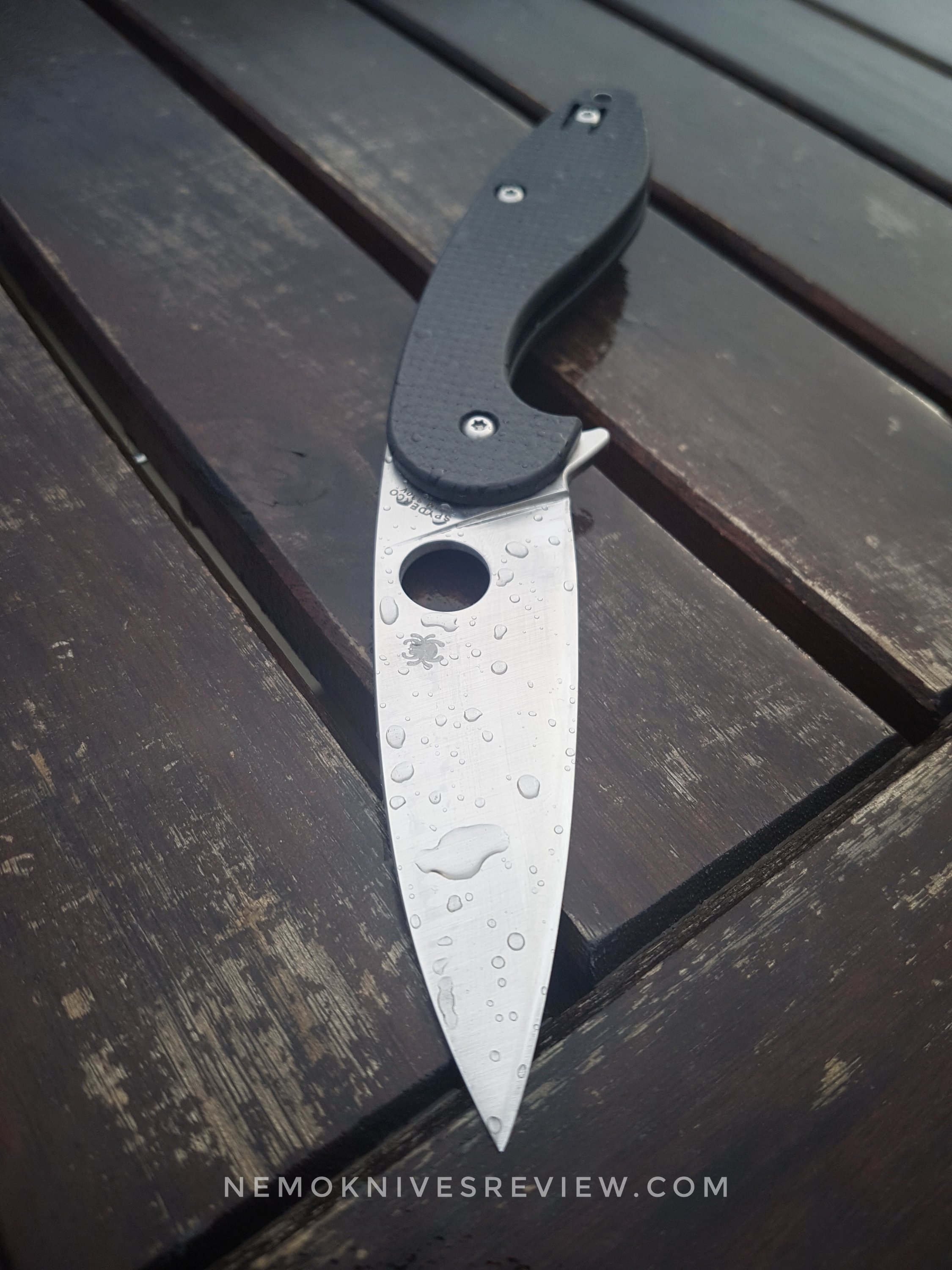
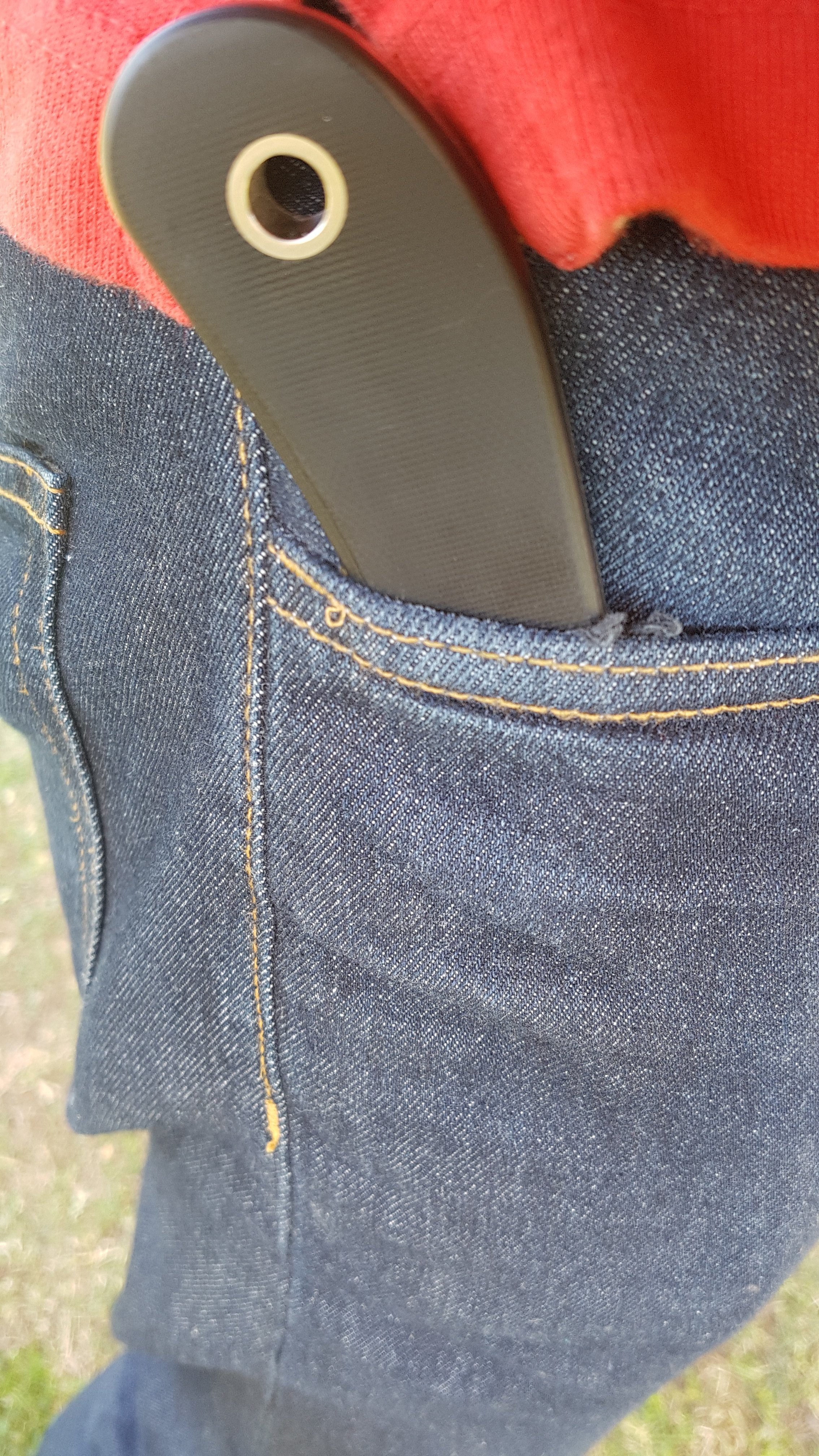
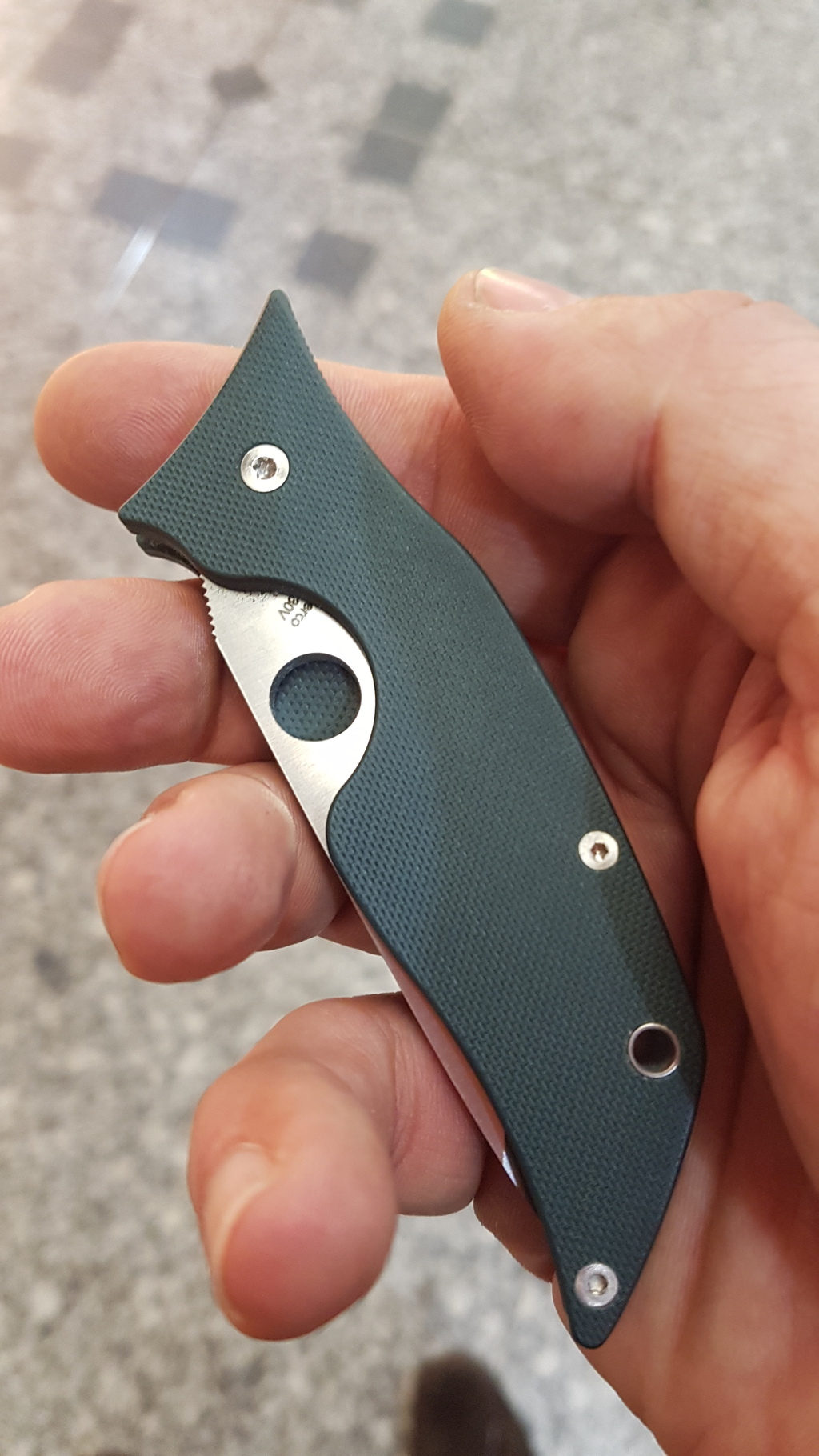
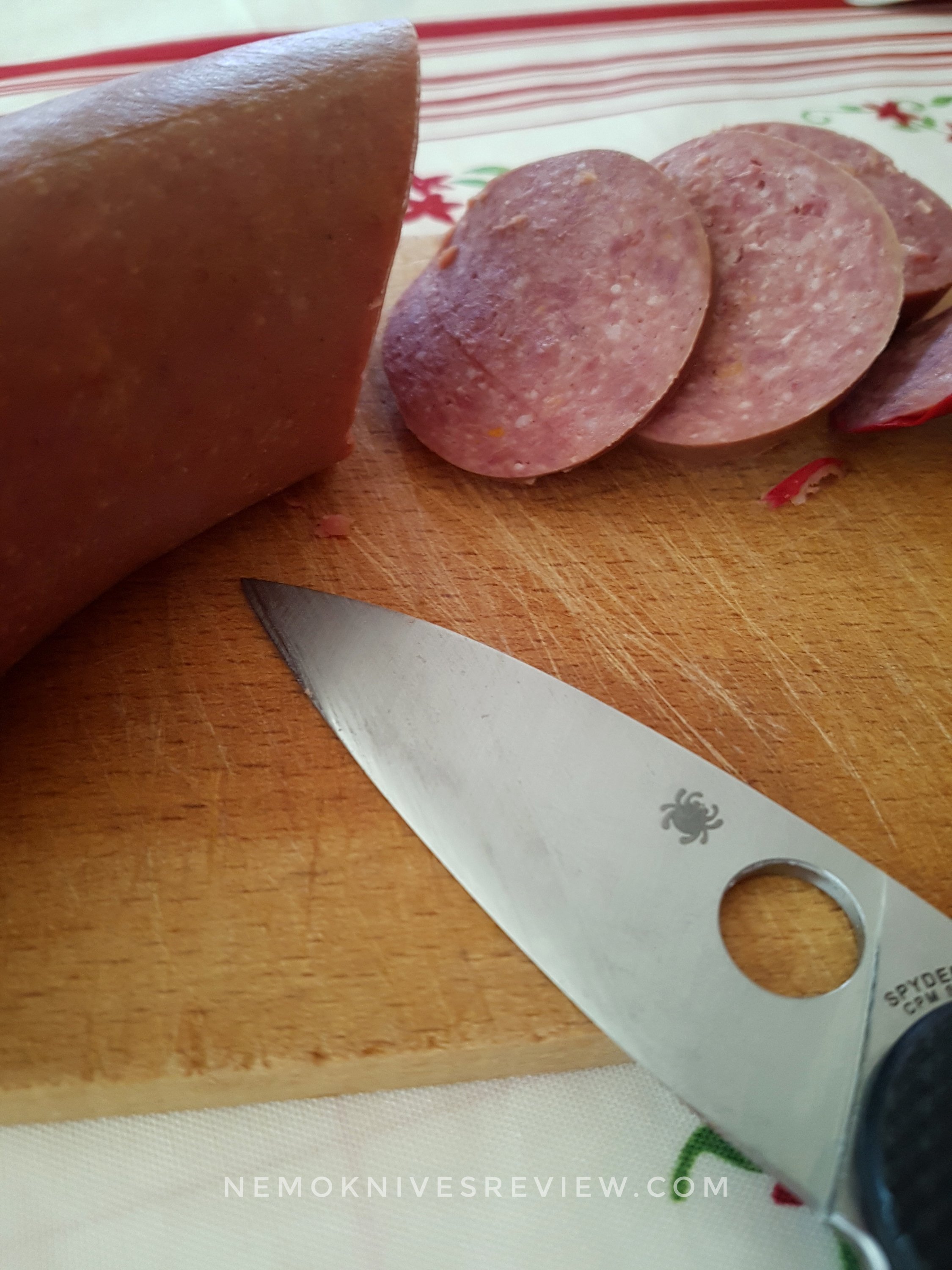 Oh and I really enjoy the fact their zero jimping. Most of the time I’m obliged to file them a bit on the corner to have them to my taste. Here no need for jimping and as a tool the Sliverax is perfectly anchord to my hand. The CF/G10 material is working perfectly without chewing my pants. After EDCing


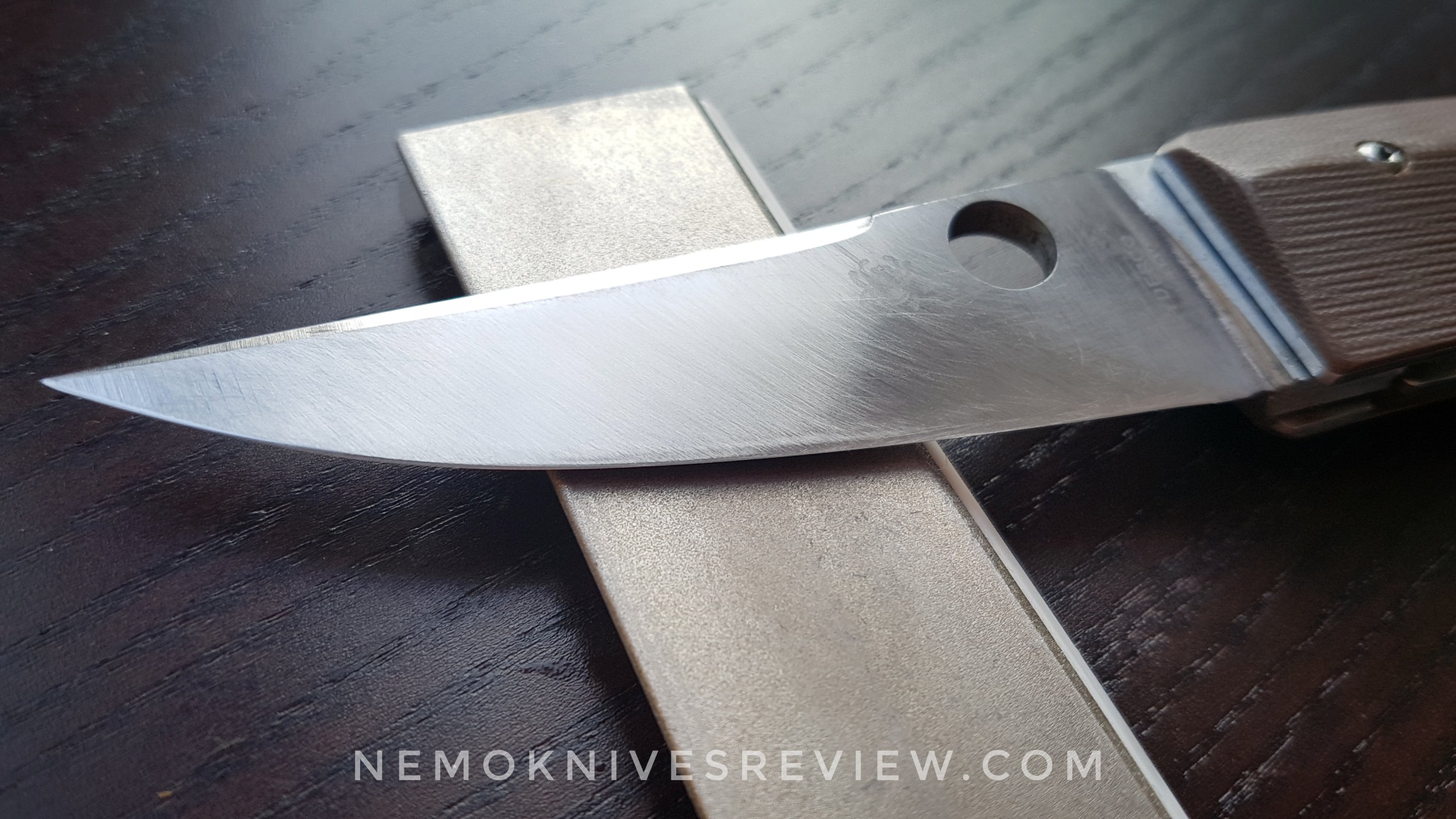
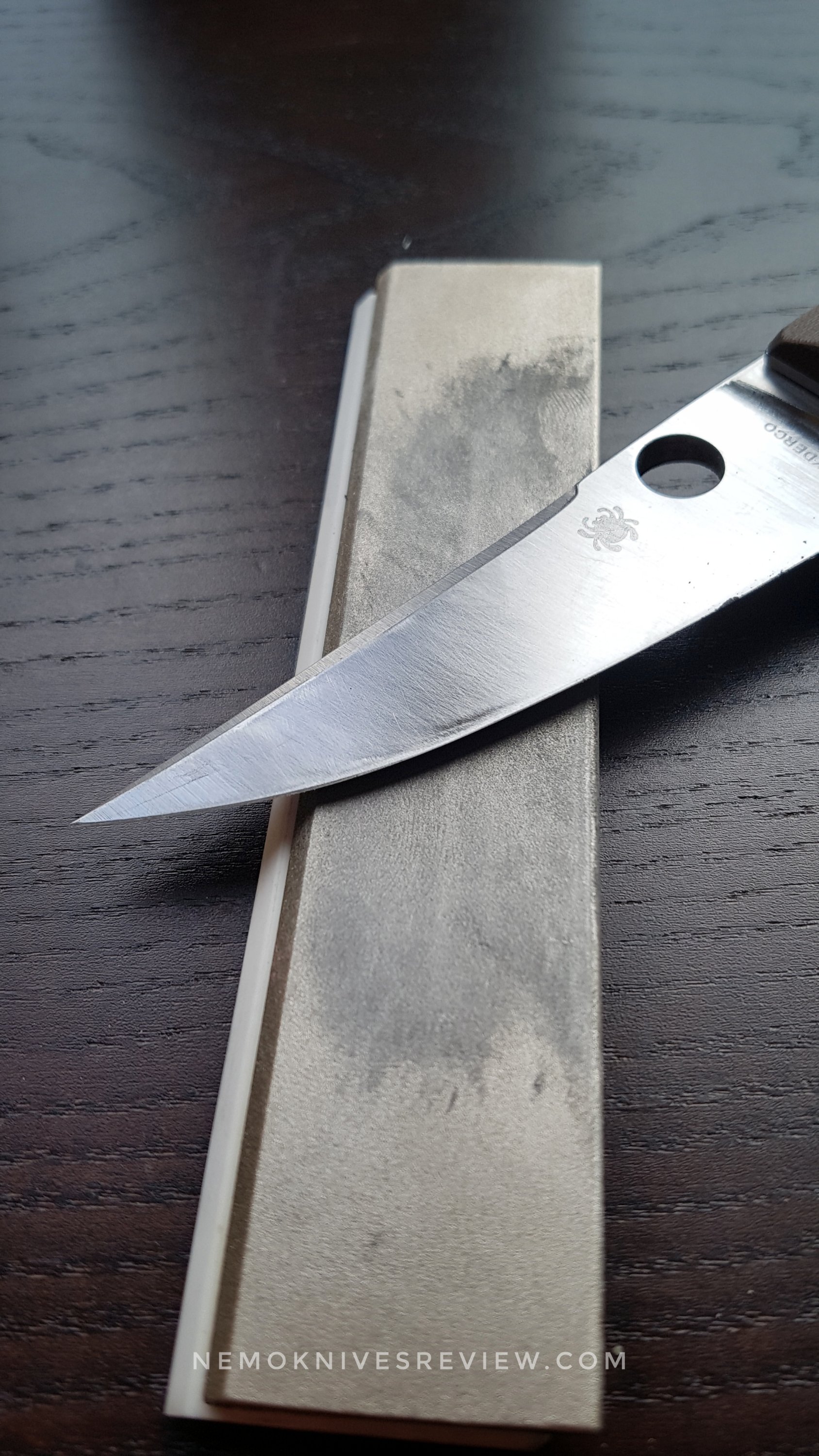
 There is a lot of matter to remove and by hand, it takes some time.






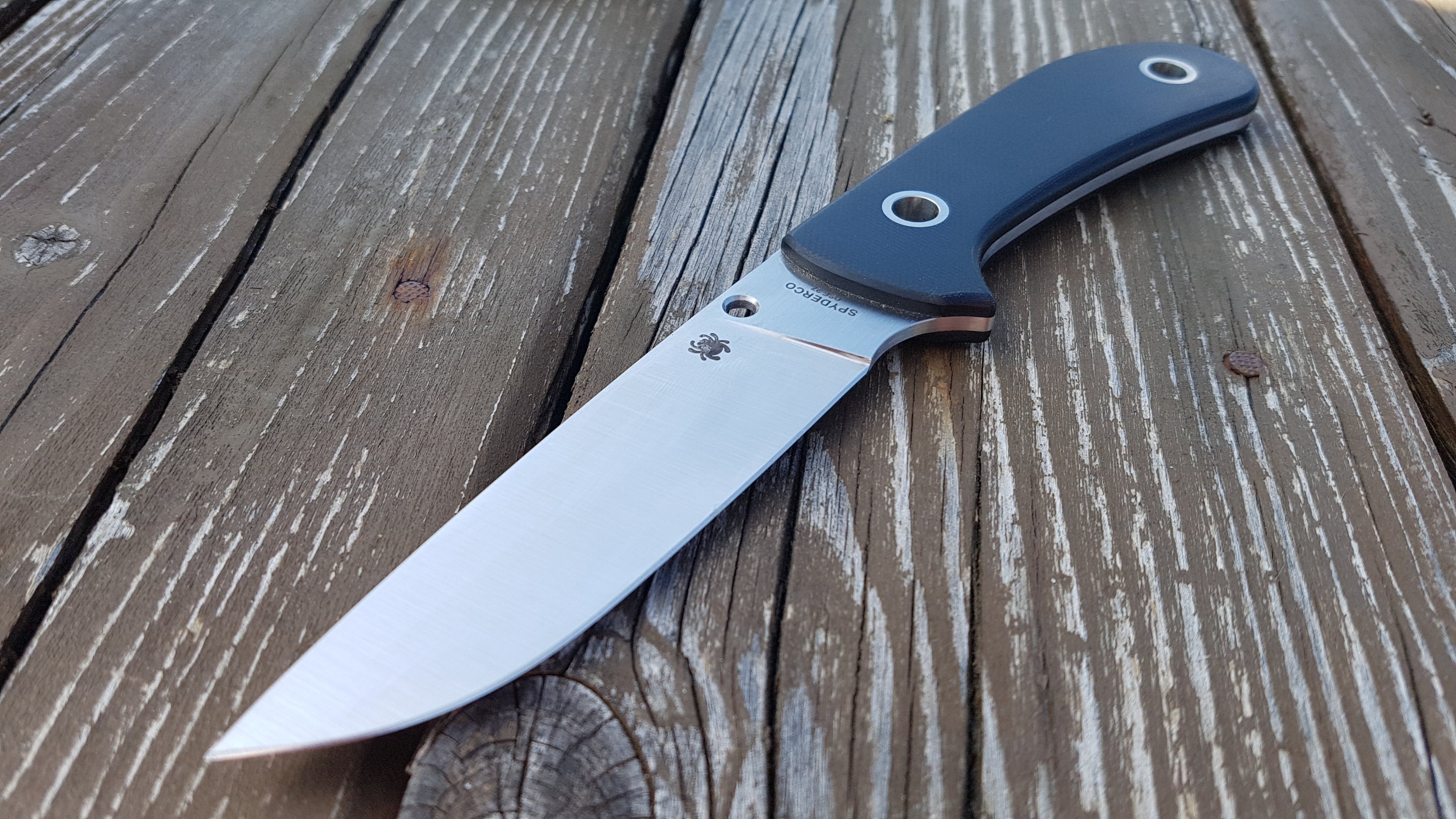 It has all started when I wanted to review the Spyderco Gayle Bradley Junction. It’s a great design for an EDC fixed blade which can be used for everything. Easy to carry in its pancake constructed bolteron sheath. But the edge was just too thick for my own use.
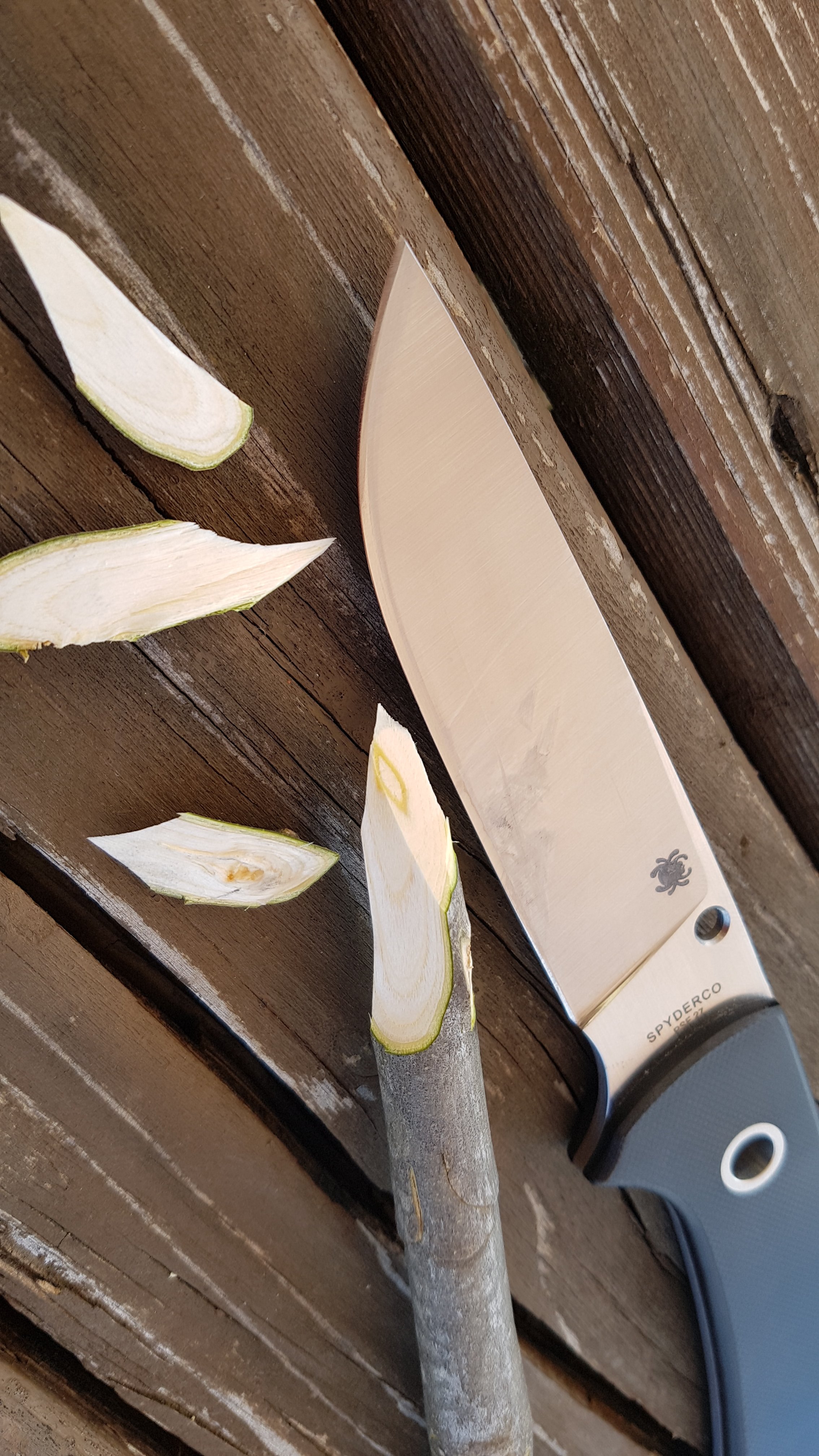
  To my knowledge, SPF27 is some kind of CPM D2 steel. A lot of carbon 1.5% and not a lot of chromium around 12%. Not the easiest on the stone as a semi stainless. It was not very soft under the diamonds compared to another blade in N690 HRC59 I got with me. And it was not really easy to remove the shoulder to create a gentle convex edge. Patience… In sharpening is important. And I often lack of it but I was able to improve it.
 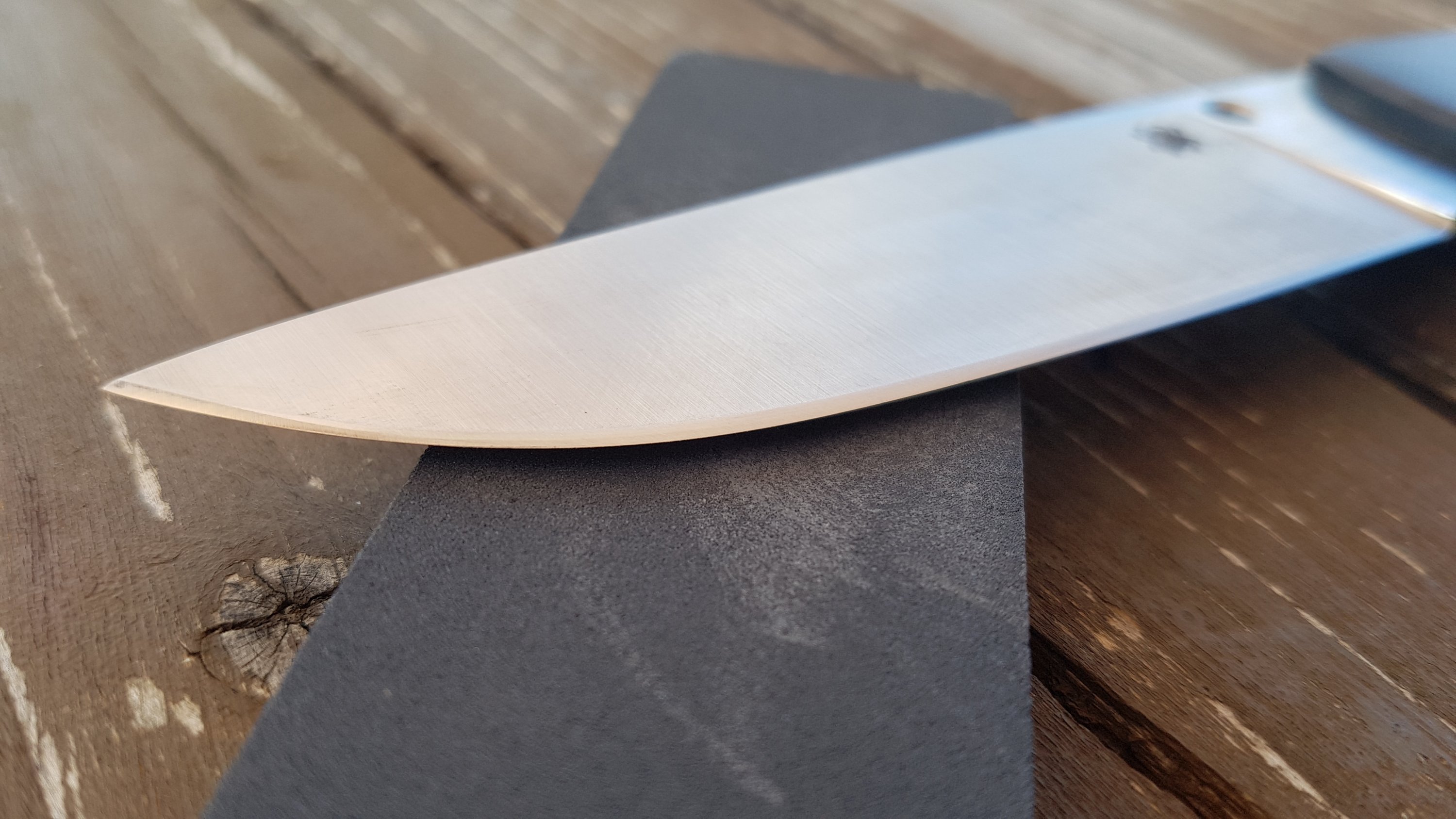 Next some black stone mostly to remove the scratches.
 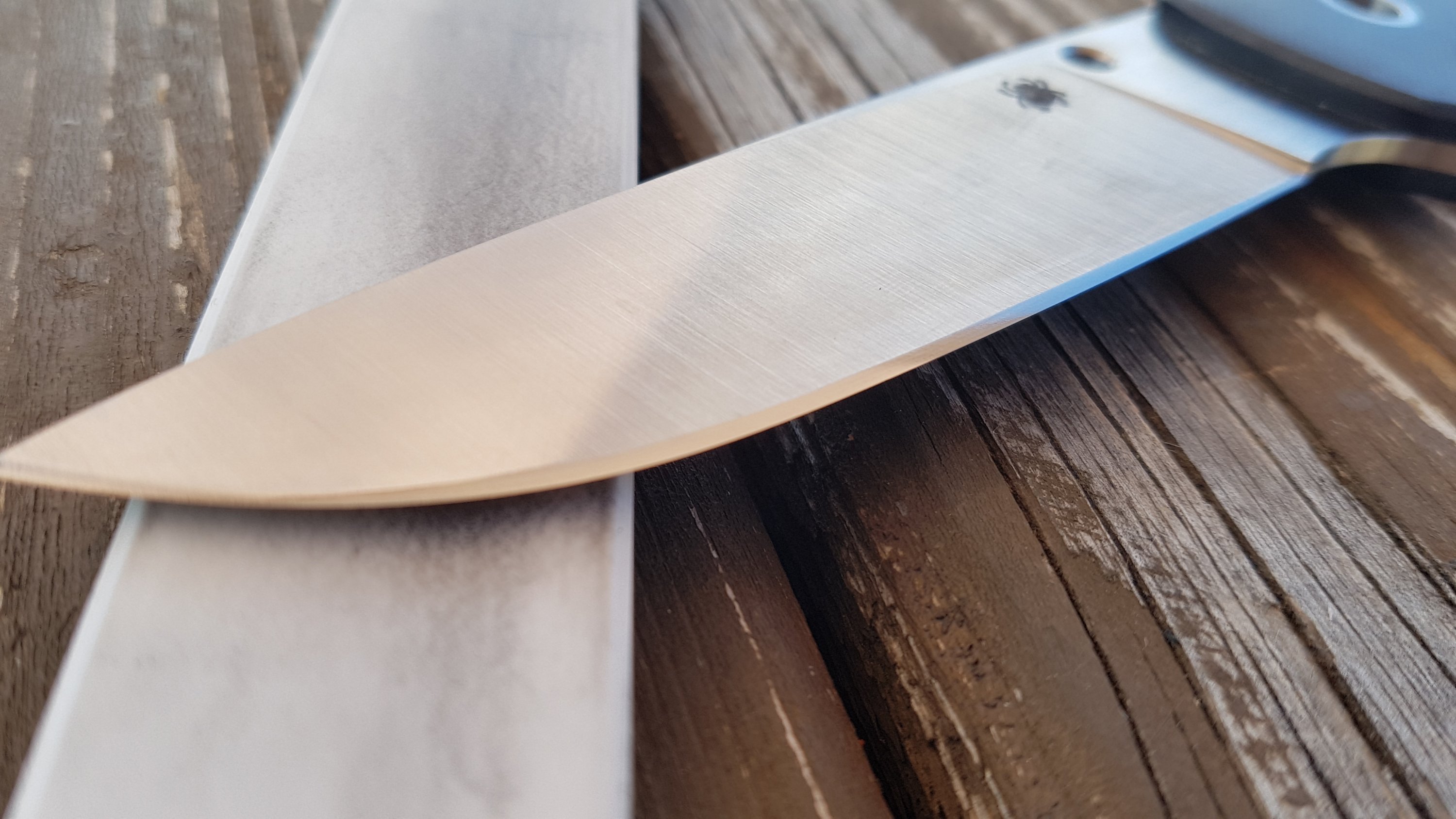 And then the white ceramic to get a better finish and a razor steel.
  You can notice the chamfered signature hole on the Junction. A première. The cuts were deeper. It was better! Much more enjoyable.
 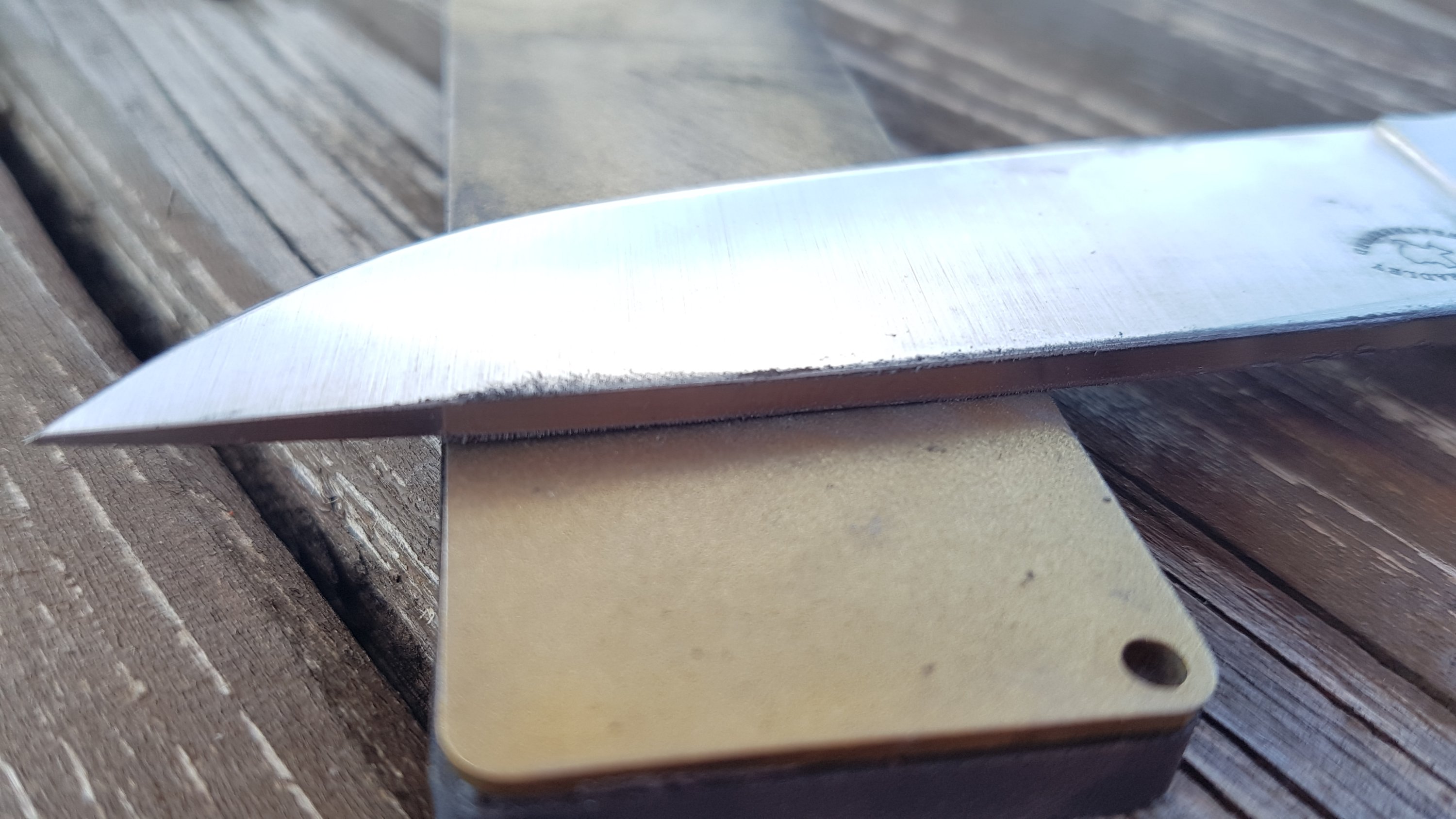 But the spine was too sharp for my thumb and diamonds came handy to rounded the angles. It would never be a Sebenza spine….
 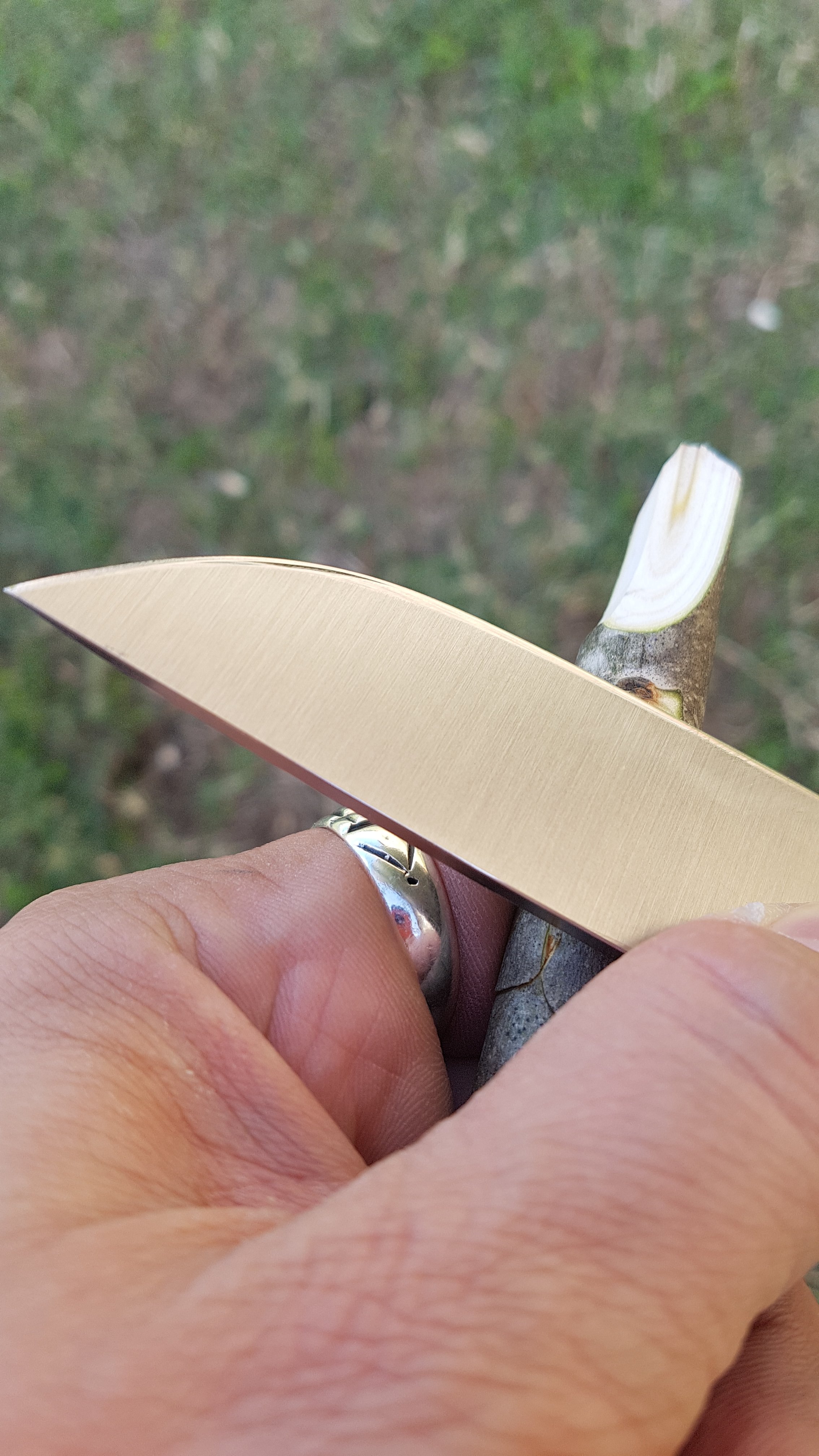 Again the control during whittling was much much better. One should never be scared to round the edges for suiting your own needs.
  The handle is very flat on that knife. It’s an attention for people who wish to stash their knife in a pocket or a backpack without leaving a print.
  But a flat knife is not the most comfortable in the palm of your hand… Especially when cutting hard things for a long time.
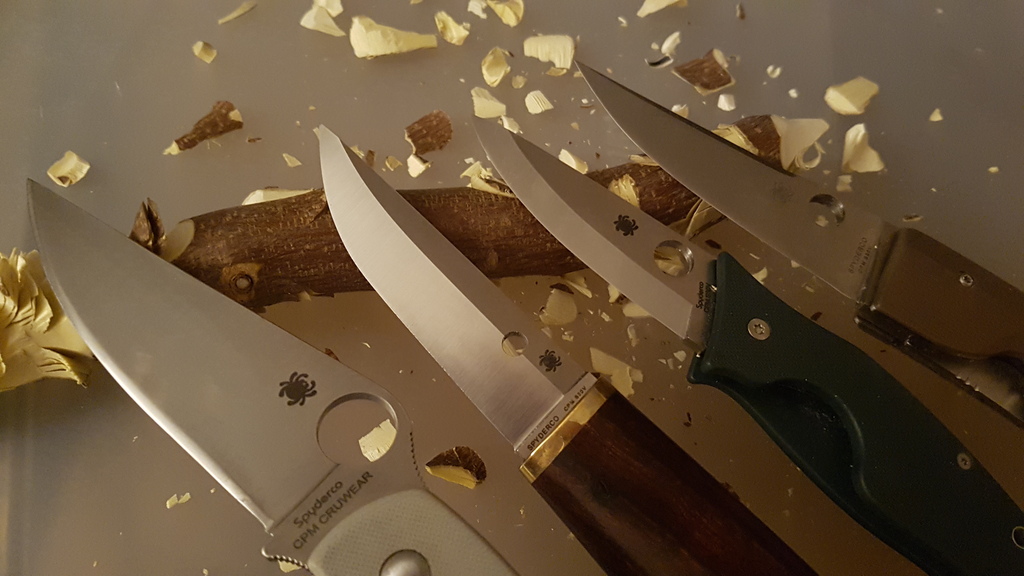
  I decided to make a quick comparison with the Spyderco Sprig which is a pleasure to use.
 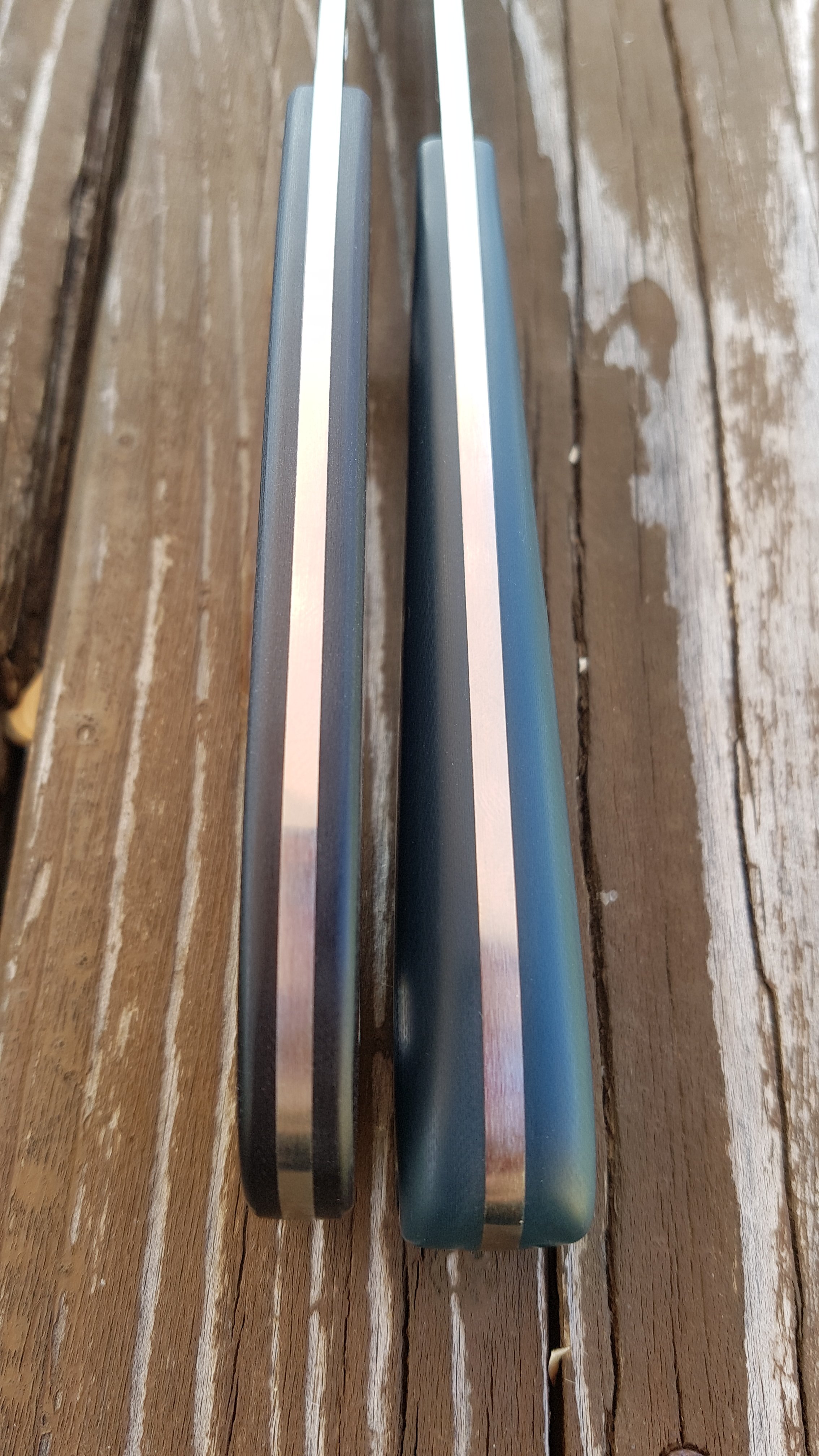 You can notice how the Phil Wilson’s Sprig got a thicker handle. And it change everything when cutting hard things. Also Phil Wilson’s is all about performances. Its geometry is stellar.
 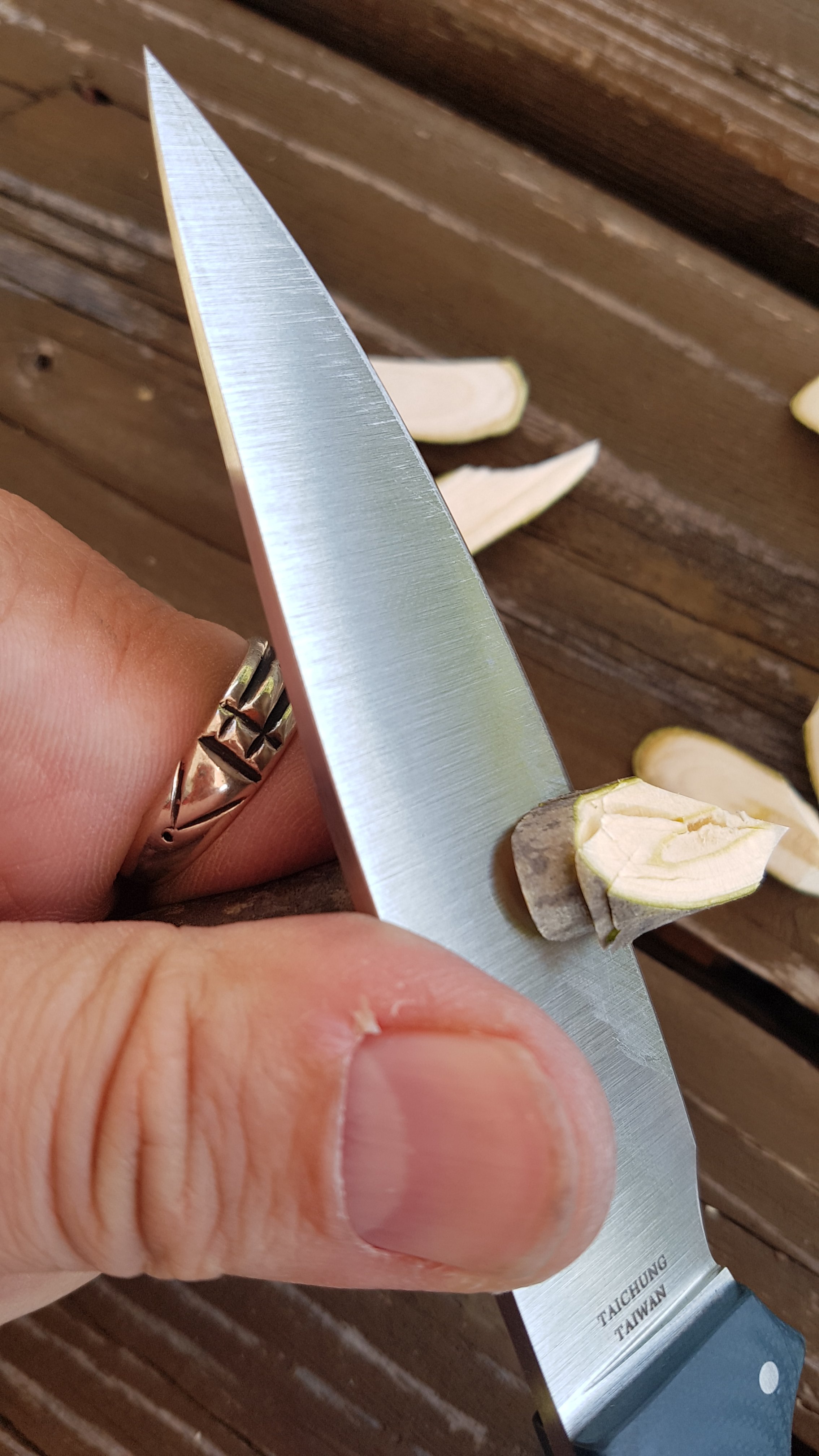 It immediately cuts deep in wood without any real improvement needed….
  But diamonds were there to be usef. 🙂
 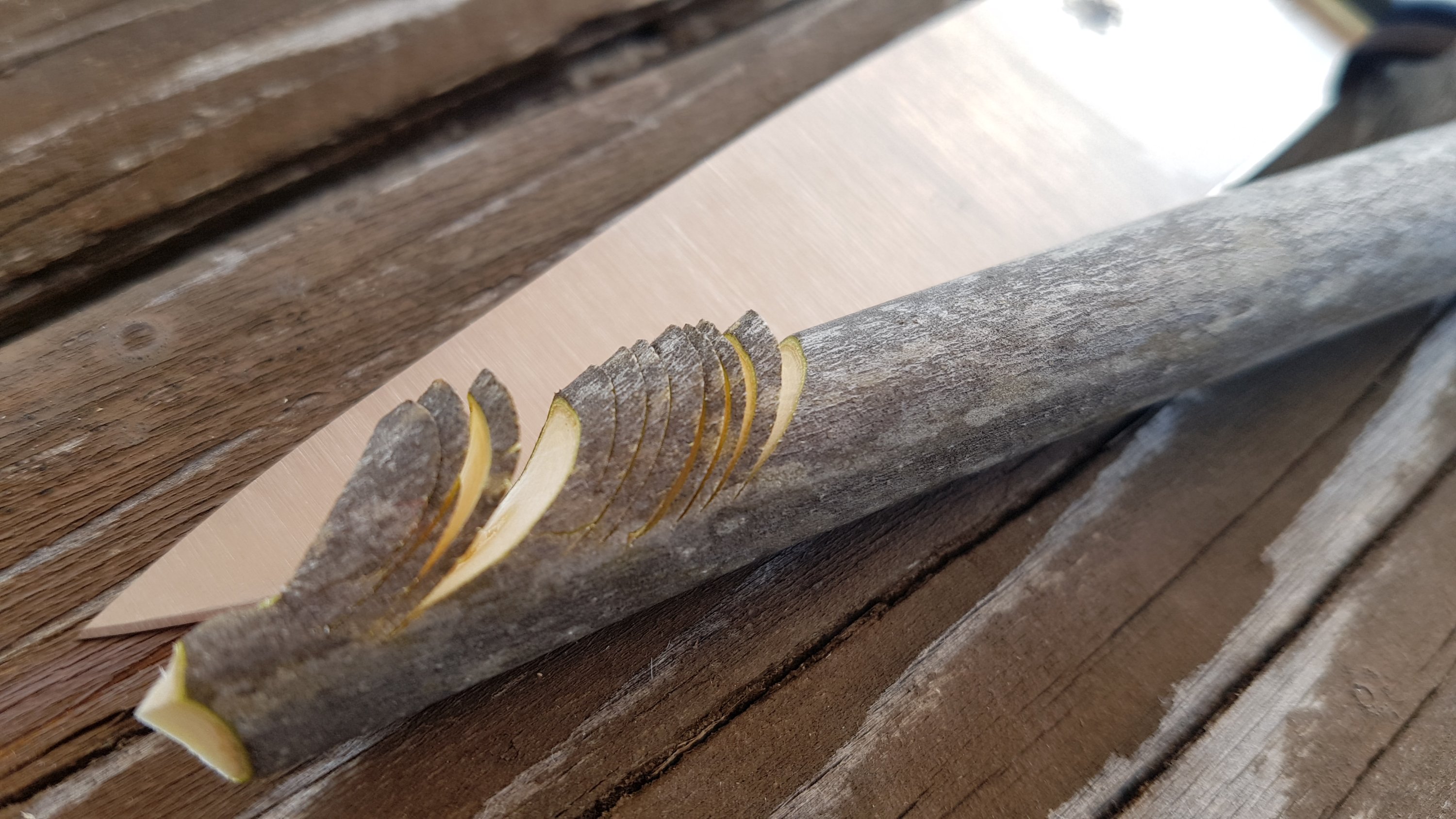 I was able to get thin regular cuts into the wood. So I have decided to try the diamonds on the Gayle Bradley Bowie I have brought with me. This one got a thicker geometry and is made if the same pulverized alloy as the Junction
 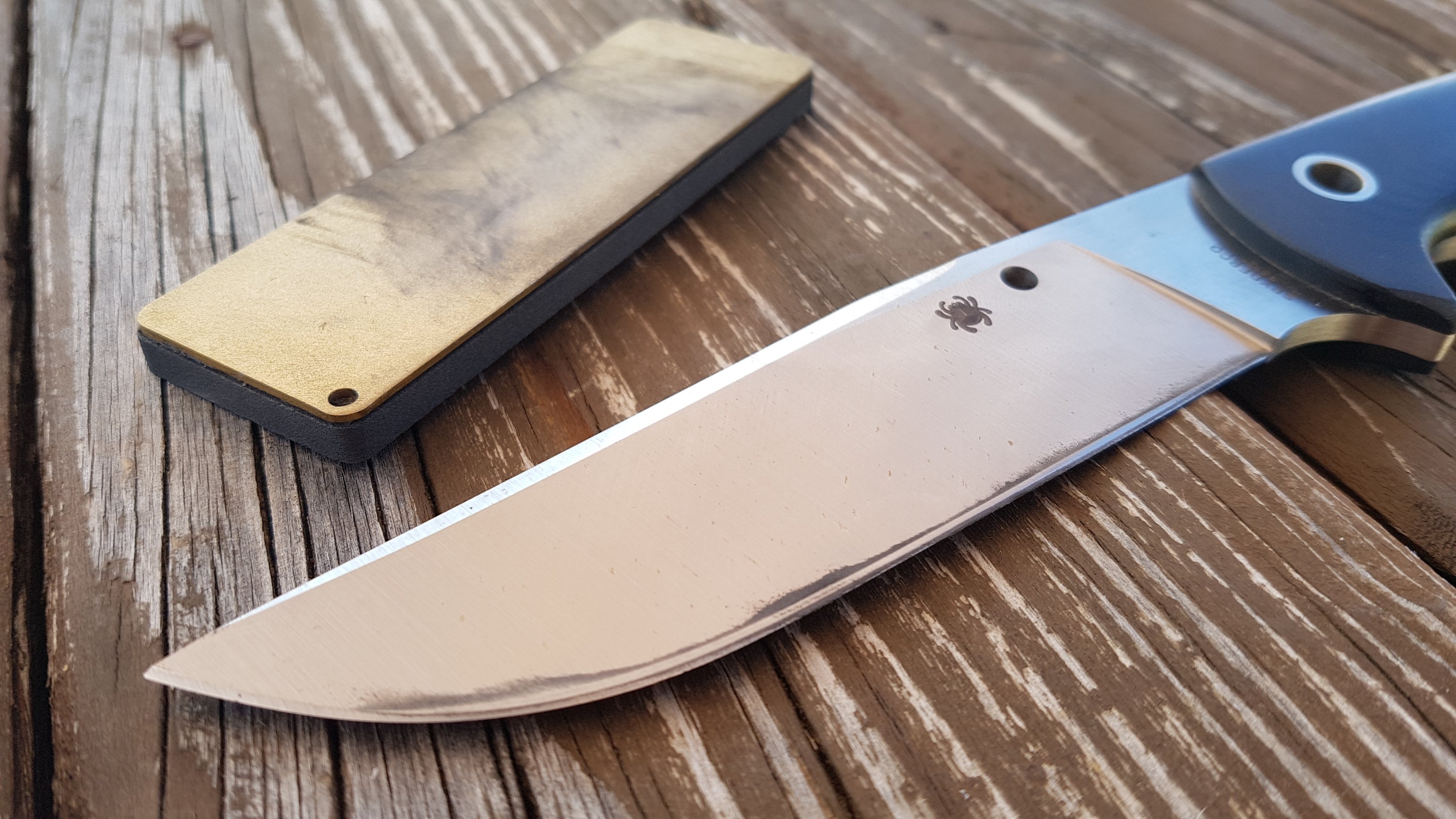 You can always improve an edge.
  Used as a light chopper it worked just fine.
  Gayle Bradley has provided a great compact Bowie which can be used as a light camp knife.
  You can see: it’s not a lot bigger compared to my Ed Chempp Bowie.
 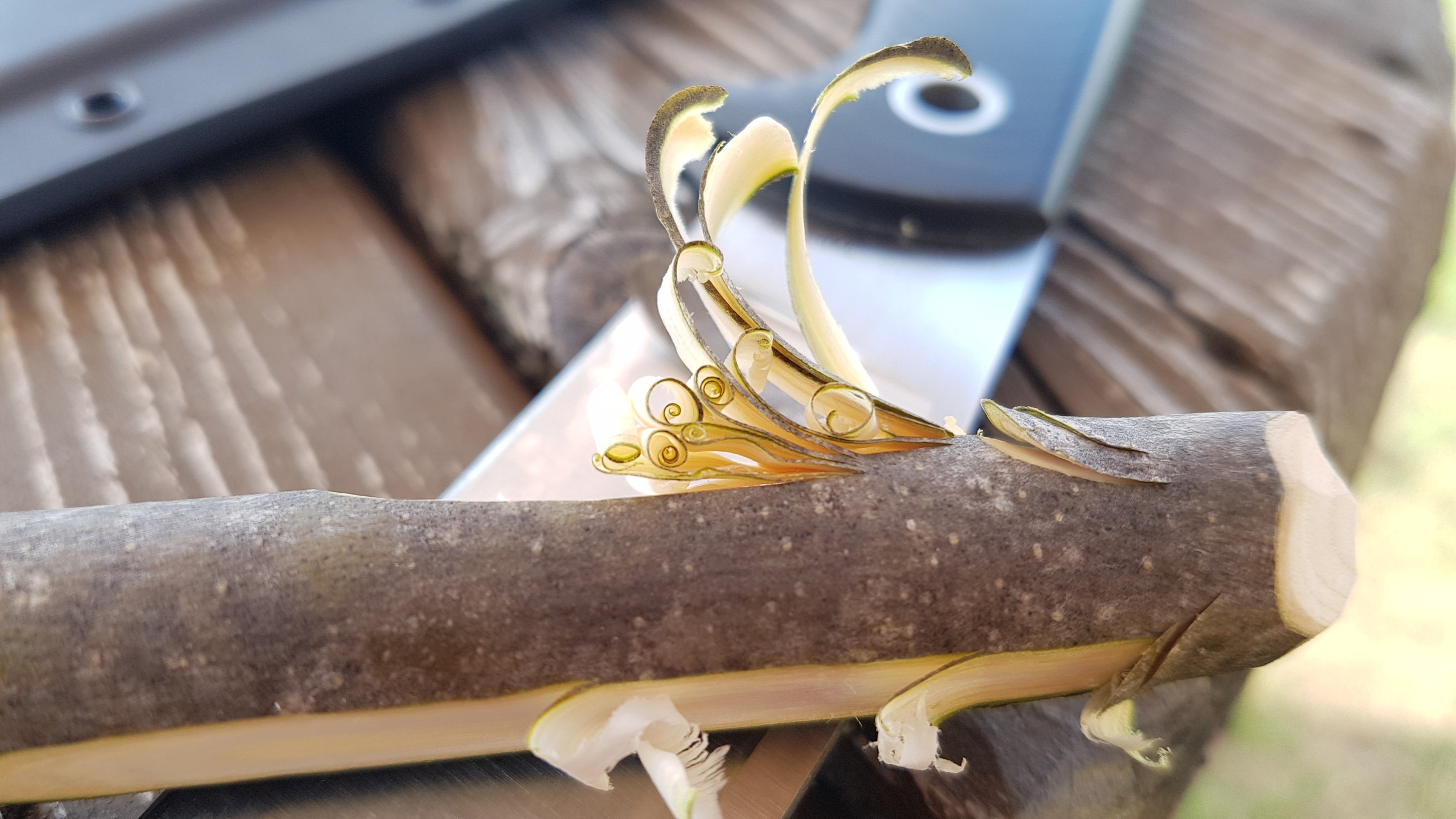 And the edge once thinned is honorable.
 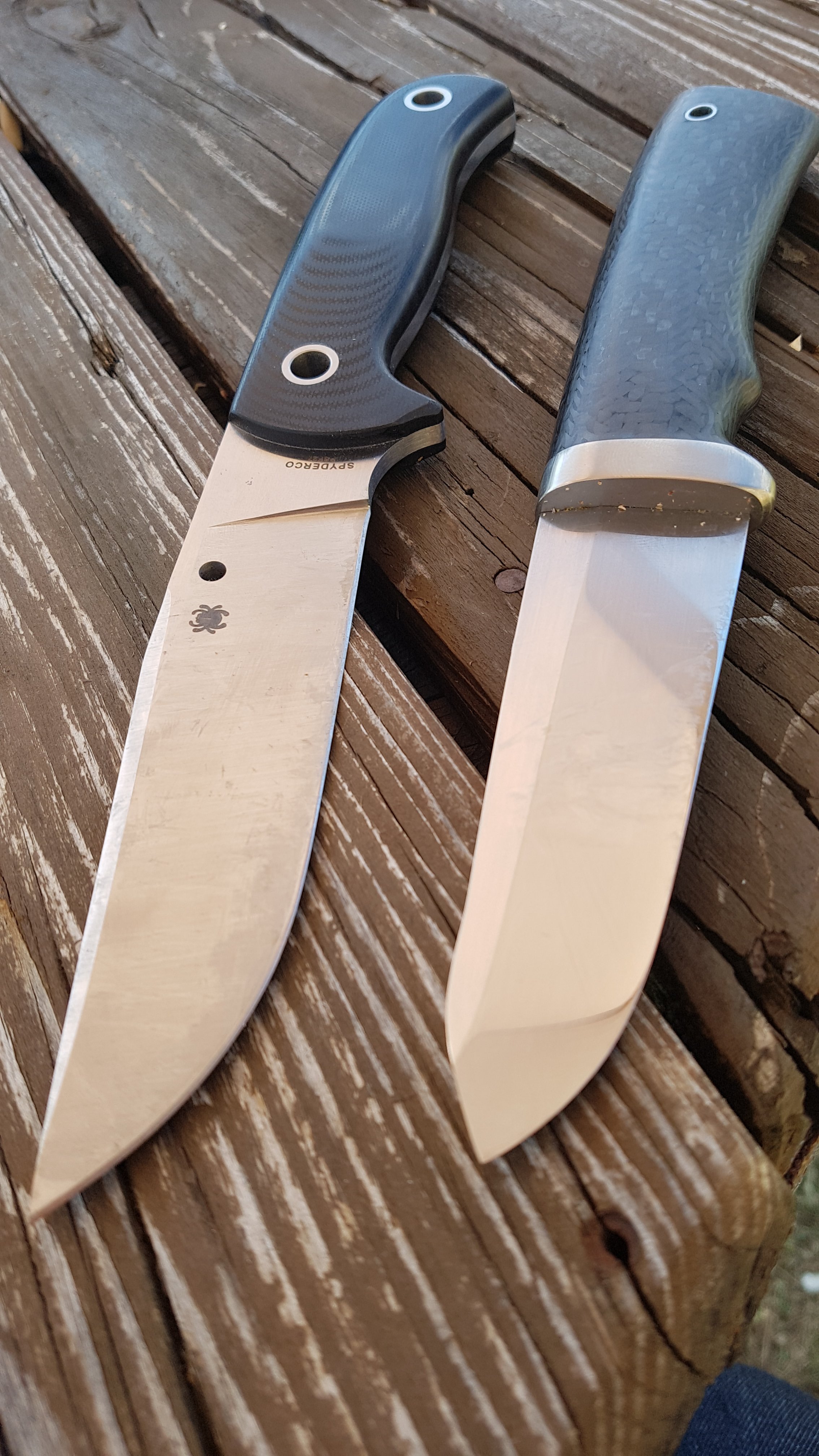 Of course it is not as thin as my Pekka Tuominen Urban II for example. And not as aggressive as the Sprig…
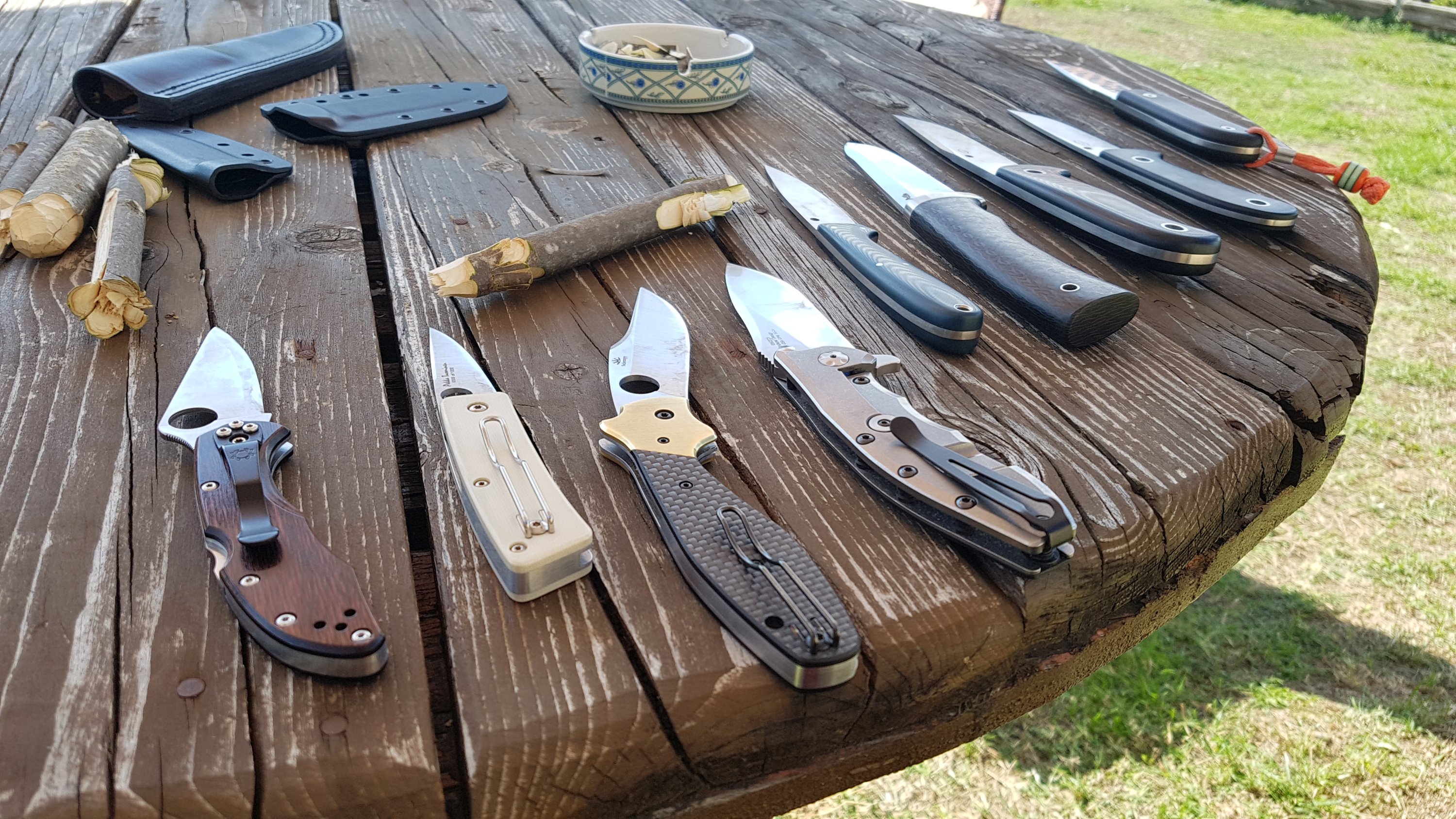 I got…. too much knives on my table…
  An Francesca knows how to prepare the pasta with pomodori.
  Crostini a la Toscane. Poultry liver, oignons, red wine, bread and a Bowie.
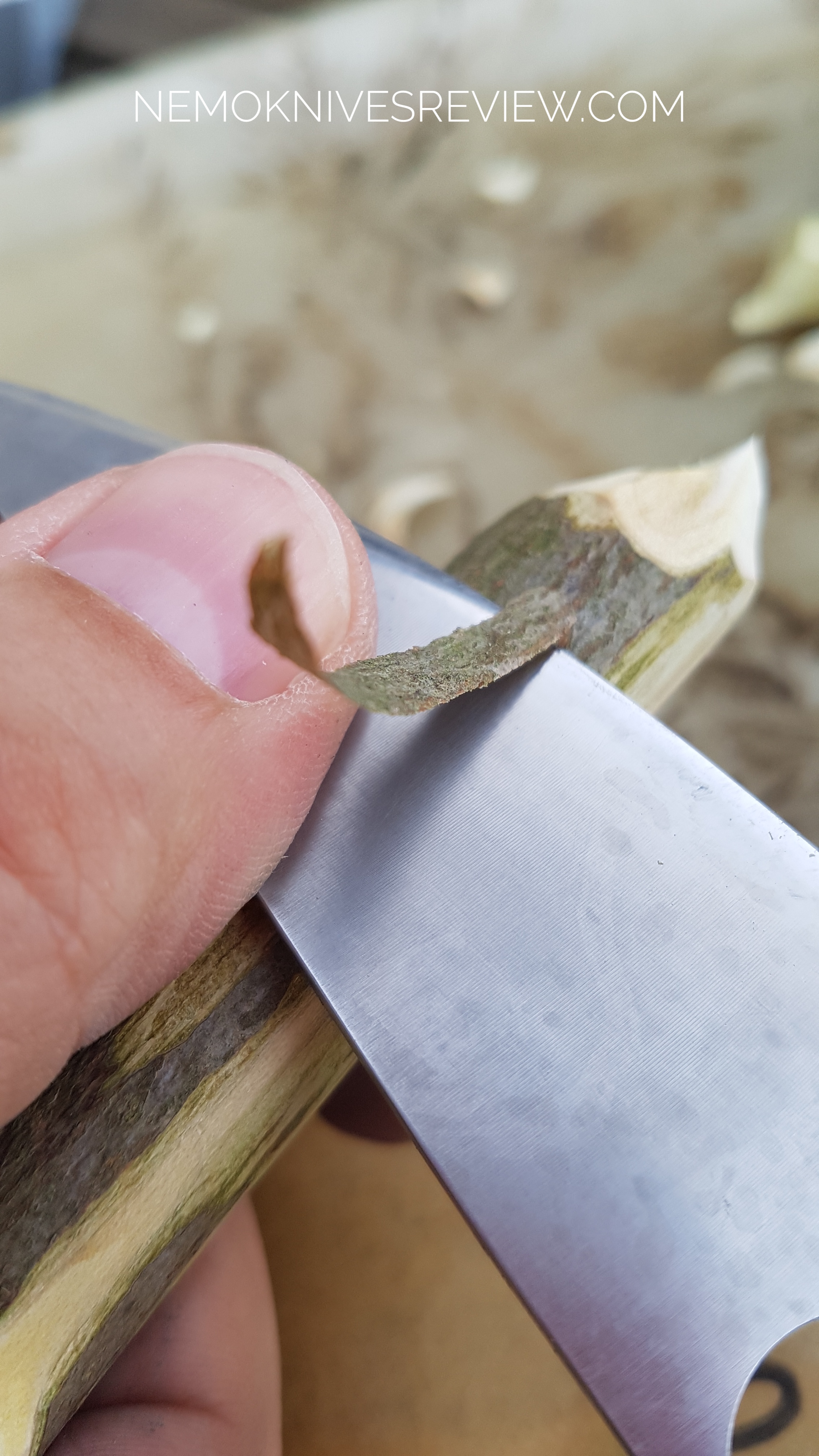
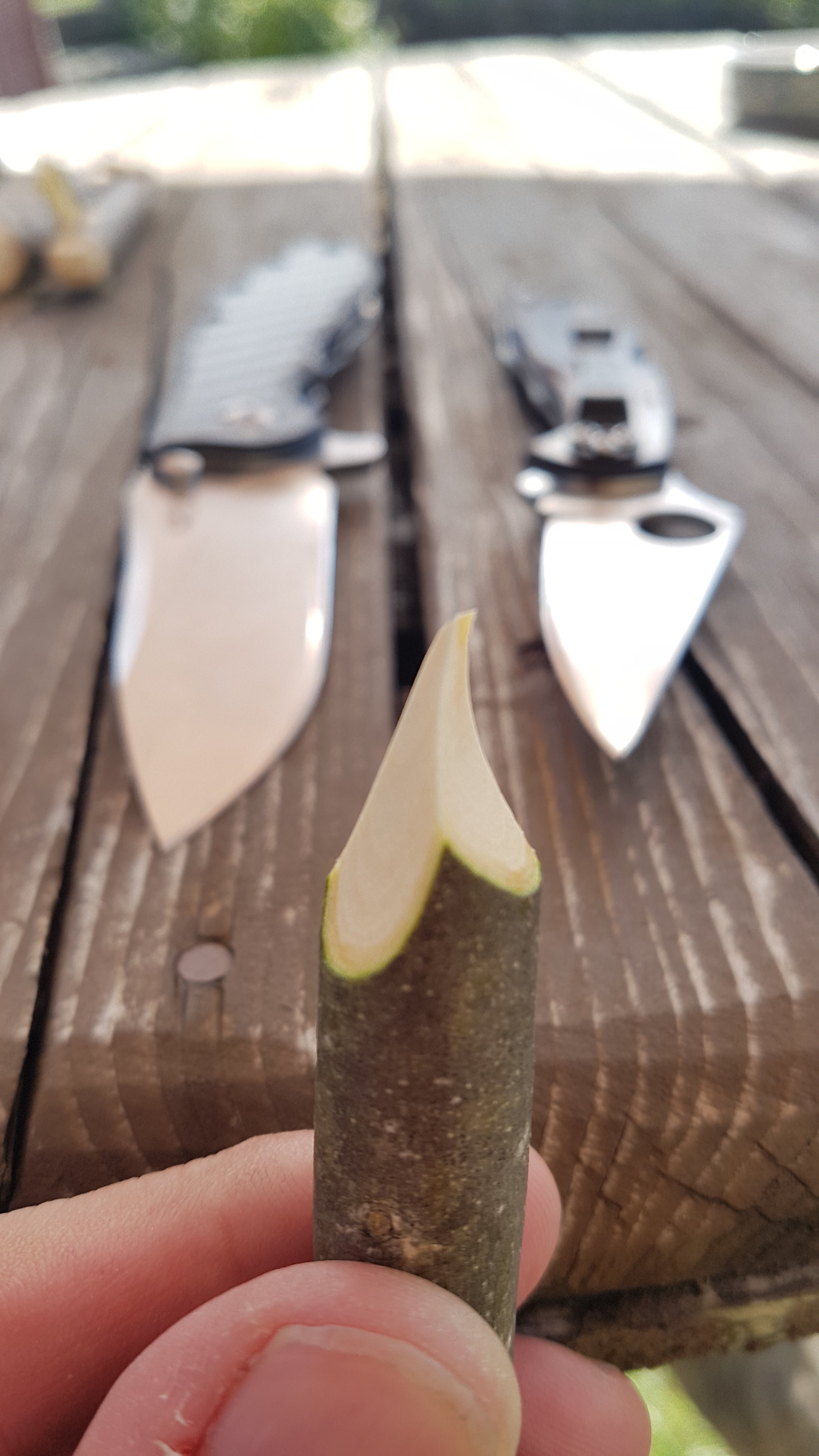 Back in the outside I was thinking of a simple way to see the “impact” of good geometry on whittling. On the right, a single cut if the thin Delica and, on the left, a single cut of the thicker
  Also the Delica was able to cut from the ricasso to the point without any hard pressure. In the end, I had noticed that the Junction was less good than the Sprig and the Delica was still the best whittler in the batch. No matter the steel, for wood cutting, geometry is queen. So I have taken my Bowie back to the diamonds and put a keener edge. Tomorrow it will be hunting day.












 NemoKnivesReview